February 08, 2026
Introduction: The Critical Role of Limestone Powder in Modern Printing Inks
The additive manufacturing of printing inks represents a sophisticated field where material properties dictate performance. Among various functional additives, finely ground limestone (calcium carbonate) powder has emerged as a cornerstone material. Its role extends beyond mere filler; it enhances opacity, improves rheology, increases ink film strength, and significantly reduces production costs. However, the efficacy of limestone in ink formulations is intrinsically linked to its particle size distribution, morphology, and purity—attributes directly determined by the grinding technology employed. This article delves into the technical requirements for limestone powder in ink applications and explores advanced milling solutions, with a focus on recommending equipment that meets the stringent demands of modern additive manufacturing.
1. Technical Specifications for Ink-Grade Limestone Powder
Not all limestone powder is suitable for high-quality printing inks. The additive manufacturing process requires powders with very specific characteristics:
- Ultra-Fine Particle Size: For most ink applications, especially in digital and high-resolution printing, a D97 fineness between 5μm (2500 mesh) and 45μm (325 mesh) is essential. This ensures smooth ink flow, prevents nozzle clogging, and provides a superior print finish.
- Narrow Particle Size Distribution: A uniform particle size is crucial for consistent ink viscosity, color development, and gloss. The presence of coarse particles can lead to abrasion of printing equipment and poor surface quality.
- High Whiteness and Purity: Impurities can affect ink color and chemical stability. High-purity limestone with consistent whiteness is mandatory for color-critical applications.
- Low Abrasiveness: The powder must have a suitable particle morphology (often modified during grinding) to minimize wear on pumps, pipes, and print heads.
- Surface Chemistry: While often modified post-grinding, the base powder should have a consistent surface area and reactivity for effective coupling with dispersants and resins.
2. Challenges in Traditional Grinding for Ink Applications
Conventional ball mills or basic Raymond mills often fall short for producing ink-grade limestone. Common issues include:
- Insufficient Fineness: Inability to consistently achieve the sub-10μm range required for advanced inks.
- Broad Size Distribution: Generating excessive amounts of both oversize and ultrafine (dust) particles, which are detrimental to ink performance.
- High Energy Consumption: Reaching ultra-fine sizes with inefficient technology leads to prohibitive operational costs.
- Contamination: Metal wear from grinding media or liners can introduce impurities that affect ink chemistry and color.
- Poor Process Control: Lack of precise classification and automated feedback results in batch inconsistency.
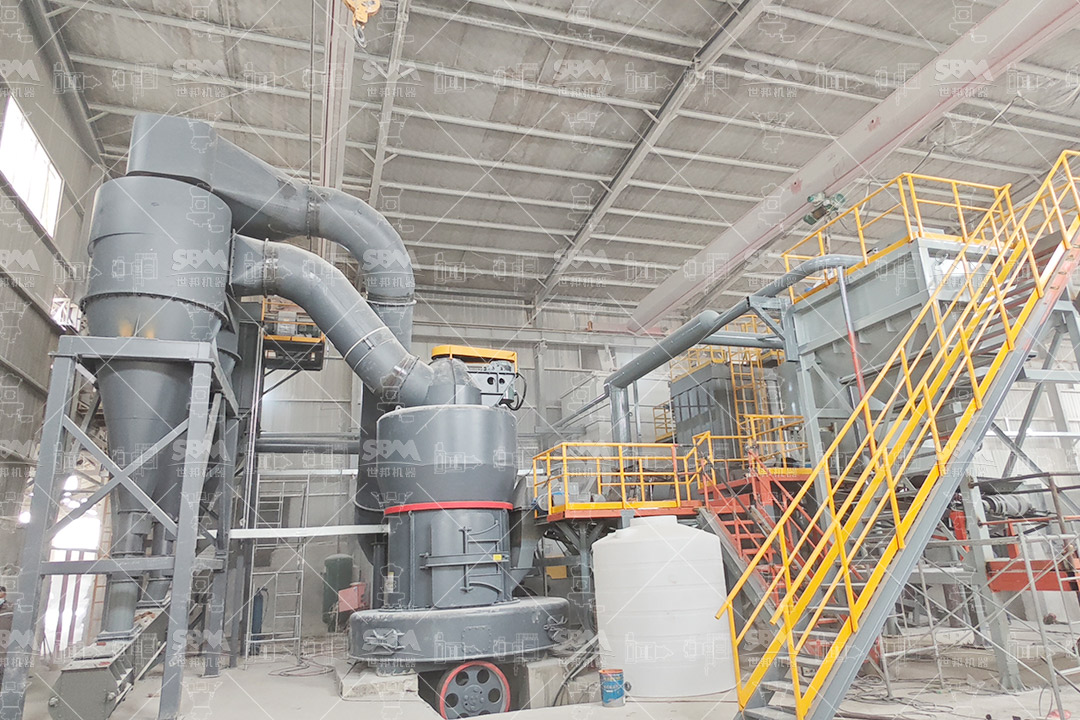
3. Advanced Grinding Solutions: Meeting the Precision Demand
The evolution of grinding mill technology has directly addressed these challenges. Modern mills integrate high-efficiency size reduction with precise air classification and intelligent control systems. For ink additive manufacturing, two primary technological paths are prominent: Ultrafine Grinding Mills for the finest products and European Trapezium Mills for high-capacity production of slightly coarser grades.
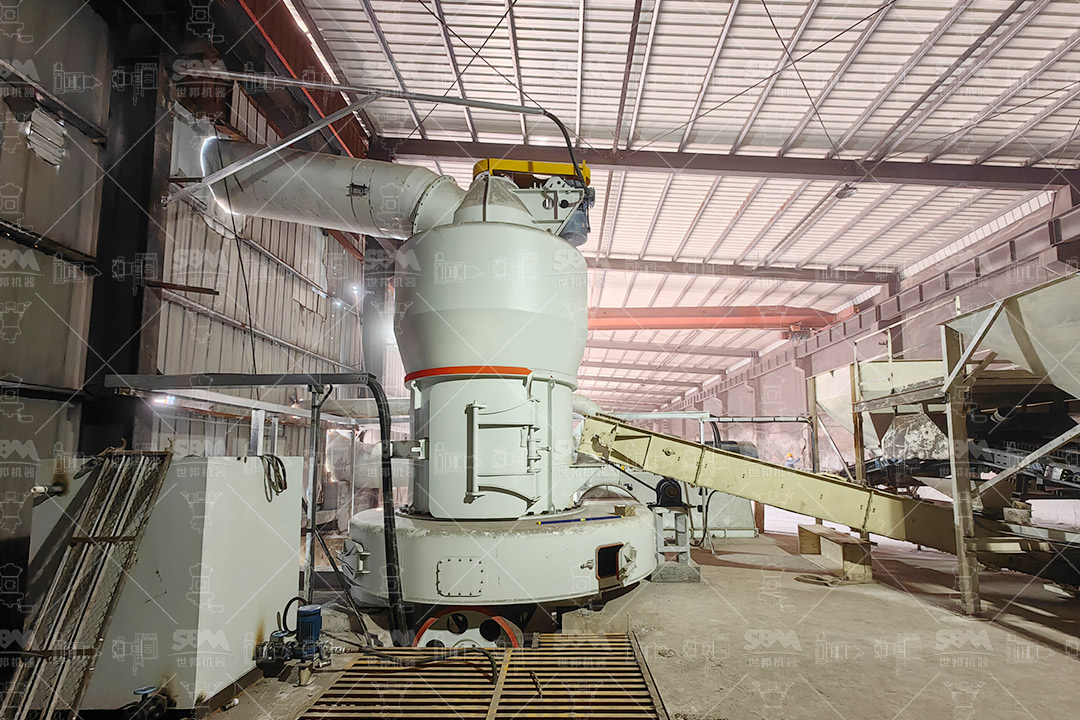
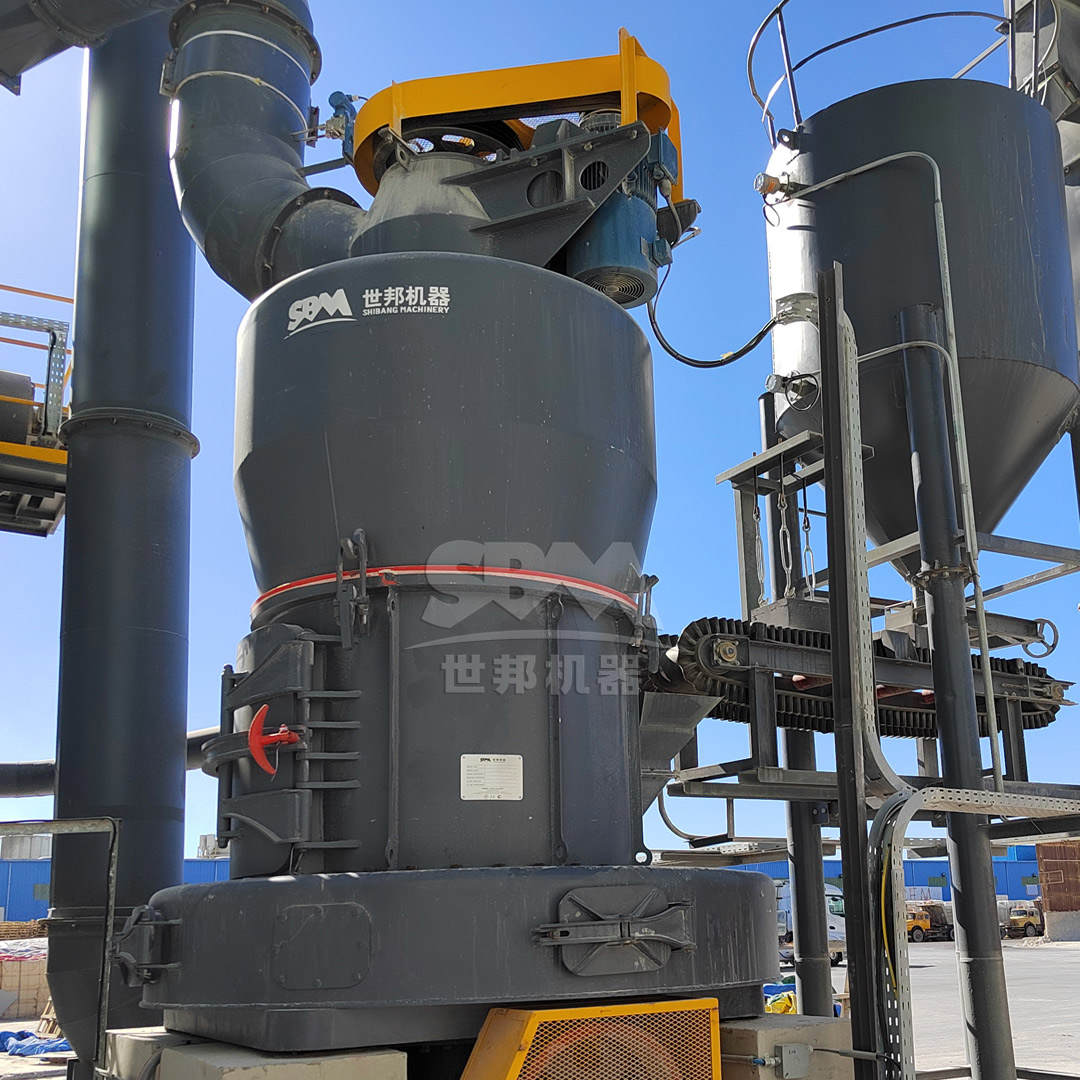
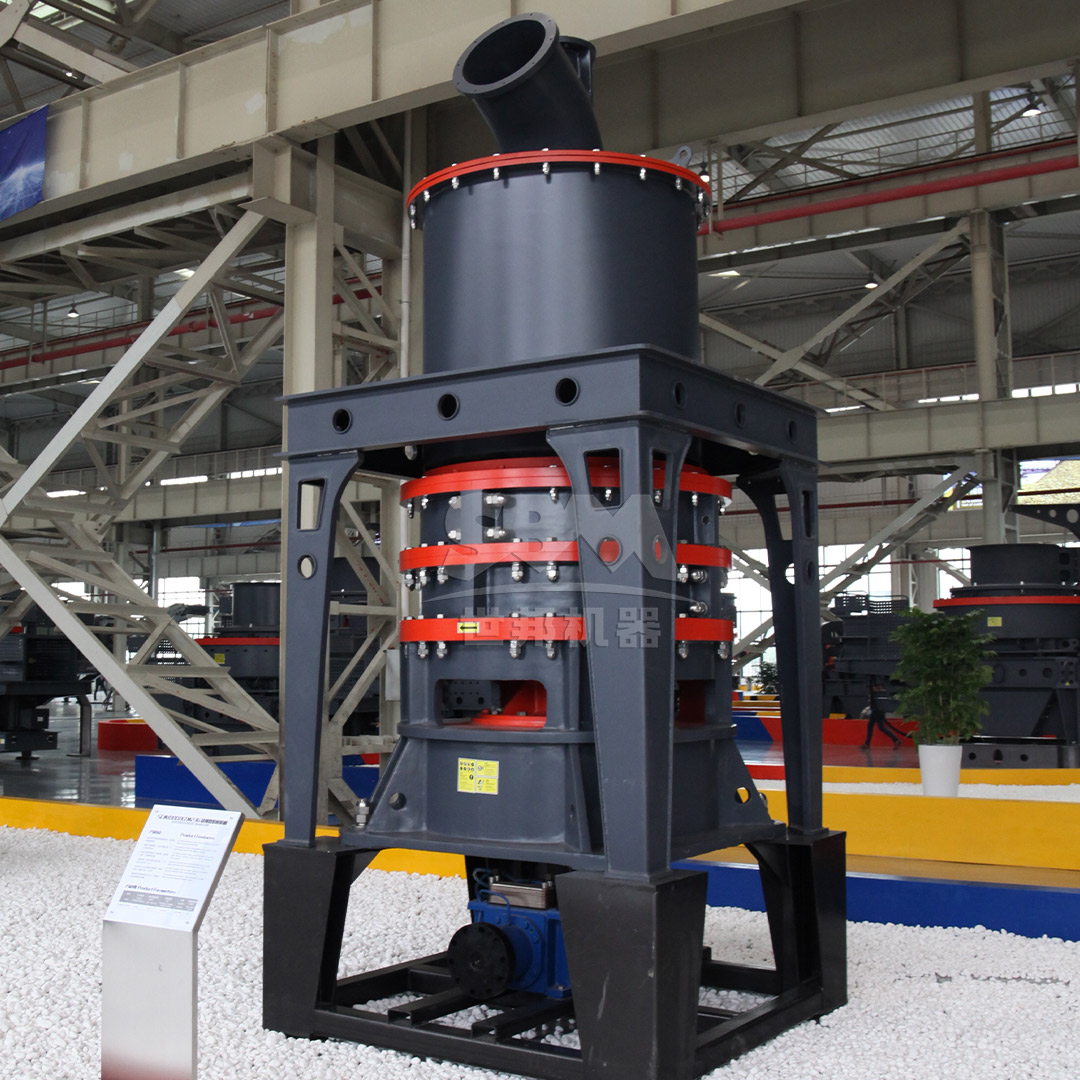
4. Recommended Solution 1: SCM Series Ultrafine Mill for Premium Ink Additives
For manufacturers targeting the high-end ink market, where particle sizes down to 5μm (2500 mesh) are required, the SCM Series Ultrafine Mill is the ideal technological partner. This mill is engineered specifically for producing powders with exceptional fineness and uniformity.
| Model |
Capacity (t/h) |
Main Power (kW) |
Output Fineness (mesh) |
Key Feature for Ink |
| SCM800 |
0.5 – 4.5 |
75 |
325-2500 |
Ideal for pilot plants & specialty ink production |
| SCM1000 |
1.0 – 8.5 |
132 |
325-2500 |
Perfect balance of capacity and fineness control |
| SCM1250 |
2.5 – 14 |
185 |
325-2500 |
High-capacity production for mainstream ink additives |
Why the SCM Series Excels for Ink Manufacturing:
- High-Precision Vertical Turbine Classifier: This is its core advantage. It enables precise “cutting” of particle size, ensuring no coarse particles contaminate the final product. The resulting narrow size distribution is perfect for formulating stable, high-gloss inks.
- High Efficiency & Energy Saving: With a capacity reported to be twice that of jet mills and 30% lower energy consumption, it offers an economical route to ultra-fine powder. Its intelligent control system with automatic granularity feedback maintains consistent quality, batch after batch.
- Durable, Low-Contamination Design: The use of special material rollers and rings, coupled with a shaftless screw grinding chamber, minimizes wear and the associated risk of metallic contamination—a critical factor for ink purity.
- Eco-friendly Operation: The integrated pulse dust collection system (efficiency >99.9%) and soundproof design ensure the production process is clean and compliant with industrial environmental standards.
For an ink additive producer requiring the absolute finest, most consistent limestone powder, the SCM Series provides a reliable, efficient, and scalable solution.
5. Recommended Solution 2: MTW Series European Trapezium Mill for High-Volume Production
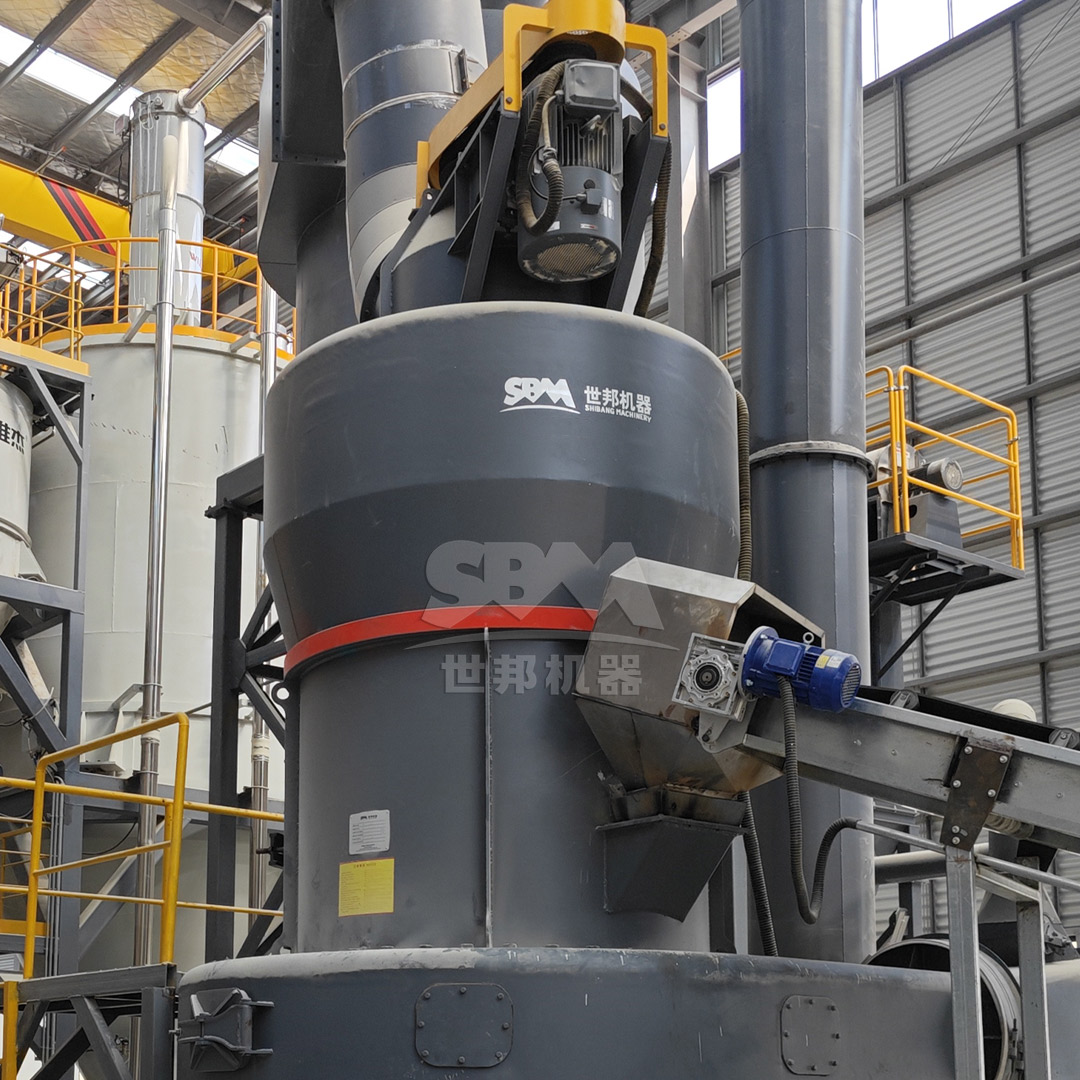
When the production focus is on larger volumes of limestone powder in the 45-325 mesh (30-0.038mm) range for standard offset, flexographic, or packaging inks, the MTW Series European Trapezium Mill stands out as the optimal workhorse.
| Model |
Capacity (t/h) |
Main Power (kW) |
Output Fineness (mesh) |
Suitability |
| MTW138Z |
6 – 17 |
90 |
10-325 |
Excellent for mid-scale dedicated ink additive lines |
| MTW175G |
9.5 – 25 |
160 |
10-325 |
High-efficiency production for large ink manufacturers |
| MTW215G |
15 – 45 |
280 |
10-325 |
For mega-plants supplying the global ink industry |
Advantages of the MTW Series for Ink Additive Production:
- Robust and Low-Maintenance Design: The anti-wear combined shovel blades and curved roller design drastically reduce maintenance costs and downtime, ensuring continuous supply for ink production.
- Optimized Airflow and High-Efficiency Drive: The arc air duct and integral bevel gear drive (98% transmission efficiency) translate to lower energy consumption per ton of product, a key cost factor in bulk additive manufacturing.
- Precise Classification System: It reliably produces powder within the specified fineness range (e.g., 325 mesh/45μm) with good uniformity, meeting the quality standards for a wide array of printing inks.
- Proven Reliability: Based on mature trapezium mill technology with patented improvements, it offers a stable and reliable production platform for mission-critical raw material supply.
6. Integration into the Additive Manufacturing Supply Chain
Selecting the right grinding mill is the first step. A holistic approach involves:
- Feedstock Preparation: Ensuring limestone feedstock is properly crushed and dried to match mill input specifications (e.g., ≤20mm for SCM, ≤50mm for MTW).
- Surface Modification (Optional): Post-grinding, the powder may be treated with stearic acid or other agents in a coating system to enhance its compatibility with ink resins.
- Quality Assurance: Implementing rigorous testing (laser particle analysis, whiteness, moisture content) to ensure every batch meets ink formulators’ specifications.
- Dust-Free Packaging: Using automated bagging or bulk handling systems designed for fine powders to prevent contamination and loss.
7. Conclusion: Investing in Precision for Competitive Advantage
The quality of limestone powder is a significant variable in the performance and cost structure of modern printing inks. By investing in advanced grinding technology like the SCM Series Ultrafine Mill or the MTW Series European Trapezium Mill, additive manufacturers can achieve precise control over their product’s key attributes. This translates into a direct competitive advantage: the ability to supply ink formulators with consistent, high-performance additives that enable better inks—whether for vibrant packaging, durable publications, or precision digital prints. The choice between the ultra-fine precision of the SCM and the high-volume efficiency of the MTW ultimately depends on the specific market segment and product portfolio, but both represent the state-of-the-art in preparation technology for the evolving printing ink industry.