Limestone powder is a fundamental raw material with extensive applications across various industries, including construction, agriculture, chemicals, and environmental protection. The production of high-quality limestone powder hinges on the selection of appropriate grinding equipment. An efficient grinding mill not only determines the final product’s fineness, uniformity, and particle size distribution but also significantly impacts the production line’s overall energy consumption, operational costs, and environmental footprint. This article delves into the critical role of grinding mills in limestone processing lines, explores different grinding technologies, and provides guidance on selecting the optimal equipment to meet specific production requirements.
Raw limestone extracted from quarries typically exists in large, irregular blocks. To be utilized in downstream applications, it must undergo a series of size reduction stages: primary crushing, secondary crushing, and finally, fine grinding. The grinding stage is paramount as it transforms the crushed material into a fine powder with the desired chemical and physical properties.
The choice of grinding technology directly affects:
Therefore, investing in a modern, efficient grinding system is not merely an equipment purchase but a strategic decision for long-term operational success.
Contemporary grinding mills have evolved far beyond traditional ball mills, incorporating advanced mechanics, materials science, and automation. Here are the core technological features to consider:
The fundamental action—compression, impact, or attrition—varies by mill type. Roller mills (like vertical roller mills and trapezium mills) primarily use compression by applying pressure through rollers onto a bed of material. This method is generally more energy-efficient for fine grinding than the impact/attrition method of ball mills.
An integrated, high-precision classifier is crucial. It instantly separates fine particles that meet the specification from coarse ones, which are returned for further grinding. This closed-circuit system prevents over-grinding, improves efficiency, and ensures a narrow particle size distribution. Advanced mills feature vertical turbine classifiers or dynamic classifiers with adjustable rotor speeds for precise cut-point control.
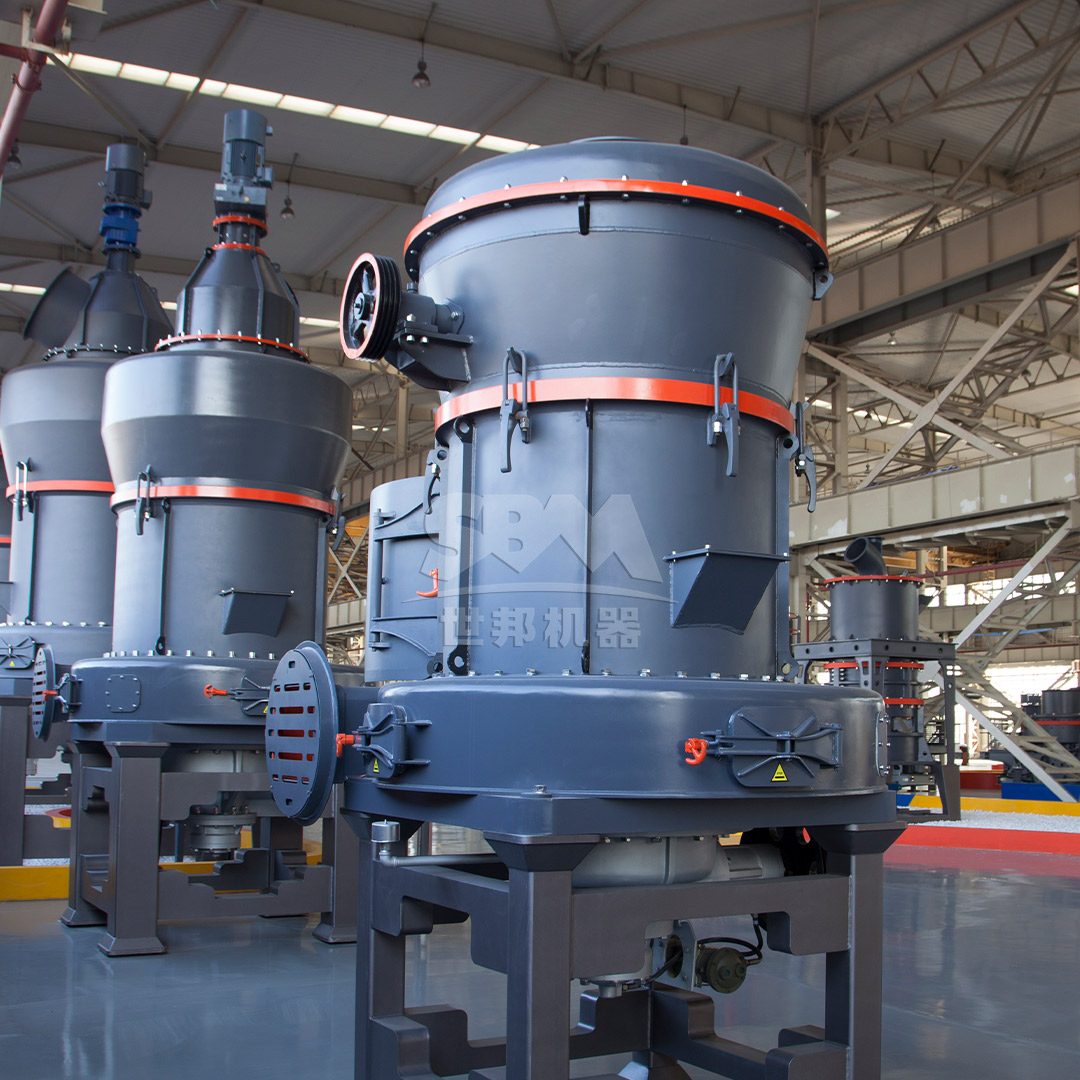
Efficient power transmission minimizes energy loss. Modern designs employ integrated gearboxes or direct drives with high-efficiency motors. Some larger models use planetary gearboxes for smooth torque delivery and compact design.
Grinding zones are subject to extreme abrasion. Key components like rollers, grinding rings/tables, and liners are made from high-chromium alloys, ceramic composites, or other advanced materials to extend service life, sometimes by factors of 2-3 compared to standard materials.
Intelligent control systems (often PLC-based) monitor and adjust key parameters in real-time: feed rate, grinding pressure, classifier speed, and temperature. This ensures consistent product quality, optimizes energy use, and allows for remote monitoring and operation.
State-of-the-art mills are designed as negative-pressure systems. All potential dust emission points are sealed, and air is drawn through high-efficiency pulse-jet baghouse filters, ensuring emissions are well below international standards (e.g., <20 mg/Nm³). Acoustic enclosures and damping systems keep operational noise levels low (<80 dB).
The optimal mill choice depends on the target product fineness, required capacity, and capital/operating budget. The following table provides a high-level comparison of common mill types used for limestone.
| Mill Type | Typical Output Fineness | Typical Capacity Range | Key Advantages | Ideal For |
|---|---|---|---|---|
| Ball Mill | 0.074 – 0.8 mm (200 – 20 mesh) | Very Wide (0.65 – 450 t/h) | Proven technology, high capacity, versatile. | Coarse to medium grinding, large-scale production where ultra-fineness is not critical. |
| Vertical Roller Mill (VRM) | 30 – 325 mesh (45 – 600目) | 3 – 250 t/h | High energy efficiency, integrated drying/grinding/classification, low footprint. | Medium to fine grinding of limestone, especially with moist feed; large-scale integrated plants. |
| Trapezium Mill (MTW/MTM) | 30 – 325 mesh (45 – 600目) | 3 – 45 t/h | Reliable performance, curved air duct for low resistance, easy maintenance. | Medium-scale production of fine limestone powder for construction and industrial fillers. |
| Ultrafine Mill (SCM) | 325 – 2500 mesh (5 – 45μm) | 0.5 – 25 t/h | Exceptional fineness, precise classification, energy-saving design. | High-value ultrafine and nano-grade limestone powders for plastics, paints, advanced ceramics. |
For projects demanding the finest product specifications, such as fillers for high-performance polymers or specialty chemicals, an ultrafine grinding mill is indispensable. In this segment, our SCM Ultrafine Mill series stands out as a premier solution. Engineered for producing powders in the range of 325 to 2500 mesh (D97 ≤ 5μm), it incorporates a vertical turbine classifier that delivers unparalleled particle size precision and uniformity. Its unique grinding chamber design and wear-resistant components ensure stable, long-term operation while consuming up to 30% less energy than conventional jet mills. With models like the SCM1250 offering capacities up to 14 tons per hour, it provides a scalable solution for high-end limestone powder production.
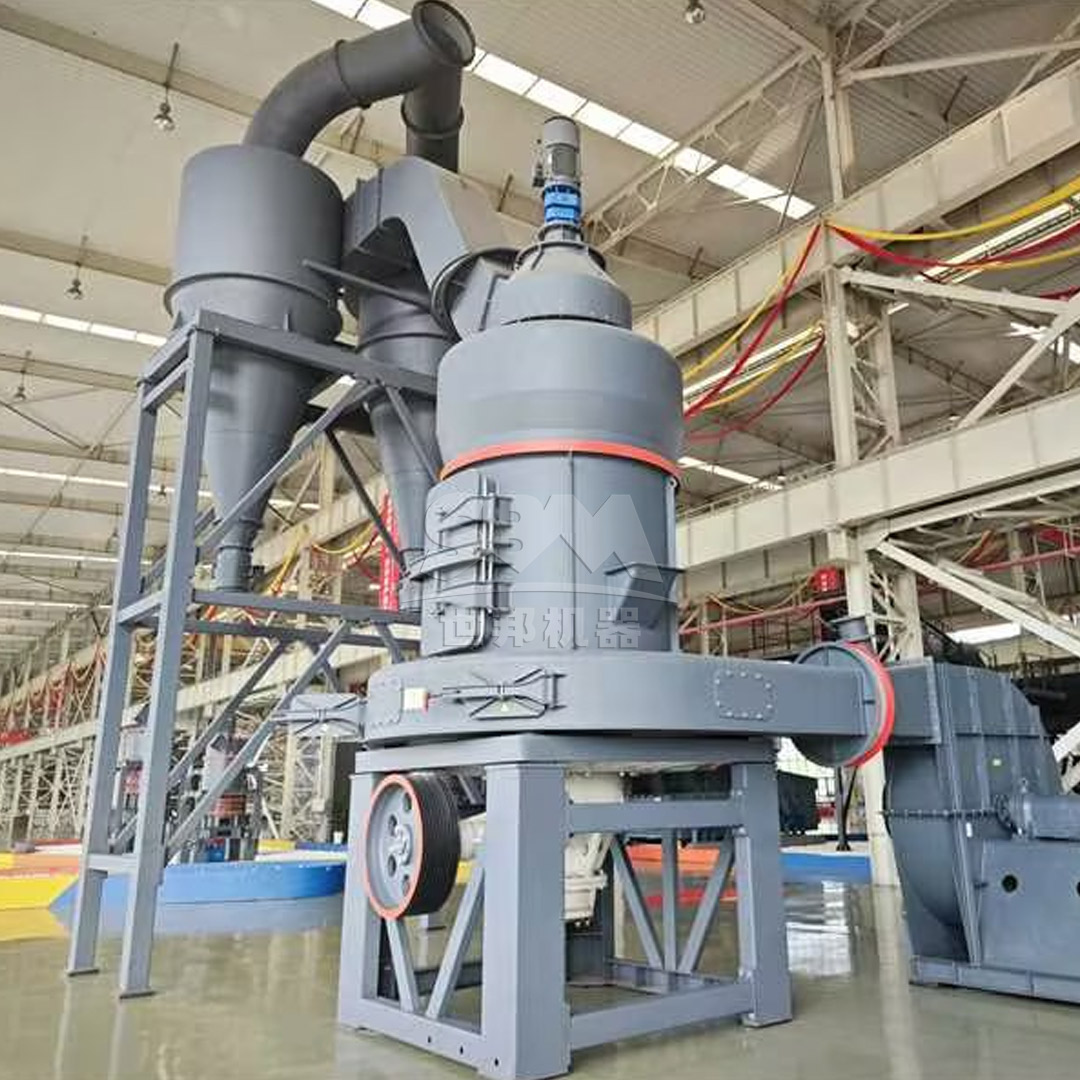
A grinding mill does not operate in isolation. Its performance is maximized within a well-designed production line that includes:
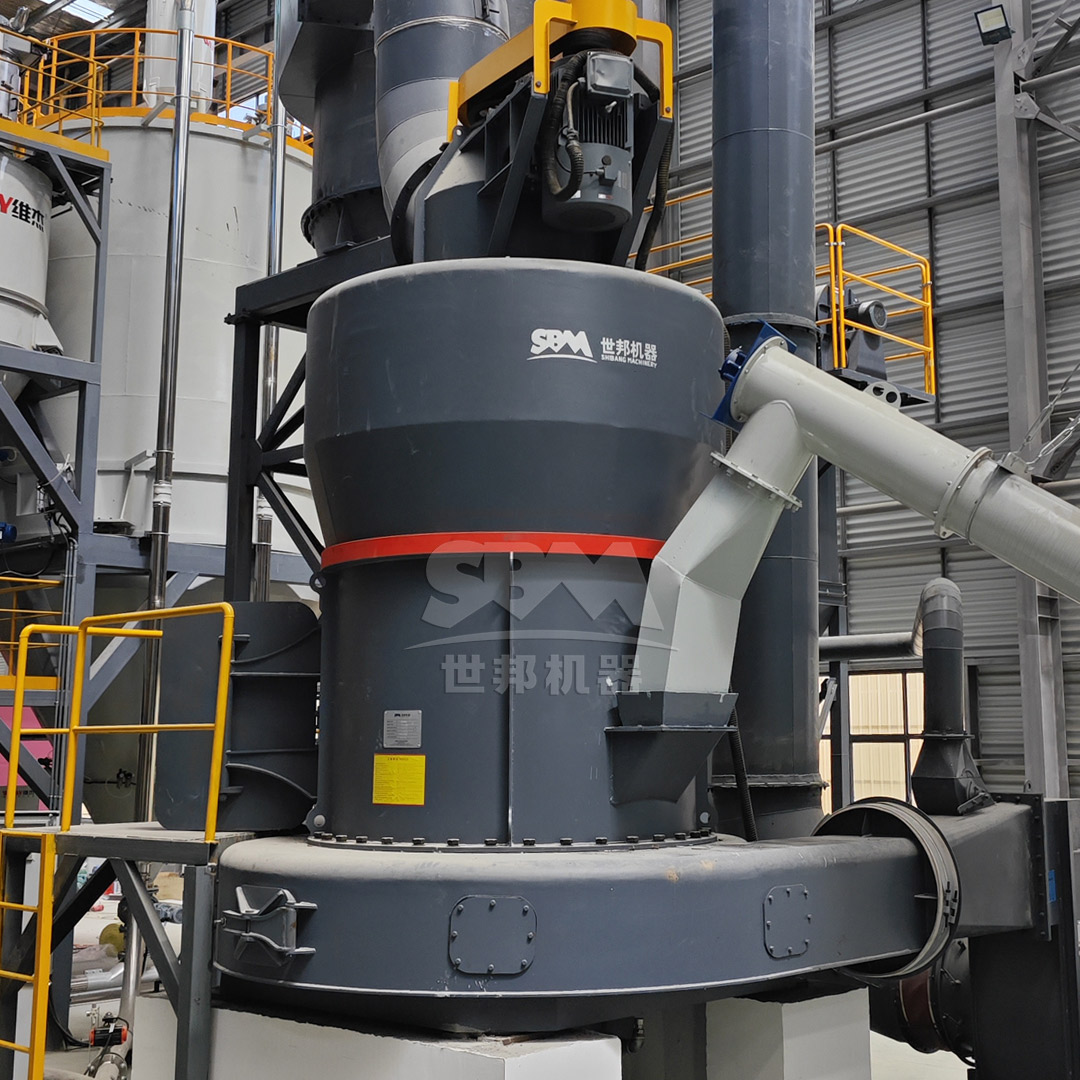
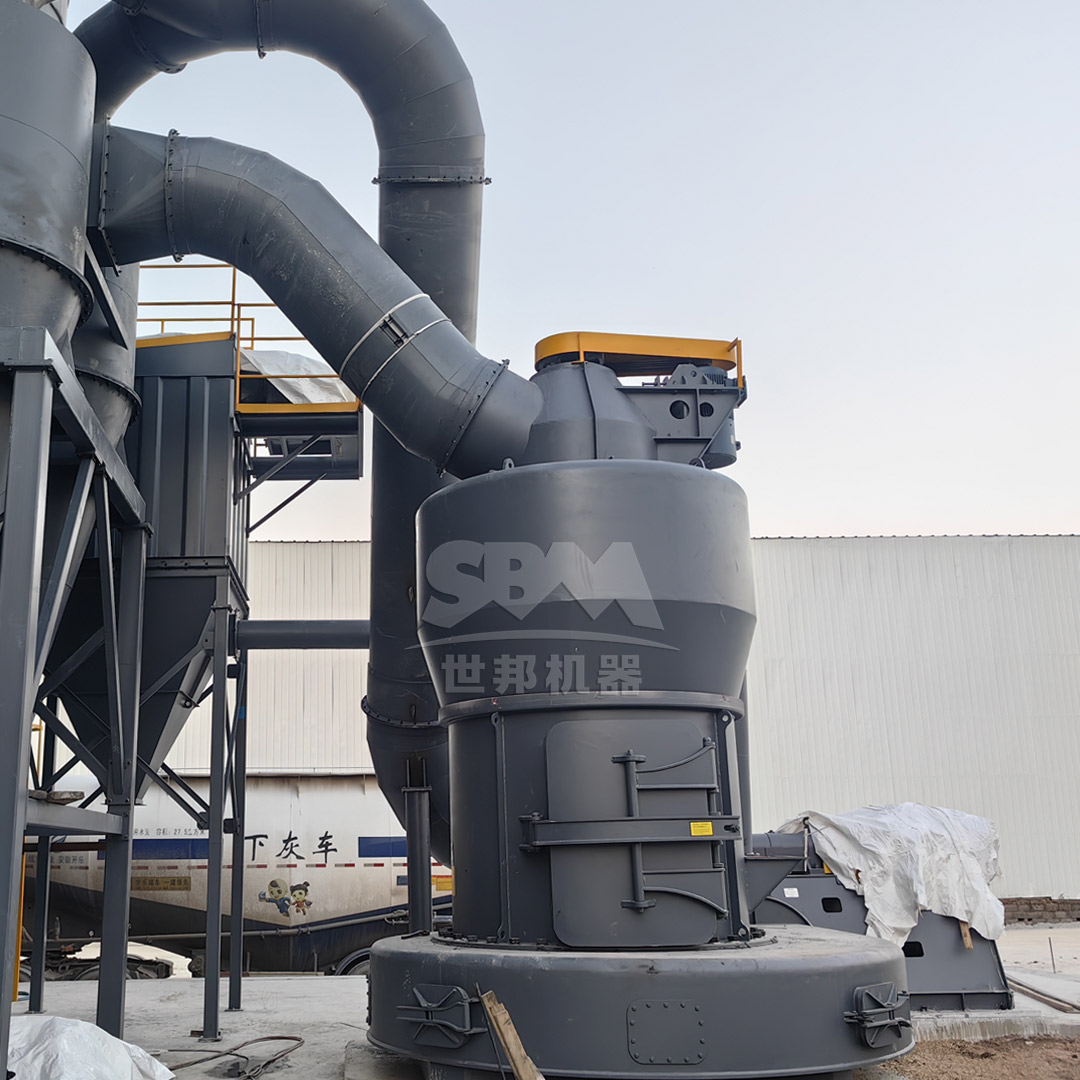
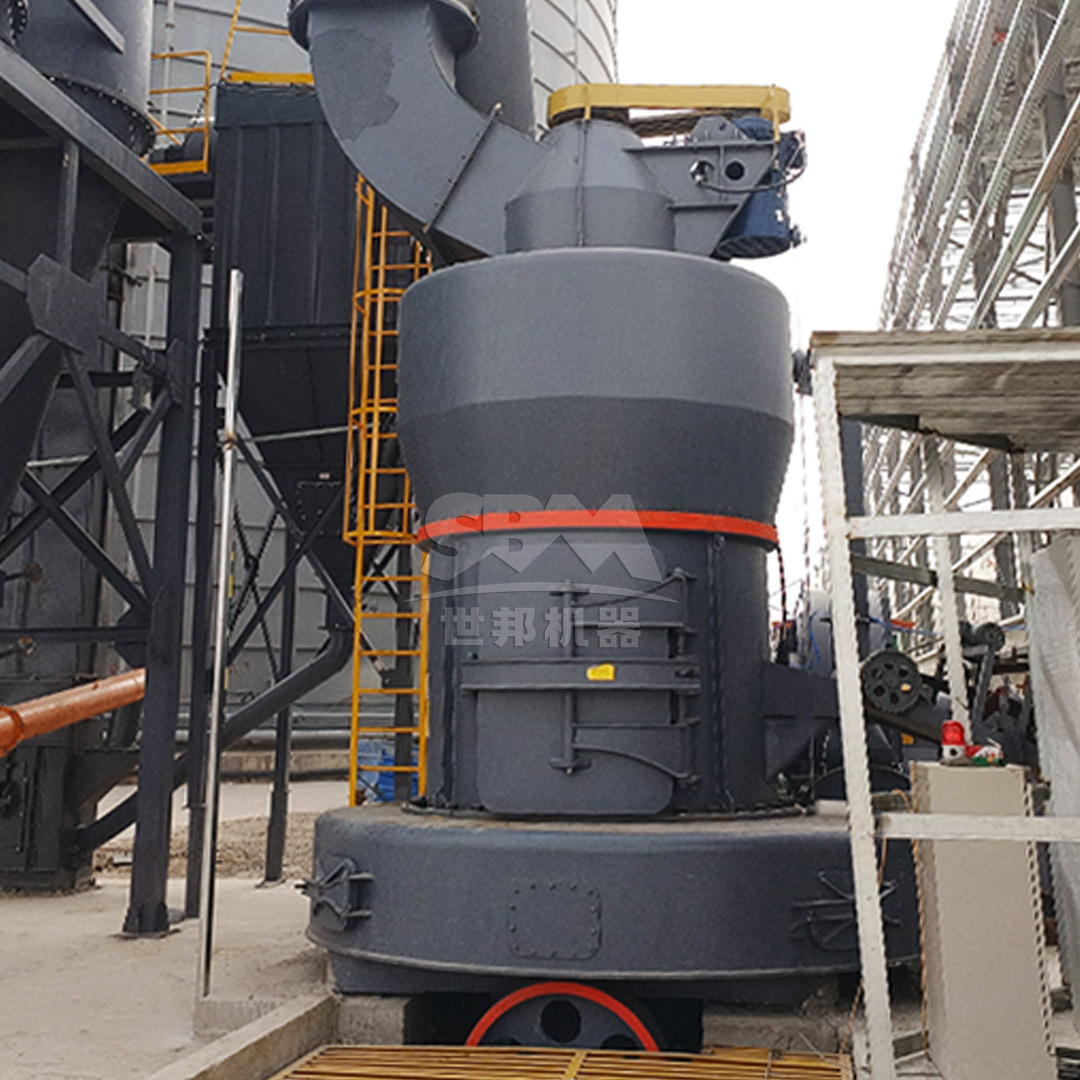
For medium to high-capacity lines targeting construction-grade powders (e.g., for asphalt filler or desulfurization), a MTW Series Trapezium Mill offers an excellent balance of performance, reliability, and cost. Its innovative features, such as the conical gear overall transmission with 98% efficiency and the wear-resistant volute structure, translate directly into lower operating costs and higher availability. With capacities ranging from 3 to 45 tons per hour across its model range (e.g., MTW215G), it can serve as the reliable heart of a robust and profitable limestone powder line.
The selection of a limestone powder grinding mill is a critical decision that shapes the technical and economic future of a processing operation. Moving beyond traditional technologies to adopt modern mills featuring high-efficiency grinding principles, precise classification, intelligent control, and stringent environmental protection is no longer an option but a necessity for competitive and sustainable production.
Understanding the specific requirements of your target market—whether it’s coarse filler for concrete or ultrafine powder for advanced composites—is the first step. Matching these requirements with the appropriate grinding technology, such as the high-precision SCM Ultrafine Mill for specialty applications or the robust and efficient MTW Trapezium Mill for industrial-scale production, ensures optimal results. By investing in the right key equipment, producers can achieve superior product quality, maximize energy savings, minimize environmental impact, and secure a strong position in the evolving limestone powder market.