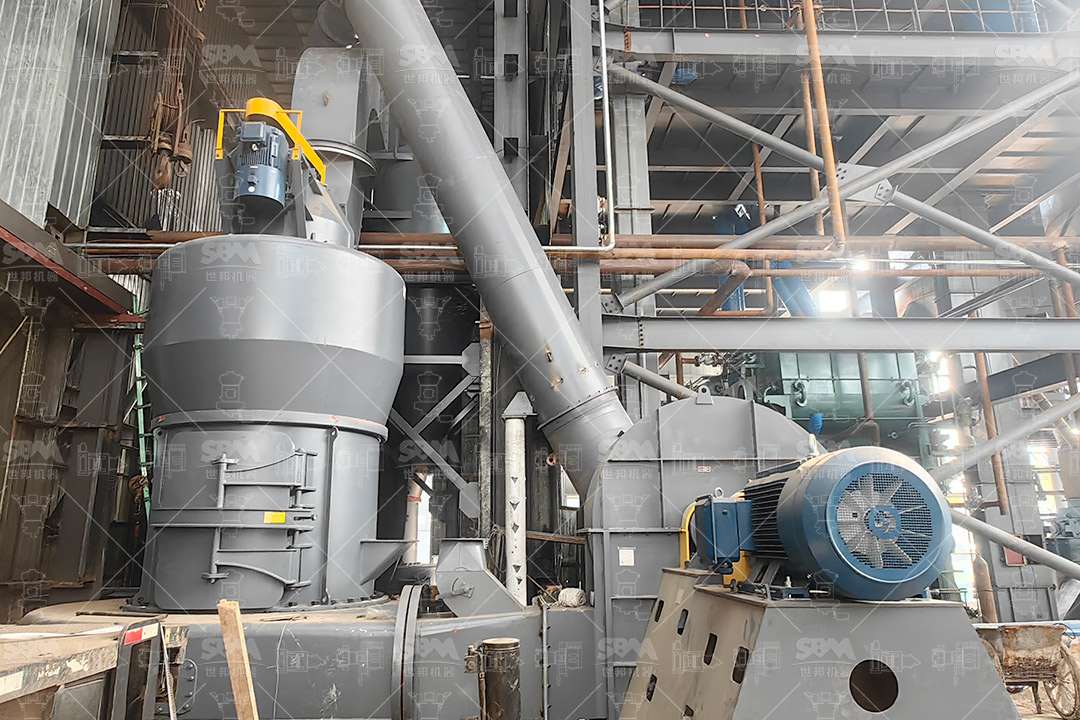
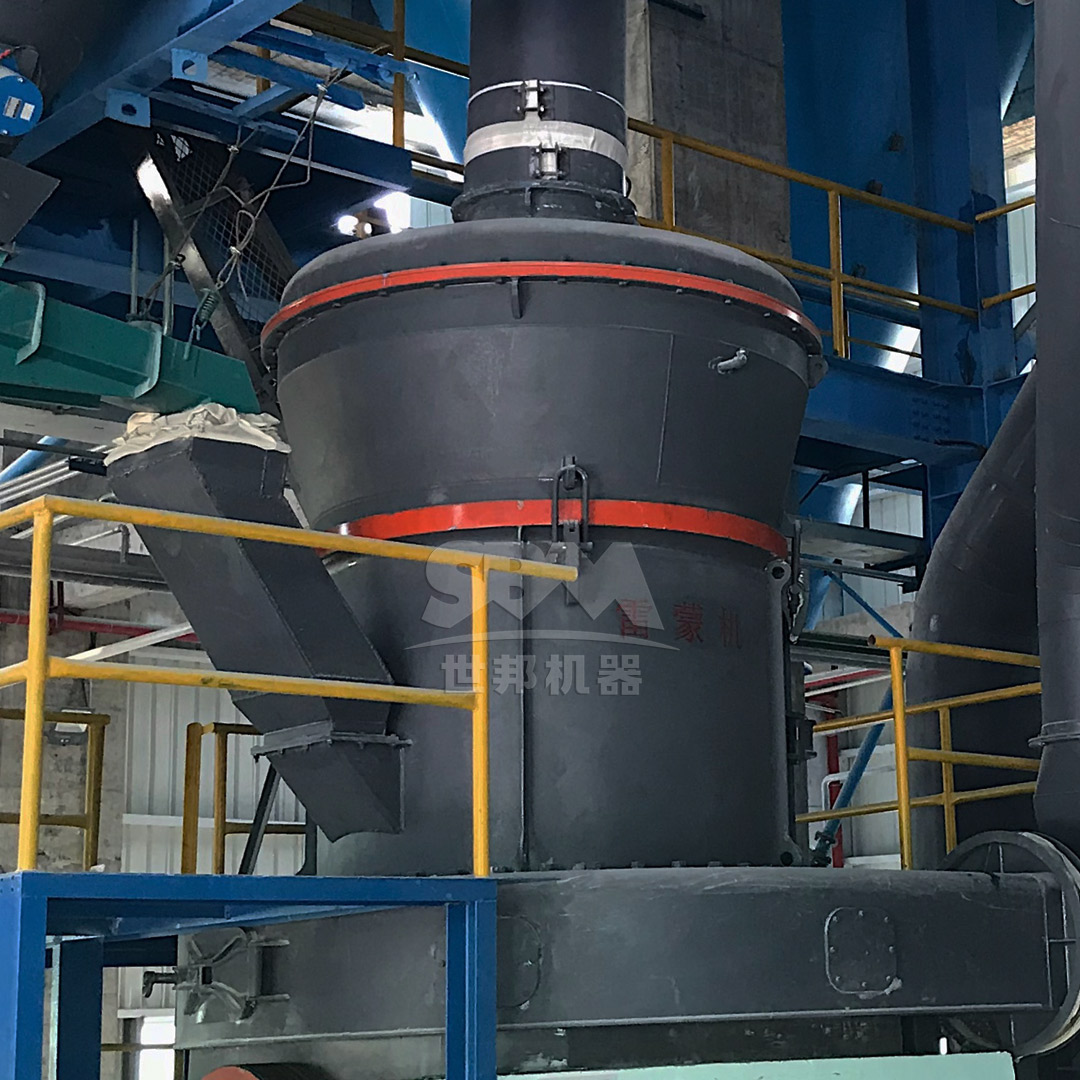
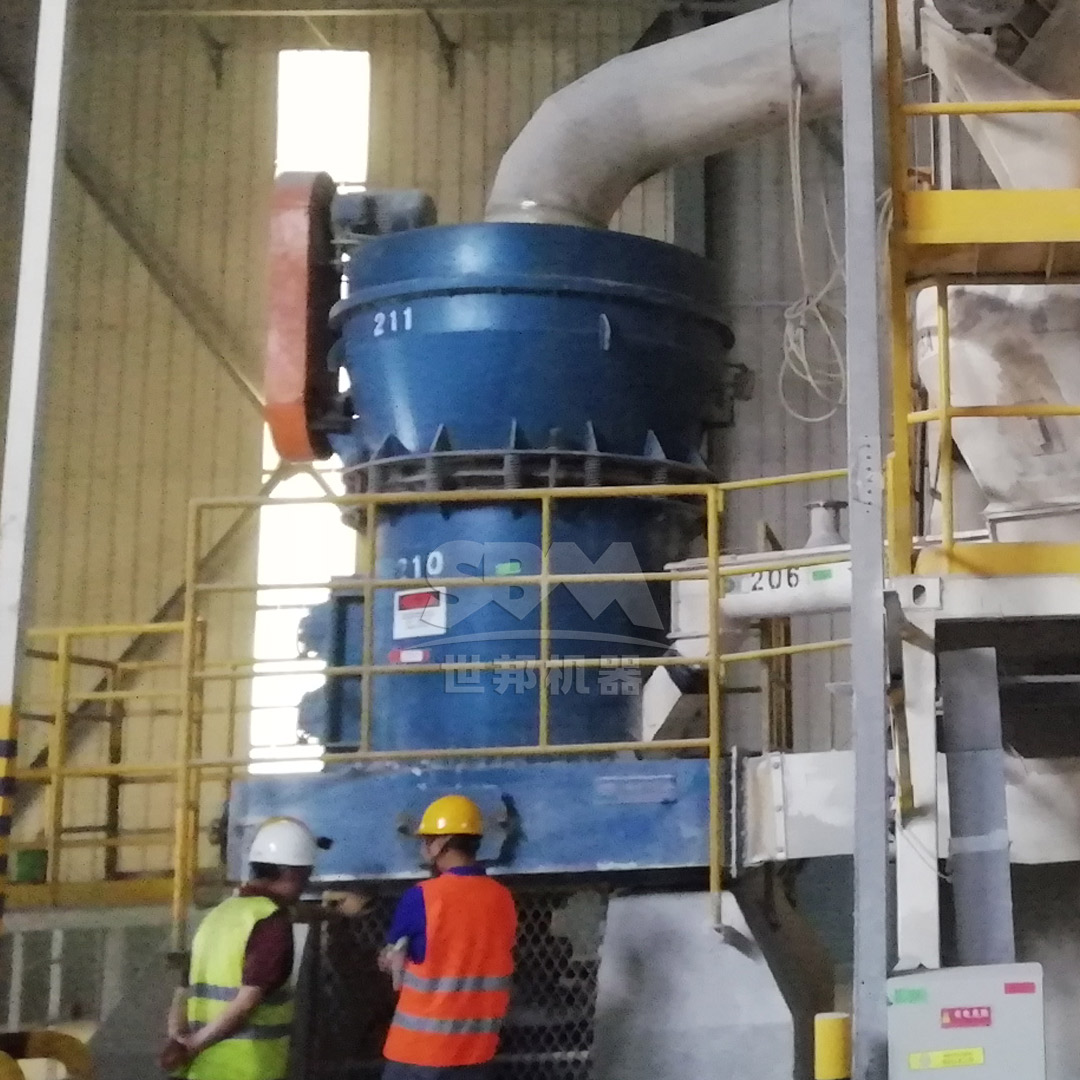
The burgeoning demand for lithium-ion batteries has placed lithium mica, a crucial source of lithium, at the forefront of the mining and materials processing industry. Efficiently transforming raw lithium mica ore into the fine, consistent powders required for downstream chemical extraction and material synthesis is a critical production step. The selection of an appropriate grinding mill directly impacts product quality, production efficiency, operational costs, and overall project viability. This article explores the technical requirements for lithium mica grinding and highlights key equipment solutions for achieving efficient, high-yield production.
Lithium mica, primarily lepidolite and zinnwaldite, must be ground to a specific fineness to maximize lithium recovery during subsequent leaching processes. The target particle size (typically D90 or D97 below 45μm, or even finer for advanced processes) directly influences the surface area exposed to chemical reagents. Inadequate grinding leads to lower extraction rates and wasted resources, while over-grinding consumes excessive energy and may generate problematic ultra-fines. Therefore, a grinding system must offer precise control over the final product’s particle size distribution (PSD), ensuring uniformity and repeatability batch after batch.
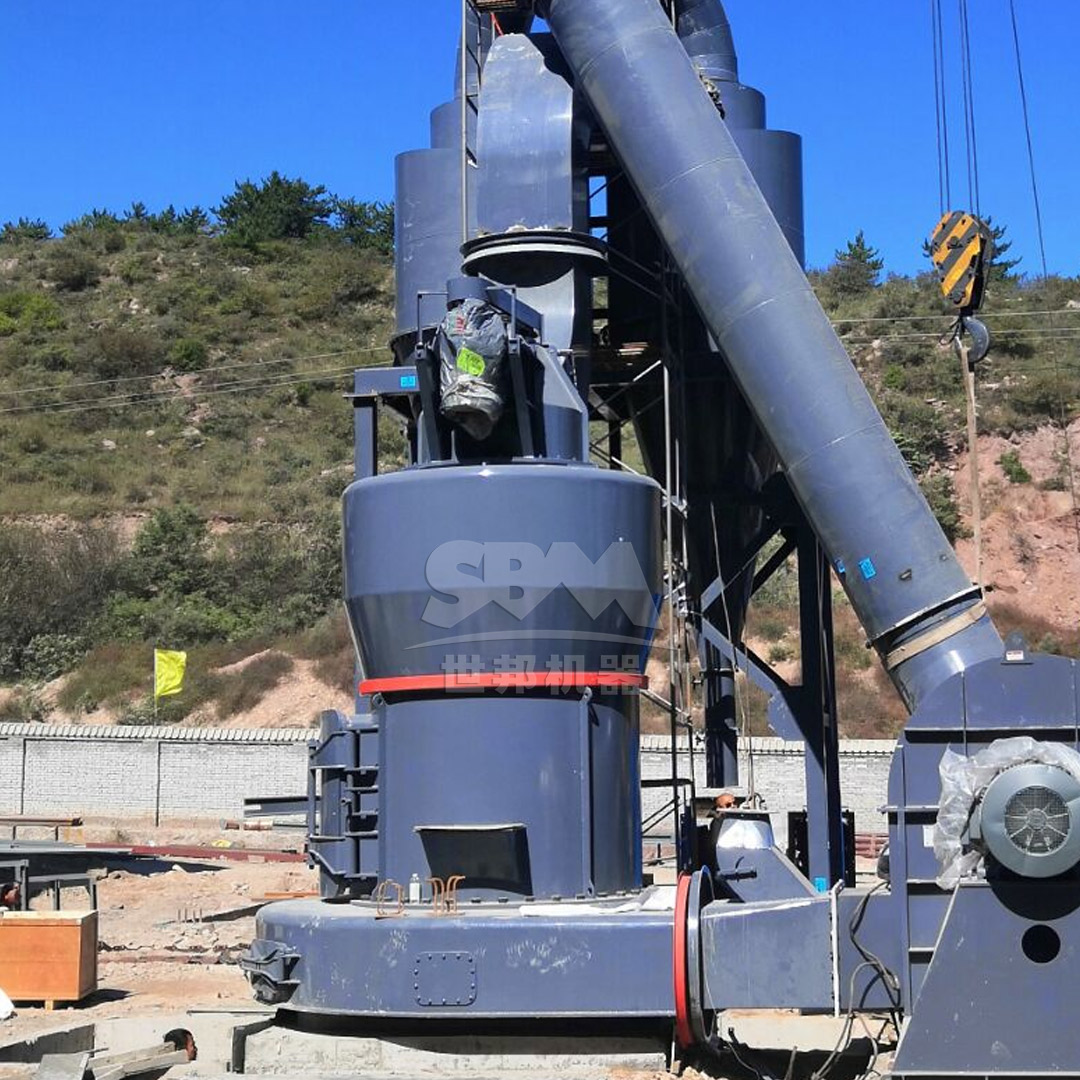
Grinding lithium mica presents several distinct challenges that equipment must overcome:
Several grinding technologies are applicable, each with its strengths for different production scales and fineness targets.
| Mill Type | Typical Output Fineness | Key Advantages | Considerations for Lithium Mica |
|---|---|---|---|
| Ball Mill | 45-200 mesh (74-325μm) | Robust, high capacity, versatile | Suitable for primary/coarse grinding; less efficient for very fine targets; higher wear. |
| Raymond Mill (MTW Series) | 80-325 mesh (45-180μm) | Stable, reliable, lower capital cost | Excellent for medium-fine grinding; good particle shape control; efficient for many mica applications. |
| Vertical Roller Mill (LM Series) | 80-600 mesh (23-180μm) | High energy efficiency, integrated drying, large capacity | Ideal for large-scale production; can handle moist feed; lower operating noise and footprint. |
| Ultrafine Mill (SCM Series) | 325-2500 mesh (5-45μm) | Exceptional for superfine grinding, high classification accuracy | Optimal for high-value, ultra-fine lithium mica powders; superior PSD control; energy-efficient design. |
For producers targeting the high-end market requiring ultra-fine lithium mica powder (D97 ≤ 5μm to 45μm), the SCM Series Ultrafine Mill represents a technologically advanced and economically sound choice. This mill is engineered to overcome the specific challenges of fine mica grinding.
Core Technical Advantages for Lithium Mica:
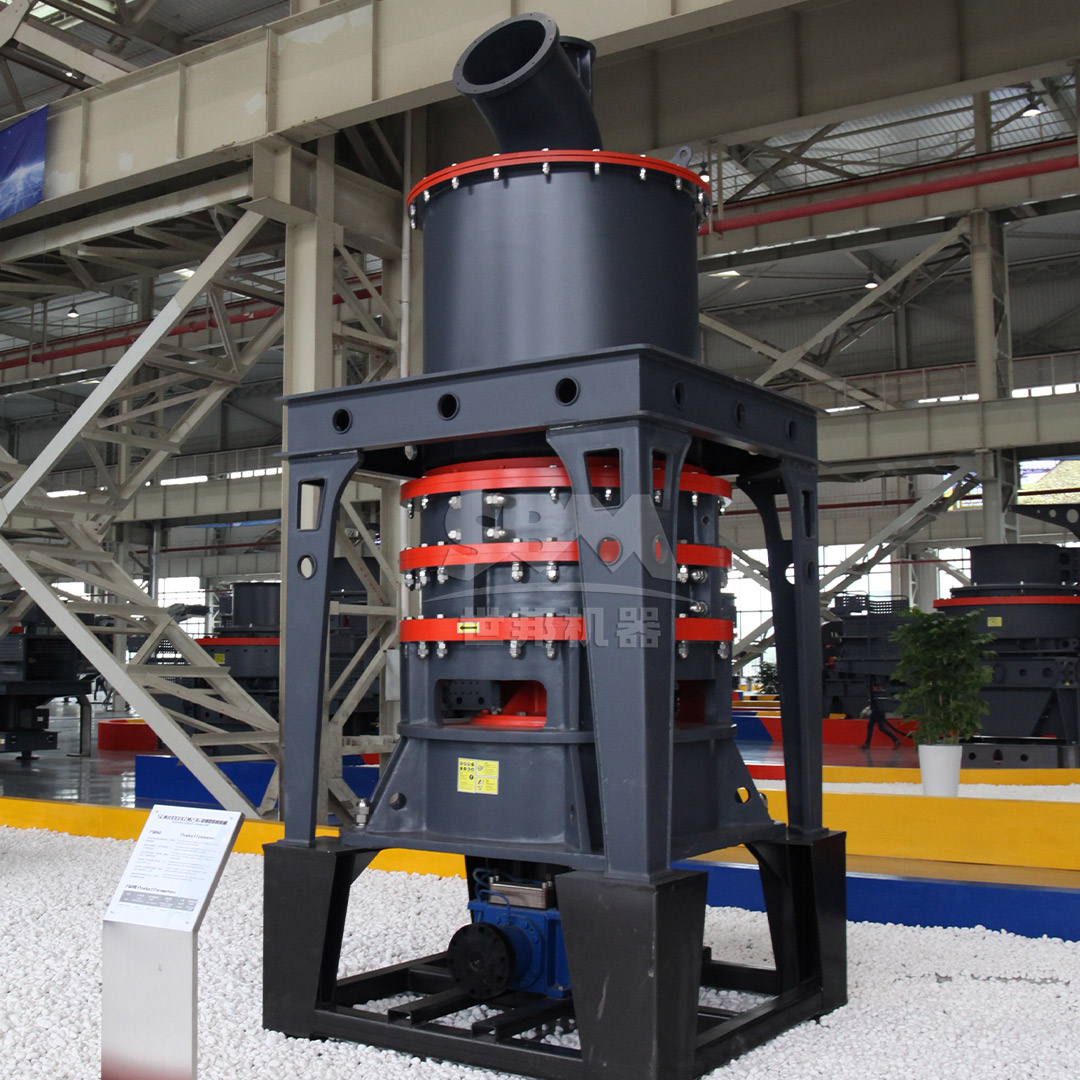
Model Selection Guide (SCM Series):
| Model | Output Capacity (ton/h)* | Main Motor Power (kW) | Recommended Project Scale |
|---|---|---|---|
| SCM800 | 0.5 – 4.5 | 75 | Pilot plant, small-scale specialty production |
| SCM1000 | 1.0 – 8.5 | 132 | Medium-scale commercial production |
| SCM1250 | 2.5 – 14 | 185 | Large-scale commercial production line |
| SCM1680 | 5.0 – 25 | 315 | Very large-scale, high-volume production |
*Capacity varies based on material properties and final fineness.
An efficient grinding line is more than just a mill. A complete system for lithium mica typically includes:
For projects requiring fine powder in the 30-325 mesh range (45-500μm) at very high throughputs, the MTW Series Trapezium Mill is another excellent option from our portfolio. Its curved air duct, efficient drive system, and wear-resistant design make it a robust and cost-effective workhorse for medium-fine grinding applications, potentially serving as a primary grinder before an ultrafine milling stage or as the main mill for specific product specifications.
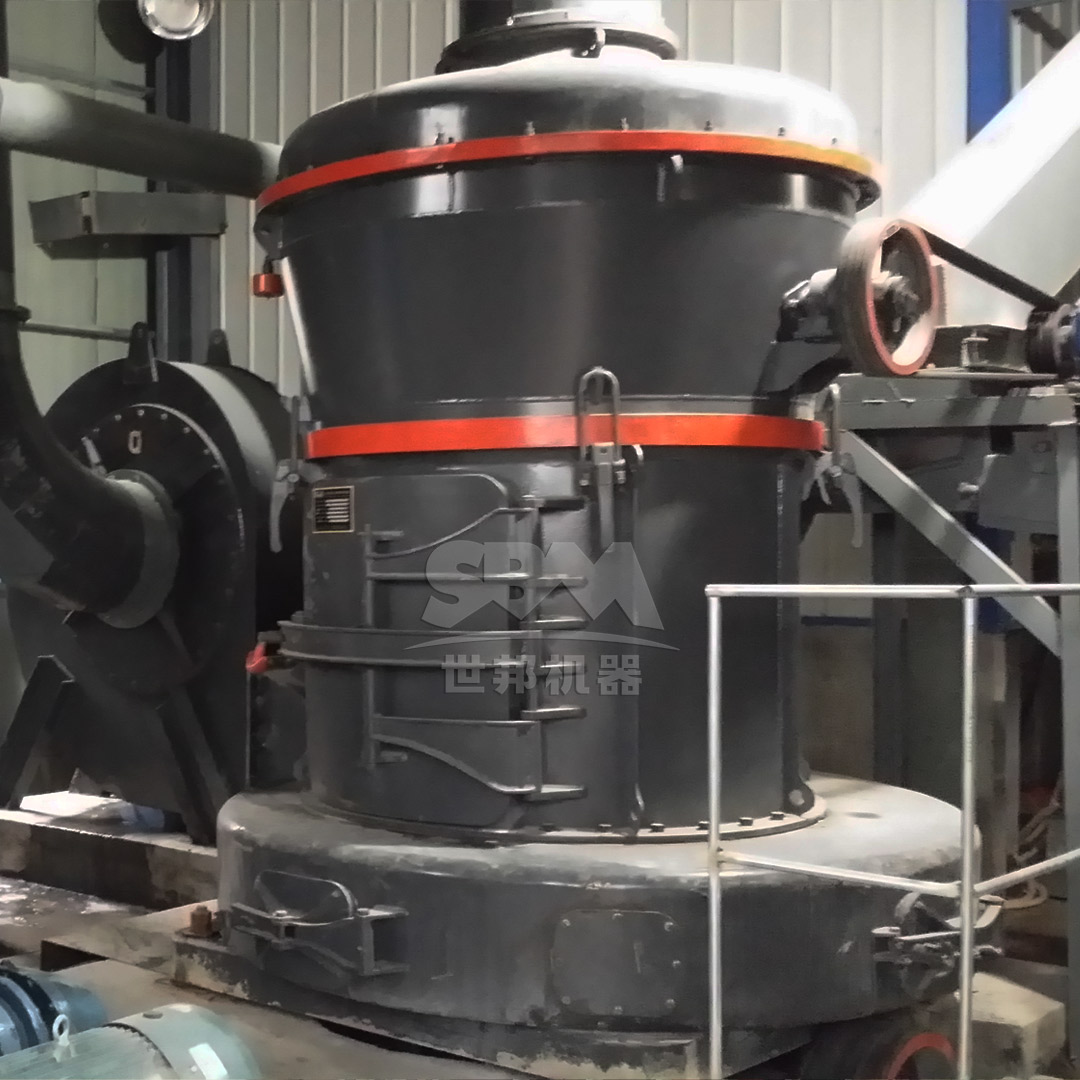
Selecting the optimal grinding mill is a strategic decision in lithium mica processing. It balances the technical requirements of particle size and shape with the economic imperatives of energy consumption, maintenance cost, and production scale. For producers aiming to manufacture high-quality, ultra-fine lithium mica powder with superior consistency and operational efficiency, the SCM Series Ultrafine Mill offers a proven, high-performance solution. Its precision classification, energy-saving design, and robust construction make it a key asset for building a competitive and sustainable lithium supply chain. Investing in the right grinding technology is not merely an equipment purchase but a commitment to product quality and long-term production profitability.