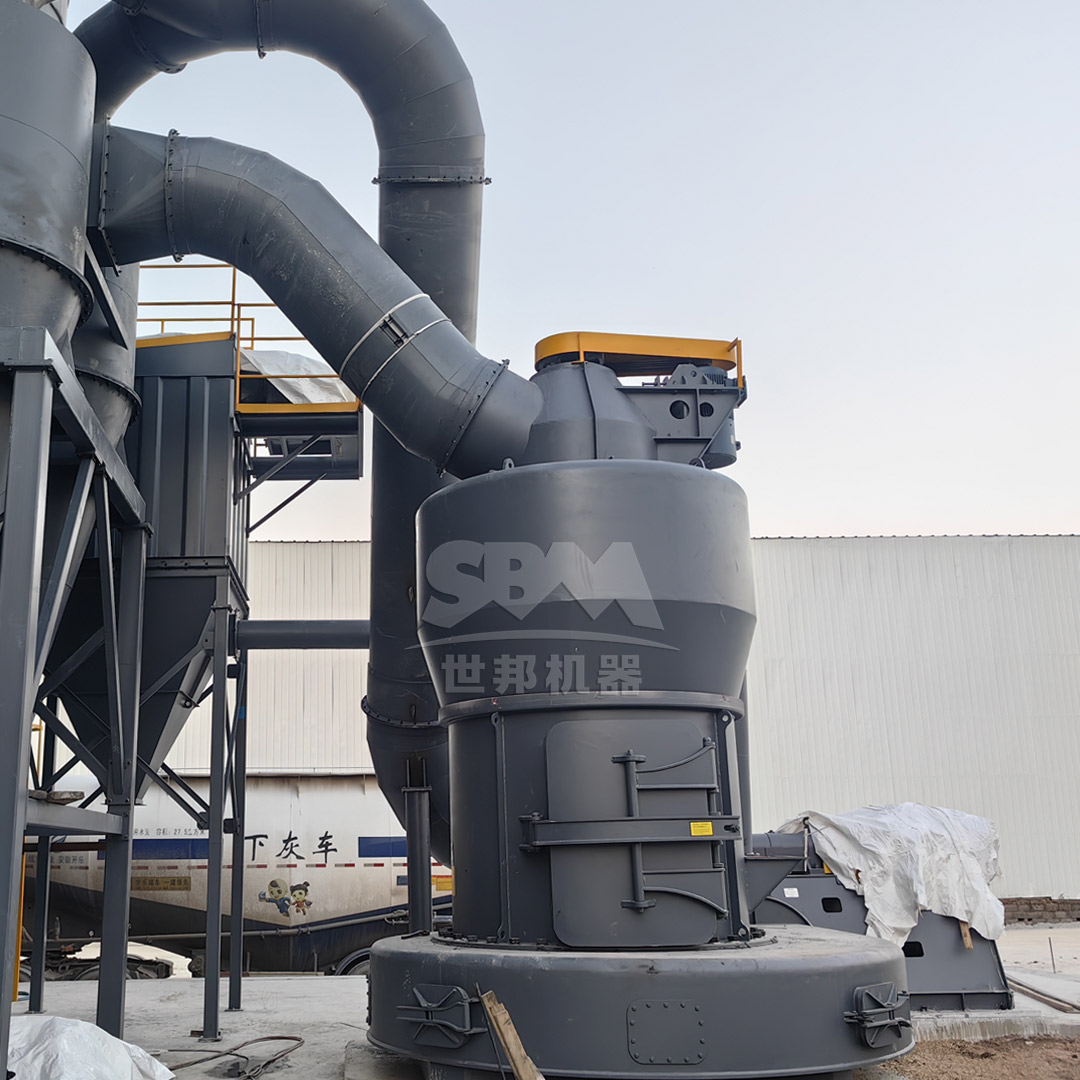
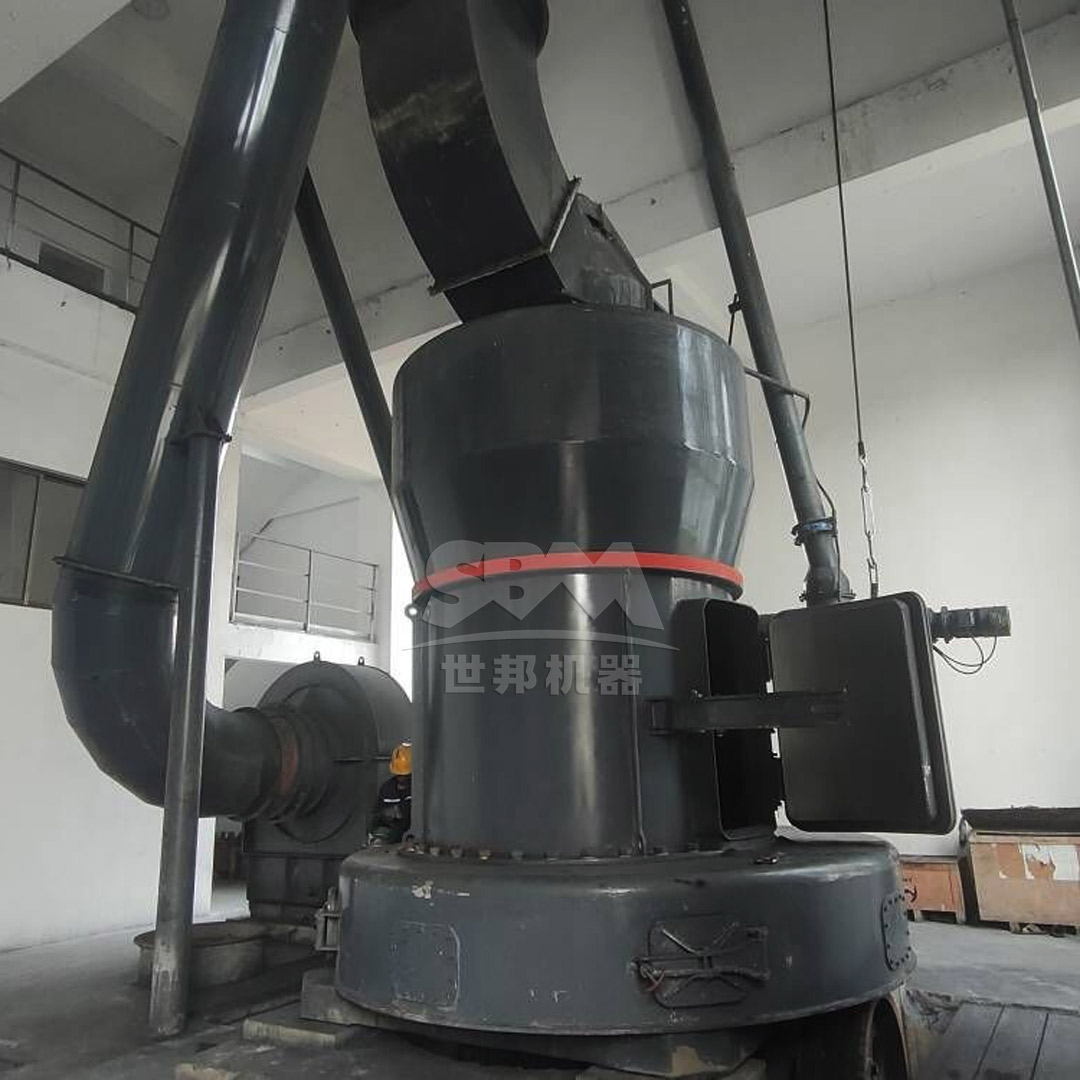
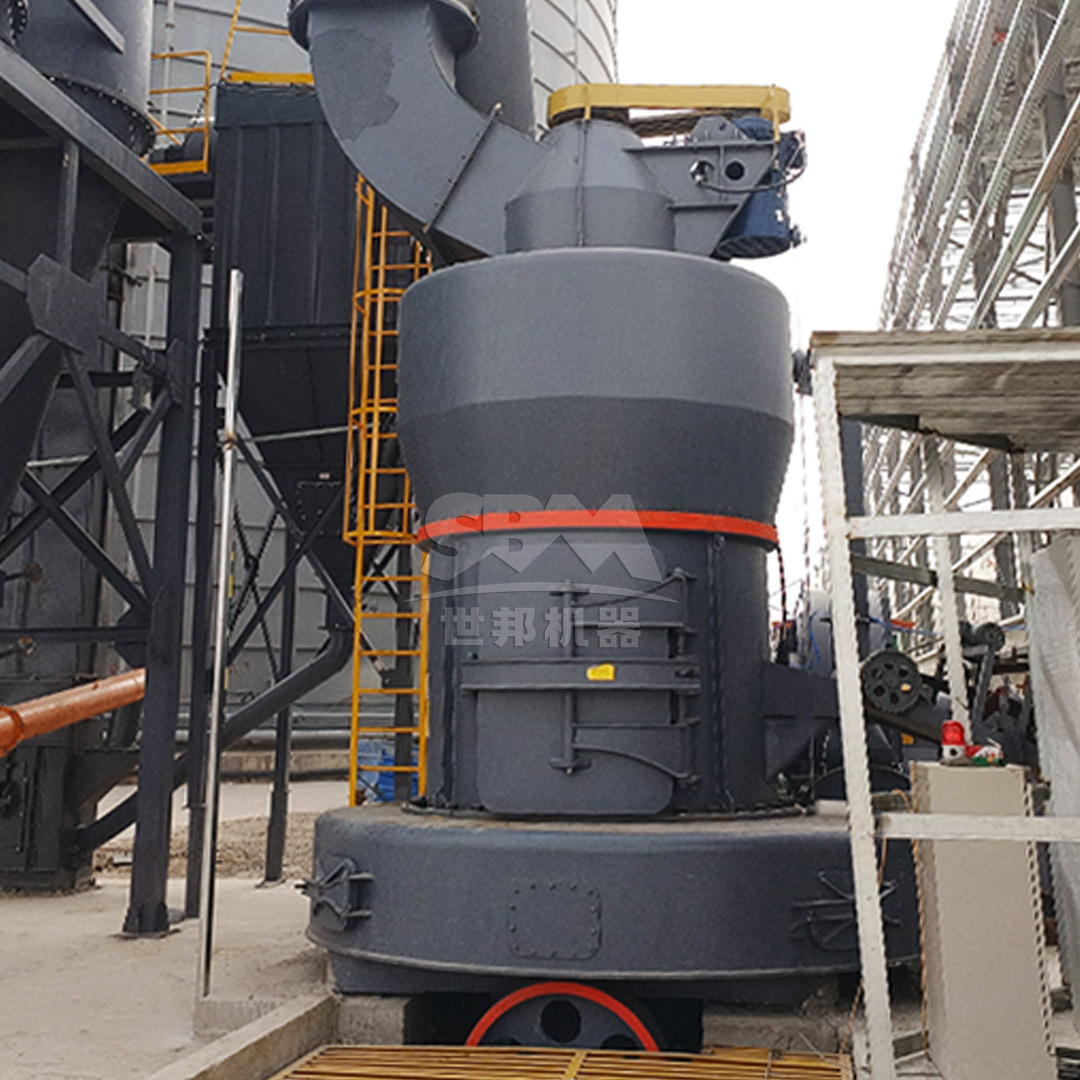
The global transition towards electrification and renewable energy has catapulted lithium to the forefront of critical minerals. As a primary source of lithium, spodumene (LiAlSi2O6) requires efficient and precise processing to extract lithium carbonate or hydroxide. The heart of this process lies in the comminution and classification stages, where raw spodumene concentrate is transformed into a finely ground powder with a specific particle size distribution optimal for downstream chemical conversion. The selection of grinding and milling equipment directly impacts plant economics, energy consumption, product quality, and overall operational efficiency. This article delves into the key equipment considerations for a lithium spodumene powder processing plant and highlights advanced solutions that address the industry’s unique challenges.
Following mining and initial beneficiation to produce a spodumene concentrate (typically 5-6% Li2O), the material undergoes a series of steps to liberate lithium. The conventional sulfuric acid roast-leach process is predominant. In this method, the spodumene concentrate (often in the form of α-spodumene) must first be converted to its more reactive β-phase through calcination at approximately 1100°C. The calcined β-spodumene is then cooled and ground to a fine powder.
The grinding stage is critical for two main reasons:
The target fineness for β-spodumene feed to the acid mixer is generally in the range of 80% passing 75 microns (200 mesh) to 80% passing 45 microns (325 mesh), with some processes demanding even finer grinds. Achieving this consistently, with low energy input and minimal over-grinding, is the primary goal of the milling circuit.
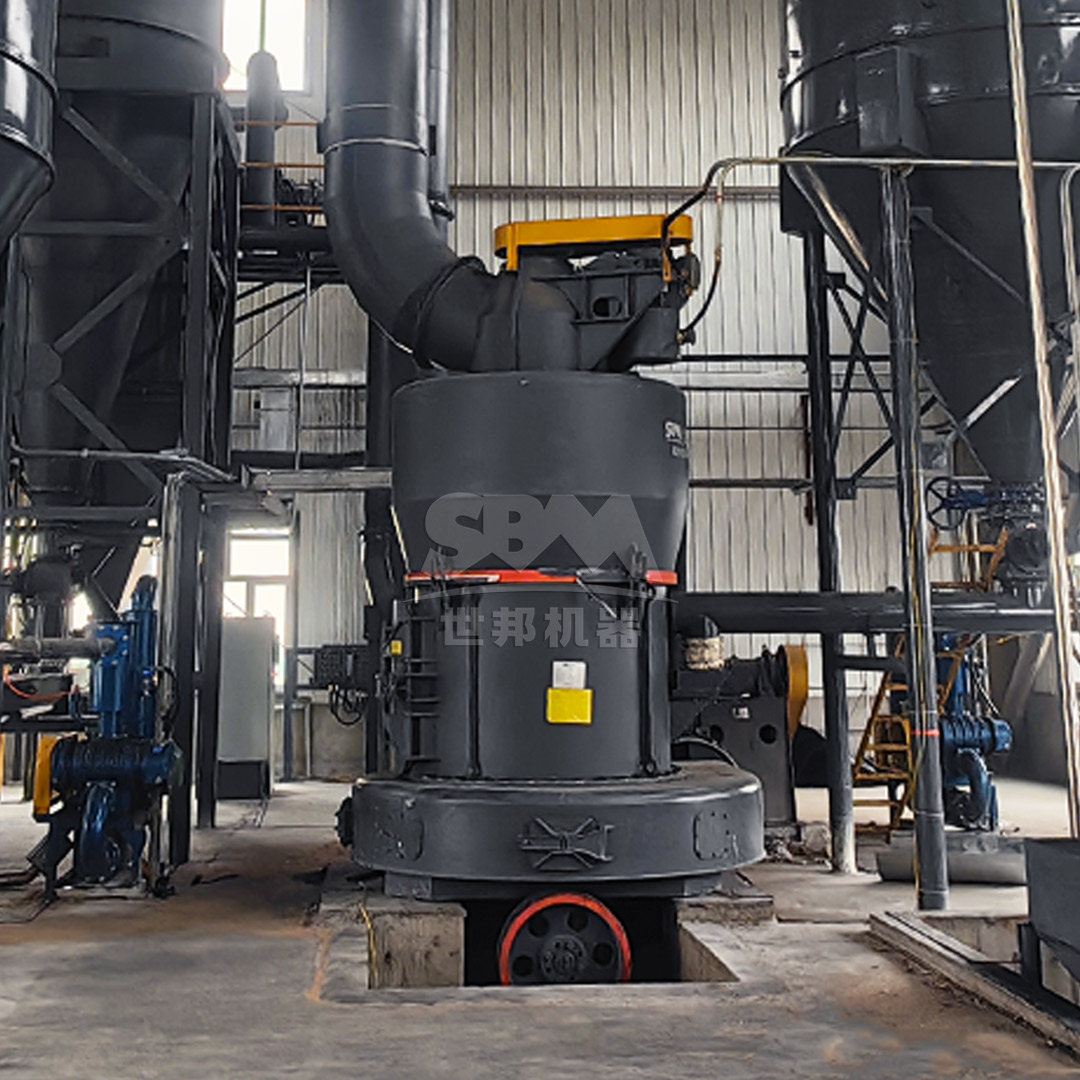
Several types of grinding equipment can be applied to spodumene processing. The choice depends on plant capacity, desired product fineness, energy efficiency targets, and capital expenditure constraints.
Traditional ball mills have been widely used in mineral processing. They are robust and capable of handling a wide range of feed sizes. For spodumene grinding, wet ball milling is sometimes employed. However, ball mills are generally less energy-efficient for fine grinding applications compared to more modern technologies. A significant portion of energy is consumed in rotating the heavy mill shell and lifting the grinding media, rather than in direct particle breakage. They can also lead to a broader particle size distribution and higher wear rates of media and liners, especially with the abrasive nature of spodumene.
Vertical Roller Mills have gained tremendous popularity in cement and slag grinding and are increasingly considered for hard mineral applications like spodumene. A VRM operates on the principle of bed comminution. Material is fed onto a rotating grinding table and is ground under pressure by hydraulically loaded rollers. The ground material is transported by an air stream to an integrated dynamic classifier, where coarse particles are separated and returned to the table for further grinding.
Advantages for Spodumene:
For large-scale spodumene processing plants with capacities exceeding 50 tons per hour, a VRM like our LM series Vertical Roller Mill presents an excellent solution. The LM series is engineered for high-capacity, efficient grinding of medium-hard to hard materials. Its集约化设计 integrates multiple functions, significantly reducing plant footprint and civil costs. The磨辊与磨盘非接触设计 and use of special wear materials can extend component life when processing abrasive spodumene. With智能控制 systems enabling remote monitoring and expert automation, the LM mill ensures stable operation and consistent product quality in the 30-325 mesh range, making it a cornerstone for modern, high-tonnage lithium extraction facilities.
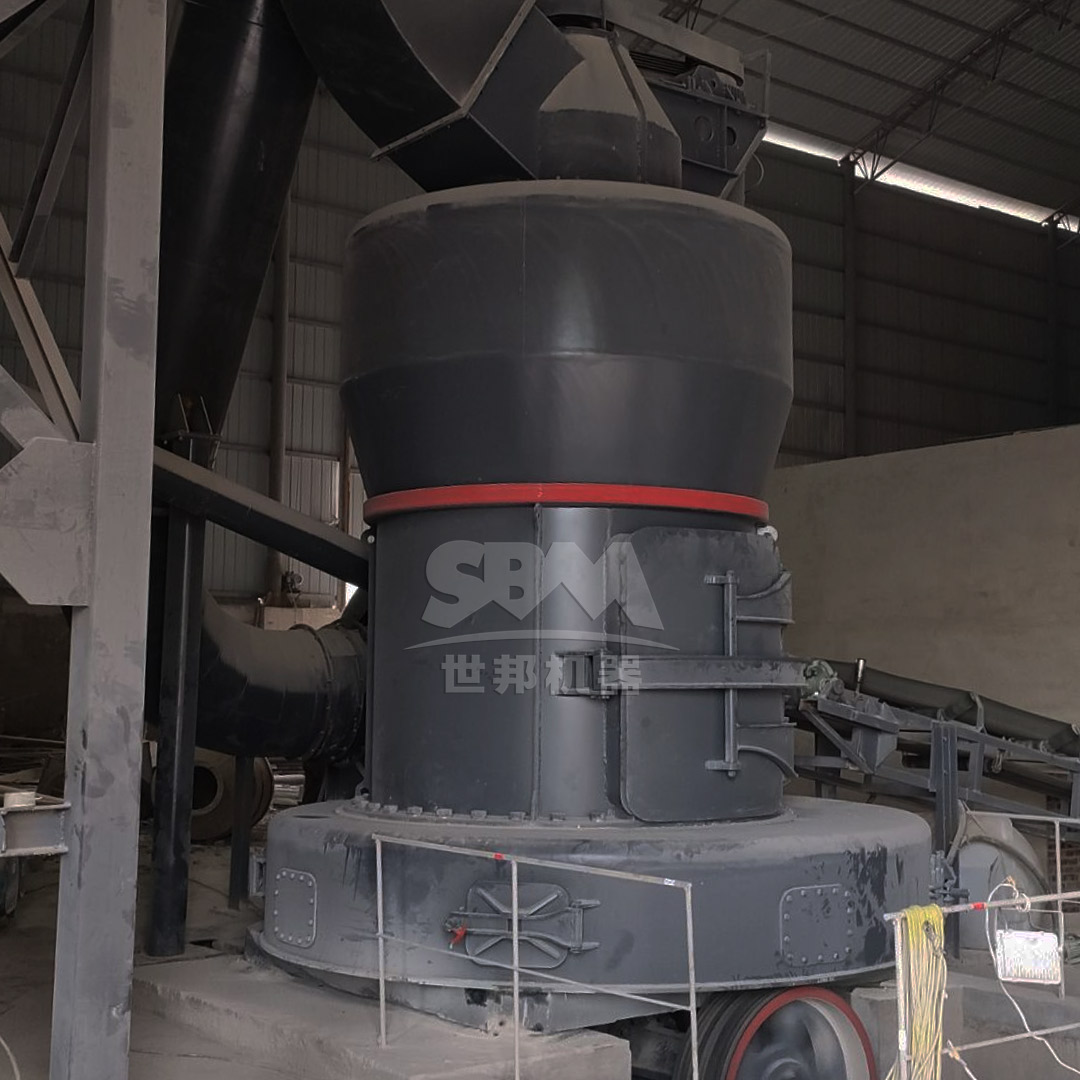
This well-established technology uses spring-loaded rollers that rotate against a stationary grinding ring. Material is fed into the grinding zone and is pulverized by the rolling action. A classifier in the upper part of the mill returns coarse material for regrinding.
Advantages for Spodumene:
Our MTW Series Trapezium Mill represents an advanced evolution of this technology. It incorporates features like a锥齿轮整体传动 system for higher mechanical efficiency (up to 98%) and reduced energy loss, and an innovative防磨损铲刀设计 that lowers maintenance costs—a critical factor when handling abrasive feed. The弧形风道优化 minimizes pressure drop, enhancing overall system efficiency. For plants with processing requirements in the 3-45 ton/hour range seeking a reliable and cost-effective grinding solution, the MTW series is a compelling option.
As process intensification and efficiency demands grow, some flowsheets may call for even finer grinding of spodumene to sub-10-micron levels to maximize lithium recovery. This requires specialized ultrafine grinding equipment.
Advantages for Spodumene:
For such demanding applications, our SCM Series Ultrafine Mill is specifically designed. It achieves remarkable fineness from 325 to 2500 mesh (D97 ≤ 5µm) through a multi-layer grinding ring and roller system coupled with a high-precision垂直涡轮分级器. This ensures a narrow, consistent particle size distribution with no coarse grit contamination. Its高效节能 design boasts产能为气流磨2倍,能耗降低30%, making it a technologically advanced and economically viable choice for producing premium, ultra-fine spodumene powders where process chemistry benefits from extreme fineness.
| Equipment Type | Typical Product Fineness (Spodumene) | Key Advantages | Considerations | Best Suited For |
|---|---|---|---|---|
| Ball Mill | 45-150 µm (100-325 mesh) | Robust, high capacity, wide feed size tolerance | Higher energy consumption, broader PSD, high wear | Established plants, wet grinding circuits |
| Vertical Roller Mill (e.g., LM Series) | 45-170 µm (80-325 mesh) | High energy efficiency, integrated drying/classification, compact footprint | Higher capital cost, sensitive to feed size and moisture fluctuations | Large-scale, modern greenfield plants prioritizing efficiency |
| Pendulum Roller Mill (e.g., MTW Series) | 45-500 µm (30-325 mesh) | Reliable, lower capital cost, good efficiency for its range | May have higher wear than VRM for very abrasive feed | Small to medium-scale plants, cost-sensitive projects |
| Ultrafine Mill (e.g., SCM Series) | 5-45 µm (325-2500 mesh) | Extreme fineness, narrow PSD, high classification accuracy | Lower single-line capacity, specialized application | Processes requiring ultra-fine feed for max recovery/reactivity |
Selecting the core mill is only part of the equation. A successful spodumene grinding circuit must also consider:
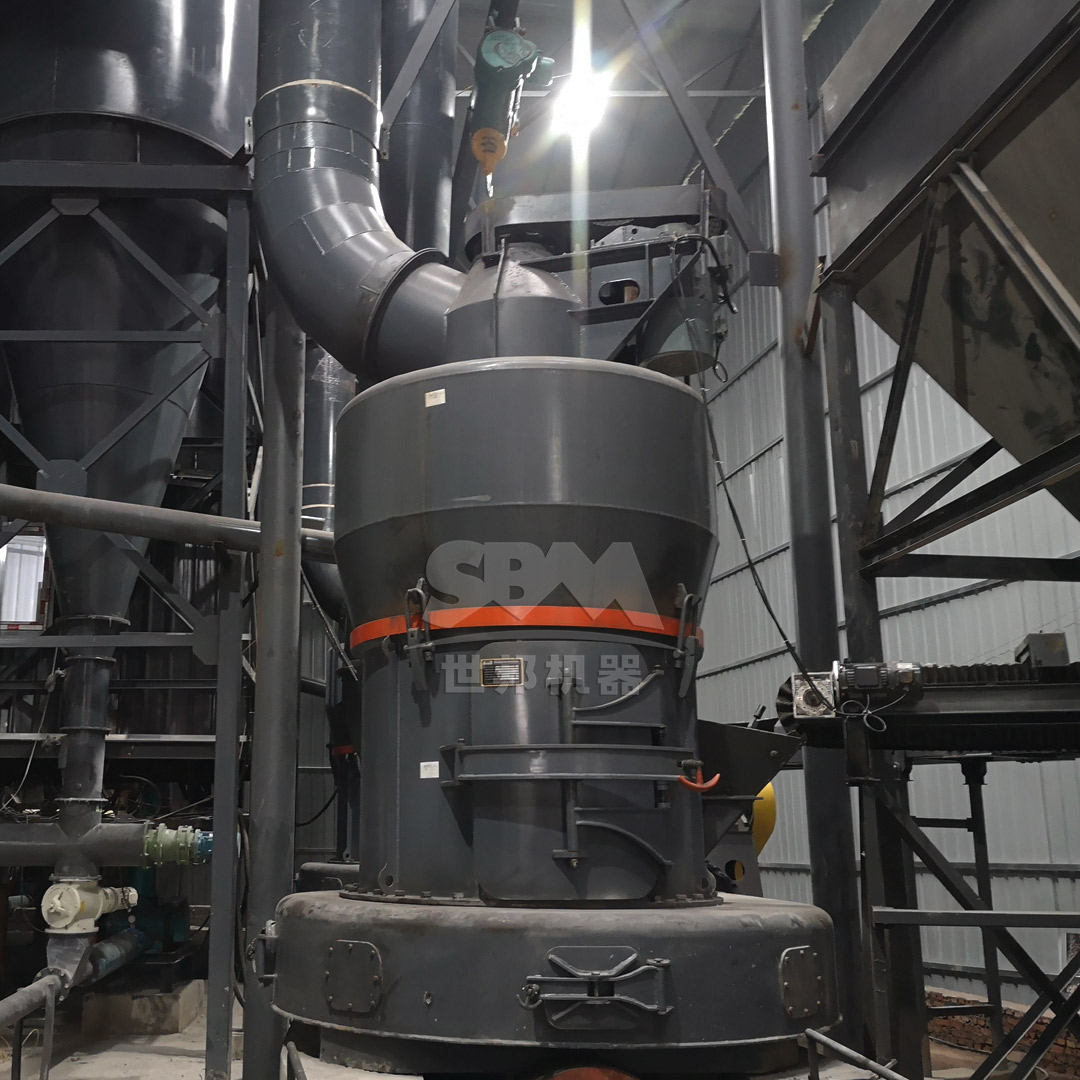
The grinding circuit in a lithium spodumene processing plant is a critical determinant of operational success. Moving beyond traditional, energy-intensive technologies towards more efficient, automated, and precise grinding solutions is key to improving the economics and sustainability of lithium production. Equipment like advanced Vertical Roller Mills (LM Series) for large-scale primary grinding and specialized Ultrafine Mills (SCM Series) for high-value, fine powder production offer the performance, reliability, and control needed in today’s competitive market. By carefully matching the grinding technology to the specific process requirements—considering scale, target fineness, and total cost of ownership—operators can build a robust foundation for efficient and profitable lithium extraction, powering the future of clean energy.