December 30, 2025
Introduction to Magnesia Powder Processing
Magnesia (MgO), derived primarily from magnesite ore, is a critical industrial material with applications spanning refractories, agriculture, construction, and chemical industries. The value and performance of magnesia are intrinsically linked to its purity and particle size distribution. Consequently, the selection of efficient, reliable, and precise grinding equipment is paramount in establishing a competitive magnesia powder production line. This article delves into the core grinding technologies and system configurations essential for transforming raw magnesite into high-value powder products, highlighting key equipment considerations for various fineness and capacity requirements.
1. Key Stages in a Magnesia Processing Line
A complete magnesia powder production line typically integrates several sequential stages:
- Primary Crushing: Large magnesite rocks are reduced to a manageable size (typically below 50mm) using jaw crushers or hammer mills.
- Pre-drying & Calcination: The crushed material is dried and then calcined in rotary or shaft kilns at high temperatures (700-1000°C for caustic calcined magnesia, 1400-2000°C for dead burned magnesia) to drive off CO₂ and produce active or sintered MgO.
- Grinding & Classification: This is the heart of the powder production process. The calcined material is fed into grinding mills to achieve the target fineness. An integrated classification system (often air classifiers) ensures precise particle size control by separating and returning oversized particles for further grinding.
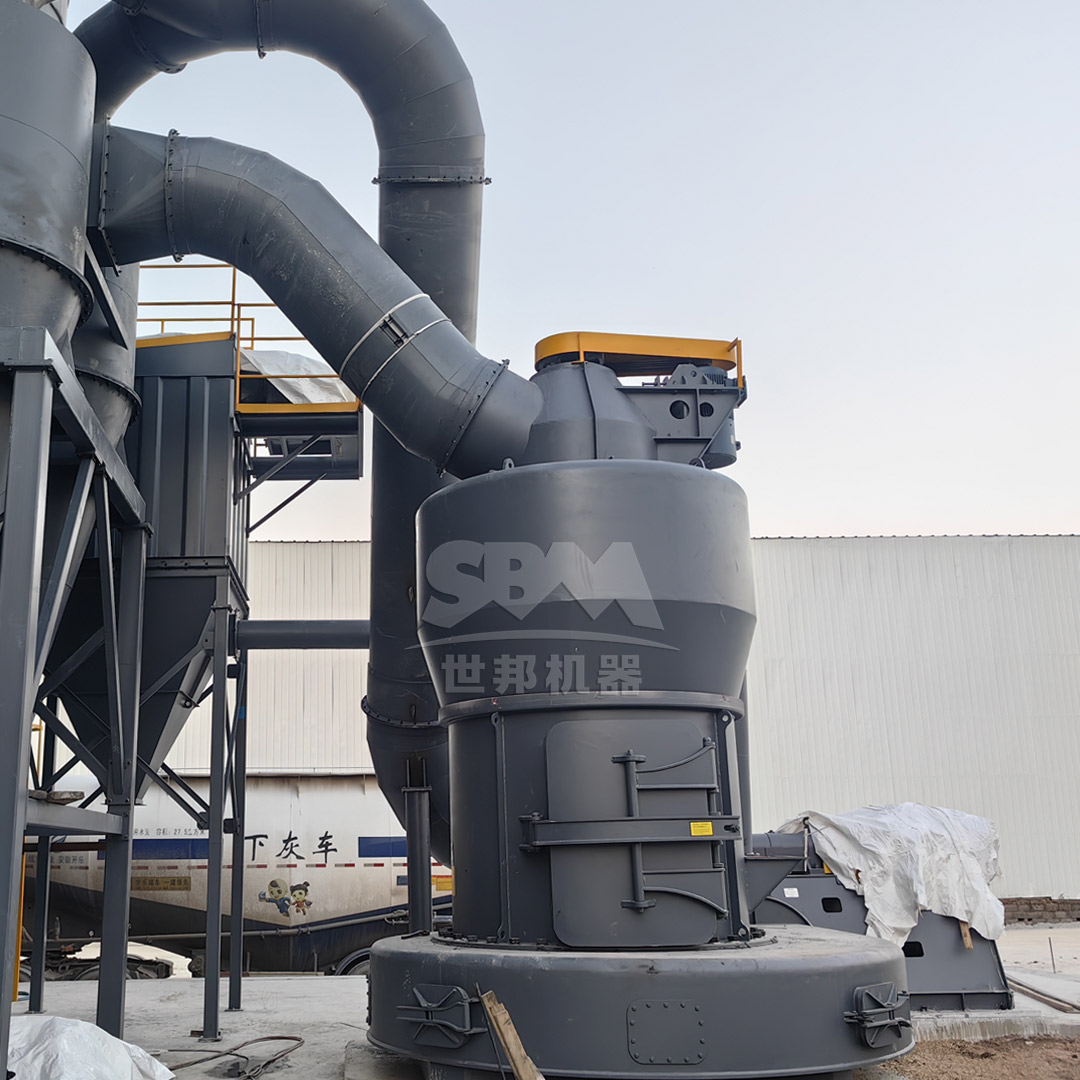
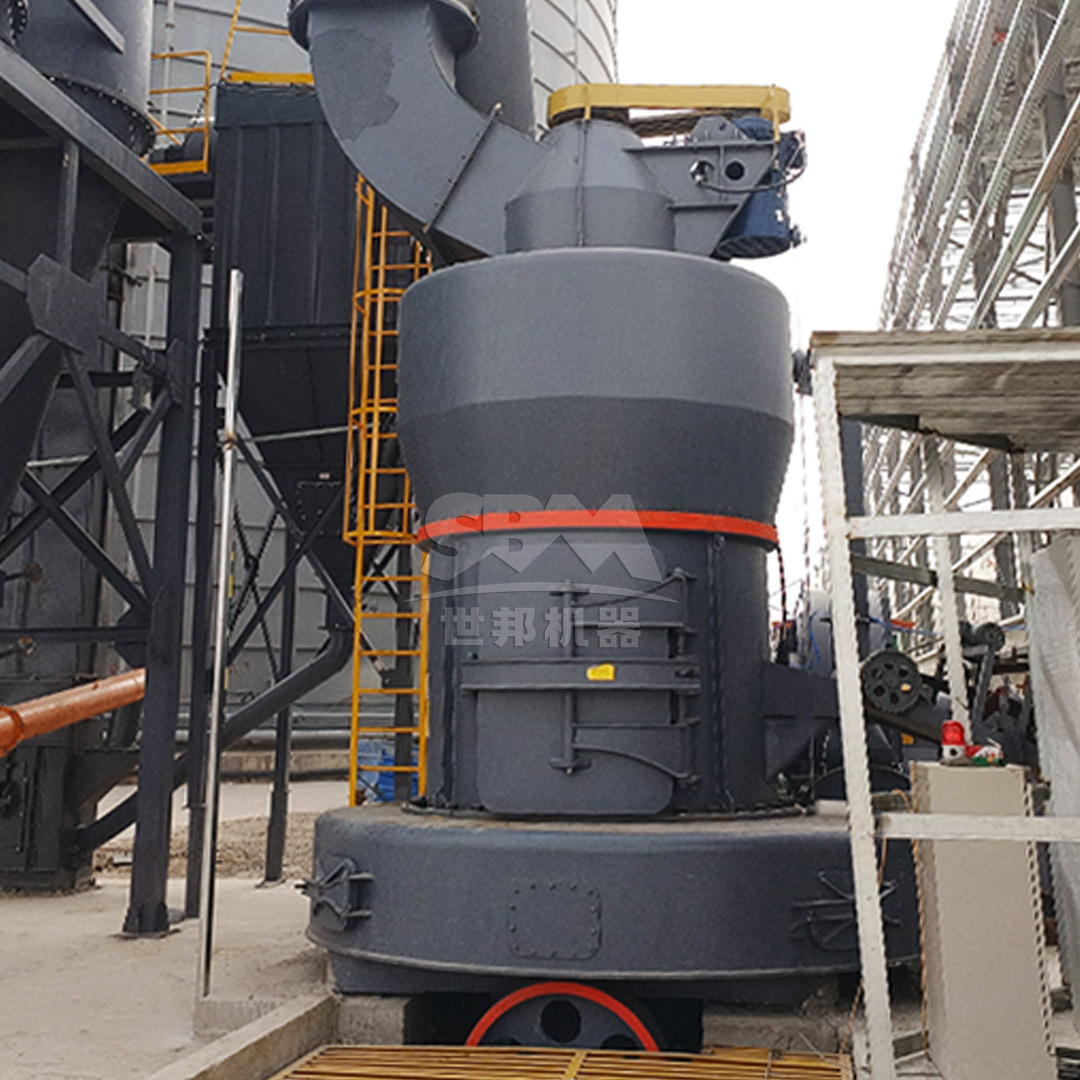
- Collection & Dedusting: The fine powder is collected using high-efficiency cyclones and bag filter pulse-jet dust collectors, ensuring product recovery and meeting stringent environmental emission standards.
- Packaging & Storage: The finished magnesia powder is conveyed to silos and packaged for shipment.
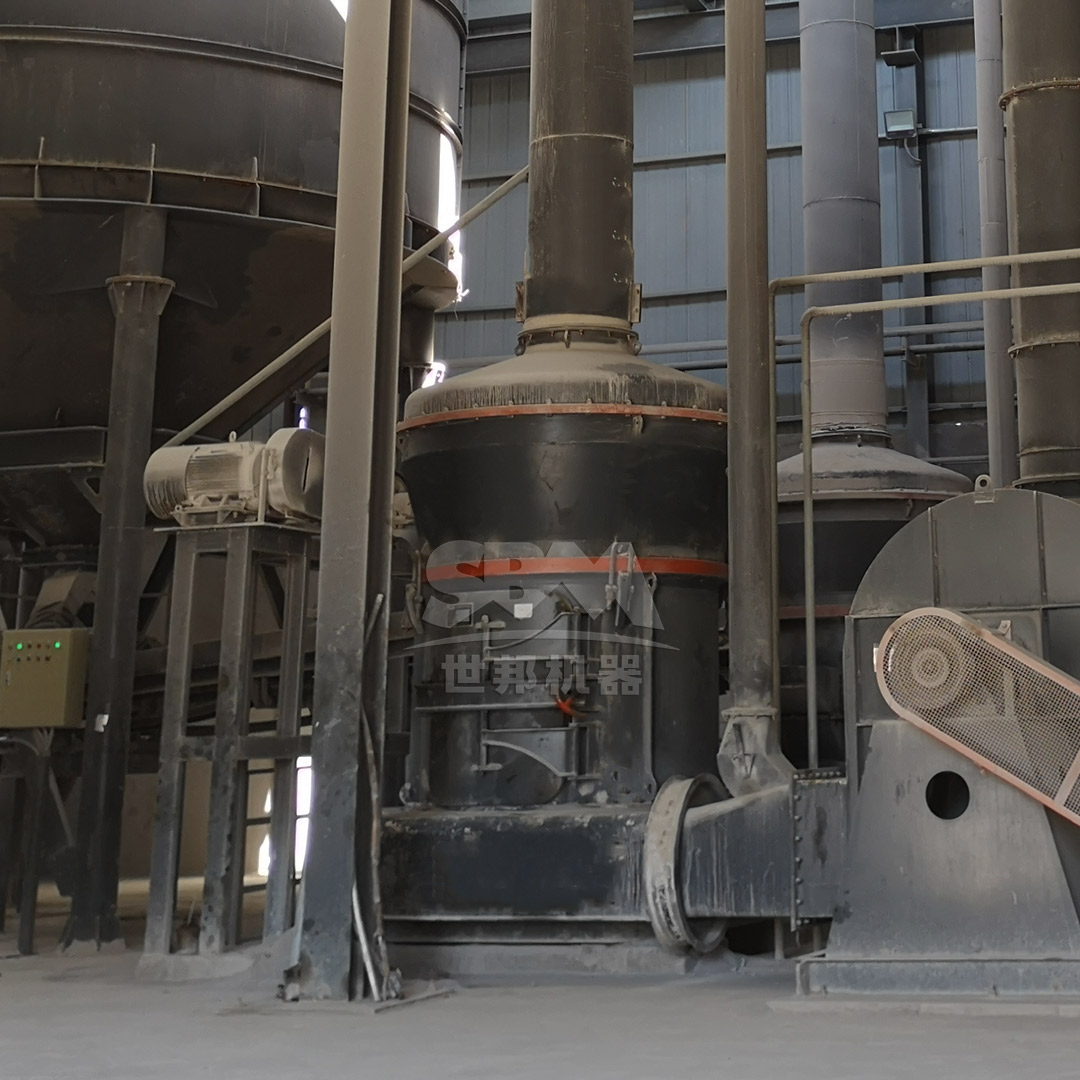
2. Core Grinding Technologies for Magnesia
The choice of grinding mill depends on the desired product fineness, capacity, energy efficiency goals, and the hardness of the calcined magnesia.
2.1 For Coarse to Medium Fineness (45-325 mesh / 600-45μm)
For applications like magnesium oxychloride cement or agricultural supplements where ultra-fine sizes are not critical, robust and high-capacity mills are ideal.
- Ball Mills: A traditional and versatile workhorse. They operate on the principle of impact and attrition as grinding media (steel balls) cascade inside a rotating cylinder. They are suitable for both wet and dry grinding and can handle large feed sizes. However, they are generally less energy-efficient for fine grinding compared to more modern mills.
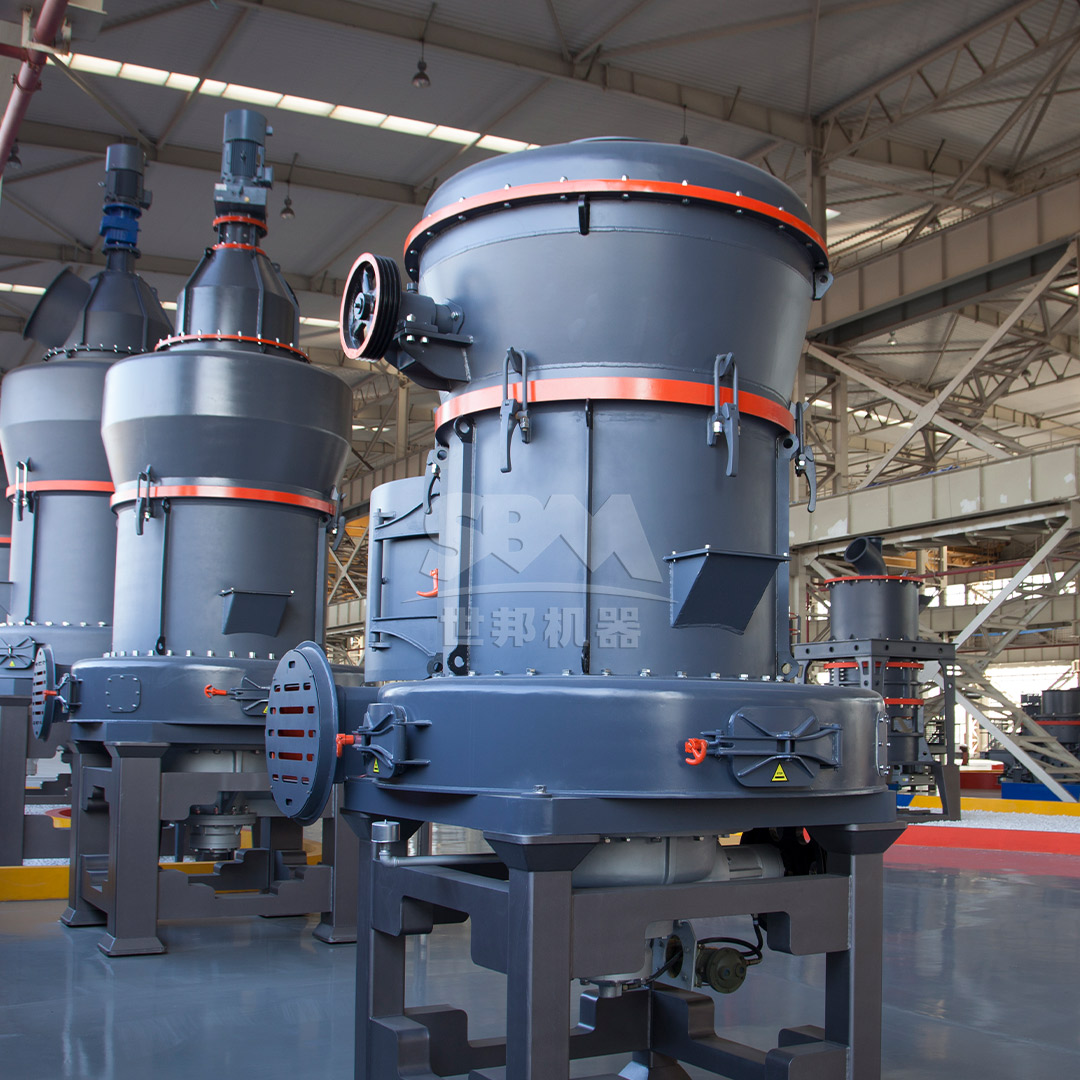
- MTW Series Trapezium Mill & MTM Series Medium-speed Trapezium Mill: These represent advanced pendulum roller mill designs. They utilize curved grinding paths, efficient centrifugal classification, and pressurized spring systems for consistent output. They offer a good balance of capacity, fineness range (up to 325 mesh), and operational stability, making them a popular choice for standard magnesia powder production.
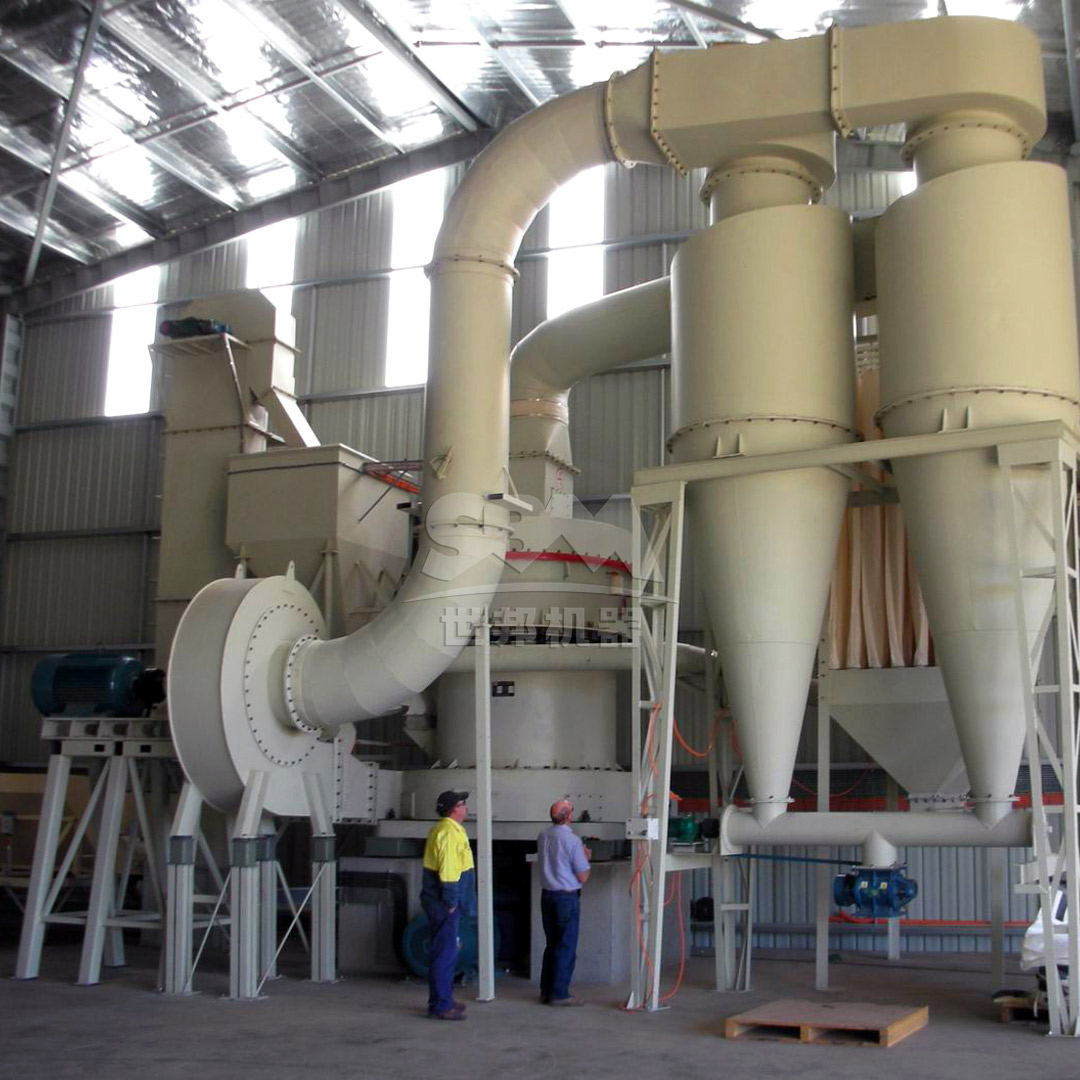
2.2 For Medium to High Capacity & Integrated Grinding (45-600 mesh / 325-23μm)
For large-scale production of refractory-grade or chemical-grade magnesia, vertical roller mills (VRMs) offer significant advantages.
- LM Series Vertical Roller Mill: This technology is a game-changer for high-tonnage operations. It integrates grinding, drying (if needed), classification, and conveying into a single compact unit. Material is ground between rollers and a rotating table under hydraulic pressure. The key benefits are remarkable energy savings (30-50% less than ball mills), lower wear rates due to the non-contact grinding principle, and a significantly smaller footprint. Its ability to handle feed sizes up to 50mm and produce powder from 30 to 325 mesh (and special models up to 600 mesh) with capacities reaching 250 t/h makes it exceptionally suitable for modern, large-scale magnesia plants.
2.3 For Ultra-fine and High-value Magnesia Powder (325-2500 mesh / 5-45μm)
Producing ultrafine magnesia for advanced ceramics, electronics, or as a functional filler requires specialized fine-grinding equipment capable of achieving micron and sub-micron sizes with narrow particle distribution.
- SCM Series Ultrafine Mill: When the product specification demands ultrafine magnesia powder with a top cut (D97) as fine as 5μm (2500 mesh), the SCM Ultrafine Mill is the premier technological solution. This mill is engineered specifically for high-precision, fine-to-ultrafine grinding applications. Its core advantages are directly relevant to high-purity magnesia processing:
- Superior Energy Efficiency: It delivers over twice the capacity of traditional jet mills while reducing energy consumption by approximately 30%, dramatically lowering operational costs for fine grinding.
- Exceptional Product Uniformity: The integrated vertical turbine classifier enables precise particle size切割 (cut), ensuring a consistent product with no coarse particle contamination. This is critical for applications where particle size directly influences material performance.
- High Reliability: The use of special wear-resistant materials for rollers and grinding rings extends service life significantly. Its innovative bearing-less screw design in the grinding chamber enhances operational stability and reduces maintenance frequency.
- Environmental Compliance: The mill system features a high-efficiency pulse dust collector exceeding international standards and is housed in a soundproof enclosure, keeping noise levels below 75dB, ensuring a clean and worker-friendly environment.
The SCM series operates on a multi-layer grinding principle, where material is centrifugally dispersed and progressively pulverized between rollers and rings. Models like the SCM1250 (2.5-14 t/h, 185kW) or the SCM1680 (5-25 t/h, 315kW) can be perfectly matched to the output requirements of a dedicated ultrafine magnesia production line, transforming calcined magnesia into a premium, high-value powder product.
- LUM Ultra-fine Vertical Mill: Another excellent option for the ultra-fine range, combining the vertical mill’s efficiency with advanced multi-rotor classification technology for sharp top cuts.
3. Designing the Complete Processing Line
Selecting the right mill is only one part of the equation. A successful line requires careful system engineering:
- Feed System Consistency: A steady, controlled feed rate via weigh feeders or vibrating feeders is crucial for stable mill operation and consistent product quality.
- Classification Synergy: The classifier (integrated or standalone) must be correctly sized and tuned to work in harmony with the mill’s output characteristics to achieve the target fineness and maximize system yield.
- Dust Collection & Product Recovery: A robust, well-designed collection system (cyclone + baghouse) is non-negotiable. It ensures high product recovery, protects downstream equipment, and guarantees emissions compliance.
- Automation & Control: Implementing a PLC-based control system allows for automatic adjustment of key parameters (feed rate, classifier speed, grinding pressure), leading to optimal efficiency, reduced operator intervention, and consistent product quality.
Comparison of Key Grinding Mills for Magnesia Powder Production
| Mill Type |
Typical Output Fineness |
Key Advantages |
Ideal Application in Magnesia |
Considerations |
| Ball Mill |
0.074-0.8mm (200-20 mesh) |
High reliability, simple operation, wet/dry processing |
Coarse grinding, pilot plants, multi-purpose facilities |
Higher energy consumption for fine grinding, larger footprint |
| MTW/MTM Trapezium Mill |
45-325 mesh |
Good efficiency, stable operation, wide fineness range |
Standard-grade magnesia powder for construction/agriculture |
May require pre-crushing for larger feed |
| LM Vertical Roller Mill |
30-600 mesh |
Extremely energy-efficient, high capacity, integrated system |
Large-scale production of refractory/chemical grade magnesia |
Higher initial investment, requires skilled maintenance |
| SCM Ultrafine Mill |
325-2500 mesh (D97≤5μm) |
Ultra-fine capability, excellent classification, energy-saving |
High-value ultrafine magnesia for ceramics, electronics, fillers |
Designed for fine feed; requires precise system control |
4. Conclusion
The evolution of magnesia powder production is closely tied to advancements in grinding technology. From the robust capacity of Vertical Roller Mills for mainstream products to the precision engineering of the SCM Ultrafine Mill for specialty high-end markets, equipment selection defines the economic and technical boundaries of a project. A successful processing line is a synergistically engineered system where crushing, grinding, classification, and collection work in unison, controlled by intelligent automation. For producers aiming to capture value in the growing markets for high-purity and functional magnesia powders, investing in modern, efficient grinding technology like the SCM or LM series is not merely an equipment purchase but a strategic decision for long-term competitiveness and sustainability.