Magnesium Oxide (MgO), commonly known as magnesia, is a critical industrial material with extensive applications in refractories, construction, agriculture, environmental remediation, and chemical manufacturing. The performance of MgO in its final application is profoundly influenced by its particle size, particle size distribution (PSD), morphology, and purity. Consequently, the grinding and classification stage is a pivotal unit operation in magnesia processing. Selecting the appropriate grinding equipment is not merely a matter of reducing particle size; it is a strategic decision that impacts product quality, production efficiency, energy consumption, and overall operational costs. This article delves into the key machines used for grinding magnesium oxide, analyzing their working principles, suitability for different fineness requirements, and technological advancements.
The desired fineness of MgO powder varies dramatically based on its end-use. Refractory-grade magnesia may require coarse to medium grinds for structural integrity, while high-purity pharmaceutical or electronic-grade MgO demands ultrafine powders with tightly controlled PSD. Inefficient or inappropriate grinding can lead to several issues: excessive energy consumption, overheating (which can affect the crystalline structure of some MgO types), contamination from wear media, and broad PSDs that compromise product performance. Therefore, the grinding system must offer precision, efficiency, and flexibility.
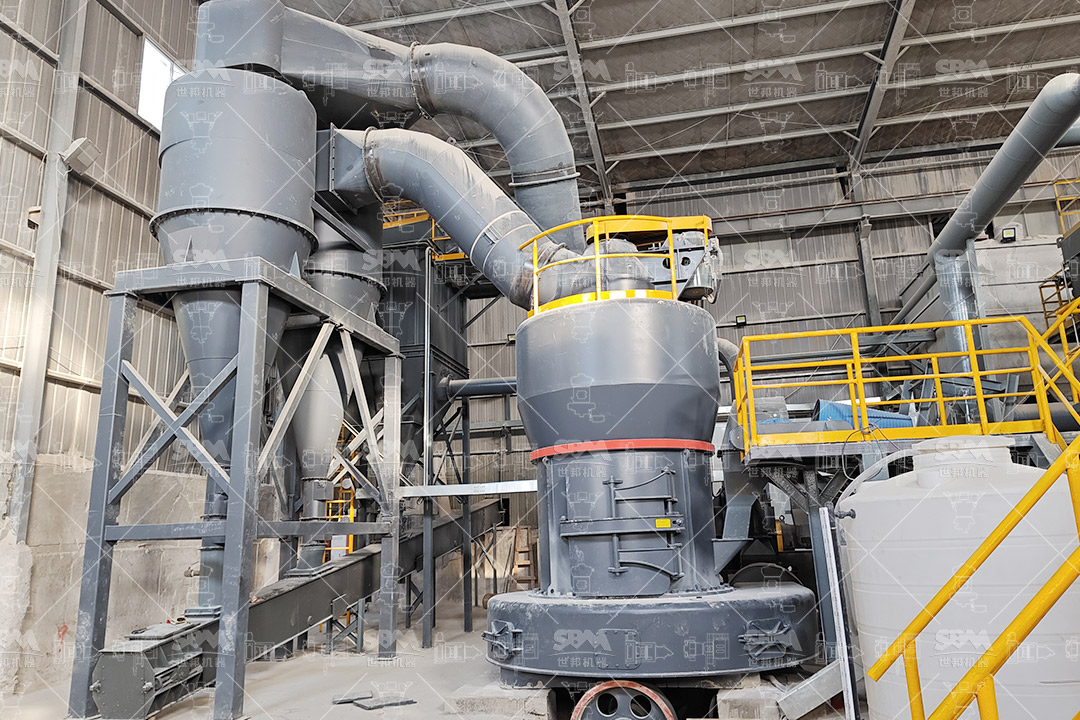
The market offers a range of grinding mills, each with optimal operational windows concerning feed size, capacity, and product fineness. The choice depends on the specific stage in the process (primary crushing, intermediate grinding, or final polishing) and the target specifications.
This range is typical for many industrial-grade MgO applications, such as in basic refractories or as a chemical feedstock.
| Technology | Typical Output Range | Key Advantage for MgO | Ideal Application Stage |
|---|---|---|---|
| Vertical Roller Mill (e.g., LM Series) | 30-325 mesh (up to 600 mesh) | High Efficiency, Integrated Grinding-Drying-Classifying | Medium-Fine Grinding, Large Scale |
| European Trapezium Mill (e.g., MTW Series) | 30-325 mesh | Robustness, Stable Output, High Transmission Efficiency | Consistent Medium Grinding |
| Ball Mill | 0.074-0.8mm (~200-20 mesh) | Versatility, High Crushing Ratio, Proven Technology | Wet/Dry Grinding, Final Polishing |
Producing high-value, ultrafine MgO for advanced ceramics, fillers, or catalysts requires specialized equipment capable of generating minimal heat and offering precise classification.
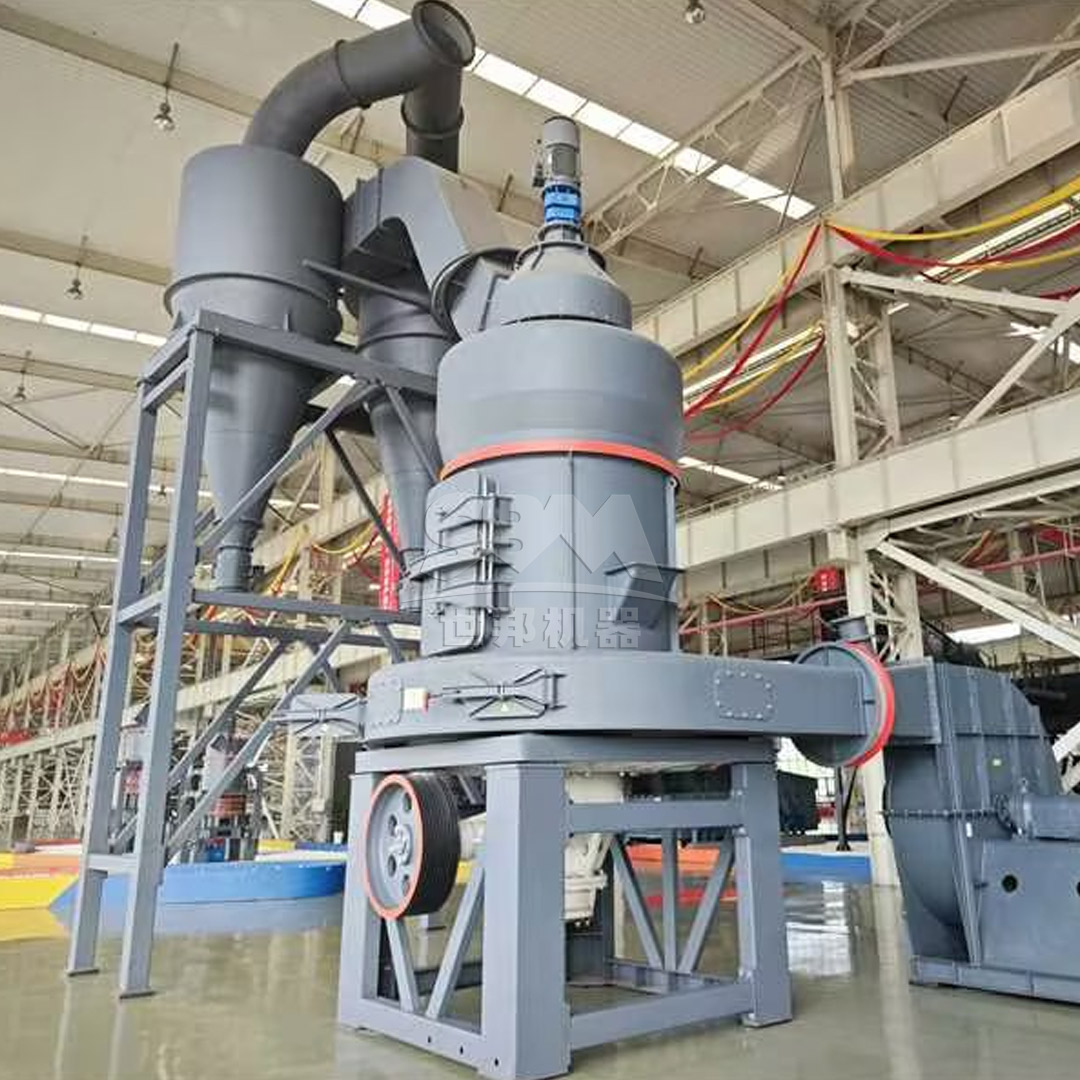
Beyond the core grinding mechanism, auxiliary systems like classification, dust collection, and automation are integral to a successful MgO grinding plant.
Dynamic air classifiers, often integrated into modern mills like the LM, MTW, and SCM series, are superior to static sieves for fine powders. They allow for real-time, stepless adjustment of the cut point, enabling producers to switch between different product grades quickly and with minimal waste.
MgO dust is a handling concern. Modern mills are equipped with high-efficiency pulse jet baghouse filters or cartridge collectors, often exceeding 99.9% efficiency. This not only ensures a safe and clean workplace but also allows for the recovery of valuable product, improving overall yield.
Intelligent control systems, a feature highlighted in equipment like the LM Vertical Mill and SCM Ultrafine Mill, are no longer a luxury. They provide expert-level auto-control, remote monitoring, and automatic feedback loops that maintain constant fineness by adjusting parameters like classifier speed and feed rate. This reduces manual intervention, minimizes human error, and guarantees batch-to-batch consistency.
The transformation of calcined magnesia into a functional powder is a precision engineering task. The selection of grinding equipment is the cornerstone of this process. For coarse to medium grinding, robust and efficient technologies like the MTW Series European Trapezium Mill offer reliability and high output. When the target shifts to the lucrative market of ultrafine and high-purity MgO, advanced mills like the SCM Series Ultrafine Mill become indispensable. Its combination of high-precision classification, energy efficiency, and durable construction specifically addresses the technical demands of producing superior-grade magnesium oxide powders. Investing in the right grinding technology is ultimately an investment in product quality, market competitiveness, and sustainable, cost-effective production.