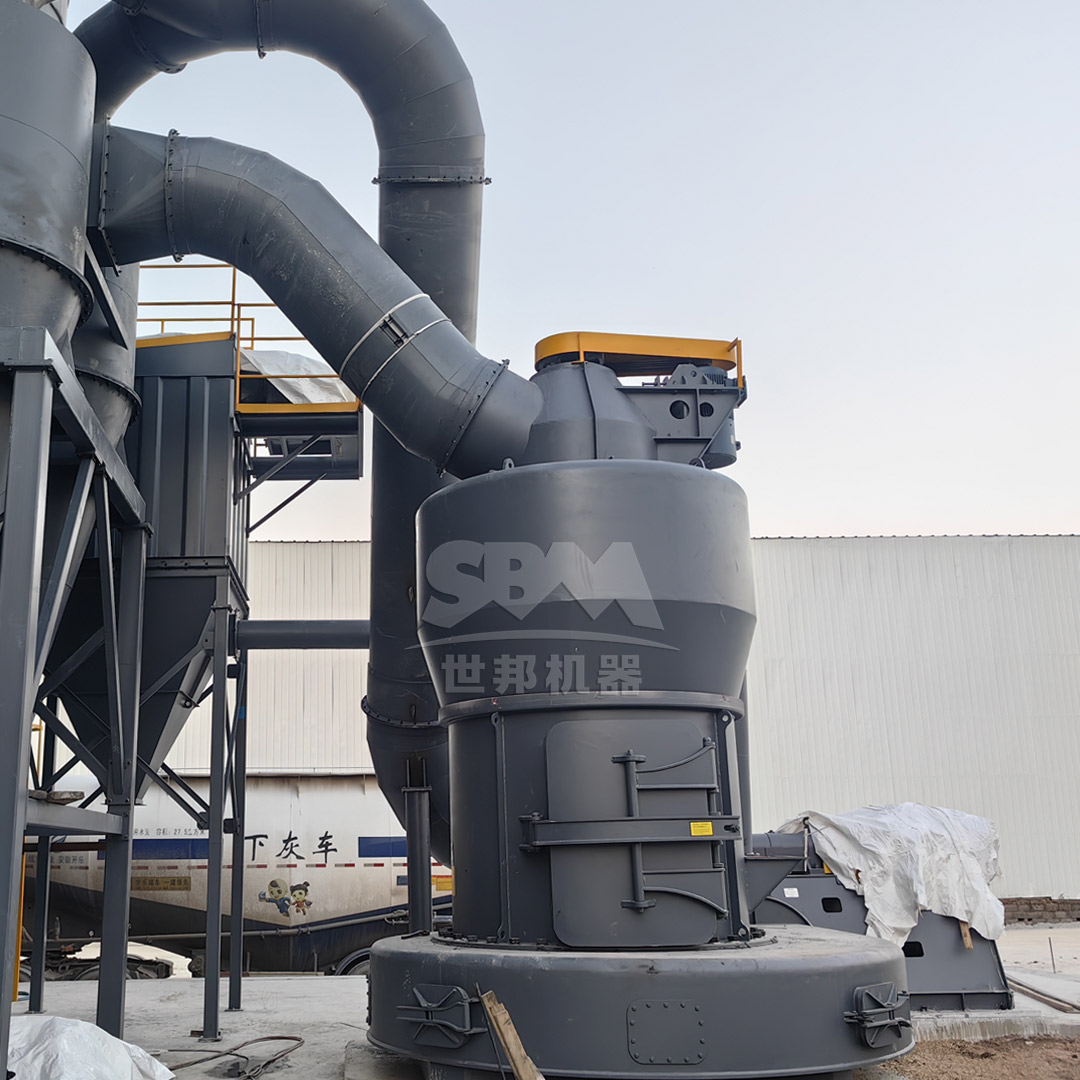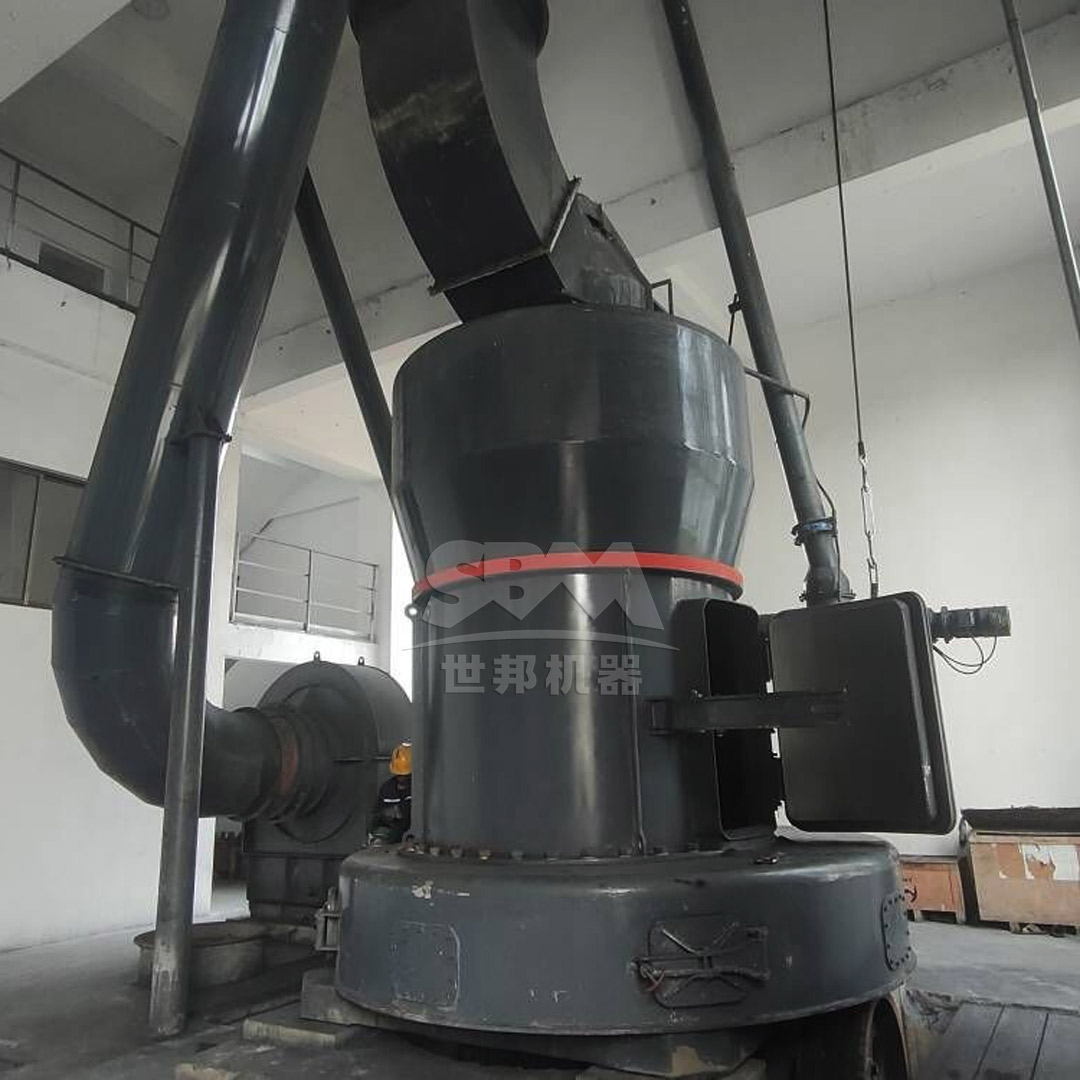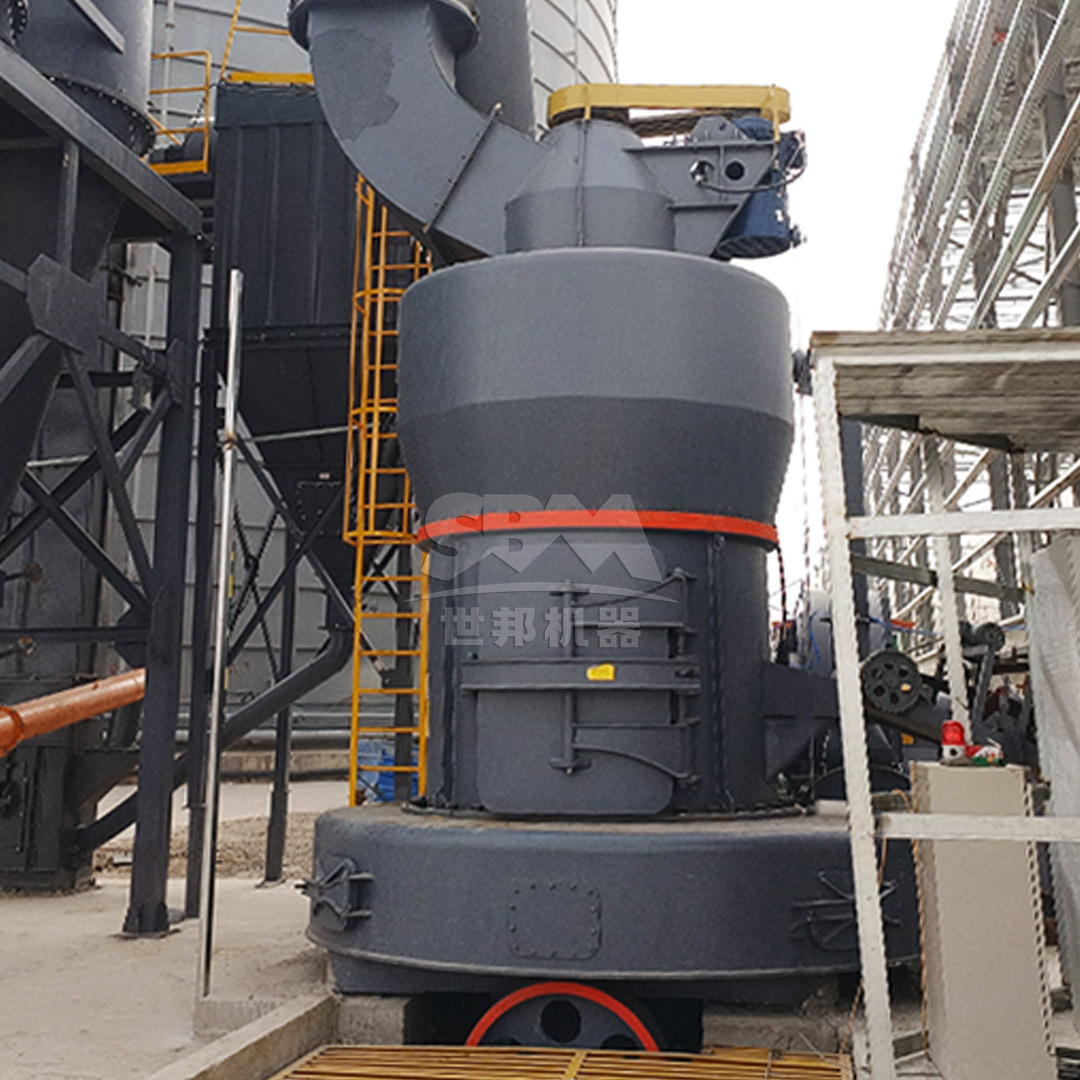
Magnesite, a magnesium carbonate mineral (MgCO3), is a crucial raw material for refractory materials, magnesium chemicals, and various industrial applications. The production of high-quality magnesite powder involves a series of precise processing steps, with grinding being the most critical stage that directly determines the final product’s particle size distribution, purity, and reactivity. This guide provides a comprehensive overview of the magnesite powder production process and offers professional insights into selecting the optimal grinding equipment for different application requirements.
The transformation of raw magnesite ore into a fine, usable powder follows a systematic process designed to liberate the magnesium carbonate while controlling contamination and particle characteristics.
Raw magnesite ore is extracted via open-pit or underground mining. The large blocks are then subjected to primary crushing using jaw crushers or gyratory crushers to reduce the size to a manageable 100-250 mm.
Depending on the ore grade, beneficiation processes like magnetic separation or flotation may be employed to remove impurities like silica and iron. For producing dead-burned magnesia (DBM) or caustic calcined magnesia (CCM), the crushed ore is calcined in rotary or shaft kilns at high temperatures (700°C-2000°C) to drive off CO2.
The calcined or raw magnesite clinker is further reduced in size using cone crushers or impact crushers to below 50mm. For some high-capacity grinding systems, a pre-grinding stage using equipment like our LM-Y Series Vertical Pre-grinding Roller Mill can significantly enhance overall system efficiency. This mill integrates crushing and preliminary grinding functions, reducing the feed size to <20mm and lowering the specific energy consumption of the subsequent fine grinding stage by 30-50%. Its hydraulic adjustment system allows for quick roll sleeve replacement, minimizing downtime.
| Stage | Input Size | Output Size | Typical Equipment | Purpose |
|---|---|---|---|---|
| Primary Crushing | 0-1000mm | 100-250mm | Jaw Crusher, Gyratory Crusher | Initial size reduction |
| Secondary Crushing | 100-250mm | 10-50mm | Cone Crusher, Impact Crusher | Further size reduction for grinding feed |
| Pre-Grinding | <50mm | <20mm | LM-Y Vertical Pre-grinding Mill, Hammer Mill | Optimize feed for fine grinding, improve system efficiency |
This is the most critical step where the material is pulverized to the target fineness. The choice of grinding mill depends entirely on the required product specifications (fineness, capacity, particle shape).
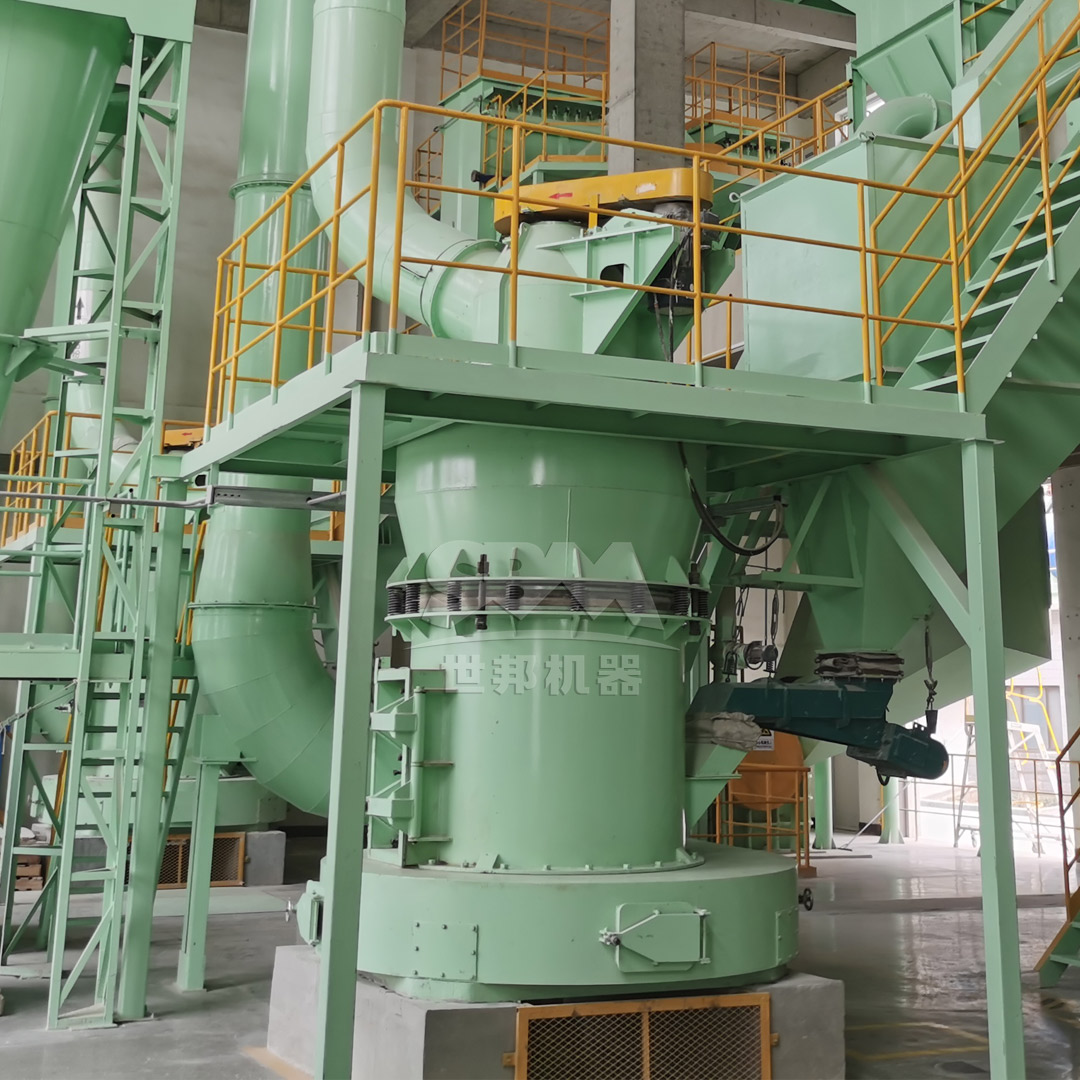
Post-grinding, an integrated or external classifier (e.g., turbo classifier, cyclone) separates fine powder that meets the specification from coarse particles. The coarse fraction is returned to the mill for further grinding (closed-circuit system). The fine powder is collected using baghouse filters or cyclone collectors.
The final magnesite powder is stored in silos and packaged in bags or bulk containers, ensuring protection from moisture.
Selecting the right grinding equipment is paramount. The decision matrix should consider: Required Fineness (Mesh/Microns), Required Capacity (TPH), Moisture Content, Abrasiveness of Material, Energy Efficiency Goals, and Space/Installation Constraints.
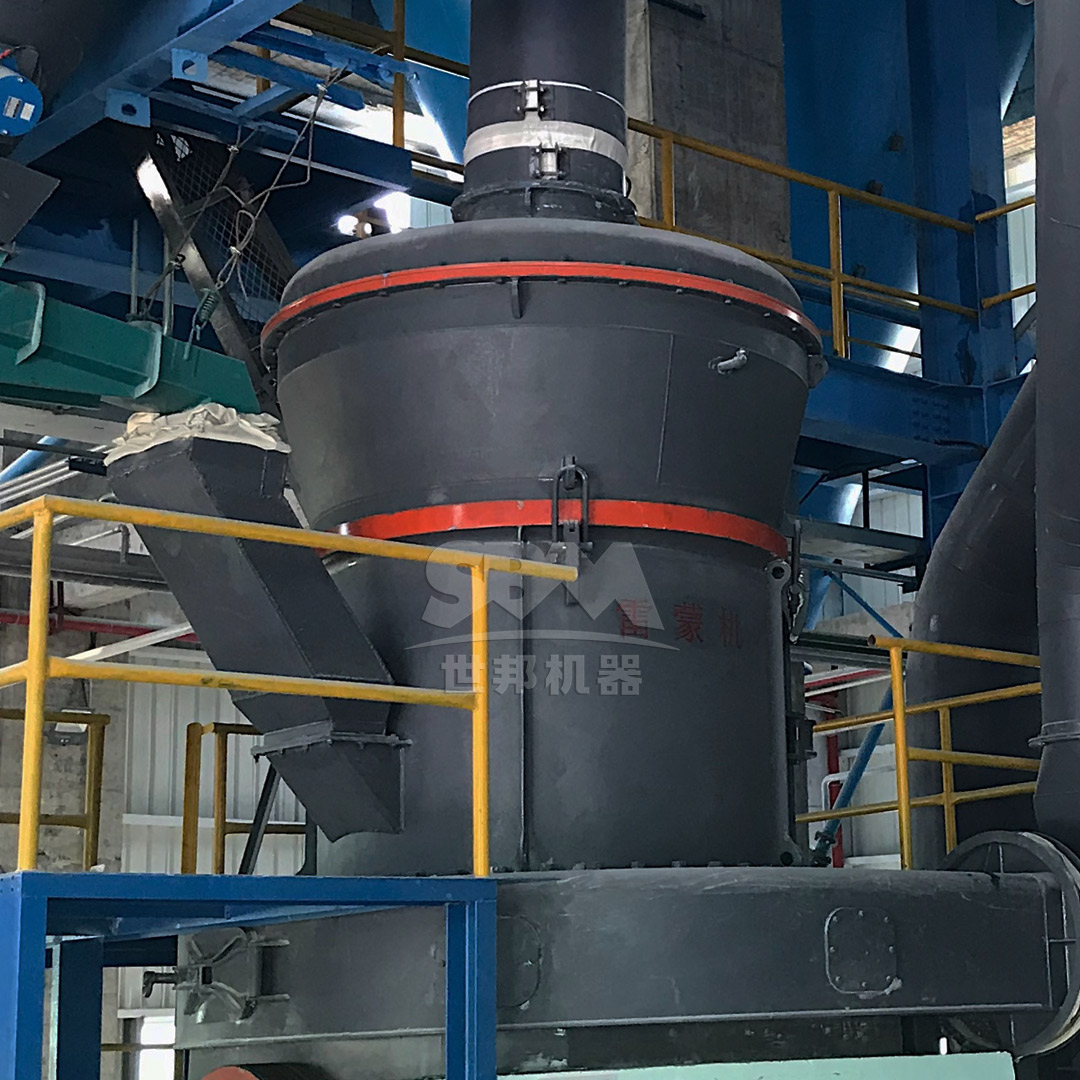
Recommended Equipment: MTW Series Trapezium Mill & LM Series Vertical Roller Mill
These mills are ideal for producing magnesite powder for refractory bricks, fertilizers, or as a feed for further chemical processing.
| Feature | MTW Trapezium Mill | LM Vertical Roller Mill |
|---|---|---|
| Output Fineness | 30-325 mesh | 30-325 mesh (up to 600 mesh for fine-powder series) |
| Typical Capacity | 3-45 TPH | 3-250 TPH |
| Energy Efficiency | High (Efficient transmission) | Very High (Low specific energy consumption) |
| Best For | Medium-scale, versatile production | Large-scale, high-tonnage production |
Recommended Equipment: SCM Series Ultrafine Mill
When the application demands extremely fine magnesite powder for high-performance ceramics, advanced fillers, or specialized chemical reactions, ultrafine grinding is essential. For this purpose, our SCM Ultrafine Mill is the industry-leading solution.
The SCM mill is engineered to produce powders in the range of 325 to 2500 mesh (D97 ≤ 5μm). Its core advantages make it uniquely suited for high-value magnesite products:
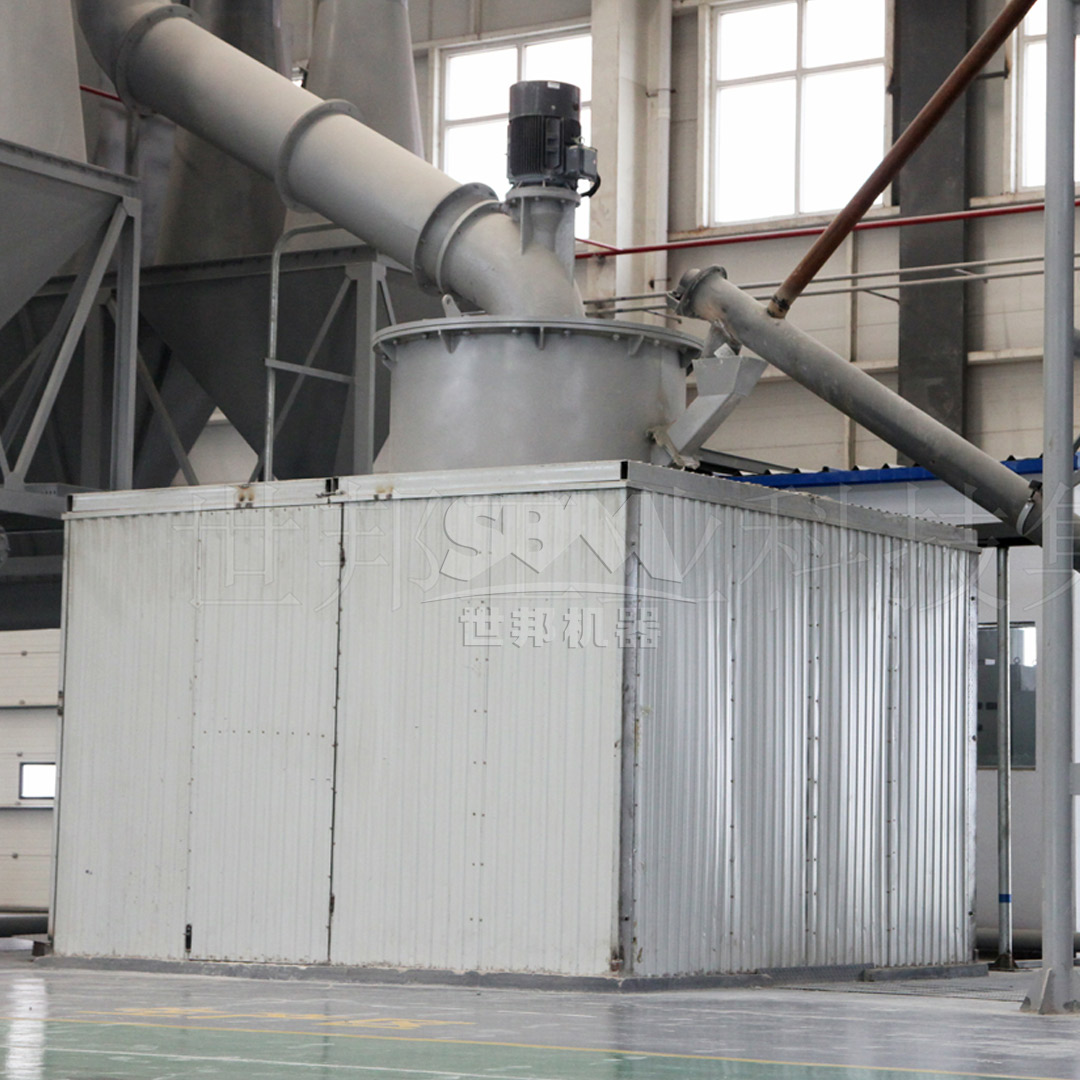
The mill operates on a layered grinding principle. Material is fed (≤20mm) and dispersed by centrifugal force into the grinding track, where it is progressively crushed and ground between rotating rollers and rings. The final powder is efficiently collected by a cyclone and pulse dust removal system.
The hardness (Mohs scale ~3.5-4.5), moisture content, and abrasiveness of the magnesite feed directly impact wear rates and mill selection. Dry grinding is preferred for fine powders, requiring pre-drying if moisture is high.
Modern mills like the SCM Ultrafine Mill and LM Vertical Mill come with advanced PLC-based control systems. These allow for remote monitoring, automatic adjustment of operational parameters, and consistent product quality, reducing manual intervention.
All recommended equipment, particularly the SCM and LM series, are designed for full negative pressure operation with integrated high-efficiency pulse jet bag filters. This ensures dust emissions are well below standard limits (e.g., <20 mg/m³), which is crucial for meeting stringent environmental regulations.
The production of magnesite powder is a technology-intensive process where the grinding stage is the cornerstone of product quality and operational economics. For coarse to medium fineness applications, the MTW Trapezium Mill and LM Vertical Roller Mill offer robust, efficient, and scalable solutions. For the growing market of superfine and ultrafine magnesite powders, the SCM Series Ultrafine Mill stands out as the optimal choice, combining unparalleled fineness control with remarkable energy efficiency, durability, and environmental performance. A careful analysis of product requirements, coupled with the technical advantages of these advanced grinding systems, will ensure a profitable and sustainable magnesite powder production operation.