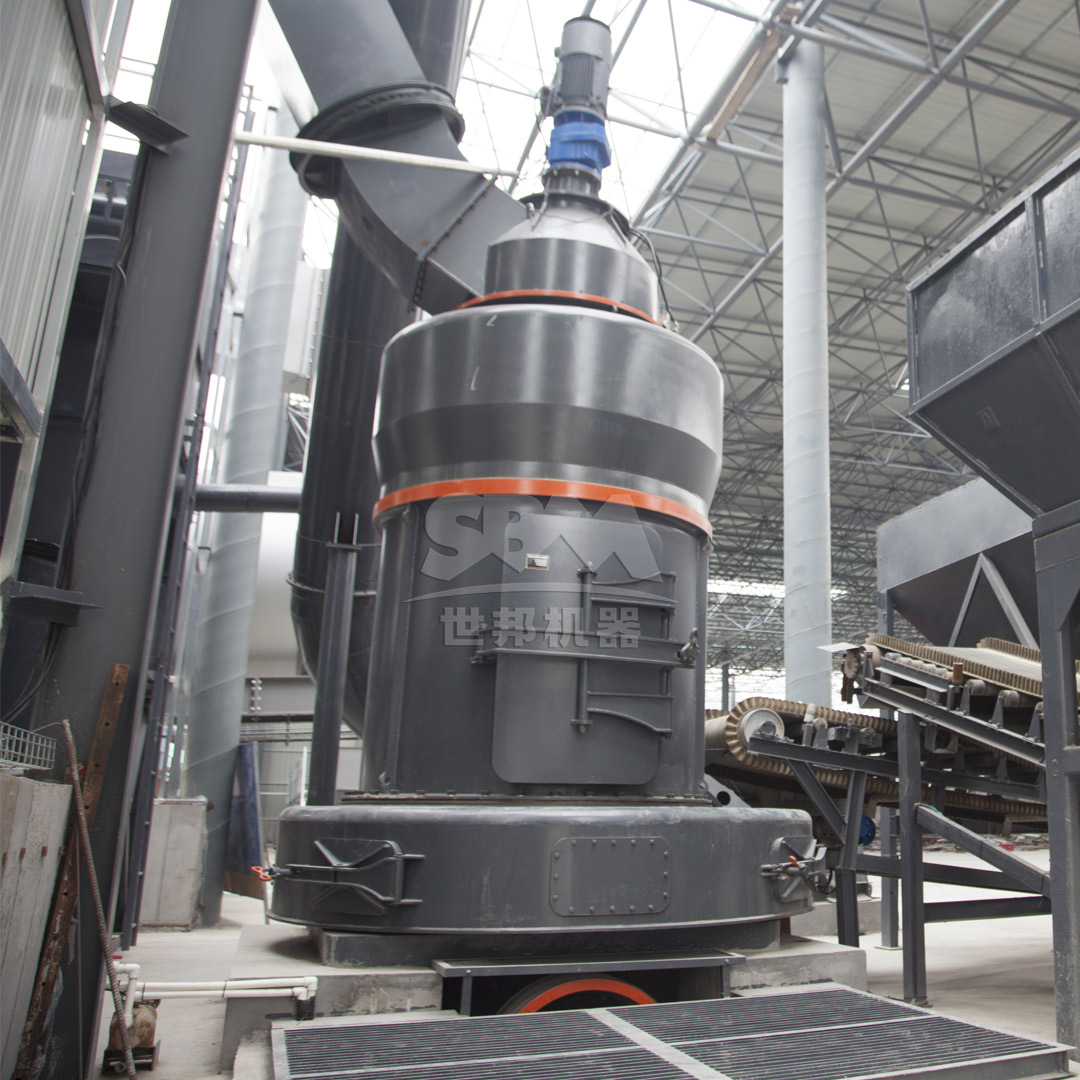
The paper industry is a cornerstone of modern communication and packaging, constantly evolving to meet demands for higher quality, improved functionality, and greater sustainability. A critical component in achieving these goals lies in the additives used in paper coating and filling. Among these, finely ground calcium carbonate (GCC) derived from high-purity marble has become indispensable. It enhances paper’s brightness, opacity, smoothness, and printability while reducing production costs and environmental impact. The quality of the final paper product is intrinsically linked to the particle size distribution, fineness, and purity of the marble powder used. Therefore, selecting the optimal grinding and processing technology is paramount for paper manufacturers seeking a competitive edge.
This article delves into the technical requirements for marble additives in paper applications and outlines a comprehensive, high-efficiency production line solution. We will explore the key stages of processing, from raw material preparation to final product classification and collection, with a focus on achieving the precise specifications demanded by the paper industry.
Paper coating and filling applications impose stringent specifications on marble powder (GCC). The primary parameters include:
Meeting these requirements necessitates a production line capable of precise size reduction, efficient classification, and contamination-free operation.
A modern marble additive production line consists of several integrated stages:
The selection of the grinding mill is the most critical decision in designing a production line. Different mill types cater to different output fineness and capacity ranges.
| Target Fineness Range | Recommended Mill Type | Key Characteristics |
|---|---|---|
| Coarse Fillers (45-150μm / 100-325 mesh) | Ball Mill, MTW Series Mill | High capacity, robust, suitable for direct dry grinding. |
| Fine Fillers & Coating Base (10-45μm / 400-1250 mesh) | LM Vertical Roller Mill, MTM Series Mill | Excellent energy efficiency, integrated drying for moist feed. |
| Ultrafine Coating Grade (2-10μm / 1250-6000 mesh) | SCM Ultrafine Mill, LUM Vertical Mill | Precise classification, ability to produce sub-micron particles. |
For the production of high-quality coating-grade marble powder, ultrafine grinding technology is non-negotiable. In this context, we highly recommend our flagship SCM Series Ultrafine Mill.
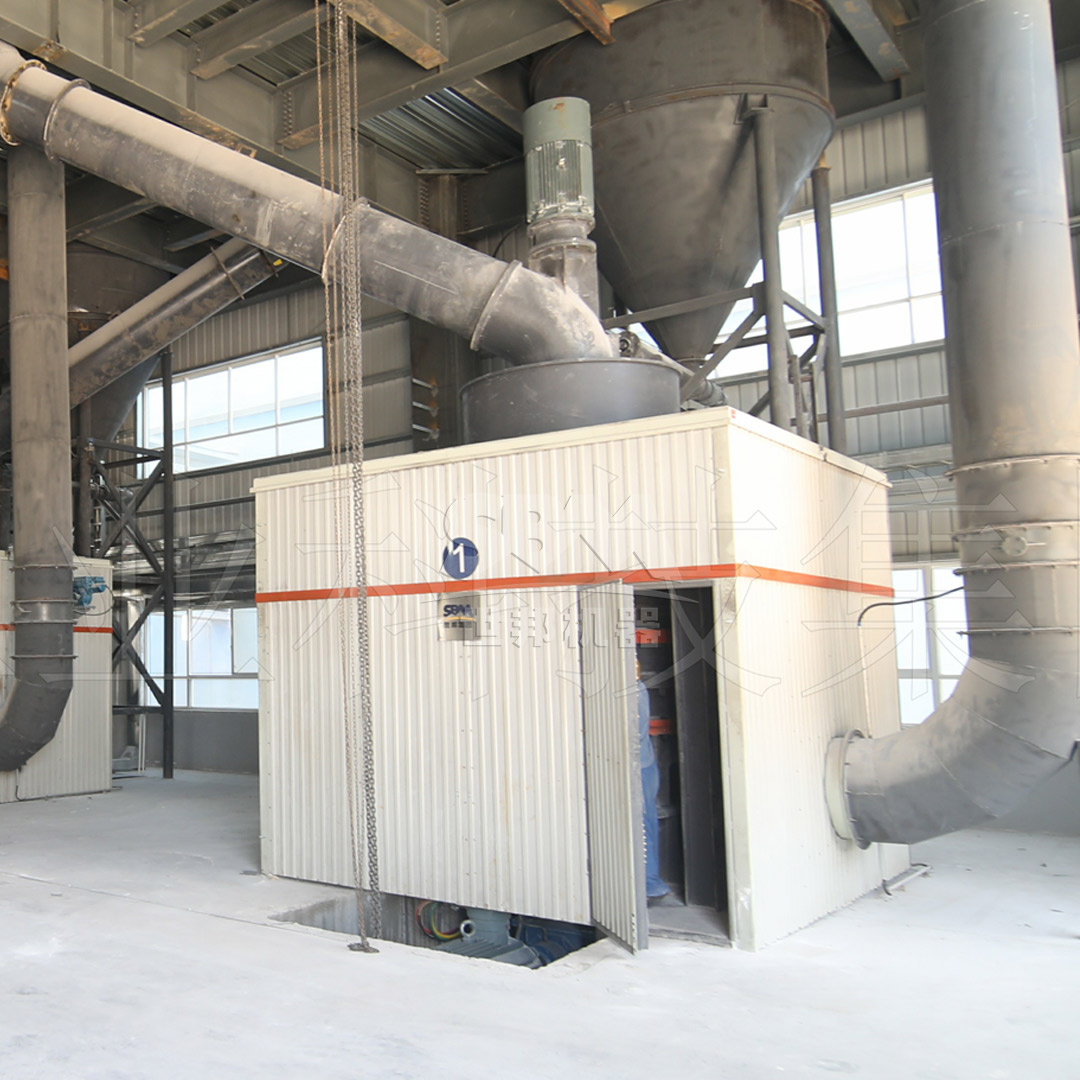
The SCM Mill is engineered specifically for producing powders in the 325-2500 mesh (45-5μm) range, making it ideal for premium paper coating applications. Its vertical turbine classifier ensures a sharp particle size cut, eliminating coarse particles that could damage paper surface quality. With a capacity 2x that of traditional jet mills and 30% lower energy consumption, it represents a leap forward in efficiency. Furthermore, its fully sealed system with pulse dust collection guarantees an environmentally friendly operation with dust emissions and noise levels well below international standards.
With capacities ranging from 3 to 45 tons per hour, the MTW Mill handles feed sizes up to 50mm. Its integral bevel gear drive achieves a remarkable 98% transmission efficiency, saving significant energy. The wear-resistant volute and curved shovel blade design drastically reduce maintenance costs and downtime. This mill is perfectly suited for paper mills that consume large quantities of marble filler and prioritize reliability and low operational cost.
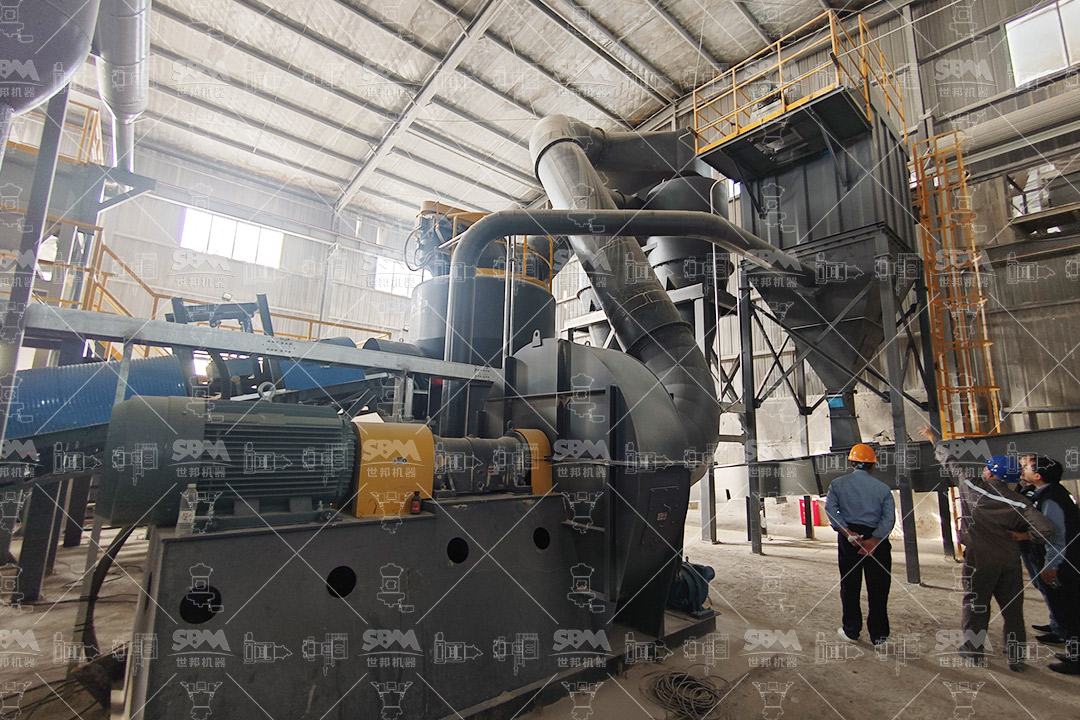
A successful production line is more than just a mill. It requires seamless integration of auxiliary equipment. A typical system layout includes:
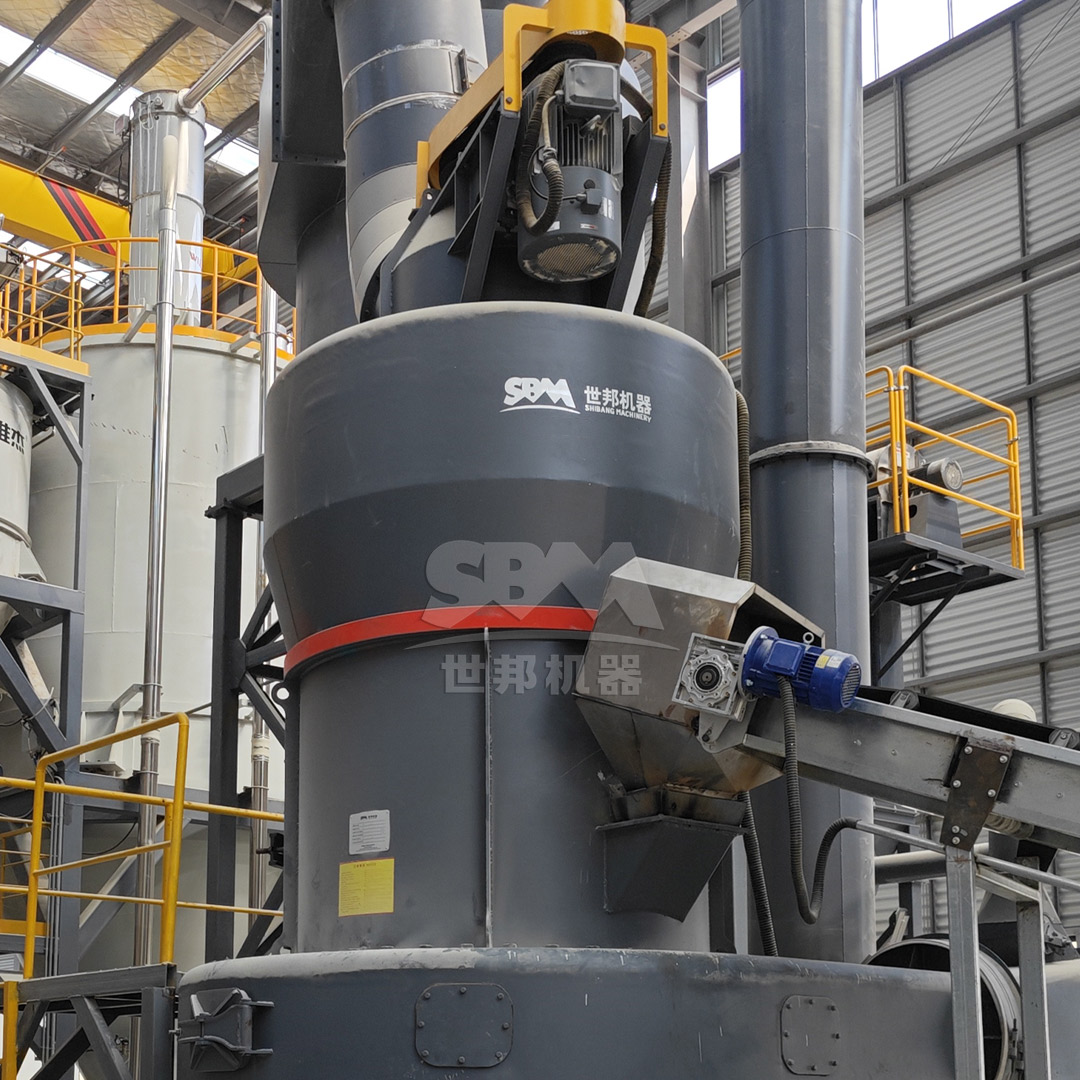
Modern control systems allow for remote monitoring and adjustment of key parameters like feed rate, classifier speed, and grinding pressure, ensuring consistent product quality and optimal system performance.
Investing in an advanced marble grinding production line delivers substantial returns:
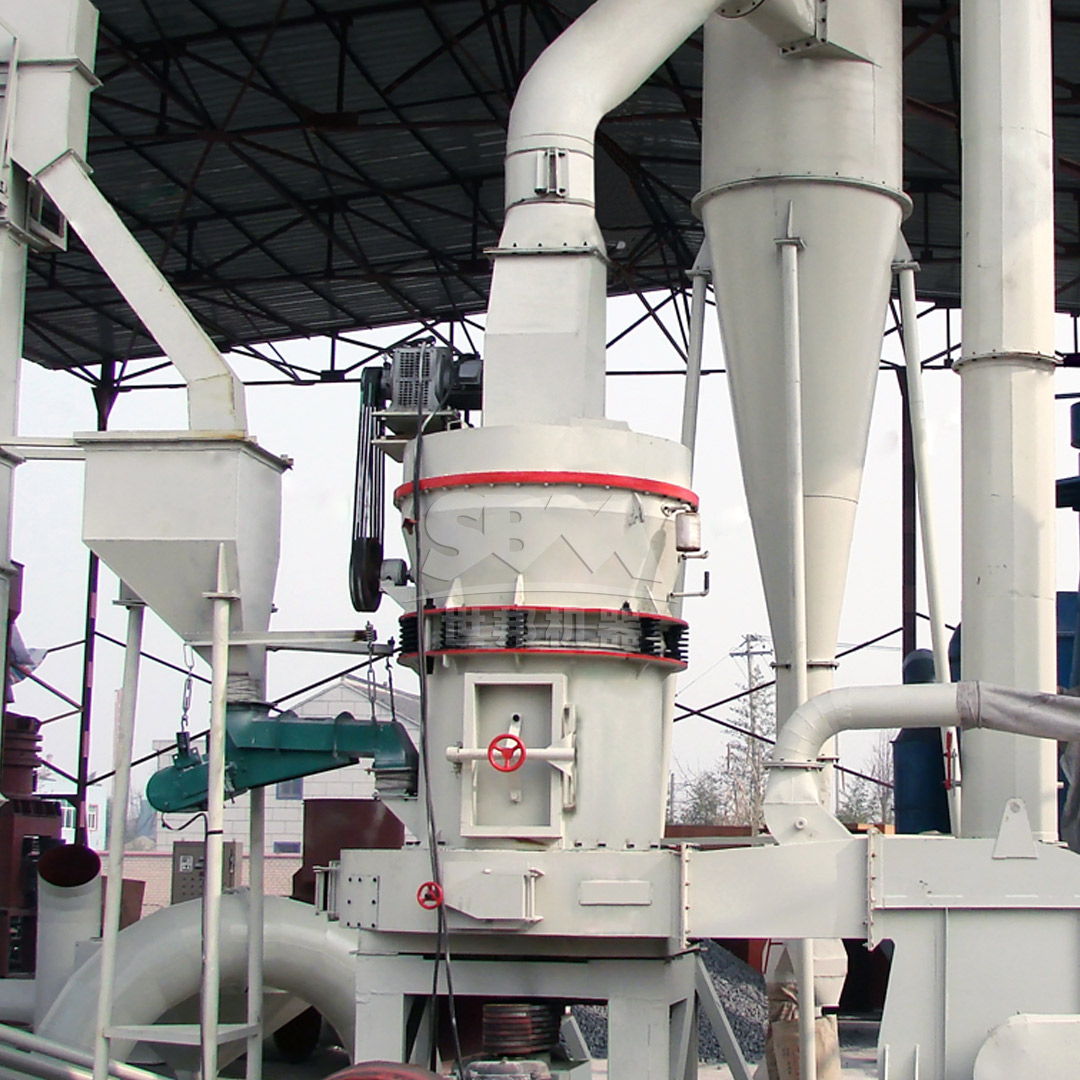
The transition towards higher-value paper products necessitates a parallel advancement in additive manufacturing technology. A well-designed marble additive production line, centered on the right grinding technology, is a strategic asset. Whether the goal is to produce ultrafine coating pigments or high-volume fillers, mills like the SCM Series Ultrafine Mill and the MTW Series European Trapezium Mill provide the technological foundation for achieving exceptional product quality, operational efficiency, and environmental stewardship. By partnering with an equipment provider that understands the precise needs of the paper industry, manufacturers can secure a reliable supply of critical raw materials and strengthen their market position for the future.