The plastics industry is in a constant state of evolution, driven by demands for improved performance, cost-effectiveness, and sustainability. Among the key additives that have revolutionized polymer compounding, calcium carbonate (CaCO3) derived from marble stands out. Marble filler masterbatch, a concentrated mixture of finely ground marble powder dispersed in a polymer carrier, is a cornerstone for enhancing the properties of plastics. It improves stiffness, dimensional stability, heat deflection temperature, and surface finish while significantly reducing raw material costs. The quality and consistency of the final masterbatch are intrinsically linked to the precision and efficiency of the production equipment used, particularly the grinding and classification systems.
The manufacturing of high-quality marble filler masterbatch follows a meticulous process chain. It begins with the selection and primary crushing of high-purity marble blocks. The crushed material then undergoes a series of grinding and classification steps to achieve the target particle size distribution (PSD), which is paramount for its performance in the polymer matrix. Finally, the ultra-fine powder is compounded with polymer resins and additives in a twin-screw extruder to produce the uniform masterbatch pellets.
The heart of this production line lies in the milling section. The choice of grinding technology directly determines the filler’s fineness, particle shape, top-cut size, and energy consumption—all critical factors affecting the opacity, mechanical properties, and processing behavior of the final plastic product.
Selecting the right grinding mill is not a one-size-fits-all decision. It depends on the required output fineness, production capacity, energy efficiency goals, and total cost of ownership. The industry utilizes a range of technologies, each with its strengths.
| Equipment Type | Typical Output Range | Key Advantages | Considerations for Masterbatch |
|---|---|---|---|
| Ball Mill | 0.074-0.8mm | High capacity, reliable, suitable for coarse fillers. | Limited to relatively coarse grades; higher energy consumption for fine grinding. |
| Hammer Mill | 0-3mm | Simple, cost-effective for size reduction. | Produces broad PSD; not suitable for high-fineness applications. |
| Raymond Mill (MTW/MTM) | 45-600μm (30-325 mesh) | Efficient for medium-fineness, stable operation. | Ideal for general-purpose filler production up to 325 mesh. |
| Vertical Roller Mill (LM Series) | 45-600μm (30-325 mesh) | Integrated system, low operating cost, excellent for large-scale production. | Perfect for high-volume production of consistent medium-fine powders. |
| Ultrafine Mill (SCM Series) | 5-45μm (325-2500 mesh) | High-precision classification, energy-efficient for ultrafine grades. | Essential for high-value, high-fineness masterbatches requiring superior dispersion. |
For advanced plastic applications—such as high-gloss films, thin-wall packaging, or engineering plastics demanding excellent impact modification—the filler must be extremely fine and uniformly sized. This requires advanced milling technology that combines efficient grinding with precise air classification.
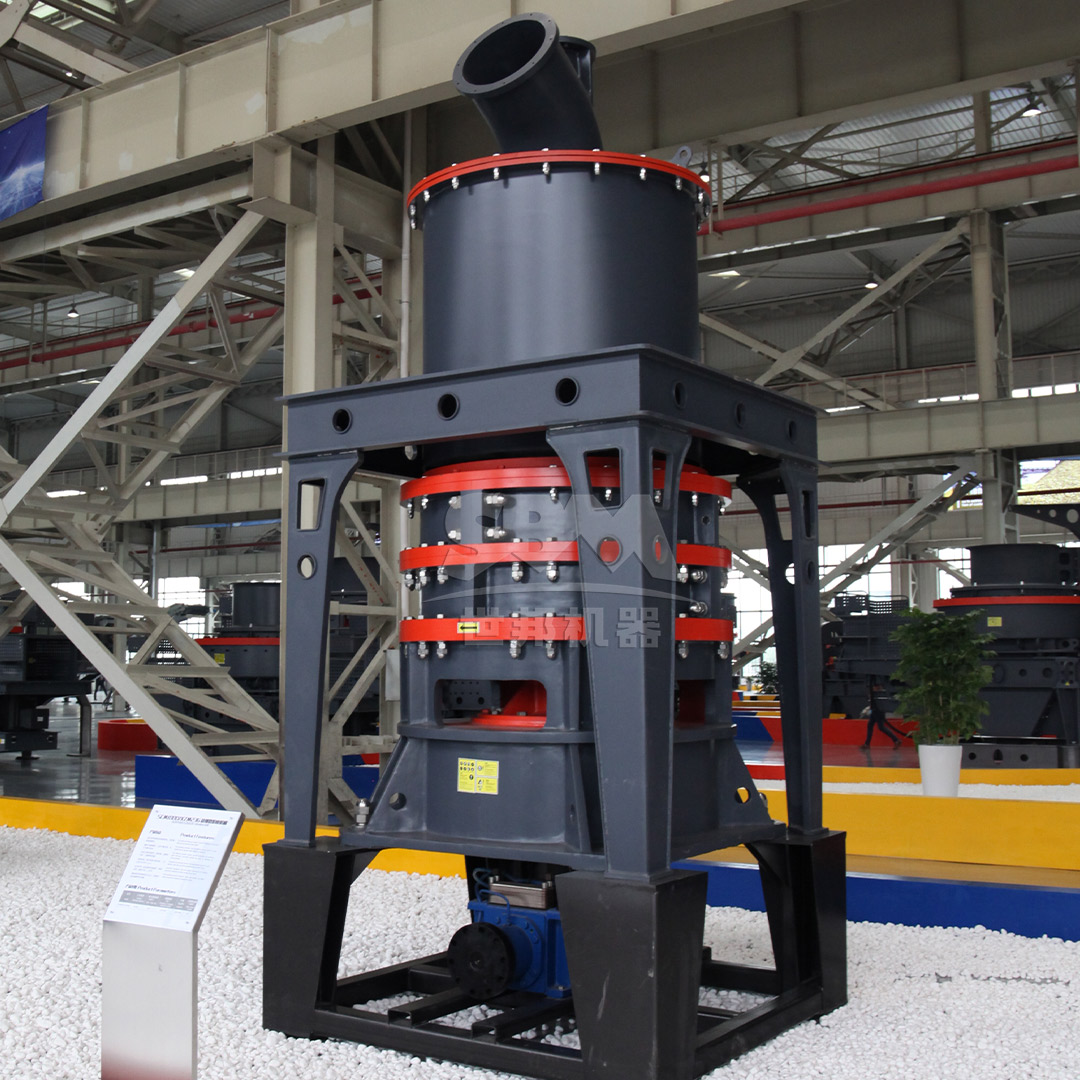
In this context, our SCM Series Ultrafine Mill represents a technological leap. Engineered specifically for producing powders in the range of 325 to 2500 mesh (45-5μm), it addresses the core needs of premium masterbatch manufacturers. Its vertical turbine classifier ensures a sharp particle size cut, eliminating coarse particles that could act as stress concentrators in the plastic matrix. The intelligent control system with automatic granularity feedback maintains product consistency, batch after batch. Furthermore, its energy consumption is significantly lower compared to traditional jet mills, offering a compelling return on investment for operations targeting the high-end market.
When the production focus shifts to high volumes of standard-grade marble filler (e.g., 400-800 mesh for rigid PVC profiles or pipes), system reliability, low wear costs, and operational simplicity become paramount. Here, an integrated grinding system that minimizes footprint and maximizes automation is ideal.
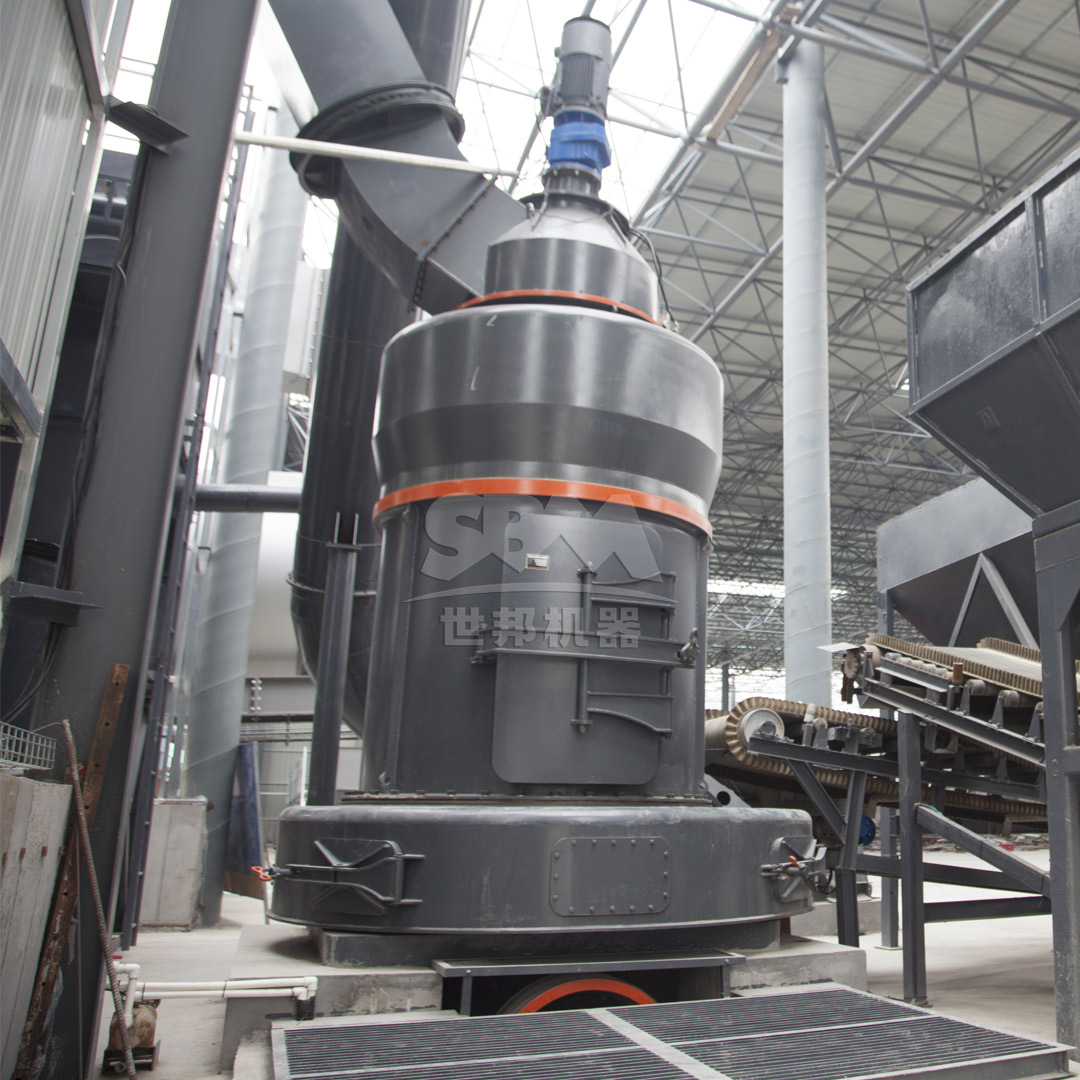
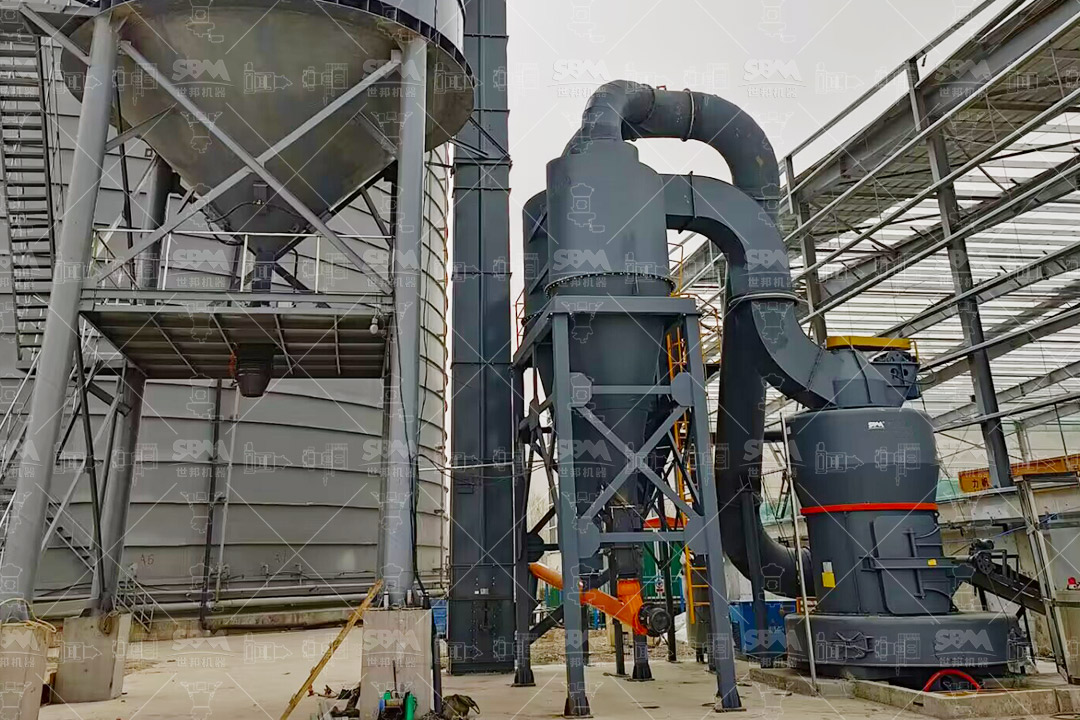
Our LM Series Vertical Roller Mill is perfectly suited for this role. Its integrated design combines crushing, grinding, drying (if needed), and classification into a single, space-saving unit. The non-contact grinding principle, where rollers hydraulically press against a rotating table, leads to remarkably low wear on consumable parts and reduces energy consumption by 30-40% compared to ball mill systems. The fully sealed negative pressure operation guarantees an environmentally clean workplace, a critical factor in modern manufacturing. For masterbatch plants with continuous, high-throughput requirements, the LM series offers an unbeatable balance of capacity, cost-efficiency, and environmental compliance.
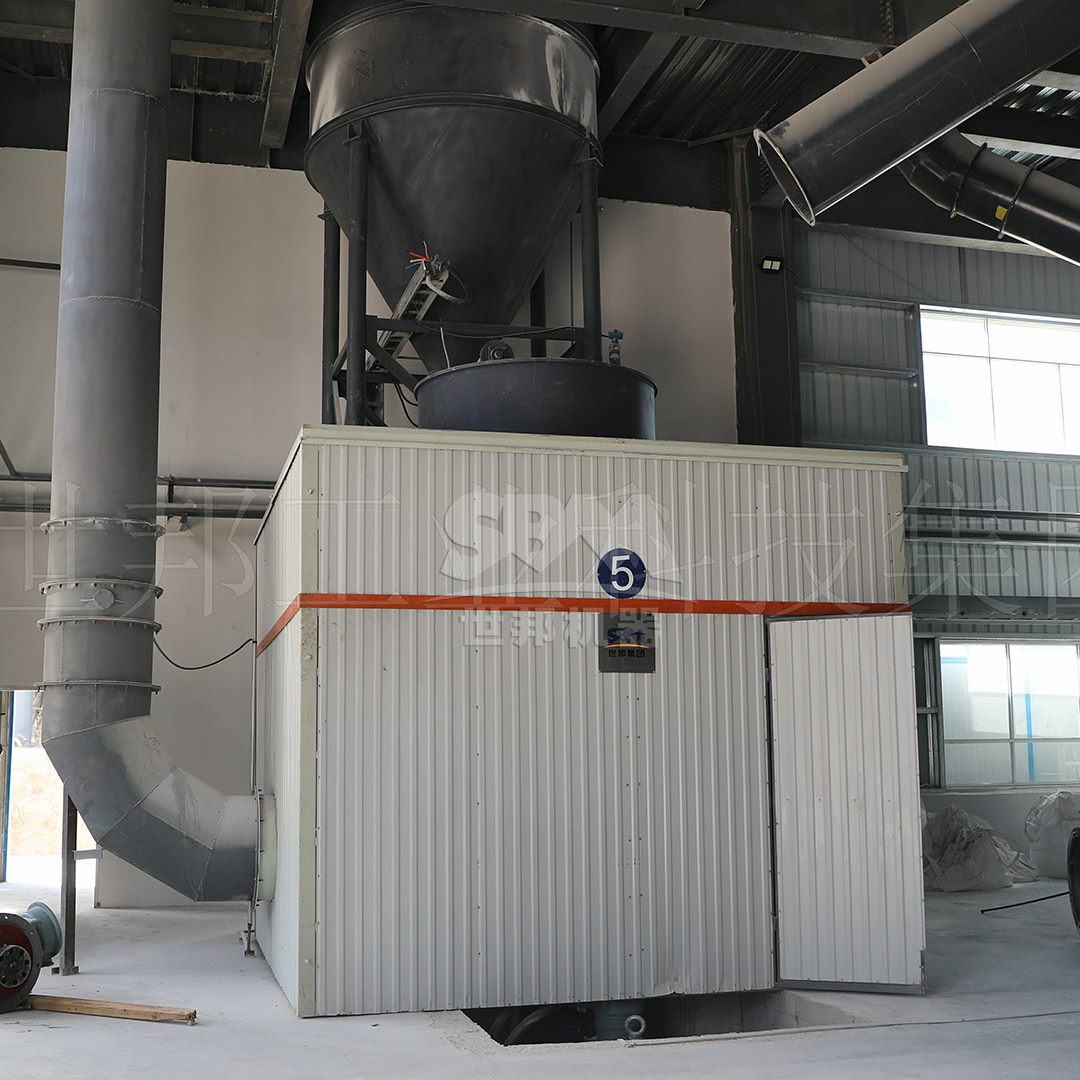
A complete production line extends beyond the mill. Key auxiliary systems include:
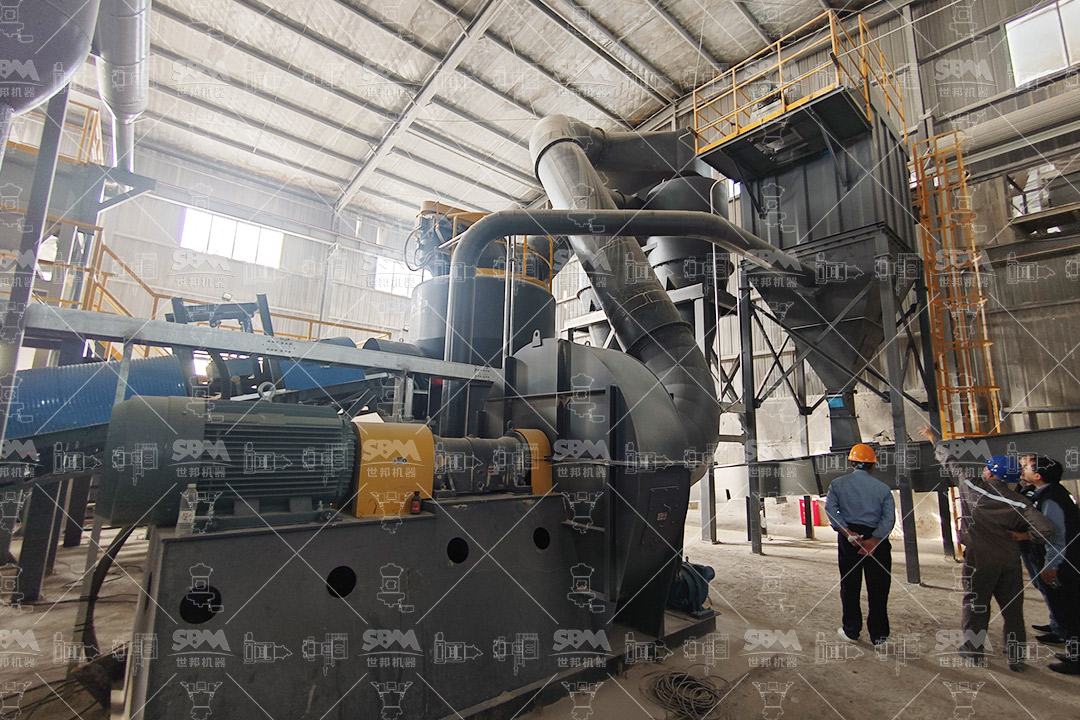
The success of a marble filler masterbatch business hinges on the ability to produce consistent, high-quality powder at a competitive cost. The choice of grinding equipment is the most significant capital and operational decision in setting up a production line. Whether targeting the high-value ultrafine market with the precision of the SCM Ultrafine Mill or pursuing large-scale efficiency with the integrated LM Vertical Roller Mill, selecting technology that offers energy efficiency, low maintenance, and precise classification is non-negotiable.
By partnering with an equipment provider that offers robust, technologically advanced, and scalable solutions, masterbatch manufacturers can ensure their product enhances the performance of their customers’ plastics, securing a strong position in the dynamic additives market. A well-designed production line is not just an expense; it is the foundation for product quality, operational profitability, and long-term growth.