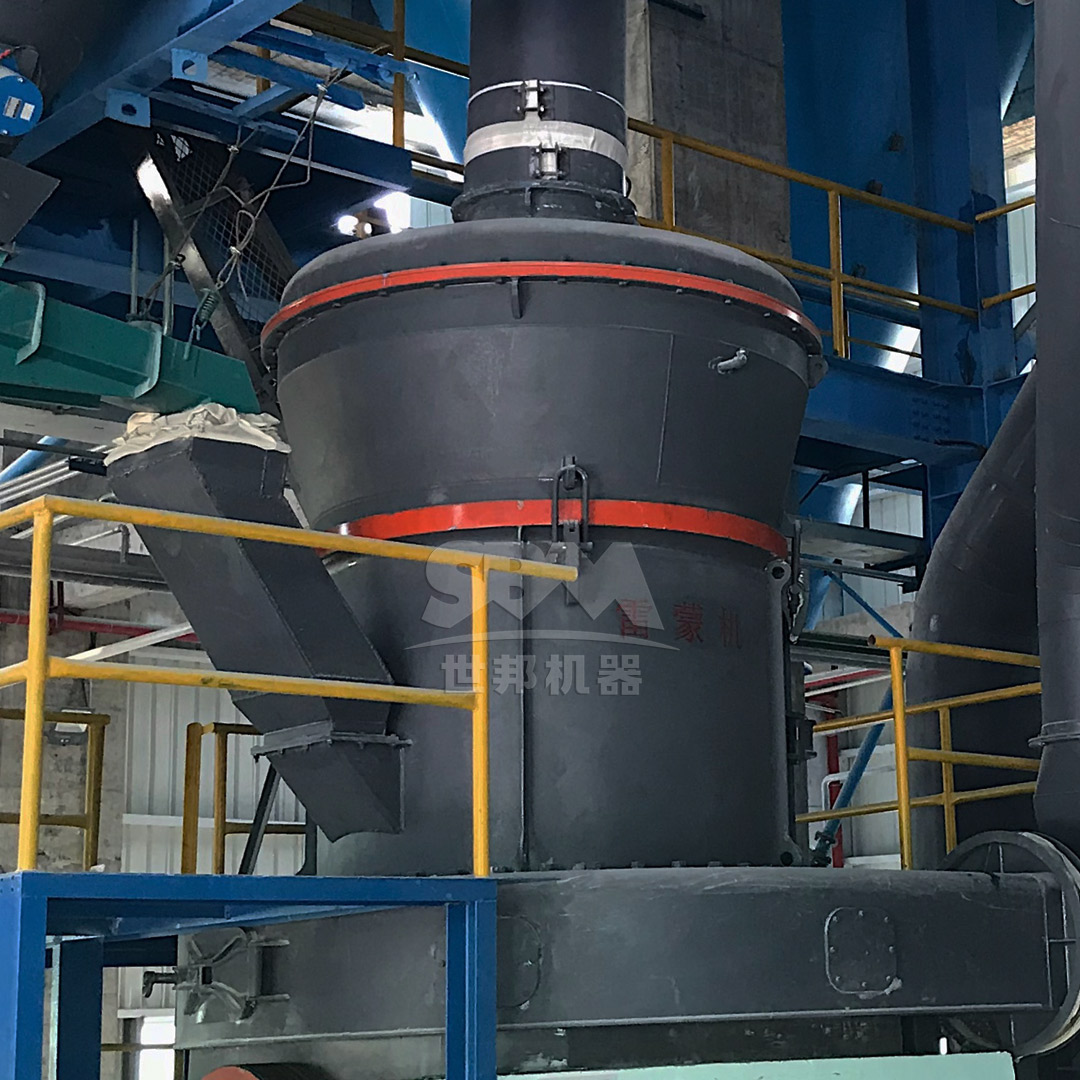
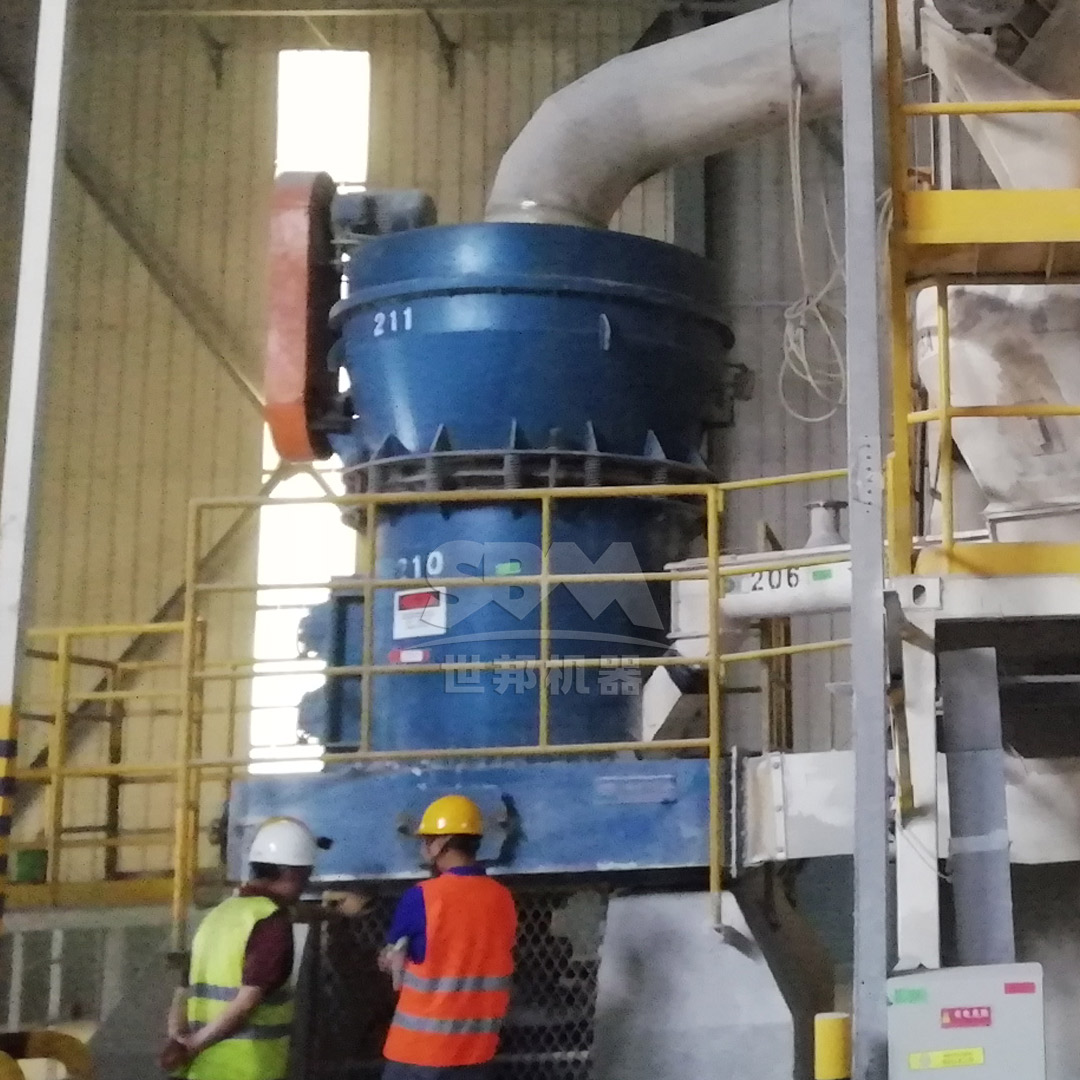
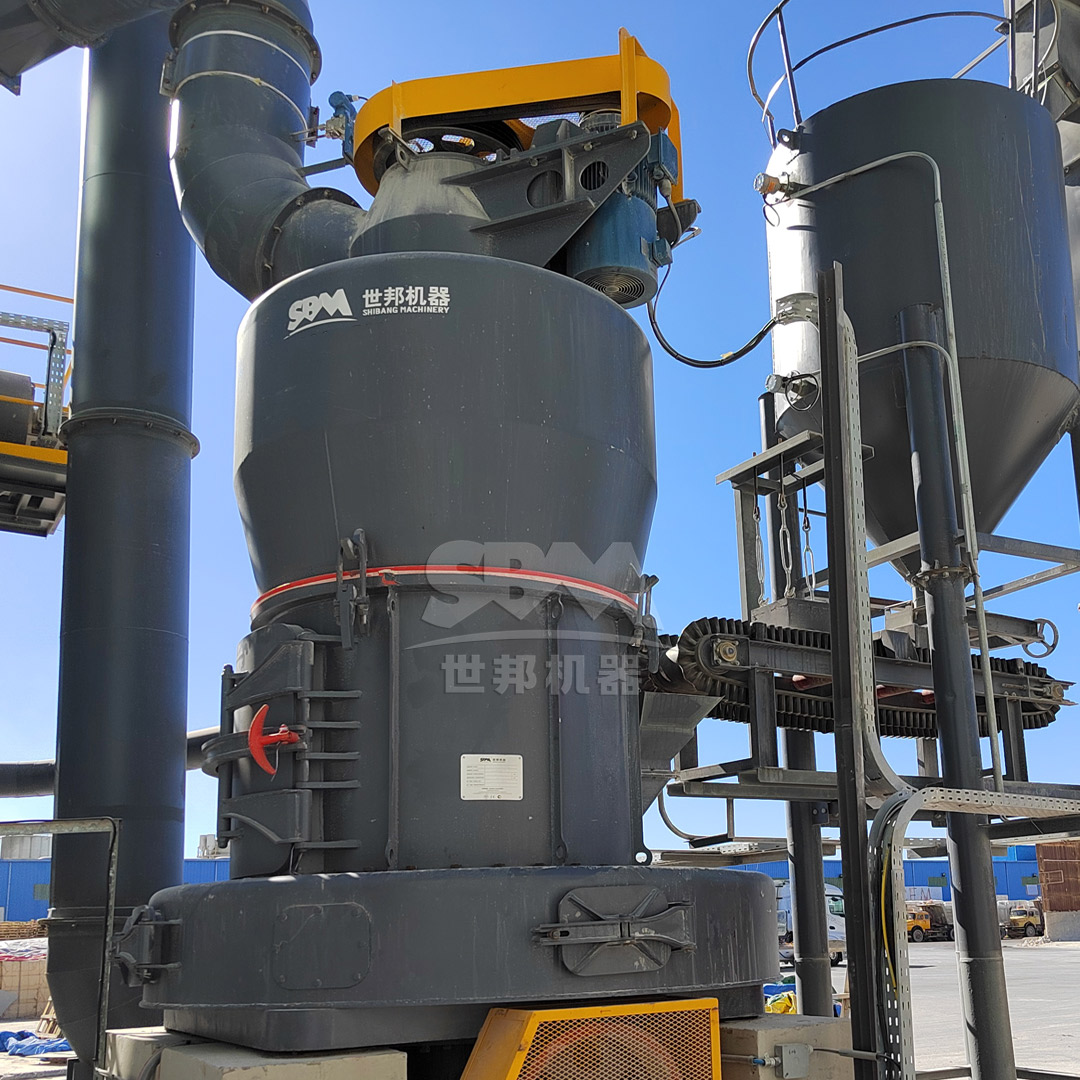
The transformation of raw marble blocks into the exquisite slabs, tiles, and fine powders used in construction, art, and industry is a complex process demanding precision, efficiency, and reliability. At the heart of this transformation lies a sophisticated array of processing machinery. Selecting the right equipment is not merely a purchase; it’s a strategic decision that impacts product quality, operational cost, environmental compliance, and long-term profitability. This comprehensive guide delves into the core machinery used in marble processing, from primary crushing to ultra-fine grinding, and provides a framework for informed equipment selection, highlighting key technological advancements that define modern, competitive operations.
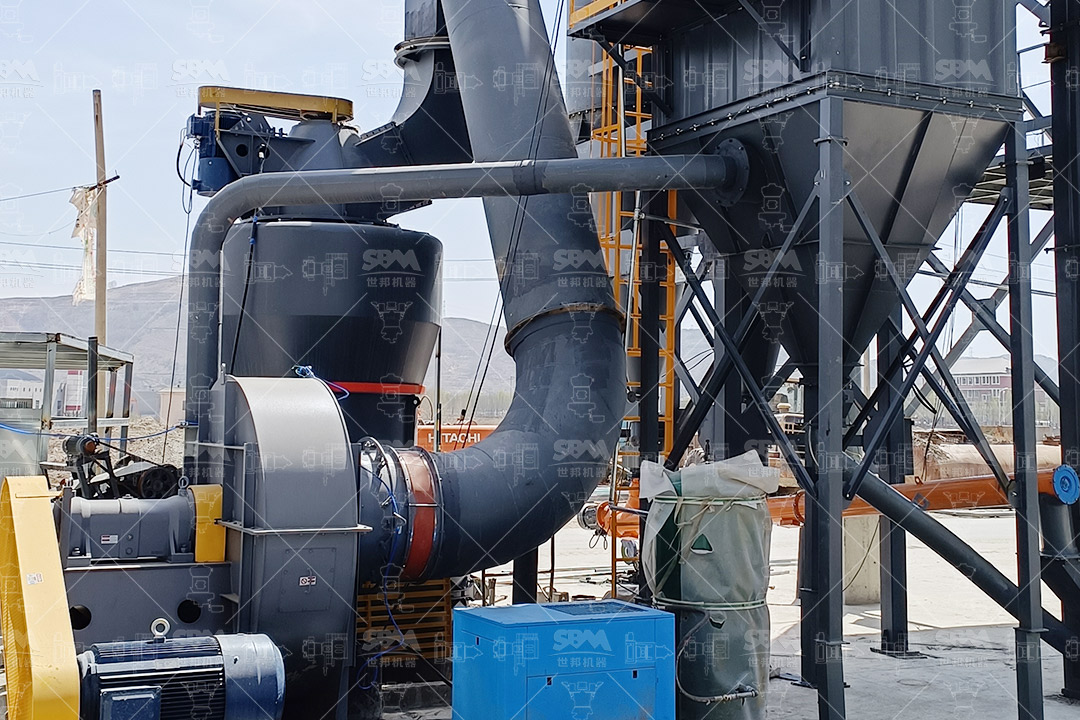
Marble processing follows a logical sequence where each stage prepares the material for the next. Understanding this chain is crucial for selecting compatible and efficient machinery.
The journey begins at the quarry, where massive marble blocks are extracted. Primary crushers, such as jaw crushers, perform the initial size reduction, breaking down blocks into manageable pieces typically under 200-300mm. The key considerations here are throughput capacity, feed size acceptance, and the crusher’s ability to handle the sometimes abrasive nature of marble without excessive wear.
Following primary crushing, secondary crushers like impact crushers or cone crushers further reduce the material to sizes suitable for grinding mills (often below 50mm). For producing manufactured sand or specific aggregates, shaping crushers like VSI (Vertical Shaft Impact) crushers are employed to achieve the desired particle shape and gradation.
This is the most critical and energy-intensive stage for producing marble powders of various fineness. The choice of grinding mill depends entirely on the target product specification:
Integrated with or following the grinding mill, classifiers (often air classifiers) separate particles based on size. Precise classification ensures a uniform product with no oversize contamination. Efficient dust collection systems, such as pulse-jet baghouses, are mandatory for product recovery and to meet stringent environmental standards.
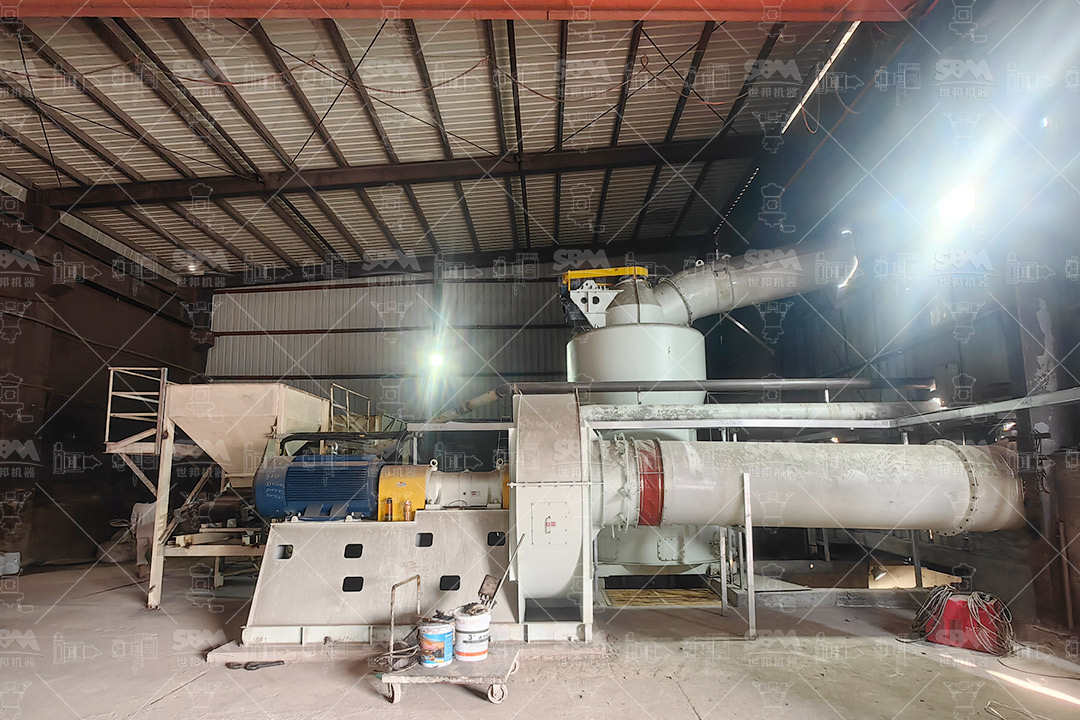
The grinding mill is the centerpiece of any marble powder production line. Here we explore the dominant technologies, their principles, and ideal applications.
A traditional and robust workhorse, ball mills operate on the principle of impact and attrition as grinding media (steel balls) cascade inside a rotating cylinder. They are versatile and can produce a wide range of fineness. However, they are often criticized for high energy consumption, significant wear of media and liners, and relatively large footprint and noise levels. They are best suited for applications where extreme fineness is not the primary goal and where operational simplicity is valued.
A type of vertical roller mill, the traditional Raymond mill uses spring-loaded rollers that rotate against a stationary ring to crush material fed by a central shovel. Modern evolutions, like the MTW Series European Trapezium Mill, have significantly improved upon this design. For marble processing requiring fineness in the 30-325 mesh range (600-45μm) with capacities from 3 to 45 tons per hour, the MTW series represents a superior choice. Its advantages are particularly relevant for marble:
| Model | Capacity (t/h) | Main Power (kW) | Max. Feed Size (mm) | Fineness (mesh) |
|---|---|---|---|---|
| MTW138Z | 6-17 | 90 | <35 | 10-325 |
| MTW175G | 9.5-25 | 160 | <40 | 10-325 |
| MTW215G | 15-45 | 280 | <50 | 10-325 |
VRMs represent a leap in grinding technology, especially for medium to large-scale production. Material is ground between rollers and a rotating table, with hot air simultaneously drying and transporting the powder to an integrated classifier. The LM Series Vertical Roller Mill exemplifies the modern VRM’s benefits for marble processing:
For producing the highest-value marble powders in the micron and sub-micron range (325-2500 mesh), specialized ultrafine mills are required. Jet mills and advanced roller mills are common technologies. A standout in this category is the SCM Series Ultrafine Mill, engineered specifically for high-output, energy-efficient production of superfine powders.
| Model | Capacity (t/h) | Main Power (kW) | Output Fineness (mesh) |
|---|---|---|---|
| SCM1000 | 1.0-8.5 | 132 | 325-2500 |
| SCM1250 | 2.5-14 | 185 | 325-2500 |
| SCM1680 | 5.0-25 | 315 | 325-2500 |
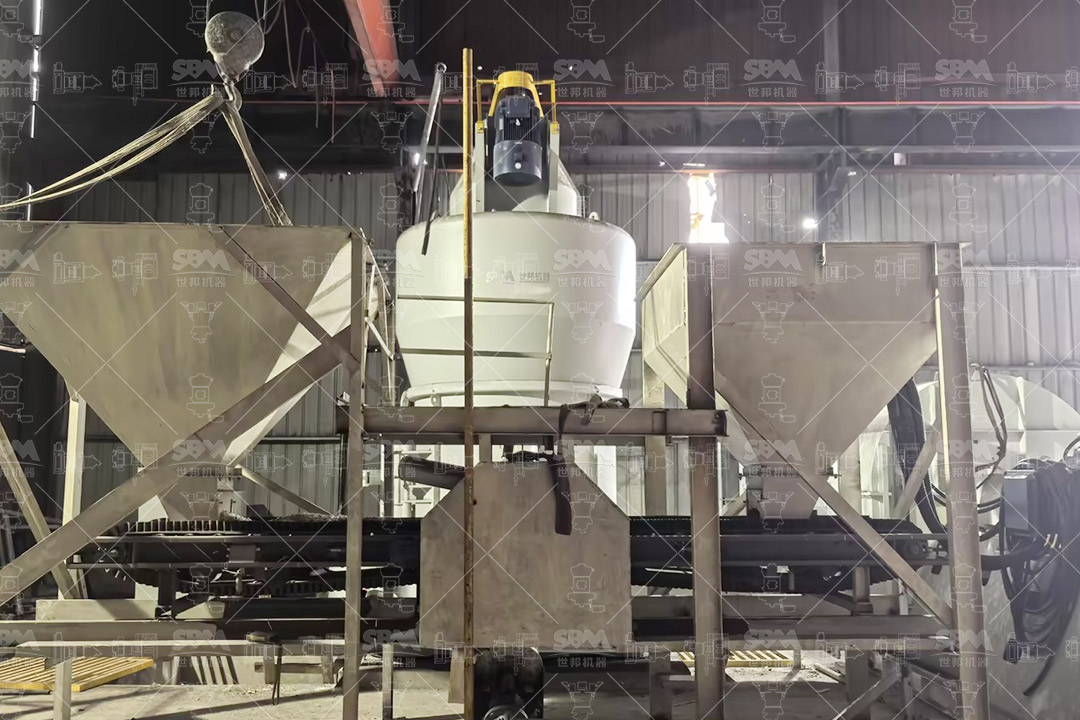
Choosing the right machinery involves a careful analysis of multiple factors:
Fineness & Particle Size Distribution (PSD): This is the primary driver. Define your target top size (D97) and the required PSD curve. A narrow PSD requires a mill with a high-precision classifier.
Determine your required hourly, daily, and annual output. Select equipment that can meet peak demand with about 80-90% utilization to allow for maintenance and fluctuations.
Analyze the Mohs hardness, moisture content, feed size, and chemical composition of your marble. This affects crusher selection, the need for drying, and the wear rate on grinding components.
Grinding is energy-intensive. Evaluate the specific energy consumption (kWh/ton) of different mill types. Also, consider the cost and lifespan of wear parts (rollers, rings, liners, media) and the maintenance complexity.
Modern plants must comply with strict dust and noise regulations. Choose equipment with integrated, high-efficiency dust collection and noise reduction features. Also, assess the available plant space; integrated vertical mills offer a significant footprint advantage.
Modern mills with PLC-based control systems offer automatic start-up/shutdown, real-time monitoring, and feedback loops for consistent product quality. This reduces manual labor, minimizes human error, and optimizes efficiency.
The landscape of marble processing equipment has evolved from simple, energy-intensive machines to highly efficient, intelligent, and environmentally responsible systems. The strategic selection of machinery—from the robust MTW Series European Trapezium Mill for high-capacity coarse-to-medium fine grinding to the technologically advanced SCM Series Ultrafine Mill for premium superfine powder production—is fundamental to building a profitable and sustainable operation. By thoroughly understanding the processing chain, mill technologies, and critical selection criteria outlined in this guide, investors and plant managers can make informed decisions that ensure product excellence, operational economy, and compliance in the competitive global market for marble products.