The production of high-quality marble slag forming agents is a sophisticated process that transforms industrial by-products into valuable materials for construction, ceramics, and chemical applications. The core of this process lies in efficient and precise grinding and classification to achieve the desired fineness, particle size distribution, and reactivity. This guide outlines the key stages of a modern marble slag forming agent production line and provides a detailed analysis of the essential equipment, with a focus on selecting the right grinding solution for optimal performance and return on investment.
A typical, fully-integrated production line consists of several sequential stages:
Marble slag, often in large, irregular chunks, is first received and stored. A primary crusher, such as a Jaw Crusher or Hammer Mill, reduces the slag to a manageable size (typically below 50mm) for efficient feeding into the grinding system.
If the raw slag has high moisture content, a dryer (e.g., rotary dryer) is employed to reduce moisture to an optimal level (usually below 1-2%) to prevent clogging in the grinding mill and ensure efficient powder handling.
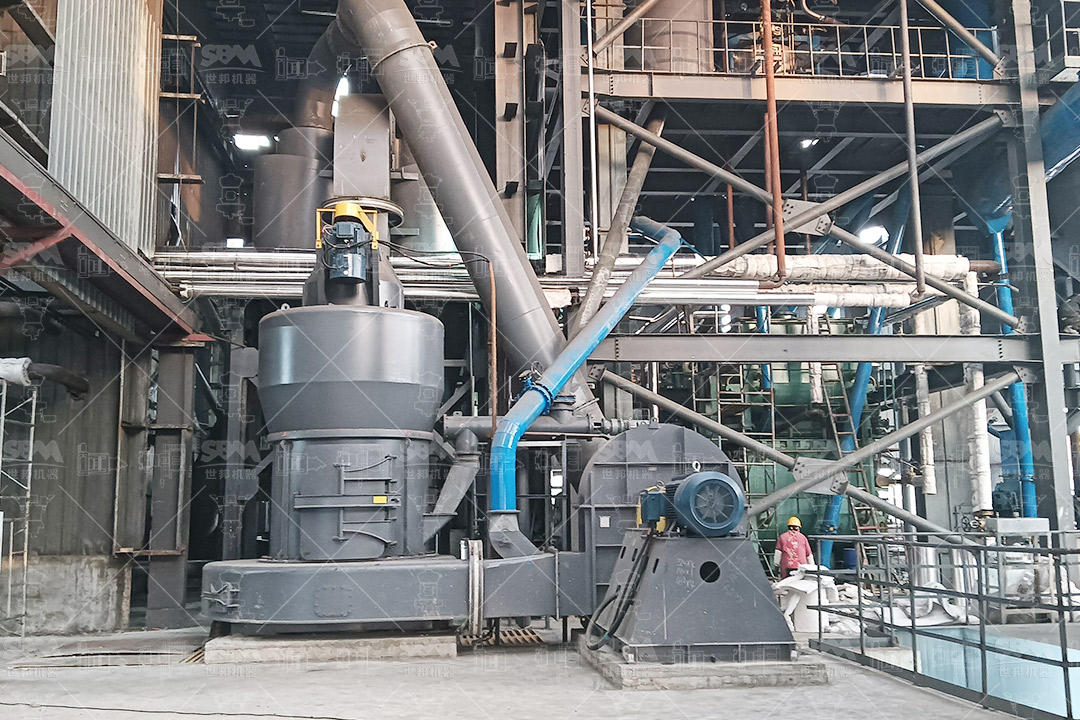
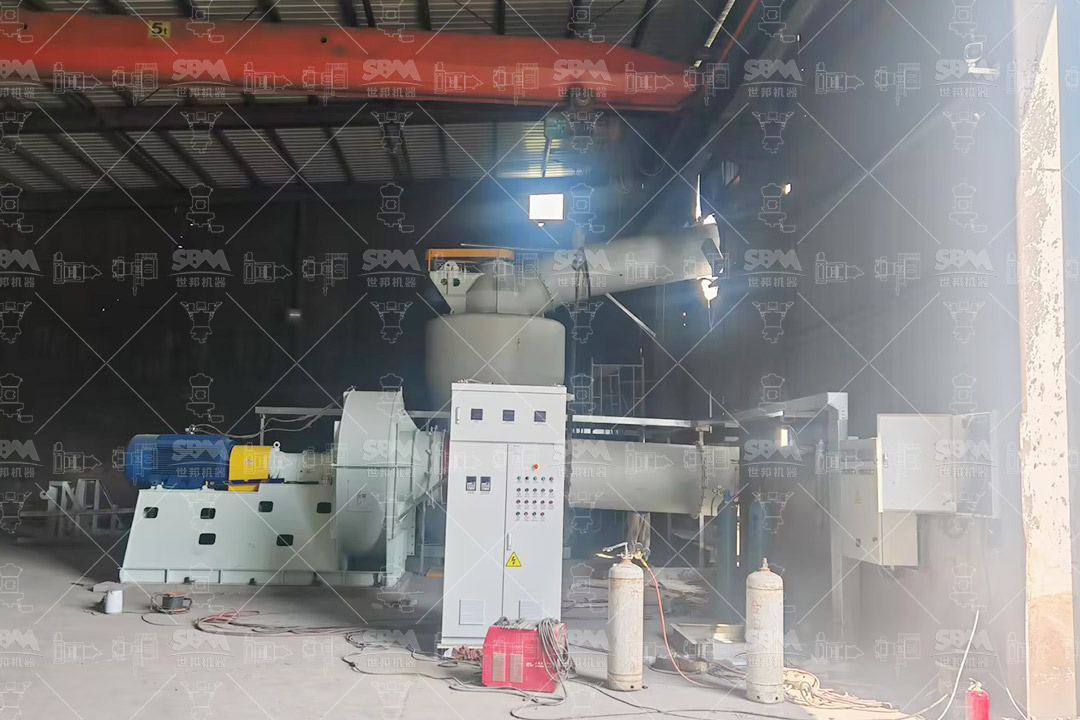
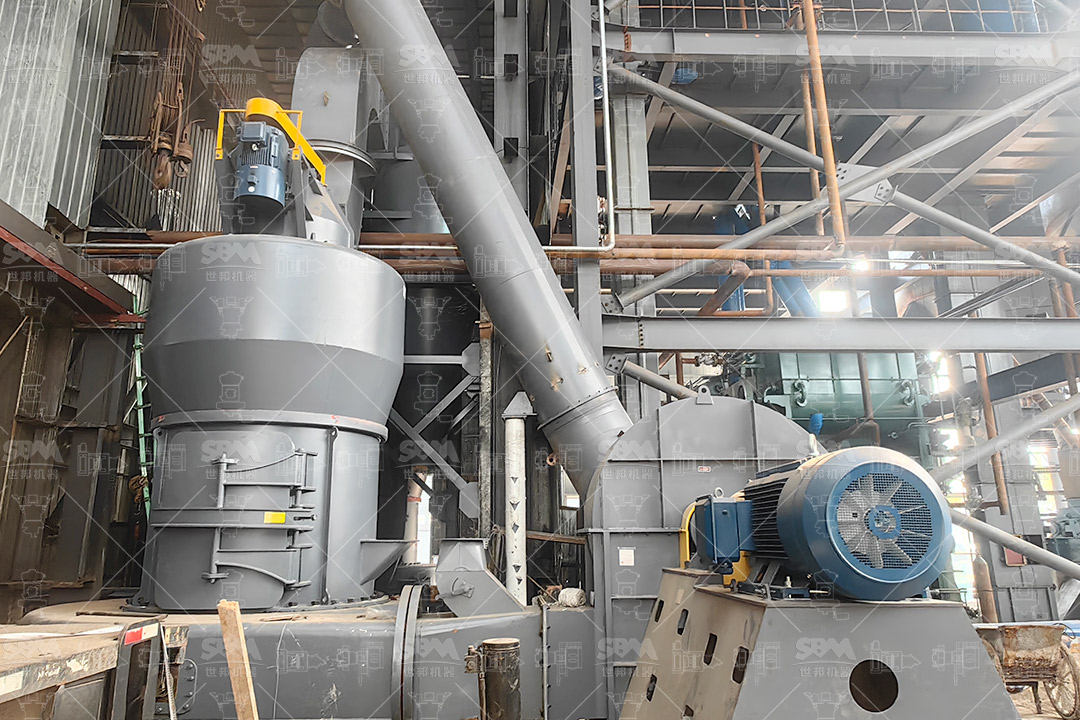
This is the heart of the production line. The pre-crushed and dried material is fed into a grinding mill. The choice of mill is critical and depends on the target fineness. The ground powder is simultaneously classified; fine particles meeting the specification are collected, while coarse particles are returned for further grinding. This closed-circuit system ensures high efficiency and consistent product quality.
| Target Fineness Range | Recommended Primary Grinding Equipment | Typical Application for Forming Agent |
|---|---|---|
| 30-325 mesh (600-45μm) | Vertical Roller Mill, European Trapezium Mill | Coarse filler, base material |
| 325-2500 mesh (45-5μm) | Ultrafine Grinding Mill | High-performance filler, reactive powder |
A high-efficiency dust collection system, such as a pulse-jet baghouse, captures the fine product from the classifying air stream. This ensures a clean working environment, maximizes product yield, and meets environmental emission standards.
The finished marble slag powder is conveyed to storage silos and then packaged via automated valve baggers or bulk loading systems for shipment.
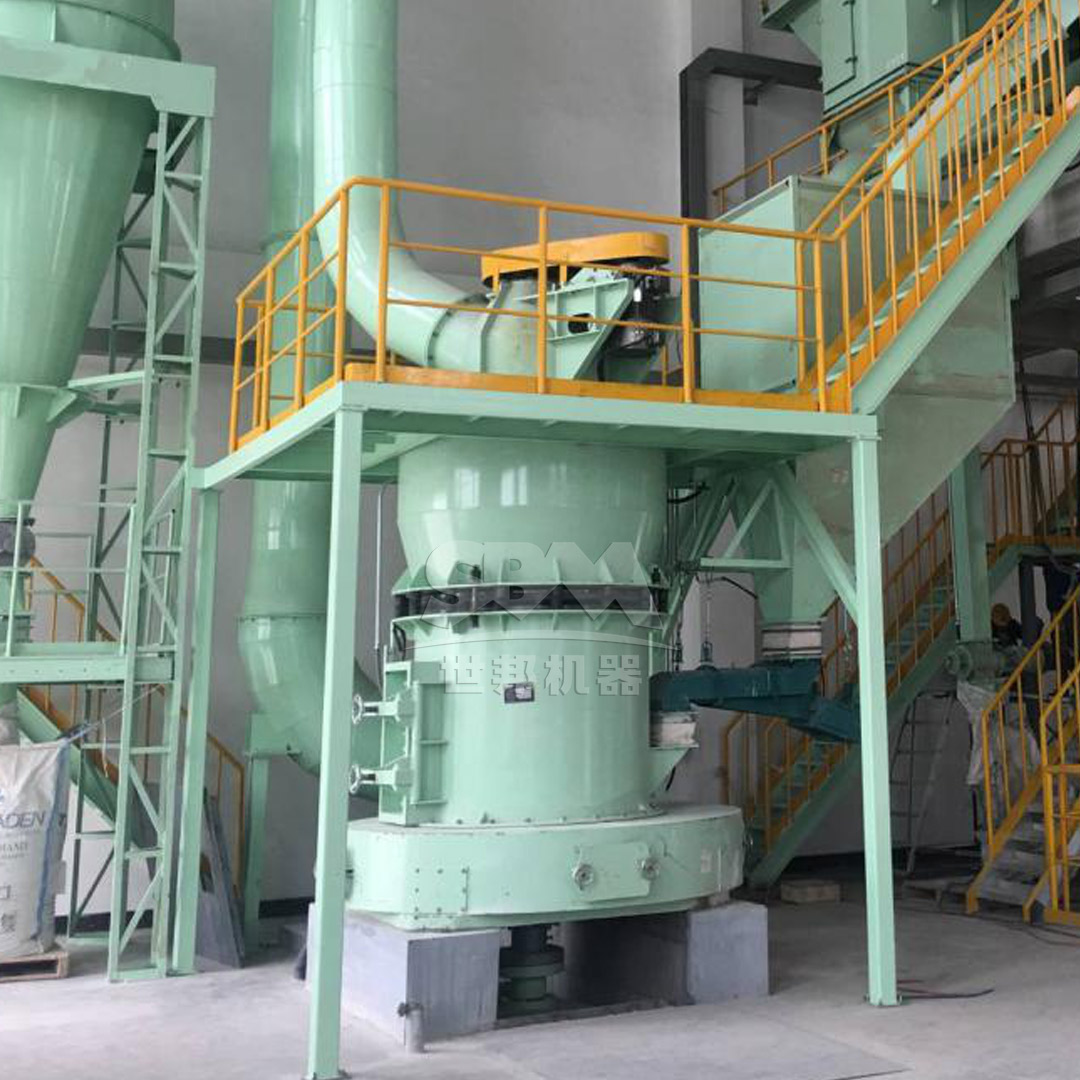
Selecting the right grinding equipment is paramount. The decision hinges on required capacity, target fineness, energy efficiency, and total cost of ownership.
For production lines targeting standard filler applications, high-capacity and robust mills are ideal.
Recommended Equipment: MTW Series European Trapezium Mill
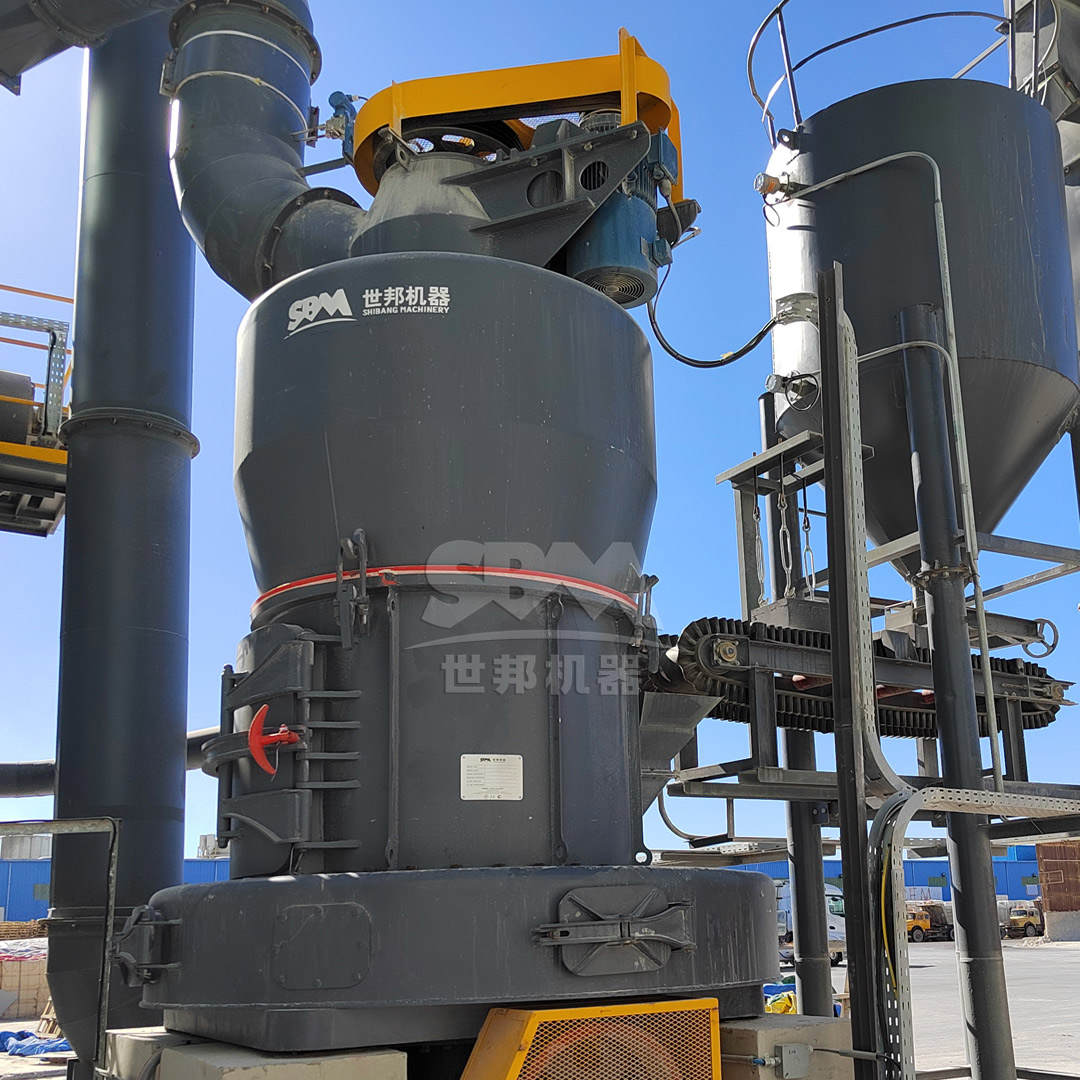
Our MTW Series European Trapezium Mill is engineered for high-capacity, energy-efficient grinding in this range. Its integral bevel gear transmission achieves up to 98% drive efficiency, significantly saving energy. The wear-resistant volute and curved air duct design minimize resistance and maintenance costs. With capacities from 3 to 45 tons per hour and the ability to handle feed sizes up to 50mm, it is a versatile and reliable workhorse for large-scale marble slag processing. The anti-wear shovel and optimized grinding roller design ensure long service life, reducing operational downtime.
| Model Example | Capacity (t/h) | Main Power (kW) | Output Fineness |
|---|---|---|---|
| MTW175G | 9.5-25 | 160 | 10-325 mesh |
| MTW215G | 15-45 | 280 | 10-325 mesh |
Producing ultrafine marble powder for high-performance forming agents requires specialized technology to achieve precise particle size control and high uniformity.
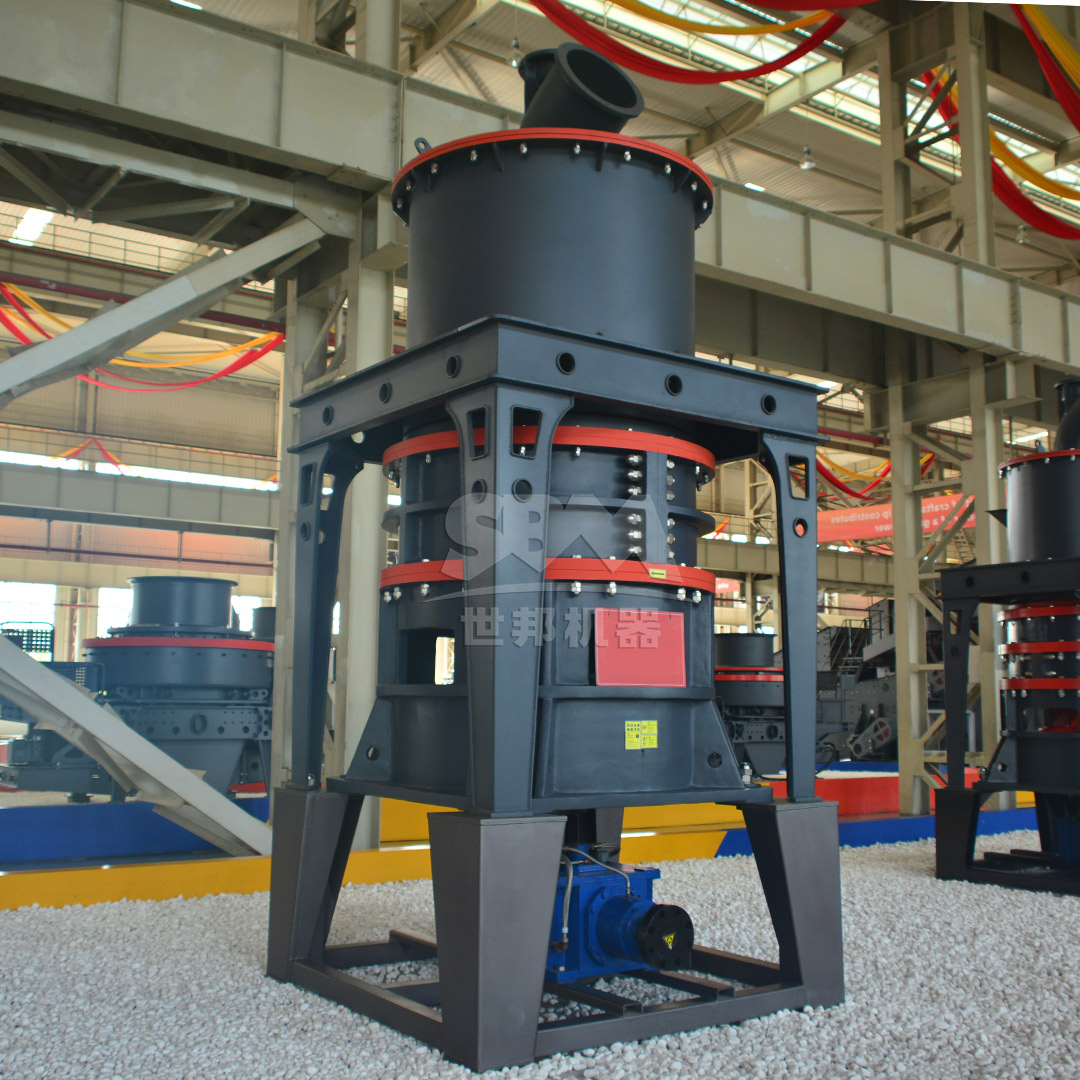
Recommended Equipment: SCM Series Ultrafine Mill
For the most demanding applications requiring ultrafine powders, our flagship SCM Series Ultrafine Mill is the optimal solution. It excels in producing powders between 325 and 2500 mesh (45-5μm) with exceptional uniformity. Its core advantage lies in the high-precision vertical turbine classifier, which ensures sharp particle size cuts and eliminates coarse powder contamination. The mill operates with remarkable efficiency, offering capacity twice that of traditional jet mills while consuming 30% less energy. Furthermore, its durable design featuring special material rollers and rings, coupled with a fully sealed negative pressure system and pulse dust collection exceeding 99.9%, makes it an environmentally sound and low-maintenance investment for premium product lines.
Electromagnetic or screw feeders ensure stable and controlled material flow into the mill, which is critical for stable grinding bed formation and consistent product quality. Belt conveyors and bucket elevators handle material transfer between stages.
While often integrated into the main mill (as in the SCM and MTW series), standalone high-efficiency classifiers (e.g., turbo classifiers) can be used for final product refinement or in closed-circuit systems with ball mills to enhance efficiency.
A robust pulse-jet bag filter is non-negotiable. It must be correctly sized for the system’s air volume to ensure no product loss and to maintain a dust-free environment, protecting both equipment and personnel.
A centralized PLC control system allows for automated start-up, shutdown, and continuous monitoring of key parameters (pressure, temperature, motor load). This minimizes manual intervention, optimizes process stability, and provides valuable operational data.
Designing a successful marble slag forming agent production line requires a holistic approach that matches process stages with robust, efficient equipment. The grinding mill selection is the most critical capital decision.
For high-volume production of coarse to medium fillers, the MTW Series European Trapezium Mill offers unbeatable efficiency and reliability. For ventures into the high-value ultrafine powder market, the SCM Series Ultrafine Mill provides the necessary technological edge with its precision classification and energy-saving design.
Best practices include conducting thorough material testing, opting for integrated system solutions from a single supplier for better compatibility, prioritizing energy-efficient designs to lower operating costs, and incorporating modern automation for consistent quality and reduced labor dependency. A well-planned line not only maximizes profitability but also ensures sustainable and environmentally compliant operation.