The production of medical-grade gypsum additives, such as plaster of Paris for casts or dental plasters, demands a stringent level of quality control. The final product must exhibit consistent purity, precise particle size distribution, and optimal setting properties. Achieving these specifications hinges on selecting the right processing equipment. This comprehensive guide explores the critical stages of medical gypsum additive production and the machinery required, with a focus on grinding and classification—the heart of the process.
The transformation of raw gypsum rock into a refined medical additive involves several sequential steps, each with specific equipment needs.
Raw gypsum ore is first reduced to a manageable size (typically below 50mm) using primary crushers like jaw crushers or hammer mills. This stage prepares the material for efficient drying and subsequent fine grinding.
Moisture content must be carefully controlled. Rotary dryers or flash dryers are commonly employed to reduce moisture to optimal levels for grinding, preventing clogging and ensuring consistent feed.
This thermal process (heating to ~150-180°C) partially dehydrates the gypsum (CaSO4·2H2O) to form calcium sulfate hemihydrate (CaSO4·0.5H2O), the active ingredient in plaster. Kettles or continuous calcifiers are used, requiring precise temperature and residence time control.
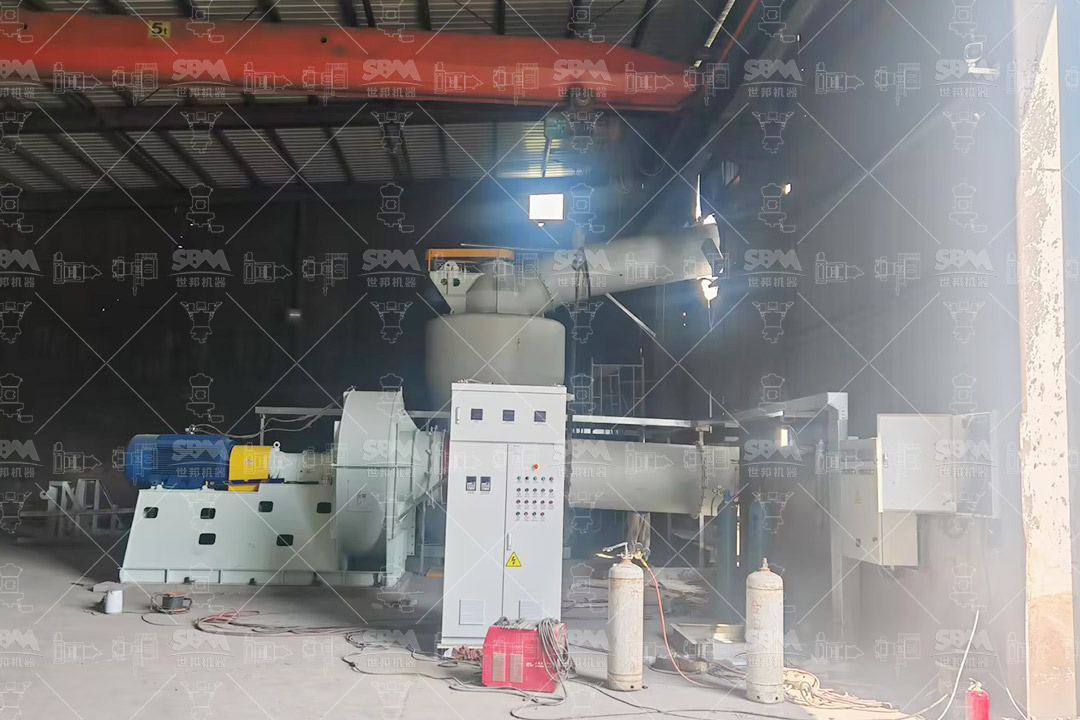
This is the most crucial stage for defining the final product’s performance. The calcined hemihydrate must be ground to a specific, uniform fineness. Particle size directly impacts setting time, strength, and smoothness of the final cast or mold.
Final additives may be blended with other components. Packaging must be in clean, moisture-proof containers. For certain medical grades, a sterilization step may be incorporated.
Selecting the optimal grinding system is paramount. The choice depends on target fineness, required capacity, energy efficiency goals, and the need for precise classification.
A traditional workhorse suitable for coarser grinds. They operate via impact and attrition of steel balls within a rotating cylinder.
| Advantages | Considerations for Medical Gypsum |
|---|---|
| High reliability, simple operation | Can generate a broad particle size distribution |
| Wide capacity range | Higher energy consumption per ton compared to newer mills |
| Proven technology | Potential for higher wear and contamination from grinding media |
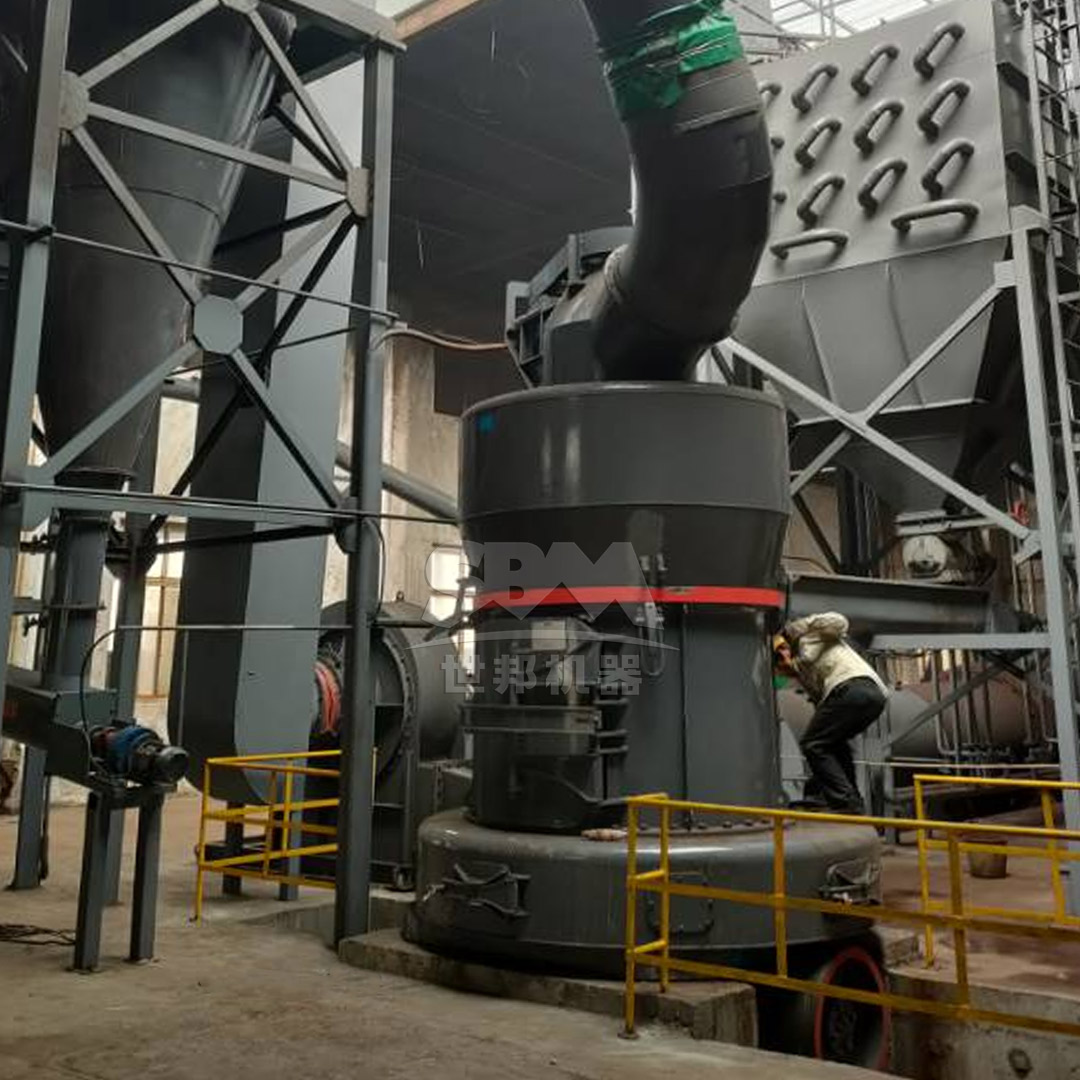
Excellent for mid-range fineness (30-325 mesh). They use spring-loaded rollers that swing outward to crush material against a stationary ring.
| Advantages | Considerations for Medical Gypsum |
|---|---|
| Good energy efficiency for target range | May require multi-pass systems for very fine products |
| Integrated dynamic classifier | Roller and ring wear need monitoring |
| Compact footprint | Well-suited for standard plaster fineness |
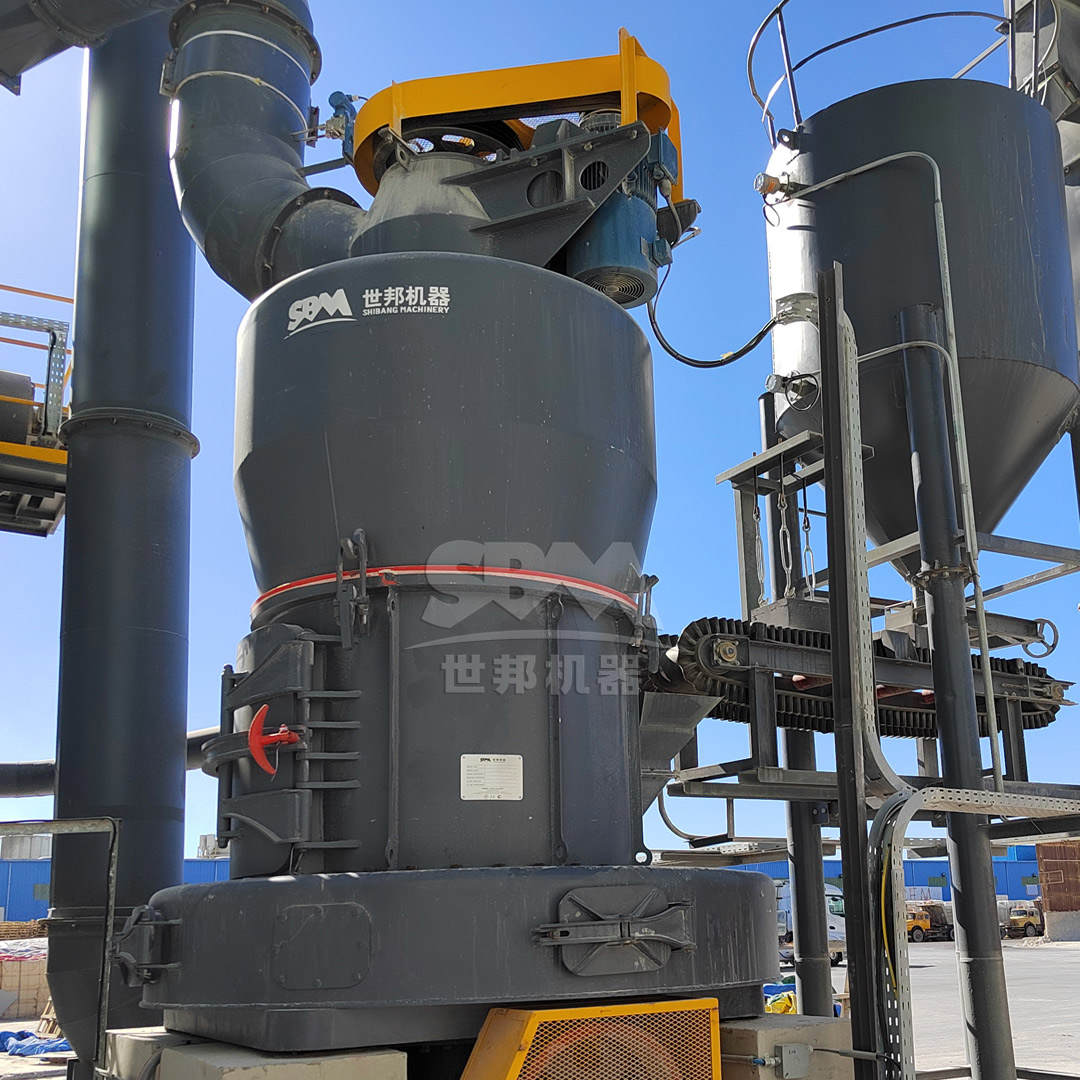
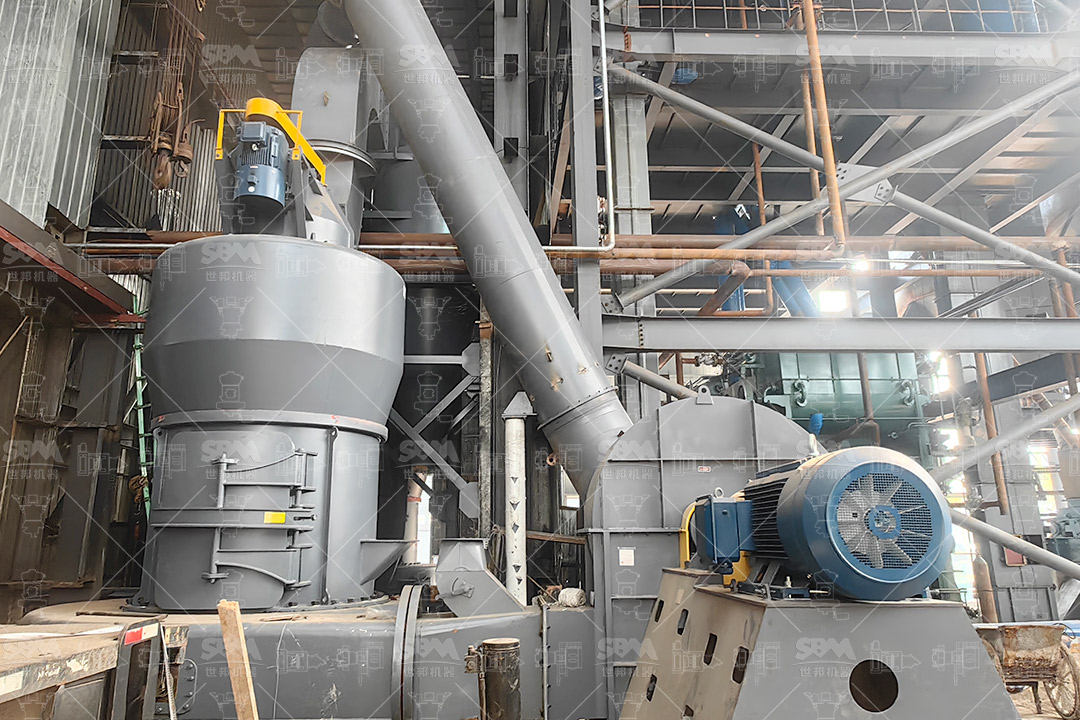
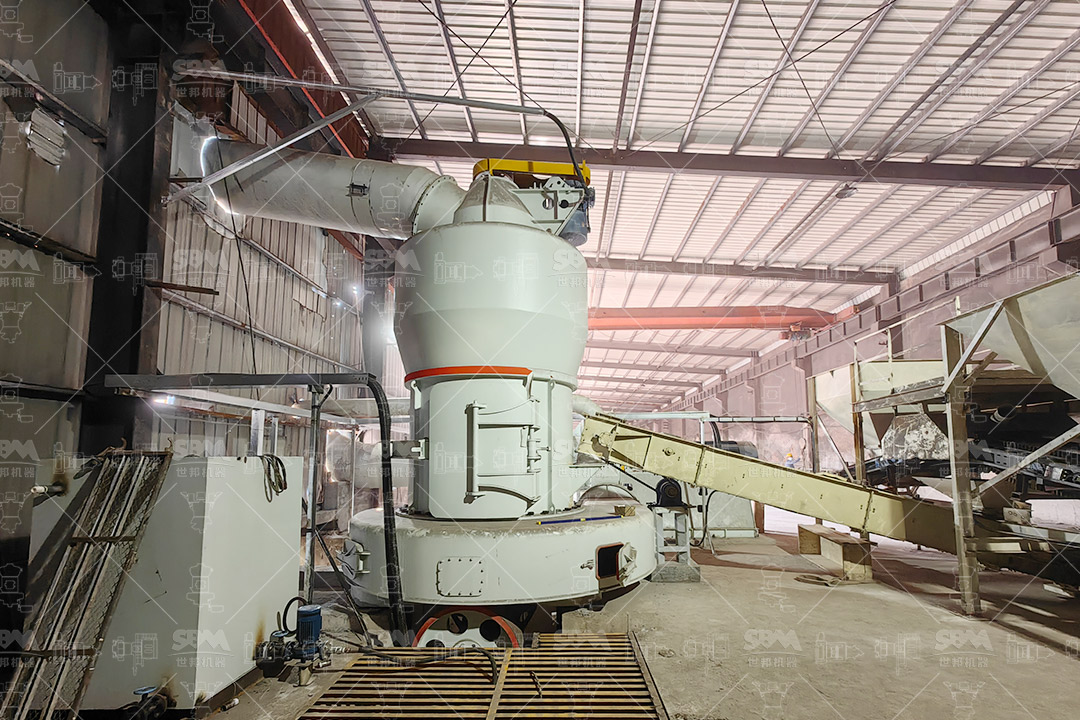
A modern, highly efficient solution for medium to fine grinding. Material is ground between rollers and a rotating table, with immediate classification by internal airflow.
| Advantages | Considerations for Medical Gypsum |
|---|---|
| Superior energy efficiency (30-50% less than ball mills) | Higher initial investment |
| Excellent drying capability (can handle feed moisture) | Requires sophisticated control systems |
| Precise particle size control with advanced classifiers | Ideal for large-scale, high-quality production lines |
Based on the stringent requirements for purity, fineness control, and operational efficiency, we recommend the following equipment from our portfolio for manufacturers aiming for excellence in medical gypsum additive production.
For manufacturers targeting the core range of medical plaster fineness (30-325 mesh) with exceptional efficiency and reliability, the MTW Series European Trapezium Mill is an outstanding choice. Its design incorporates several patented technologies specifically beneficial for consistent, high-volume powder production.
Why it’s ideal for Medical Gypsum:
For a production line requiring a capacity between 3-45 tons per hour with precise control in the 30-325 mesh range, the MTW Series provides a robust and future-proof solution.
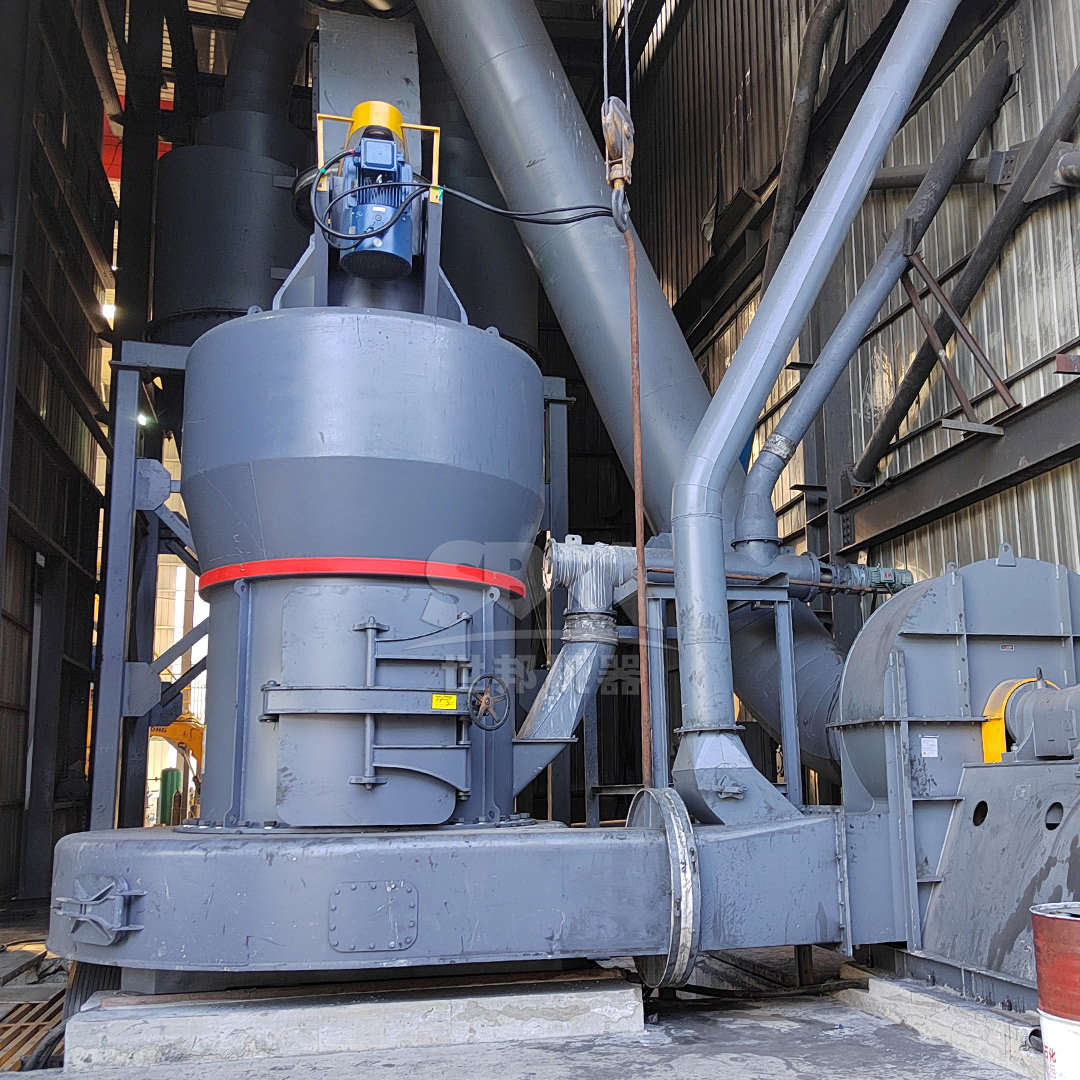
When the product specification calls for ultra-fine gypsum additives (325-2500 mesh, or 45-5μm) for advanced dental or surgical plasters, the SCM Series Ultrafine Mill is the definitive technology.
Why it’s ideal for High-End Medical Gypsum:
For manufacturers expanding into high-value, ultra-fine medical gypsum markets, the SCM Series offers the technological edge needed to produce superior products.
Investing in the right production equipment is the foundation of a successful medical gypsum additive business. The process demands a careful balance of precision, efficiency, and cleanliness. While crushers, dryers, and calciners set the stage, the grinding and classification system ultimately defines product quality. For most standard to fine-grade applications, the MTW Series European Trapezium Mill delivers unmatched efficiency and reliability. For pioneering ultra-fine specialty products, the SCM Series Ultrafine Mill provides the necessary technological precision. By partnering with an equipment supplier that understands these critical nuances, manufacturers can ensure their operations meet the rigorous standards of the healthcare industry while achieving optimal productivity and return on investment.