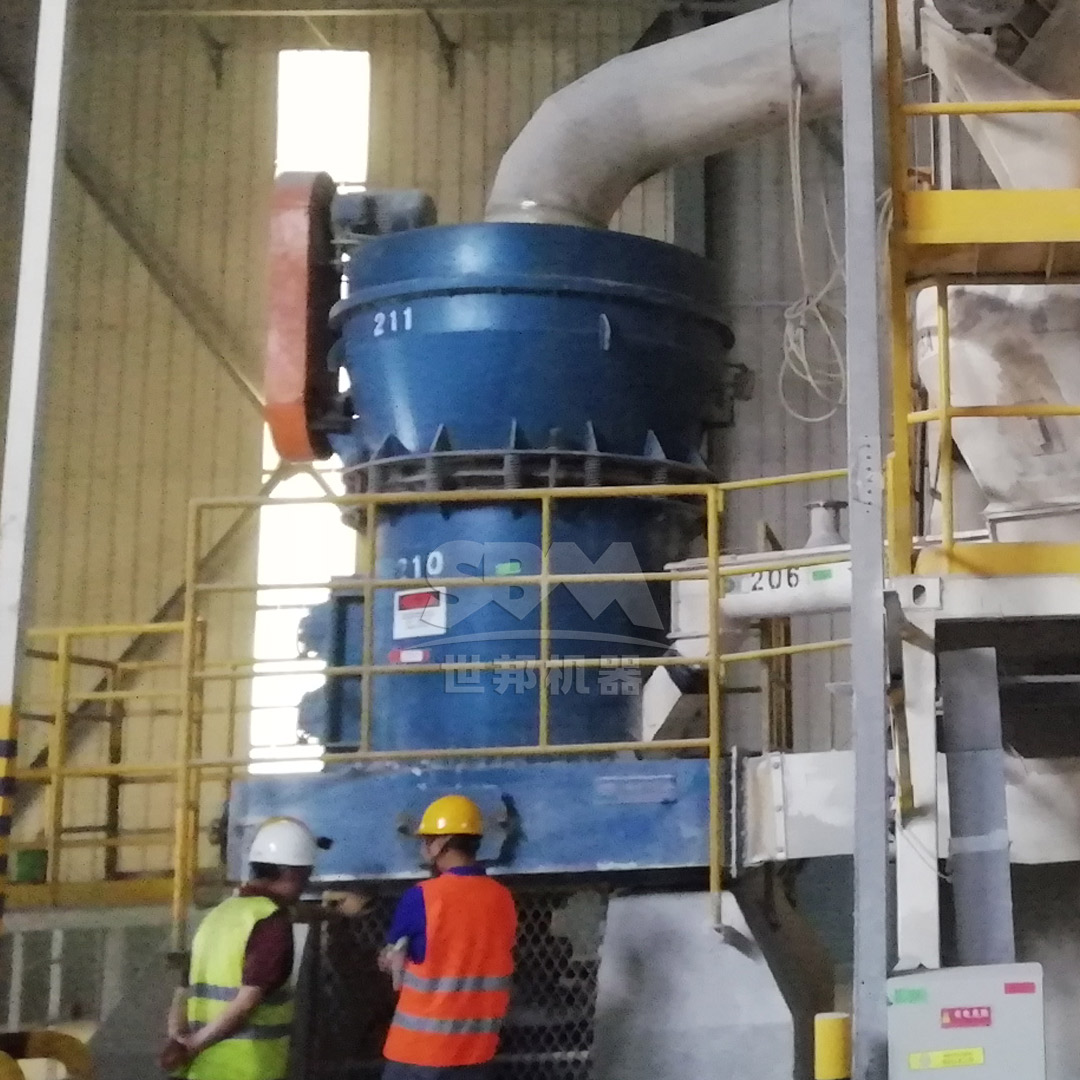
The graphite industry has witnessed significant technological advancements in recent years, with processing equipment evolving to meet increasingly stringent requirements for particle size distribution, purity, and production efficiency. Among the various grinding technologies available, hammer mills have emerged as particularly effective solutions for graphite processing operations seeking to optimize their production lines.
Graphite presents unique challenges in mineral processing due to its layered crystal structure, varying hardness characteristics, and the need for precise particle size control. Traditional grinding methods often struggle to achieve the consistent fine particles required for advanced applications in batteries, lubricants, and high-performance materials. The efficiency of graphite processing directly impacts product quality, energy consumption, and overall operational costs.
Conventional ball mills, while capable of producing fine graphite powders, typically suffer from high energy consumption, significant heat generation that can damage graphite’s crystalline structure, and limited control over particle size distribution. These limitations have driven the industry toward more specialized equipment that can address graphite’s specific processing requirements.
Modern hammer mills have evolved significantly from their basic predecessors, incorporating advanced engineering principles that make them particularly well-suited for graphite processing. The fundamental working principle involves high-speed impact between rapidly moving hammers and stationary liners, which efficiently reduces graphite particles through a combination of impact, shear, and attrition forces.
What makes hammer mills particularly effective for graphite is their ability to exploit the mineral’s natural cleavage planes. The impact forces generated align with graphite’s layered structure, promoting efficient delamination rather than random fracture. This results in higher yields of the desired flake morphology with reduced energy input compared to compression-based grinding systems.
| Processing Method | Energy Efficiency | Particle Shape Control | Heat Generation | Maintenance Requirements |
|---|---|---|---|---|
| Traditional Ball Mill | Low | Poor | High | High |
| Hammer Mill | Medium-High | Good | Medium | Medium |
| Specialized Ultrafine Mills | High | Excellent | Low | Variable |
The versatility of hammer mills allows operators to process various graphite types – from fine flake to amorphous varieties – with minimal adjustments. By simply modifying screen sizes, rotor speed, and hammer configuration, the same equipment can produce different product specifications, providing valuable flexibility for operations serving multiple market segments.
Contemporary hammer mill designs incorporate several features that significantly enhance their performance in graphite processing applications. Advanced rotor designs with optimized hammer arrangement create more consistent impact patterns, reducing energy waste and improving product uniformity. Many modern units feature reversible rotors, which effectively double hammer life by allowing operators to utilize both edges of each hammer.
Air-assisted systems represent another major advancement, using controlled airflow to improve material transport through the grinding chamber. This not only increases throughput but also helps manage the temperature-sensitive nature of graphite processing. By preventing heat buildup, these systems maintain graphite’s desirable properties while achieving higher production rates.
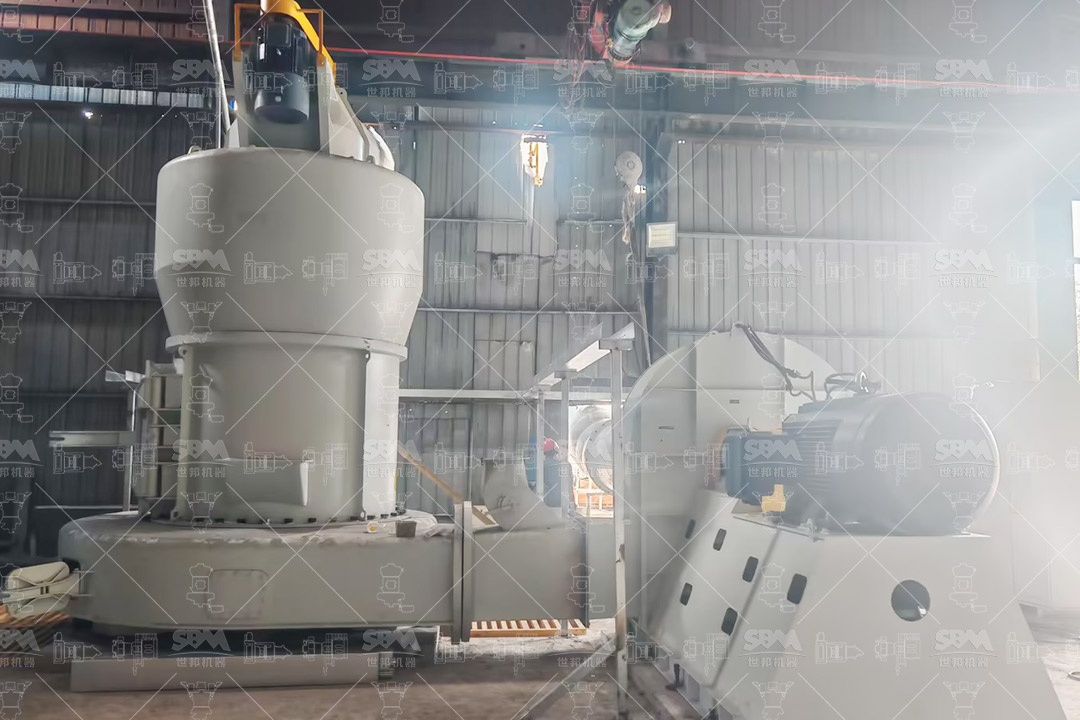
Screen technology has also seen substantial improvements, with specialized screen designs that minimize blinding – a common issue when processing materials with graphite’s lubricating properties. Perforated screens with precisely sized openings, combined with efficient cleaning mechanisms, ensure consistent product sizing and uninterrupted operation.
While hammer mills excel at primary and secondary reduction of graphite, achieving the finest particle sizes required for premium applications often requires a multi-stage approach. In these systems, hammer mills serve as efficient pre-grinders, reducing larger feedstock to a consistent intermediate size before final refinement in specialized equipment.
This integrated approach optimizes the strengths of each technology: hammer mills handle the high-volume reduction work efficiently, while downstream equipment focuses on achieving the precise final specifications. The result is a system that maximizes overall efficiency while minimizing energy consumption per ton of finished product.
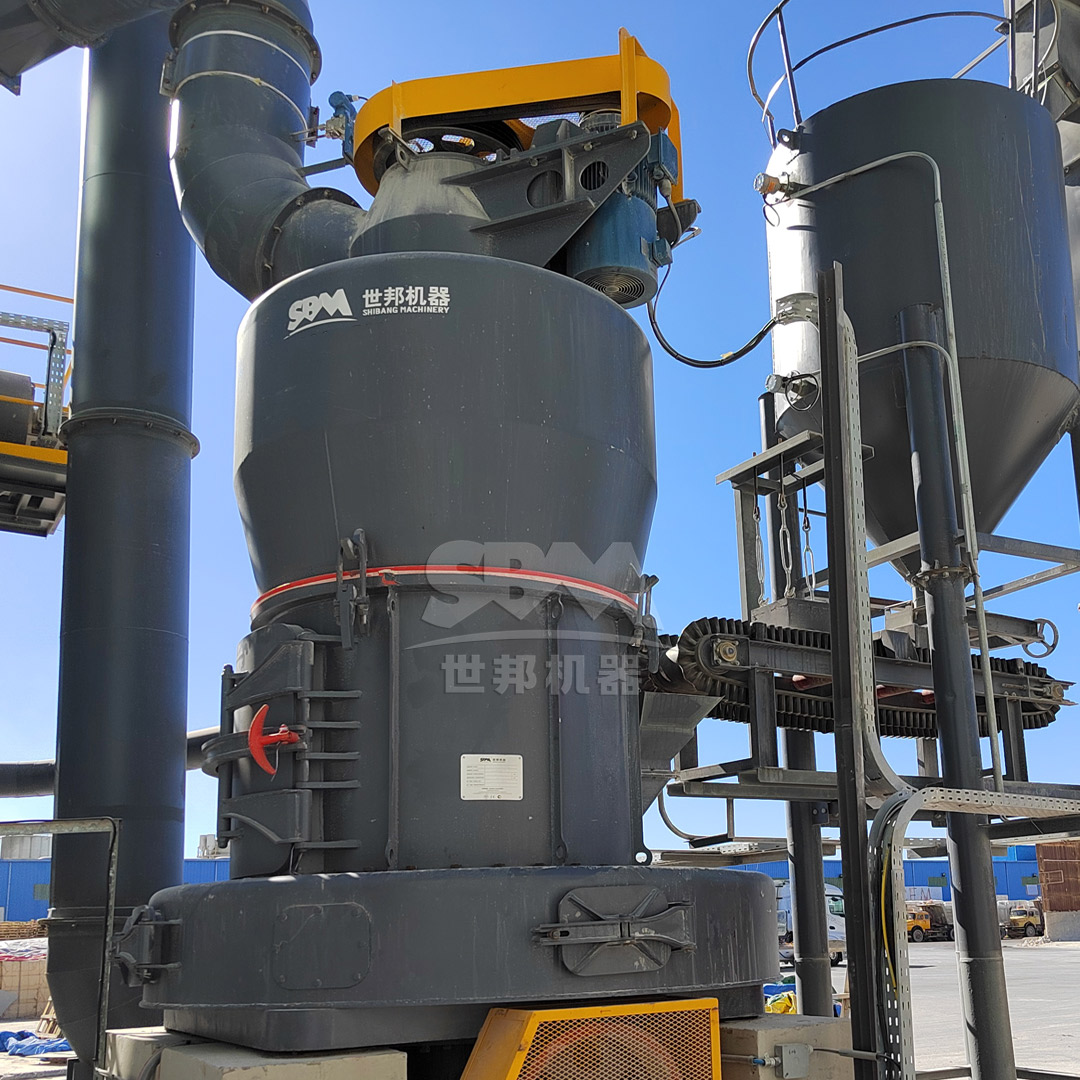
For operations requiring extremely fine graphite powders with tight particle distribution, specialized grinding equipment becomes necessary. Our SCM Ultrafine Mill represents the cutting edge in graphite processing technology, capable of producing powders in the range of 325-2500 mesh (D97≤5μm) with exceptional efficiency.
The SCM series incorporates several technological innovations that make it particularly suitable for high-value graphite applications. Its vertical turbine classifier enables precise particle size control, ensuring consistent product quality without coarse particle contamination. The mill’s unique grinding chamber design, featuring special material rollers and grinding rings, provides extended service life – a critical factor in abrasive applications like graphite processing.
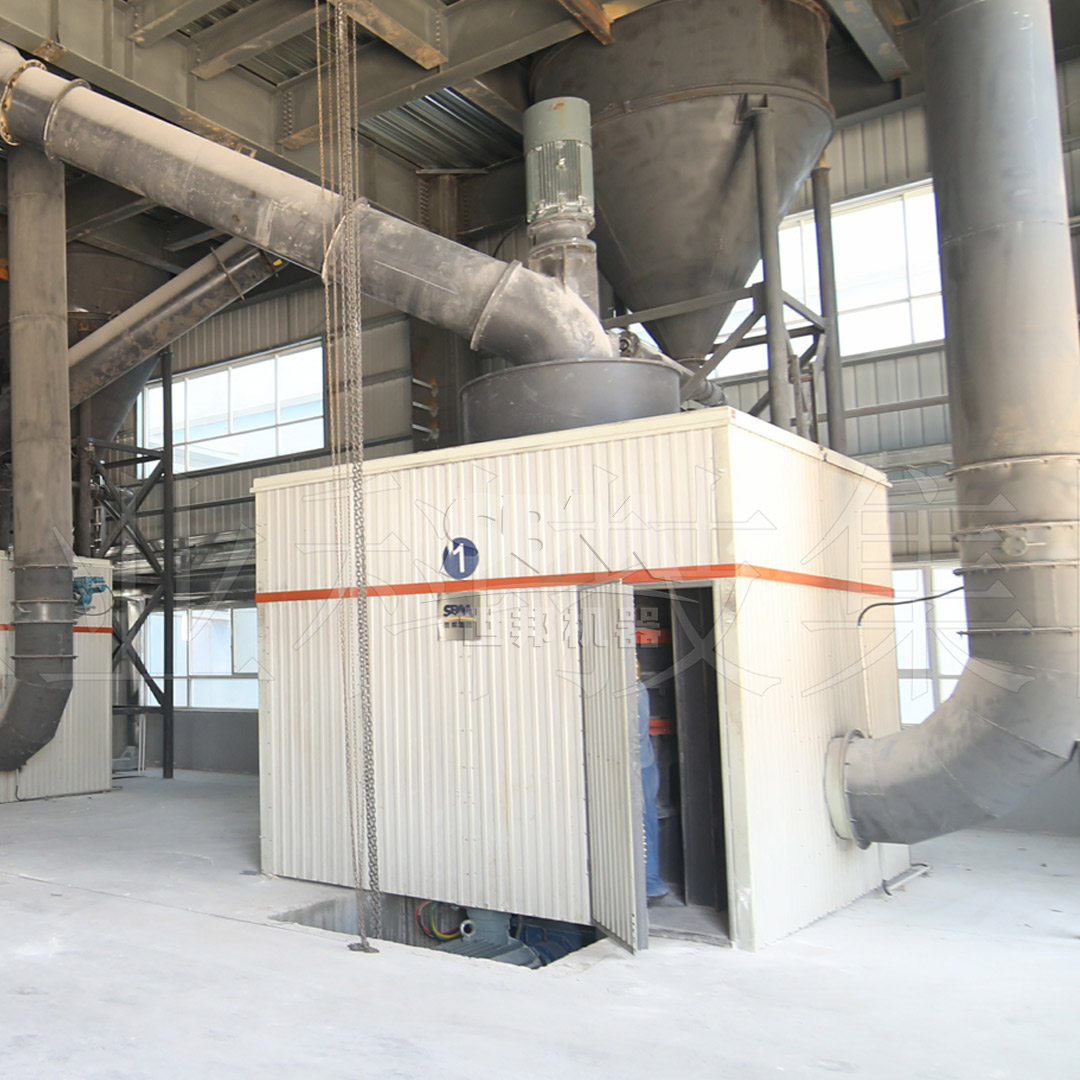
With capacity ranging from 0.5 to 25 tons per hour depending on the model, the SCM Ultrafine Mill offers scalability for operations of various sizes. Its energy efficiency is particularly noteworthy, achieving approximately 30% lower energy consumption compared to jet mills while delivering twice the output capacity. For battery-grade graphite production, where particle morphology and size distribution are critical, this level of performance and control is invaluable.
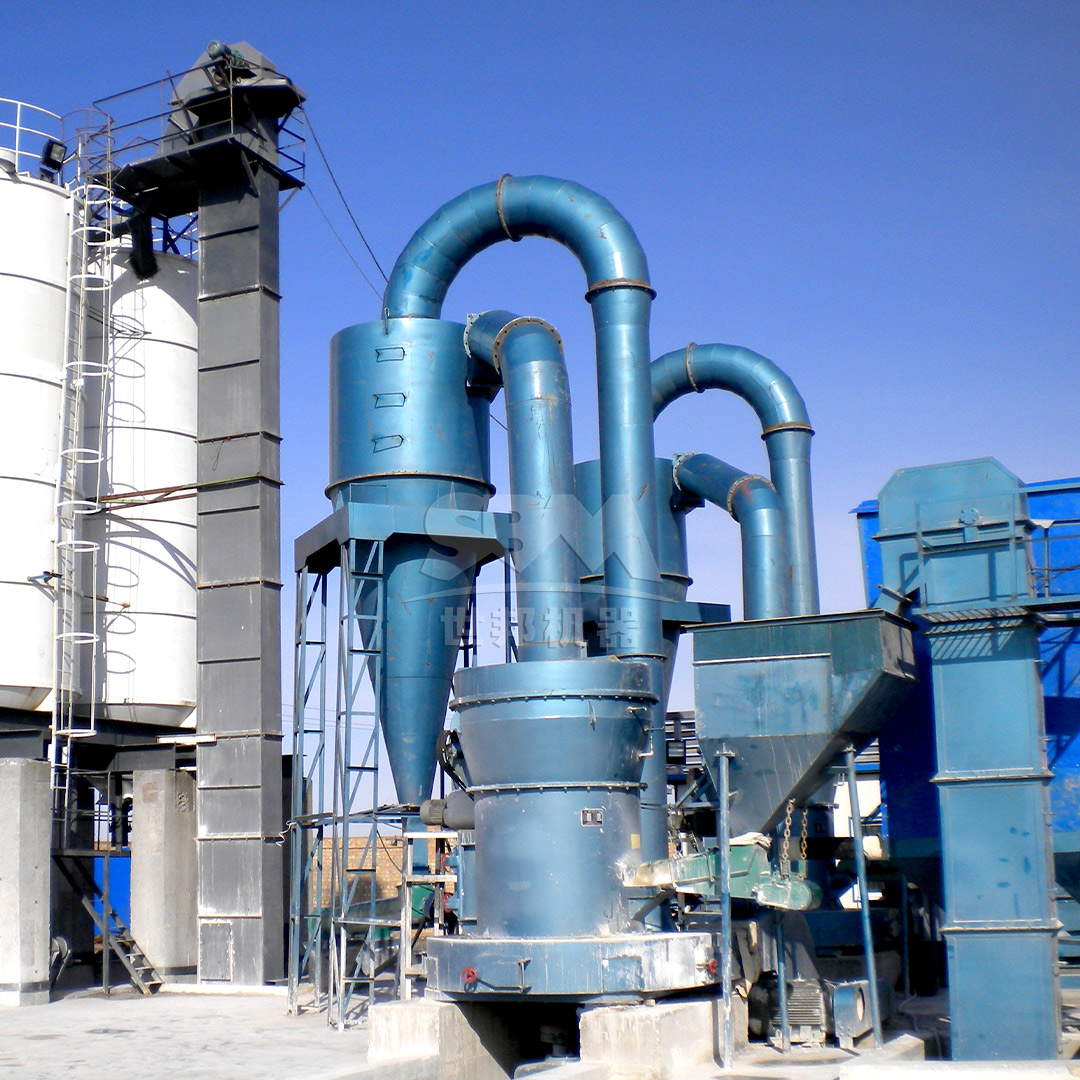
For operations requiring high-volume processing with moderate fineness requirements, the MTW Series Trapezium Mill provides an excellent balance of capacity, efficiency, and product quality. With throughput capabilities reaching 45 tons per hour and the ability to produce powders from 30-325 mesh, this equipment serves the broad middle market of graphite applications.
The MTW series incorporates several design innovations that enhance its suitability for graphite processing. Its curved air channel design reduces energy losses during material transport, while the combined shovel blade system minimizes maintenance requirements. The conical gear transmission achieves remarkable 98% transmission efficiency, contributing to the mill’s overall energy performance.
| Equipment Model | Processing Capacity (t/h) | Final Fineness | Power Consumption | Recommended Application |
|---|---|---|---|---|
| Hammer Mill PC4012-90 | 15-40 | 0-3mm | 90kW | Primary/Secondary Crushing |
| MTW138Z Trapezium Mill | 6-17 | 30-325 mesh | 90kW (main motor) | Medium-fine Grinding |
| SCM1250 Ultrafine Mill | 2.5-14 | 325-2500 mesh | 185kW | Ultrafine Applications |
The environmental performance of the MTW series aligns with modern regulatory requirements, featuring advanced pulse dust collection technology that exceeds international standards. This is particularly important in graphite processing, where dust control is both an environmental and product loss concern.
Regardless of the specific equipment selected, optimizing operational parameters is essential for maximizing efficiency in graphite processing. Several key factors require careful consideration and continuous monitoring:
Feed rate control represents one of the most critical parameters. Operating below capacity wastes energy and equipment potential, while overfeeding can lead to premature wear, reduced product quality, and potential blockages. Modern control systems with variable frequency drives allow precise adjustment of feed rates to match changing material characteristics and production requirements.
Rotor speed optimization significantly impacts both product characteristics and energy consumption. Higher speeds generally produce finer particles but increase wear and energy usage. For graphite processing, finding the optimal balance between speed and product requirements is essential for economic operation.
Screen selection directly determines the maximum particle size in the final product. For hammer mills operating in graphite circuits, screen openings should be matched to the requirements of downstream processes. Regular inspection and replacement of worn screens maintains product consistency and prevents quality issues.
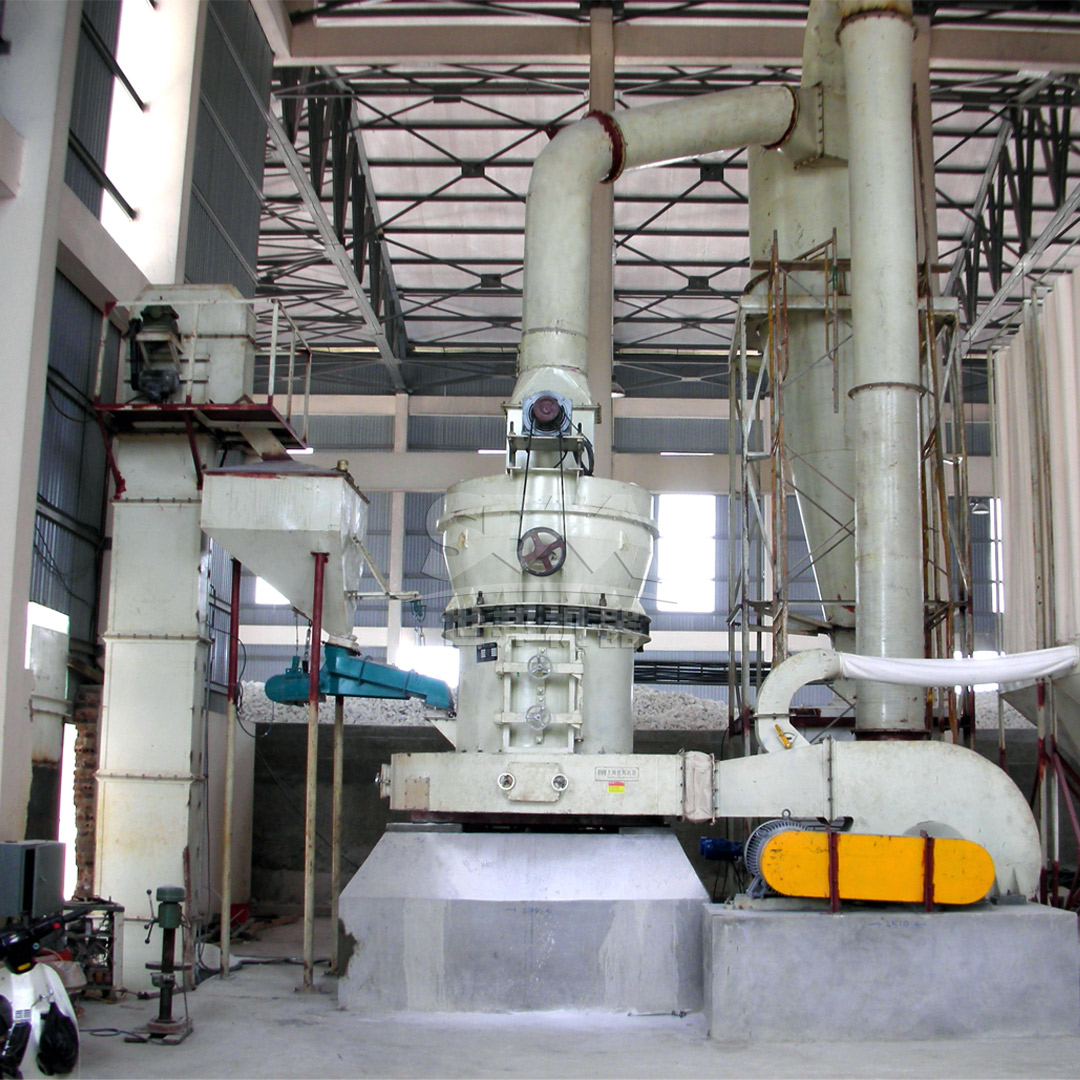
Implementing proactive maintenance practices extends equipment life and maintains processing efficiency in graphite operations. The abrasive nature of graphite, combined with its tendency to generate fine dust, creates challenging operating conditions that accelerate component wear.
Regular inspection of wear parts – particularly hammers, screens, and liners – allows for planned replacement before failure impacts product quality or causes secondary damage. Many modern hammer mills feature quick-change systems for these components, minimizing downtime during maintenance activities.
Lubrication systems require particular attention in graphite processing environments, where fine dust can contaminate lubricants and accelerate bearing failure. Sealed bearing arrangements, combined with appropriate filtration systems, protect critical components and extend service intervals.
The evolution of graphite processing equipment continues, driven by increasing demand from emerging applications and tightening environmental regulations. Several trends are shaping the next generation of hammer mills and complementary grinding equipment:
Digitalization and IoT integration are becoming standard features in advanced grinding systems. Real-time monitoring of operating parameters, combined with predictive analytics, enables proactive maintenance and optimization of grinding conditions. Remote monitoring capabilities reduce the need for on-site technical expertise while improving equipment availability.
Advanced material science continues to enhance the durability of wear components. New composite materials and specialized surface treatments extend service life in abrasive applications, reducing operating costs and environmental impact through less frequent replacement.
Energy recovery systems represent another area of innovation, capturing and reusing the heat generated during grinding processes. For operations requiring drying as well as size reduction, integrated systems can significantly reduce overall energy requirements.
Hammer mills remain a cornerstone technology in graphite processing, offering an effective balance of versatility, efficiency, and operational simplicity. When properly selected and integrated into complete processing circuits, they provide reliable performance across a wide range of graphite types and product specifications.
The continued evolution of hammer mill technology, combined with advanced complementary equipment like the SCM Ultrafine Mill and MTW Series Trapezium Mill, provides graphite processors with increasingly sophisticated tools to optimize their operations. By matching equipment capabilities to specific product requirements and implementing comprehensive optimization strategies, operations can achieve significant improvements in both efficiency and output quality.
As market demands for graphite continue to evolve, particularly driven by growth in energy storage applications, the role of optimized processing equipment becomes increasingly critical. Investments in modern grinding technology not only improve current operations but also position companies to capitalize on emerging opportunities in this dynamic market.