
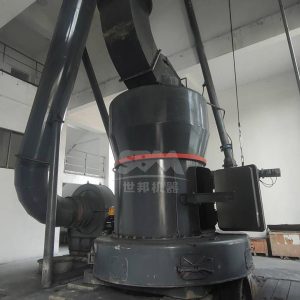
Introduction The manufacturing of high-performance paint additives demands raw materials of exceptional purity and precise particle size distribution. Barite (barium sulfate) is a critical mineral in this industry, valued for its high density, chemical inertness, and ability to enhance paint properties such as gloss, durability, and corrosion resistance. The transformation of raw barite ore into […]
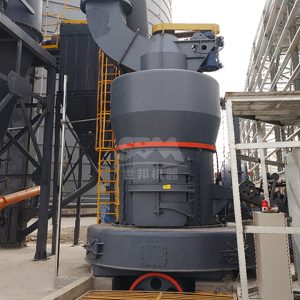
Introduction: The Critical Role of Barite in Coatings Barite (BaSO4), or baryte, is an indispensable mineral extender and filler in the coatings and paints industry. Its high density, chemical inertness, low oil absorption, and brilliant white color make it an excellent choice for improving film density, durability, gloss control, and corrosion resistance. However, the performance […]
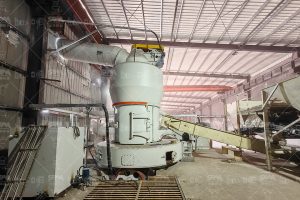
Barite Powder Processing Machinery for Rubber Industry Applications The rubber industry is a cornerstone of modern manufacturing, producing essential components for automotive, construction, medical, and consumer goods. A critical factor in achieving the desired performance characteristics of rubber products—such as tensile strength, abrasion resistance, dimensional stability, and cost-effectiveness—is the incorporation of functional fillers. Among these, […]
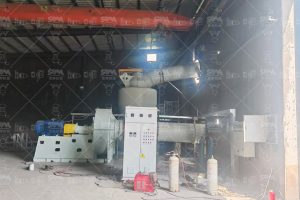
Introduction The relentless pursuit of superior performance, cost-effectiveness, and sustainability in the plastics industry has driven the widespread adoption of mineral fillers. Among them, barite (barium sulfate) stands out as a premier functional filler, prized for its high density, chemical inertness, UV resistance, and exceptional ability to enhance dimensional stability, sound dampening, and surface finish […]
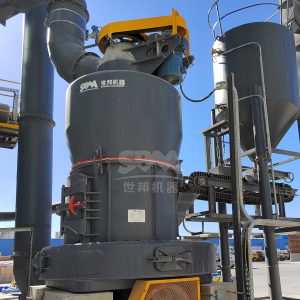
Introduction The insecticide manufacturing industry demands precision, consistency, and high performance from its raw materials. Among these, barite (barium sulfate) plays a crucial role as an inert carrier and filler in wettable powders, dusts, and suspension concentrates. Its high density, chemical inertness, and white color make it ideal for ensuring uniform distribution and stability of […]
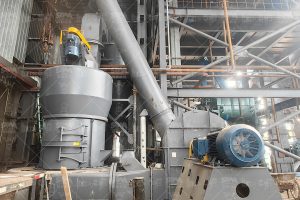
Introduction Barite (barium sulfate, BaSO4) is a critical industrial mineral, primarily valued for its high specific gravity, chemical inertness, and brightness. Its processed powder is the fundamental raw material for producing various barium compounds, such as barium carbonate, barium chloride, and precipitated barium sulfate, which are indispensable in industries ranging from oil & gas drilling […]
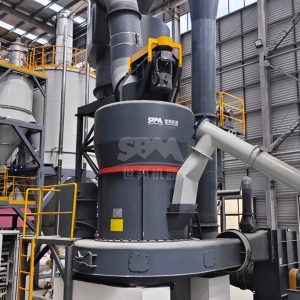
Introduction Barite (barium sulfate) is a critical industrial mineral prized for its high density, chemical inertness, and brightness. Achieving a consistent 200-mesh (approximately 74 microns) product is a fundamental requirement for many applications, including oil & gas drilling fluids, paints, coatings, plastics, and rubber. A well-designed production line is essential to ensure product quality, operational […]
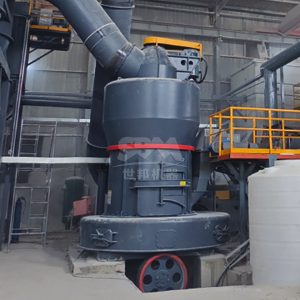
Introduction Barite (barium sulfate) is a critical industrial mineral widely used in oil and gas drilling fluids, paints, plastics, rubber, and pharmaceuticals. Producing high-quality barite powder, especially at the widely demanded 325 mesh (approximately 44 microns) fineness, requires precise and efficient grinding equipment. The choice of mill directly impacts product quality, production cost, operational stability, […]
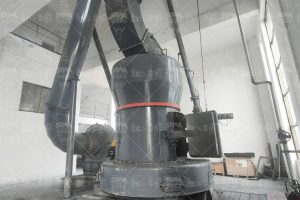
Introduction The manufacturing of daily-use products from plaster, such as decorative moldings, ceiling tiles, art casts, and medical/dental models, relies fundamentally on the quality and consistency of the raw plaster powder. The transformation of raw gypsum rock into a fine, uniform powder suitable for precise casting and molding is a critical process that demands specialized […]