
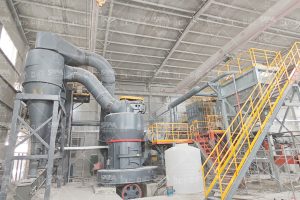
Introduction to Carbon Black Processing Carbon black, a material produced by the incomplete combustion of heavy petroleum products, is widely used as a reinforcing filler in rubber products, as a pigment in inks and coatings, and as an UV stabilizer in plastics. The processing of carbon black requires specialized grinding equipment to achieve the desired […]

Introduction to Calcite Grinding Calcite, a naturally occurring calcium carbonate mineral, is one of the most versatile and widely used industrial minerals. Its applications span numerous industries including plastics, paints, coatings, paper, construction, and pharmaceuticals. The value of calcite in these applications is heavily dependent on its particle size distribution and purity, making ultrafine grinding […]
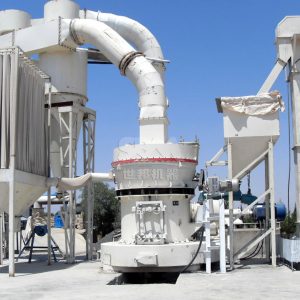
Introduction: The Gypsum Grinding Challenge Gypsum, a soft sulfate mineral composed of calcium sulfate dihydrate, presents unique challenges in industrial grinding operations. Its relatively low hardness (2 on the Mohs scale) and thermal sensitivity require specialized milling equipment that can achieve precise particle size distribution without compromising product quality or operational efficiency. The question of […]
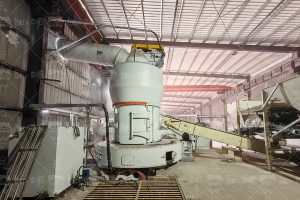
Introduction to Limestone Grinding Limestone, a sedimentary rock composed primarily of calcium carbonate, is one of the most versatile and widely used industrial minerals globally. Its applications span across construction, agriculture, environmental protection, and various manufacturing industries. The processing of limestone into fine powders requires specialized grinding equipment that can deliver consistent particle size distribution, […]
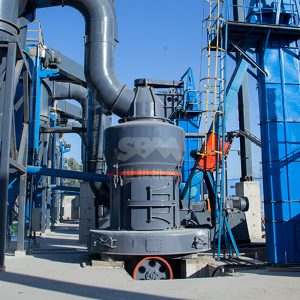
Introduction to Barite Grinding Barite (barium sulfate) is a mineral primarily used as a weighting agent in drilling fluids for oil and gas exploration. Its effectiveness depends heavily on particle size distribution and purity, making efficient grinding crucial for meeting industry specifications. Traditional ball mills have been the workhorse of barite processing for decades, but […]
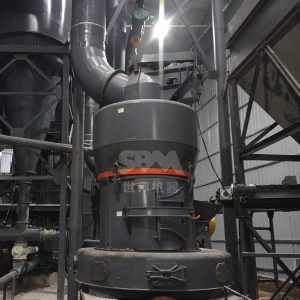
Introduction to Talc Powder Processing Talc, a hydrated magnesium silicate mineral with the chemical formula Mg3Si4O10(OH)2, is one of the most versatile industrial minerals due to its unique properties including softness, chemical inertness, lamellar structure, and high thermal stability. The manufacturing of talc powder requires precise grinding and classification to achieve the desired particle size […]
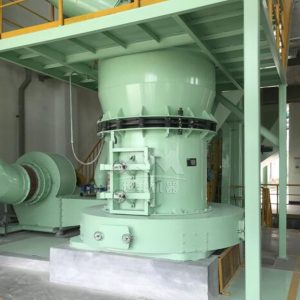
Introduction to Petroleum Coke Grinding Petroleum coke (petcoke) is a carbonaceous solid derived from oil refinery coker units or other cracking processes. As a valuable industrial fuel and raw material, petcoke requires specialized grinding equipment to achieve the precise particle size distribution necessary for various applications. High-temperature resistant grinding mills are particularly crucial for processing […]
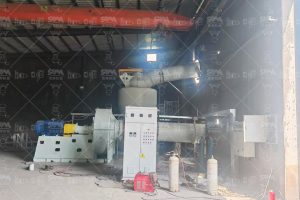
Introduction Bentonite, a versatile clay mineral with exceptional swelling and binding properties, has become an indispensable material in modern construction projects. From waterproofing and soil stabilization to slurry wall construction and grouting applications, bentonite’s unique characteristics make it valuable across multiple construction sectors. However, the effectiveness of bentonite in these applications heavily depends on achieving […]
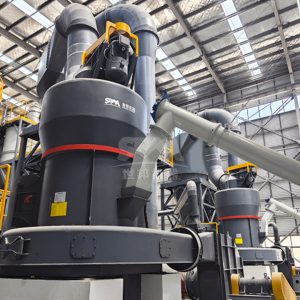
Introduction to Kaolin in Paper Coating Kaolin, also known as china clay, is an essential mineral in the paper industry, particularly for coating applications. Its unique properties including whiteness, brightness, particle size distribution, and chemical inertness make it an ideal coating pigment that significantly enhances paper quality. The processing of kaolin for paper coating requires […]