Petroleum coke (petcoke), a carbon-rich solid derived from oil refining, is a crucial industrial fuel and raw material for carbon products. Its effective utilization hinges on efficient grinding to achieve the required fineness for applications in cement kilns, power plants, aluminum anodes, and graphite production. Selecting the appropriate grinding equipment is paramount, as it directly impacts production efficiency, energy consumption, product quality, and operational costs. This guide provides a comprehensive overview of petroleum coke powder production, focusing on key equipment selection, technological considerations, and introduces high-performance solutions from our product portfolio.
Petcoke is characterized by high carbon content, low volatile matter, and significant hardness (Mohs hardness typically 2.5-4). Its abrasive nature and tendency to generate heat during grinding pose specific challenges: excessive wear on grinding components, potential dust explosion risks, and the need for precise particle size control. The grinding system must, therefore, be robust, energy-efficient, and integrated with effective classification and dust collection systems.
A typical petcoke powder production line consists of several integrated stages:
The choice of grinding mill depends on the desired capacity, final fineness, and economic considerations. Below is a comparison of common mill types applicable to petcoke processing.
| Mill Type | Typical Output Fineness | Capacity Range | Key Advantages for Petcoke | Considerations |
|---|---|---|---|---|
| Vertical Roller Mill (VRM) | 30-325 mesh (45-600μm) | 10 – 250 t/h | High efficiency, low energy consumption, integrated drying | Higher initial investment, suitable for medium-fineness |
| Raymond Mill (Trapezium Mill) | 30-325 mesh (45-600μm) | 3 – 45 t/h | Mature technology, reliable, cost-effective | Lower capacity for ultra-fine grinding |
| Ultrafine Grinding Mill | 325-2500 mesh (5-45μm) | 0.5 – 25 t/h | Produces superfine powder, high classification accuracy | For specialized high-value applications |
| Ball Mill | 170-325 mesh (45-170μm) | 0.65 – 450 t/h | High capacity, versatile, can operate wet or dry | Higher energy consumption, louder noise |
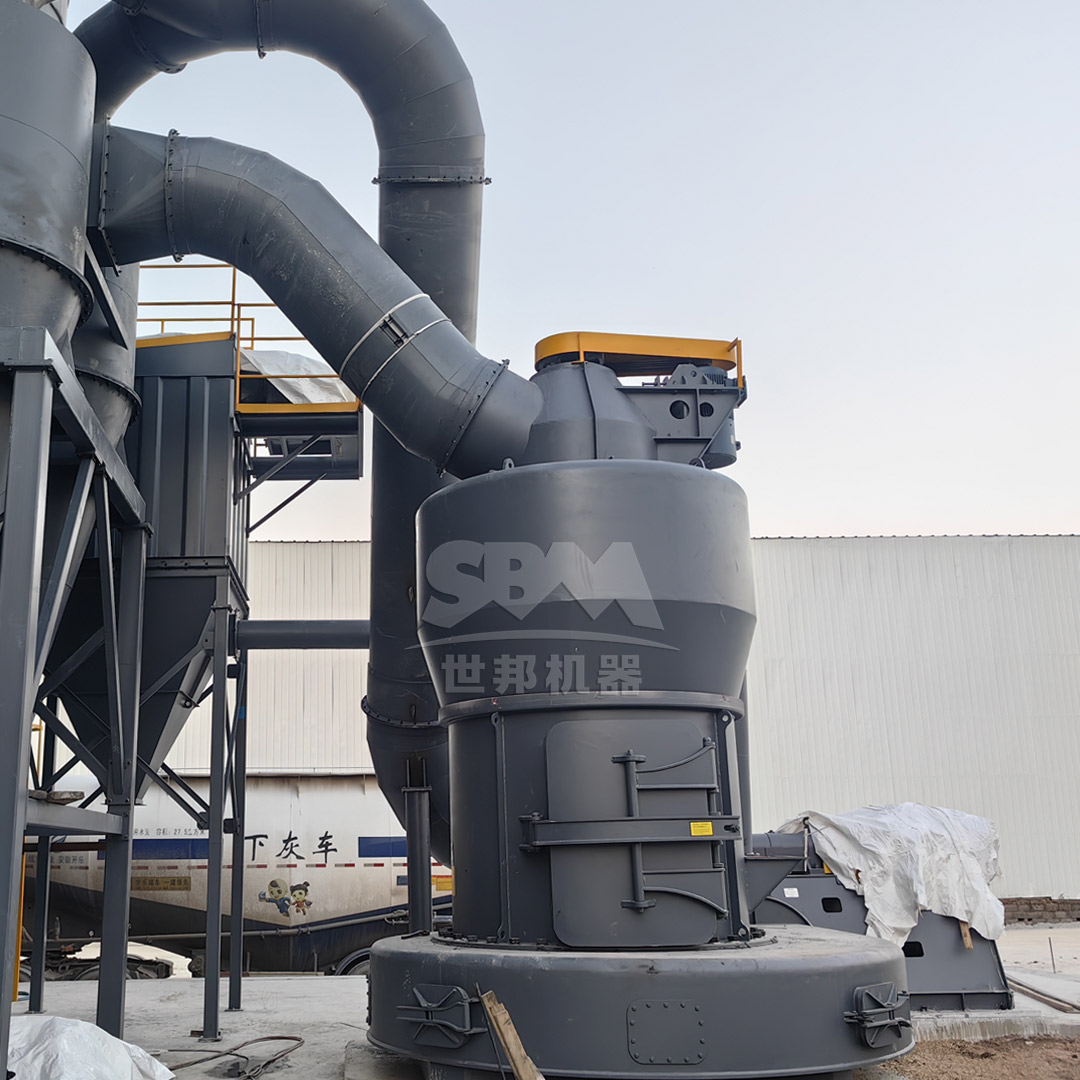
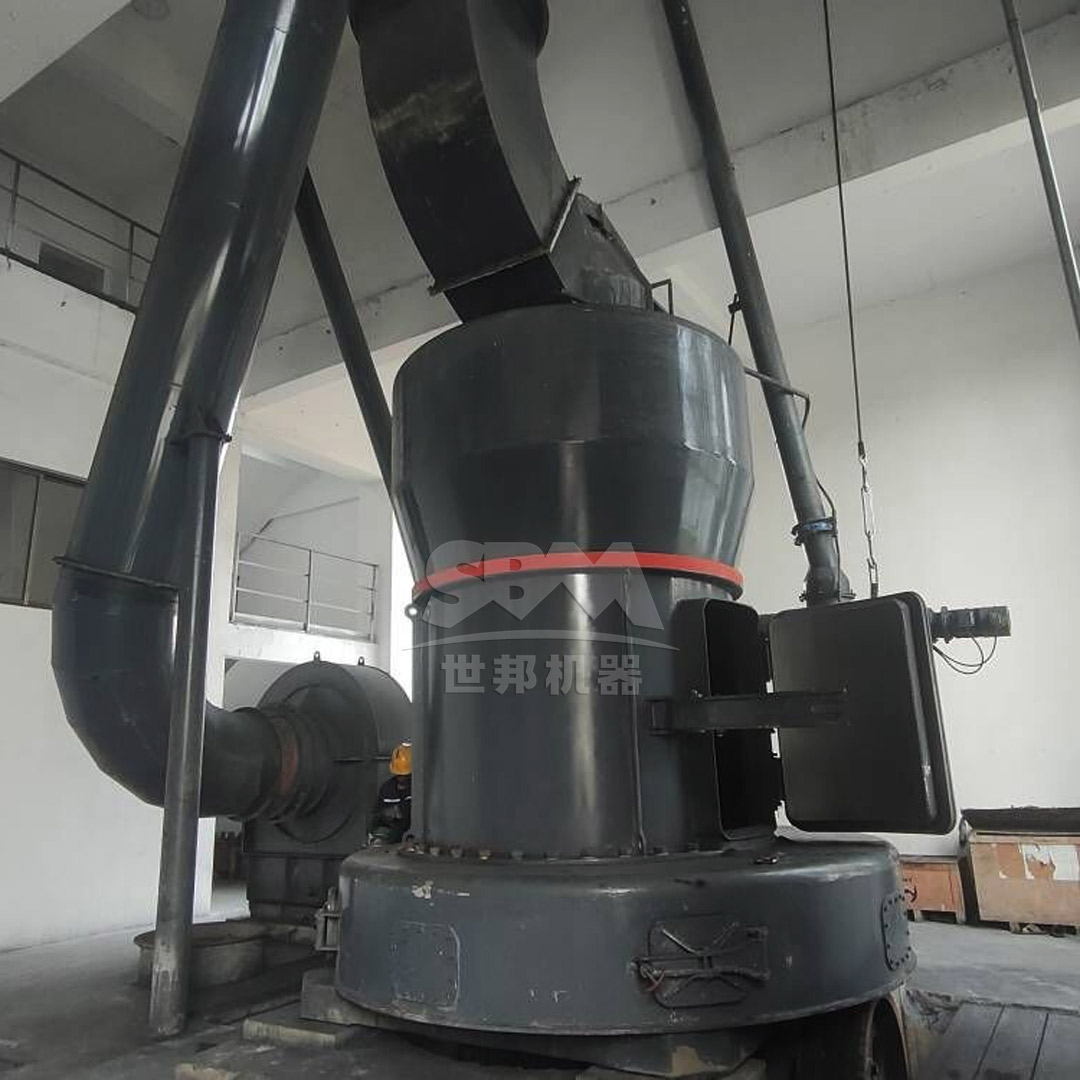
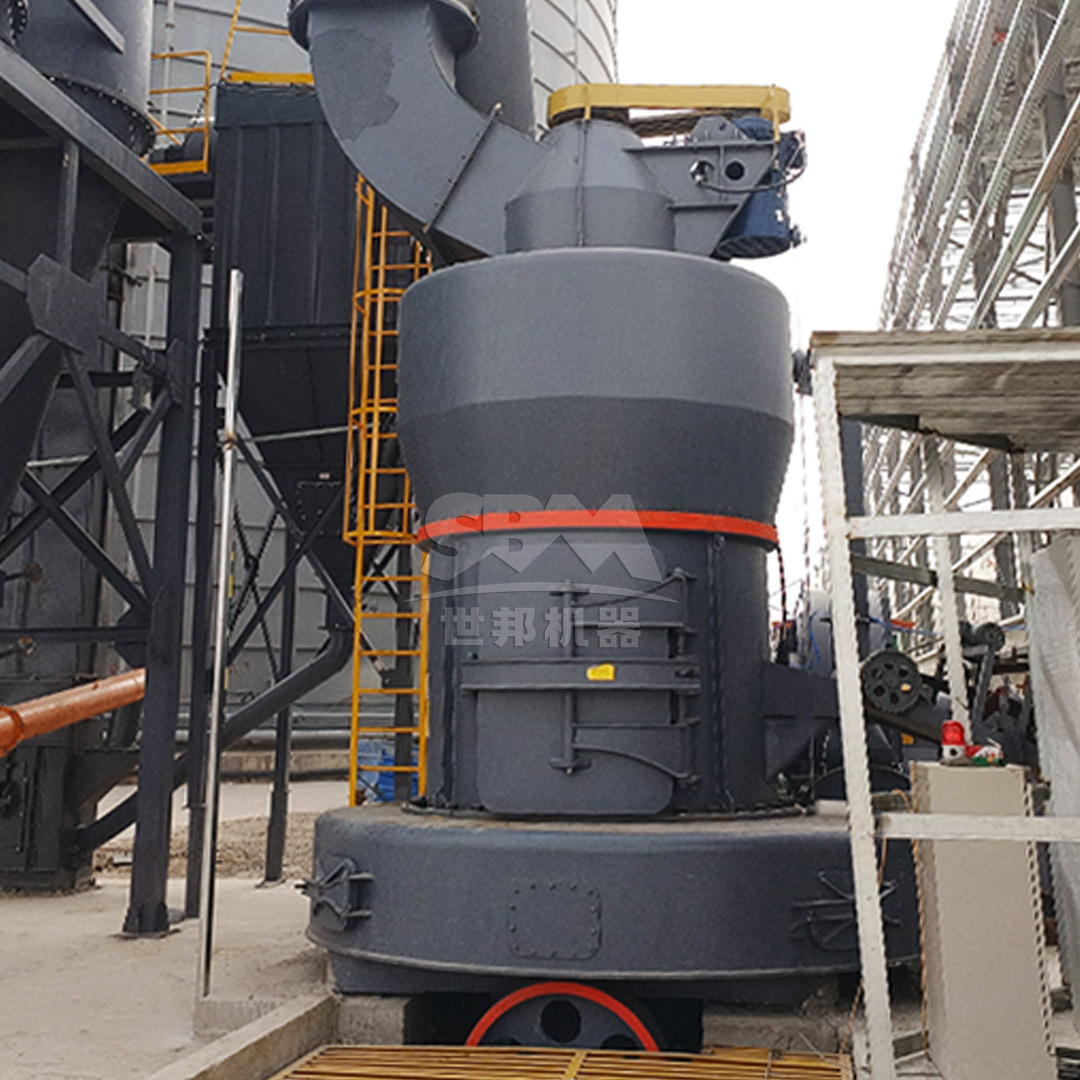
For projects requiring high throughput of petroleum coke powder in the range of 30 to 325 mesh, the MTW Series European Trapezium Mill stands out as an optimal solution. This mill combines robust construction with advanced design features specifically beneficial for abrasive materials like petcoke.
Its curved air duct minimizes flow resistance and pressure loss, enhancing overall system efficiency. The wear-resistant volute structure ensures longevity in high-abrasion environments. A significant advantage is the integral conical gear transmission, which boasts a 98% transmission efficiency, saving space and reducing maintenance costs compared to traditional gearbox systems. The modular wear-resistant shovel design allows for easy replacement of parts, drastically cutting downtime. For large-scale petcoke grinding operations, such as fuel preparation for cement plants, the MTW215G model, with a capacity of 15-45 tons per hour and handling feed sizes up to 50mm, provides a reliable and efficient workhorse solution.
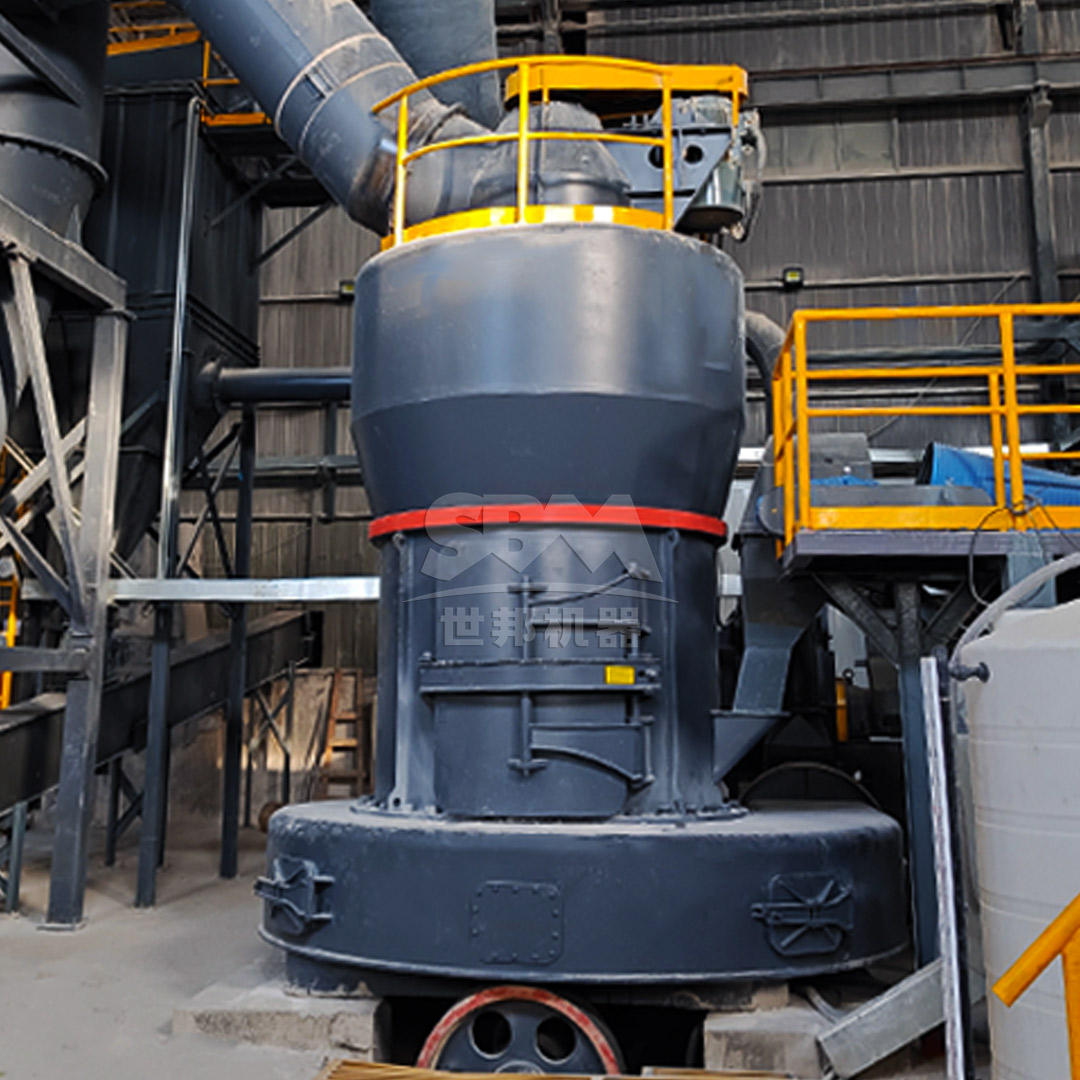
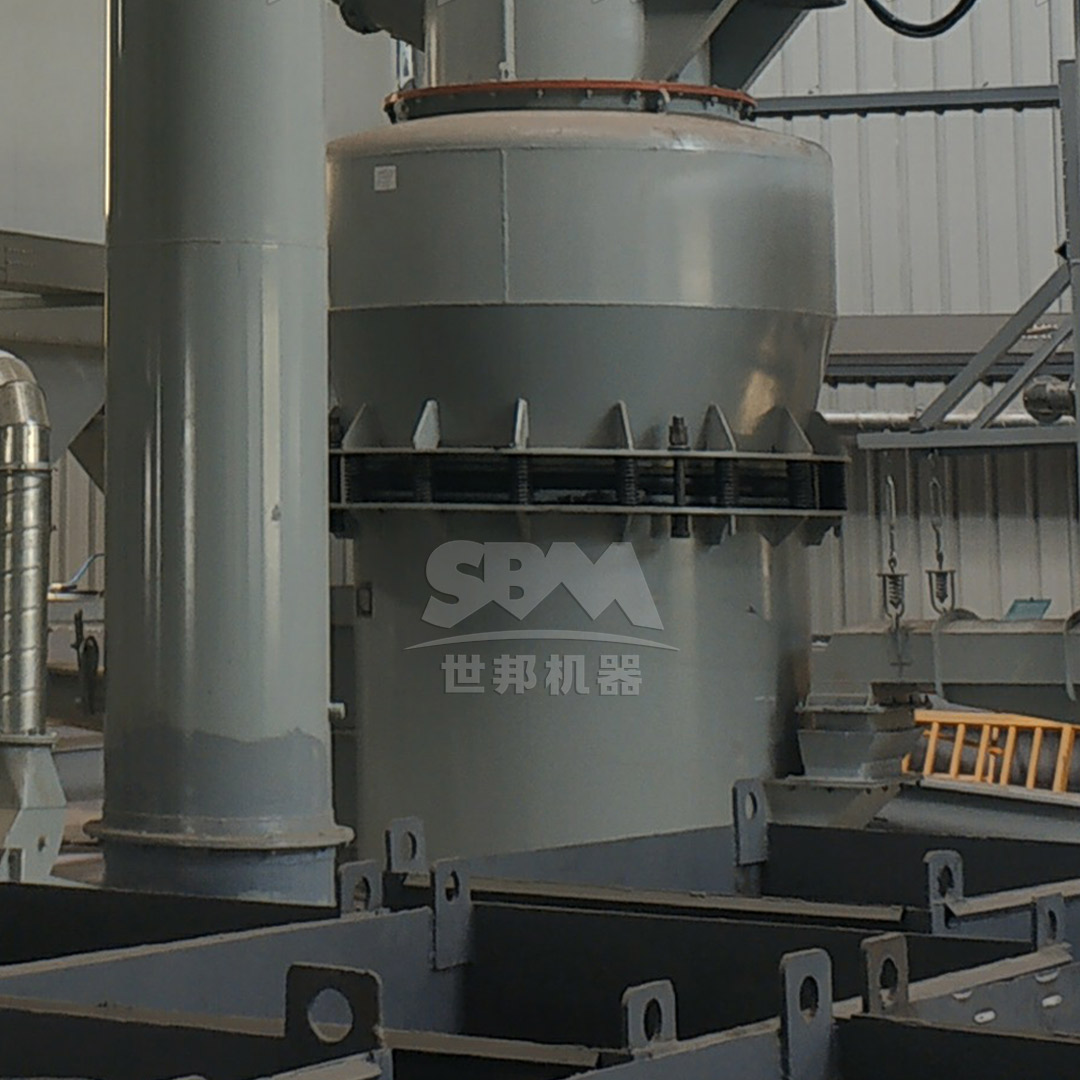
When the application demands ultra-fine petroleum coke powder (e.g., for advanced carbon materials, specialty graphite, or as a high-efficiency combustion additive), the SCM Series Ultrafine Mill is the technology of choice. This mill excels in producing powders from 325 to 2500 mesh (D97 ≤ 5μm) with exceptional uniformity.
The core of its performance lies in the high-precision vertical turbine classifier, which ensures sharp particle size cuts and prevents coarse particles from contaminating the final product. Its grinding mechanism, featuring specially hardened rollers and grinding rings, offers significantly extended service life when processing abrasive petcoke. Furthermore, the mill is designed for energy savings of up to 30% compared to traditional jet mills of similar output fineness. The fully sealed grinding chamber and pulse dust collector system guarantee an environmentally friendly operation with dust emissions meeting strict international standards and noise levels below 75dB. For pilot plants or dedicated fine-powder lines, the SCM1000 model, offering 1.0-8.5 tons per hour capacity, represents a perfect balance of performance and control.
Consistent feeding is critical. Electromagnetic vibrating feeders or belt feeders paired with pre-crushers like Hammer Mills (e.g., PC4012-90 model for 0-3mm output) ensure a steady and optimally sized feed for the main grinding mill, protecting it from oversized lumps and stabilizing the grinding bed.
Dynamic classifiers, whether integrated (as in VRMs and SCM Mills) or standalone, are essential for controlling the top particle size. The collection system typically employs a cyclone for primary recovery and a pulse-jet baghouse filter for final polishing. Modern baghouses offer 99.9%+ collection efficiency, ensuring product yield and clean exhaust air.
Given the combustible nature of fine petcoke dust, a comprehensive safety approach is non-negotiable. This includes:
• Inertization systems (N2 or CO2) in mills and bag filters.
• Explosion venting panels on equipment.
• Continuous gas monitoring for CO and O2.
• Earthing and bonding of all equipment to prevent static discharge.
The grinding system must operate under negative pressure to prevent dust leakage.
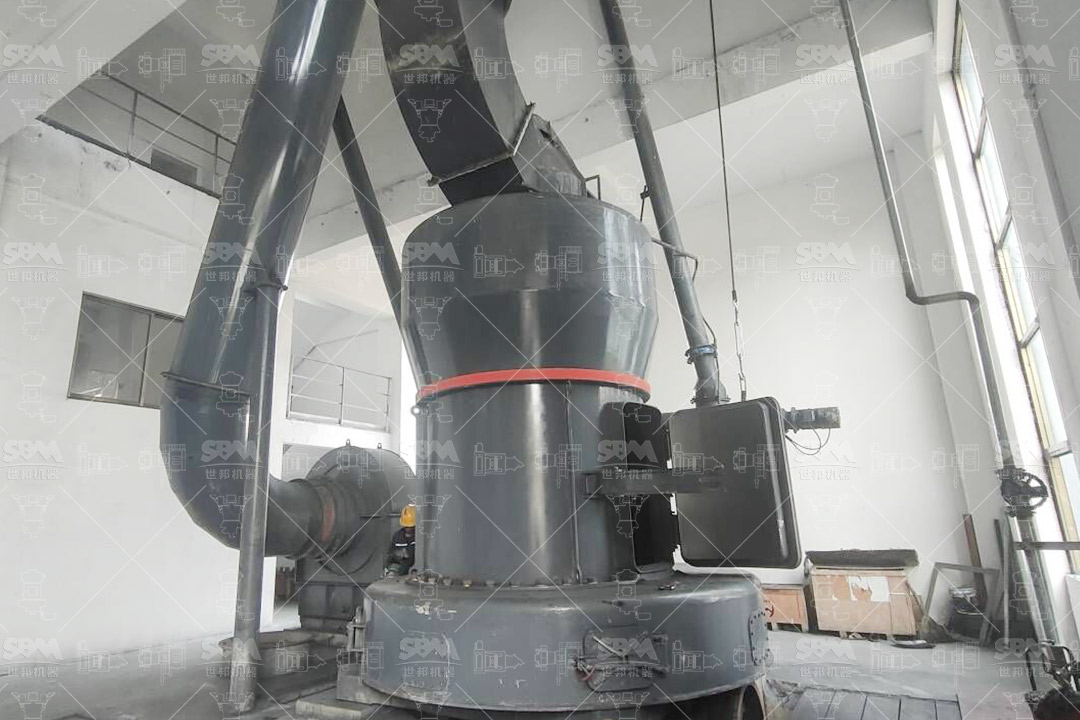
The successful production of petroleum coke powder requires a holistic approach that matches the raw material’s properties with the correct grinding technology, supported by robust auxiliary systems. For high-capacity, coarse to medium-fine grinding, the MTW Series Trapezium Mill offers proven reliability and efficiency. For ventures into the high-value, ultra-fine powder market, the SCM Series Ultrafine Mill provides unmatched fineness control and energy efficiency. Ultimately, partnering with an experienced equipment supplier who can deliver not just machinery but a complete, safe, and optimized powder production system is the key to maximizing return on investment and ensuring long-term, sustainable operation in the demanding field of petroleum coke processing.