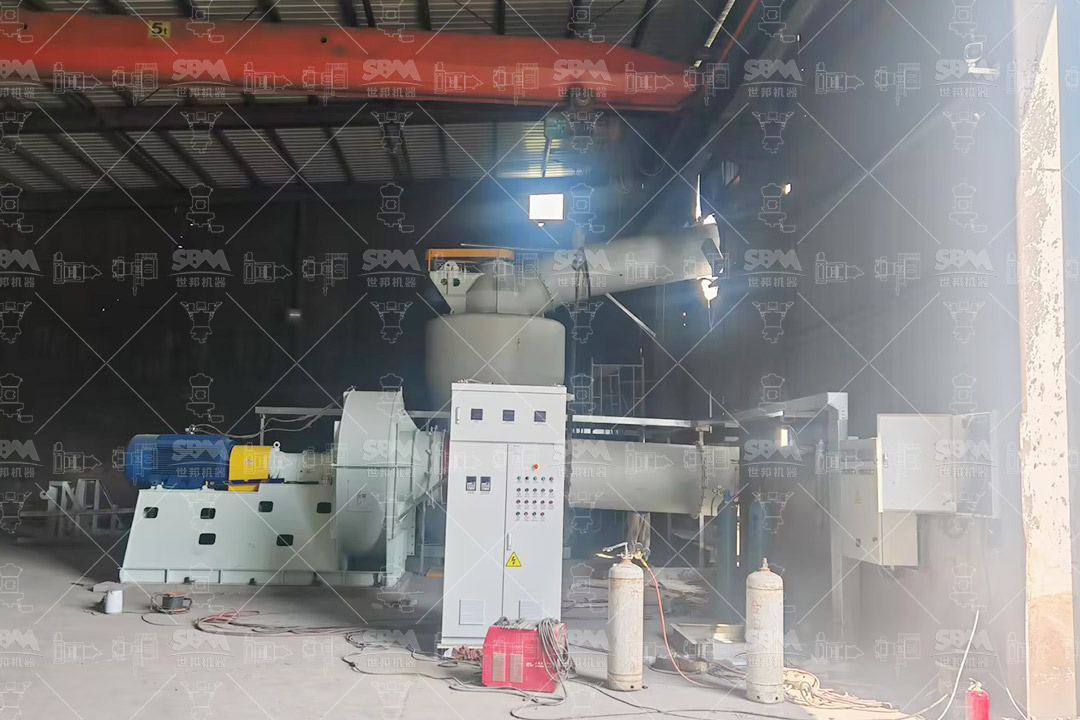
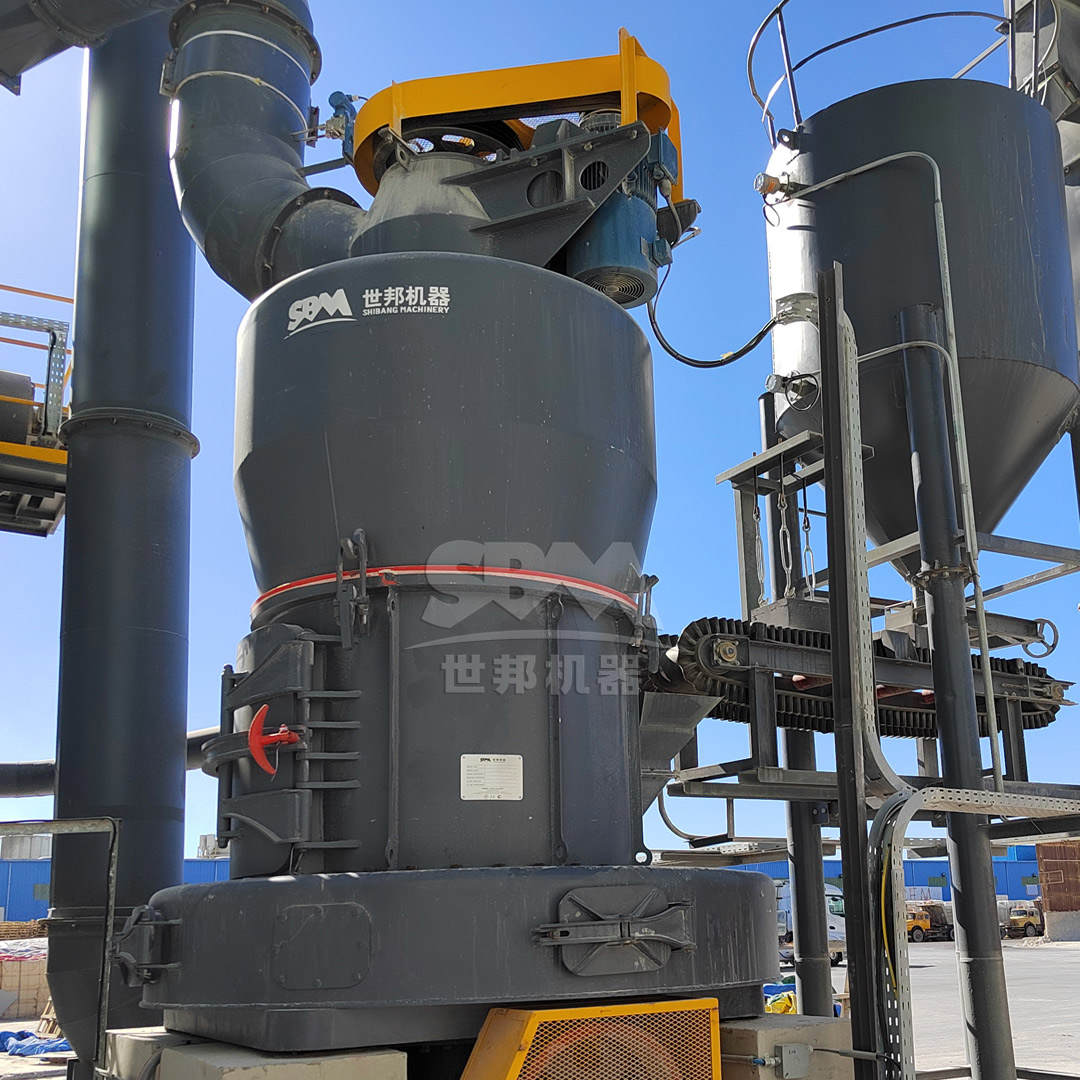
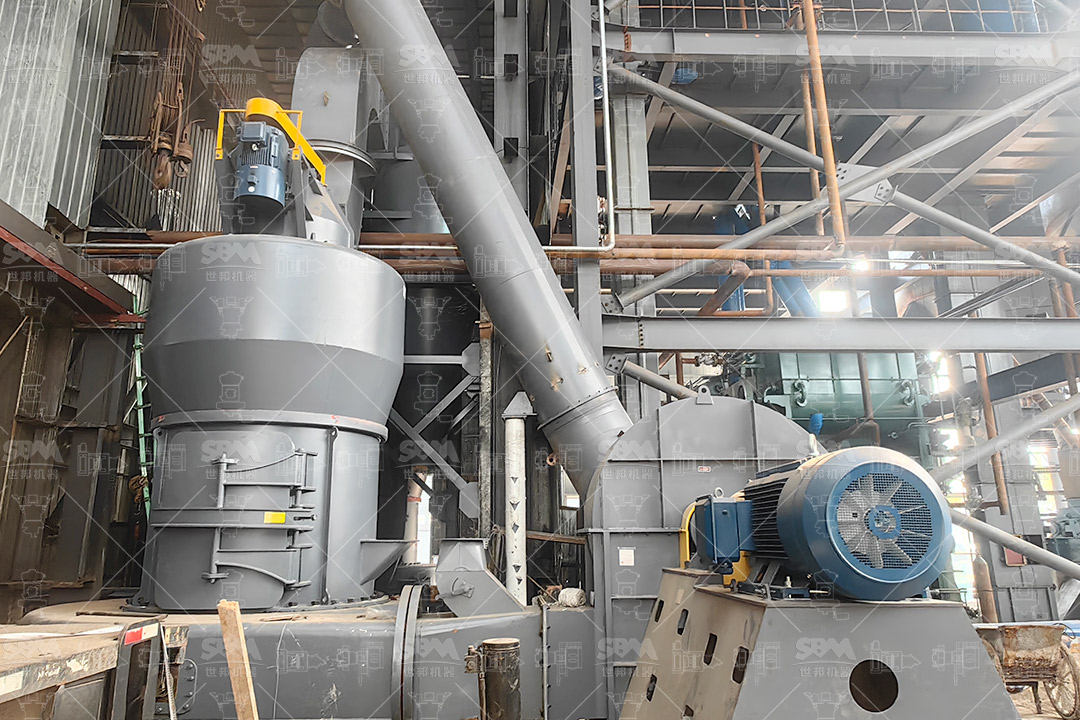
The production of pharmaceutical-grade gypsum powder (Calcium Sulfate Dihydrate, USP/EP grade) represents one of the most demanding applications in powder processing. Unlike industrial-grade gypsum, pharmaceutical-grade material must meet stringent criteria for purity, particle size distribution (PSD), chemical stability, and microbiological control. The selection and operation of the milling equipment are, therefore, not merely a matter of size reduction but a critical determinant of product quality, batch consistency, and regulatory compliance. This article explores the technical requirements for pharmaceutical gypsum milling and highlights the advanced milling solutions that can meet these exacting standards.
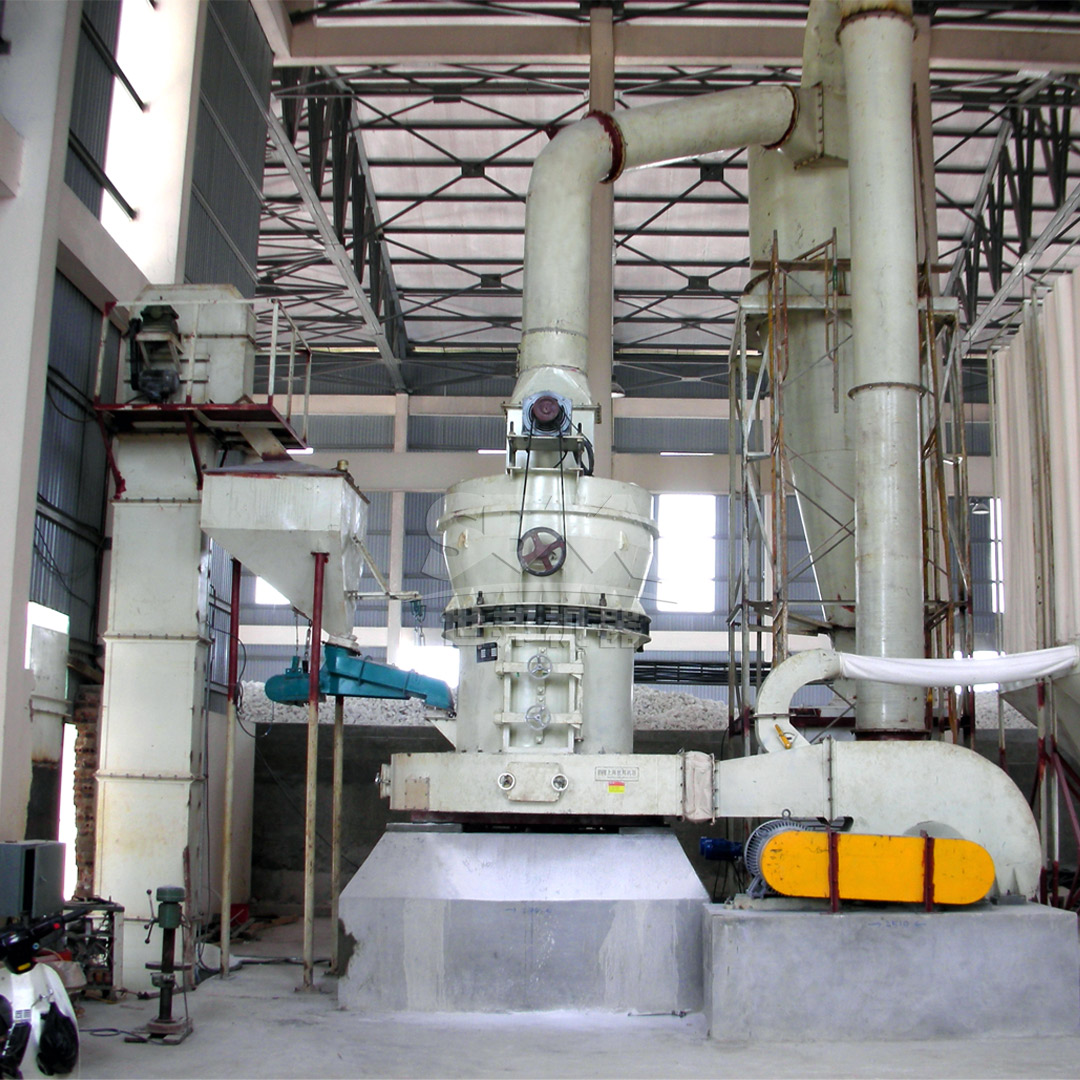
The primary concern is preventing metallic or other contamination from the milling process. Equipment must be constructed with materials compatible with pharmaceutical production, often requiring high-grade stainless steel contact parts and specialized wear-resistant alloys that do not introduce impurities.
The efficacy and performance of gypsum in pharmaceutical formulations—whether as a tablet excipient (diluent), in dental applications, or as a calcium source—are highly dependent on PSD. A narrow, consistent, and repeatable PSD is essential for predictable bulk density, flowability, compressibility, and dissolution rates.
Gypsum (CaSO₄·2H₂O) contains water of crystallization. Excessive heat generated during milling can drive off this water, partially converting it to hemihydrate (Plaster of Paris) or anhydrite, which alters its pharmaceutical properties. Mills must operate with efficient heat dissipation or integrated cooling systems.
Equipment must facilitate easy cleaning, inspection, and prevention of cross-contamination to comply with Good Manufacturing Practice (GMP). Designs should minimize dead zones, feature polished surfaces, and support clean-in-place (CIP) or easy disassembly.
High yield, energy efficiency, and stable, automated operation are vital for cost-effective and reliable production, ensuring every batch meets specification without manual intervention.
Traditional ball mills or hammer mills often fall short in meeting all the above requirements due to heat generation, contamination risk, and broad PSD. Modern milling technology offers superior solutions.
Vertical Roller Mills, like our LM Series Vertical Roller Mill, are engineered for large-scale, efficient production of fine powders. Their integrated design combines grinding, drying (if needed), classifying, and conveying in a single unit.
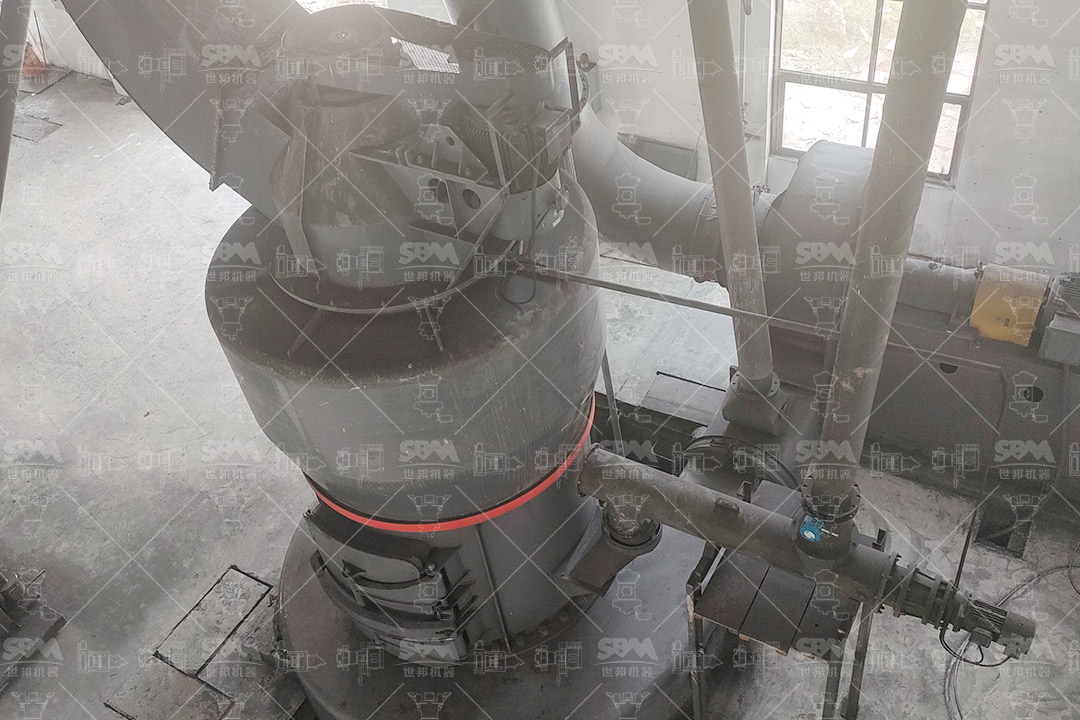
When the application demands exceptionally fine and uniform gypsum powder (e.g., for advanced drug delivery systems or high-smoothness dental materials), ultrafine grinding technology is indispensable. Our flagship solution in this category is the SCM Series Ultrafine Mill.
| Model | Capacity (t/h) | Main Power (kW) | Output Fineness |
|---|---|---|---|
| SCM800 | 0.5 – 4.5 | 75 | 325-2500 mesh |
| SCM1000 | 1.0 – 8.5 | 132 | 325-2500 mesh |
| SCM1680 | 5.0 – 25.0 | 315 | 325-2500 mesh |
A successful pharmaceutical gypsum milling line extends beyond the core mill. A complete system typically includes:
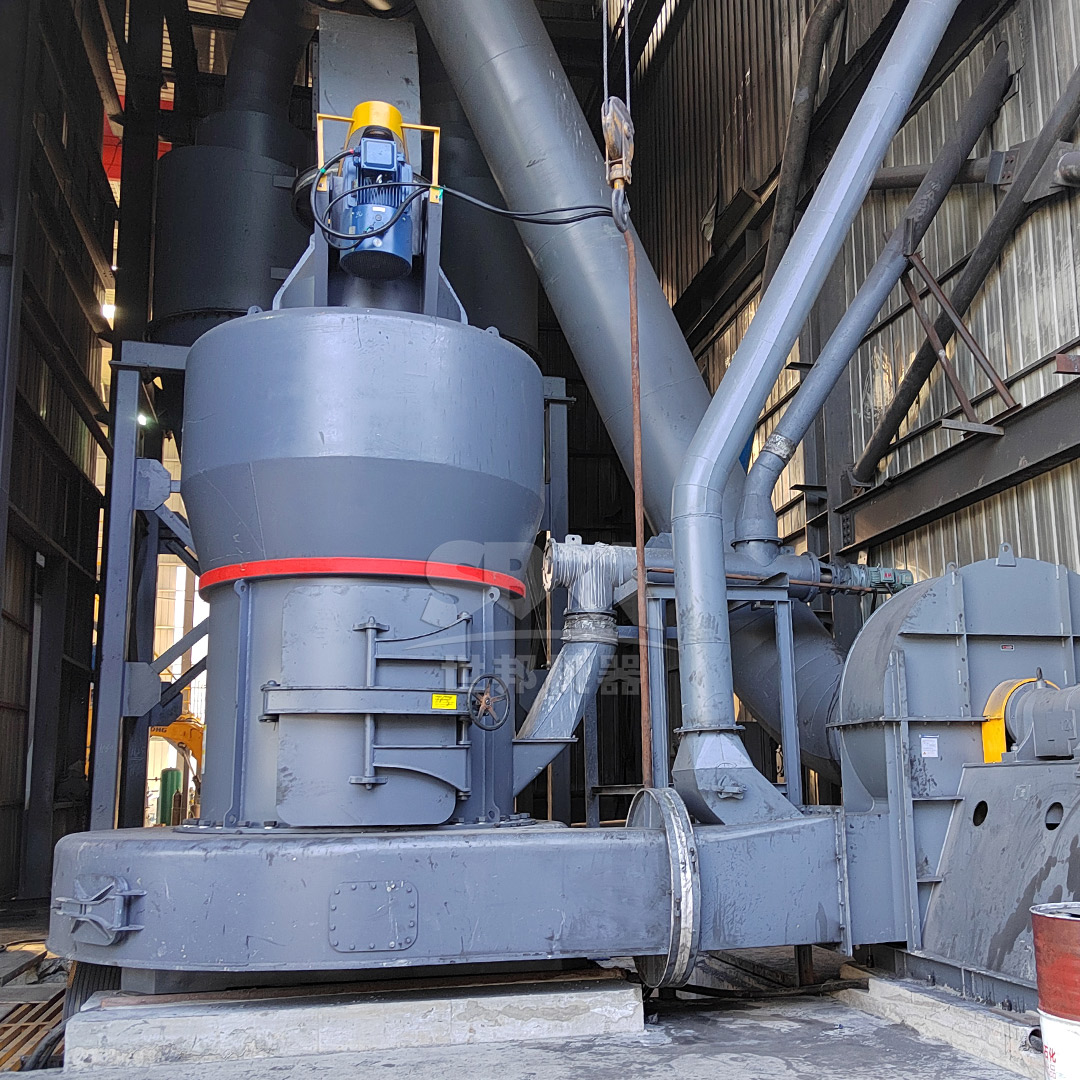
The transition from raw gypsum to a compliant, high-performance pharmaceutical ingredient hinges on precision engineering. The milling process must be viewed as a value-adding step that defines the critical quality attributes of the final product. Investing in advanced milling technology—such as the high-capacity, consistent LM Series Vertical Roller Mill or the precision-focused SCM Series Ultrafine Mill—is an investment in product quality, regulatory success, and operational excellence. By selecting equipment designed with the stringent demands of pharmaceutical production in mind, manufacturers can ensure a reliable supply of gypsum powder that meets the highest standards of purity, performance, and safety.