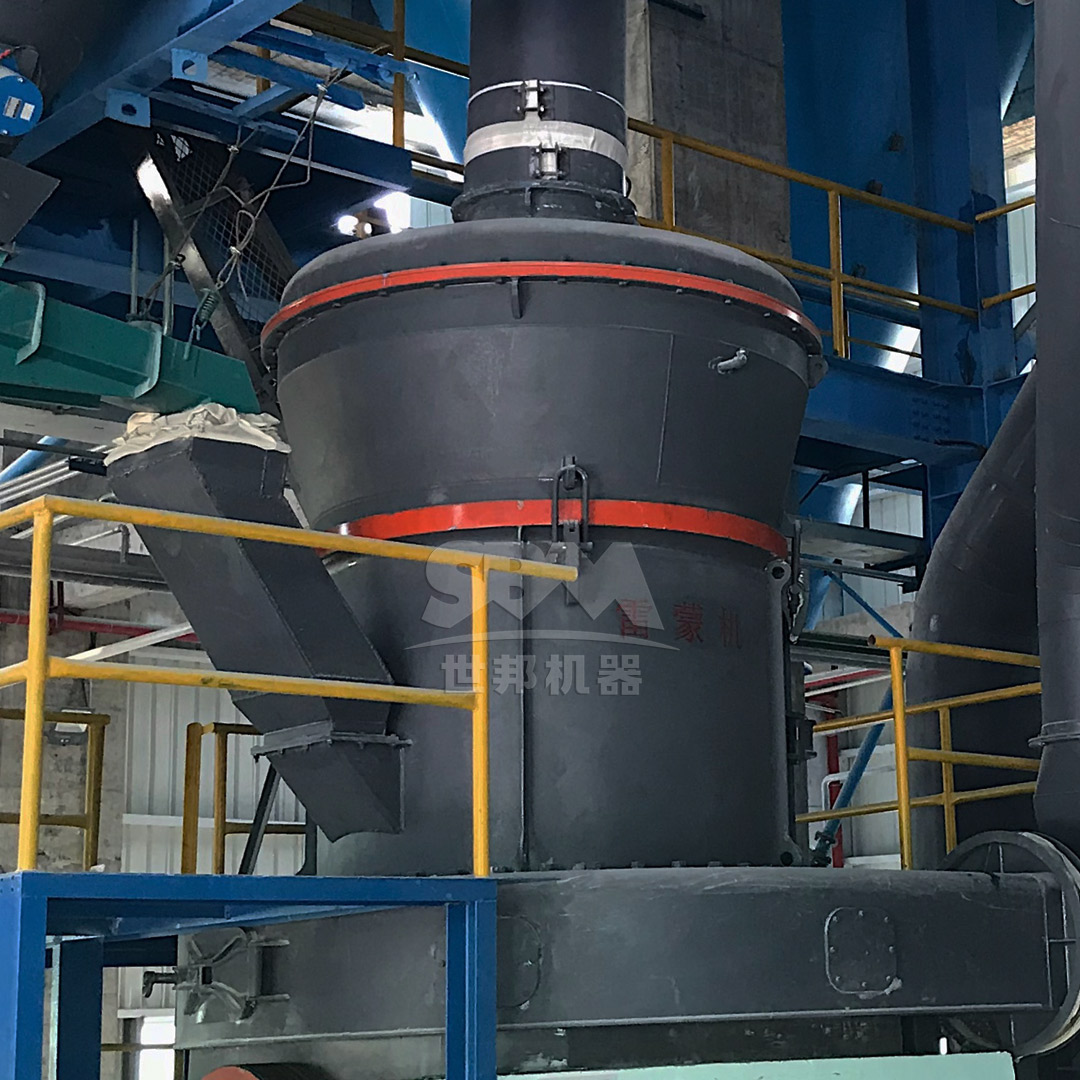
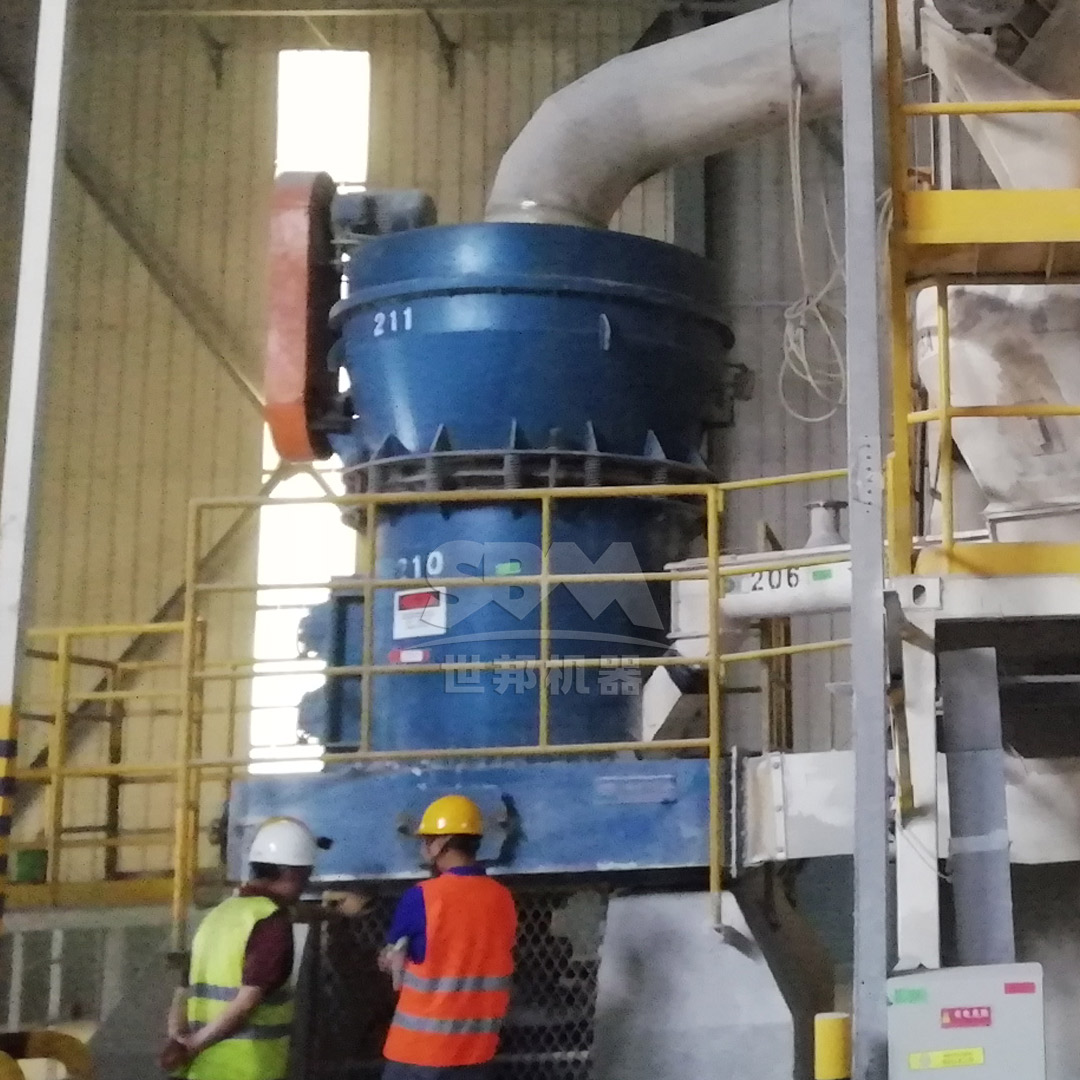
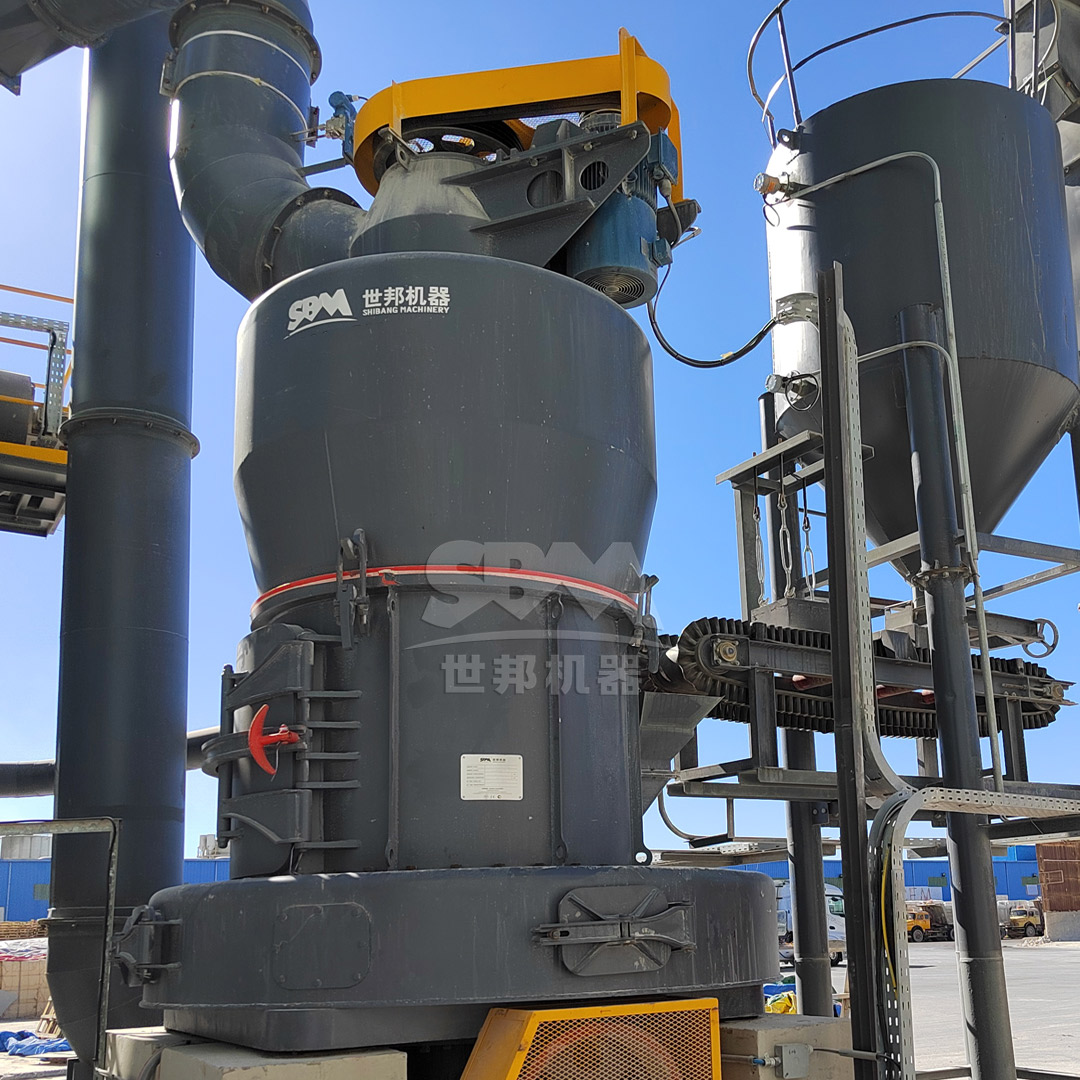
Potassium feldspar, a crucial industrial mineral, is extensively used in ceramics, glassmaking, and as a filler in paints, plastics, and rubber. Its value is intrinsically linked to its purity and particle size distribution, making efficient and precise processing paramount. The journey from raw ore to a market-ready powder involves several stages, with grinding being the most critical and energy-intensive. Selecting the right grinding equipment and plant configuration is essential for achieving optimal product quality, maximizing yield, and ensuring operational profitability. This article explores the technological requirements for potassium feldspar processing and presents advanced milling solutions that define modern, efficient production.
Processing potassium feldspar presents distinct challenges that directly influence equipment selection. The material’s moderate to high hardness (6 on the Mohs scale) demands robust grinding components. Furthermore, achieving the target fineness—which can range from coarse granules for glass batches (e.g., 30-100 mesh) to ultra-fine powders for high-grade ceramics or fillers (e.g., 325-2500 mesh)—requires mills with precise classification capabilities. Energy consumption is a major operational cost driver, making efficiency a non-negotiable feature. Finally, modern plants must adhere to stringent environmental regulations, necessitating dust-free operation and low noise emissions.
| Target Application | Typical Required Fineness | Key Quality Parameter |
|---|---|---|
| Glass Manufacturing | 20 – 100 mesh | Chemical consistency, low iron content |
| Ceramic & Sanitaryware | 200 – 325 mesh | High whiteness, controlled particle size distribution |
| High-grade Ceramic Glazes & Fillers | 400 – 2500 mesh | Ultra-fine size, high purity, brightness |
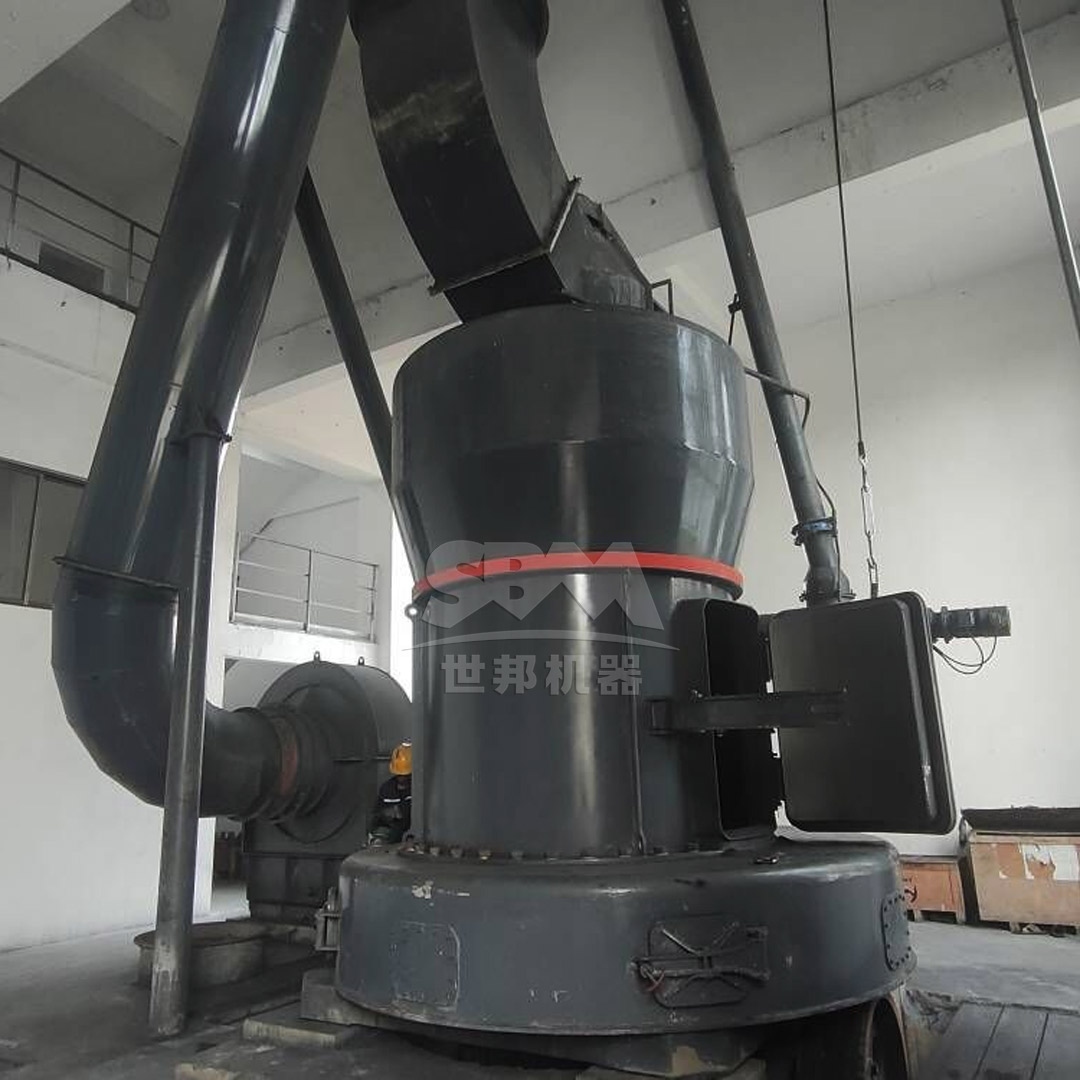
The evolution of grinding technology has moved beyond traditional ball mills towards more efficient, controlled, and specialized equipment. For potassium feldspar, the choice of mill depends heavily on the desired final product size and production capacity.
For applications in glass and standard ceramics, mills capable of high-capacity, energy-efficient grinding to the 30-325 mesh range are ideal. The MTW Series European Trapezium Mill stands out in this category. Its innovative design features an anti-wear combined shovel blade and a curved shovel design that extends the life of grinding rollers, significantly reducing maintenance costs for hard materials like feldspar. The optimized arc air duct minimizes airflow resistance, enhancing transmission efficiency. With an integral bevel gear drive boasting 98% efficiency, it saves space and power. Models like the MTW215G can handle feed sizes up to 50mm and deliver capacities from 15 to 45 tons per hour, making it a powerhouse for large-scale production of standard feldspar powders.
| Model Example (MTW Series) | Capacity (t/h) | Output Fineness (mesh) | Main Power (kW) |
|---|---|---|---|
| MTW138Z | 6 – 17 | 10 – 325 | 90 |
| MTW175G | 9.5 – 25 | 10 – 325 | 160 |
| MTW215G | 15 – 45 | 10 – 325 | 280 |
The production of high-value, ultra-fine potassium feldspar powder for advanced applications demands a different technological approach. Here, the SCM Series Ultrafine Mill is the equipment of choice. Engineered specifically for producing fine and ultra-fine powders between 325 and 2500 mesh (5μm), it represents a leap in grinding efficiency. Its core advantage lies in its high-precision vertical turbine classifier, which ensures sharp particle size cuts and a uniform finished product without coarse powder mixing. The mill operates on a layer-by-layer grinding principle with special material rollers and rings, offering service life several times longer than conventional mills. Crucially, it is highly energy-efficient, offering capacity twice that of jet mills while consuming 30% less energy. For operations targeting the premium filler or specialty ceramics market, the SCM Series, such as the SCM1680 model with a capacity of 5-25 t/h, provides an unbeatable combination of fineness control, output, and operational economy.
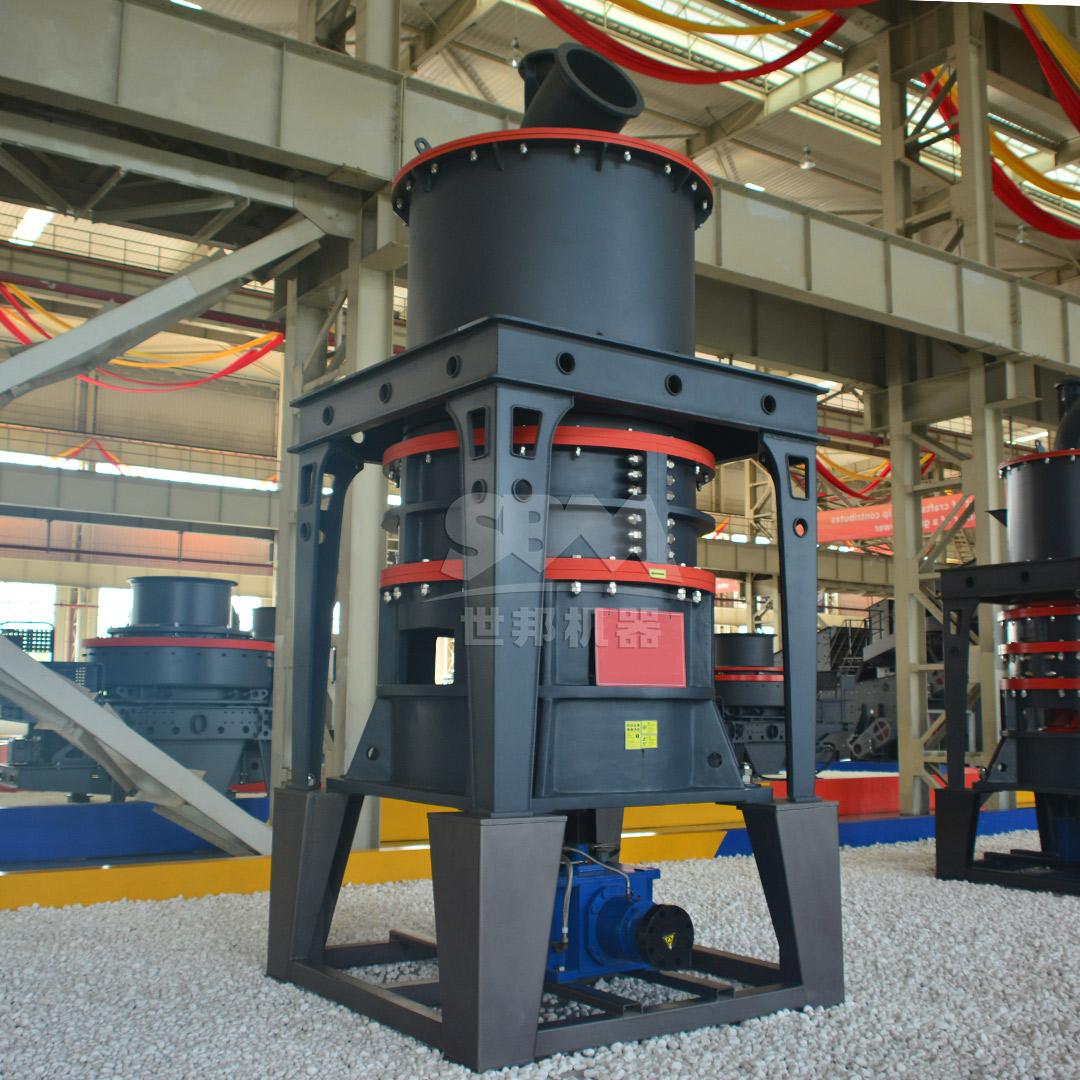
For operators seeking a highly integrated system that minimizes footprint and simplifies the process flow, LM Series Vertical Roller Mills offer an excellent solution. These mills integrate crushing, grinding, drying, and classification in a single unit, reducing floor space by up to 50% and infrastructure costs by 40%. Their non-contact grinding design and use of hot air for material transport make them exceptionally energy-efficient, with consumption 30-40% lower than traditional ball mill systems. They are perfectly suited for producing feldspar powder in the 30-325 mesh range with high capacity and stability.
A successful potassium feldspar processing plant is more than just a mill. It is a synchronized system designed for continuity, quality, and cleanliness.
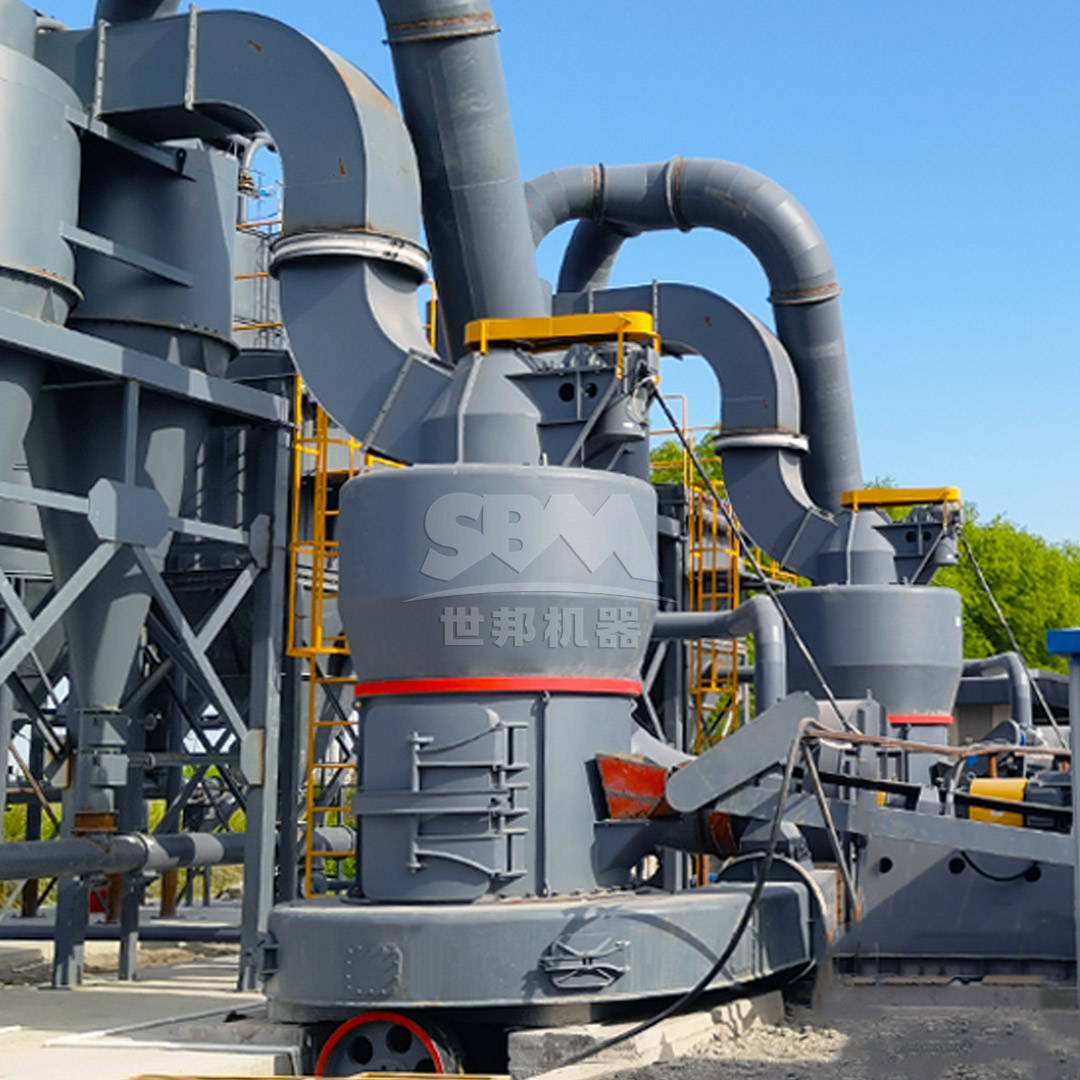
The profitability of a potassium feldspar operation hinges on selecting technology that aligns with product goals and operational philosophy. While robust trapezium mills like the MTW Series provide unparalleled efficiency for standard grades, the cutting-edge SCM Series Ultrafine Mill unlocks the high-value ultra-fine powder market with its precision and energy savings. Investing in a complete plant solution built around such advanced core equipment, with integrated automation and environmental controls, future-proofs operations by ensuring product quality, minimizing downtime, reducing energy costs, and maintaining regulatory compliance. By partnering with an equipment provider that offers this full spectrum of technology and engineering expertise, producers can optimize their potassium feldspar processing from ore to premium powder.