Pyrophyllite, a versatile aluminosilicate mineral, is prized for its unique properties such as high thermal stability, low thermal expansion, chemical inertness, and excellent dielectric characteristics. These attributes make it indispensable in a wide range of industries, including ceramics, refractories, paints, plastics, and cosmetics. The transformation of raw pyrophyllite ore into a high-value industrial product hinges on one critical process: fine grinding. The selection of an appropriate grinding mill is paramount, as it directly influences product quality, production efficiency, energy consumption, and overall operational costs. This article delves into the technical requirements for pyrophyllite grinding and explores the key equipment that forms the backbone of a modern, efficient production line.
Grinding pyrophyllite to meet specific industrial specifications presents several challenges. The target fineness can range from coarse fillers (30-100 mesh) to ultra-fine powders for high-performance applications (up to 2500 mesh or 5μm). Achieving a narrow particle size distribution is crucial for consistency in downstream processes. Furthermore, pyrophyllite’s moderate hardness (1-2 on Mohs scale) means that while it is not excessively abrasive, maintaining product whiteness and preventing iron contamination from wear parts is essential. The grinding system must also be energy-efficient, environmentally compliant with minimal dust emission, and capable of stable, continuous operation to support large-scale production.
| Application Industry | Typical Fineness Requirement | Key Property Utilized |
|---|---|---|
| Ceramics & Refractories | 200 – 325 mesh | Thermal stability, Low expansion |
| Paint & Coatings | 600 – 1250 mesh | Opacity, Chemical inertness |
| Plastics & Polymers | 800 – 2500 mesh | Reinforcement, Dielectric properties |
| Cosmetics | 1250 – 2500 mesh (5μm) | Softness, Adsorption |
A complete pyrophyllite powder production line typically includes primary crushers, drying systems, grinding mills, classifiers, and dust collection units. The heart of this line is undoubtedly the grinding mill. Depending on the required final product fineness and capacity, different types of mills are employed.
For producing pyrophyllite powder in the range of 30 to 325 mesh, often used in ceramics and refractories, trapezium mills and vertical roller mills are highly effective. They offer large capacity and excellent energy efficiency for this particle size range.
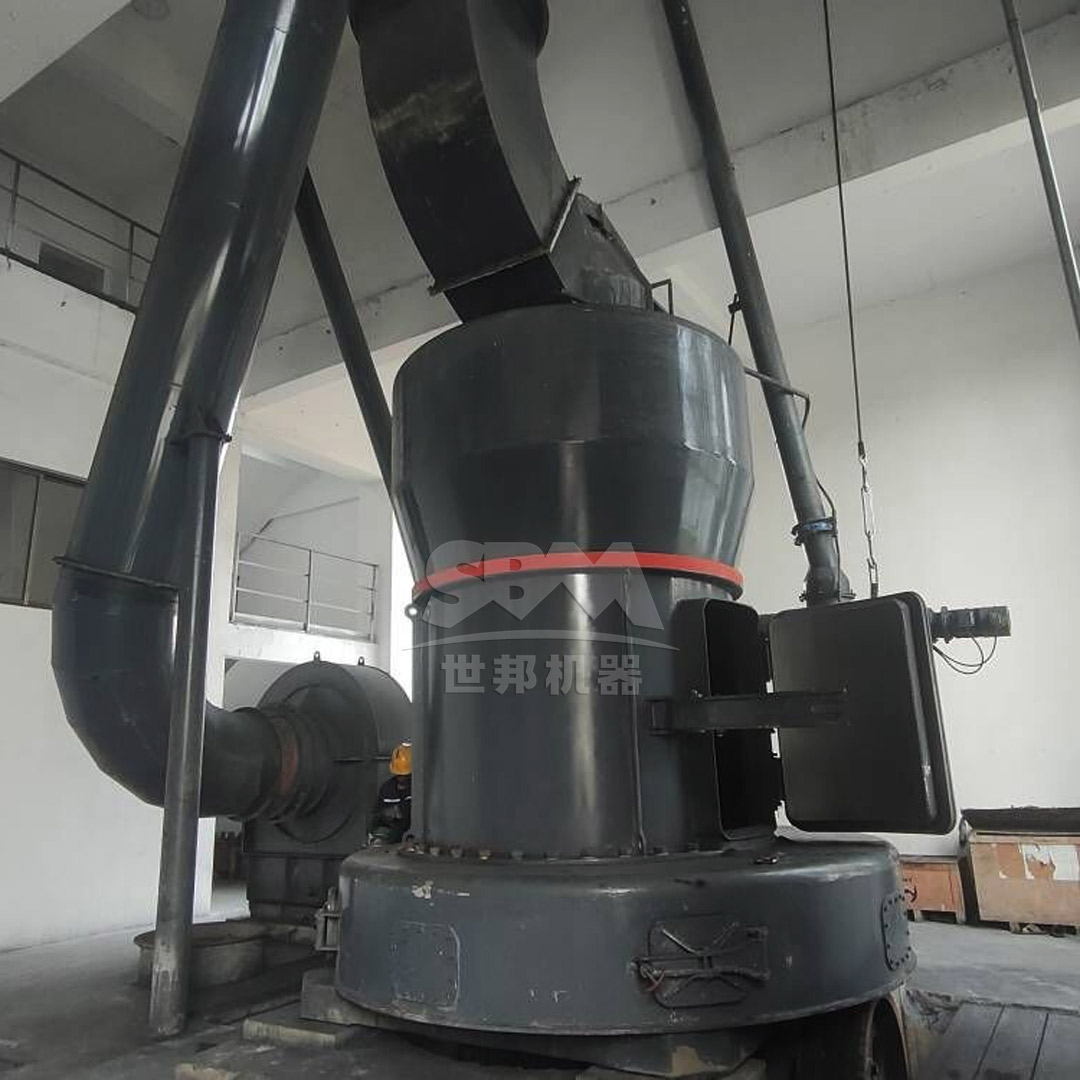
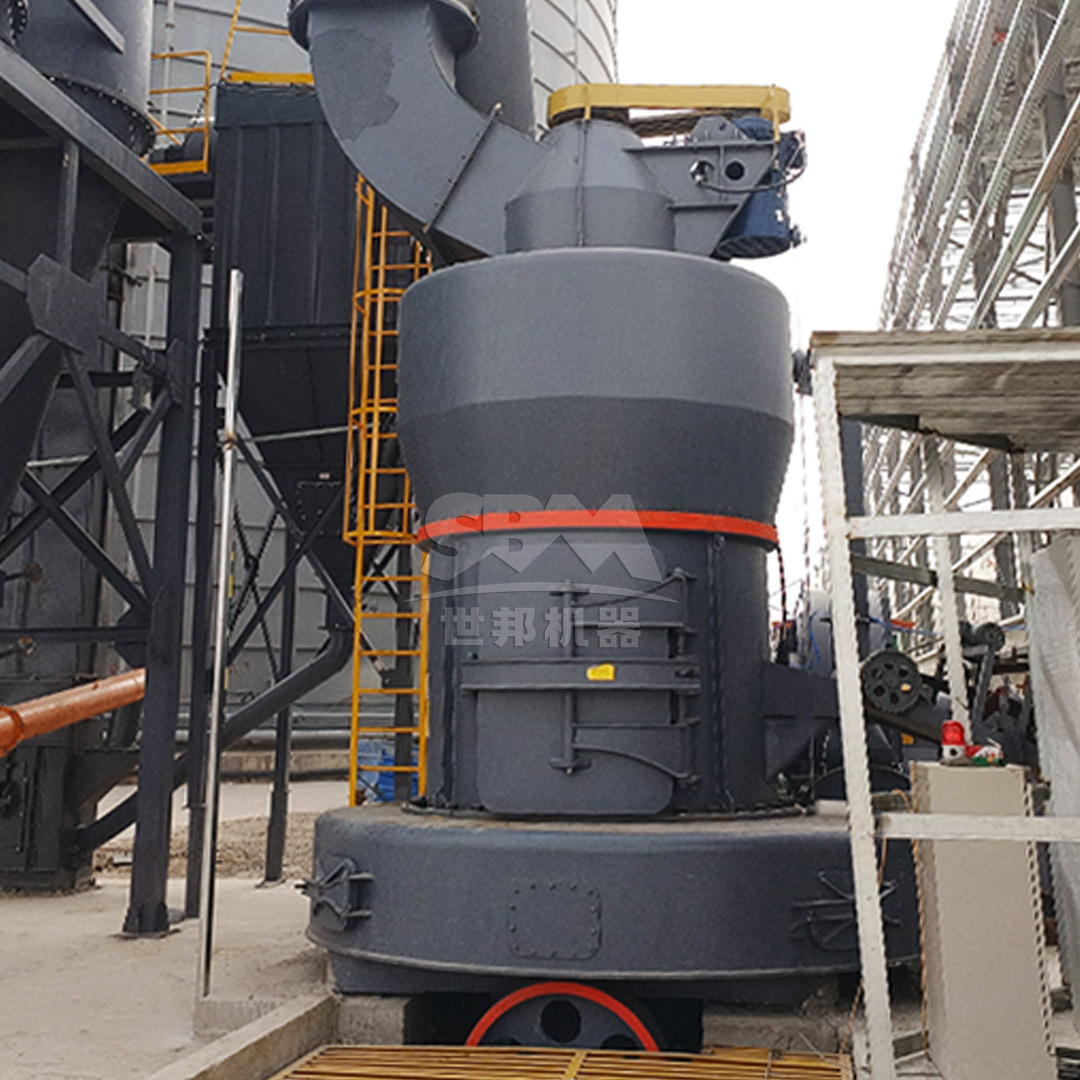
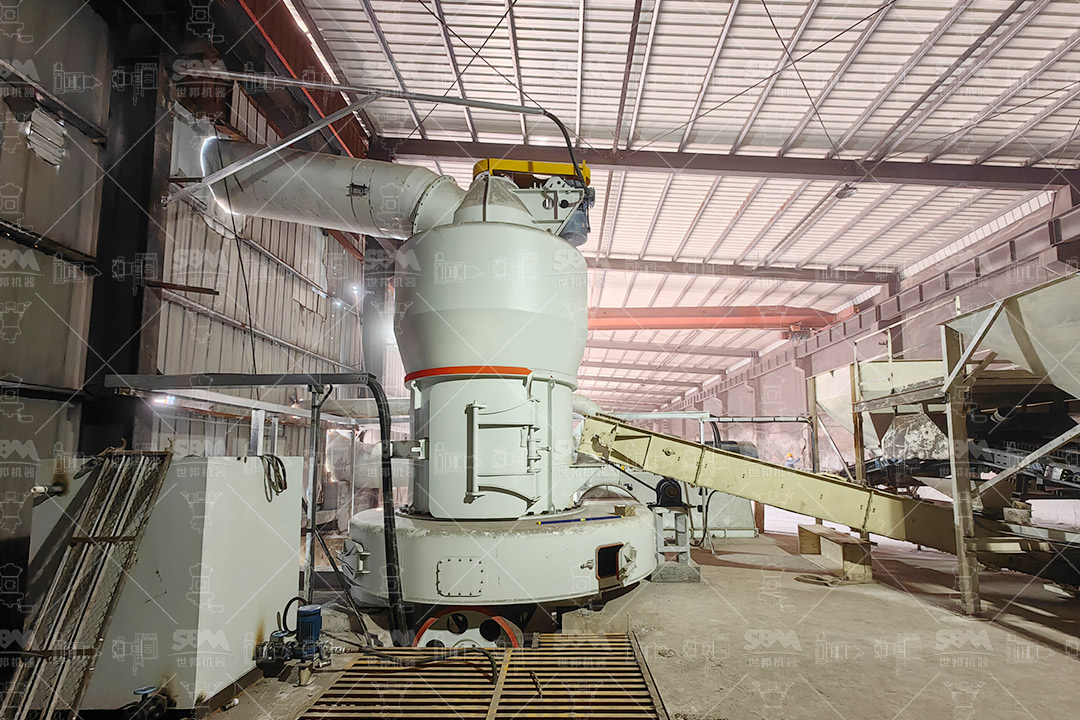
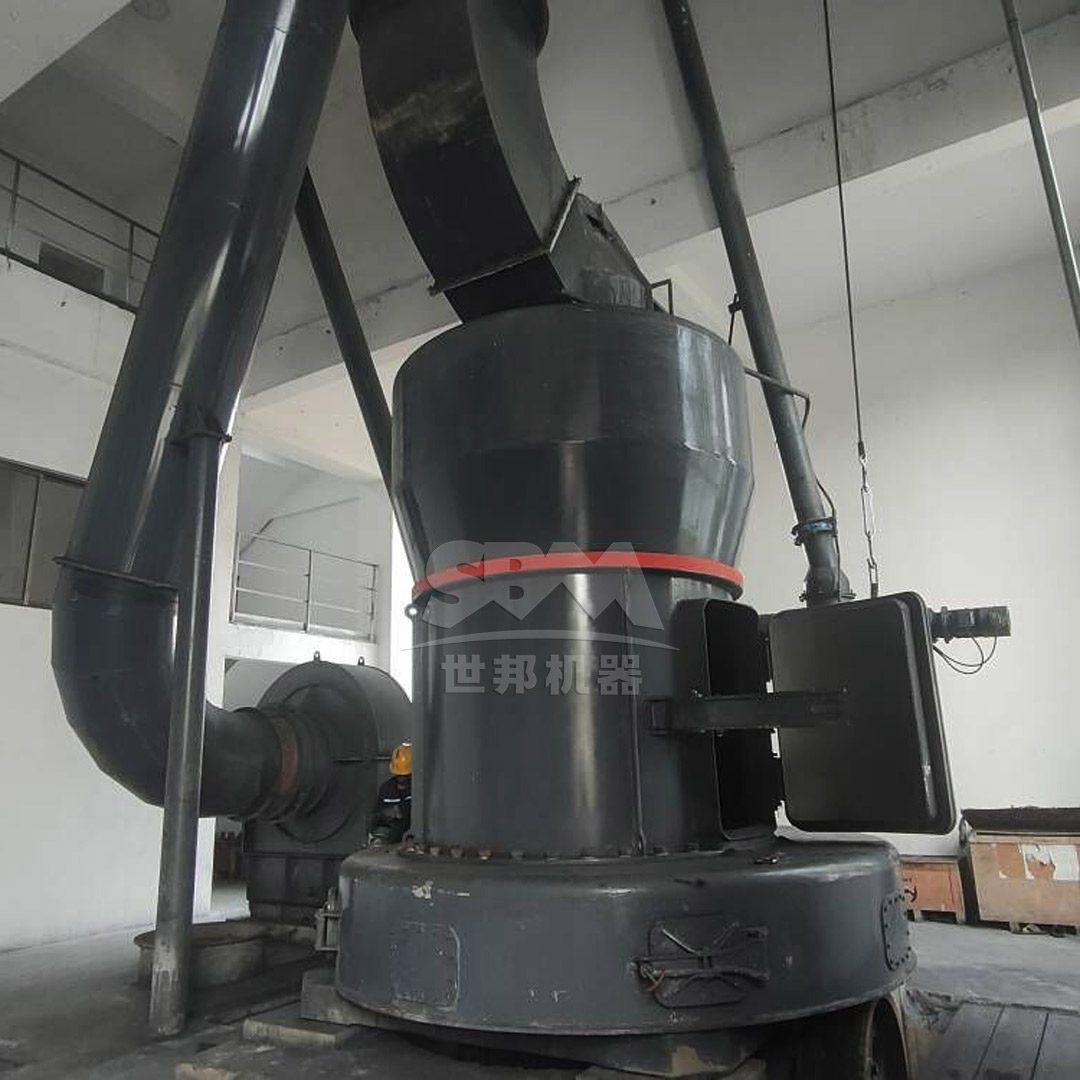
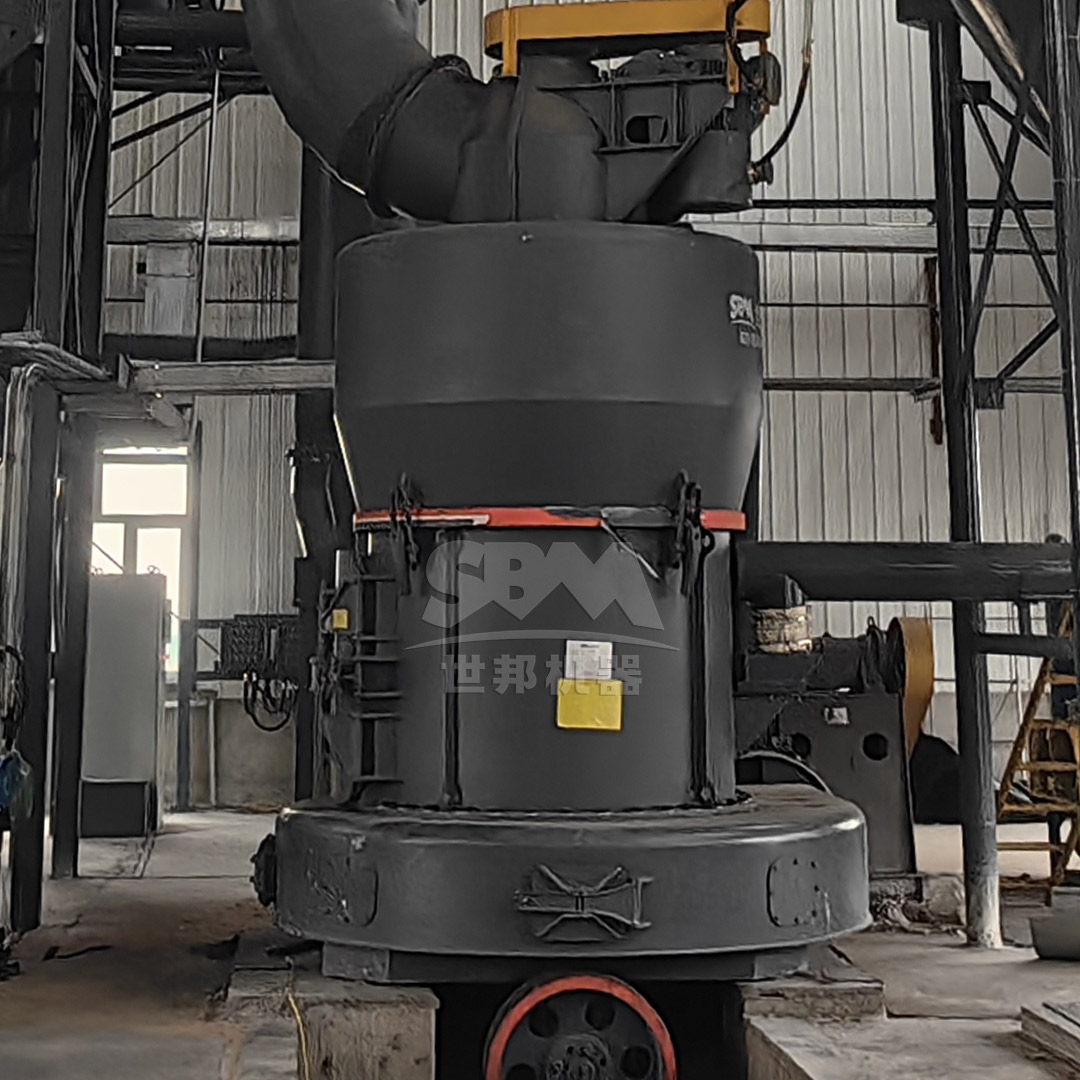
Our MTW Series European Trapezium Mill is an ideal choice for this application. Engineered with an anti-wear shovel design and optimized arc air duct, it significantly reduces maintenance costs and improves transmission efficiency. Its integral bevel gear drive achieves up to 98% transmission efficiency. With a capacity range of 3-45 tons per hour and the ability to handle feed sizes up to 50mm, the MTW series provides a robust and reliable solution for high-volume production of medium-fineness pyrophyllite powder.
When the application demands ultra-fine pyrophyllite powder, such as in high-grade paints, plastics, or cosmetics, specialized ultrafine grinding technology is required. The grinding energy increases exponentially as particle size decreases, making efficiency paramount.
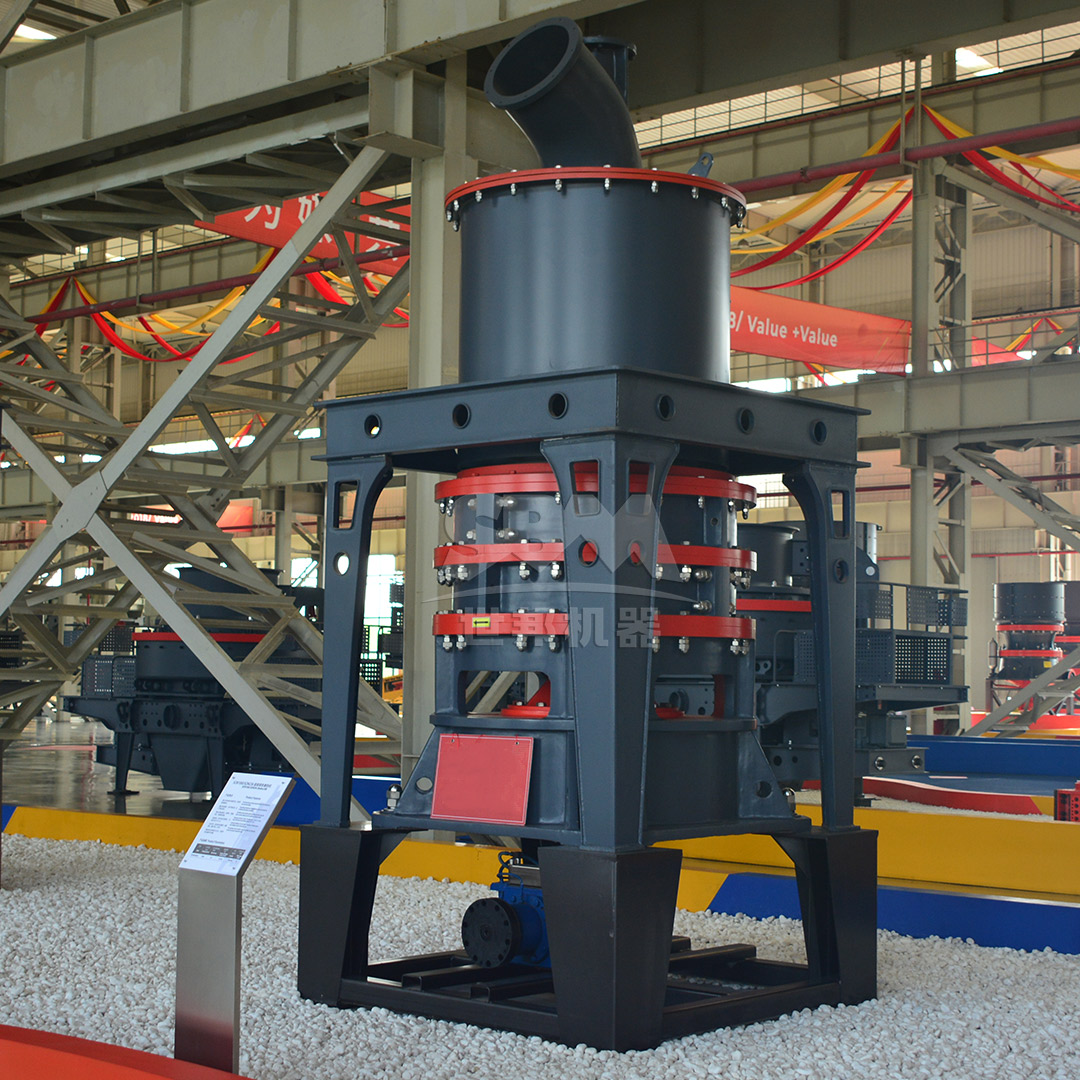
For these demanding applications, we highly recommend our flagship SCM Series Ultrafine Mill. This mill is specifically designed to produce powders between 325 and 2500 mesh (45-5μm) with exceptional efficiency. Its core advantages make it perfectly suited for high-value pyrophyllite processing:
With models like the SCM1000 offering 1.0-8.5t/h capacity and the large-scale SCM1680 capable of 5.0-25t/h, this series can be scaled to meet any production need for ultra-fine pyrophyllite.
Selecting the right mill is only one part of the equation. An optimized pyrophyllite powder line integrates several key components:
The entire process can be managed by a centralized PLC control system, ensuring stable operation, consistent quality, and minimal labor.
The journey from raw pyrophyllite ore to a premium industrial powder is defined by the technology at the grinding stage. Investing in advanced, efficient, and reliable grinding equipment is not merely a capital expense but a strategic decision that determines product competitiveness, operational profitability, and environmental compliance. For producers aiming to capture value in the medium-fineness market, the MTW Series European Trapezium Mill offers unparalleled efficiency and durability. For those targeting the high-end, high-margin ultra-fine powder sector, the SCM Series Ultrafine Mill stands as the technological benchmark, delivering precise particle control with superior energy economy. By partnering with a supplier that provides such tailored, high-performance equipment, pyrophyllite processors can build a production line that is robust, efficient, and ready to meet the evolving demands of the global market.