January 29, 2026
Introduction
The processing of quartz stone, from raw mineral to the high-purity powders essential for industries like engineered stone, glass, ceramics, and electronics, demands a sophisticated array of specialized equipment. A well-designed production line is not merely a collection of machines; it is an integrated system where each stage—from primary crushing to ultra-fine grinding and classification—must be optimized for efficiency, product quality, and cost-effectiveness. This guide provides a comprehensive overview of the key machines involved in quartz processing and outlines typical production line configurations.
1. The Quartz Processing Workflow: From Raw Stone to Finished Powder
Quartz processing typically follows a multi-stage path to progressively reduce the size of the material and achieve the desired purity and fineness. The core stages are:
- Primary Crushing: Large quartz rocks (≤ 800mm) are reduced to a manageable size (≤ 50mm) using jaw crushers or gyratory crushers.
- Secondary Crushing & Fine Crushing: Further size reduction to ≤ 20mm is achieved using cone crushers or impact crushers. For specific applications requiring very fine initial feed, a hammer mill is an excellent choice. For instance, our Hammer Mill efficiently processes material from 0-40mm down to 0-3mm, featuring high manganese steel liners for durability and a compact design that saves space and investment.
- Grinding: This is the heart of the process, where the crushed quartz is pulverized into powder. The choice of grinding mill depends entirely on the target fineness and required capacity.
- Classification & Separation: Air classifiers or screening equipment separate the ground powder into specified particle size ranges, sending oversized particles back for further grinding.
- Dust Collection & Material Handling: Pulse jet bag filters and cyclone collectors ensure a clean working environment and recover product, while conveyors and elevators move material between stages.
| Processing Stage |
Target Output Size |
Typical Equipment |
| Primary Crushing |
≤ 50mm |
Jaw Crusher, Gyratory Crusher |
| Secondary/Fine Crushing |
≤ 20mm |
Cone Crusher, Impact Crusher, Hammer Mill |
| Coarse Grinding |
30-325 mesh (600-45μm) |
Ball Mill, Raymond Mill (MTM/MTW Series) |
| Ultra-fine Grinding |
325-2500 mesh (45-5μm) |
Ultrafine Mill (SCM Series), Vertical Roller Mill (LUM Series) |
| Classification |
Specific size cuts |
Air Classifier, Vibrating Screen |
2. Core Equipment in a Quartz Processing Line
2.1. Grinding Mills: The Heart of the System
The selection of the grinding mill is the most critical decision, directly impacting product quality, energy consumption, and operational costs.
2.1.1. For Coarse to Medium Fineness (600-45μm / 30-325 mesh)
For producing quartz powders in the range of 30 to 325 mesh, trapezium mills and vertical roller mills offer high efficiency and large capacity.
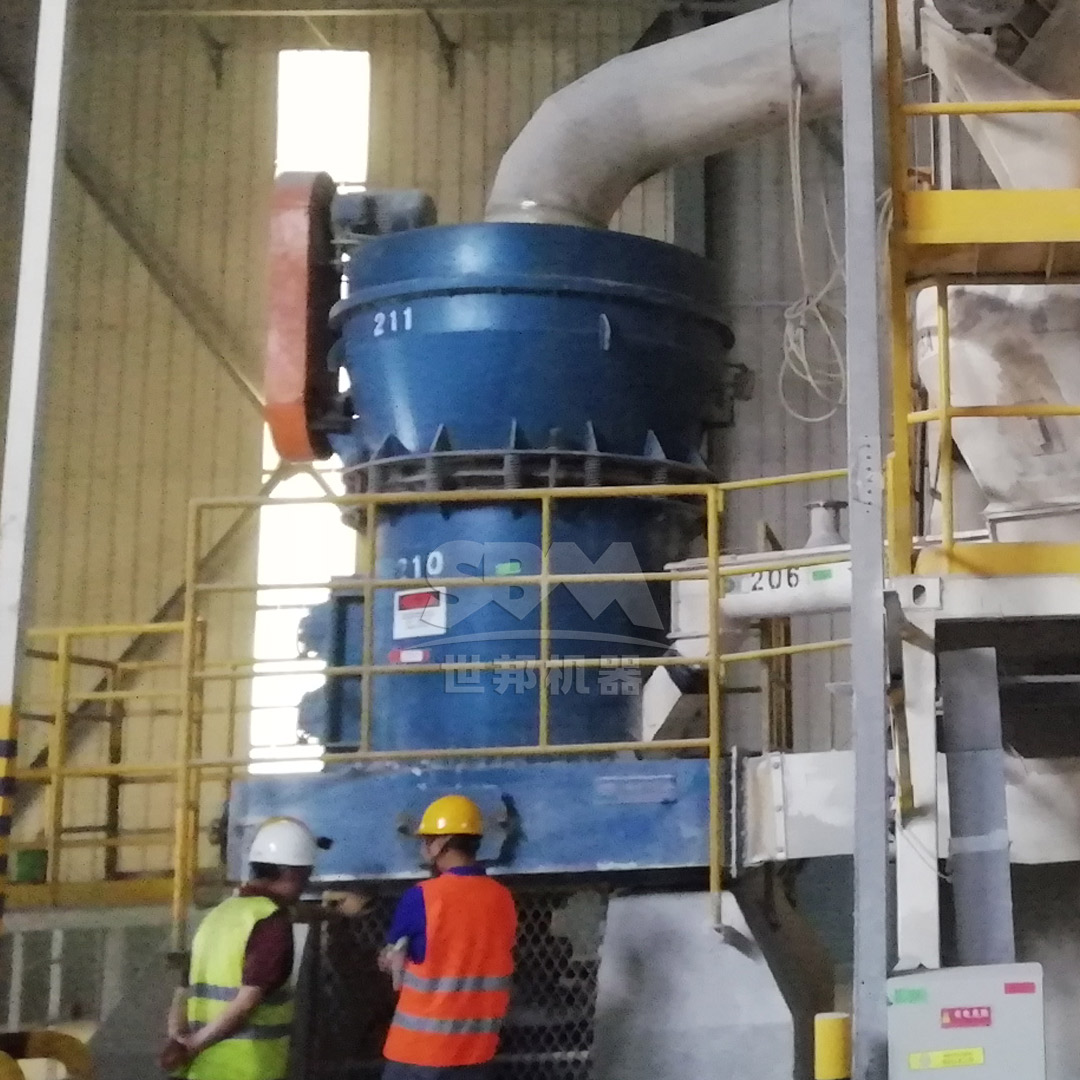
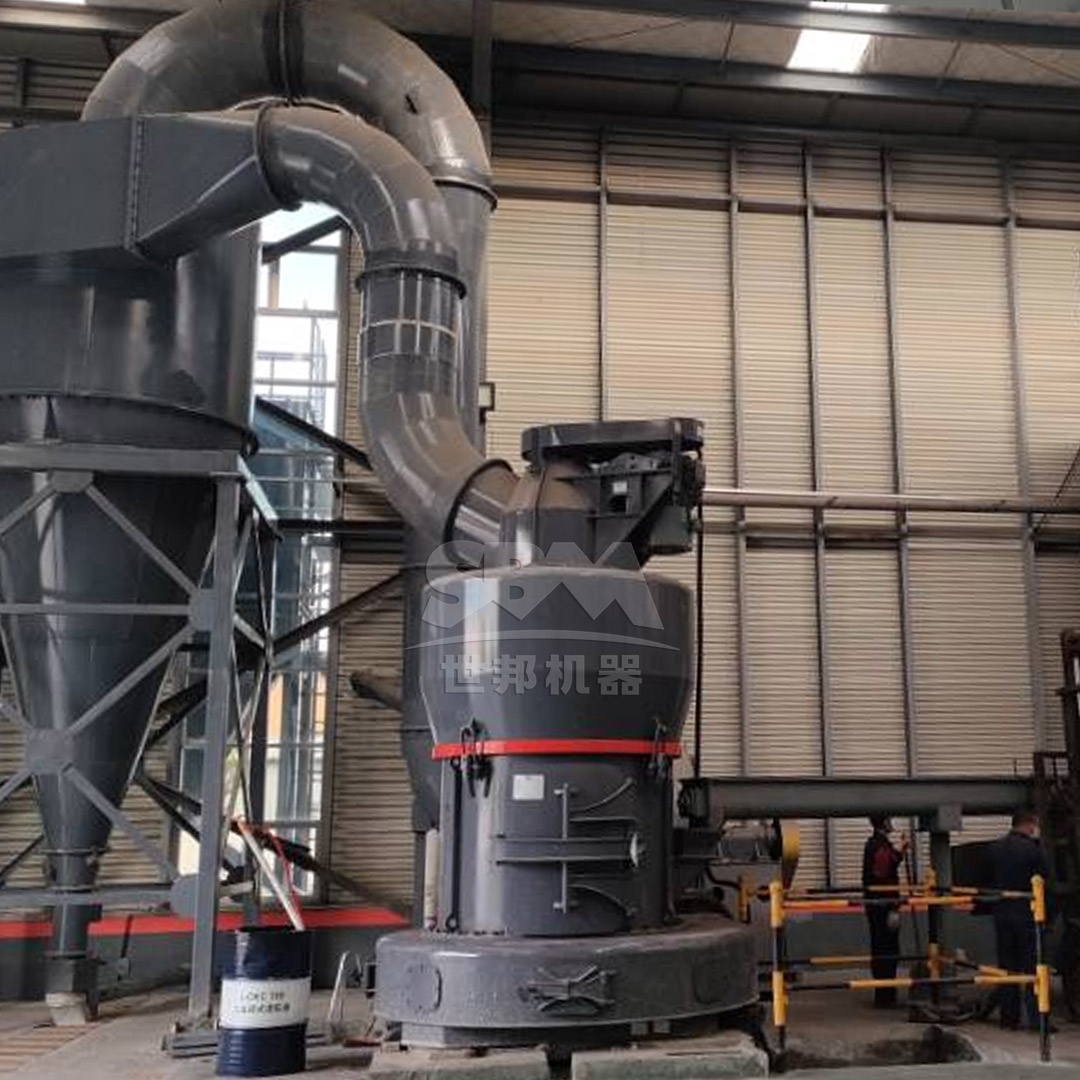
- MTW Series European Trapezium Mill: This advanced generation mill is ideal for high-capacity production of quartz sand and powder. Its integral bevel gear drive achieves up to 98% transmission efficiency, while the anti-wear shovel and curved air duct design significantly reduce maintenance costs and energy loss. With a capacity range of 3-45 TPH and the ability to handle feed sizes up to 50mm, it’s a robust and reliable workhorse for medium-fineness grinding.
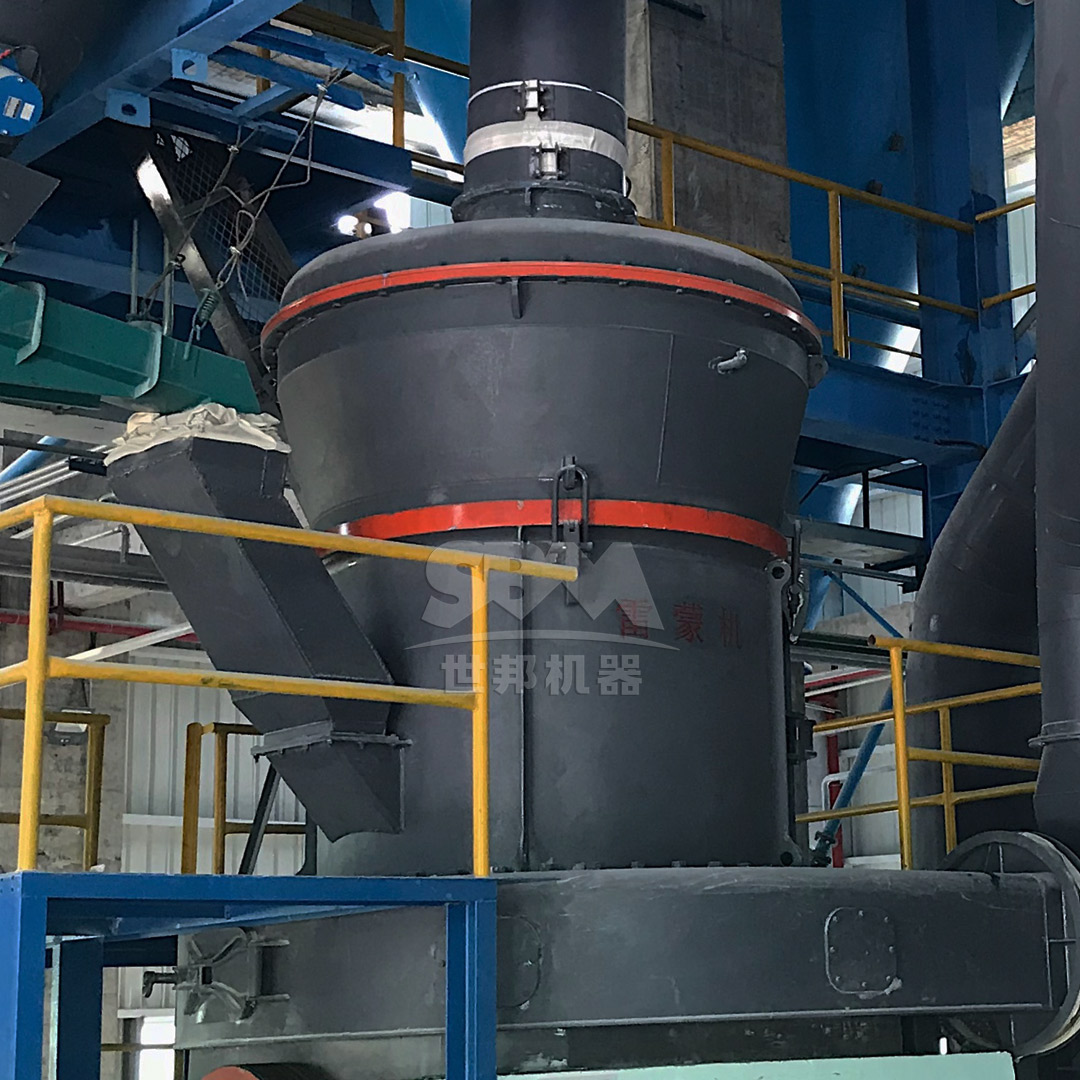
- LM Series Vertical Roller Mill: Known for its integrated design that combines crushing, grinding, drying, and classifying in a single unit, the LM mill reduces floor space by 50%. Its non-contact grinding principle leads to lower wear and energy consumption 30-40% less than traditional ball mills. It is perfectly suited for large-scale production lines requiring consistent quality at a low operating cost.
2.1.2. For Ultra-fine Fineness (45-5μm / 325-2500 mesh)
Producing high-value, ultra-fine quartz powder for composites, high-performance ceramics, or electronics requires specialized technology.
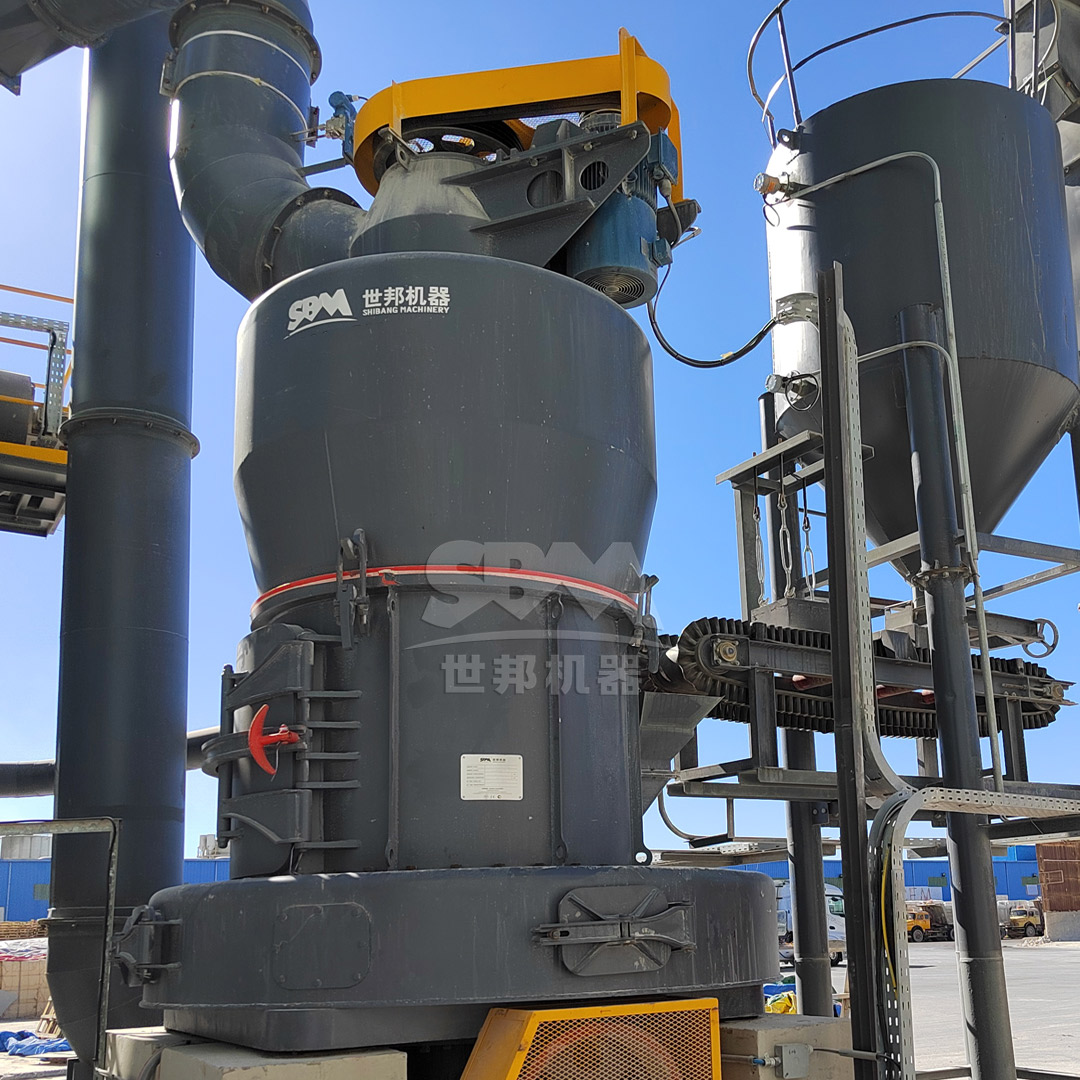
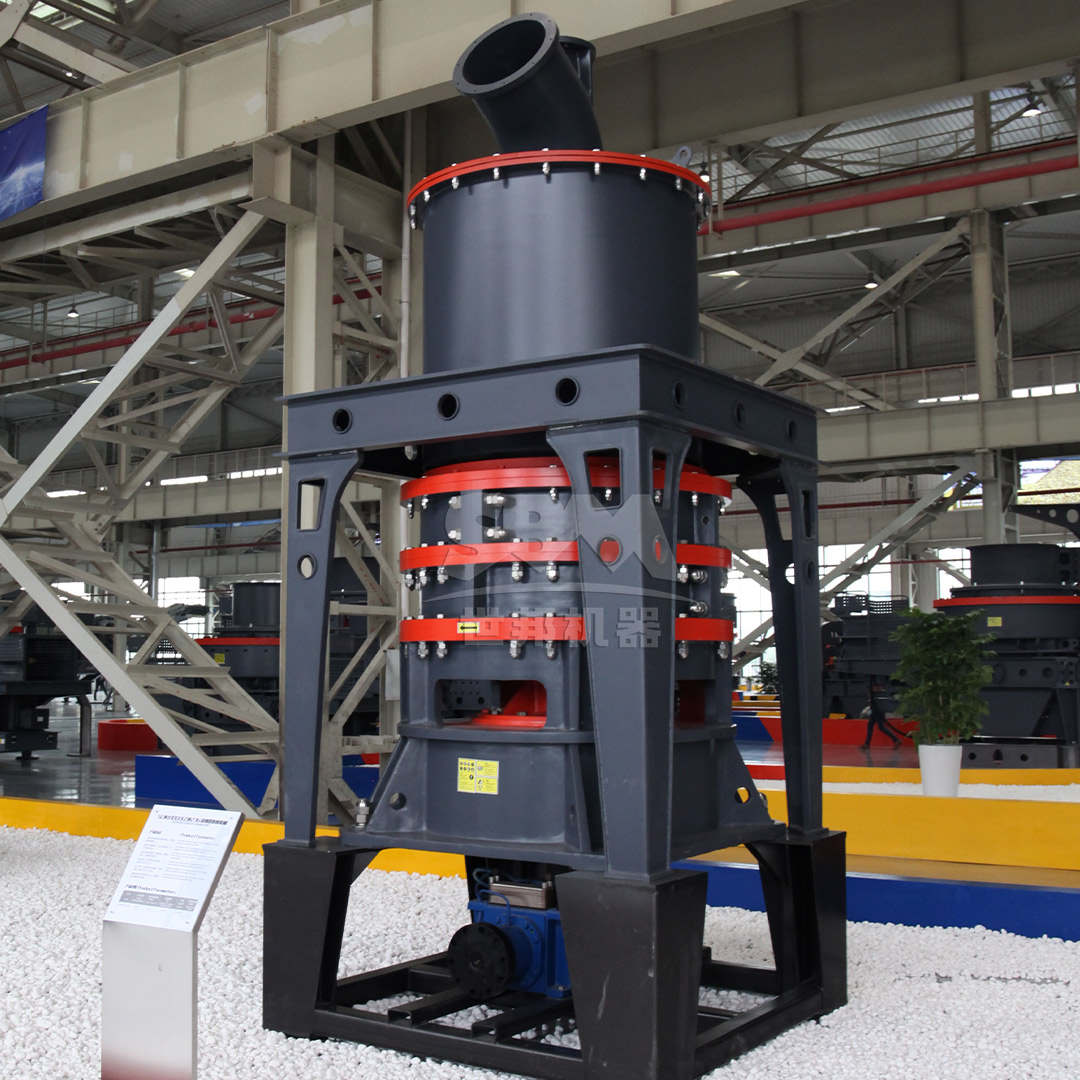
- SCM Series Ultrafine Mill: This mill is a standout solution for the most demanding ultra-fine grinding applications. Engineered for high efficiency and precision, it features a vertical turbine classifier that ensures sharp particle size cuts with no coarse powder mixing, guaranteeing a uniform product. Its capacity is twice that of jet mills while consuming 30% less energy. The durable design, with special material rollers and rings, extends service life several times over. For operations targeting fineness between 325 and 2500 mesh with capacities from 0.5 to 25 TPH, the SCM Series represents the pinnacle of performance and reliability in ultrafine quartz processing.
- LUM Ultrafine Vertical Roller Mill: Combining the benefits of vertical grinding with advanced classification technology, the LUM series is another excellent choice for producing ultra-fine powders. Its multi-rotor classifier and unique roller/liner curve design ensure high grinding efficiency and precise particle size distribution.
2.2. Supporting Equipment
- Jaw/Cone/Impact Crushers: Provide the necessary size reduction before grinding.
- Bucket Elevators & Belt Conveyors: Handle material transfer between different stages of the production line.
- Air Classifiers: Dynamic classifiers integrated with mills or standalone units to control the final product’s top cut size.
- Dust Collection Systems: Pulse jet baghouses are essential for meeting environmental standards and protecting worker health, while also recovering valuable product.
- Electrical Control System: A centralized PLC-based control panel allows for automated operation, monitoring of key parameters, and ensures stable and safe production.
3. Designing an Efficient Quartz Production Line
A successful line design considers the following factors:
- Raw Material Properties: Hardness, moisture content, and feed size.
- Final Product Specifications: Required fineness (D50, D97), purity, and hourly capacity.
- Plant Layout & Space: Efficient material flow to minimize conveying distances and footprint.
- Energy Consumption: Selecting high-efficiency mills and drives to minimize the largest operational cost.
- Automation Level: Balancing initial investment with long-term savings in labor and consistency.
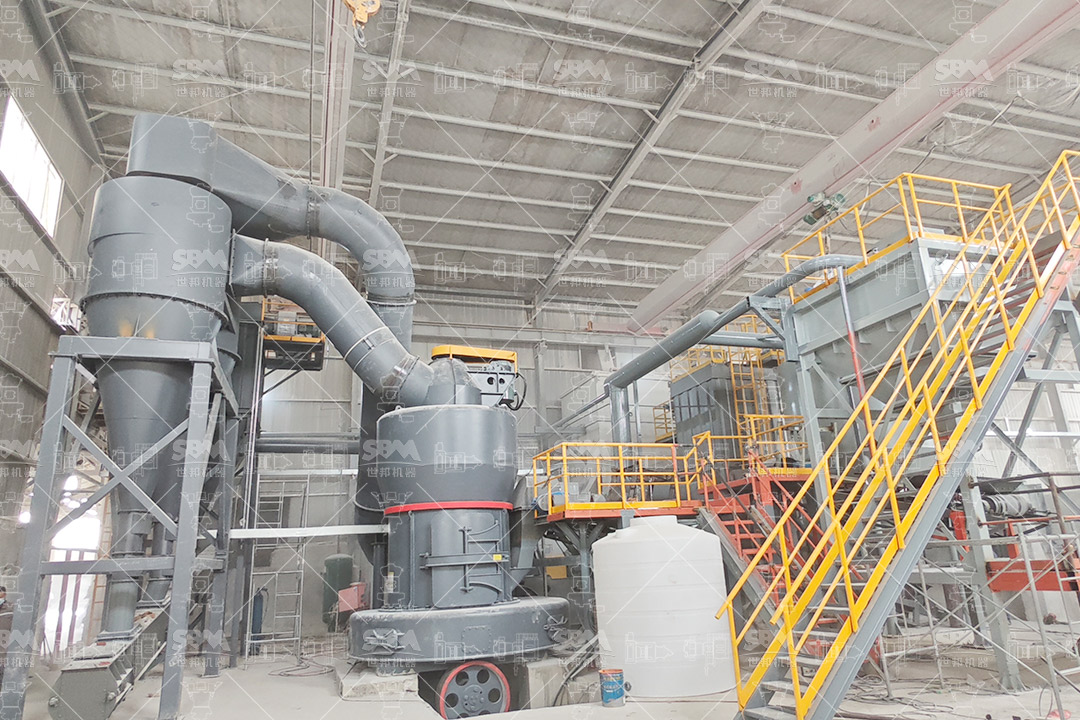
Sample Production Line Configuration for 10 TPH of 325 Mesh Quartz Powder
| Stage |
Equipment |
Key Function |
| Primary Crushing |
Jaw Crusher |
Reduce ≤500mm rock to ≤150mm |
| Secondary Crushing |
Cone Crusher |
Reduce ≤150mm to ≤30mm |
| Fine Crushing/Storage |
Hammer Mill + Silo |
Produce ≤10mm feed; provide buffer storage |
| Grinding & Classifying |
MTW175G European Trapezium Mill |
Grind to 325 mesh; integrated classifier |
| Product Collection |
Cyclone + Pulse Dust Collector |
Collect finished powder; clean exhaust air |
| Packaging/Storage |
Screw Conveyor + Silo/Packer |
Store and package final product |
4. Key Considerations for Equipment Selection and Operation
- Wear Part Management: Quartz is highly abrasive. Opt for mills with easily replaceable, high-wear-resistant components like grinding rollers, rings, and liners. The patented quick-change systems in our LM and MTW series mills drastically reduce maintenance downtime.
- Dust Control: A fully sealed milling system operating under negative pressure, coupled with an efficient pulse dust collector (with efficiency >99.9%), is non-negotiable for both product yield and environmental compliance.
- Process Control: Modern mills feature intelligent control systems that automatically adjust feed rates, grinding pressure, and classifier speed to maintain consistent product fineness, optimizing the process in real-time.
5. Conclusion
Building an efficient and profitable quartz stone processing line requires a deep understanding of both the material’s characteristics and the technological capabilities of modern size reduction equipment. The journey from raw stone to premium powder hinges on selecting the right grinding mill—whether it’s the high-capacity MTW Series European Trapezium Mill for coarse applications or the precision-engineered SCM Series Ultrafine Mill for high-value superfine products. By integrating these core machines with robust crushing, conveying, and dust collection systems, producers can achieve optimal product quality, maximize throughput, and minimize operational costs, securing a strong position in the competitive quartz market.