Quartz stone, primarily composed of silicon dioxide (SiO2), is an essential raw material in the glass manufacturing industry. Its high purity, hardness, and chemical inertness make it indispensable for producing high-quality glass products, from container glass to flat glass and specialty glass. However, converting raw quartz stone into a suitable glass-grade powder requires precise processing, and the milling stage is critical. The choice of milling equipment directly affects particle size distribution, purity, energy consumption, and overall production efficiency. This article explores the key considerations for selecting the right milling solution for quartz stone processing and highlights two exceptional products from our portfolio that perfectly address these needs.
Quartz is one of the hardest common minerals, with a Mohs hardness of 7. This high abrasiveness leads to significant wear on grinding equipment, increasing maintenance costs and downtime. Additionally, glass manufacturers require consistent fineness—typically between 40 and 200 mesh (74–420 μm) for most applications—and minimal contamination from iron or other impurities. The presence of even trace amounts of iron can discolor glass, reducing its optical quality. Therefore, the ideal milling solution must offer:
Several types of mills are used for quartz grinding, each with distinct advantages and limitations. Understanding these differences is crucial for selecting the optimal solution.
Ball mills are traditional workhorses in mineral processing. They can grind quartz to fine sizes but are energy-intensive and have low efficiency for ultra-fine grinding. The wear on steel balls and liners is substantial when processing quartz, leading to high maintenance costs. However, for coarse to medium grinding (e.g., 0.074–0.8 mm), they remain a viable option for large-scale operations.
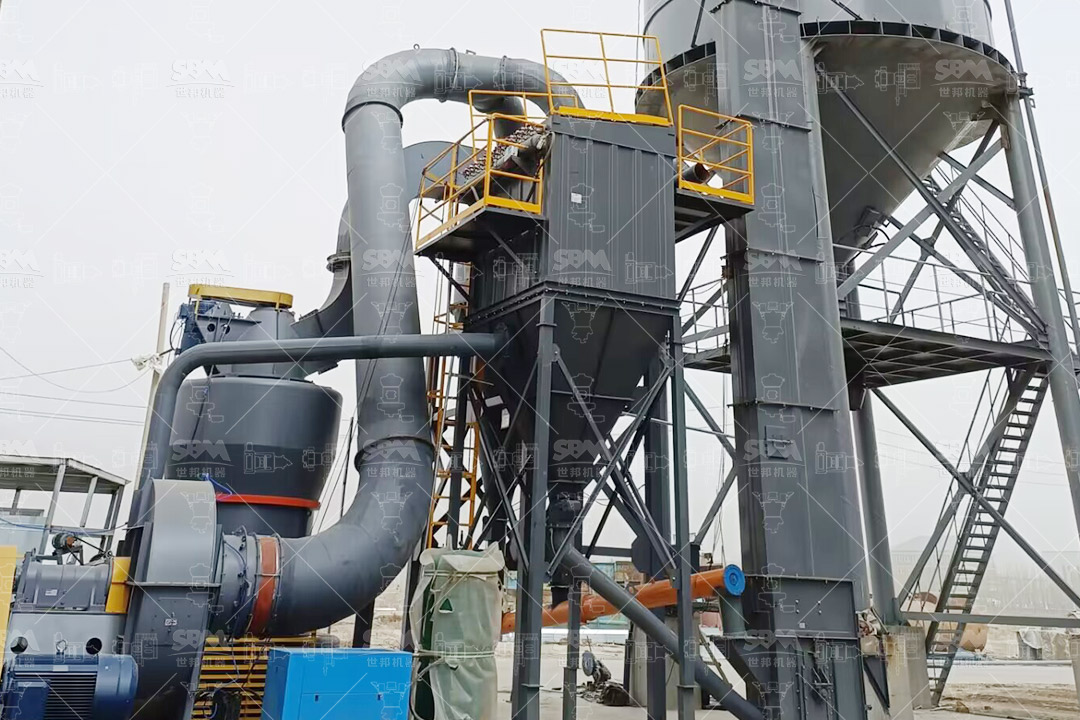
Vertical roller mills (VRMs) have gained popularity for their energy efficiency and integrated drying, grinding, and classification. They are well-suited for medium-fine grinding (e.g., 30–325 mesh) and can handle high capacities. VRMs operate with a material bed, which reduces wear compared to ball mills. Our LM series vertical roller mill is a prime example, offering capacities up to 250 t/h and fineness down to 600 mesh for special models.
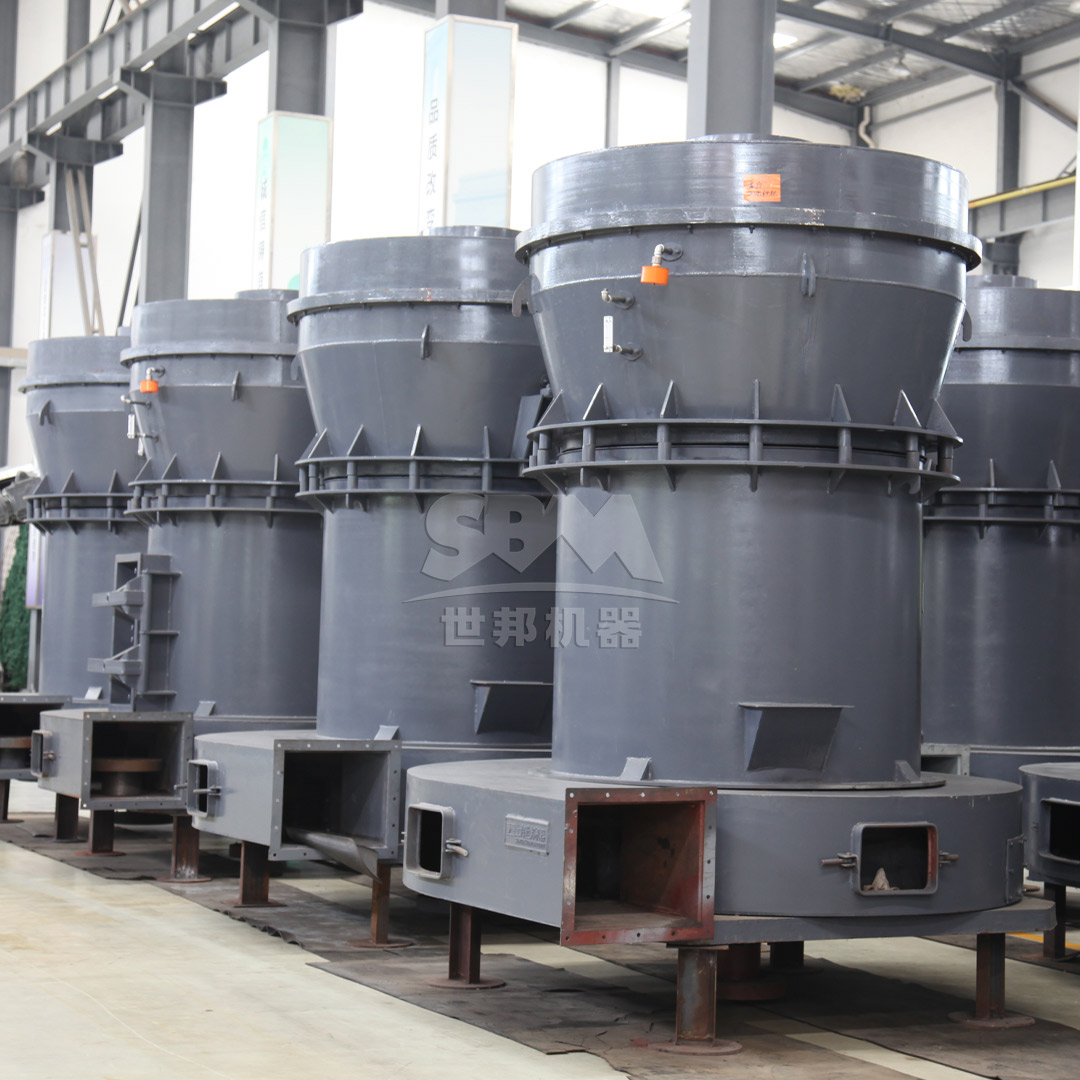
For glass applications requiring very fine quartz powder (e.g., 325–2500 mesh), ultrafine mills such as the SCM series are ideal. These mills use high-speed rotation and precise classification to achieve narrow particle size distributions. They are particularly effective when contamination control is critical.
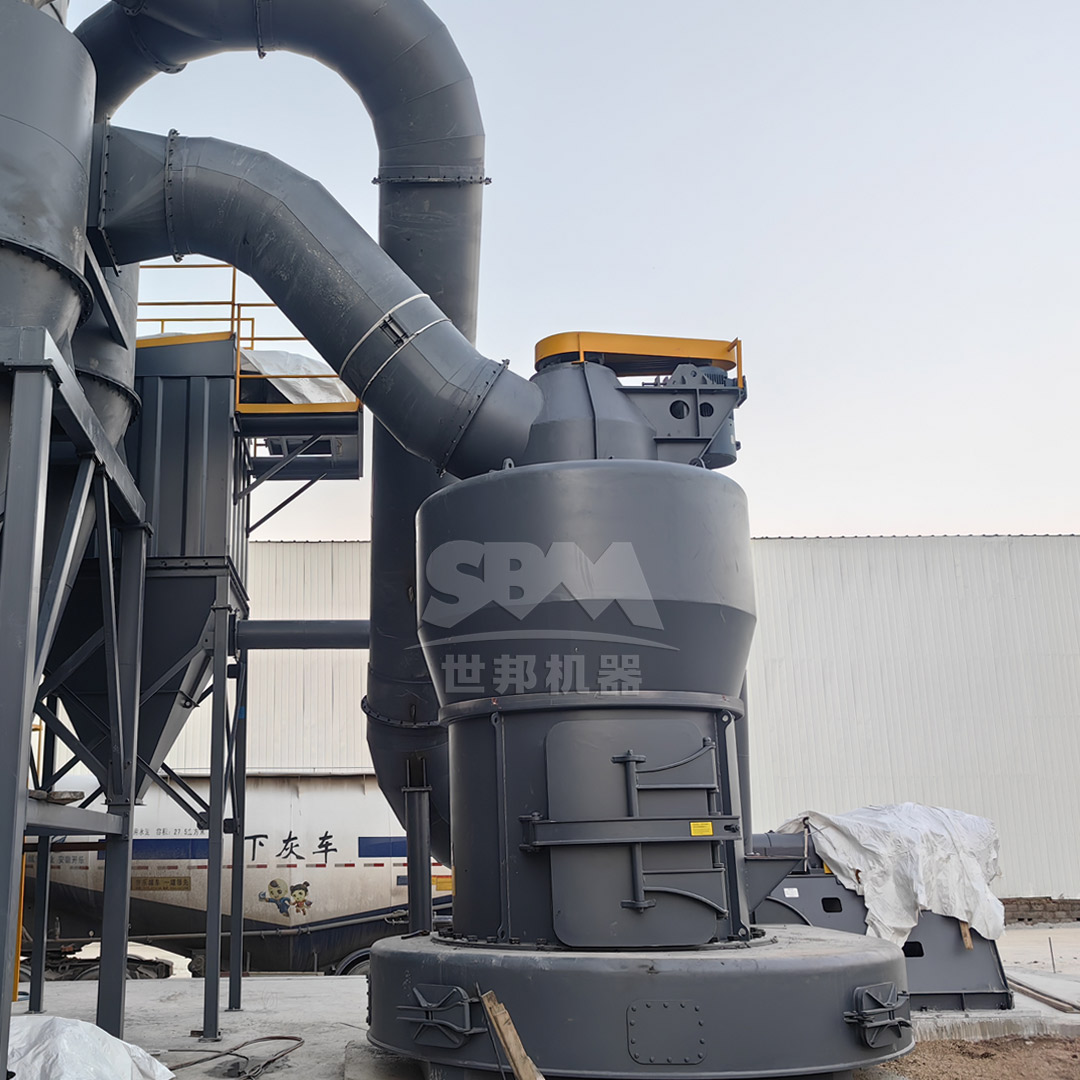
Trapezium mills, like the MTW and MTM series, offer a balance between capacity and fineness. They are robust, easy to maintain, and can process quartz to 30–325 mesh with good efficiency. Their improved airflow design and wear-resistant components make them a reliable choice for medium-scale glass raw material production.
Based on the specific requirements of quartz processing for glass raw materials, we recommend two of our advanced milling solutions: the MTW Series European Trapezium Mill and the SCM Series Ultrafine Mill. Both are designed to deliver superior performance, reliability, and cost-efficiency.
The MTW Series is an ideal choice for producing glass-grade quartz powder in the 30–325 mesh range. Its innovative design addresses the key challenges of quartz grinding:
With models ranging from MTW110 (3–9 t/h) to MTW215G (15–45 t/h), the MTW Series offers flexible capacities to match any glass plant’s demand. Its ability to handle feed sizes up to 50 mm and produce fineness down to 0.038 mm makes it a versatile solution for both coarse and fine grinding. The MTW Series also features an internal suction oil lubrication system and pulse dust removal technology, ensuring clean and reliable operation.
| Model | Capacity (t/h) | Main Power (kW) | Feed Size (mm) | Fineness (mesh) |
|---|---|---|---|---|
| MTW110 | 3-9 | 55 | <30 | 10-325 |
| MTW138Z | 6-17 | 90 | <35 | 10-325 |
| MTW175G | 9.5-25 | 160 | <40 | 10-325 |
| MTW215G | 15-45 | 280 | <50 | 10-325 |
When ultra-fine quartz powder is required—such as for high-quality float glass or specialty glass—the SCM Series Ultrafine Mill delivers exceptional performance. It produces fineness from 325 to 2500 mesh with a capacity of 0.5–25 t/h, depending on the model.
The SCM Series is particularly beneficial for glass manufacturers who require strict control over particle size distribution and contamination. Its advanced classification system prevents oversized particles from entering the finished product, which is critical for achieving consistent glass melting and optical clarity.
| Model | Capacity (t/h) | Main Power (kW) | Feed Size (mm) | Fineness (mesh) |
|---|---|---|---|---|
| SCM800 | 0.5-4.5 | 75 | 0-20 | 325-2500 |
| SCM1000 | 1.0-8.5 | 132 | 0-20 | 325-2500 |
| SCM1250 | 2.5-14 | 185 | 0-20 | 325-2500 |
| SCM1680 | 5.0-25 | 315 | 0-20 | 325-2500 |
Selecting the right mill for quartz processing involves a careful evaluation of several factors:
Glass formulations dictate the optimal quartz fineness. For container glass, 40–100 mesh is often sufficient, while float glass may require 100–200 mesh. Specialty glass can demand ultra-fine powders below 325 mesh. The mill must be capable of achieving the target fineness consistently.
Production scale varies widely. Small glass plants may need 3–10 t/h, while large float glass lines require 20–50 t/h or more. The selected mill should match the required capacity and allow for future expansion.
Quartz’s abrasiveness means wear parts must be robust. Mills with special wear-resistant materials (e.g., ceramic or high-chrome) and designs that minimize wear (e.g., material bed grinding) are preferred. Easy maintenance and quick replacement of wear parts reduce downtime.
Iron contamination is a major concern. Mills that minimize metal-to-metal contact or use non-ferrous liners are advantageous. Additionally, dust collection systems should be efficient to prevent environmental contamination.
Grinding is energy-intensive. Mills with high transmission efficiency, optimized airflow, and intelligent control systems can significantly reduce power consumption, lowering operating costs.
Dust and noise emissions must be controlled. Look for mills with integrated pulse dust collection and soundproofing features.
Choosing the right milling solution for quartz stone processing is a strategic decision that impacts product quality, operational costs, and environmental compliance. The MTW Series European Trapezium Mill and the SCM Series Ultrafine Mill from our company represent state-of-the-art solutions that address the unique challenges of quartz grinding. Whether you need versatile medium-fine grinding or precision ultra-fine powder, these mills deliver reliability, efficiency, and superior performance. By carefully assessing your fineness requirements, capacity needs, and operational constraints, you can select the mill that will optimize your glass raw material processing and drive your business forward.
For more information on how our mills can enhance your quartz processing line, please contact our technical team. We are committed to providing tailored solutions that meet your specific needs.