December 26, 2025
Introduction to Lime Processing
Quicklime (calcium oxide, CaO) is a vital industrial material with applications spanning construction, metallurgy, chemical manufacturing, environmental protection, and agriculture. Its production involves the calcination of limestone (calcium carbonate, CaCO3) at high temperatures, followed by the critical step of grinding the resulting quicklime into powder of various fineness levels to suit different end-uses. The efficiency, quality, and cost-effectiveness of a lime processing plant hinge significantly on the selection and configuration of the grinding equipment. This guide provides a comprehensive overview of the key equipment used in quicklime powder production, from primary crushing to ultra-fine grinding, and offers insights into selecting the right machinery for your specific requirements.
The Lime Processing Flow: From Stone to Powder
A typical quicklime powder production line consists of several interconnected stages:
- Raw Material Preparation & Crushing: High-calcium limestone is quarried and transported to the plant. Primary and secondary crushers (like jaw crushers and hammer mills) reduce the large rocks to a manageable size, typically below 50mm, suitable for the calciner.
- Calcination: The crushed limestone is fed into a kiln (shaft kiln or rotary kiln) and heated to approximately 900-1200°C. This process drives off carbon dioxide (CO2), converting CaCO3 into porous, reactive CaO (quicklime).
- Grinding & Milling: This is the core of powder production. The calcined quicklime, often after a brief cooling period, is fed into grinding mills to achieve the target particle size distribution. The choice of mill depends on the required fineness, capacity, and product characteristics.
- Classification & Collection: Integrated or separate classifiers (e.g., air classifiers) separate the ground powder into fine product and coarse material that requires further grinding. Efficient cyclone collectors and baghouse dust collectors (pulse jet filters) ensure high powder recovery and meet stringent environmental emission standards.
- Packaging & Storage: The finished quicklime powder is conveyed to silos for bulk storage or to automated packing machines for bagging.
| Processing Stage |
Key Equipment |
Typical Output Size |
| Primary/Secondary Crushing |
Jaw Crusher, Hammer Crusher |
0-30mm / 0-3mm |
| Calcination |
Shaft Kiln, Rotary Kiln |
Lump Quicklime |
| Coarse Grinding |
Hammer Mill, Ball Mill |
0.8mm – 0.074mm (20-200 mesh) |
| Fine & Ultra-fine Grinding |
Raymond Mill (MTM/MTW), Vertical Roller Mill (LM), Ultrafine Mill (SCM) |
45μm – 5μm (325-2500 mesh) |
| Classification & Dedusting |
Air Classifier, Cyclone, Pulse Jet Bag Filter |
— |
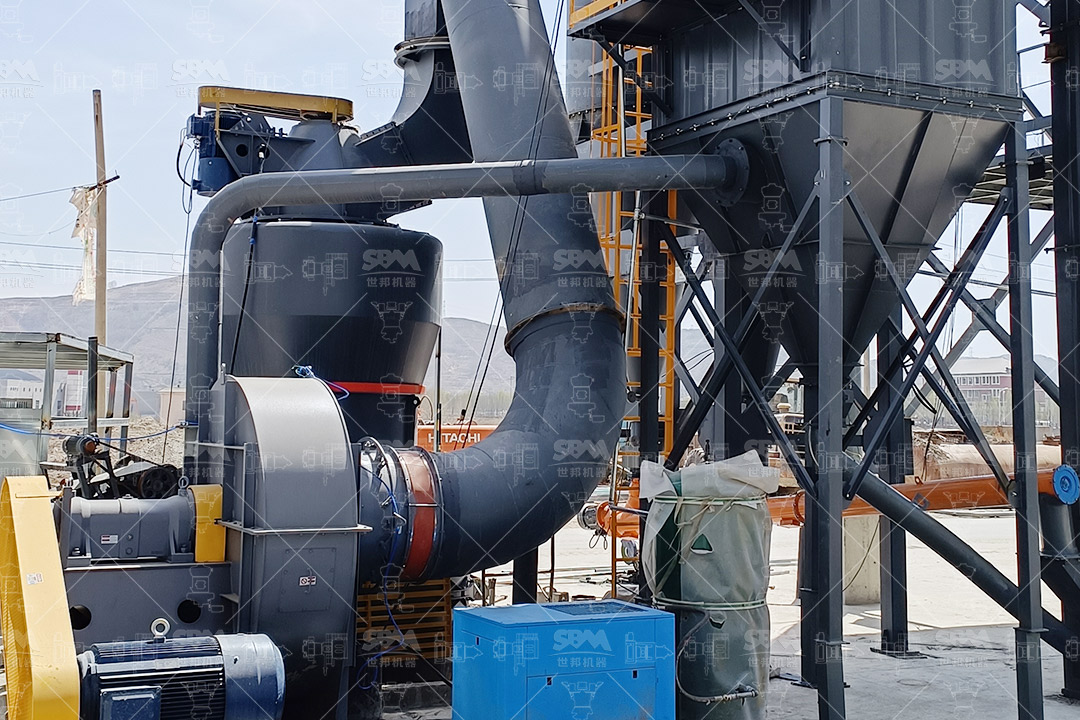
Core Grinding Equipment for Quicklime Powder
The milling stage defines the product’s quality. Here are the main types of mills used, each with its own advantages and optimal application range.
1. Hammer Mills for Pre-Grinding
Often used as a secondary crusher or for initial size reduction of calcined lime before fine grinding. They offer high reduction ratios and are capable of producing relatively fine powders (0-3mm). Their simple structure and low investment cost make them suitable for small to medium-scale operations or as part of a pre-grinding system.
2. Ball Mills for General Grinding
A traditional and robust solution for producing lime powder in the range of 0.074-0.8mm (approximately 200-20 mesh). Ball mills operate on the principle of impact and attrition as grinding media (steel balls) cascade inside a rotating cylinder. They are highly versatile and can handle both dry and wet grinding. However, they are generally less energy-efficient compared to more modern grinding systems, especially for producing finer powders, and have higher wear rates.
3. Raymond Mills (MTM/MTW Series)
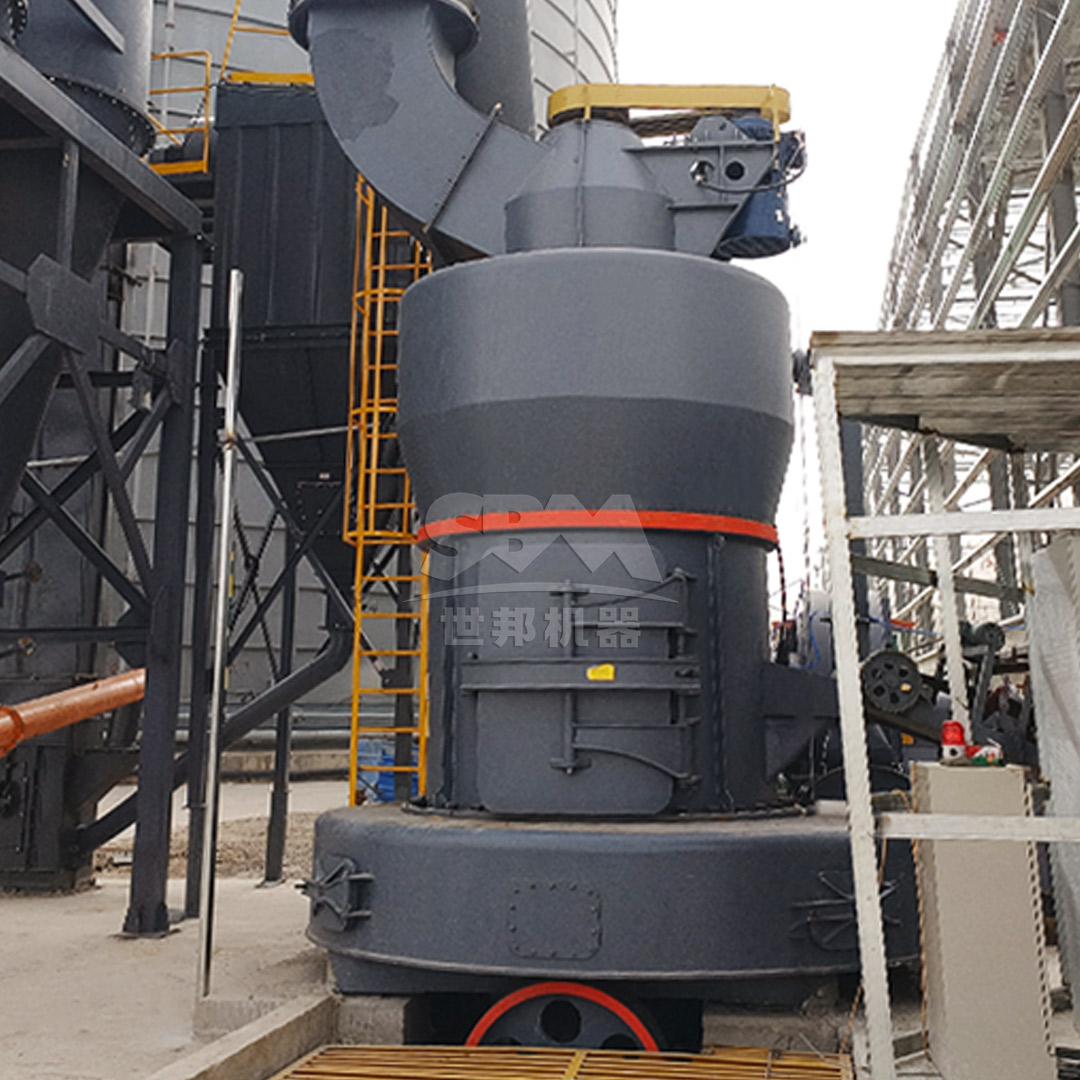
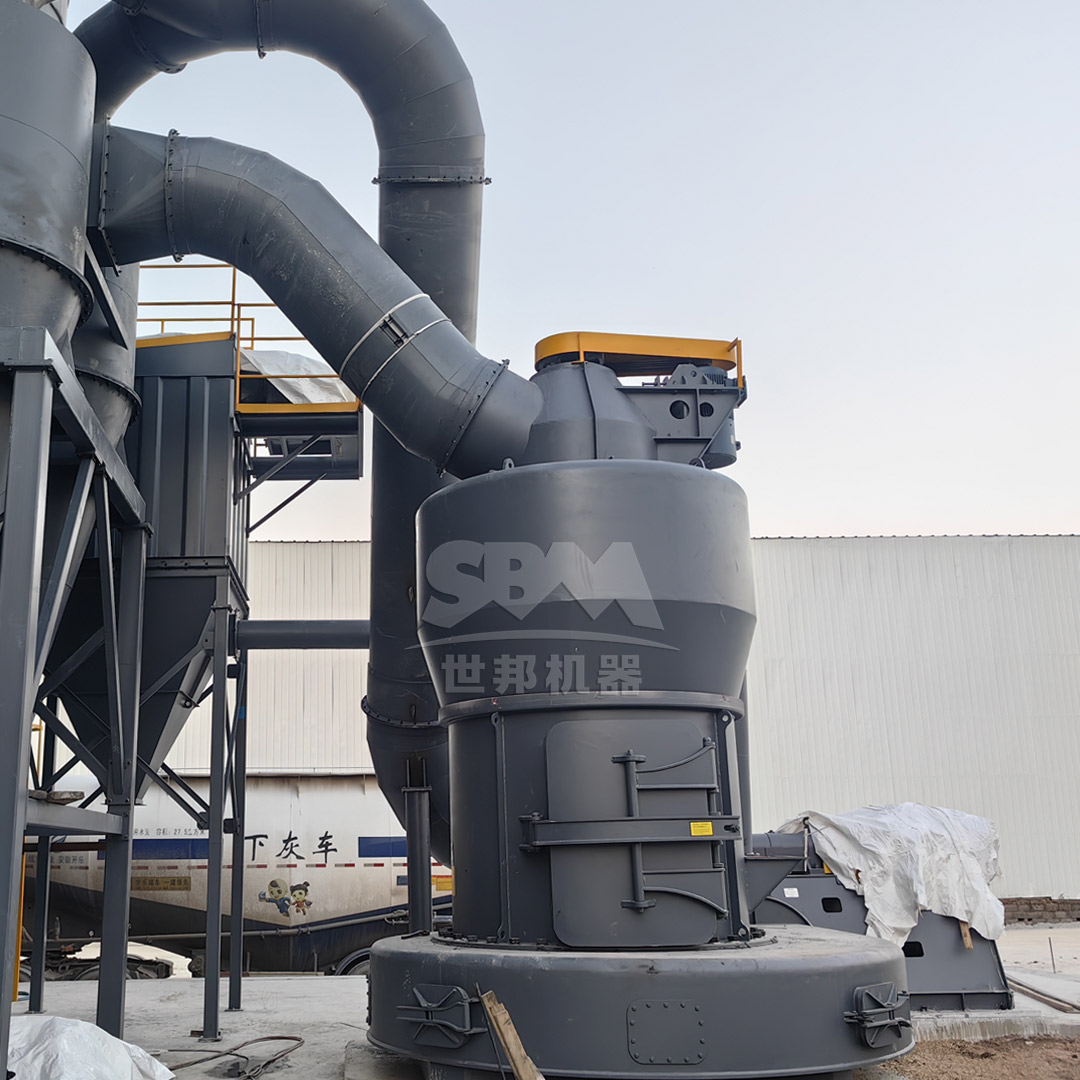
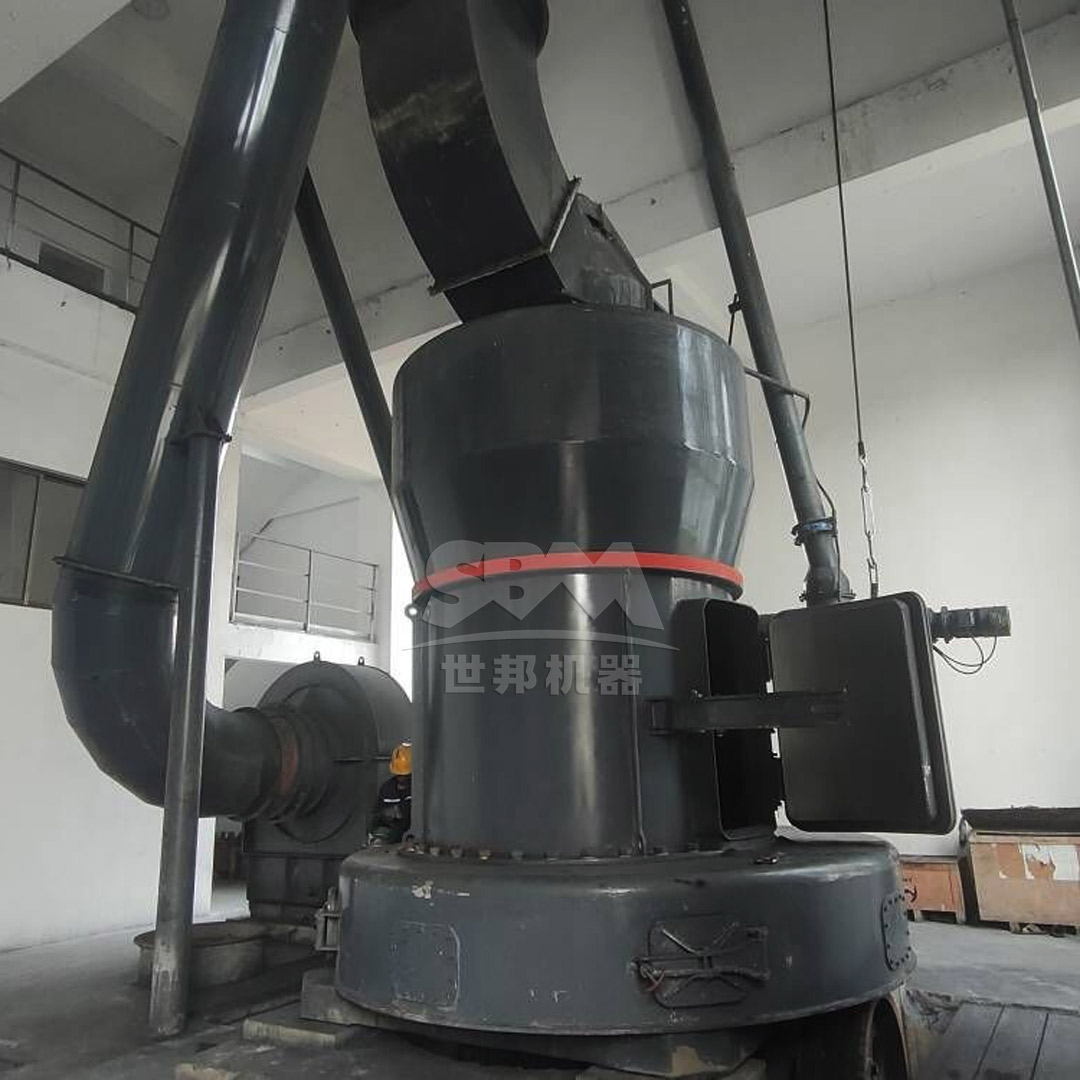
These are medium-speed, ring-roller milling systems that have been the industry standard for decades for producing powders in the 30-325 mesh (600-45μm) range. The MTW Series European Trapezium Mill represents an advanced evolution with significant improvements.
- Principle: Centrifugal force causes grinding rollers to swing outward and press against the grinding ring. A shovel blades scoop material into the grinding zone for compression and grinding.
- Advantages: Reliable, stable operation, wide fineness adjustment range, and lower initial cost than some advanced mills. The MTW Series, in particular, features innovations like curved air duct technology for lower energy loss, conical gear overall transmission for 98% efficiency, and wear-resistant volute structures, reducing maintenance costs by 30%.
- Typical Application: Ideal for producing quicklime powder for construction materials (like asphalt mixtures, dry mortar), soil stabilization, and desulfurization where ultra-fine sizes are not required.
4. Vertical Roller Mills (LM Series)
Vertical Roller Mills (VRMs) have become the preferred choice for large-scale production of medium-fine lime powders (30-325 mesh, with special models reaching 600 mesh). They are renowned for their exceptional energy efficiency and integrated design.
- Principle: Material is fed onto a rotating grinding table. Hydraulically loaded grinding rollers press down on the material bed, comminuting it by compression. A hot gas stream dries and transports the fine particles to an integrated classifier.
- Advantages:
- High Energy Efficiency: Can reduce specific energy consumption by 30-50% compared to ball mills.
- Integrated System: Combines grinding, drying, classifying, and conveying in a single unit, reducing footprint by up to 50%.
- Excellent Drying Capability: Can handle materials with residual moisture effectively using waste heat from the kiln.
- Low Noise & Emissions: Full negative pressure operation ensures dust emissions <20mg/m³.
- Typical Application: Perfect for high-tonnage applications such as supplying lime powder for power plant flue gas desulfurization (FGD), steelmaking, and large-scale construction projects.
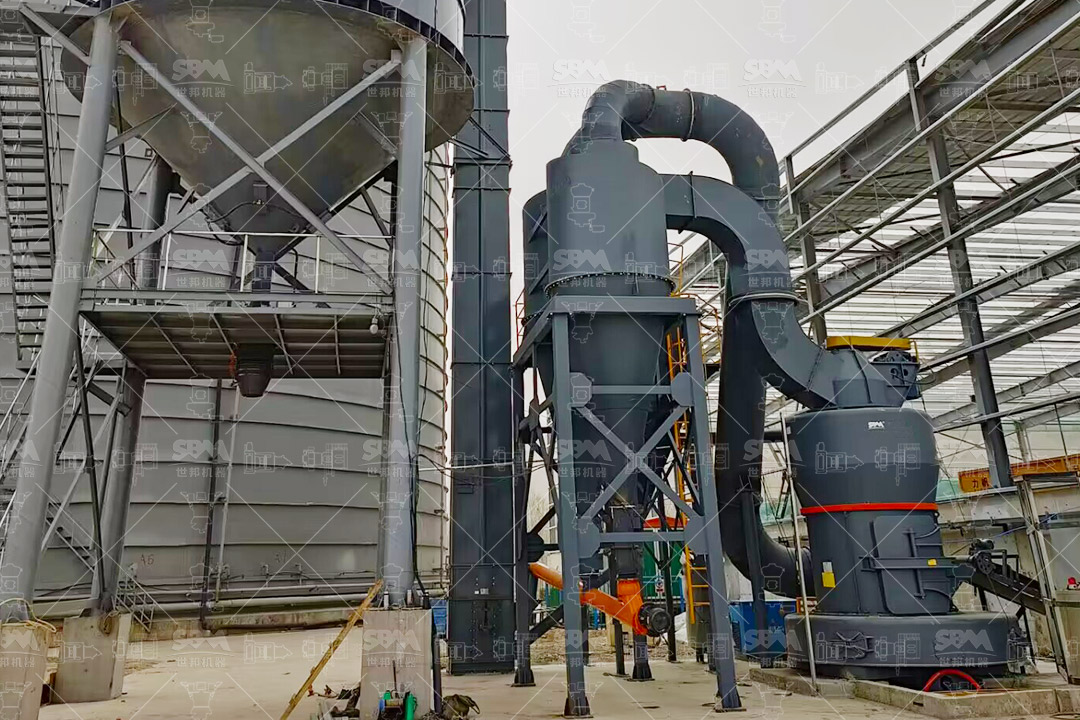
5. Ultrafine Grinding Mills (SCM Series)
For applications demanding the highest fineness, such as high-performance plastics, rubber, paints, and advanced chemical synthesis, ultrafine mills are essential. The SCM Ultrafine Mill is a leading technology in this category.
- Principle: It employs a multi-layer grinding ring and roller design. Material undergoes centrifugal dispersion and progressive grinding through multiple stages. A high-precision vertical turbine classifier ensures sharp particle size cuts.
- Advantages:
- Ultra-Fine Product: Capable of producing powder from 325 to 2500 mesh (45μm down to 5μm D97).
- High Efficiency & Energy Saving: Its design yields twice the capacity of jet mills while reducing energy consumption by approximately 30%.
- Superior Product Uniformity: The precision classifier prevents coarse particles from contaminating the final product, ensuring a narrow particle size distribution.
- Durable & Eco-friendly: Special alloy grinding components extend service life. The pulse dust collector exceeds international standards, and soundproofing keeps noise levels ≤75dB.
- Product Recommendation: For producers aiming to enter high-value markets requiring ultrafine quicklime or hydrated lime, the SCM Ultrafine Mill is an outstanding solution. For instance, the SCM1000 model, with a main motor power of 132kW, offers a flexible capacity range of 1.0-8.5 tons per hour, making it suitable for both pilot plants and dedicated production lines for specialty chemicals.
Key Selection Criteria for Lime Grinding Equipment
Choosing the right mill requires a careful analysis of several factors:
- Required Product Fineness: This is the primary driver. Define your target particle size (D50, D97) and distribution.
- Production Capacity (TPH): Match the mill’s throughput range to your plant’s annual output goals, considering both current and future needs.
- Moisture Content: Quicklime is typically dry, but if processing hydrated lime or dealing with atmospheric moisture, a mill with good drying capability (like a VRM) is beneficial.
- Energy Consumption: Operating cost is dominated by power. VRMs and ultrafine mills generally offer better kWh/ton metrics than traditional ball mills for their respective fineness ranges.
- Total Investment & Operating Cost: Consider not just the equipment price, but also installation costs, wear part consumption, maintenance complexity, and required manpower.
- Environmental Regulations: Ensure the milling system, especially its dust collection component, can achieve local emission standards (e.g., <20mg/Nm³).
- Automation Level: Modern mills with PLC control systems offer stable operation, consistent quality, and reduced labor costs.
| Mill Type |
Optimal Fineness Range |
Key Strength |
Consideration |
| Ball Mill |
0.8mm – 0.074mm |
Robust, Versatile (Dry/Wet) |
Higher energy use, wear |
| Raymond Mill (MTW) |
45μm – 0.038mm (325-400 mesh) |
Cost-effective, Stable |
Limited to fine (not ultra-fine) |
| Vertical Roller Mill (LM) |
45μm – 0.038mm (up to 600 mesh) |
Most Energy Efficient, Large Capacity |
Higher initial investment |
| Ultrafine Mill (SCM) |
45μm – 5μm (325-2500 mesh) |
Extreme Fineness, High Product Value |
For specialized applications |
Conclusion and Final Recommendation
The landscape of quicklime powder production equipment offers a solution for every need, from coarse fillers to ultra-fine functional powders. While traditional mills like ball mills and Raymond mills remain viable for specific applications, the industry trend is decisively moving towards more integrated, energy-efficient, and environmentally friendly technologies like Vertical Roller Mills and Ultrafine Grinding Systems.
For most industrial-scale operations aiming for high quality and low operating costs in the fine to medium-fine range, the LM Series Vertical Roller Mill stands out as a top-tier recommendation. Its unparalleled energy savings, large capacity, and ability to produce a consistent product make it a future-proof investment. For example, the LM190K model, with a 500kW main motor, can process 23-68 tons per hour to a fineness of 80-400 mesh, perfectly serving major industrial consumers like steel plants or FGD systems.
Ultimately, partnering with an experienced equipment supplier who can provide not only the machinery but also comprehensive process design, installation support, and after-sales service is crucial for building a successful and profitable quicklime powder production line.