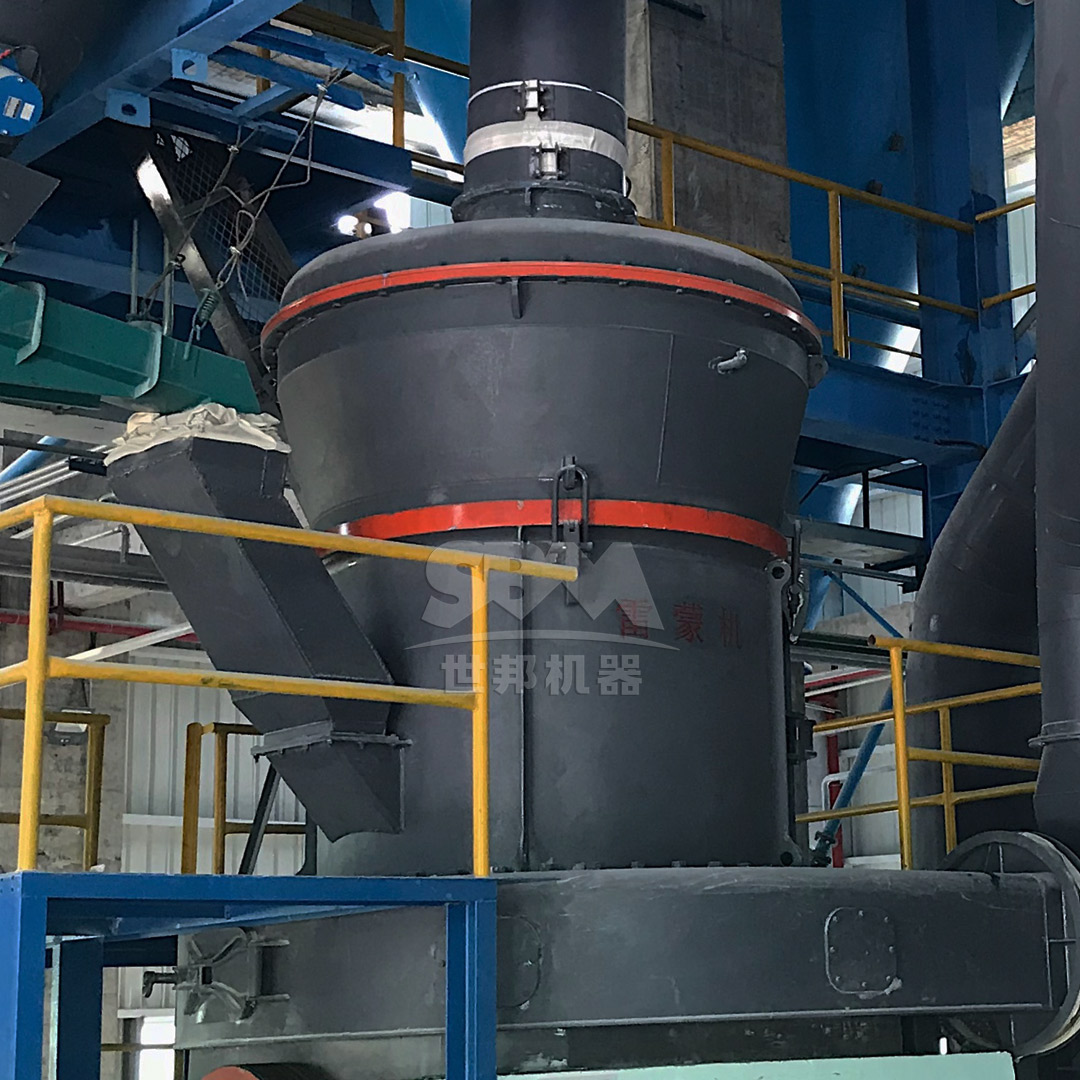
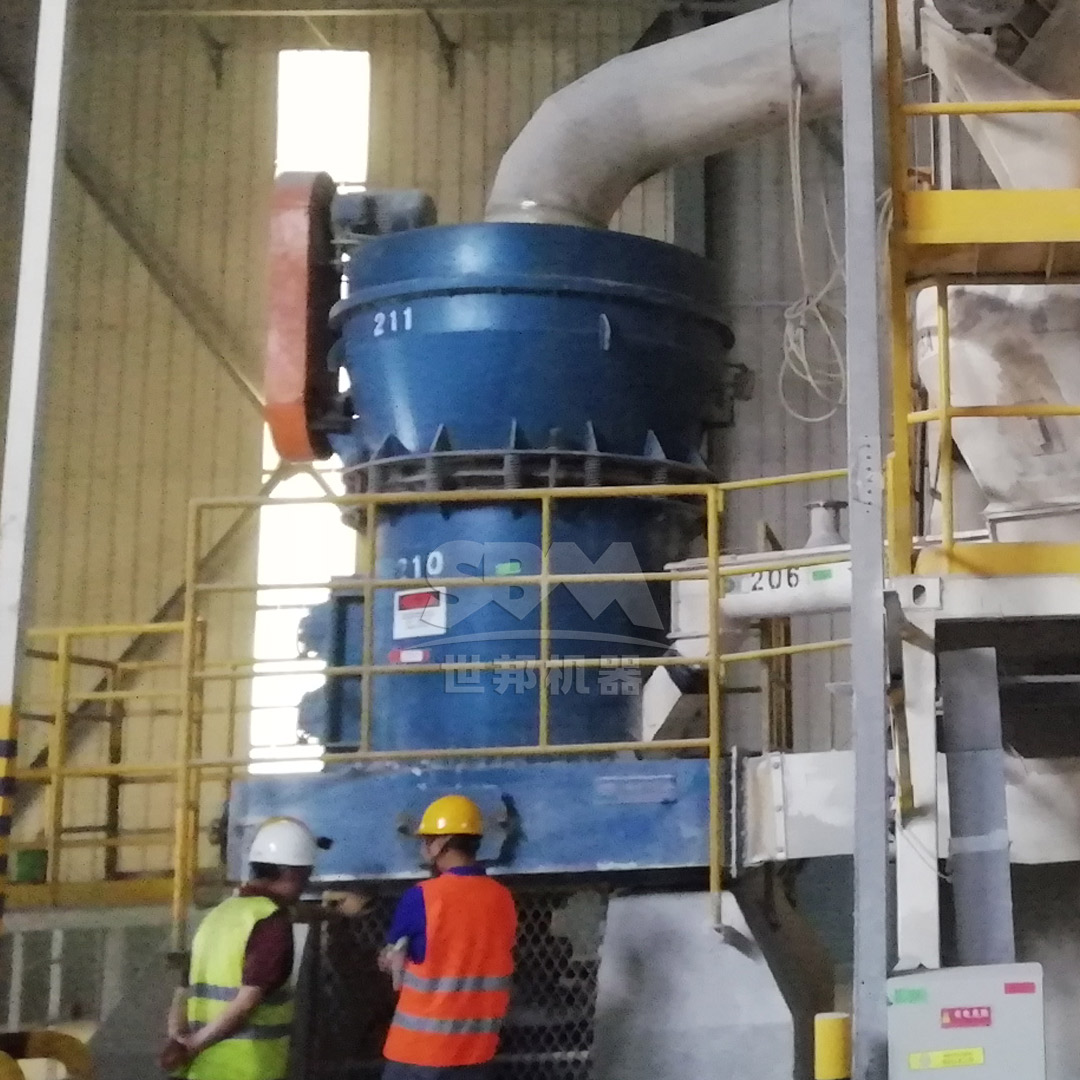
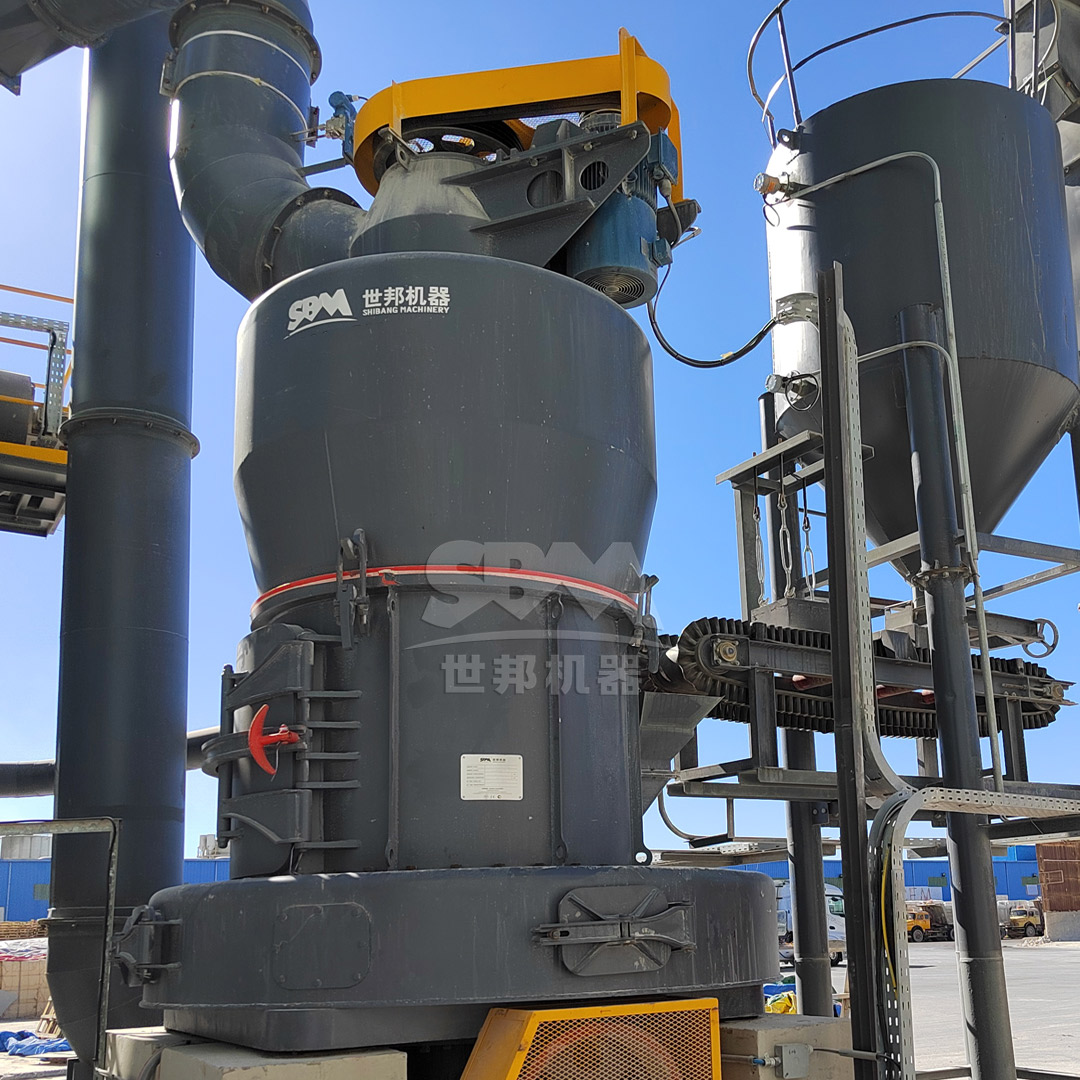
Quicklime (Calcium Oxide, CaO), a cornerstone material in construction, metallurgy, chemical manufacturing, and environmental remediation, is produced by calcining limestone (Calcium Carbonate, CaCO₃) at high temperatures. The efficiency, quality, and profitability of a quicklime production line are heavily dependent on the selection and configuration of downstream processing equipment. After calcination, raw quicklime often requires crushing, grinding, and classification to meet specific particle size and purity requirements for diverse industrial applications. This guide provides a comprehensive overview of key processing equipment, focusing on technological principles, selection criteria, and strategies for optimizing production efficiency and product quality.
The transformation of calcined lime into a marketable product typically involves several mechanical stages:
Selecting the right grinding mill is critical for achieving target fineness, capacity, and energy efficiency. The choice depends primarily on the desired output particle size.
This range is common for construction materials, steelmaking flux, and soil stabilization. High-capacity, robust mills are preferred.
| Equipment Type | Typical Output Range | Key Advantage | Ideal Application |
|---|---|---|---|
| MTW Trapezium Mill | 30-325 mesh | High reliability, low wear cost | Steel flux, construction lime |
| LM Vertical Roller Mill | 30-325 mesh (up to 600 mesh) | Integrated system, lowest energy use | Large-scale plant base powder |
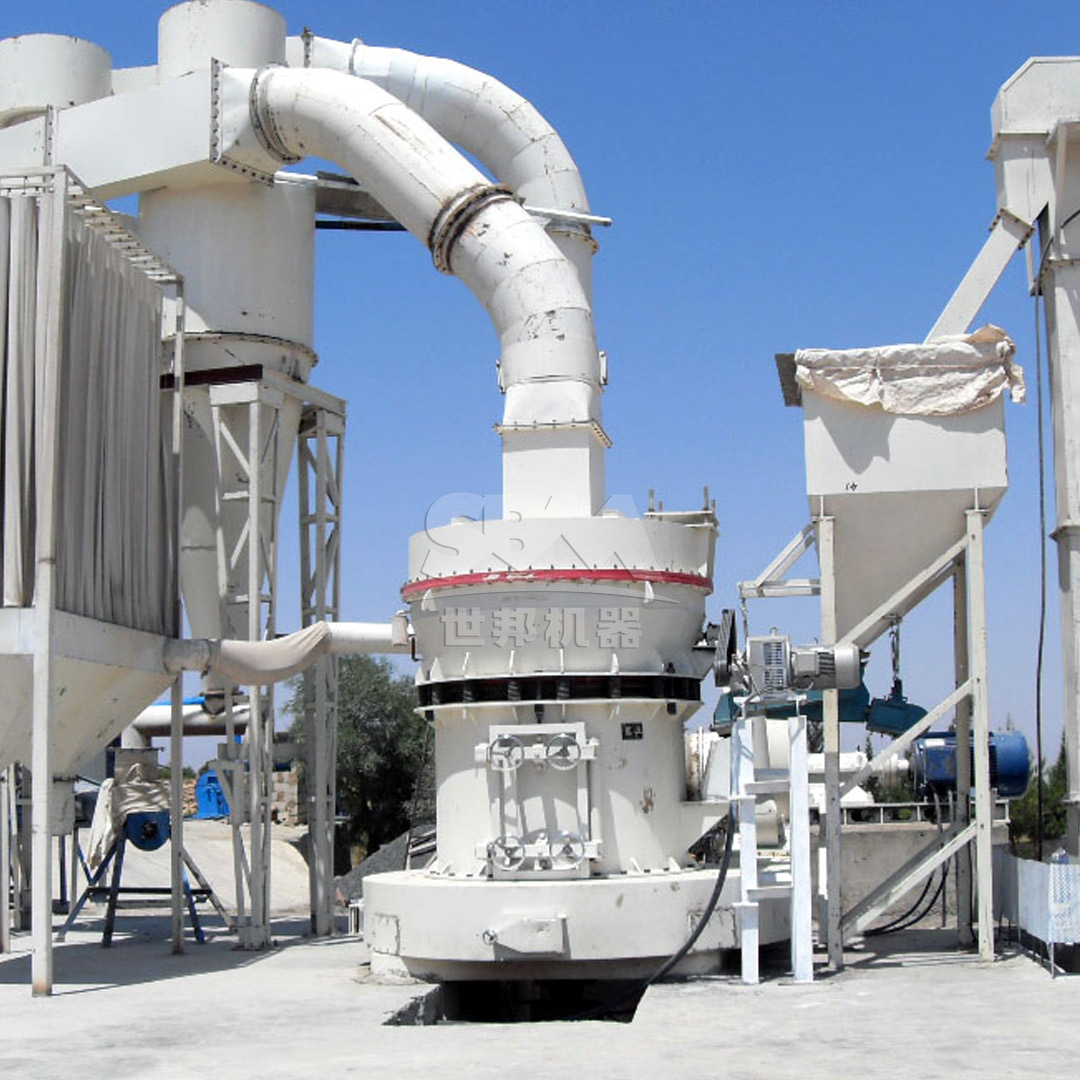
Producing ultrafine quicklime adds tremendous value, enabling its use in high-purity chemicals, advanced plastics, pharmaceuticals, and sophisticated environmental sorbents. This demands precision grinding technology.
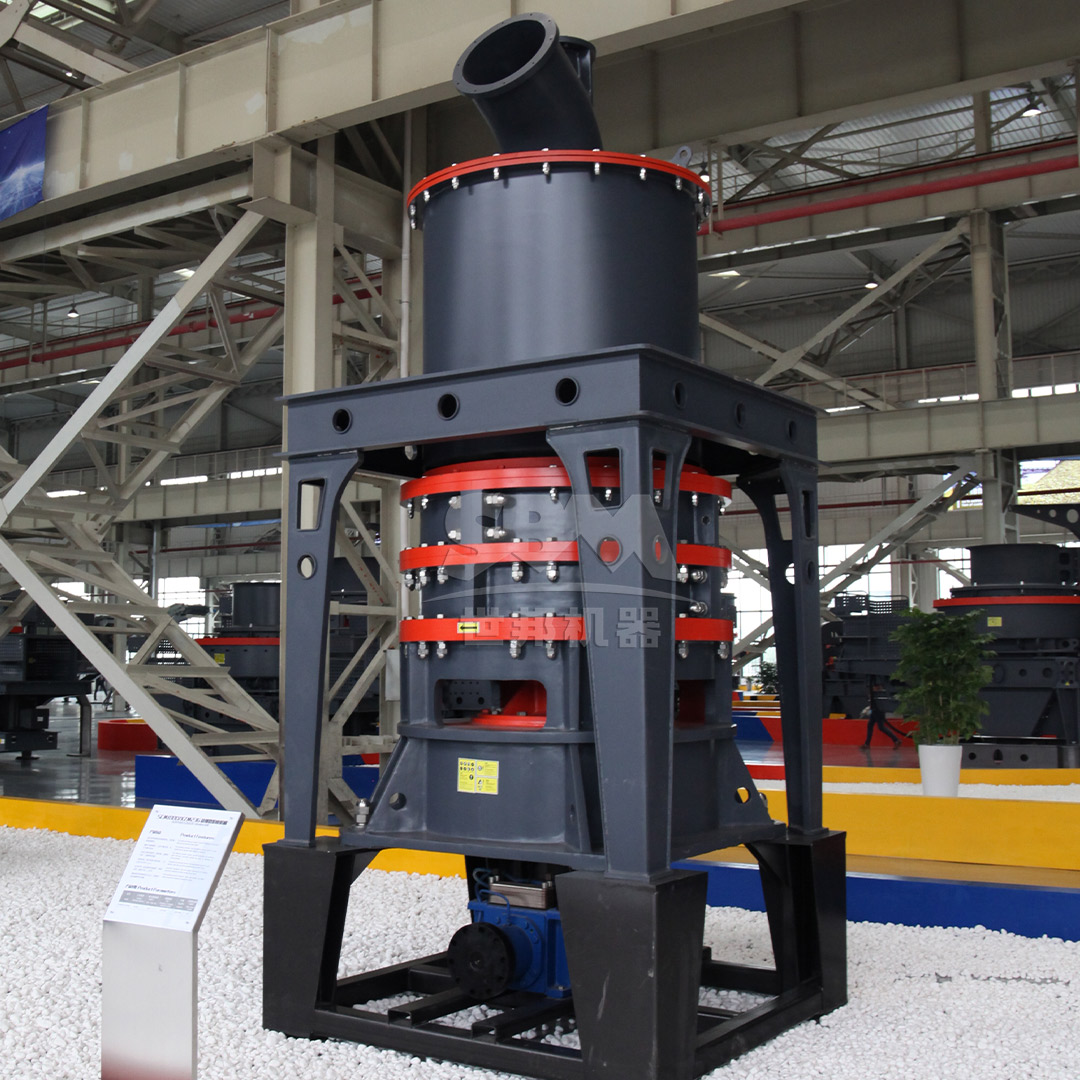
For operations targeting the high-value ultrafine quicklime market, the SCM Series Ultrafine Mill is a premier solution. Engineered for precision and efficiency, it excels in producing powders between 325 and 2500 mesh (45-5μm).
Its technical advantages are particularly relevant for quicklime:
Working Principle: The main motor drives the grinding rings to rotate. Quicklime feed is centrifugally dispersed into the grinding path and is subjected to layer-by-layer compression grinding between the rollers and rings. The finely ground powder is then separated by the classifier and collected by the cyclone and pulse dust removal system.
| Model | Capacity (t/h) | Main Power (kW) | Output Fineness |
|---|---|---|---|
| SCM800 | 0.5 – 4.5 | 75 | 325 – 2500 mesh |
| SCM900 | 0.8 – 6.5 | 90 | |
| SCM1000 | 1.0 – 8.5 | 132 | |
| SCM1250 | 2.5 – 14 | 185 | |
| SCM1680 | 5.0 – 25 | 315 |
Before fine grinding, quicklime lumps need size reduction. Hammer mills offer high reduction ratios and are capable of handling the moderately abrasive quicklime. Models like the PC4012-90, with a capacity of 15-40 t/h and high manganese steel liners, provide a reliable and cost-effective primary crushing solution.
In large-scale cement or lime plants, using a pre-grinding mill like the LM-Y Vertical Pre-grinding Roller Mill before the ball mill can dramatically increase overall system output and reduce energy consumption by 30-50%. It utilizes a bed grinding principle to pre-crush clinker or limestone, making it an excellent choice for optimizing existing circuits or designing new high-efficiency lines.
An optimal layout goes beyond equipment selection. Key considerations include:
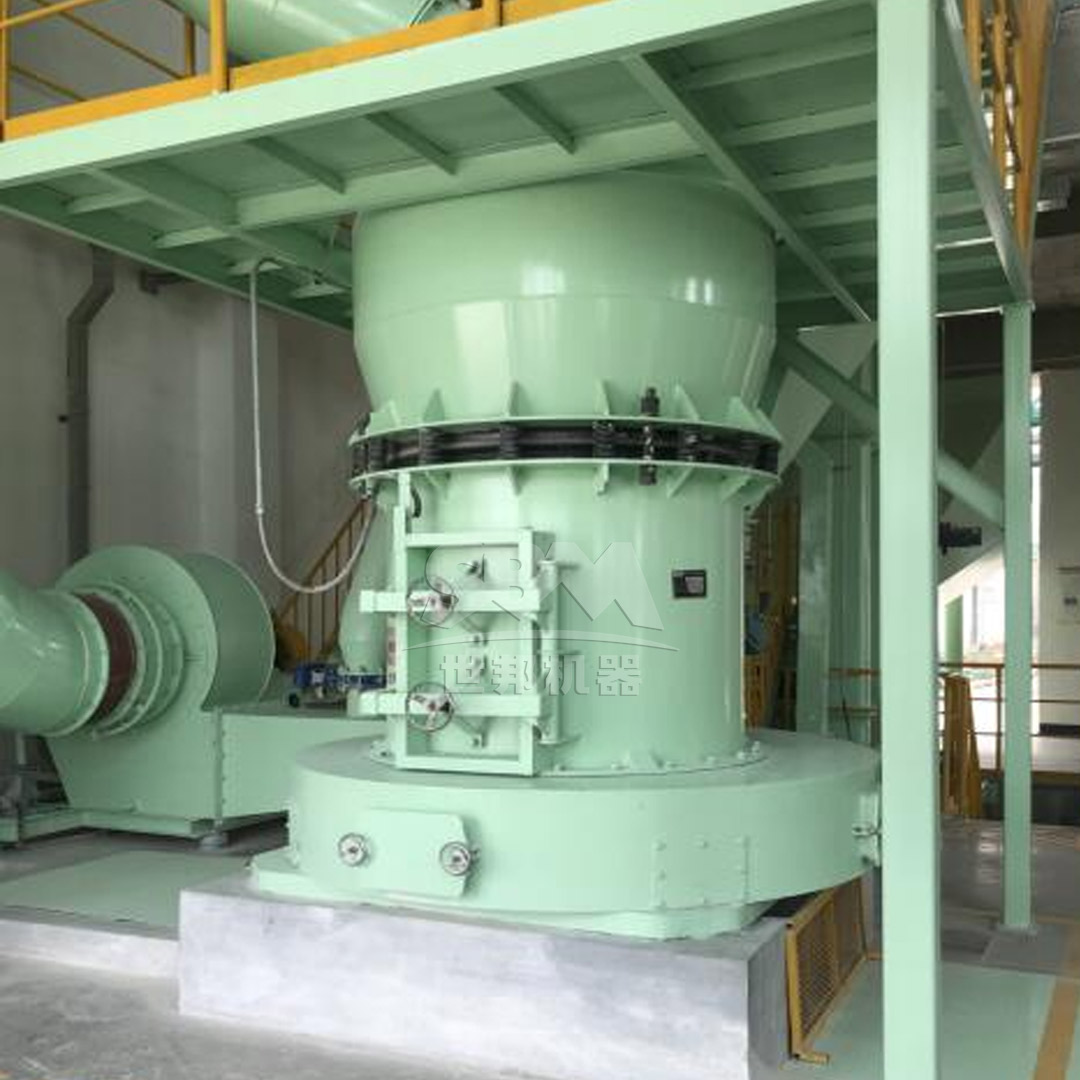
The journey from calcined lime to a refined product is defined by precision engineering. From the high-volume efficiency of the LM Vertical Roller Mill for base powders to the exceptional fineness control of the SCM Ultrafine Mill for premium markets, selecting the right technology stack is paramount. By understanding the capabilities of modern grinding and classification equipment—such as their energy-saving designs, intelligent controls, and environmental features—producers can build quicklime processing lines that are not only highly efficient and profitable but also sustainable and adaptable to future market demands. Investing in the correct equipment from the outset is the most reliable strategy for securing a competitive edge in the global quicklime industry.