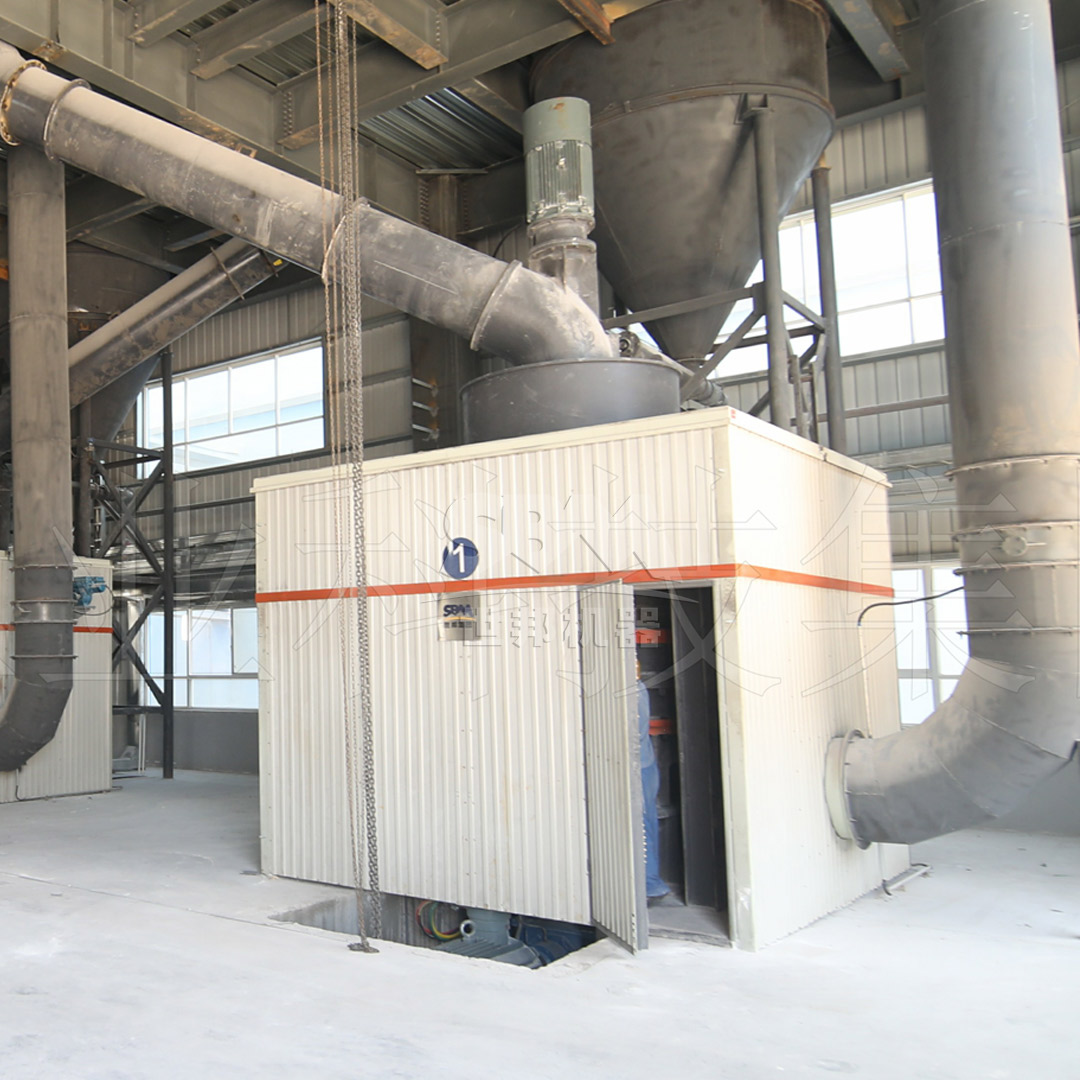
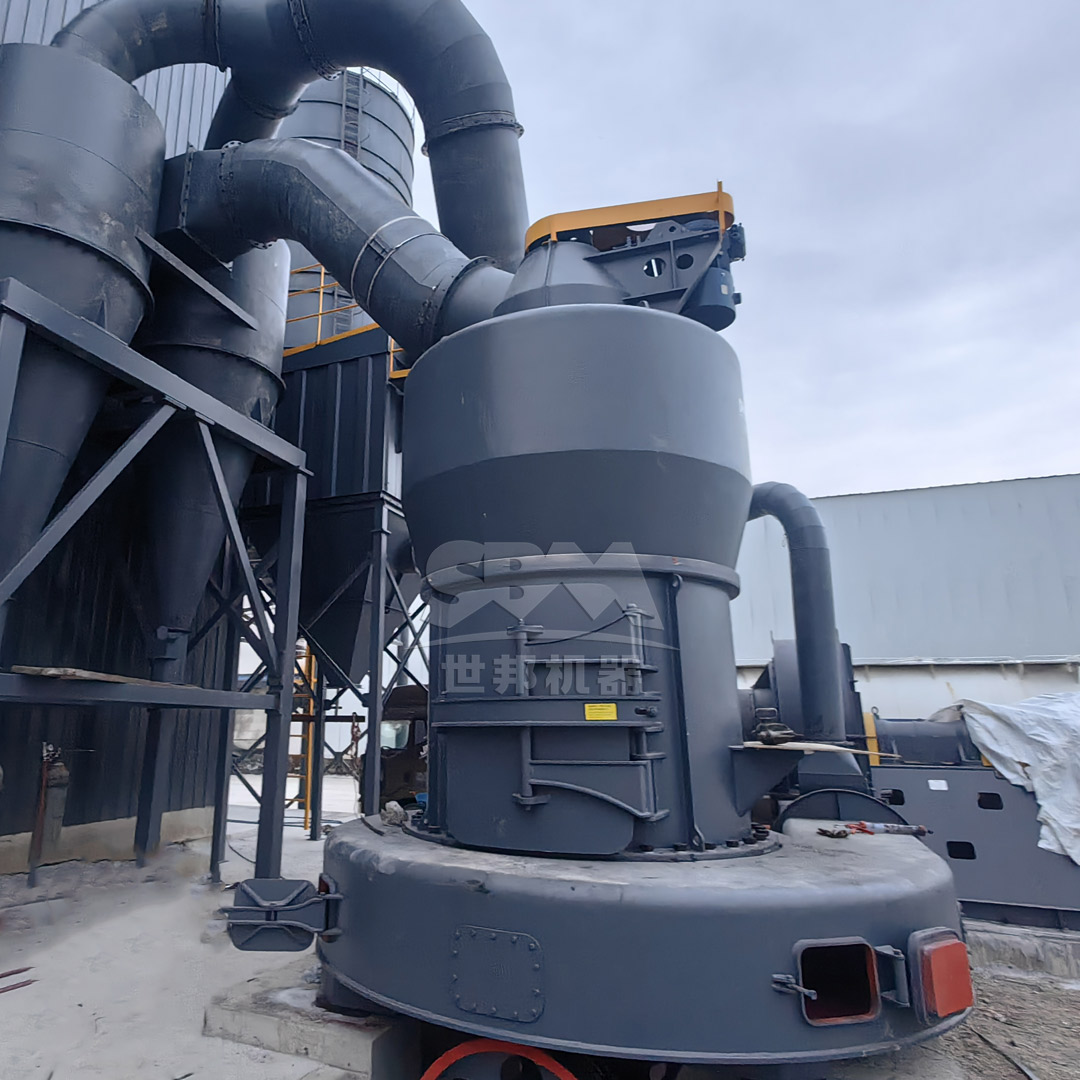
Sepiolite, also known as meerschaum, is a complex magnesium silicate clay mineral with a unique fibrous structure and high surface area. Its exceptional properties, including high adsorption capacity, excellent rheological characteristics, and thermal stability, make it a valuable material in numerous industries such as pet litter, drilling fluids, catalysts, pharmaceuticals, and environmental remediation. The processing of raw sepiolite ore into high-value powders is a critical step that directly impacts the final product’s performance. This guide provides a comprehensive overview of the grinding and processing equipment essential for transforming sepiolite into various fineness grades, from coarse fillers to ultrafine functional powders.
Selecting the appropriate grinding equipment for sepiolite is not a one-size-fits-all decision. Several factors must be carefully evaluated to ensure optimal efficiency, product quality, and cost-effectiveness.
The required final particle size is the primary driver for equipment selection. Sepiolite applications range from coarse granules (for cat litter) to fine powders (for rheological modifiers) and ultrafine particles (for high-surface-area adsorbents). Equipment must deliver not only the target top size but also a consistent and narrow particle size distribution (PSD) for uniform product performance.
Raw sepiolite often contains significant moisture. An integrated drying-grinding system or a separate pre-drying stage may be necessary. Some advanced mills can handle materials with moderate moisture by introducing hot air during the grinding process, combining drying and size reduction in one step.
Unlike brittle minerals, sepiolite’s value often lies in its acicular (needle-like) morphology. The grinding process should aim to liberate and separate these fibers without excessive breakage, which can degrade its rheological properties. Equipment that utilizes shear and attrition forces is often preferred over pure impact crushing.
The required throughput, from pilot-scale batches to large-scale continuous production, dictates the size and model of the equipment. The system should be scalable and allow for future expansion.
Grinding is an energy-intensive operation. Selecting a mill with high grinding efficiency and low specific energy consumption (kWh/ton) is crucial for long-term economic viability. Maintenance costs and wear part longevity are also key factors.
Dust control is paramount. A fully enclosed, negative-pressure grinding system with an efficient dust collection unit (e.g., pulse jet bag filter) is essential to protect the workplace and meet environmental regulations. Low-noise operation is also a significant consideration.
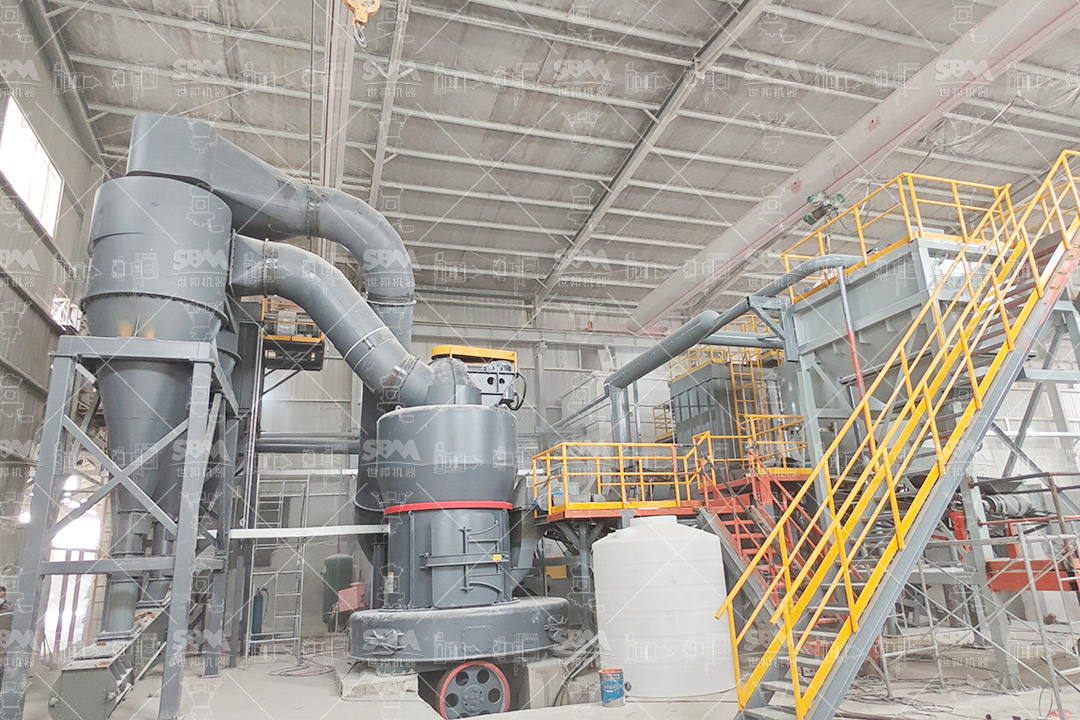
Based on the target output fineness, the following equipment hierarchy is recommended for sepiolite processing.
Before fine grinding, large chunks of raw sepiolite ore need to be reduced to a manageable feed size for downstream mills.
This range covers many industrial filler and carrier applications.
| Model | Capacity (t/h) | Output Fineness | Main Power (kW) |
|---|---|---|---|
| MTW138Z | 6-17 | 10-325 mesh | 90 |
| MTW175G | 9.5-25 | 10-325 mesh | 160 |
| MTW215G | 15-45 | 10-325 mesh | 280 |
For high-value applications requiring extreme fineness and high surface area.
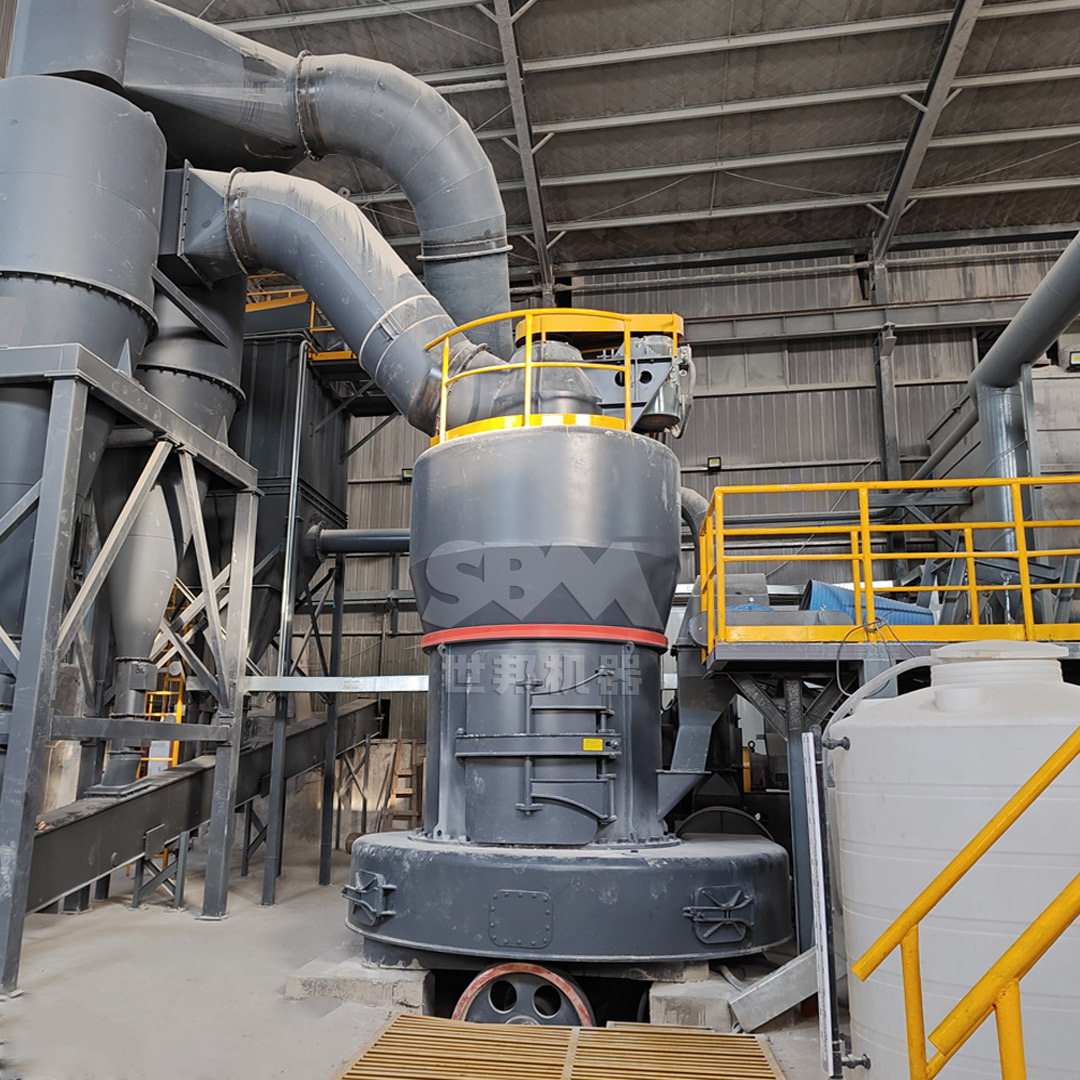
A complete sepiolite processing line involves more than just a grinding mill.
Vibrating feeders or screw feeders ensure a stable and controlled feed rate into the mill, which is critical for stable operation and consistent product quality.
If the raw material moisture is too high for the selected mill, a rotary dryer or paddle dryer is used for pre-drying.
While many mills have internal classifiers, external air classifiers or vibrating screens may be used for precise particle size separation or to remove oversize material.
A pulse-jet baghouse dust collector is standard. It captures product fines, ensures clean exhaust air, and allows for product recovery, improving overall yield.
Automatic valve baggers or big bag stations for final product packaging.
A centralized PLC control panel allows for automated operation, monitoring of key parameters (current, temperature, pressure), and interlocking of equipment for safety and efficiency.
A typical, efficient process flow for producing fine sepiolite powder is as follows:
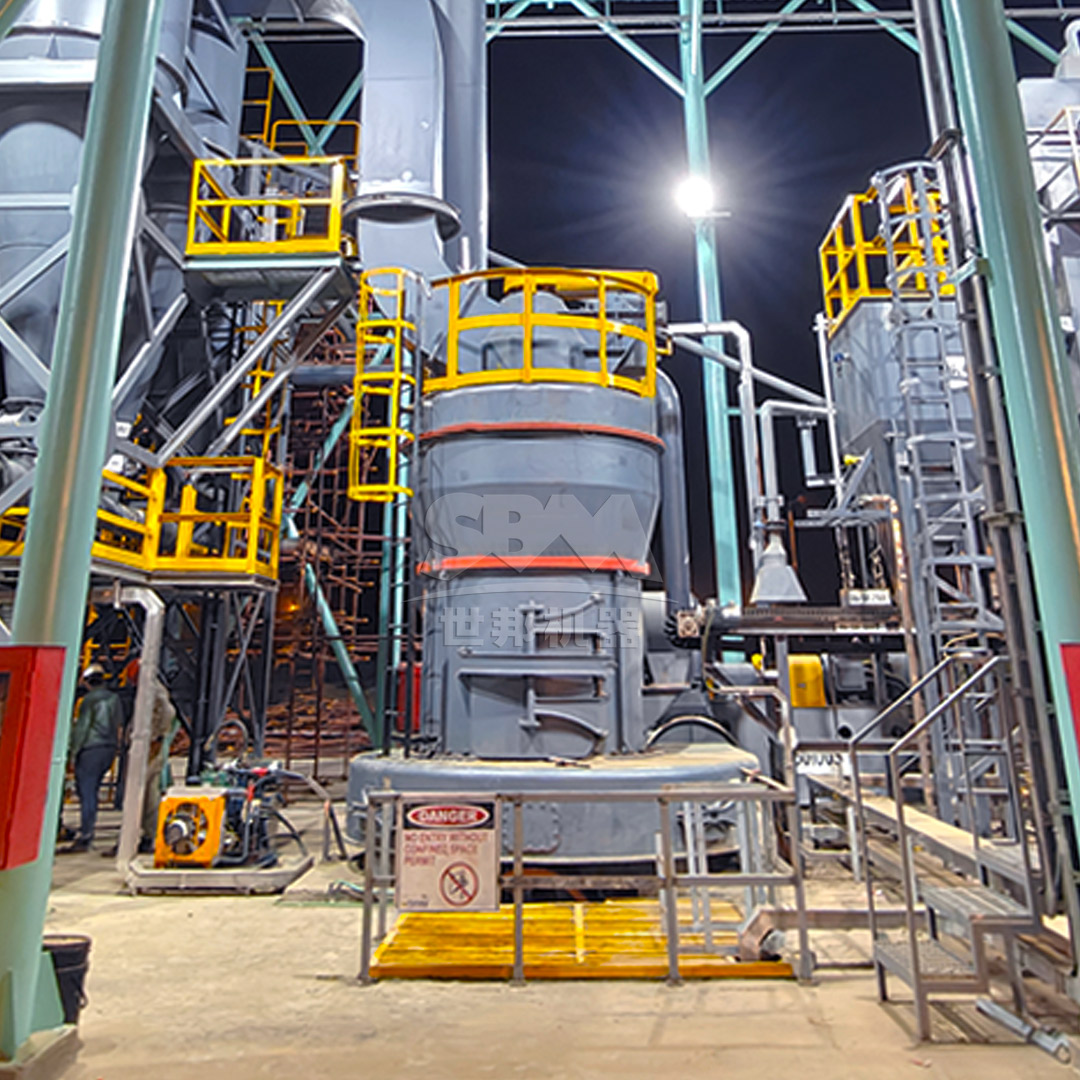
The successful processing of sepiolite into a high-quality functional powder hinges on selecting the right grinding technology. The choice must align with the target product specifications, production scale, and economic goals. For fine grinding applications (30-325 mesh), the MTW Series European Trapezium Mill offers unparalleled efficiency and reliability. For producing ultra-high-value, superfine sepiolite powders (325-2500 mesh), the SCM Series Ultrafine Mill stands out as the technology of choice, delivering precise classification, energy savings, and superior product uniformity. By integrating the appropriate primary crusher, grinding mill, and auxiliary systems into a well-designed process flow, producers can maximize the value of their sepiolite resources and meet the stringent demands of modern industrial markets.