Sepiolite, also known as meerschaum, is a versatile clay mineral prized for its high surface area, porosity, and adsorption capacity. Its applications span diverse industries, including absorbents, catalysts, pharmaceuticals, cosmetics, and functional fillers in polymers and paints. The commercial value of sepiolite is intrinsically linked to its particle size distribution and purity. Therefore, selecting the appropriate grinding mill is paramount for achieving efficient, high-quality, and cost-effective production. This article delves into the critical considerations for sepiolite grinding and highlights advanced milling solutions that can optimize your production line.
Grinding sepiolite presents unique challenges due to its fibrous and porous structure. Traditional grinding equipment often struggles to achieve the desired ultra-fine particle size (often below 10μm) while maintaining the mineral’s inherent crystal structure and surface properties. Over-grinding can damage the fibrous morphology, reducing its performance in key applications. Furthermore, sepiolite’s low hardness can lead to packing and clogging issues in certain mill types. Key challenges include:
| Challenge | Impact on Production | Solution Requirement |
|---|---|---|
| Structure Preservation | Degraded product performance | Gentle, layered grinding mechanism |
| Ultra-Fine Output | Market specification compliance | High-precision internal classification |
| Heat Generation | Product quality loss | Efficient cooling & air-flow system |
| High Energy Use | Elevated operational costs | High-efficiency drive & grinding design |
| Dust Emission | Environmental & safety hazards | Fully sealed system with advanced dust collection |
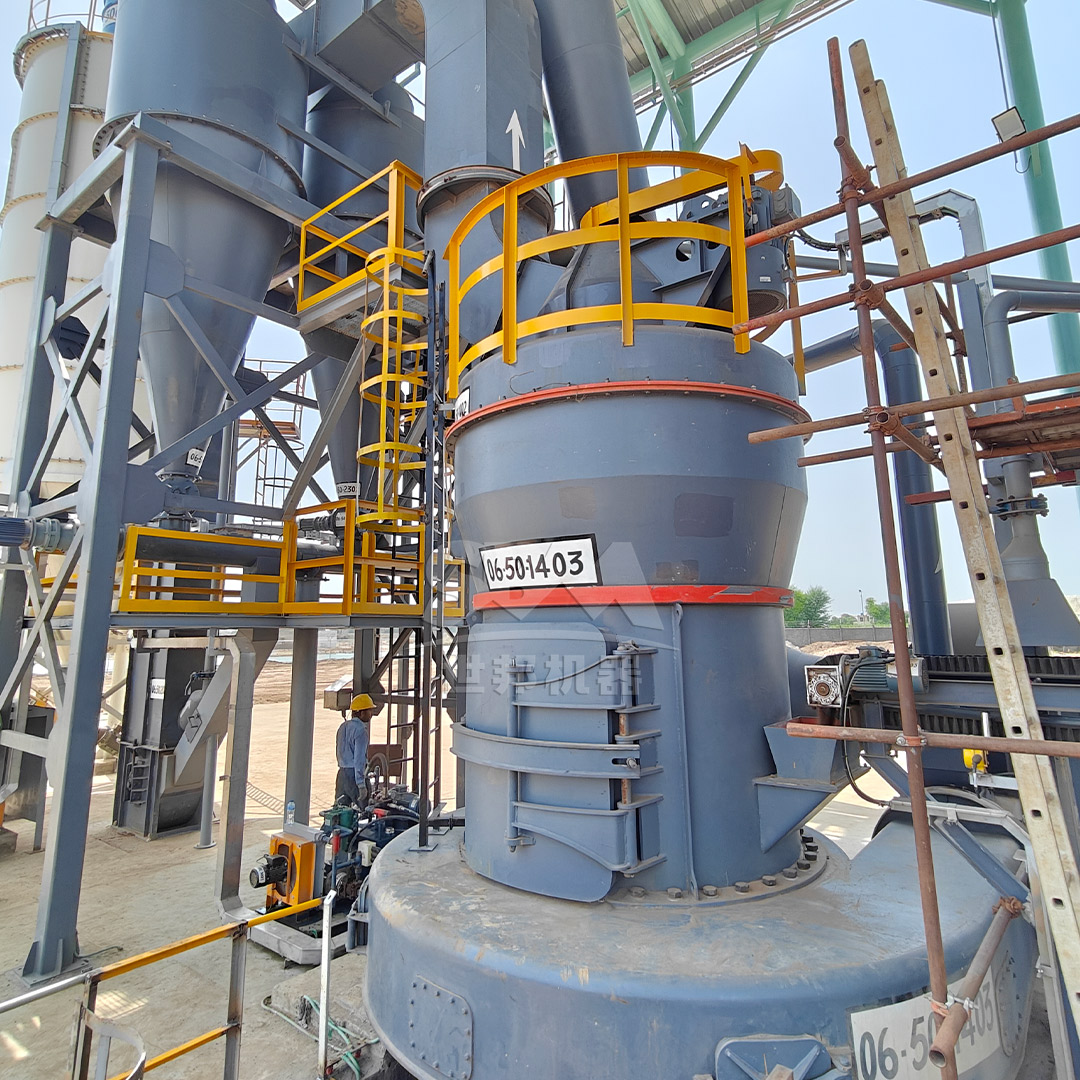
Modern grinding technology offers several solutions tailored to the mineral’s characteristics. The ideal sepiolite mill should combine a gentle yet effective grinding action with precise classification and efficient dust collection.
For high-value applications requiring superfine sepiolite powder (D97 ≤ 5μm), specialized ultra-fine mills are indispensable. These mills move beyond simple crushing to a combination of compression, shear, and impact forces, effectively separating the fibrous bundles into individual fibrils.
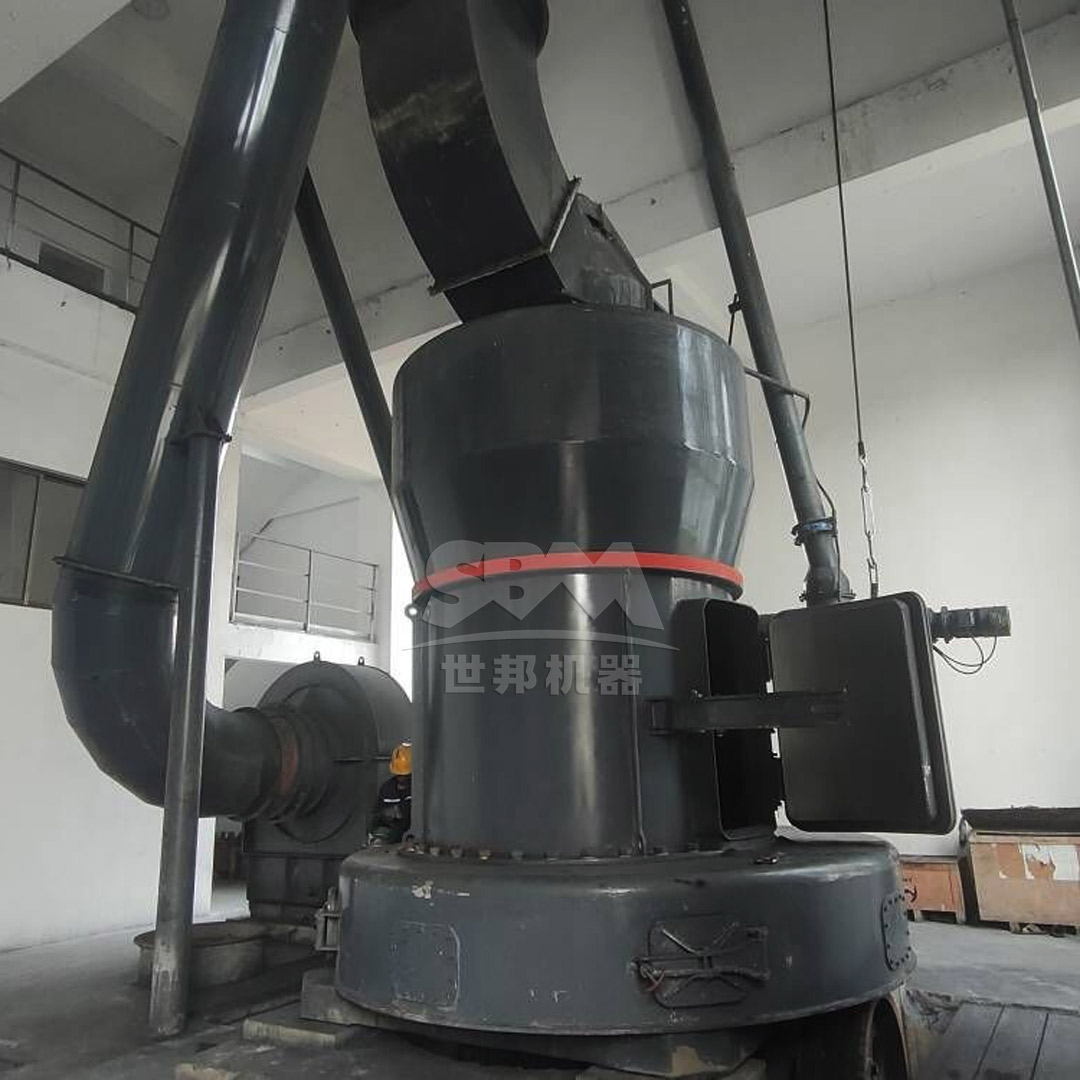
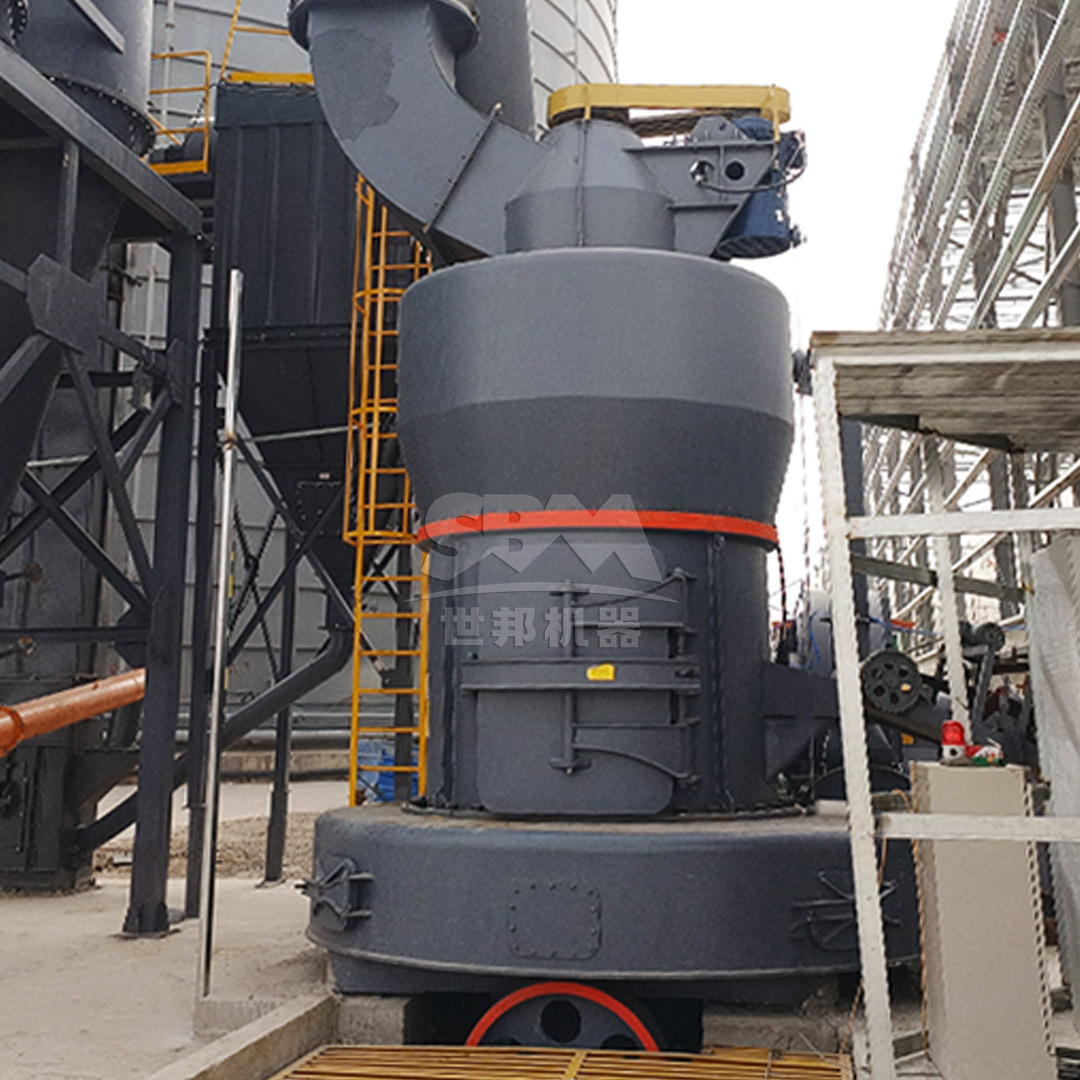
A prime example of technology engineered for this purpose is our SCM Ultrafine Mill. This mill is specifically designed for materials like sepiolite that demand ultra-fine output and structural preservation.
The SCM series operates on a layered grinding principle. The main motor drives multiple grinding rings to rotate. Material is fed into the mill and dispersed by centrifugal force into the grinding path, where it is progressively crushed between rollers and rings. The final fine powder is collected by a cyclone and a pulse dust removal system. With models like the SCM800 (0.5-4.5 t/h) to the SCM1680 (5.0-25 t/h), it offers a scalable solution for various production needs, handling feed sizes up to 20mm and producing powder from 325 to 2500 mesh.
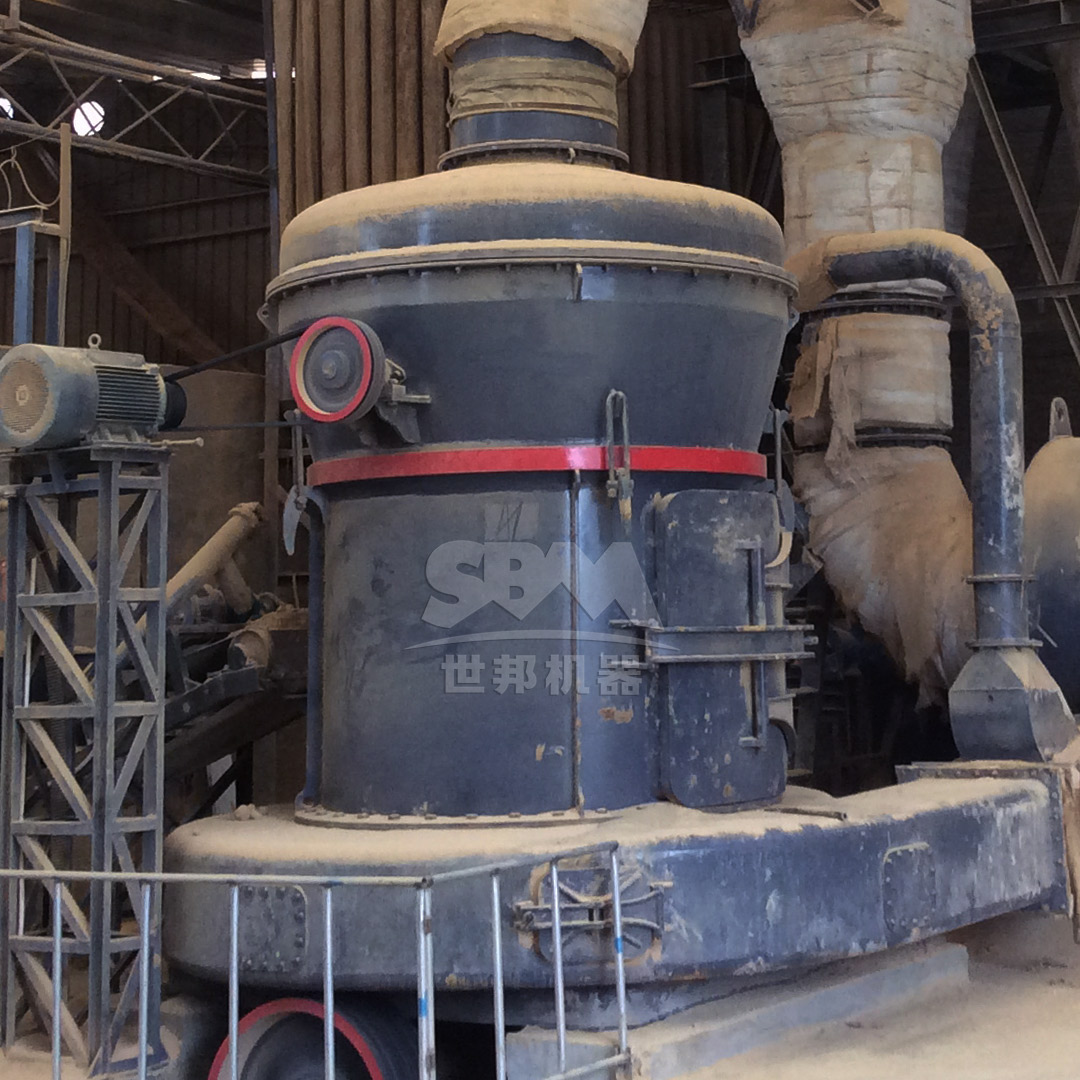
For applications where the target fineness is between 30-325 mesh (600-45μm), robust and high-capacity roller mills are highly effective. These mills excel in producing consistent powder at high throughput rates, making them suitable for large-scale sepiolite processing for fillers and carriers.
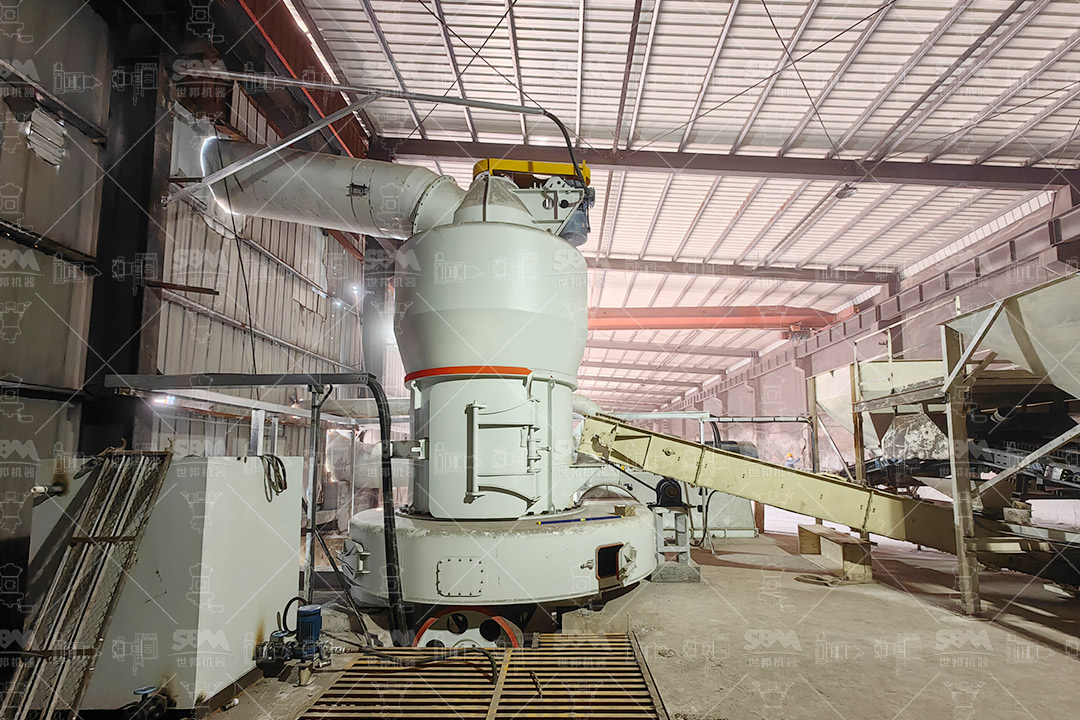
Our MTW Series Trapezium Mill represents a top-tier choice in this category. It incorporates European technological advancements for reliability and efficiency.
In the MTW mill, the main motor drives the grinding rollers to revolve around the central axis while rotating on their own axis. Shovels throw the material into the space between the grinding ring and rollers, forming a material bed that is crushed by rolling pressure. An integrated classifier ensures precise control over the final product size. With models ranging from the MTW110 (3-9 t/h) to the high-capacity MRN218 (15-45 t/h), this series can handle feed sizes up to 50mm, offering tremendous flexibility.
An efficient sepiolite powder production line involves more than just the grinding mill. A holistic system approach is necessary.
Primary crushing of raw sepiolite lumps to below 20-30mm using a jaw crusher or hammer mill ensures stable and efficient feeding into the main grinding mill, protecting the mill’s internal components.
Since sepiolite often contains moisture, integrating a dryer (e.g., rotary, paddle, or flash dryer) before or within the grinding circuit is crucial. Some advanced mills, like certain LM Vertical Roller Mills, can integrate hot air for simultaneous drying and grinding.
The classifier within the mill is the heart of product size control. For ultra-fine grades, secondary or tertiary classification might be needed. Efficient collection systems, including high-efficiency cyclones and baghouse filters, are essential to recover product and meet environmental standards.
Modern mills feature PLC-based control systems that monitor key parameters (motor load, temperature, pressure, fineness) and allow for automated operation, ensuring consistent product quality and operational safety.
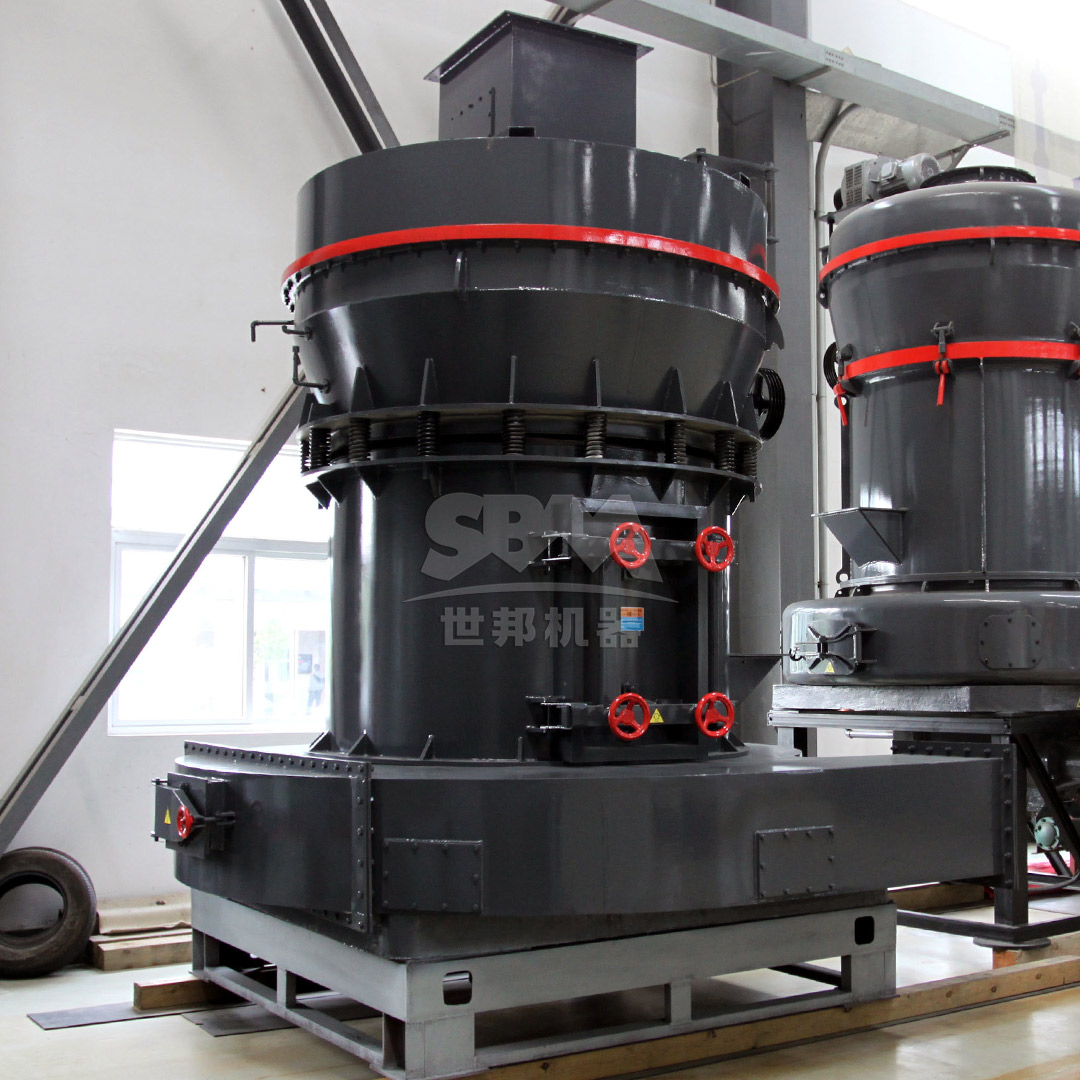
The transformation of raw sepiolite into high-performance functional powder is a technologically demanding process. Success hinges on selecting grinding equipment that respects the mineral’s delicate structure while delivering the required fineness, yield, and operational economy. Ultra-fine mills like the SCM Ultrafine Mill are engineered for the most demanding superfine applications, offering precision, efficiency, and protection of sepiolite’s key properties. For high-volume production of fine to medium-fine powders, versatile and robust systems like the MTW Series Trapezium Mill provide an outstanding balance of capacity, durability, and cost-effectiveness. By investing in the right milling technology and adopting a systems-based approach, producers can unlock the full commercial potential of sepiolite, meeting the stringent requirements of advanced industrial applications.