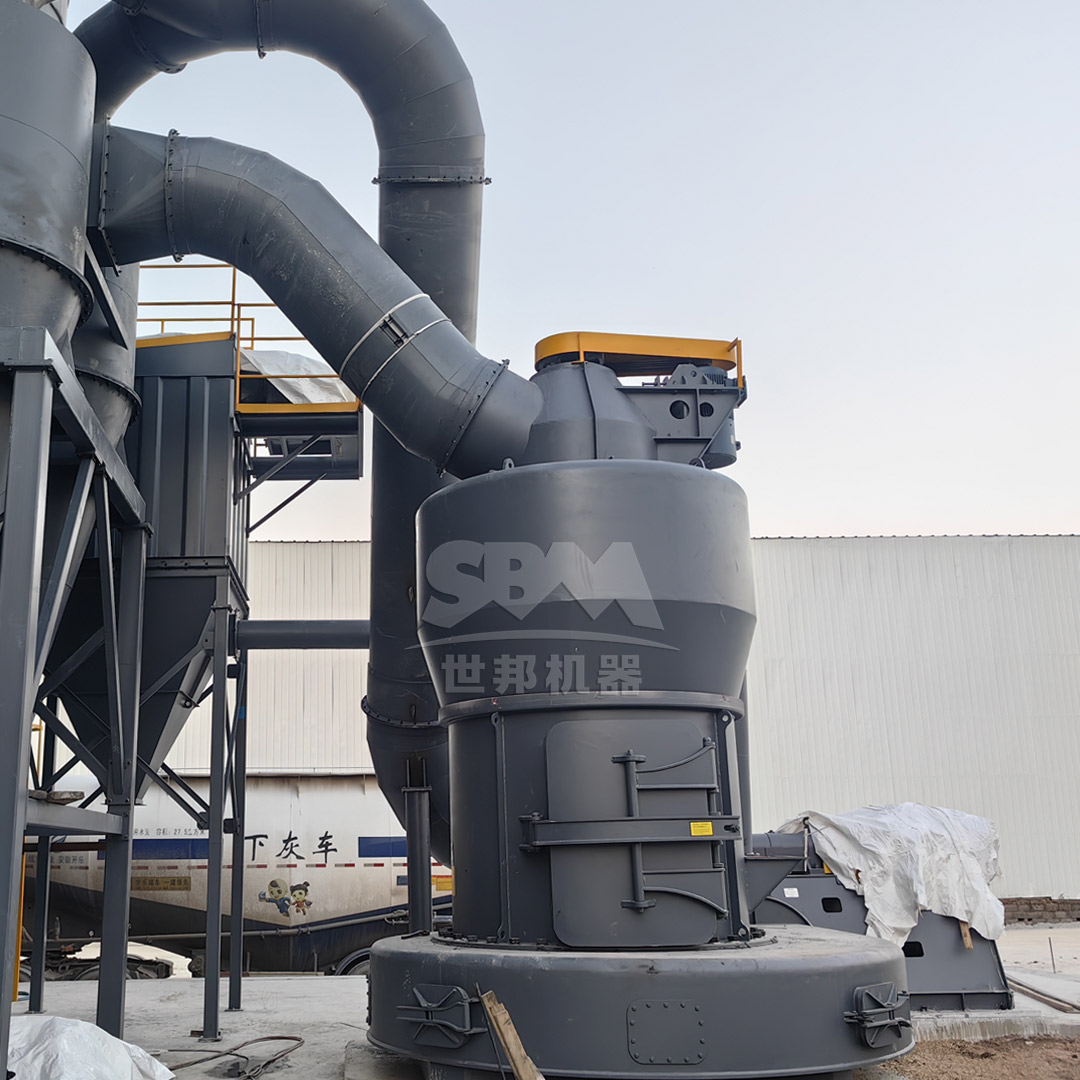
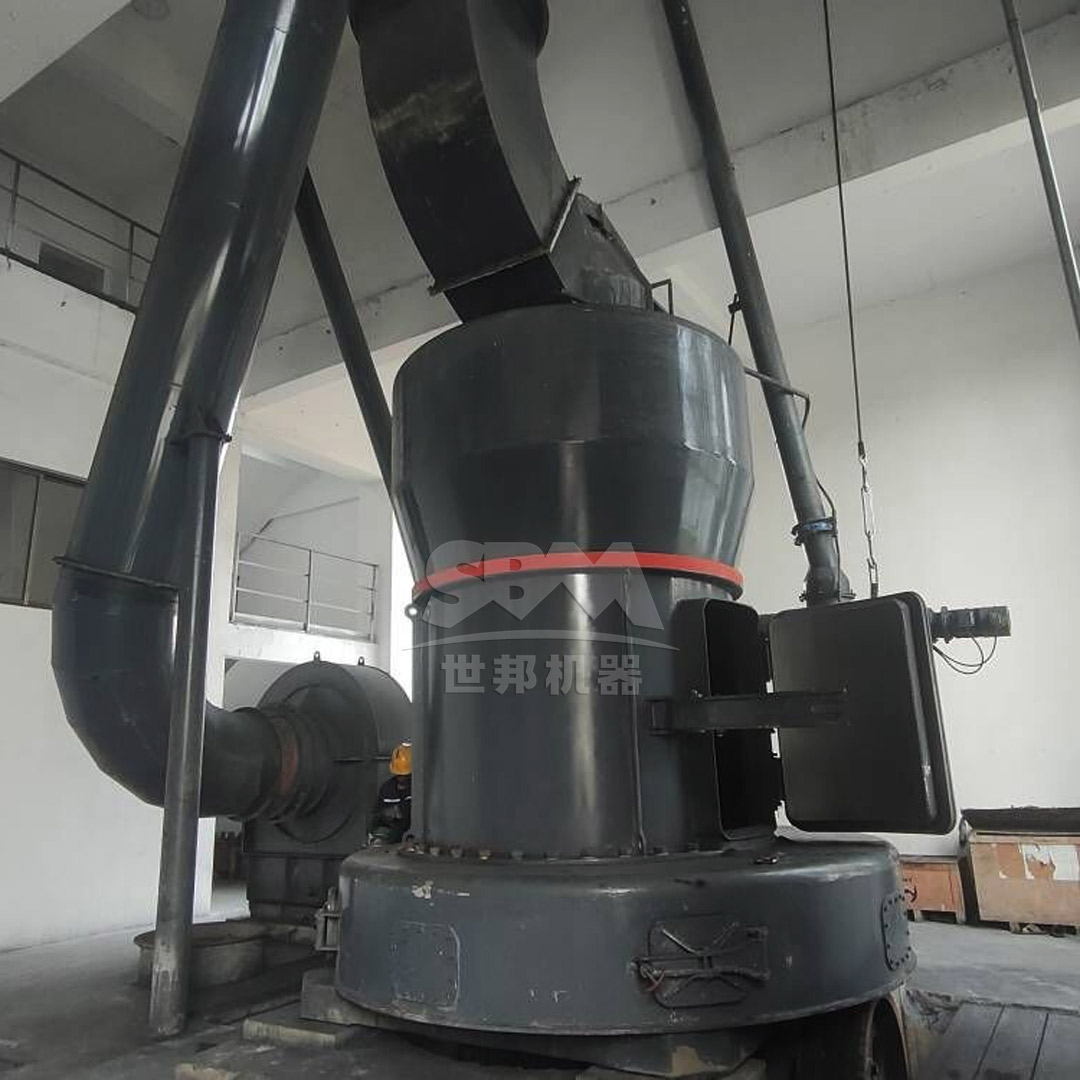
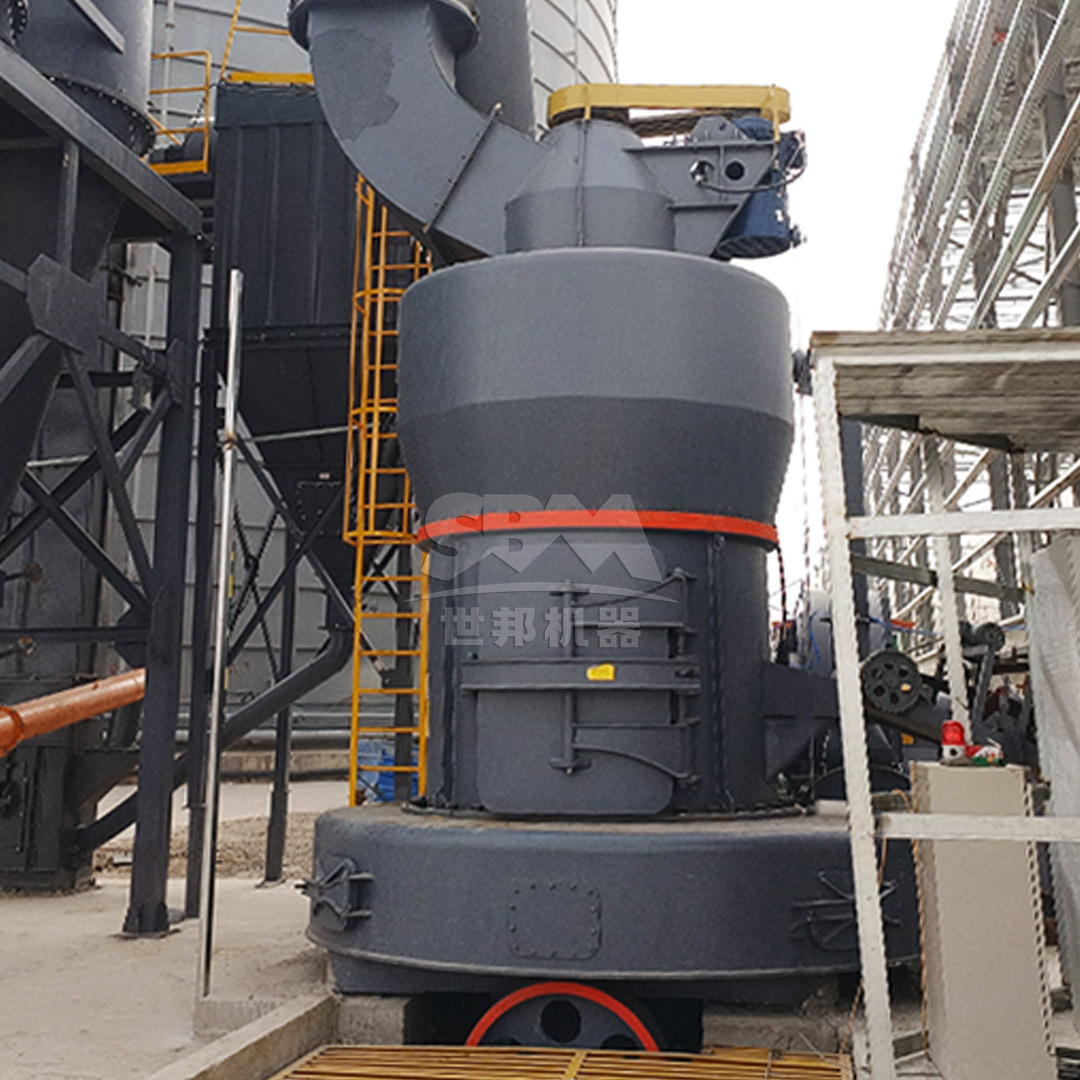
The production of high-quality silica powder is a cornerstone of numerous modern industries, including electronics, construction, composites, and coatings. The journey from raw silica sand or quartz to a precisely graded, ultra-fine powder demands sophisticated technology and a deep understanding of comminution science. The selection of appropriate grinding equipment and the design of an integrated processing line are critical determinants of final product quality, production efficiency, and operational cost. This article provides a comprehensive overview of the core grinding technologies and system configurations essential for modern silica powder production.
Silicon dioxide (SiO₂), particularly in its crystalline quartz form, is renowned for its hardness (7 on the Mohs scale), chemical inertness, and thermal stability. These very properties that make silica valuable also present significant challenges during size reduction. Abrasive wear on grinding components is accelerated, leading to increased maintenance costs and potential contamination. Furthermore, achieving a consistent, narrow particle size distribution (PSD), especially in the sub-10-micron range, requires precise classification and control systems. Overcoming these challenges necessitates equipment specifically engineered for durability, precision, and energy efficiency.
| Property | Impact on Grinding | Equipment Consideration |
|---|---|---|
| High Hardness (Mohs 7) | High abrasive wear on grinding media and liners | Use of ultra-wear-resistant alloys (e.g., high-chrome, ceramic composites) |
| Chemical Inertness | Minimal chemical aid in fracture; pure mechanical breakage required | High-intensity grinding mechanisms (compression, shear) |
| Thermal Stability | Generally not an issue, but heat from friction must be managed | Efficient cooling systems or air-swept designs |
| Brittle Fracture Tendency | Suitable for impact and compression grinding | Optimized for crushers, roller mills, and ball mills |
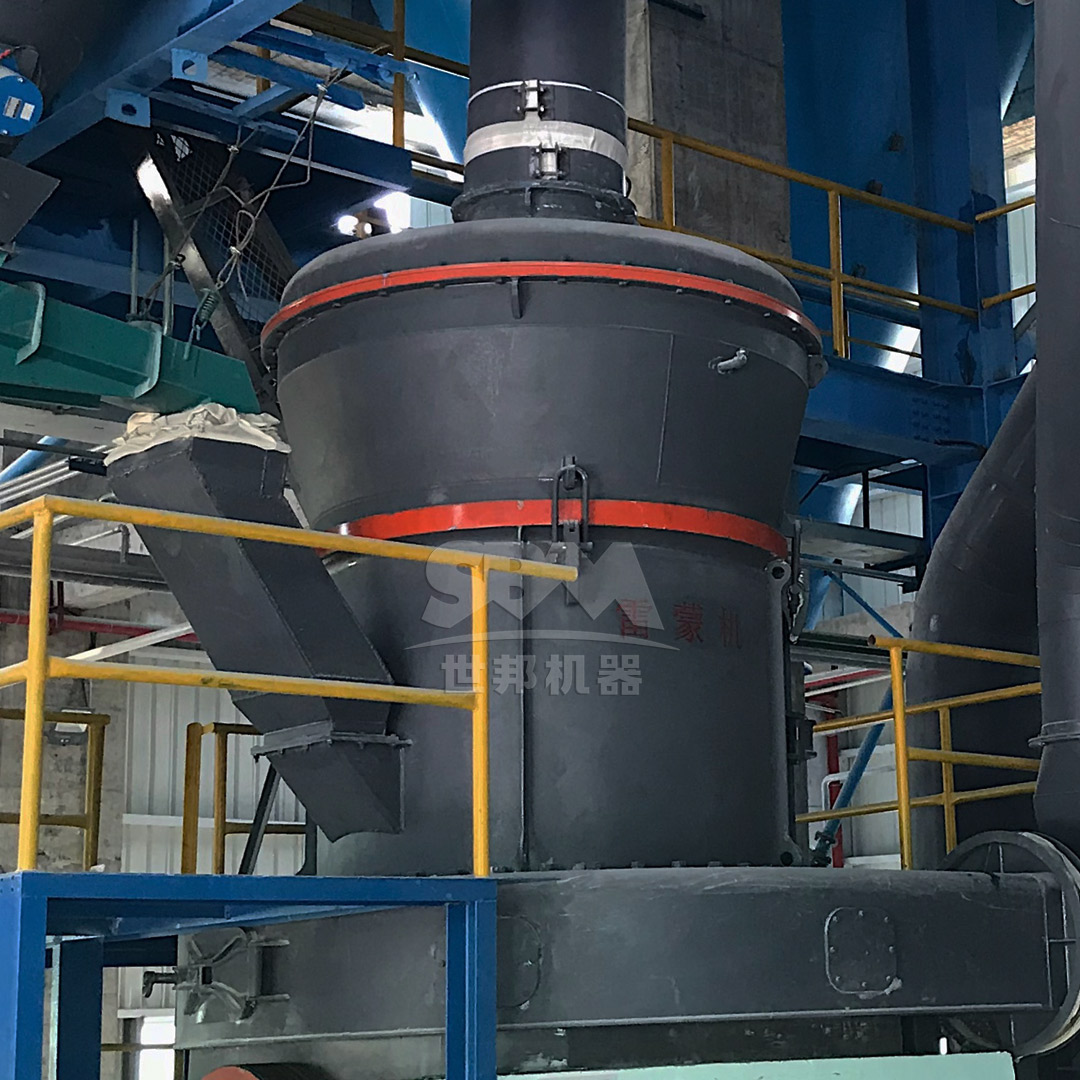
The transformation of silica involves multiple stages, from primary crushing to ultra-fine pulverization. Different mill types excel at specific fineness ranges and capacities.
Before fine grinding, raw quartz or silica sand must be reduced to a manageable feed size (typically below 50mm). Jaw crushers and cone crushers are standard for primary crushing. For secondary crushing to a finer feed (e.g., below 10mm), impact crushers or Hammer Mills are highly effective. Our hammer mill series, for instance, is designed to process materials with a feed size of 0-40mm directly down to 0-3mm in a single pass. Its optimized cavity design and high-manganese steel wear parts ensure high productivity and durability, providing an ideal pre-milled feed for subsequent fine grinding circuits, thereby reducing the overall load on the fine grinders.
This stage is the heart of silica powder production. The choice of mill depends on the target fineness, required capacity, and energy consumption goals.
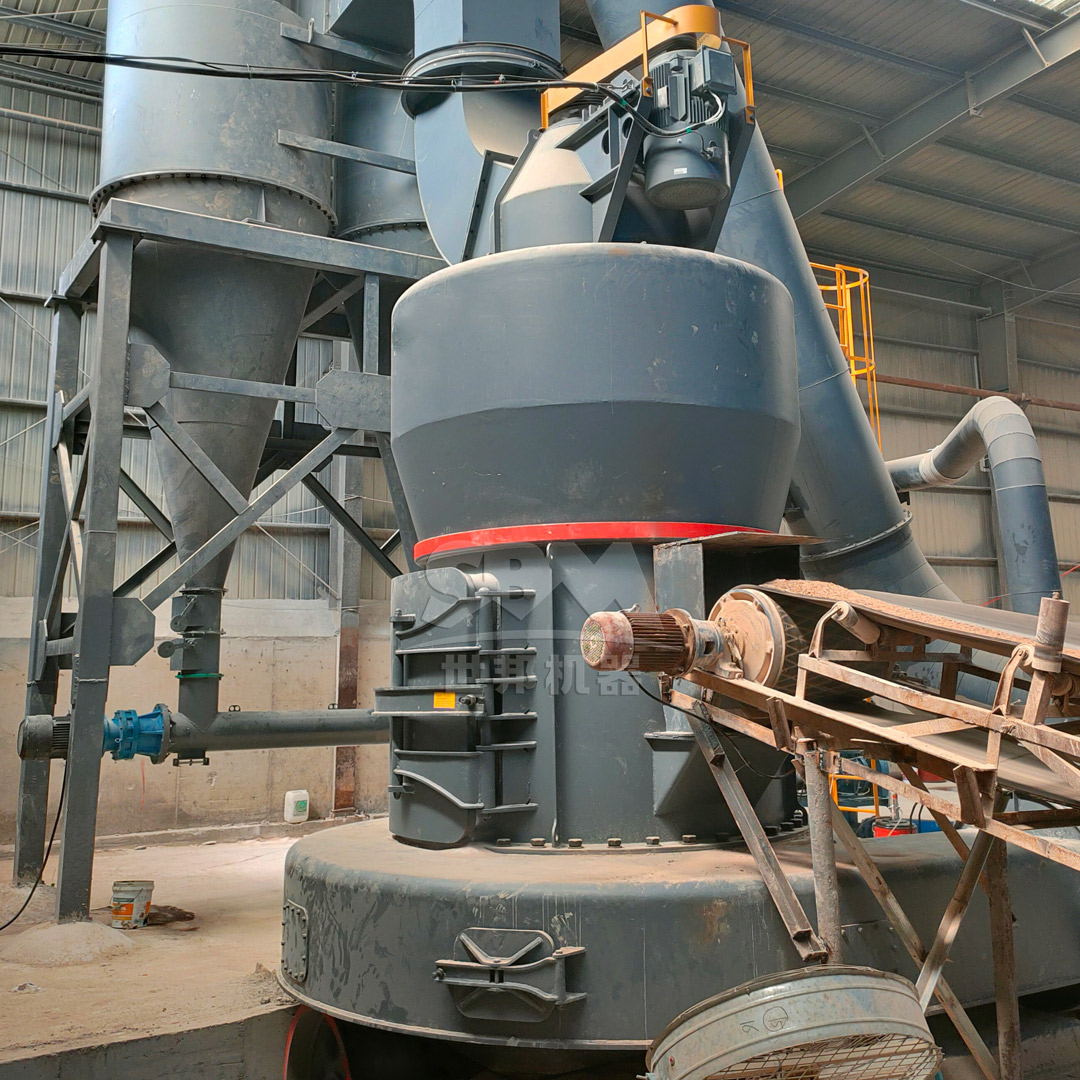
For high-value applications like electronics, advanced ceramics, or high-performance fillers, silica powder with a top cut (D97) of 5µm or finer is required. This demands specialized ultra-fine grinding technology.
Our flagship solution in this domain is the SCM Series Ultrafine Mill. This mill is engineered to produce powder in the range of 325 to 2500 mesh (45-5µm). Its core advantages make it particularly suitable for high-purity, high-value silica production:
The SCM mill operates on a multi-layer grinding principle. Material is fed into the mill and dispersed by centrifugal force into the grinding track, where it is pulverized between the rollers and rings. The finely ground powder is then carried by the airflow to the classifier. Qualified fine powder is collected by a cyclone and bag filter, while oversized particles are returned for regrinding. With models ranging from the SCM800 (0.5-4.5 t/h) to the SCM1680 (5.0-25 t/h), it offers a scalable solution for various production needs.
A reliable production line is more than just a grinder. It is an integrated system designed for continuity, quality control, and safety.
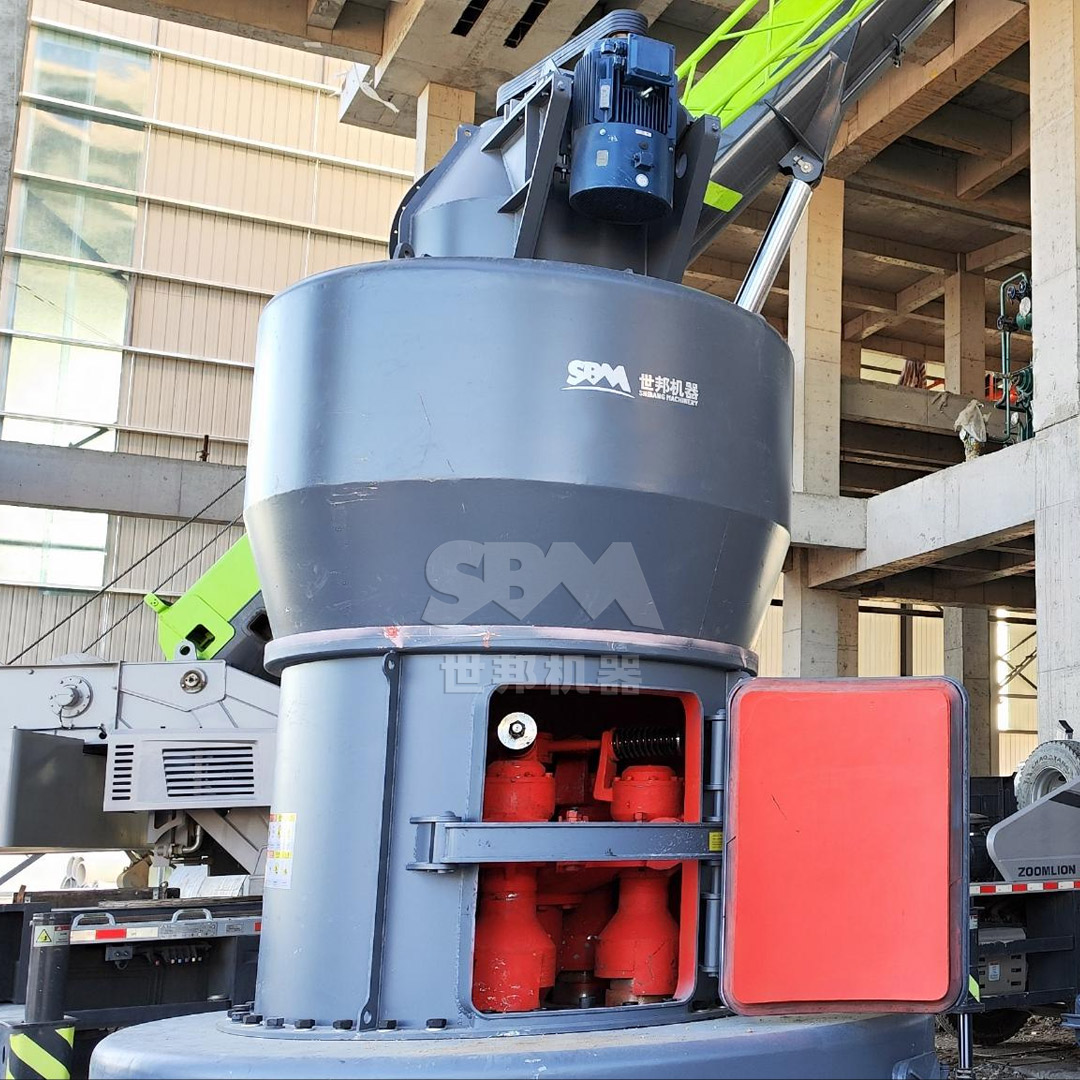
The production of premium silica powder is a technologically intensive process that balances product specifications with economic and environmental factors. Success hinges on selecting grinding equipment that matches the target fineness and scale while minimizing wear and energy use. From the robust efficiency of the MTW Series Trapezium Mill for high-volume fine powder to the precision engineering of the SCM Series Ultrafine Mill for sub-micron products, modern mills offer tailored solutions. By integrating these core machines into a well-designed, automated processing line with comprehensive dust control, producers can achieve consistent quality, high throughput, and sustainable operation, meeting the exacting demands of global markets.