Silica sand, or industrial sand, is a fundamental raw material for numerous industries, including glassmaking, foundry, ceramics, construction, and electronics. Its value is intrinsically linked to its purity and, critically, its particle size distribution. Achieving the precise fineness and consistency required for specific applications necessitates sophisticated grinding and classification technology. This guide provides a comprehensive overview of the key grinding mill systems used in silica sand processing, from coarse crushing to ultra-fine powder production, and highlights optimal equipment selections for various operational goals.
The processing of silica sand involves several stages, with grinding being the core operation for particle size reduction. The target fineness varies dramatically:
Key challenges include maintaining high silica content (minimizing iron contamination from wear), controlling particle shape, achieving energy efficiency, and ensuring environmentally compliant dust collection. The choice of grinding system must balance feed size, desired output, capacity, and total cost of ownership.
Different milling technologies are employed based on the processing stage and product specification.
For run-of-mine or coarse silica sand, initial size reduction is crucial. Hammer mills are robust, cost-effective machines that can handle feed sizes up to 40mm and reduce them to 0-3mm. Their high-speed rotating hammers deliver impact crushing, making them suitable for the initial breaking stage before fine grinding. Advantages include a high crushing ratio, simple structure, and ease of maintenance with wear-resistant liners.
This category covers the most common range for industrial sand products.
| Mill Type | Typical Output Range | Key Advantage | Best For Silica Sand Application |
|---|---|---|---|
| Hammer Mill | 0-3 mm | High crushing ratio, coarse reduction | Primary size reduction |
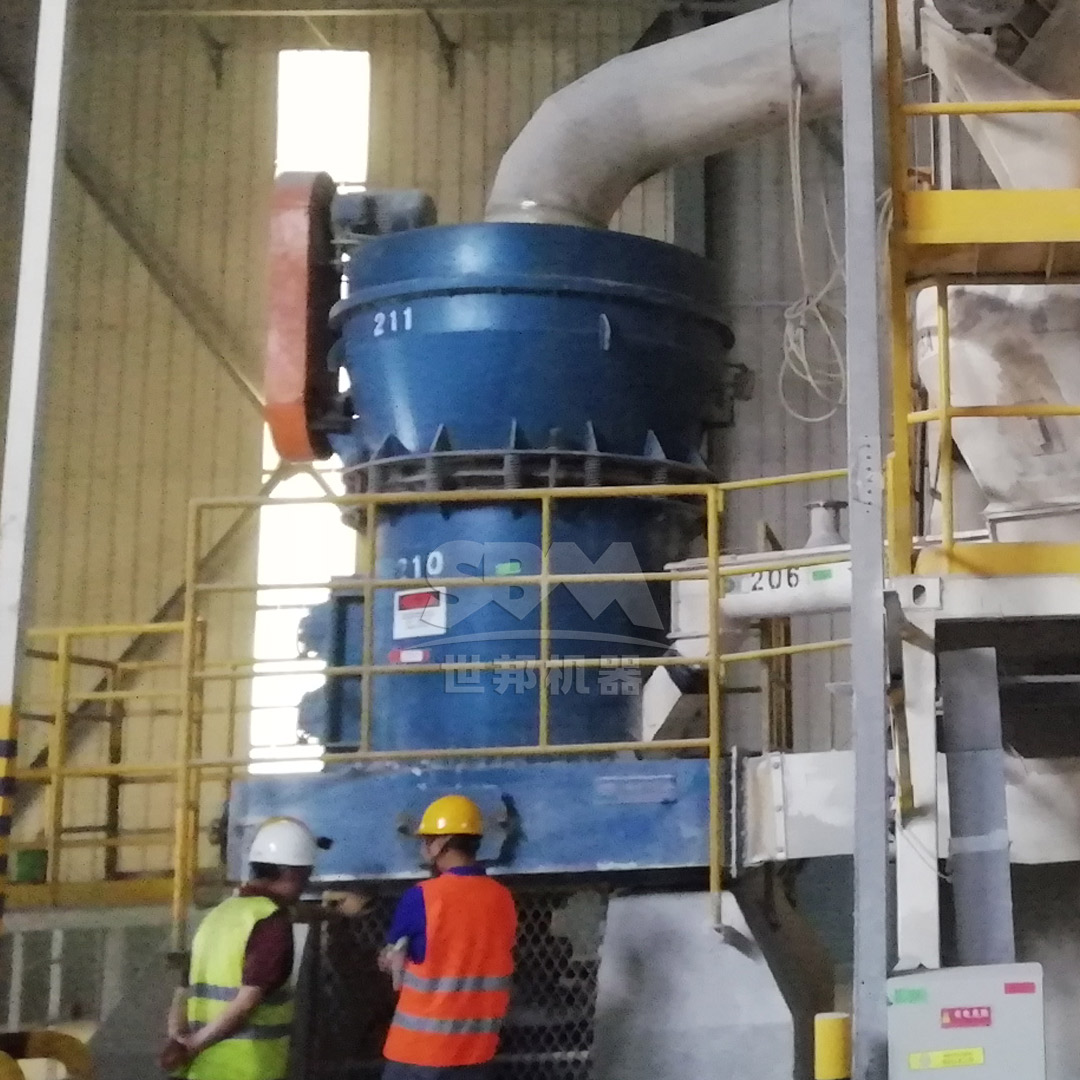
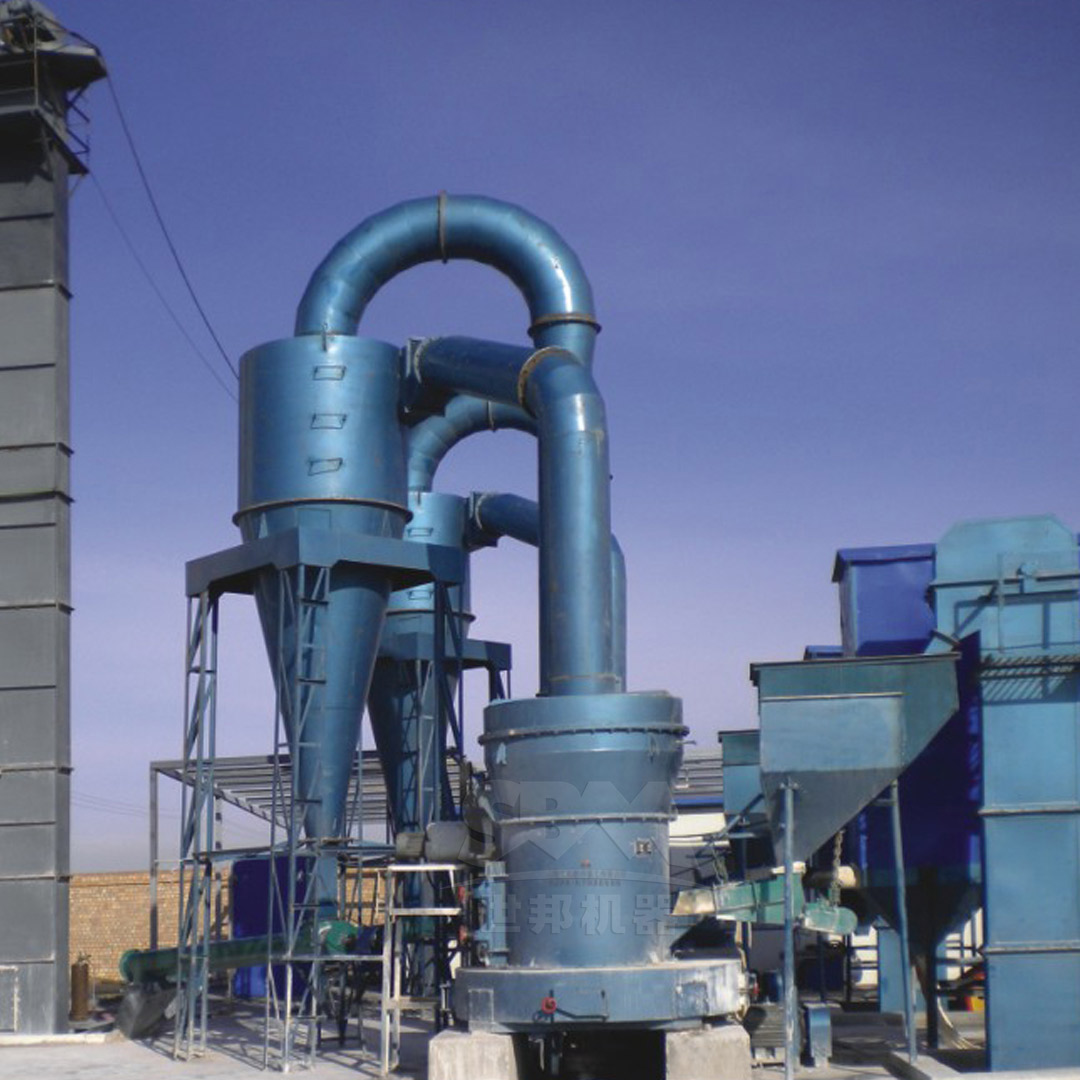
| MTW Series Mill | 30-325 mesh (600-45μm) | High efficiency, low wear, precise classification | High-volume production of foundry/glass sand |
| Ball Mill | 0.074-0.8 mm | Extreme versatility, wet/dry processing | Wet grinding for high-purity applications |
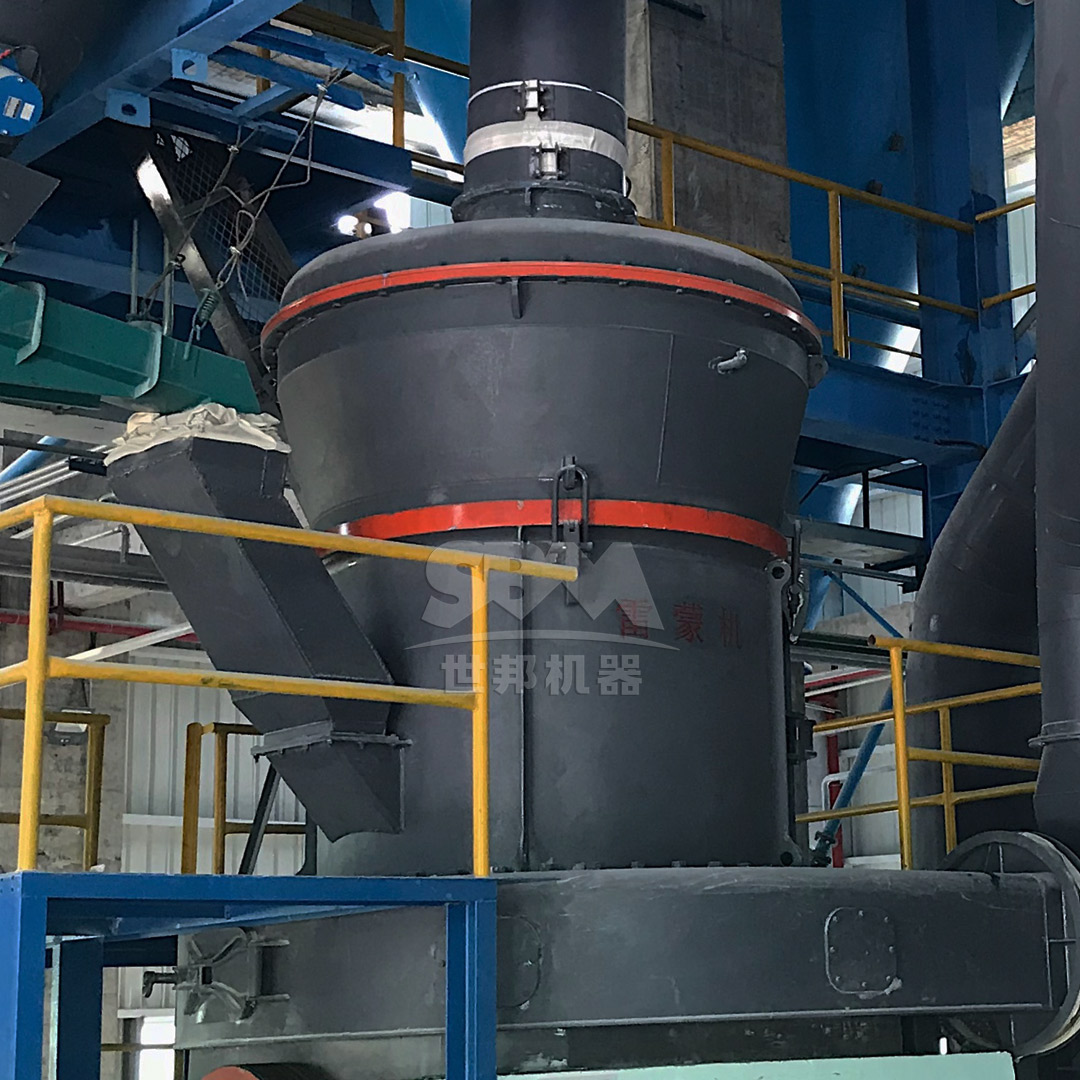
For large-scale silica sand production plants, Vertical Roller Mills (VRMs) like the LM series have become the industry standard for energy-efficient dry grinding. They integrate crushing, grinding, drying, and classification in a single unit, reducing footprint by up to 50% compared to ball mill systems. Material is ground between rollers and a rotating table, with hot air simultaneously drying and transporting the powder to a high-efficiency classifier.
Key benefits for silica sand include 30-40% lower energy consumption, longer wear part life, and fully sealed, dust-free operation. Their intelligent control systems allow for stable, automated production of consistent product in the 30-325 mesh range, with capacities scaling from 3 to over 250 tons per hour.
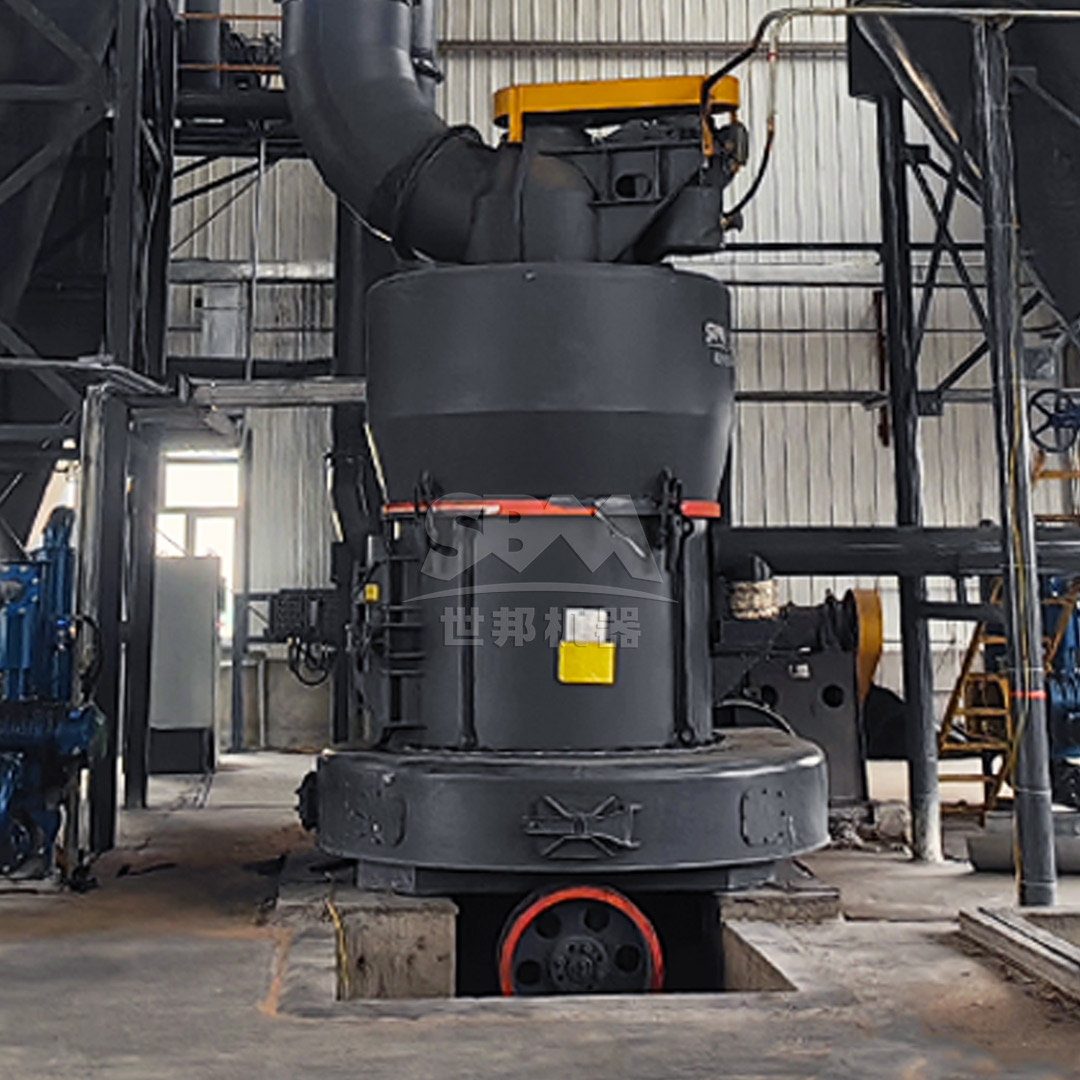
Producing high-value silica flour or micronized silica requires specialized ultra-fine grinding technology. Ordinary mills cannot achieve the necessary fineness (often 800-2500 mesh) efficiently.
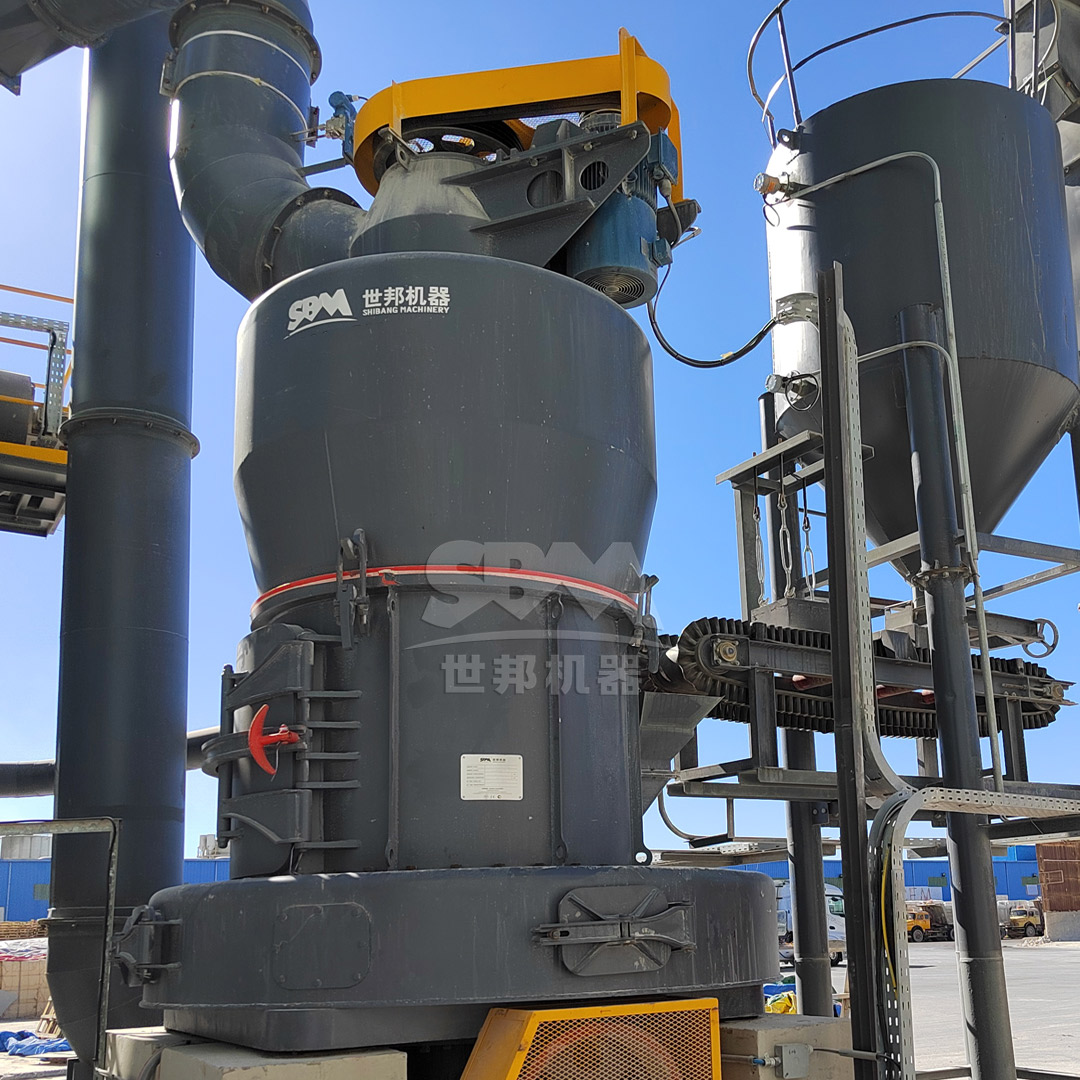
The SCM Series Ultrafine Mill is a leading solution in this domain. It utilizes a three-layer ring design and roller pressure to grind materials layer by layer. Its standout feature is the high-precision vertical turbine classifier, which ensures sharp particle size cuts and eliminates coarse powder mixing, delivering a uniform ultra-fine product. For silica sand processing aiming for fillers in paints, polymers, or advanced ceramics, the SCM mill offers exceptional efficiency, producing fineness from 325 to 2500 mesh (45-5μm) with capacity ranging from 0.5 to 25 t/h. Its energy-saving design consumes 30% less power than traditional jet mills, and the pulse dust collection system guarantees eco-friendly operation.
Similarly, the LUM Ultrafine Vertical Roller Mill combines the benefits of vertical grinding with advanced multi-rotor classification for producing similar high-purity, ultra-fine silica powders.
Choosing the optimal grinding system involves a holistic analysis:
For example, a glass sand producer needing 20 t/h of 70-120 mesh product would likely benefit most from an MTW Series European Trapezium Mill or an LM Vertical Roller Mill for their efficiency and classification precision. A specialty chemical company needing 2 t/h of 1250 mesh silica flour would find the SCM Series Ultrafine Mill to be the ideal, cost-effective solution.
No grinding circuit is complete without efficient classification and dust control. Internal or external dynamic classifiers (like those in the MTW and SCM mills) are critical for controlling product size. For ultra-fine products, high-efficiency turbo classifiers are non-negotiable. Dust collection, typically via pulse-jet baghouse filters, is essential for product recovery, plant cleanliness, and regulatory compliance. Modern mills integrate these systems seamlessly.
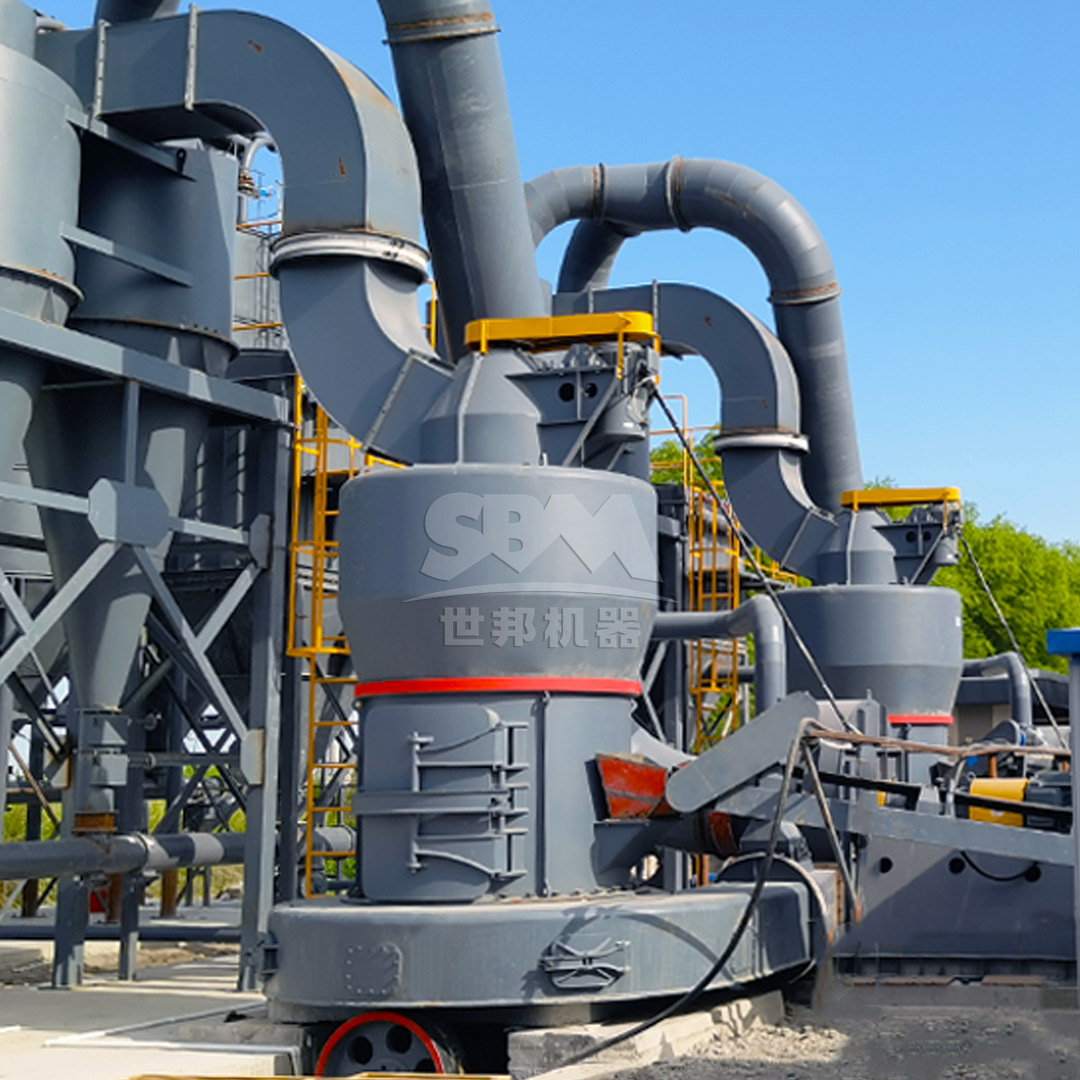
The transformation of raw silica sand into a valuable industrial commodity hinges on advanced grinding technology. From the robust simplicity of hammer mills for primary crushing to the unparalleled fine-grinding capability of the SCM Ultrafine Mill, each technology serves a specific purpose in the processing chain. For high-volume, energy-efficient production of standard silica sand grades, the MTW Series European Trapezium Mill and LM Series Vertical Roller Mill represent the pinnacle of modern design. By carefully matching the equipment capabilities—such as the high-precision classification of the SCM mill or the integrated efficiency of the LM vertical mill—to specific product and operational requirements, producers can optimize quality, throughput, and profitability in the competitive silica sand market.