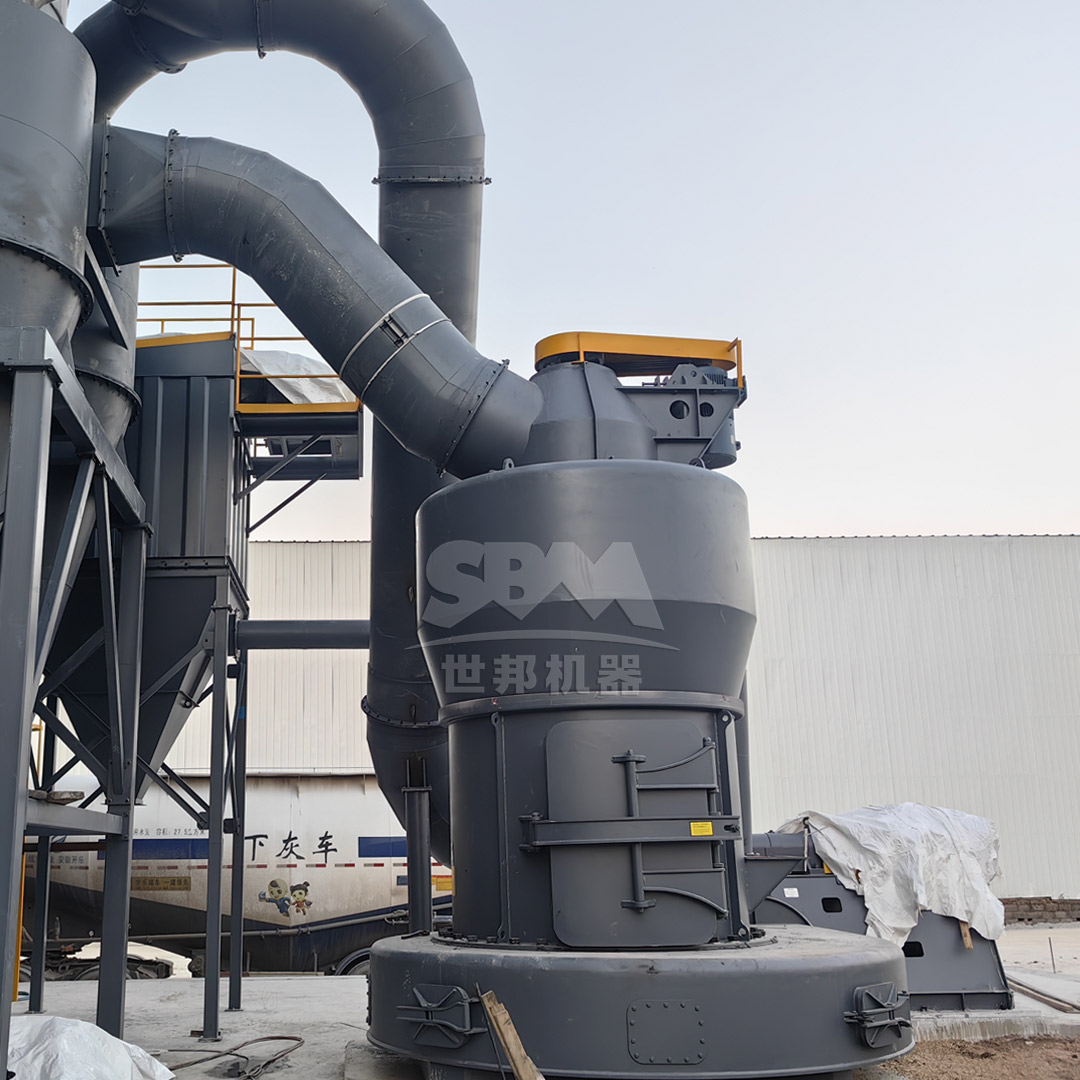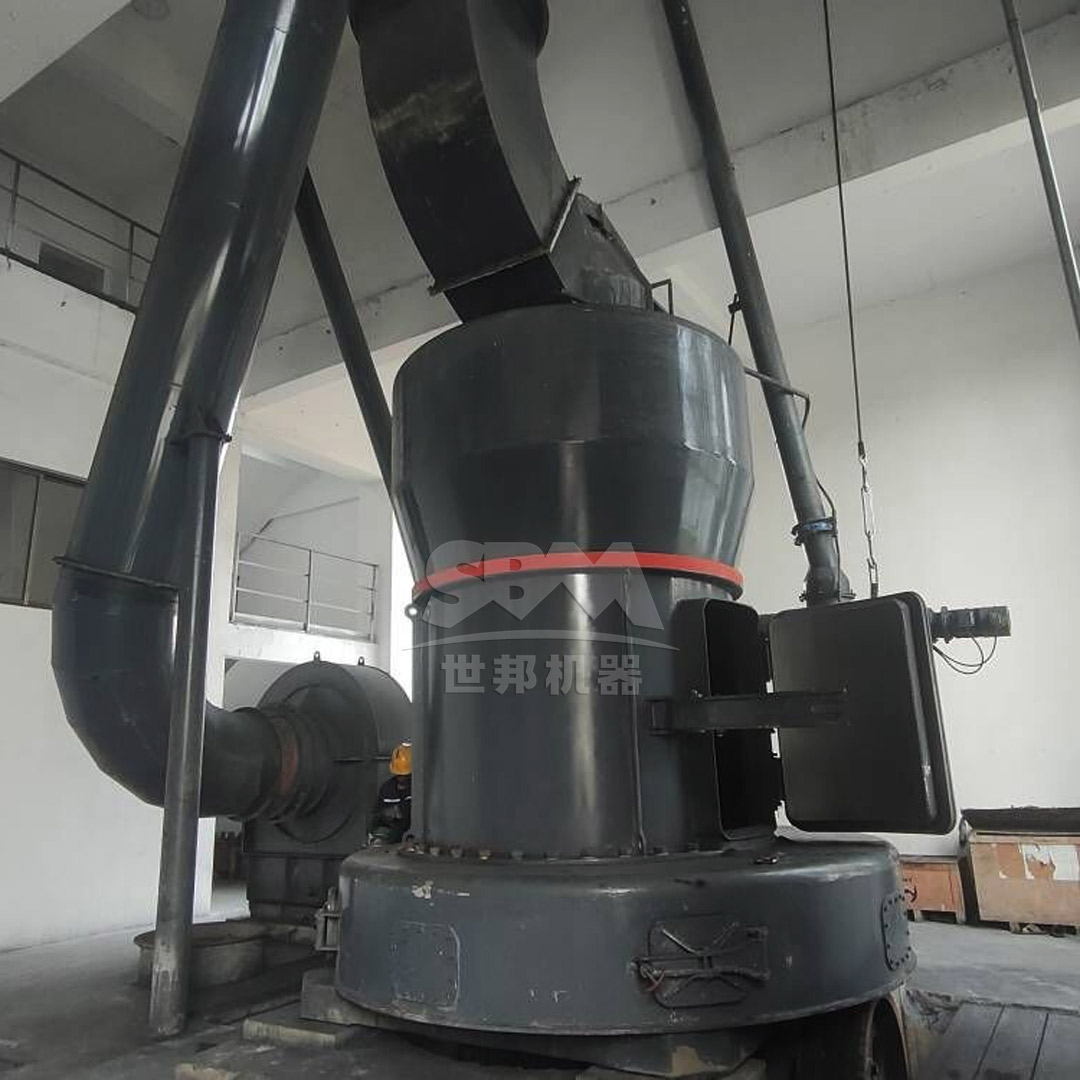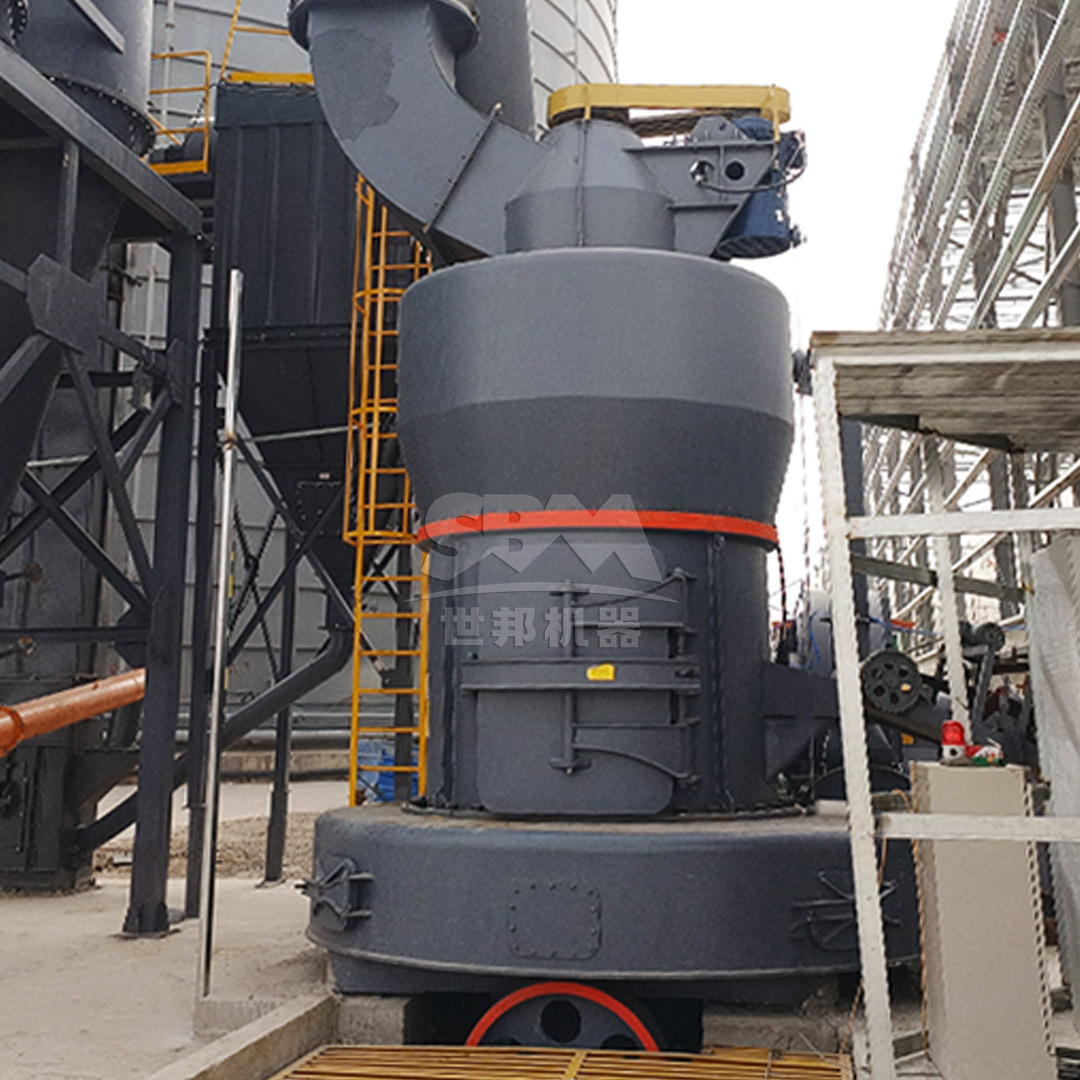
The production of high-quality slag powder, a crucial supplementary cementitious material (SCM), hinges on the selection of appropriate grinding equipment. The grinding process directly influences the fineness, particle size distribution, and reactivity of the final product, which in turn determines its performance in concrete applications. This guide provides a comprehensive overview of the primary grinding mill types used in slag powder production and offers key considerations for equipment selection.
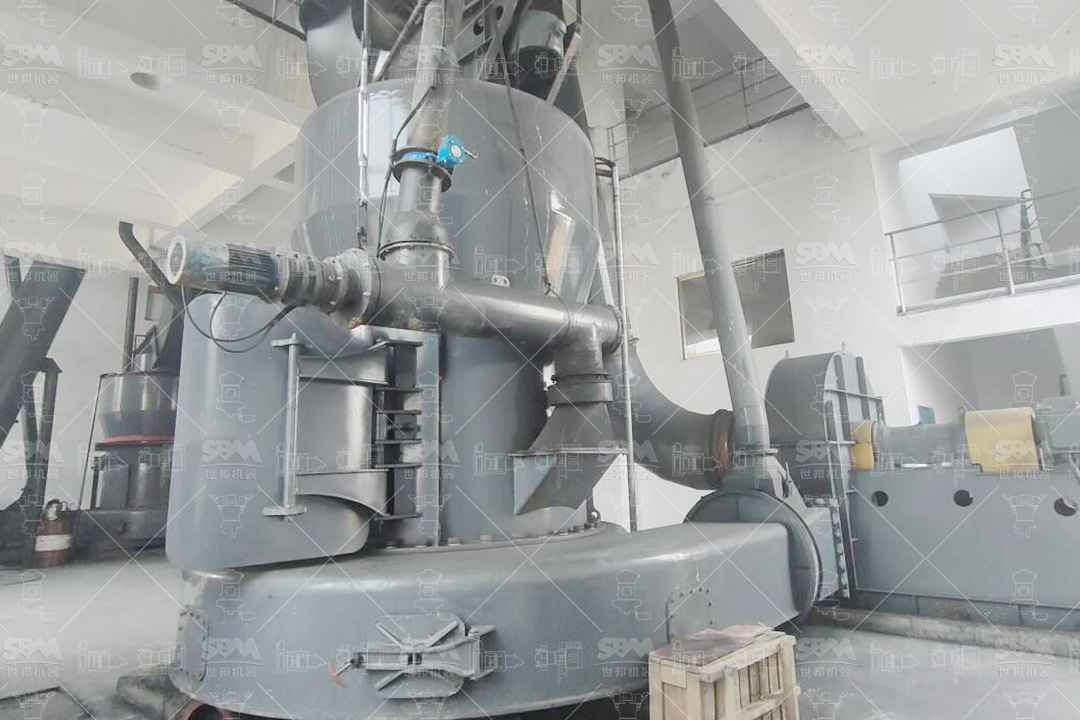
Granulated Blast Furnace Slag (GBFS) is a glassy, granular material with latent hydraulic properties. To activate these properties, it must be ground to a high specific surface area, typically exceeding 420 m²/kg. The grinding process must achieve:
Vertical Roller Mills have become the industry standard for large-scale slag grinding due to their superior energy efficiency. Material is fed onto a rotating grinding table and crushed under rollers pressed against the table. Ground material is transported by air to an integrated classifier.
Advantages:
Considerations: Higher initial investment; requires consistent feed quality for stable operation.
The traditional workhorse for mineral grinding, ball mills consist of a rotating horizontal cylinder filled with grinding media (steel balls). Slag is ground by impact and attrition as the charge lifts and cascades.
Advantages:
Considerations: High energy consumption; significant heat generation; lower grinding efficiency compared to VRMs; larger footprint.
Roller Presses utilize two counter-rotating rolls to apply extreme pressure to a bed of material, causing inter-particle crushing. They are often used in combination with ball mills (as pre-grinders) or in finish-grinding circuits with a downstream ball mill or VSM.
Advantages:
Considerations: Produces a flaky product that often requires a downstream finishing step; wear on rolls can be significant.
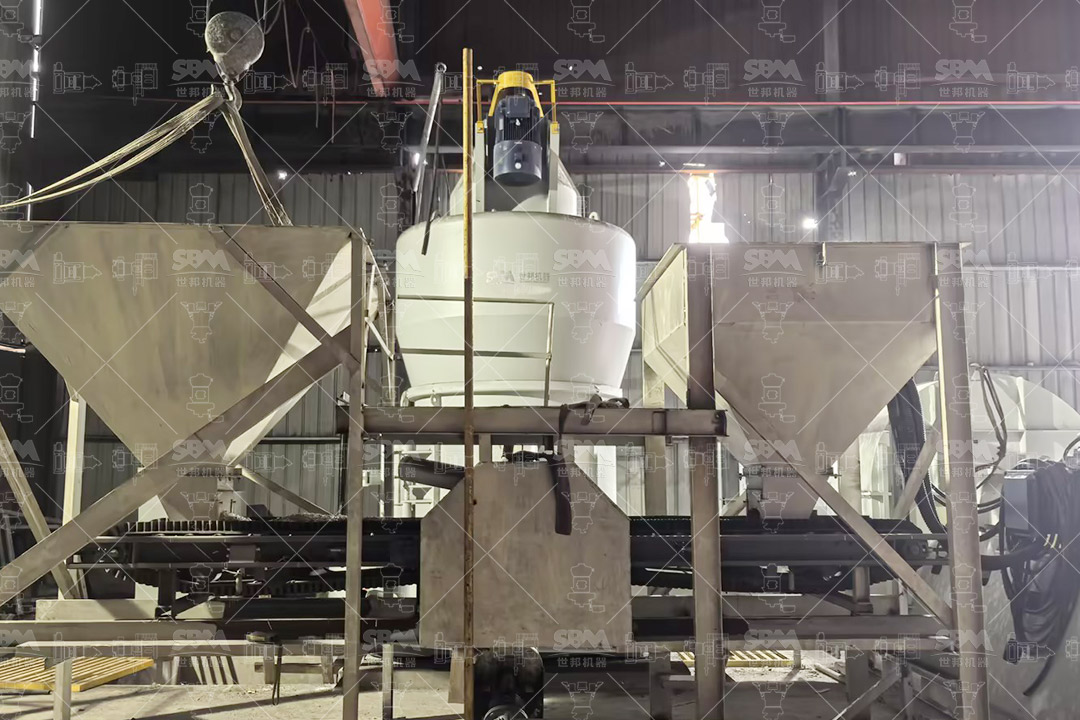
Choosing the right mill involves a holistic analysis of project parameters.
| Factor | Description | Impact on Mill Choice |
|---|---|---|
| Production Capacity | Target annual/ hourly output (t/h) | VRMs are optimal for large capacities (>30 t/h). Ball mills suit a wide range. Roller presses are excellent for capacity upgrades. |
| Product Fineness | Required Blaine (m²/kg) or sieve residue | All mill types can achieve high fineness. VRMs and modern ball mills with efficient classifiers offer the best control. |
| Moisture Content | Feed slag moisture (%) | VRMs with hot gas inlet are ideal for high moisture (>5%). Ball mills may require a separate dryer. |
| Capital Cost (CAPEX) | Initial investment budget | Ball mill circuits often have lower initial cost for smaller capacities. VRMs offer better long-term ROI for large plants. |
| Operating Cost (OPEX) | Power, wear parts, maintenance | VRMs and Roller Presses offer the lowest operating costs due to energy savings. Ball mills have higher energy and media consumption. |
| Plant Space | Available footprint | VRMs have a significantly smaller footprint than equivalent ball mill systems. |
| Operational Flexibility | Need to grind other materials or adjust fineness frequently | Ball mills offer great flexibility. Modern VRMs also provide good adjustability. |
For most new, medium to large-scale slag grinding plant projects, the Vertical Roller Mill represents the optimal balance of efficiency, cost, and product quality. Its ability to dry, grind, and classify within a single unit makes it a superior choice.
In this context, we highly recommend our LM Series Vertical Slag Mill. Specifically engineered for granulated blast furnace slag, this mill series incorporates features that directly address the challenges of slag grinding:
For projects requiring ultra-fine slag powder (e.g., >600 mesh) for high-value applications, our SCM Series Ultrafine Mill presents an excellent solution. Capable of producing powder in the range of 325-2500 mesh (D97 ≤5μm), it is ideal for enhancing slag’s reactivity in specialty concrete or chemical applications. Its vertical turbine classifier ensures precise particle cut-points and uniform product quality, while its energy-efficient design consumes 30% less power than comparable jet mills.
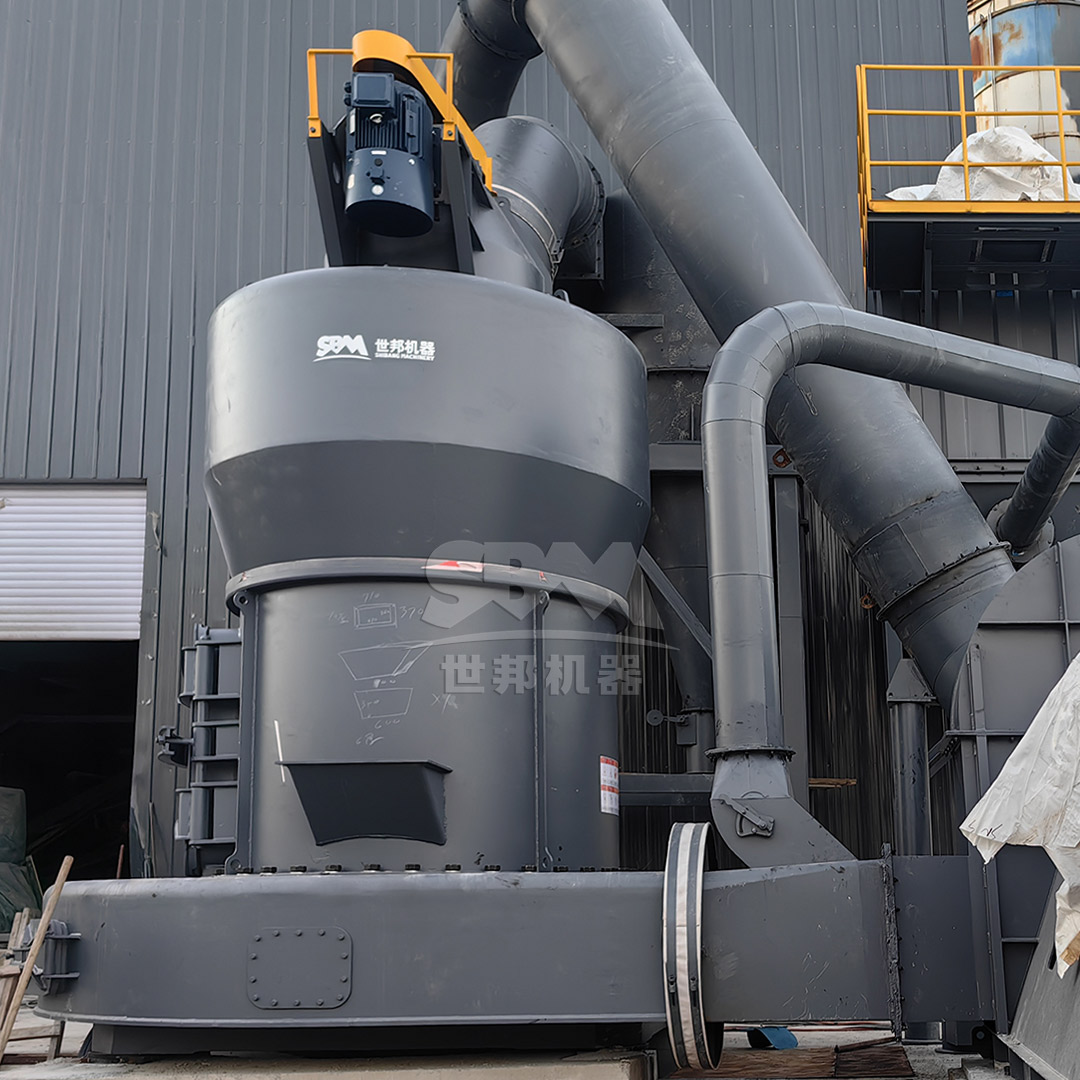
The evolution of slag grinding technology has decisively shifted towards Vertical Roller Mills for their unmatched efficiency and compact design. While ball mills remain a reliable and flexible option, particularly for smaller or multi-purpose plants, the long-term operational savings of VRMs are compelling. The final selection must be based on a detailed technical and economic analysis of the specific project requirements, considering capacity, product specifications, feed characteristics, and total cost of ownership. Partnering with an equipment supplier that offers robust, technologically advanced, and application-specific mills, such as the LM Series Vertical Slag Mill, is crucial for establishing a competitive and sustainable slag powder production operation.