Sodium feldspar, a crucial industrial mineral, finds extensive applications in ceramics, glassmaking, and as a filler in paints and plastics. Its value is significantly enhanced through fine grinding, transforming raw ore into high-purity, controlled-size powders. Establishing an efficient and cost-effective sodium feldspar powder production line requires a deep understanding of the process flow and the strategic selection of core equipment. This article provides a comprehensive overview of the key stages and machinery involved, highlighting critical considerations for optimizing yield, quality, and operational expenditure.
Sodium feldspar (Albite) is primarily valued for its alumina (Al2O3) content and fluxing properties. The target fineness for its powder varies by application: ceramics may require 200-325 mesh, while high-end fillers demand superfine powders reaching 1250 mesh (10μm) or finer. The production line must, therefore, be flexible, capable of handling feed sizes up to 50mm, and deliver consistent particle size distribution (PSD). The process typically involves stages of crushing, grinding, classification, and collection, with an integrated dust control system being paramount for environmental compliance and product recovery.
A modern sodium feldspar powder production line follows a closed-circuit, dry grinding process for efficiency and dust control. The generalized flow is as follows:
| Process Stage | Key Equipment | Input Size | Output Size | Primary Function |
|---|---|---|---|---|
| Primary Crushing | Jaw Crusher | ≤500mm | ≤100mm | Coarse size reduction |
| Secondary Crushing | Hammer Mill / Cone Crusher | ≤100mm | ≤20mm | Medium-fine size reduction |
| Grinding & Classification | Grinding Mill + Classifier | ≤20mm | 45μm – 5μm | Ultimate size reduction & particle separation |
| Powder Collection | Cyclone + Pulse Bag Filter | Powder-laden air | Clean air, collected powder | Product recovery & emission control |
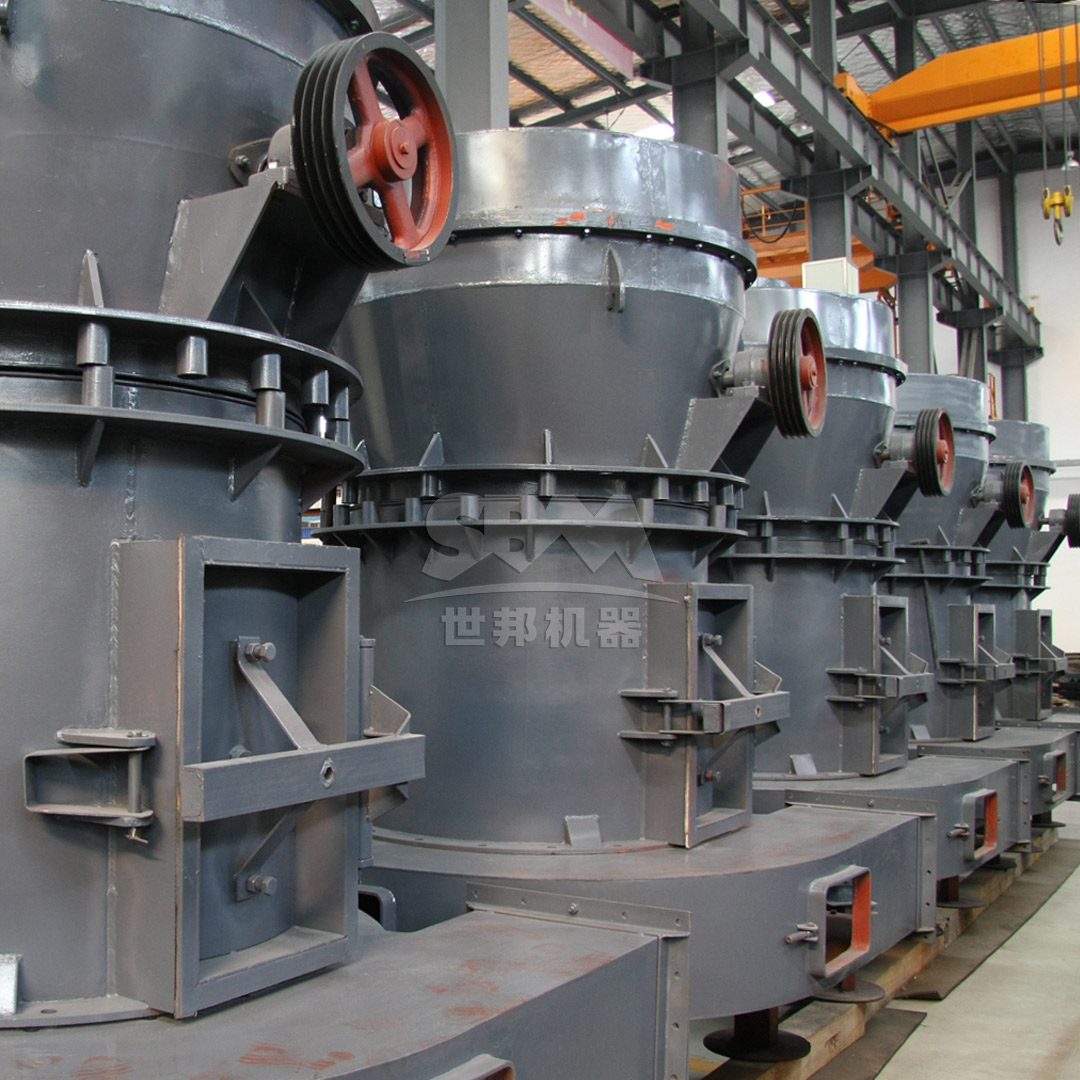
The choice of grinding mill is the most critical decision, directly impacting product quality, energy consumption, and maintenance costs. Different mills serve different fineness and capacity ranges.
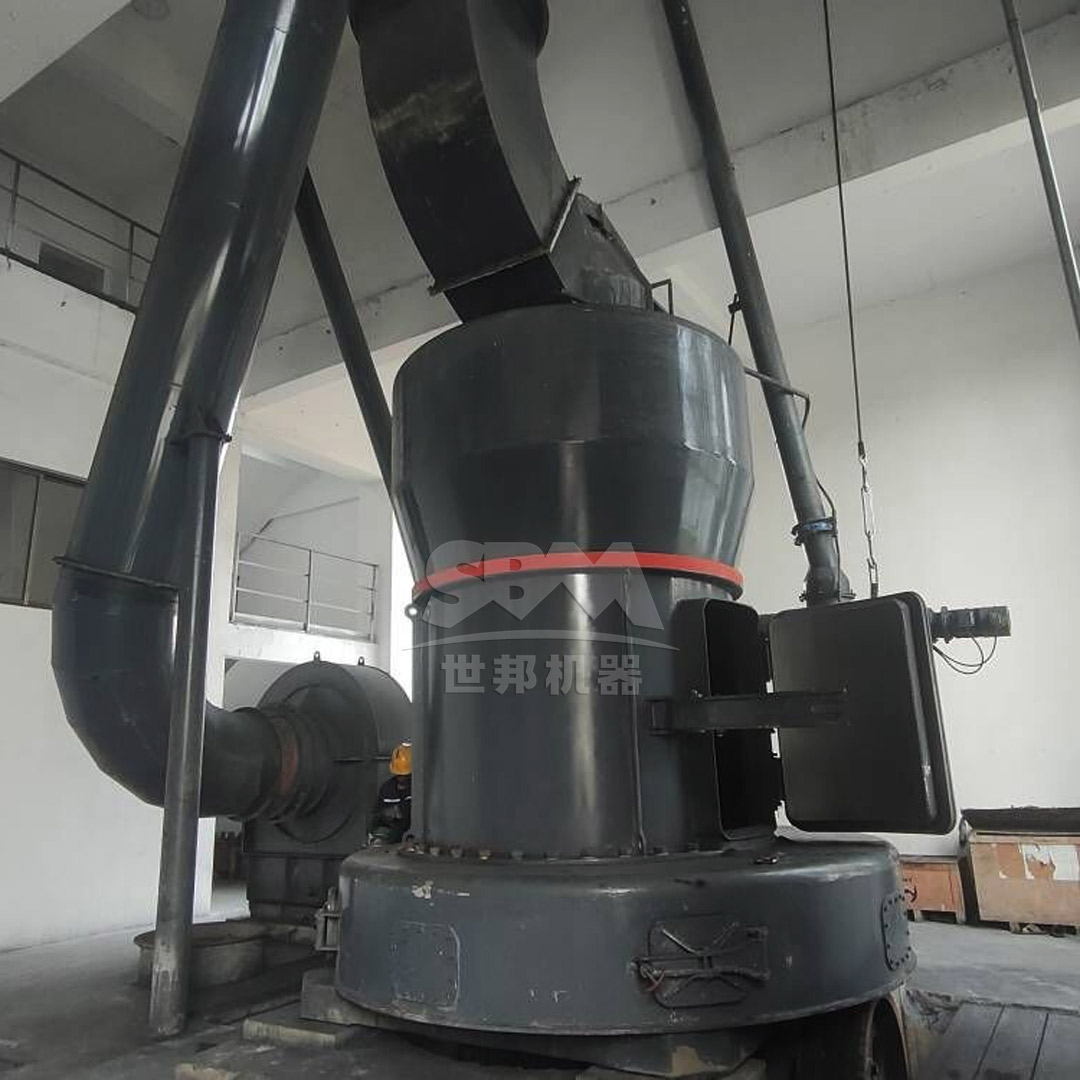
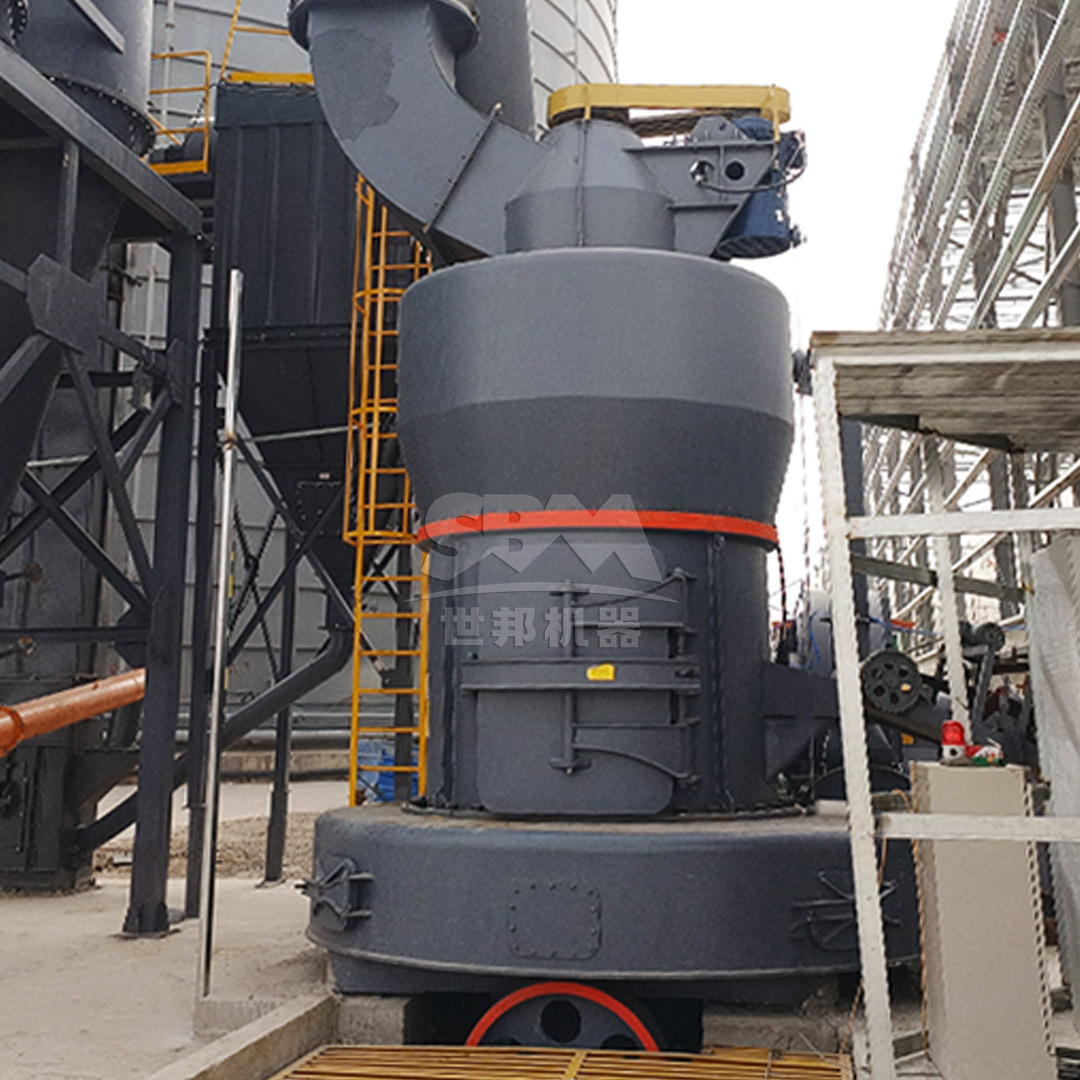
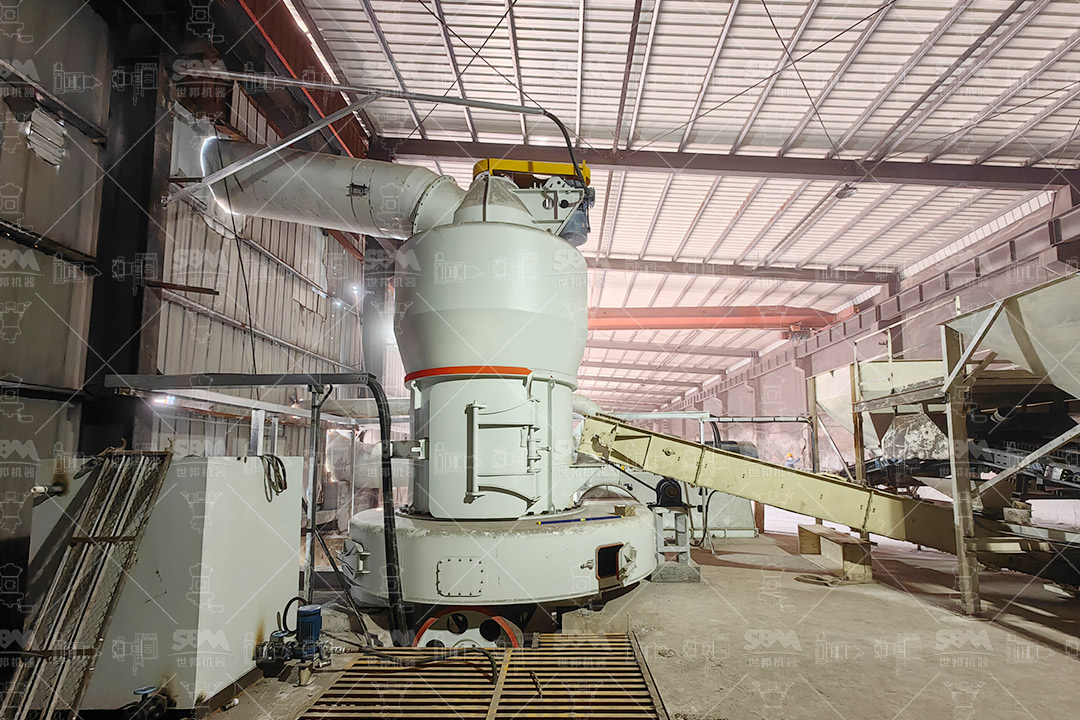
For standard ceramic-grade powders, robust and high-capacity mills are ideal. Our MTW Series Trapezium Mill stands out in this category. Its advanced features include a curved air duct that minimizes flow resistance, an integral transmission system with high efficiency, and specially designed wear-resistant components like combined shovels and grinding rollers. The MTW mill offers a wide capacity range from 3 to 45 tons per hour, handling feed sizes up to 50mm. Its efficient internal classifier ensures precise particle size control, making it a highly reliable and cost-effective workhorse for standard feldspar powder production.

Producing high-value superfine feldspar powder demands technology capable of generating minimal heat and achieving sharp particle cuts. This is where our flagship SCM Ultrafine Mill excels. Engineered for minerals like feldspar, calcite, and talc, the SCM mill integrates grinding and classification seamlessly. Its core advantages are pivotal for ultrafine processing:
The SCM series, with models ranging from SCM800 (0.5-4.5 t/h) to SCM1680 (5-25 t/h), offers a scalable solution for high-quality ultrafine feldspar powder production, directly impacting the profitability of advanced material applications.
No grinding line is complete without robust auxiliary systems.
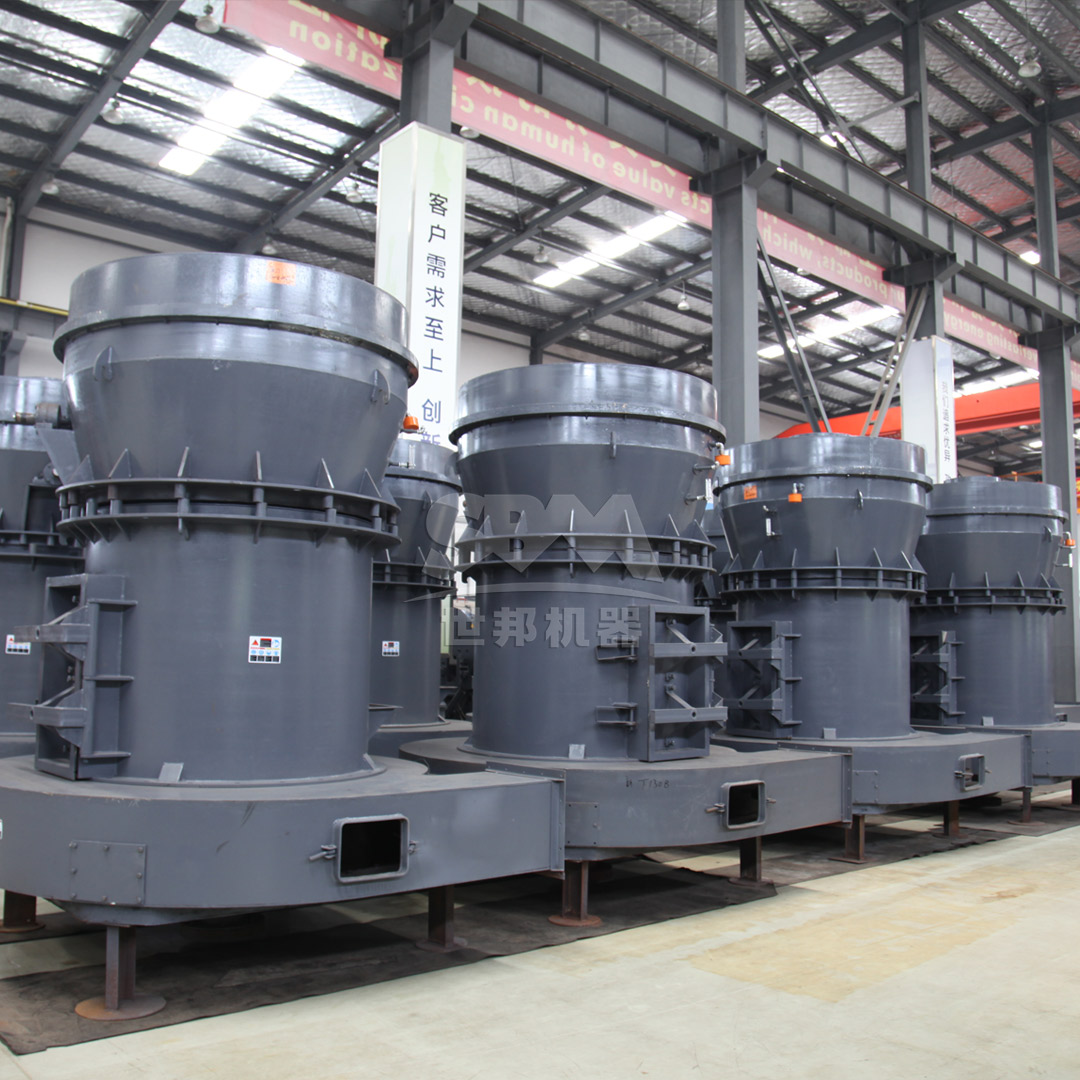
Designing a successful sodium feldspar powder production line hinges on a holistic approach that matches the raw material characteristics and target product specifications with the right technology. While primary crushing and material handling form the foundation, the selection of the grinding and classification system is paramount. For producers aiming at the high-end market requiring ultrafine powders, investing in advanced technology like the SCM Ultrafine Mill is a strategic decision that pays dividends through superior product quality, lower operational costs, and enhanced environmental performance. A well-integrated line, from feeding to packaging, ensures consistent output, maximizes resource utilization, and secures a competitive edge in the dynamic industrial minerals market.