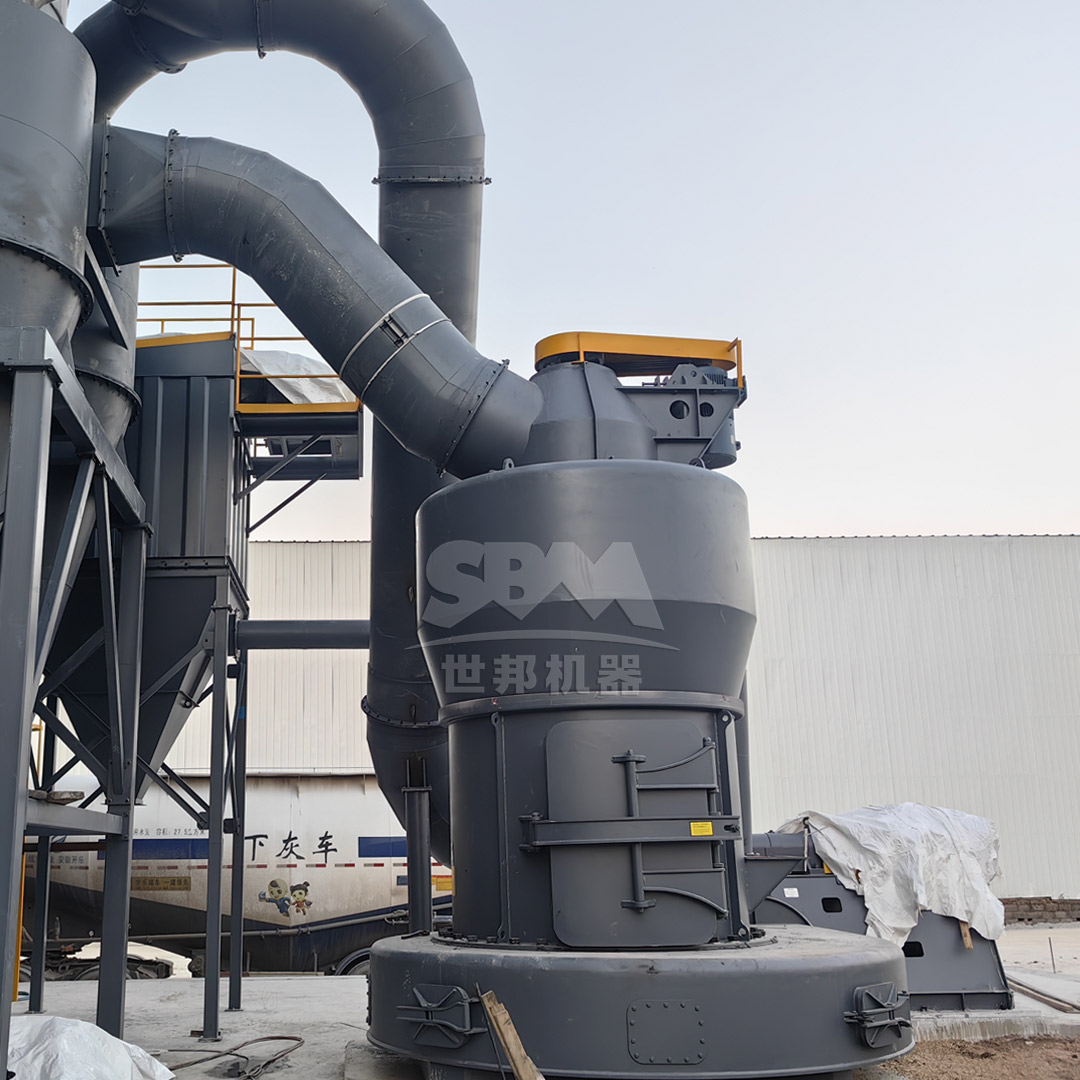
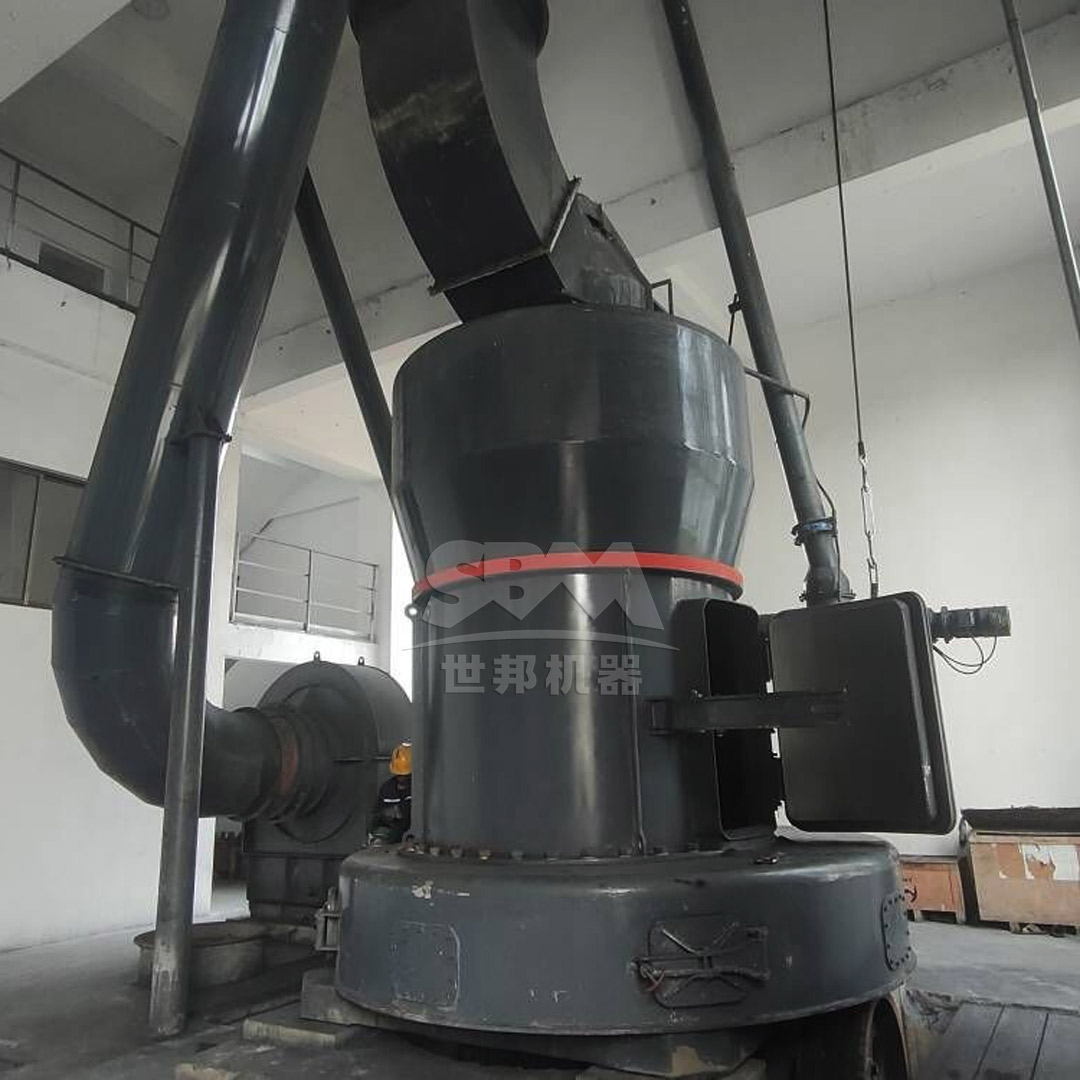
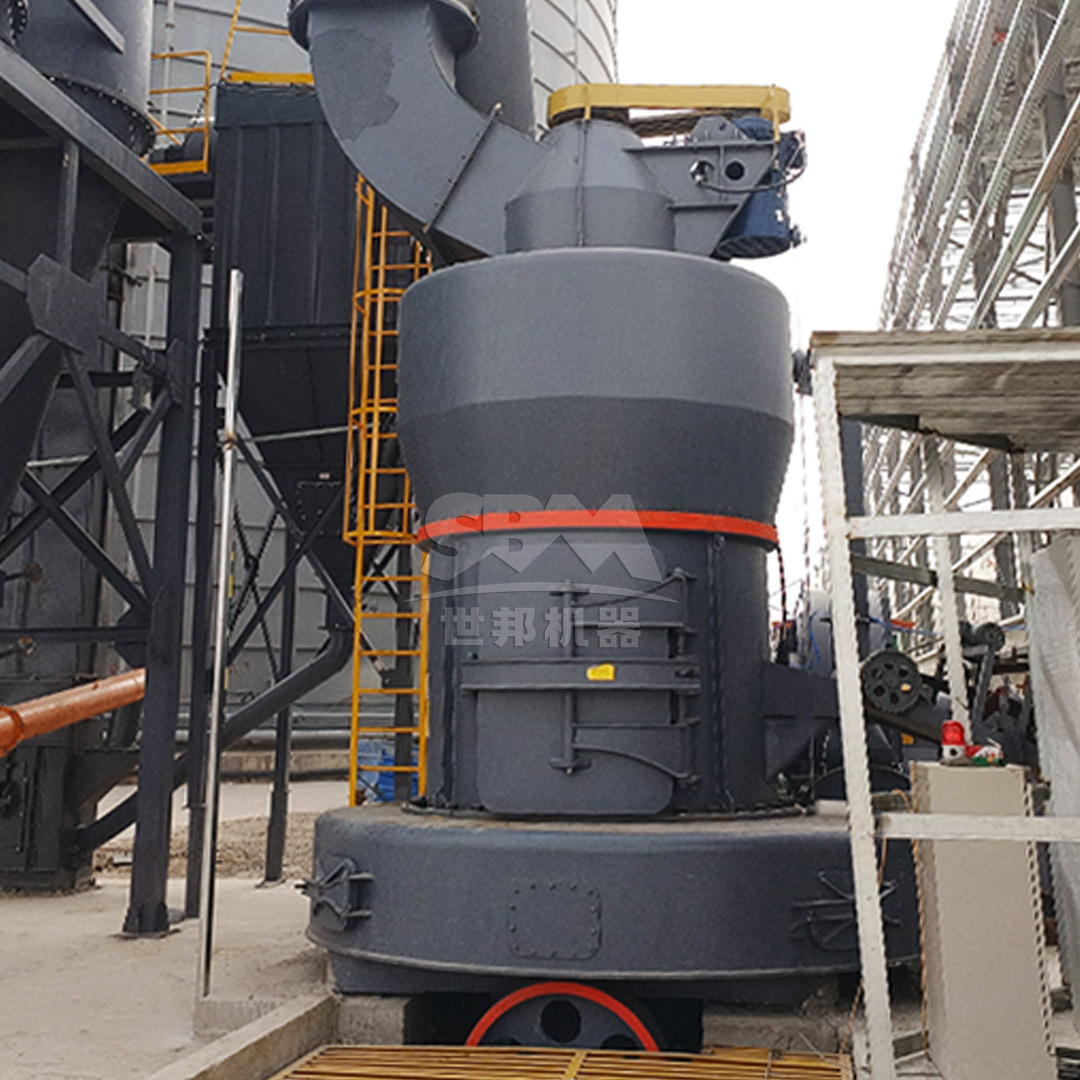
In today’s competitive industrial landscape, the choice of production equipment is not merely an operational decision but a strategic one with profound long-term implications. This is especially true for grinding and milling processes, which are fundamental to industries ranging from mining, construction, and cement to advanced materials, pharmaceuticals, and chemicals. While the initial capital outlay for high-quality industrial grinding equipment may be higher, the long-term return on investment (ROI) extends far beyond simple cost recovery. This article explores the top ten long-term benefits that justify investing in superior grinding technology, highlighting how it drives efficiency, quality, sustainability, and ultimately, profitability.
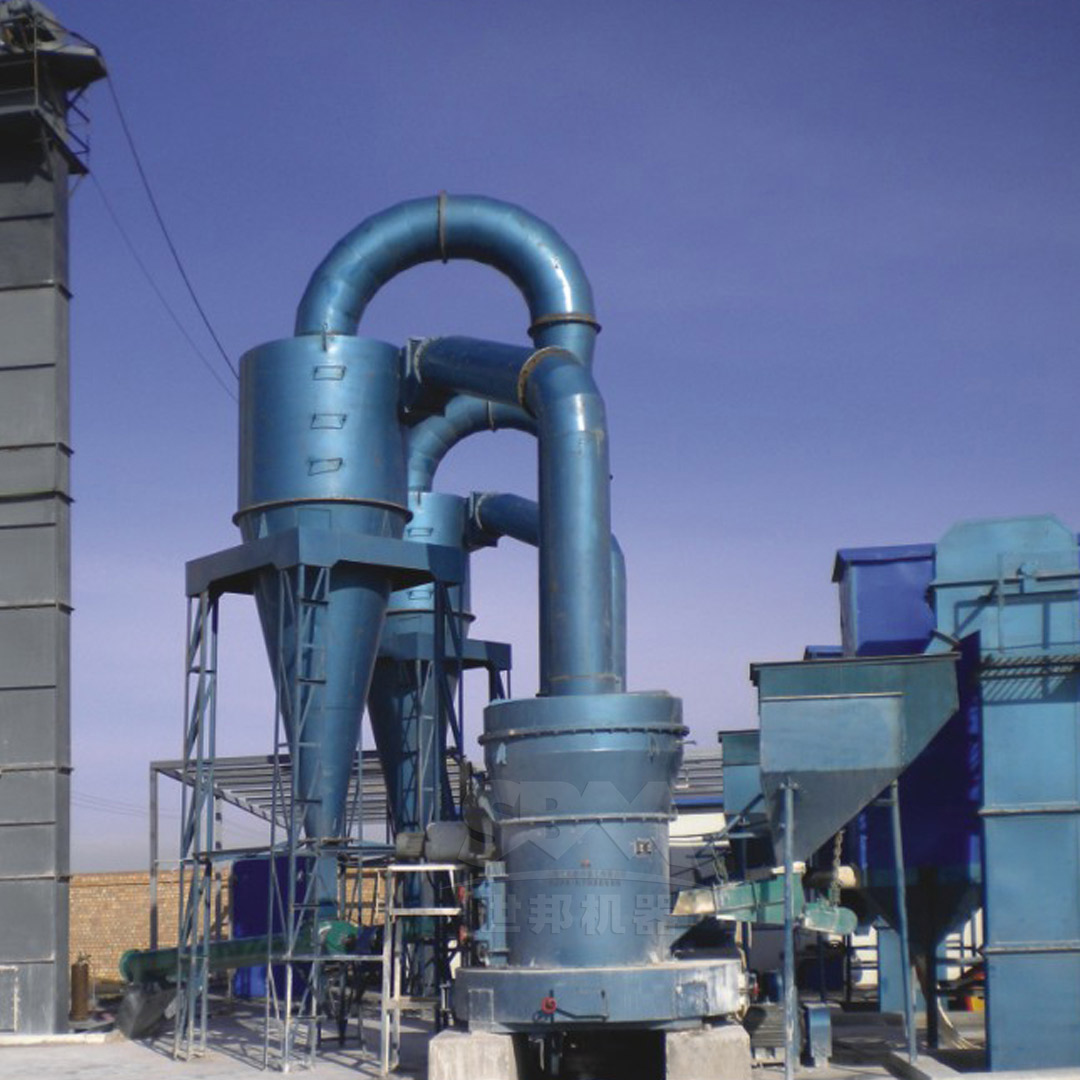
The most immediate and quantifiable long-term benefit is the significant reduction in operational expenditures. High-quality grinding mills are engineered for energy efficiency. For instance, modern vertical roller mills and ultrafine grinding systems incorporate advanced drive systems, optimized grinding kinematics, and intelligent airflow management. Compared to traditional ball mills or older-generation Raymond mills, energy savings of 30% to 50% are not uncommon. Over the lifespan of the equipment, which can span decades, these savings translate into millions of dollars in reduced electricity costs, directly boosting the bottom line.
Product quality is paramount. Superior grinding equipment delivers unparalleled control over particle size distribution (PSD), fineness, and particle shape. Advanced integrated classification systems, such as high-precision turbo classifiers, ensure sharp cuts and eliminate oversized particles. This consistency is critical for downstream processes and final product performance—whether it’s the strength of cement, the reactivity of a chemical powder, or the opacity of a coating. Consistent quality reduces waste, minimizes customer complaints, and strengthens brand reputation in the market.
Downtime is the enemy of profitability. High-quality equipment is built with durability and reliability at its core. This involves the use of premium wear-resistant materials for grinding elements (rollers, rings, liners), robust mechanical designs that minimize stress points, and advanced lubrication systems. The result is dramatically extended intervals between maintenance shutdowns and a much lower risk of catastrophic, unplanned failures. This predictable, high availability ensures production targets are consistently met, safeguarding revenue streams.
Linked to reliability is the benefit of reduced maintenance complexity and cost. Leading manufacturers design equipment with maintainability in mind. Features like modular roller assemblies that can be replaced quickly without dismantling the entire mill, accessible inspection points, and centralized lubrication systems all contribute to shorter maintenance windows and lower labor costs. Furthermore, the extended lifespan of wear parts means fewer consumables are purchased and replaced over time.
Market demands and raw material sources can change. A versatile grinding plant is a valuable asset. High-end grinding systems offer wide adjustability in terms of feed size, production rate, and especially product fineness. This allows a single production line to manufacture multiple product grades or adapt to variations in feedstock hardness and moisture content. This flexibility future-proofs the investment, allowing businesses to pivot and capitalize on new market opportunities without requiring a completely new capital project.
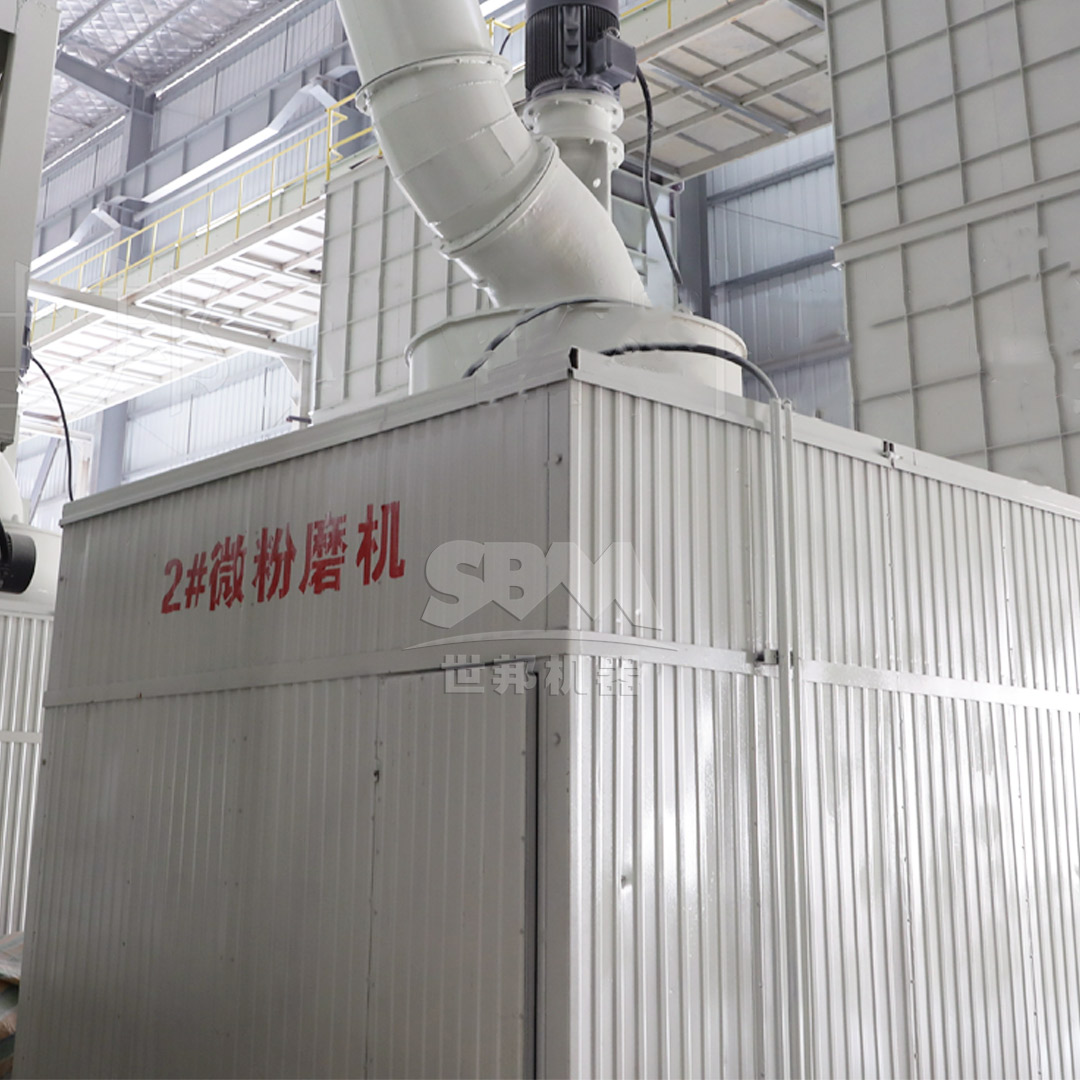
Modern grinding equipment is designed for the digital age. It seamlessly integrates with Plant Process Control (PPC) and Distributed Control Systems (DCS). With sensors monitoring critical parameters like pressure, temperature, vibration, and motor load, the process can be optimized in real-time for peak efficiency. Automated control loops adjust feed rates, classifier speed, and grinding pressure to maintain a set product fineness despite feed variations. This level of control minimizes human error, ensures consistent operation, and provides valuable data for continuous process improvement.
Environmental regulations are becoming increasingly stringent globally. Investing in high-quality grinding technology is a proactive step towards sustainable operation. State-of-the-art mills feature fully enclosed, negative-pressure designs that prevent dust escape at the source. They are paired with highly efficient pulse-jet baghouse filters or cartridge filters that achieve emission levels well below 20 mg/Nm³. Additionally, their energy efficiency directly reduces the carbon footprint associated with production. This not only avoids fines and operational shutdowns but also enhances the company’s ESG (Environmental, Social, and Governance) profile.
A safe work environment is non-negotiable. By containing dust within the grinding and collection system, high-quality equipment drastically reduces workers’ exposure to airborne particulate matter, a significant occupational health hazard. Furthermore, modern designs prioritize safety with features like mechanical guards, safe-access platforms, and lock-out/tag-out (LOTO) points. Reduced noise levels through sound-dampening enclosures (often below 80 dB(A)) protect workers’ hearing. These benefits lead to a healthier workforce, lower absenteeism, and reduced liability.
Premium grinding equipment is an asset that retains its value. Built to last with superior engineering and materials, such machinery often has a operational lifespan exceeding 25-30 years with proper maintenance. This stands in contrast to lower-quality alternatives that may require major overhauls or complete replacement much sooner. The long-term cost of ownership is therefore lower, and the asset remains a productive part of the company’s portfolio for generations.
Finally, advanced grinding technology is an enabler of innovation. The ability to produce ultra-fine powders (below 10µm or even 5µm) with tight particle distribution opens doors to high-value markets. These include advanced ceramics, battery materials, high-performance pigments, pharmaceuticals, and functional fillers. Investing in such capability positions a company at the forefront of material science and allows it to command premium prices for specialized products.
To fully realize these ten long-term benefits, selecting the right equipment partner is crucial. Our portfolio includes machines engineered to deliver on these promises across a wide range of applications.
For ultra-fine and precision grinding applications, the SCM Series Ultrafine Mill stands out. Capable of achieving a remarkable fineness range from 325 to 2500 mesh (D97 ≤ 5µm), it is the ideal solution for high-value minerals, ceramics, and advanced chemicals. Its core advantages directly align with the benefits discussed:
With models like the SCM1250 offering up to 14 tons per hour, it provides scalable, reliable production for the most demanding fine powder markets.
| Model | Capacity (ton/h) | Main Motor Power | Output Fineness |
|---|---|---|---|
| SCM800 | 0.5 – 4.5 | 75 kW | 325 – 2500 mesh |
| SCM900 | 0.8 – 6.5 | 90 kW | |
| SCM1000 | 1.0 – 8.5 | 132 kW | |
| SCM1250 | 2.5 – 14 | 185 kW | |
| SCM1680 | 5.0 – 25 | 315 kW |
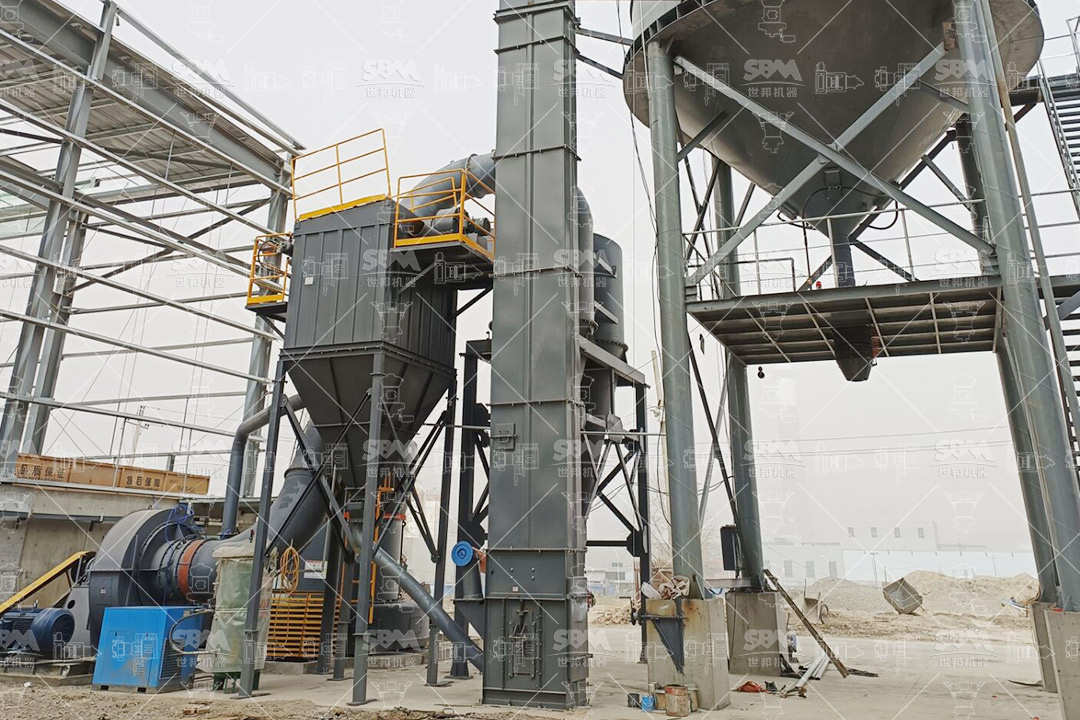
For high-capacity grinding of non-metallic minerals like limestone, calcite, dolomite, and barite to coarse and medium fineness, the MTW Series Trapezium Mill is the industry benchmark. Designed for large-scale production with capacities up to 45 tons per hour, it excels in delivering the benefits of reliability and low operational cost.
Models like the MTW215G are engineered for massive, continuous operation, making them a cornerstone of modern mineral processing plants where uptime and tonnage are critical.
The decision to invest in high-quality industrial grinding equipment transcends a simple procurement exercise. It is a strategic commitment to operational excellence, product leadership, environmental stewardship, and long-term financial health. The ten benefits outlined—from slashing OPEX and boosting quality to ensuring compliance and enabling innovation—create a compelling case for prioritizing technological superiority over short-term cost savings. By partnering with a provider of advanced, reliable grinding solutions like our SCM and MTW series mills, companies can build a solid foundation for sustainable growth and competitiveness for decades to come.