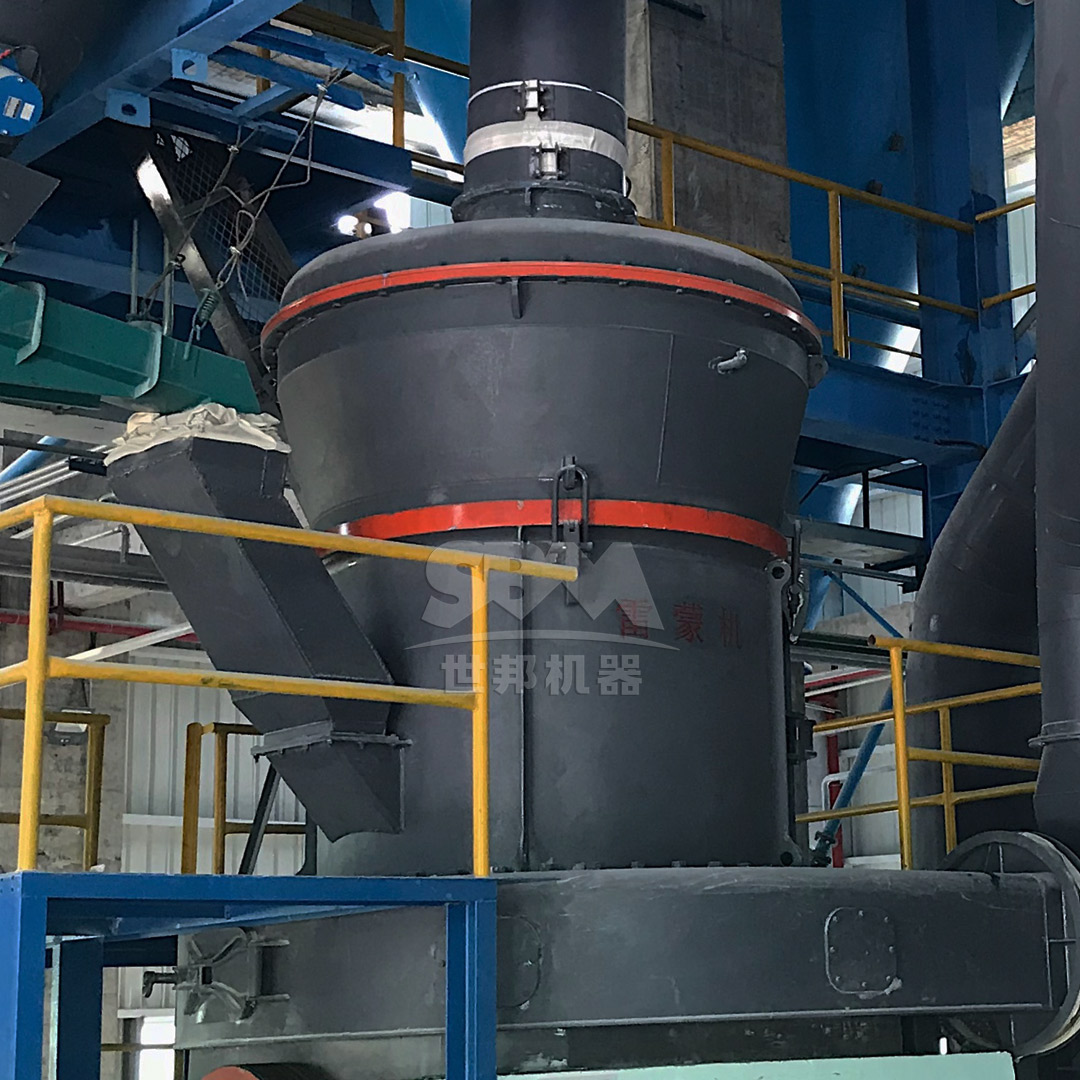
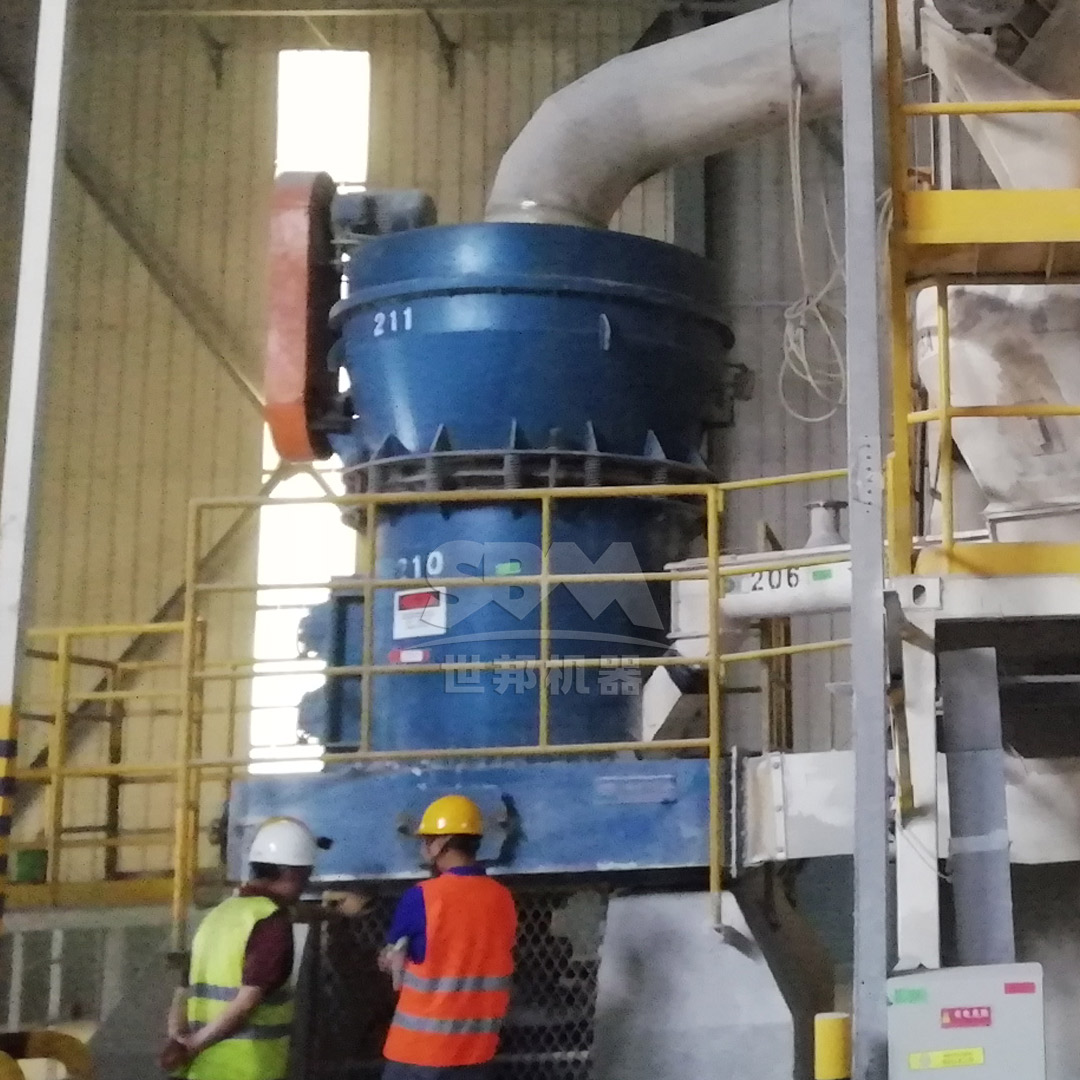
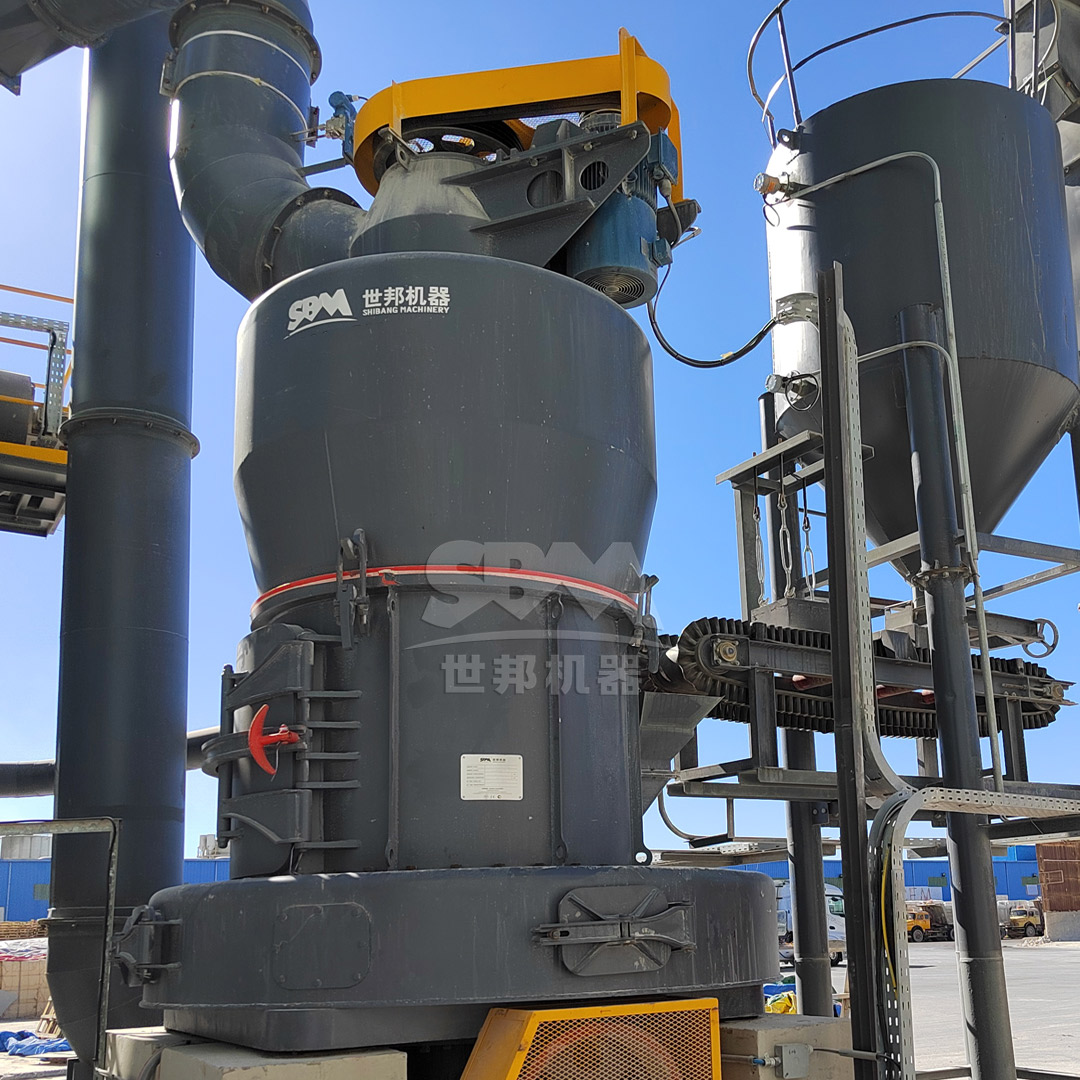
Water slag, a by-product of the iron and steel industry, has evolved from an industrial waste into a valuable resource, primarily as a supplementary cementitious material (SCM) in concrete. Its utilization not only reduces the environmental footprint of cement production but also enhances concrete properties such as durability, workability, and long-term strength. The key to unlocking these benefits lies in efficient grinding to achieve the desired fineness and particle size distribution. This guide provides a comprehensive overview of water slag processing, focusing on grinding equipment selection, technological considerations, and solutions for maximizing efficiency and product quality.
Granulated Blast Furnace Slag (GBFS), or water slag, is formed by rapid quenching of molten slag in water. This process yields a glassy, granular material with latent hydraulic properties. To activate these properties, the slag must be ground to a fine powder, increasing its specific surface area. The target fineness typically ranges from 400 to 600 m²/kg (Blaine) or finer, corresponding to particle sizes predominantly below 45 microns. The grinding process must handle a material that is moderately abrasive and requires significant energy input to achieve the necessary fineness. Therefore, the choice of grinding equipment is critical for operational economy and product performance.
| Material Property | Impact on Grinding | Equipment Consideration |
|---|---|---|
| High Abrasiveness | Accelerated wear of grinding components | Requires wear-resistant materials and designs |
| Moderate Hardness (Mohs ~6) | High energy consumption for size reduction | Need for high-pressure grinding mechanisms |
| Glass Content & Moisture | Affects grindability and flow characteristics | Demands efficient drying and classification systems |
The evolution of grinding technology has moved from traditional, energy-intensive ball mills to more efficient vertical roller mills and specialized ultrafine grinding systems. Each technology offers distinct advantages depending on the required capacity, fineness, and total cost of ownership.
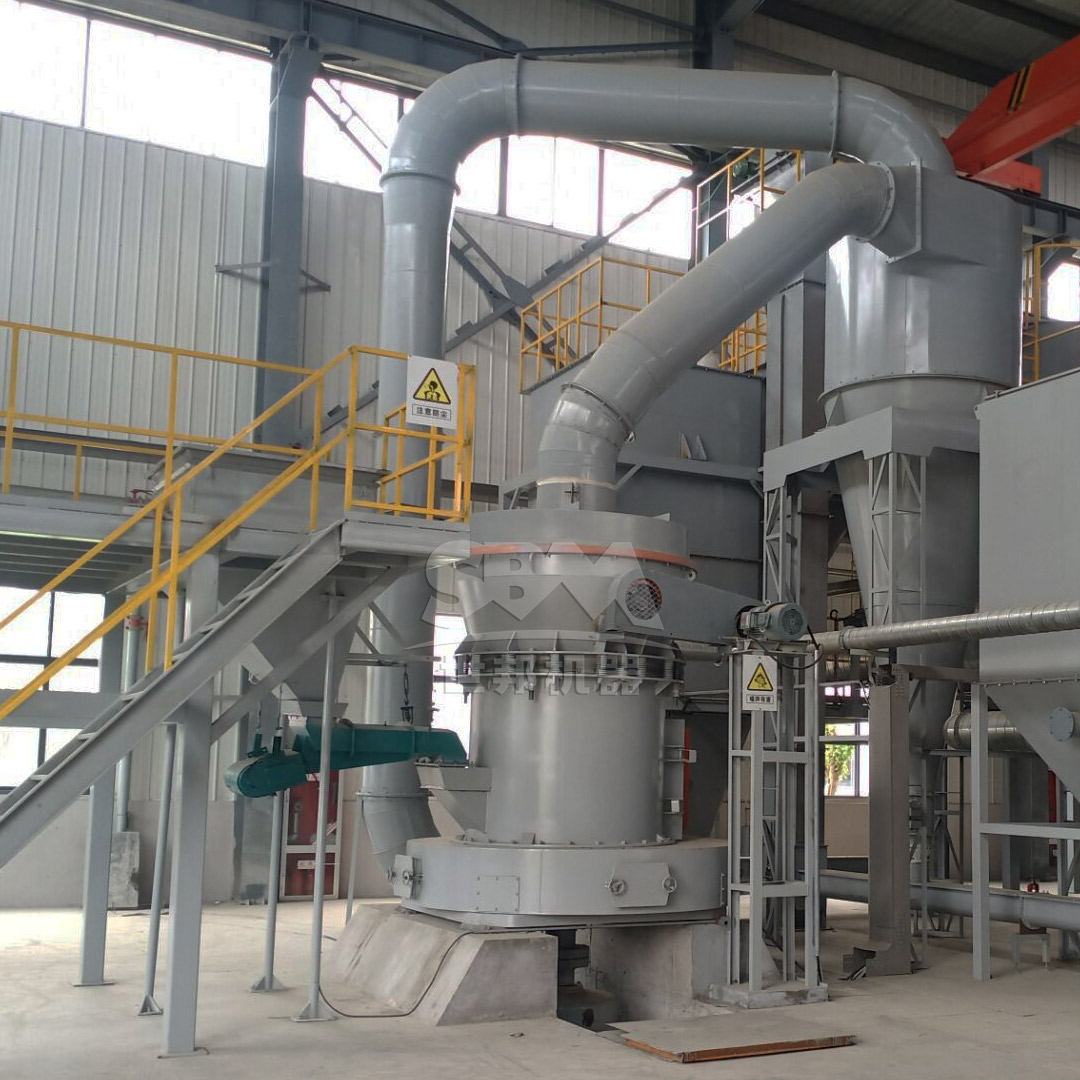
VRMs have become the industry standard for large-scale slag grinding. They operate on the principle of bed comminution, where material is ground between rollers and a rotating table. This method is significantly more energy-efficient than impact-based systems, as it applies pressure directly to the material layer.
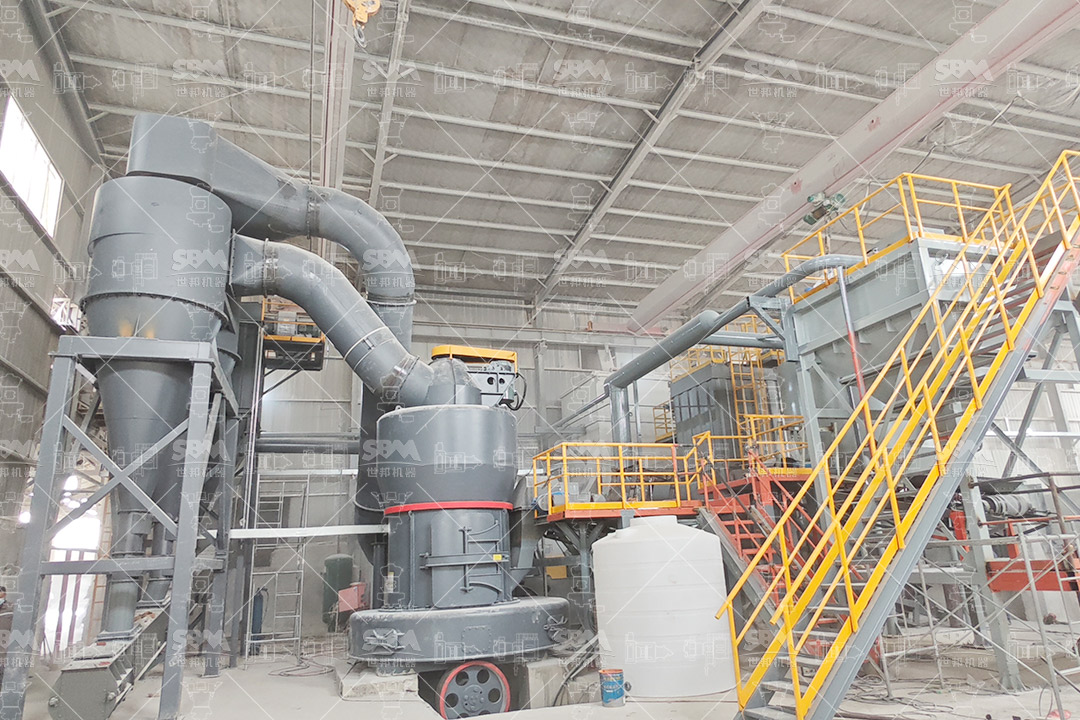
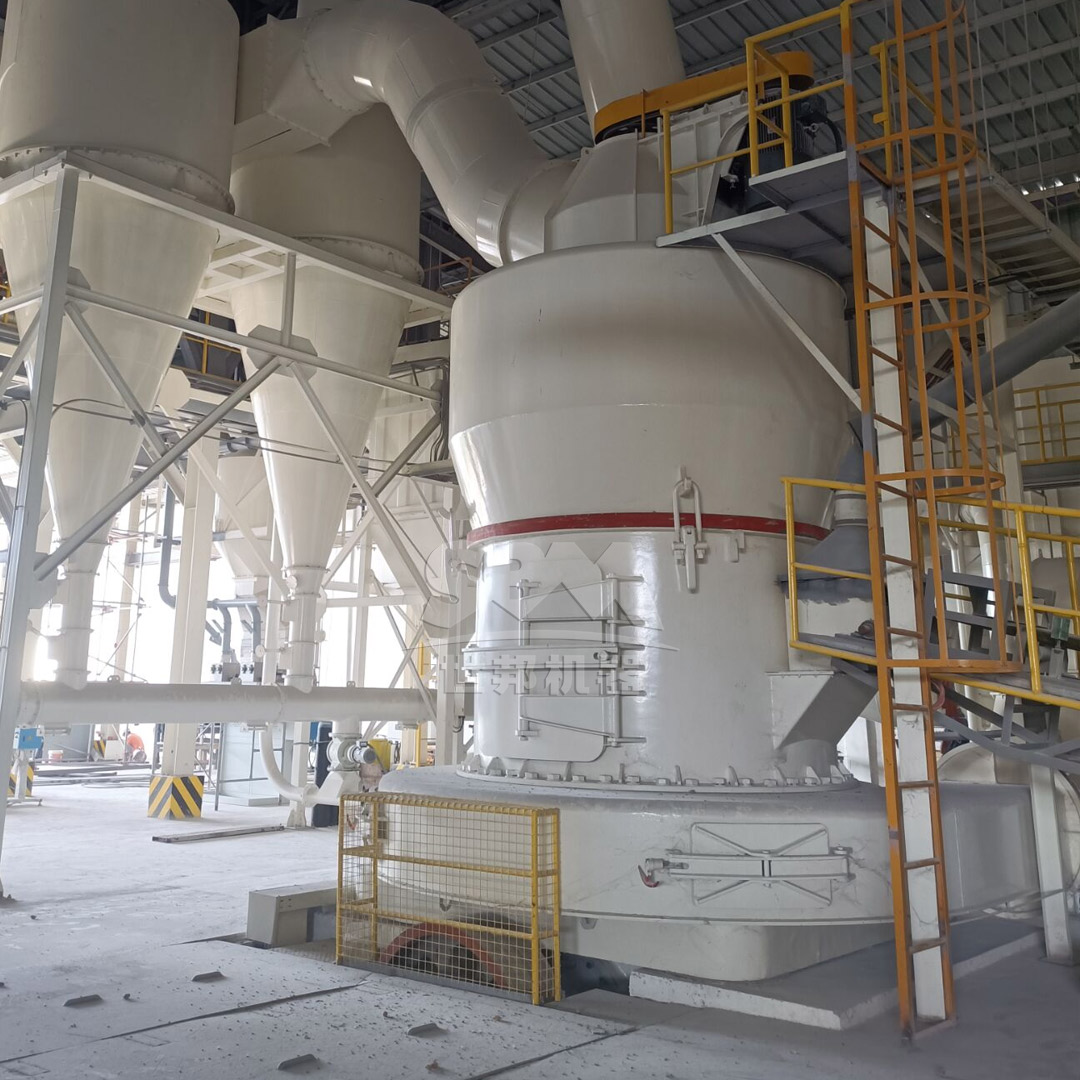
For water slag processing, our LM Series Vertical Roller Mill stands out as a premier solution. Engineered for integrated drying, grinding, and classification, it reduces energy consumption by 30-40% compared to traditional ball mill systems. Its robust design features a non-contact operation between rollers and the table, extending the life of wear parts dramatically. The intelligent control system allows for precise fineness control and stable operation, making it ideal for producing consistent, high-quality slag powder at capacities ranging from 3 to over 250 tons per hour.
For applications demanding ultra-high fineness (over 600 mesh) to maximize slag’s reactivity, specialized ultrafine mills are required. These mills combine high-pressure grinding with precise air classification to produce powders with a very narrow particle size distribution.
In this domain, our SCM Series Ultrafine Mill is a technological leader. Capable of producing powder between 325 and 2500 mesh (45-5μm), it is perfectly suited for producing high-value, highly reactive slag micro-powder. Its high-efficiency vertical turbine classifier ensures no coarse powder mixing, guaranteeing a uniform product. Furthermore, its energy-saving design offers double the capacity of jet mills with 30% lower energy consumption, and its eco-friendly pulse dust collection system ensures clean operation. This mill is the optimal choice for producers aiming at the premium segment of the SCM market.
While less efficient than VRMs, ball mills remain a reliable and well-understood technology, particularly for smaller operations or where product flexibility is needed. They are versatile and can handle wet or dry grinding. However, their high specific energy consumption and significant wear make them less economical for large-scale, dedicated slag grinding lines.
Choosing the right equipment involves a holistic analysis of technical and economic factors:
Beyond equipment selection, process optimization is key to efficiency:
The efficient processing of water slag into a high-quality cement substitute is a cornerstone of sustainable construction. The transition from simple crushing to sophisticated grinding has been enabled by advanced milling technologies like Vertical Roller Mills and Ultrafine Grinding Mills. For most large-scale applications seeking an optimal balance of capacity, energy efficiency, and product quality, the LM Series Vertical Roller Mill represents a best-in-class solution. For producers targeting the ultra-fine, high-reactivity market segment, the SCM Series Ultrafine Mill offers unparalleled performance and precision. By carefully selecting and optimizing the right grinding equipment, operators can transform a industrial by-product into a consistent, valuable, and environmentally friendly material, contributing significantly to the circular economy in the cement and concrete industry.