Kaolin, also known as china clay, is a fundamental raw material in the ceramics industry, prized for its unique properties that contribute to the whiteness, plasticity, and strength of ceramic bodies and glazes. The quality of the final ceramic product is intrinsically linked to the particle size distribution, purity, and consistency of the kaolin powder used. Achieving the optimal fineness—typically ranging from 325 mesh (45μm) for some body compositions to superfine levels of 2500 mesh (5μm) for high-grade glazes and specialty ceramics—requires precise and efficient grinding technology. Selecting the appropriate grinding mill is therefore a critical decision that impacts product quality, production efficiency, operational costs, and environmental footprint.
The ideal grinding solution for kaolin must meet several stringent requirements specific to ceramic manufacturing processes.
Ceramic formulations demand precise control over particle size. Finer kaolin particles enhance the density and mechanical strength of the sintered body, improve surface finish, and allow for more vibrant glaze colors. A narrow particle size distribution is crucial to prevent defects and ensure uniform shrinkage during firing. Grinding mills must offer reliable and adjustable classification systems to achieve these targets consistently.
Kaolin’s value in ceramics is largely due to its high whiteness. Even minimal contamination, especially from iron, can introduce discoloration (yellowing or reddish tints) that degrades the final product’s aesthetic appeal. Therefore, the grinding mill must be constructed with wear-resistant materials that minimize metal-to-material contact and the subsequent introduction of metallic impurities. Ceramic-lined or specially hardened components are often preferred.
Grinding is an energy-intensive process. With rising energy costs and a global push for sustainability, mills that offer higher throughput per unit of power consumed are highly desirable. Lower energy consumption directly translates to reduced operating expenses and a smaller carbon footprint.
Continuous production is vital in ceramics manufacturing. Equipment that requires frequent downtime for maintenance or part replacement disrupts the entire production chain. A robust mill design with long-lasting wear parts and easy maintenance protocols is essential for maximizing uptime.
Various mill types are employed in the industry, each with its own set of advantages and limitations for kaolin processing.
Traditional ball mills have been widely used for kaolin grinding. They operate on the principle of impact and attrition as the grinding media (balls) cascade inside a rotating cylinder.
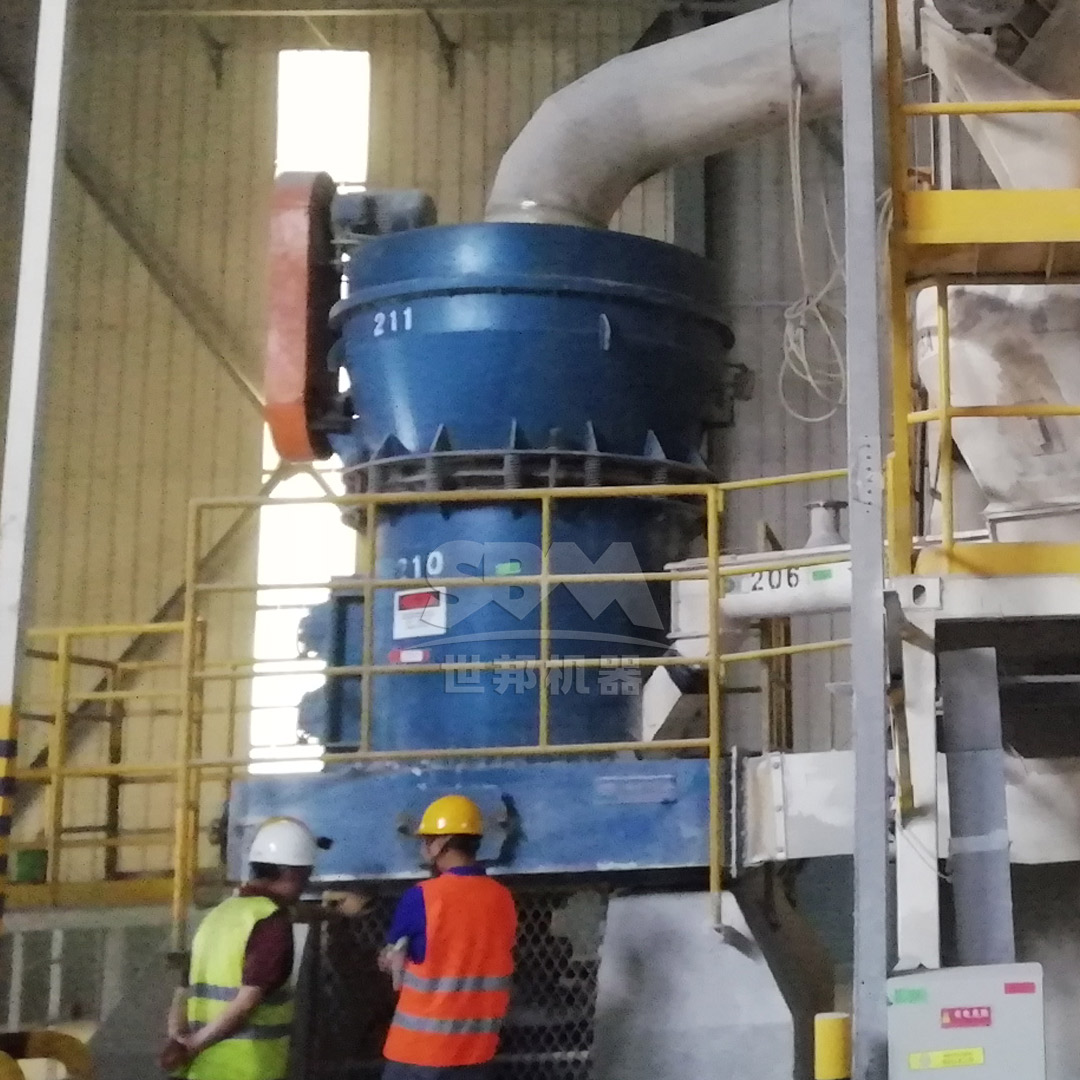
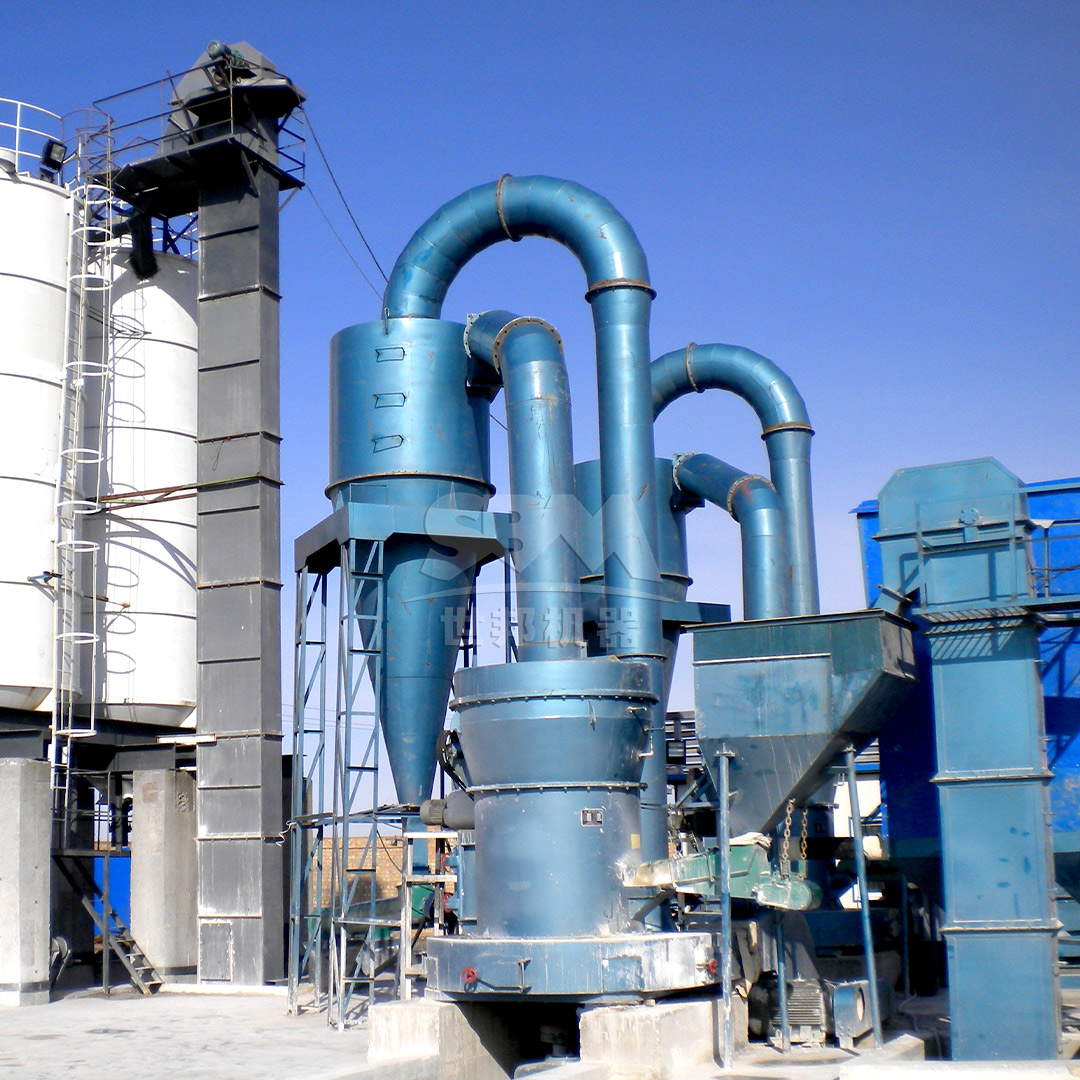
These mills use spring-loaded rollers that rotate against a stationary ring to crush and grind the material.
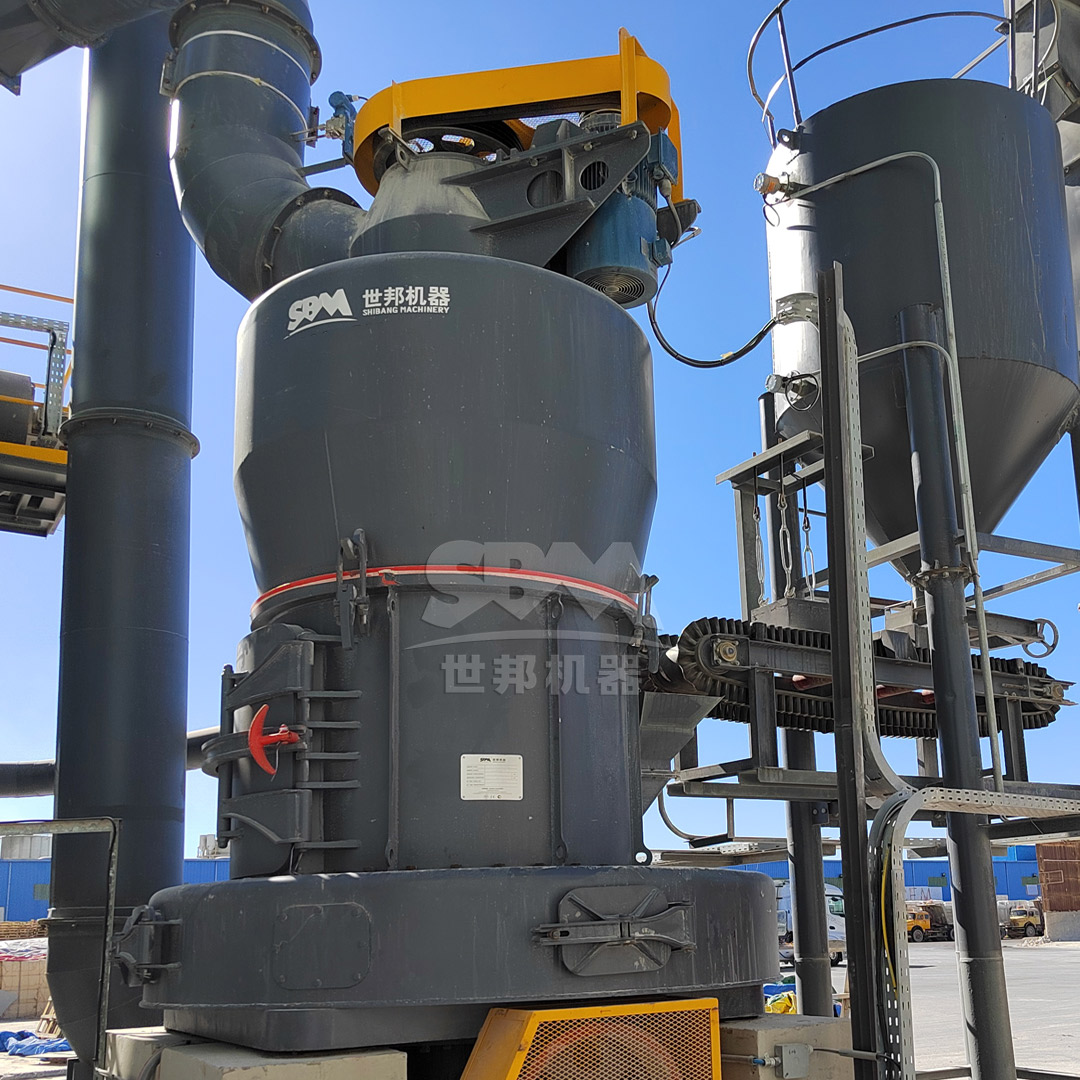
VRMs use hydraulically pressurized rollers to compress and shear the material bed on a rotating grinding table.
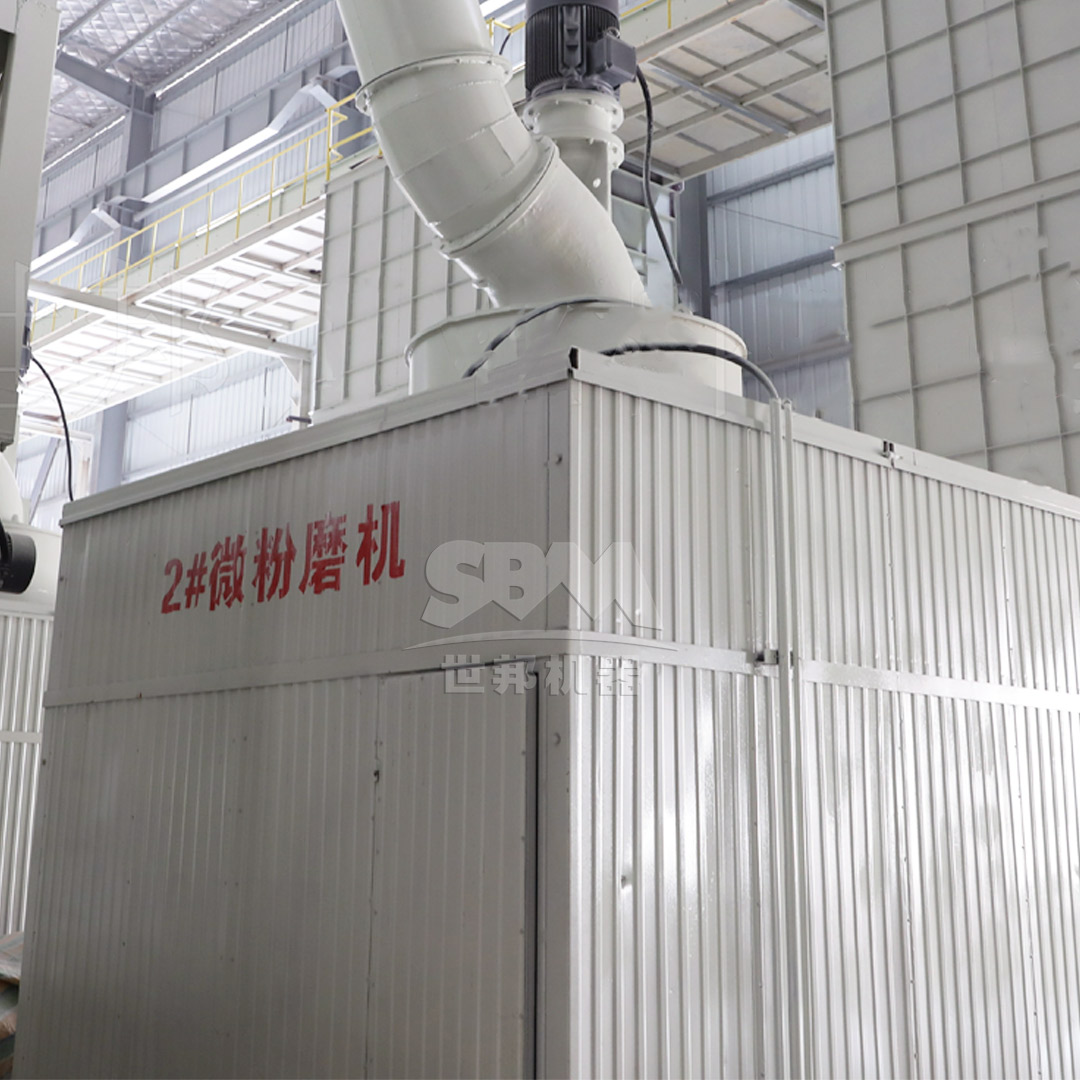
For modern ceramics manufacturing, especially for products requiring high whiteness, superior strength, and exquisite surface quality, ultrafine grinding mills represent the state-of-the-art solution. These mills are specifically engineered to produce powders in the 5-45μm (2500-325 mesh) range with high efficiency and minimal contamination.
Ultrafine mills, such as the SCM Ultrafine Mill, incorporate several key features that directly address the needs of the ceramics industry:
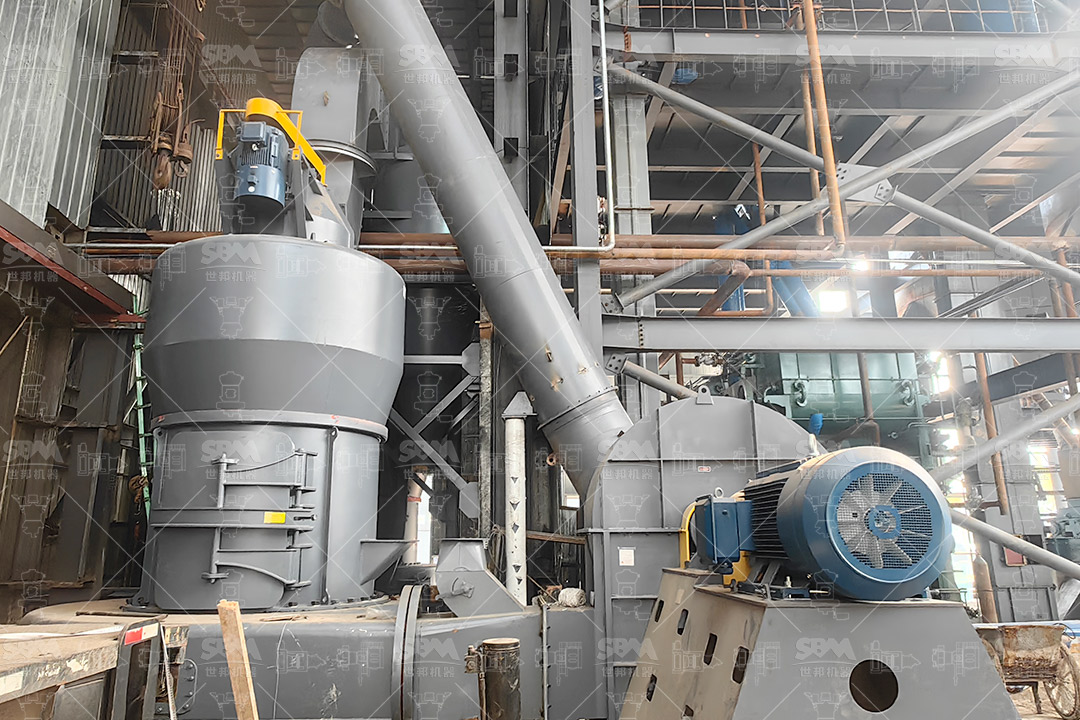
Based on the specific requirements for particle size, purity, and efficiency in ceramics, we highly recommend the following grinding equipment from our product line.
For manufacturers targeting the high-end ceramics market with a need for superfine kaolin powder (325-2500 mesh), the SCM Ultrafine Mill is the optimal choice.
Core Parameters:
Technical Advantages for Kaolin:
Model Selection Guide:
| Model | Processing Capacity (ton/h) | Main Motor Power (kW) | Recommended Application |
|---|---|---|---|
| SCM800 | 0.5 – 4.5 | 75 | Pilot plants, small-scale specialty ceramics |
| SCM1000 | 1.0 – 8.5 | 132 | Medium-scale tile and sanitaryware production |
| SCM1250 | 2.5 – 14 | 185 | Large-scale tableware and technical ceramics |
| SCM1680 | 5.0 – 25 | 315 | High-volume industrial ceramic manufacturing |
For ceramic applications where the primary requirement is in the coarse to medium-fine range (30-325 mesh), such as some structural clay products or as a primary grinding stage, the MTW Series Trapezium Mill offers an excellent balance of performance and economy.
Core Parameters:
Technical Advantages for Kaolin:
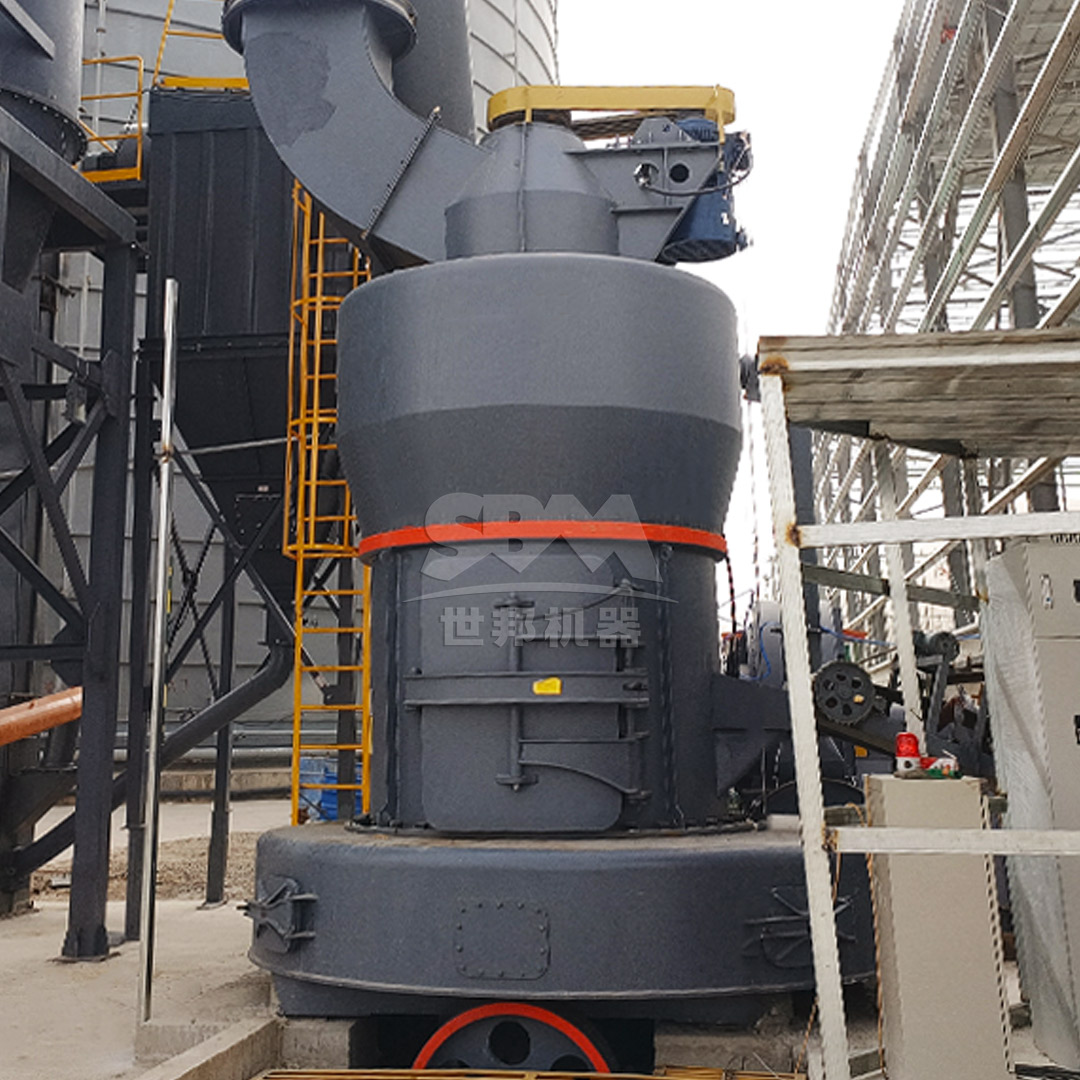
The selection of the best grinding mill for kaolin is a strategic decision that directly influences the quality, cost, and sustainability of ceramic production. While traditional mills like ball mills have their place, the advanced technology embodied in ultrafine and trapezium mills provides a clear advantage for modern, quality-conscious manufacturers. For achieving the superfine, high-purity kaolin powders essential for premium ceramics, the SCM Series Ultrafine Mill stands out as the superior technical solution, offering unparalleled fineness control, energy efficiency, and product purity. For high-capacity processing at slightly coarser grinds, the MTW Series Trapezium Mill presents a robust and cost-effective alternative. Investing in the right grinding technology is an investment in the future of your ceramic products.