
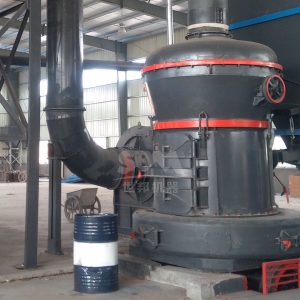
How Does a Roller Mill Improve Grinding Efficiency for Quartz? Quartz, one of the most abundant minerals on Earth, possesses unique physical and chemical properties that make it challenging to grind efficiently. Its high hardness (7 on the Mohs scale), chemical inertness, and abrasive nature demand specialized milling equipment to achieve the desired fineness for […]
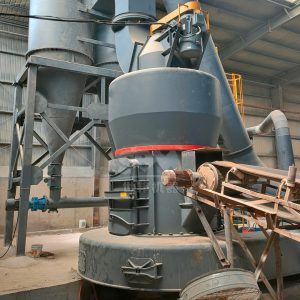
Introduction to Advanced Feldspar Grinding Technology Feldspar, one of the most abundant minerals in the Earth’s crust, requires precise grinding technology to achieve the optimal particle size distribution for various industrial applications. The 21 rollers mill represents a significant advancement in mineral processing equipment, offering unparalleled efficiency and precision in feldspar grinding operations. This comprehensive […]
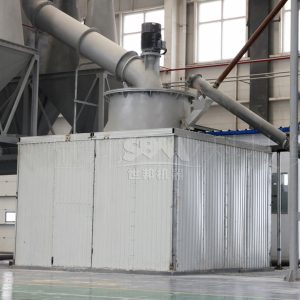
Introduction to Dolomite Grinding Dolomite, a calcium magnesium carbonate mineral (CaMg(CO₃)₂), presents unique challenges in grinding operations due to its moderate hardness (3.5-4 on Mohs scale) and specific cleavage properties. While hammer mills have been traditionally used for various mineral processing applications, their effectiveness for dolomite grinding requires careful examination of both technical capabilities and […]
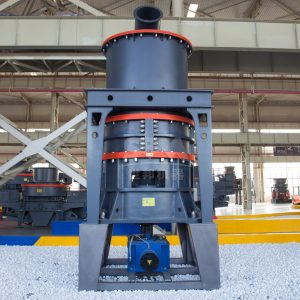
What Materials Can Be Processed by a Pendulum Mill? Pendulum mills, also known as pendulum roller mills, represent a versatile class of grinding equipment capable of processing a wide range of materials across various industries. These mills utilize suspended grinding rollers that swing outward due to centrifugal force, pressing against a stationary grinding ring to […]
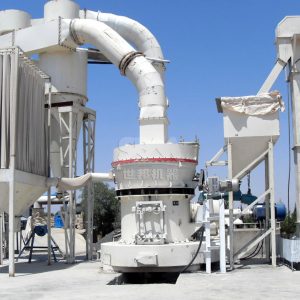
Understanding Marble Grinding Pulverizer Costs When considering the purchase of a marble grinding pulverizer machine, the cost is influenced by numerous factors beyond just the initial equipment price. Understanding these variables is crucial for making an informed investment decision that aligns with your production requirements and budget constraints. Key Factors Affecting Marble Pulverizer Pricing The […]
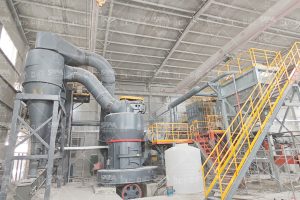
Introduction to Carbon Black Processing Carbon black, a material produced by the incomplete combustion of heavy petroleum products, is widely used as a reinforcing filler in rubber products, as a pigment in inks and coatings, and as an UV stabilizer in plastics. The processing of carbon black requires specialized grinding equipment to achieve the desired […]

Introduction to Calcite Grinding Calcite, a naturally occurring calcium carbonate mineral, is one of the most versatile and widely used industrial minerals. Its applications span numerous industries including plastics, paints, coatings, paper, construction, and pharmaceuticals. The value of calcite in these applications is heavily dependent on its particle size distribution and purity, making ultrafine grinding […]
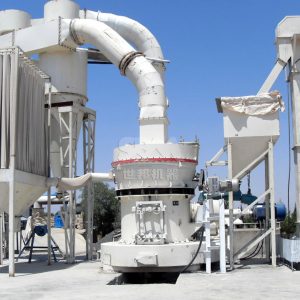
Introduction: The Gypsum Grinding Challenge Gypsum, a soft sulfate mineral composed of calcium sulfate dihydrate, presents unique challenges in industrial grinding operations. Its relatively low hardness (2 on the Mohs scale) and thermal sensitivity require specialized milling equipment that can achieve precise particle size distribution without compromising product quality or operational efficiency. The question of […]
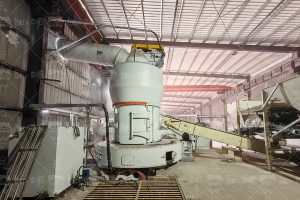
Introduction to Limestone Grinding Limestone, a sedimentary rock composed primarily of calcium carbonate, is one of the most versatile and widely used industrial minerals globally. Its applications span across construction, agriculture, environmental protection, and various manufacturing industries. The processing of limestone into fine powders requires specialized grinding equipment that can deliver consistent particle size distribution, […]