
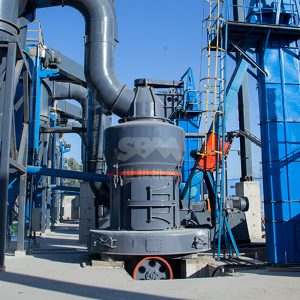
Introduction to Barite Grinding Barite (barium sulfate) is a mineral primarily used as a weighting agent in drilling fluids for oil and gas exploration. Its effectiveness depends heavily on particle size distribution and purity, making efficient grinding crucial for meeting industry specifications. Traditional ball mills have been the workhorse of barite processing for decades, but […]
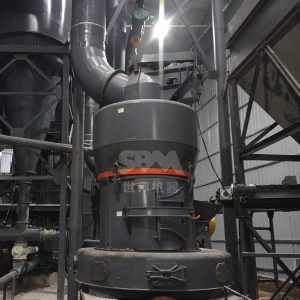
Introduction to Talc Powder Processing Talc, a hydrated magnesium silicate mineral with the chemical formula Mg3Si4O10(OH)2, is one of the most versatile industrial minerals due to its unique properties including softness, chemical inertness, lamellar structure, and high thermal stability. The manufacturing of talc powder requires precise grinding and classification to achieve the desired particle size […]
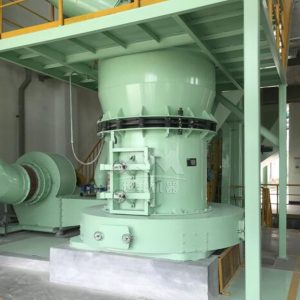
Introduction to Petroleum Coke Grinding Petroleum coke (petcoke) is a carbonaceous solid derived from oil refinery coker units or other cracking processes. As a valuable industrial fuel and raw material, petcoke requires specialized grinding equipment to achieve the precise particle size distribution necessary for various applications. High-temperature resistant grinding mills are particularly crucial for processing […]
Introduction Bentonite, a versatile clay mineral with exceptional swelling and binding properties, has become an indispensable material in modern construction projects. From waterproofing and soil stabilization to slurry wall construction and grouting applications, bentonite’s unique characteristics make it valuable across multiple construction sectors. However, the effectiveness of bentonite in these applications heavily depends on achieving […]
Introduction to Kaolin in Paper Coating Kaolin, also known as china clay, is an essential mineral in the paper industry, particularly for coating applications. Its unique properties including whiteness, brightness, particle size distribution, and chemical inertness make it an ideal coating pigment that significantly enhances paper quality. The processing of kaolin for paper coating requires […]
Introduction to Feldspar Processing Feldspar, one of the most abundant minerals in the Earth’s crust, serves as a fundamental raw material in glass and ceramic manufacturing. Its unique properties—including alumina content, fluxing characteristics, and mechanical strength—make it indispensable for producing everything from tableware and sanitaryware to architectural glass and technical ceramics. The transformation of raw […]
Introduction In the oil and gas industry, barite plays a crucial role as a weighting agent in drilling mud formulations. The efficiency of barite grinding directly impacts drilling performance, operational costs, and environmental compliance. Modern barite processing requires specialized milling equipment capable of producing consistent, high-density powder with precise particle size distribution. This article explores […]
Introduction Graphite, with its unique combination of properties including high thermal conductivity, electrical conductivity, and lubricity, has become an indispensable material in advanced applications ranging from lithium-ion batteries to aerospace components. The performance of graphite in these applications is critically dependent on particle size distribution and purity, making the grinding process a crucial step in […]
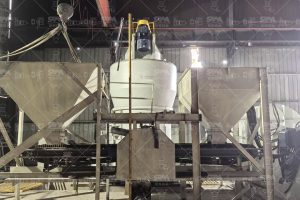
Introduction The production of high-quality plastic and rubber fillers requires precise control over limestone particle size, distribution, and purity. Selecting the right grinding equipment is crucial for achieving optimal product performance and production efficiency. This comprehensive guide explores the key factors to consider when choosing a limestone grinding machine specifically for filler production applications. Grinding […]