
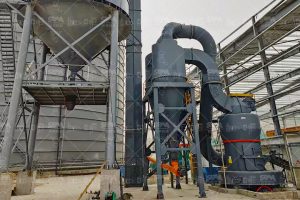
Introduction Bentonite plays a crucial role in drilling mud preparation, serving as a vital component that provides viscosity, filtration control, and wellbore stability. The performance of bentonite in drilling applications is heavily dependent on its particle size distribution and purity. Selecting the appropriate pulverizing mill is therefore essential for achieving optimal mud properties and ensuring […]
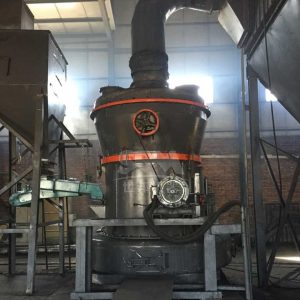
Introduction The industrial paint industry demands consistent, high-quality barite powder with precise particle size distribution to achieve optimal performance in coatings, primers, and specialized finishes. Barite (barium sulfate) serves as a critical extender and filler, providing essential properties such as chemical inertness, low oil absorption, and excellent dispersion characteristics. Establishing an efficient barite grinding plant […]
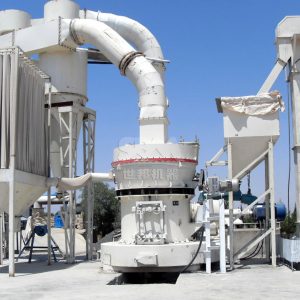
Introduction: The Critical Role of Calcite in Specialty Glass Manufacturing The specialty glass industry demands exceptional material consistency and purity to achieve the desired optical, thermal, and mechanical properties in final products. Calcite, a naturally occurring mineral form of calcium carbonate (CaCO3), serves as a crucial raw material in many specialty glass formulations. Its primary […]
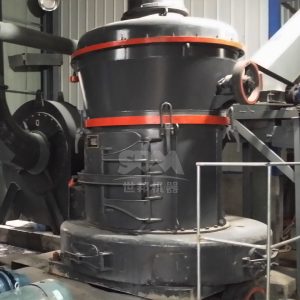
Introduction to Gypsum Processing for Board Manufacturing Gypsum board production represents one of the most significant applications of industrial gypsum worldwide. The quality of the final product is directly influenced by the efficiency and precision of the gypsum milling process. Proper particle size distribution, purity, and consistency are critical factors that determine the strength, fire […]
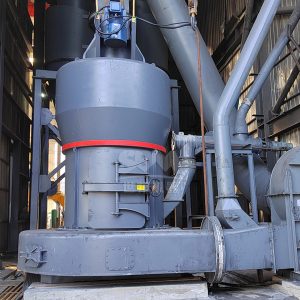
Introduction Limestone plays a crucial role in detergent production as a filler and pH regulator. The quality of ground limestone directly impacts the final product’s performance, texture, and solubility. Selecting the right grinding mill is essential for achieving optimal particle size distribution, production efficiency, and cost-effectiveness. This comprehensive guide will help you navigate the key […]
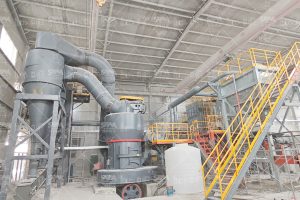
Introduction The production of high-performance refractory materials relies heavily on the quality and consistency of raw material processing, particularly bauxite grinding. Bauxite, as the primary source of alumina for refractory applications, requires precise particle size distribution and chemical stability to ensure optimal performance in high-temperature environments. Modern bauxite grinding plants have evolved into sophisticated systems […]
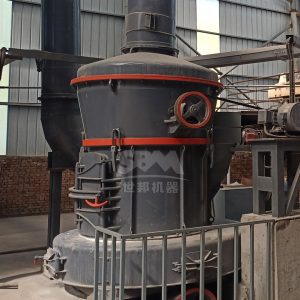
Introduction to Talc Processing for Industrial Applications Talc, a hydrated magnesium silicate mineral, plays a crucial role as a functional filler in rubber and plastics manufacturing. Its unique properties—including lamellar structure, chemical inertness, and thermal stability—make it an ideal additive for enhancing product performance. The processing of talc from raw ore to precisely controlled powder […]
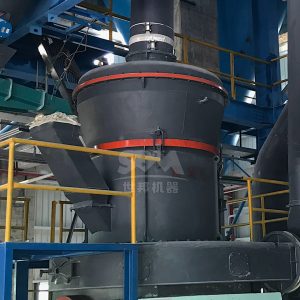
How Quartz Grinding Machines Enhance Optical Fiber Production Efficiency The manufacturing of optical fibers represents one of the most precision-demanding processes in modern industrial production. At the heart of this sophisticated manufacturing chain lies the processing of quartz materials, where grinding technology plays a pivotal role in determining both quality and efficiency. The evolution of […]
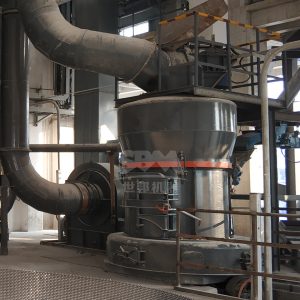
Introduction: The Critical Role of Kaolin Particle Size in Plastics The plastics industry continuously seeks advanced materials and processing technologies to enhance product performance, reduce costs, and meet evolving market demands. Kaolin, a naturally occurring hydrated aluminum silicate clay, has emerged as a vital functional filler and reinforcing agent in various plastic applications. Its benefits […]