January 22, 2026
Introduction
Basalt, a dense and fine-grained volcanic rock, is a cornerstone material in modern construction, road building, and infrastructure projects. Its high compressive strength, durability, and excellent abrasion resistance make it a preferred aggregate. However, these very properties pose significant challenges for processing. Transforming raw basalt boulders into usable sand, gravel, or fine powders requires a carefully selected sequence of robust and efficient machinery. This guide provides a comprehensive overview of the essential crushing and grinding equipment needed for a successful basalt processing plant, from primary reduction to ultra-fine milling.
1. Primary Crushing: The First Reduction
The processing journey begins with primary crushing, where large basalt boulders (often up to 1 meter in size) are reduced to manageable pieces, typically under 200-250mm. Given basalt’s hardness and abrasiveness, equipment must be exceptionally durable.
- Jaw Crushers: The workhorse of primary crushing. Their robust, simple design and powerful compressive action make them ideal for breaking the toughest basalt. The choice between fixed and mobile jaw crushers depends on the mine plan and project requirements.
- Gyratory Crushers: For very high-capacity primary stations, gyratory crushers offer continuous crushing action and are highly efficient, though they involve a higher initial investment.
The key here is to achieve the necessary size reduction while minimizing wear part consumption, which directly impacts operational costs.
2. Secondary and Tertiary Crushing: Shaping the Aggregate
Secondary crushing further reduces the primary crushed material to sizes like 40-70mm, while tertiary crushing (and sometimes quaternary) shapes the aggregate and produces finer fractions for concrete and asphalt.
- Cone Crushers: The undisputed champion for secondary and tertiary stages in basalt processing. Their interparticle crushing action (rock-on-rock and rock-on-metal) is perfectly suited for producing well-shaped, cubical aggregates from abrasive materials. Modern hydraulic cone crushers with automated settings and wear compensation are crucial for maintaining consistent product quality.
- Impact Crushers: While excellent for softer, less abrasive stones, their use in dedicated basalt crushing lines is less common due to higher wear rates on blow bars and aprons. They may be employed in specific applications where a particular particle shape is paramount.
3. Fine Crushing and Sand Making
To produce manufactured sand (M-Sand) from basalt, specialized sand makers or fine cone crushers are employed.
- Vertical Shaft Impact (VSI) Crushers: These utilize a high-speed rotor to throw basalt particles against anvils or rock shelves, achieving excellent particle shape through rock-on-rock impact. They are key for producing high-quality, cubical sand that meets stringent construction standards.
- High-Pressure Grinding Rolls (HPGR): An energy-efficient alternative for producing fine material, using a compression grinding principle between two counter-rotating rolls.
4. Grinding Mills: From Coarse Powder to Ultra-Fine Products
For applications requiring basalt in powder form—such as mineral wool production, soil amendment, or as a filler material—grinding mills take over. The choice of mill depends heavily on the required fineness and capacity.
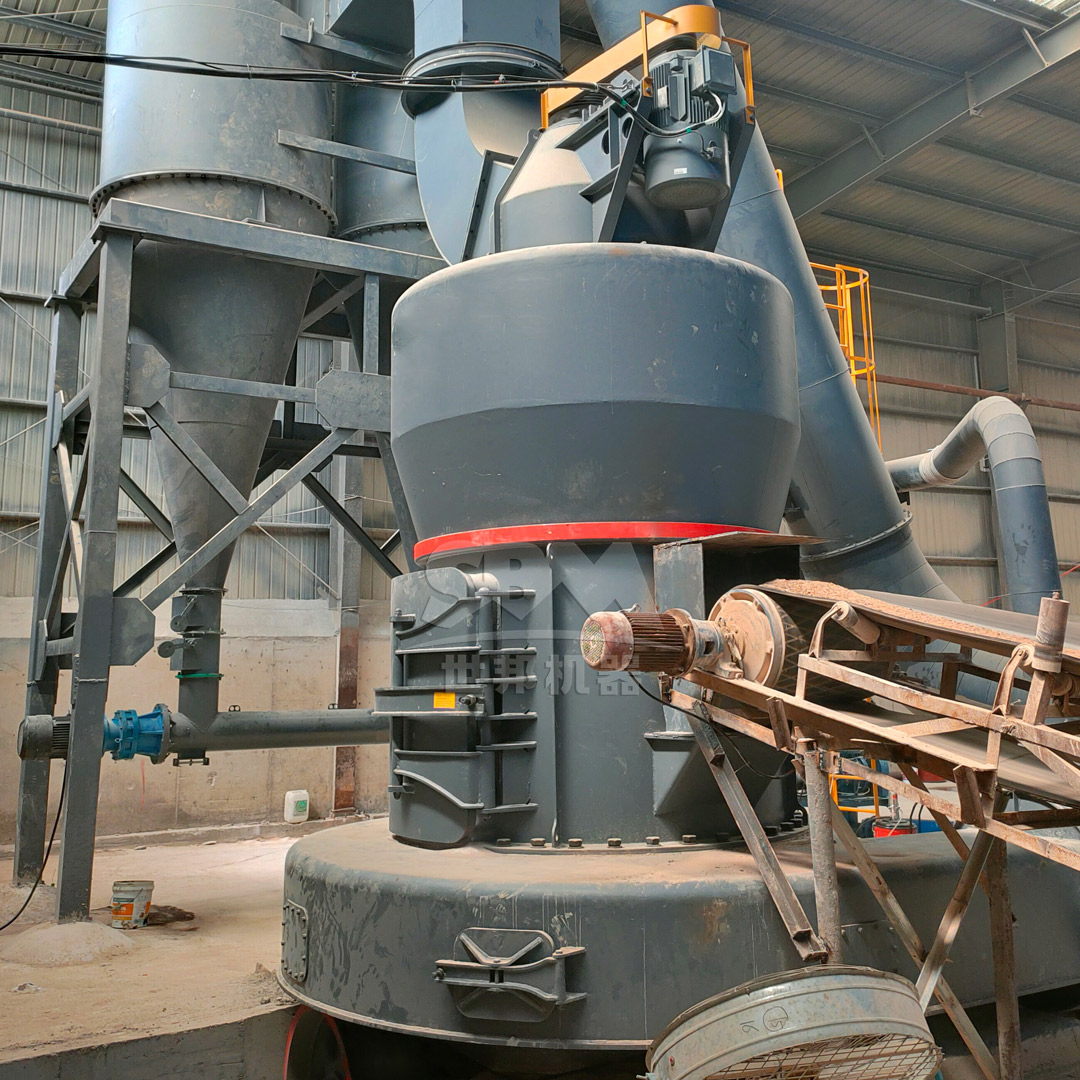
- Ball Mills: A traditional and reliable technology for grinding basalt to a medium-coarse fineness (typically 0.074-0.8mm). They operate on the principle of impact and attrition as grinding media (steel balls) cascade inside a rotating shell. While robust, they are less energy-efficient compared to more modern grinding systems.
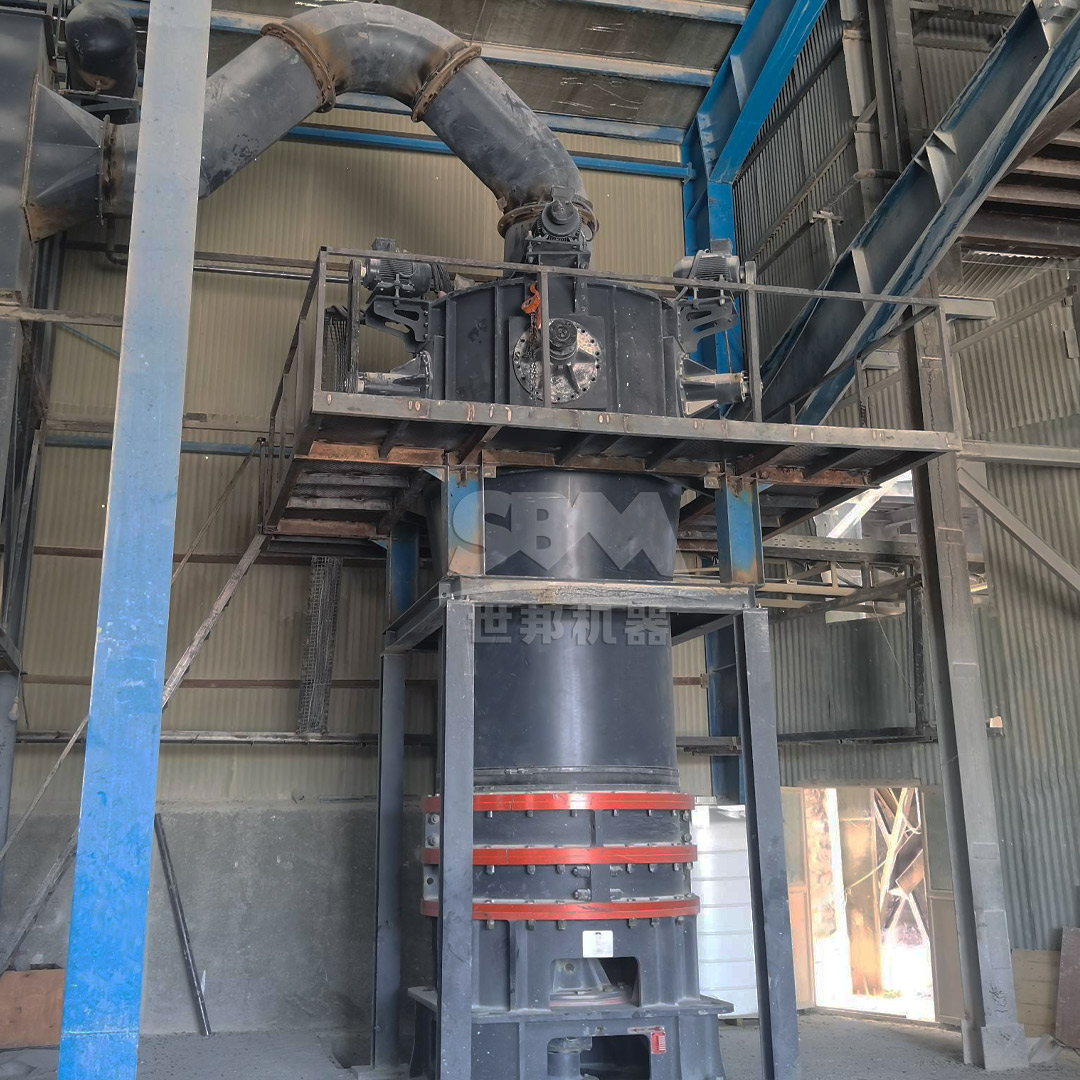
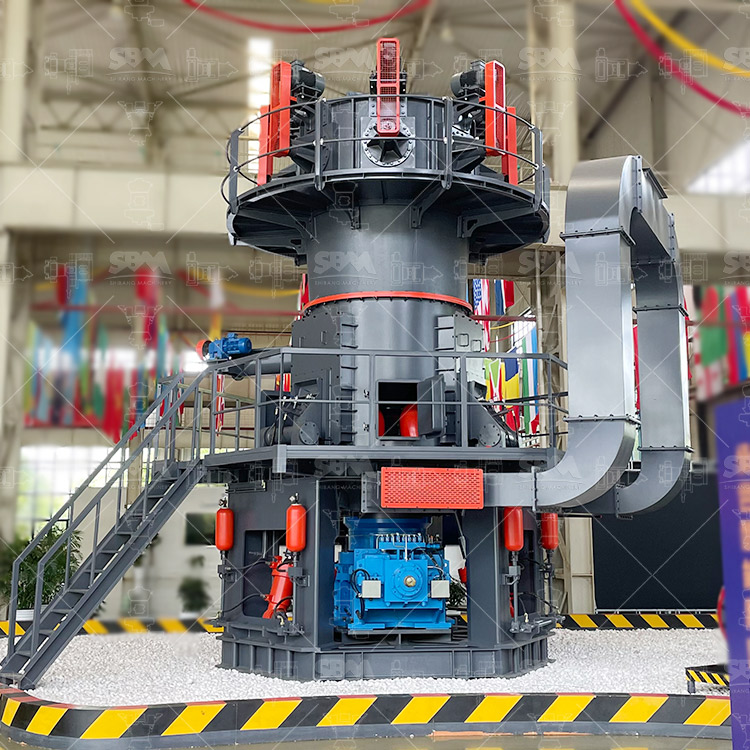
- Vertical Roller Mills (VRM): For grinding basalt to medium fineness (30-325 mesh), the LM Series Vertical Roller Mill represents a significant technological leap. Its integrated design combines drying, grinding, classification, and conveying into a single unit, reducing footprint by up to 50% compared to ball mill systems. More importantly, its bed-grinding principle between rollers and a rotating table is far more energy-efficient, consuming 30-40% less power. The non-contact design between rollers and table also dramatically increases the service life of wear parts, making it an outstanding choice for high-capacity, cost-conscious basalt powder production.
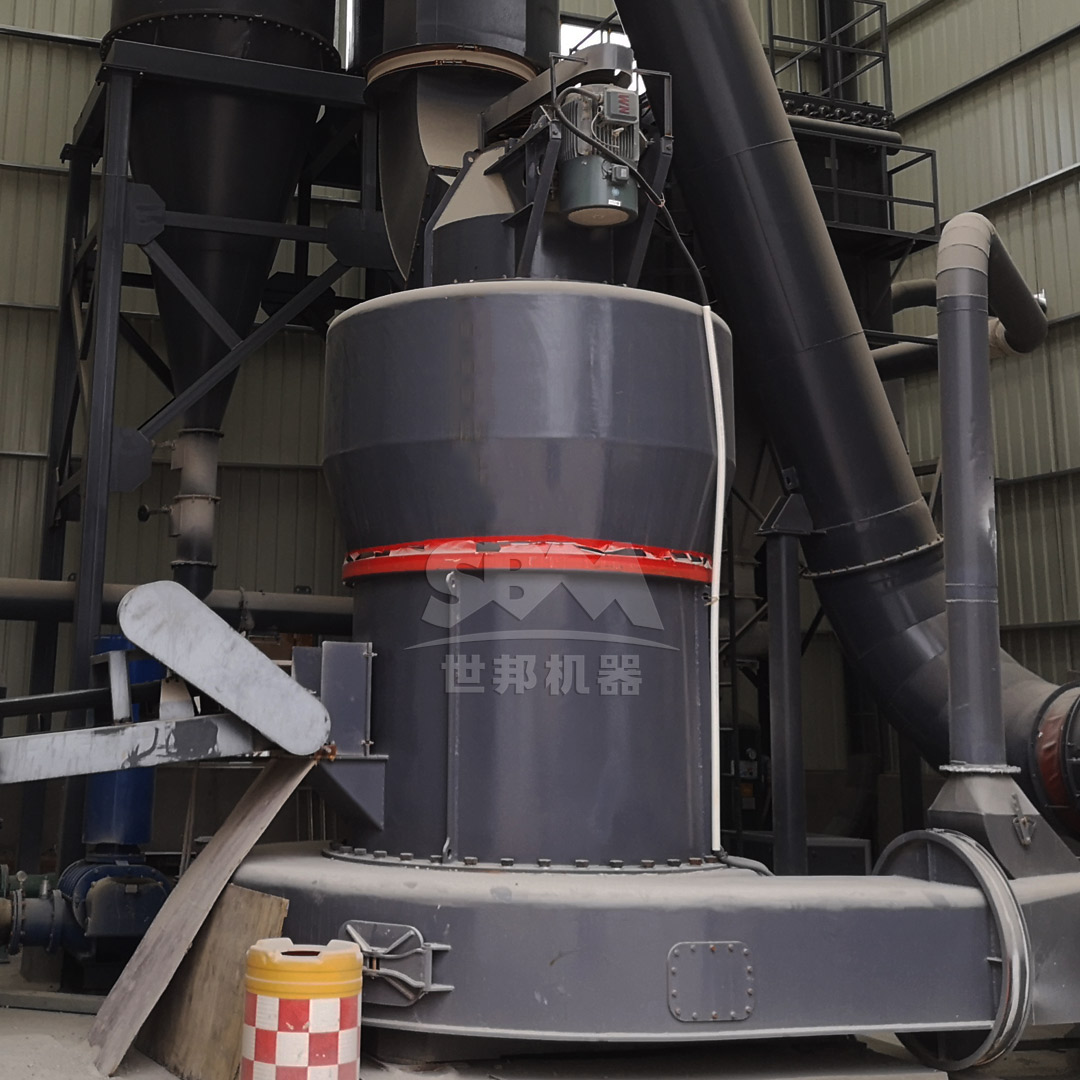
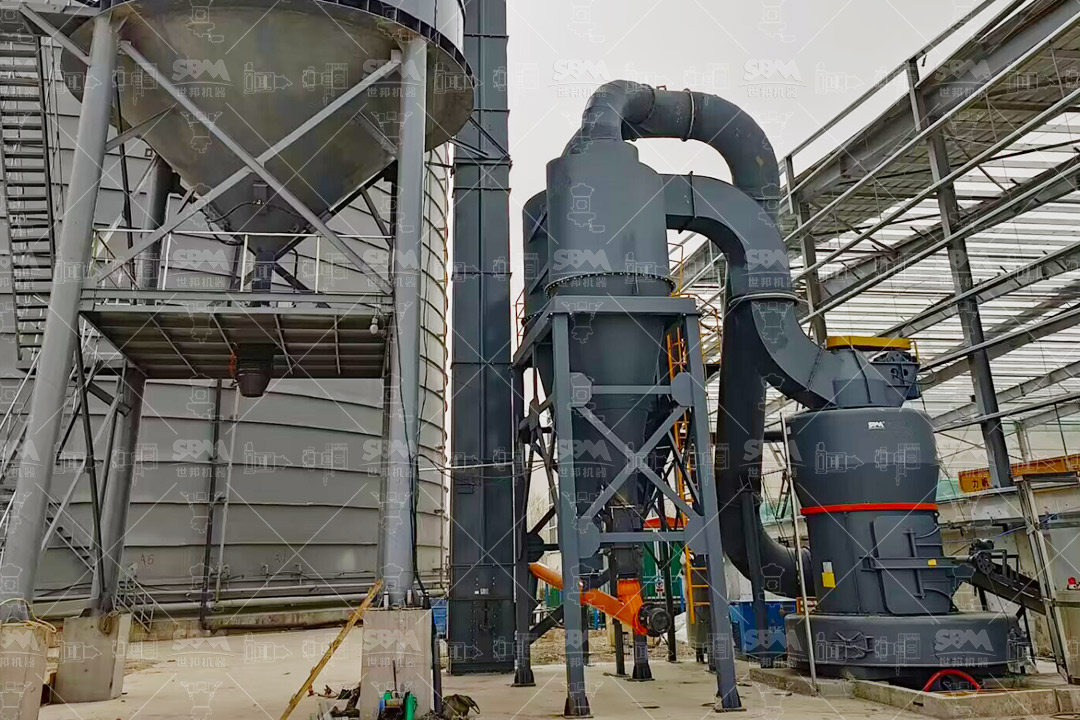
- European Trapezium Mills: For projects requiring high efficiency and precise classification in the medium-fine range, the MTW Series European Trapezium Mill is a top contender. Its curved shovel design and anti-wear materials are well-suited for abrasive basalt. The integral bevel gear drive achieves up to 98% transmission efficiency, saving energy and space. Its optimized arc air duct and wear-resistant volute structure ensure stable operation and low maintenance costs, making it a reliable and efficient solution for producing 30-325 mesh basalt powder at capacities from 3 to 45 tons per hour.
| Mill Type |
Typical Output Fineness (Basalt) |
Key Advantage for Basalt |
Consideration |
| Ball Mill |
0.074 – 0.8mm |
Proven reliability, wide size range |
Higher energy consumption, larger footprint |
| Vertical Roller Mill (e.g., LM Series) |
30-325 mesh (up to 600 mesh) |
High energy efficiency, low wear, integrated system |
Higher initial investment, requires skilled operation |
| European Trapezium Mill (e.g., MTW Series) |
30-325 mesh |
High transmission efficiency, precise classification, durable design |
Best for medium-fine range, not for ultra-fine grinding |
5. Ultra-Fine Grinding for Specialized Applications
When basalt must be ground to micron-level fineness (e.g., for high-performance composites or advanced ceramics), specialized ultra-fine mills are required.
- Ultrafine Vertical Roller Mills (LUM Series): An evolution of the VRM, designed specifically for producing powder in the 325-2500 mesh range with high classification accuracy.
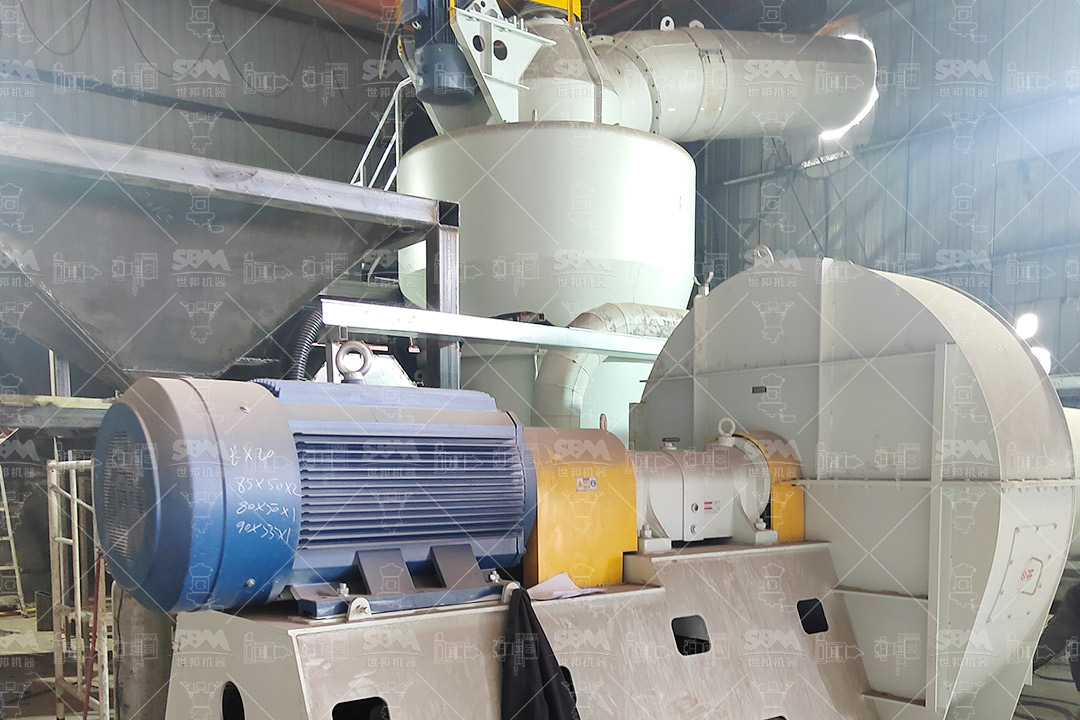
- SCM Series Ultrafine Mill: For the most demanding ultra-fine applications, this mill is engineered to produce basalt powder from 325 to 2500 mesh (45-5μm). Its high-efficiency grinding chamber and vertical turbine classifier ensure precise particle size cuts without coarse powder mixing. The mill’s design emphasizes energy savings, offering capacity twice that of jet mills with 30% lower consumption. For operations aiming to produce high-value, superfine basalt powders, this technology provides the necessary precision and efficiency.
Conclusion: Building an Efficient Basalt Processing Line
Successful basalt processing hinges on selecting the right equipment for each stage, with a strong focus on durability and energy efficiency. The flow typically progresses from rugged jaw and cone crushers for size reduction, to VSI crushers for sand shaping, and finally to advanced grinding mills like the LM Series Vertical Roller Mill or MTW Series European Trapezium Mill for powder production. For ultra-fine products, the SCM Series Ultrafine Mill stands out. The optimal configuration depends on the final product specifications, required capacity, and total cost of ownership. Investing in modern, efficient machinery not only ensures product quality but also controls long-term operational costs, making your basalt processing operation competitive and sustainable.