Limestone powder is a cornerstone material in modern agriculture for soil amendment. Its primary role is to neutralize acidic soils, thereby improving soil structure, enhancing nutrient availability, and promoting healthy microbial activity. The efficacy of limestone in soil conditioning is directly tied to its fineness and particle size distribution. Finer particles react more quickly with the soil, providing a faster pH adjustment. Therefore, selecting the appropriate grinding mill is not merely an equipment choice but a critical decision impacting the efficiency, cost, and ultimate success of the soil amendment process. This guide will navigate the key factors in choosing a limestone grinding mill and highlight optimal solutions for different production scales.
The selection process must balance technical requirements with economic and operational realities. The following factors are paramount.
The target fineness is the most decisive factor. For soil amendment, limestone powder typically ranges from coarse agricultural lime (20-100 mesh) to very fine, fast-acting powders (200-325 mesh and finer).
Capacity dictates the scale and model of the mill. It’s essential to match the mill’s throughput with both current needs and foreseeable future expansion.
Grinding is an energy-intensive process. Mills with higher grinding efficiency and lower specific energy consumption (kWh/ton) significantly reduce long-term operating expenses. Modern designs like Vertical Roller Mills and Ultrafine Mills often incorporate energy-saving technologies such as integral gear drives, optimized airflow, and intelligent control systems that adjust power based on load.
A complete grinding system includes feeding, grinding, classification, and dust collection. An integrated, compact system reduces footprint and installation complexity. Furthermore, dust emission and noise levels must comply with environmental regulations. Modern mills feature pulse jet bag dust collectors with efficiency over 99.9% and soundproofing designs.
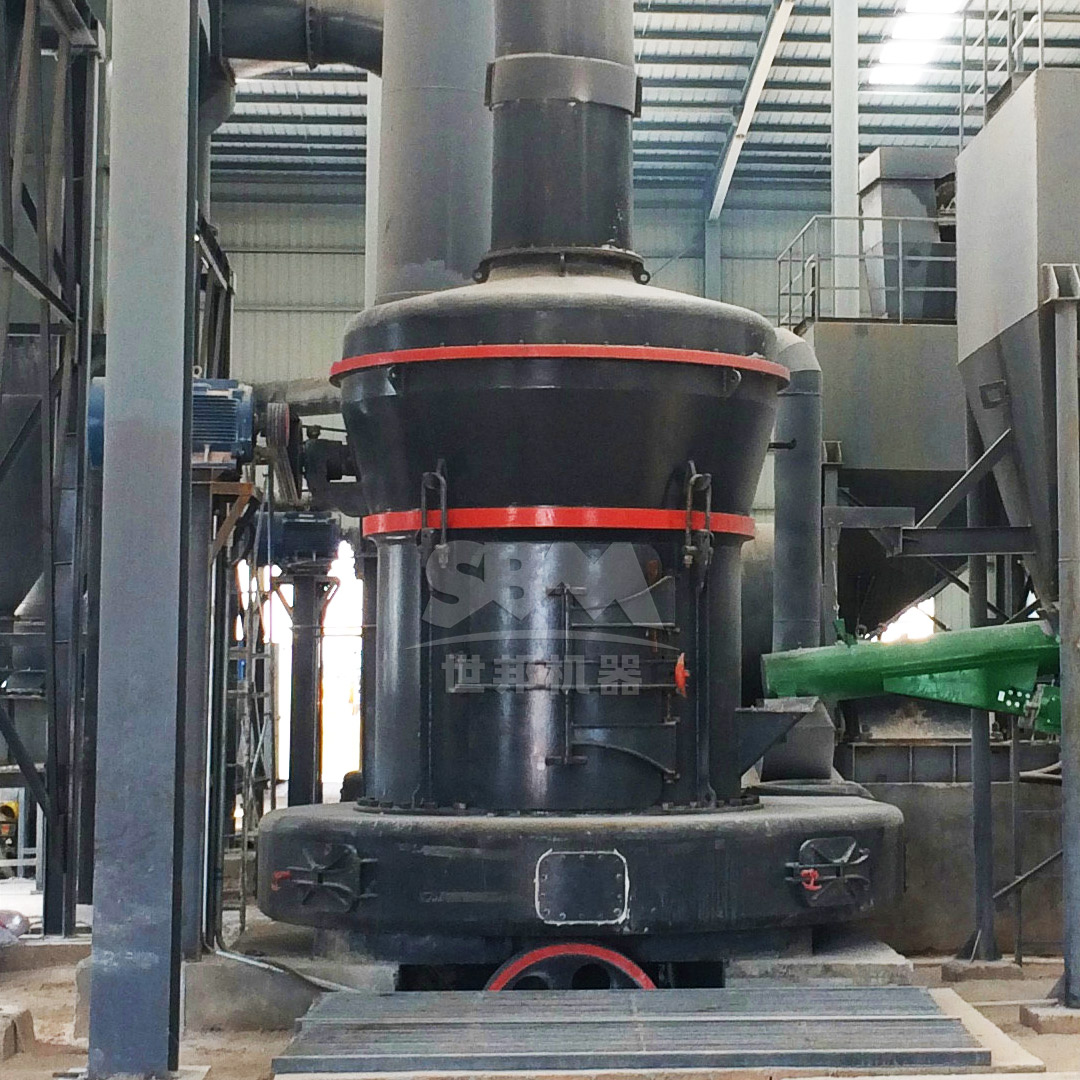
Different mill technologies offer distinct advantages for producing limestone powder.
| Mill Type | Typical Output Range | Key Advantages | Considerations for Soil Amendment |
|---|---|---|---|
| Ball Mill | 0.074-0.8mm (approx. 20-200 mesh) | Robust, reliable, wide application, suitable for both dry and wet grinding. | Can produce a broad particle range but may be less energy-efficient for fine grinding. Good for baseline agricultural lime. |
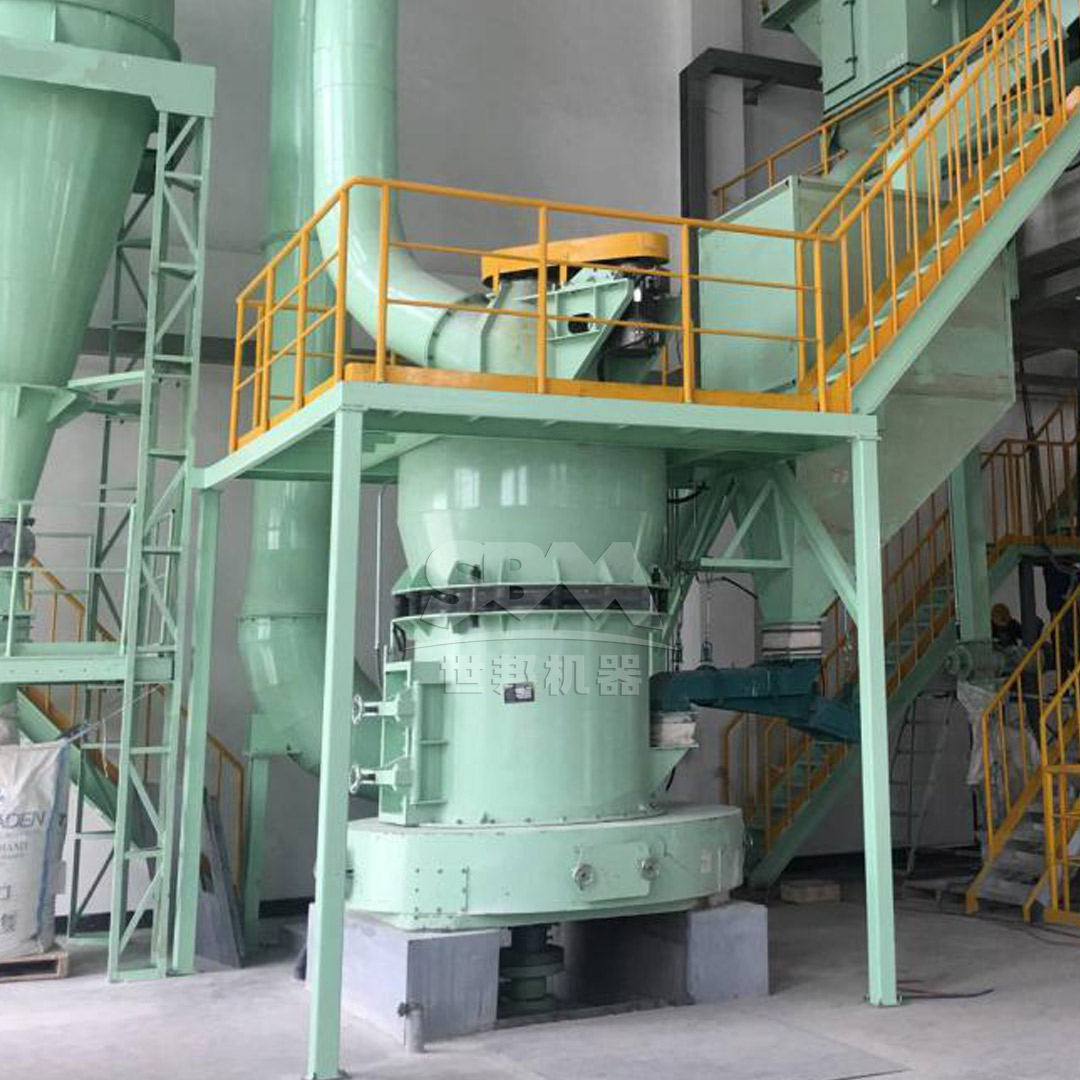
| MTW/MTM Trapezium Mill | 45-325 mesh (0.038-0.3mm) | High efficiency, low wear, stable operation, excellent for medium-fine powder. | Ideal for producing the standard 100-325 mesh limestone powder commonly used in soil amendment. The MTW series offers high capacity and durability. |
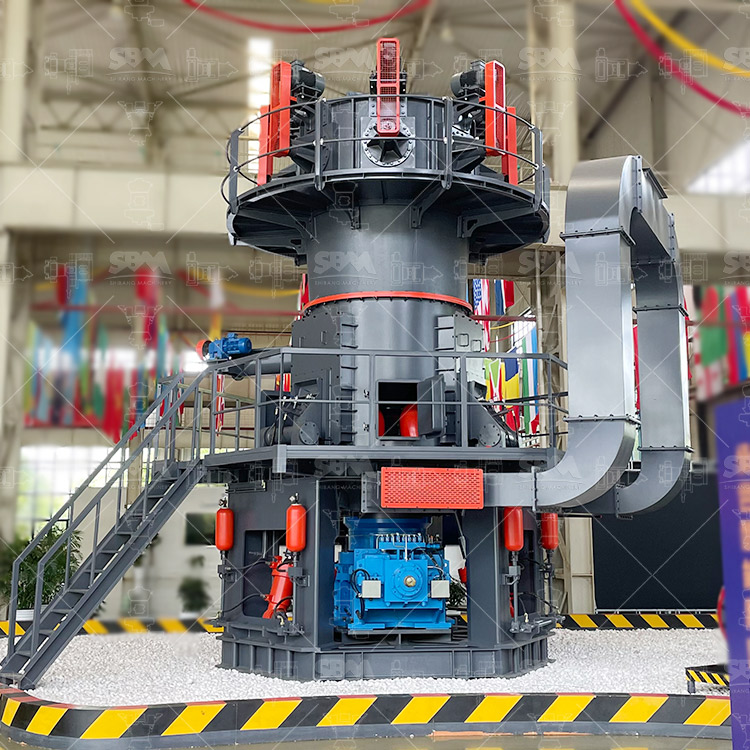
| LM Vertical Roller Mill | 30-325 mesh (up to 600 mesh) | Extremely energy-efficient, integrated system, low noise, large capacity. | Perfect for large-scale production of medium-fine limestone powder. Its low operating cost is a major advantage for high-volume soil amendment projects. |
| SCM Ultrafine Mill / LUM Ultrafine Mill | 325-2500 mesh (5-45μm) | Produces extremely fine and uniform powder, high classification precision, eco-friendly. | The premier choice for manufacturing highly reactive, ultrafine limestone powder that rapidly neutralizes soil acidity. Offers superior product value. |
Based on production goals, we recommend the following industry-proven solutions from our portfolio.
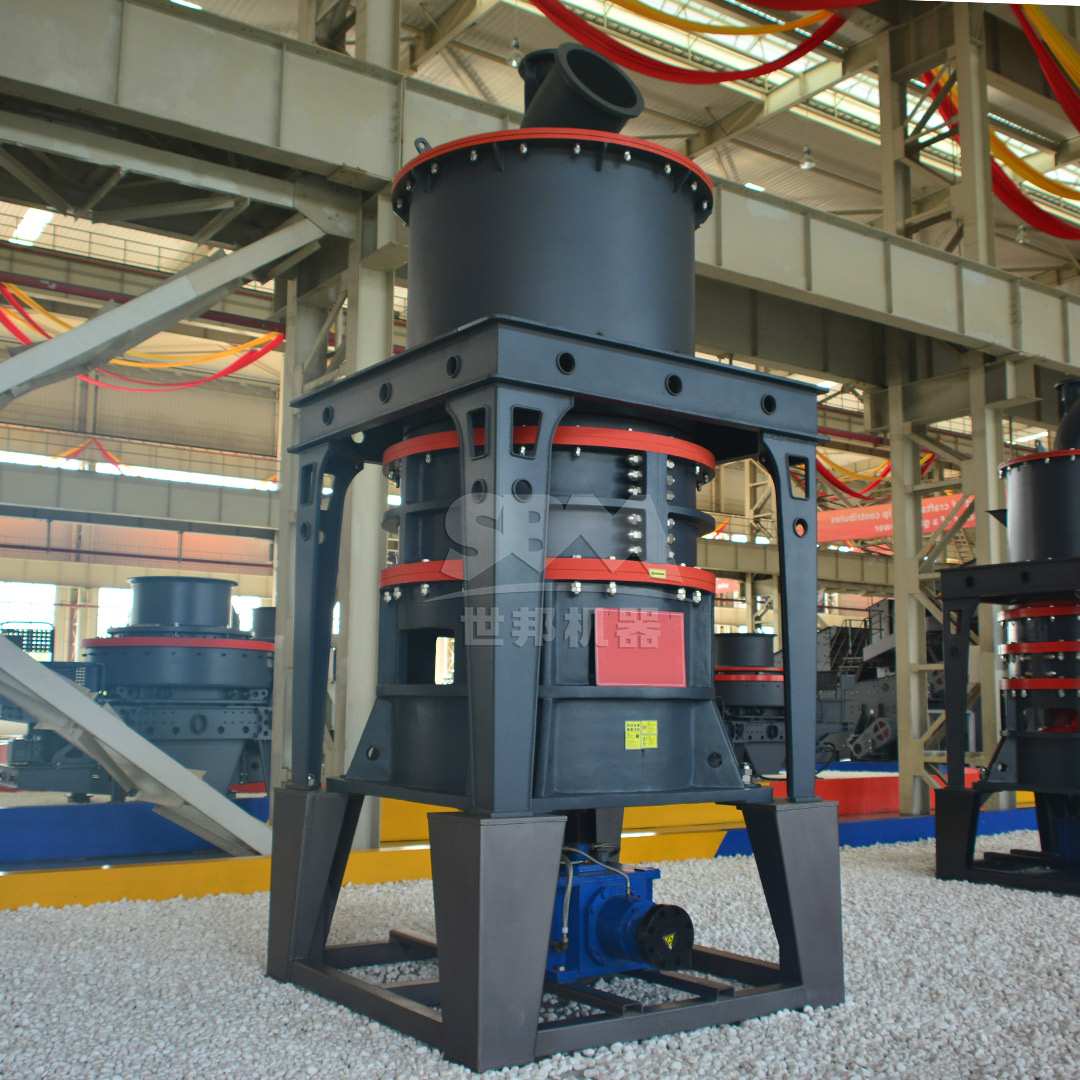
When the application demands the fastest possible soil pH correction and maximum reactivity, the fineness achieved by the SCM Series Ultrafine Mill is unparalleled. This mill is engineered to produce powder in the range of 325 to 2500 mesh (45-5μm). Its high-precision vertical turbine classifier ensures a uniform particle size distribution with no coarse grit, which is critical for consistent soil amendment performance.
For a soil amendment producer aiming at the premium market, the SCM800 to SCM1250 models, with capacities from 0.5 to 14 t/h, are particularly relevant. The mill’s high efficiency and energy-saving design mean it consumes 30% less energy than traditional jet mills while offering double the capacity. Its durable grinding rollers and rings, made from special materials, withstand the abrasiveness of limestone, ensuring long service life and stable operation. The fully sealed grinding chamber and pulse dust collection system guarantee an environmentally clean production process, a must for modern agricultural input manufacturing.
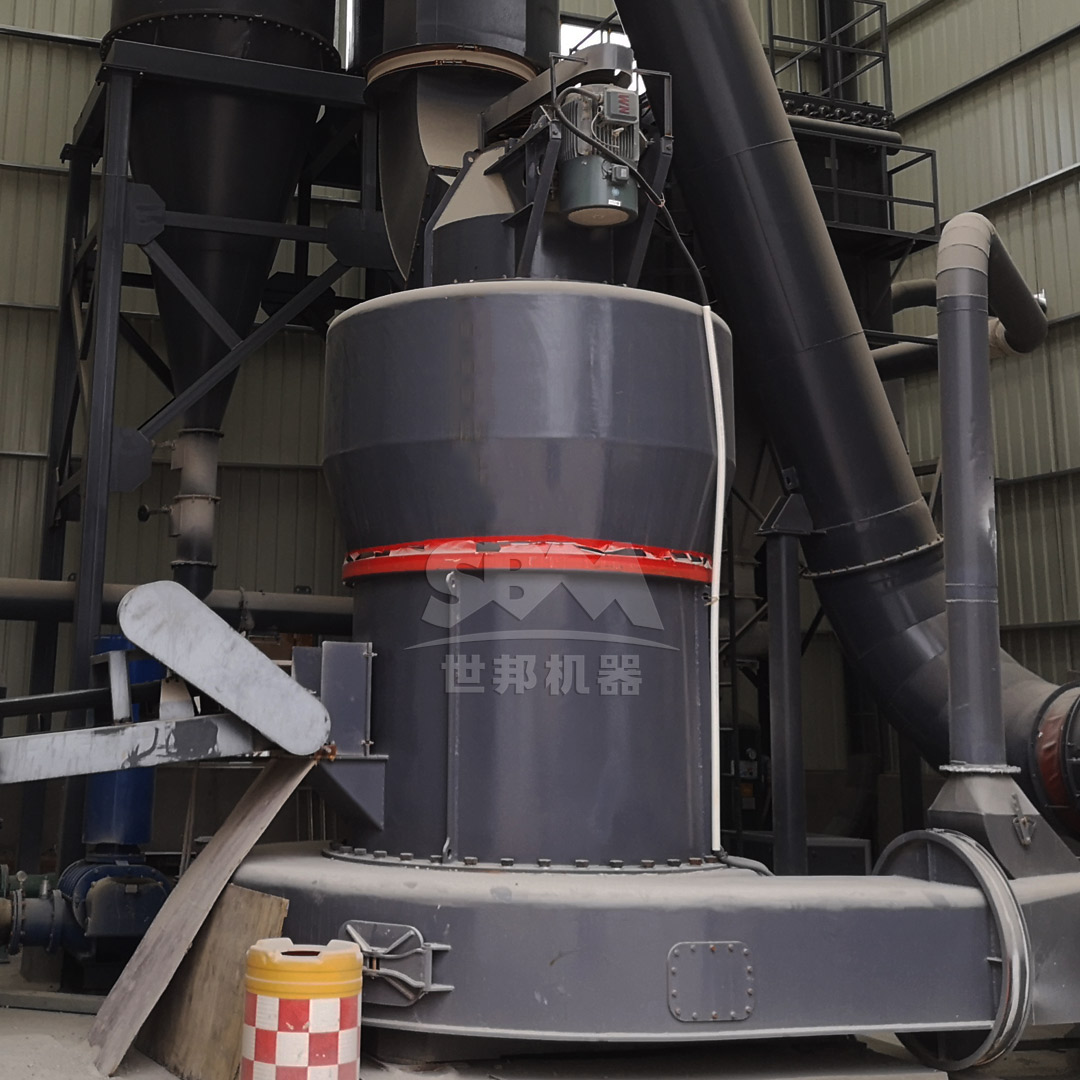
For large-scale production of effective agricultural limestone in the 30-325 mesh range, the MTW Series European Trapezium Mill stands out as a workhorse. With capacities from 3 to 45 tons per hour (depending on model), it can meet the demands of regional distribution centers or large farming cooperatives.
Its technical advantages directly address the needs of continuous, cost-effective production. The anti-wear shovel design and wear-resistant volute structure significantly reduce maintenance costs and downtime when processing abrasive limestone. The integral bevel gear drive achieves a remarkable 98% transmission efficiency, translating directly to lower energy costs per ton of output. Models like the MTW175G (9.5-25 t/h) and MTW215G (15-45 t/h) are engineered for reliability and high yield, producing a consistent quality of limestone powder ideal for broadacre soil amendment programs.
Choosing the right limestone grinding mill for soil amendment is a strategic decision that hinges on the desired product fineness, required production capacity, and total cost of ownership. While Ball Mills offer reliability and Trapezium Mills provide excellent efficiency for standard grades, the pursuit of a highly reactive product leads to the SCM Ultrafine Mill, and the need for massive, cost-effective output points to the MTW European Trapezium Mill or the LM Vertical Roller Mill.
Investing in a mill with advanced grinding efficiency, precise classification, and robust environmental controls not only ensures a superior soil amendment product but also secures long-term operational sustainability and profitability. By carefully evaluating your specific goals against the capabilities of these modern grinding technologies, you can establish a foundation for success in the vital field of soil health management.