The production of high-purity, chemical-grade gypsum powder (calcium sulfate dihydrate, hemihydrate, or anhydrite) is a sophisticated industrial process demanding precise control over particle size distribution, whiteness, chemical purity, and crystalline structure. This fine powder is a critical raw material in diverse sectors, including construction (plasters, self-leveling compounds), pharmaceuticals (tablet excipients), food (coagulant, calcium fortifier), and agriculture (soil conditioner). Achieving the stringent specifications for these applications requires a carefully engineered production line composed of specialized equipment for crushing, grinding, drying, classifying, and calcining. This article delves into the core processes and highlights the key machinery that forms the backbone of a modern, efficient, and reliable chemical-grade gypsum powder plant.
A typical production line for chemical-grade gypsum powder follows a sequential process designed to transform raw gypsum rock or by-product gypsum (e.g., phosphogypsum, flue-gas desulfurization gypsum) into a uniform, high-value product.
The process begins with the reception and storage of raw gypsum. Impurities like clay, rock, and oversized lumps are often removed via screening. Primary crushing reduces large rocks (often >300mm) to a manageable size (typically below 50mm). A secondary crusher, such as a hammer mill or impact crusher, then further reduces the material to a feed size suitable for the grinding mill, usually below 20-30mm. Efficient crushing is crucial for optimizing downstream grinding efficiency and minimizing energy consumption.
| Process Stage | Primary Equipment | Target Output Size | Key Consideration |
|---|---|---|---|
| Primary Crushing | Jaw Crusher | < 100mm | High capacity, ruggedness |
| Secondary Crushing | Hammer Mill / Impact Crusher | < 30mm | Controlled fines generation, low wear |
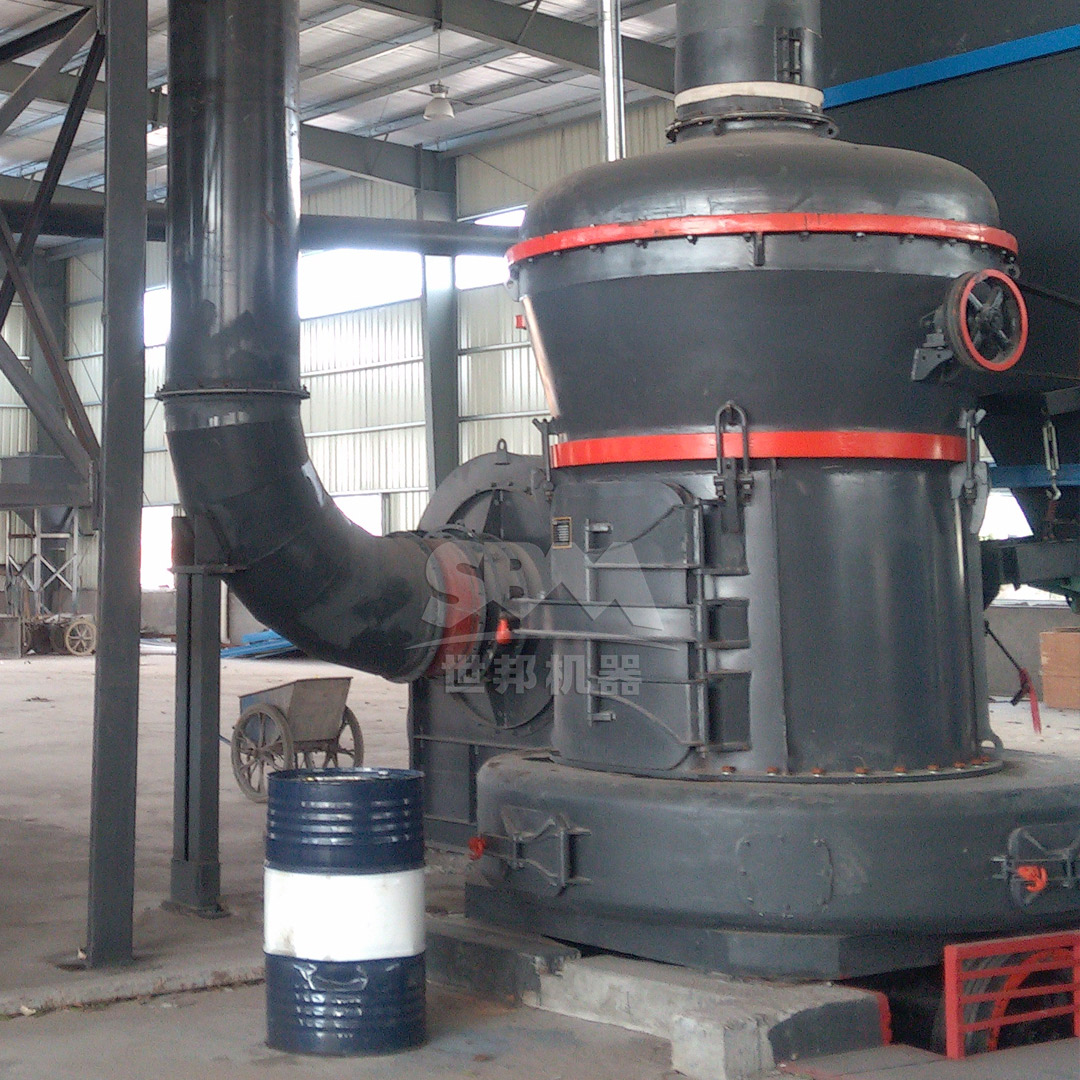
For most chemical-grade applications, gypsum must be dried to a very low moisture content (<1%) before fine grinding. This is often achieved in an integrated drying-grinding system. Hot gases from a dedicated furnace or waste heat source are introduced into the grinding mill, simultaneously drying and pulverizing the material. The choice of grinding mill is paramount and depends on the required final fineness, capacity, and energy efficiency goals.
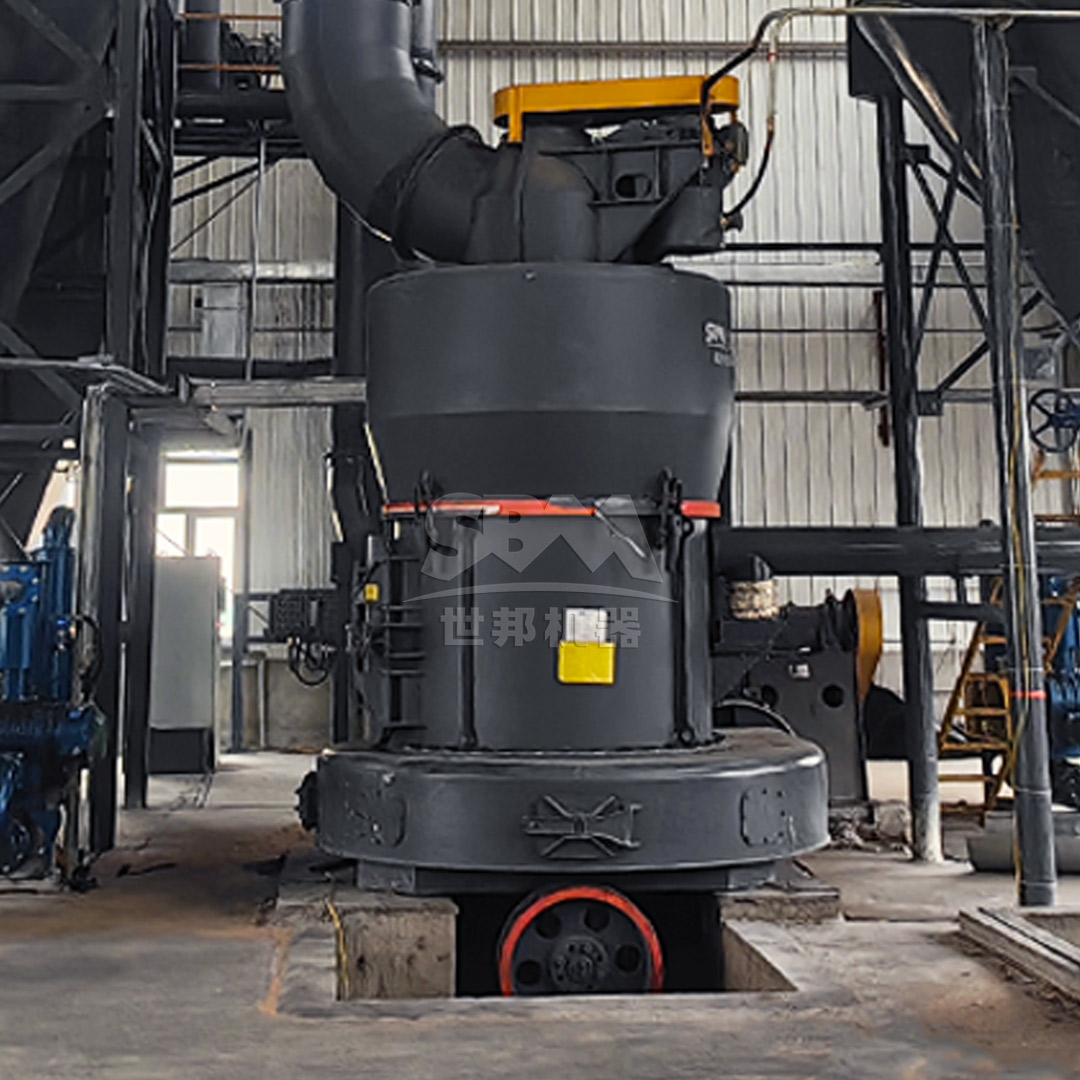
Post-grinding, an independent air classifier may be used for final particle size tuning. For producing gypsum plasters (β-hemihydrate) or anhydrite, the fine powder undergoes calcination in a kettle, rotary dryer, or flash calciner at controlled temperatures (typically 150-180°C for hemihydrate). The calciner design is critical for achieving consistent crystal morphology and setting properties.
The finished gypsum powder is conveyed to storage silos. From there, it can be packaged in bags or loaded in bulk. The entire conveying and packaging system must be designed to prevent moisture ingress and contamination to preserve product quality.
Selecting the right equipment is not just about capacity; it involves a holistic assessment of several factors:
| Selection Factor | Key Questions | Equipment Implications |
|---|---|---|
| Product Specification | What is the target fineness (D50, D97)? What purity/whiteness is required? | Dictates choice between trapezium mills (coarser) vs. ultrafine mills. May require integrated or external classifiers. |
| Raw Material Characteristics | Moisture content? Hardness (Mohs)? Feed size? Impurity level? | Determines need for pre-drying, crusher type, and mill wear part material (e.g., high-chrome alloys). |
| Production Capacity | Required tons per hour? Projected future expansion? | Defines the model size (e.g., MTW175G vs. MTW215G; SCM1000 vs. SCM1680). Modular designs aid scalability. |
| Energy Efficiency | What are the local energy costs? Is waste heat available? | Vertical roller mills and modern trapezium mills (like MTW/SCM series) offer 30-40% lower energy consumption vs. traditional ball mills. |
| Environmental Compliance | What are the local dust and noise emission standards? | Equipment must feature high-efficiency pulse jet bag filters (99.9%+) and soundproofing enclosures. |
| Automation & Maintenance | Level of desired automation? Target maintenance downtime? | Look for mills with intelligent control systems, remote monitoring, and easy-wear part replacement features (e.g., modular roller assemblies). |
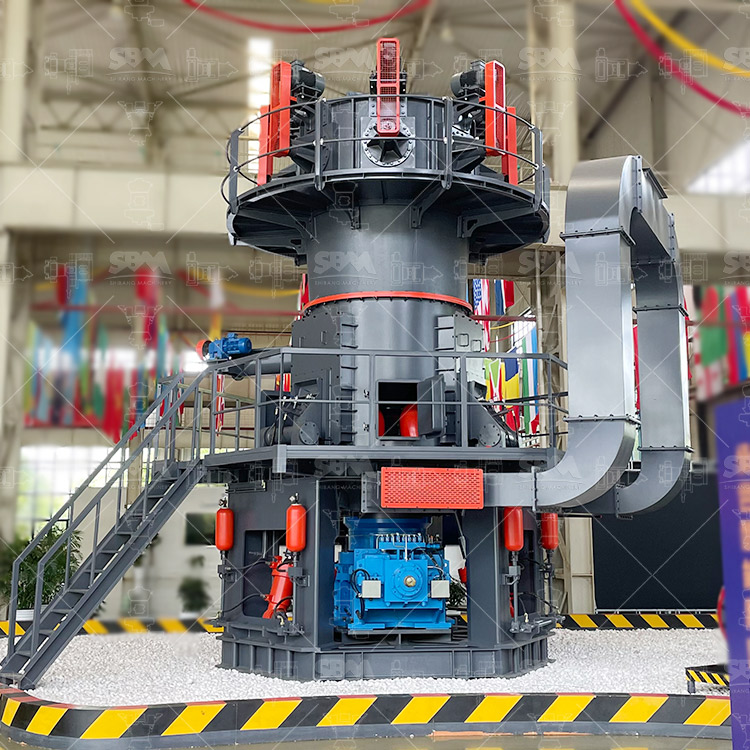
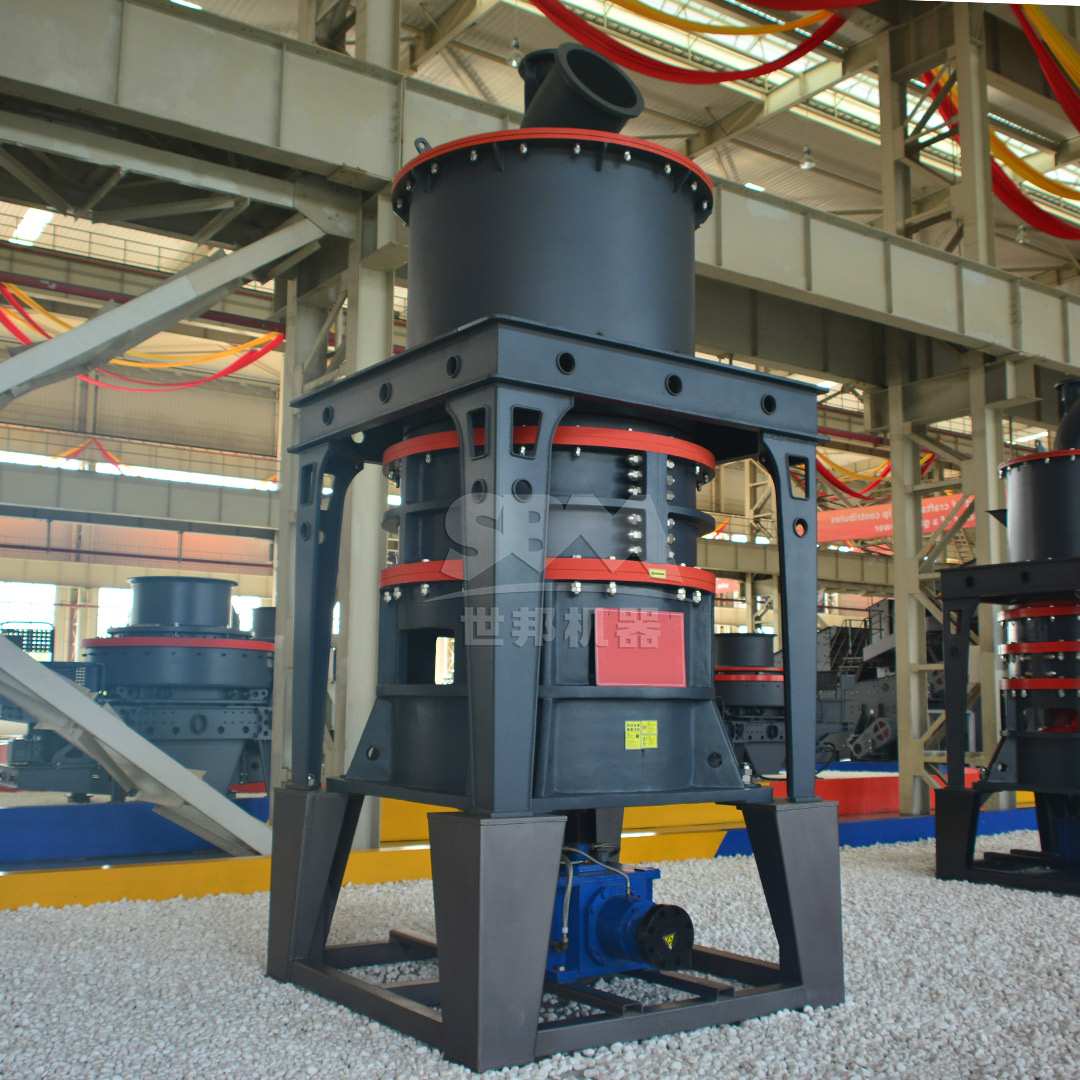
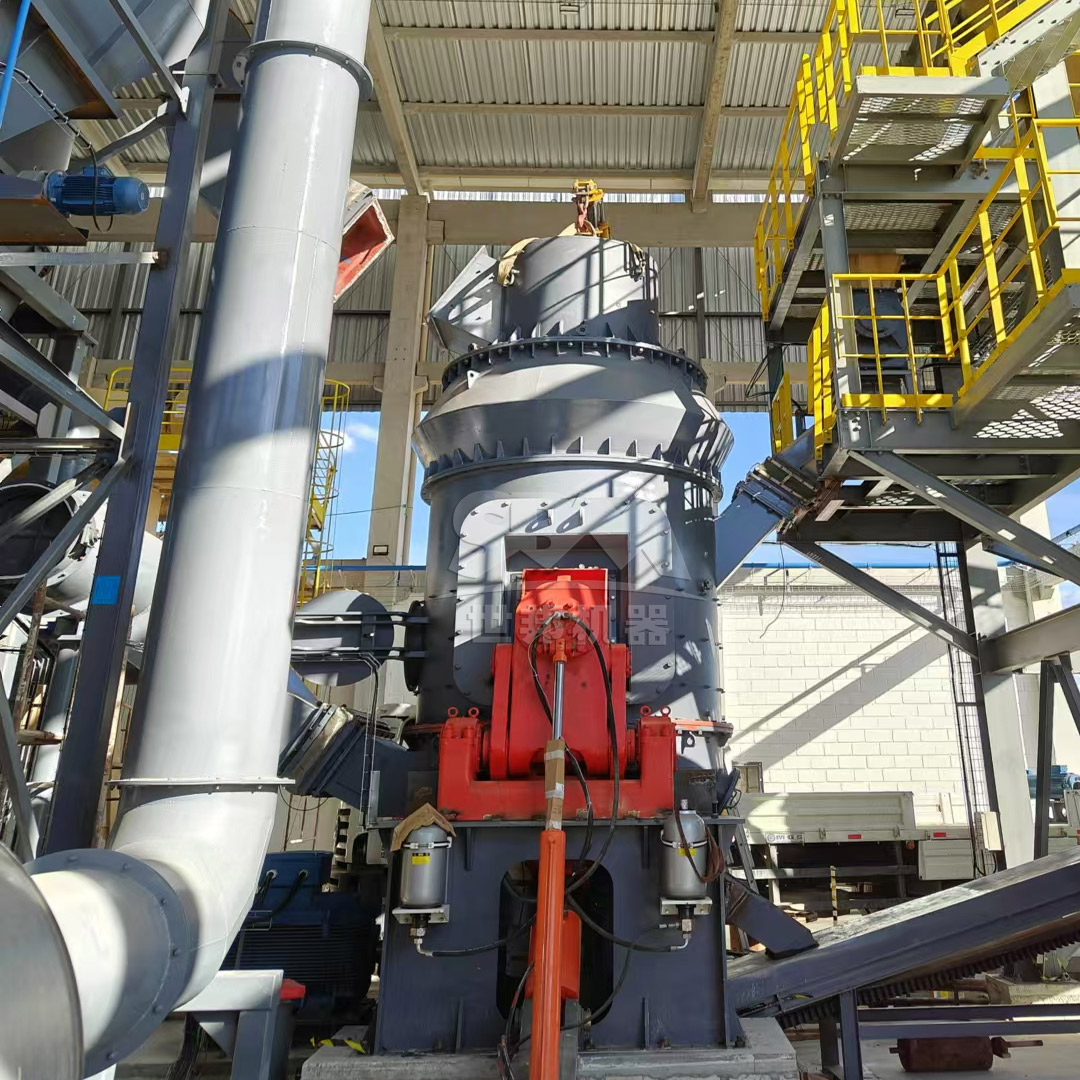
The heart of any gypsum powder line is the grinding system. Modern mills have evolved far beyond simple ball mills. Technologies like those employed in our LM Vertical Roller Mill and SCM Ultrafine Mill represent the industry benchmark. The LM series, for instance, integrates crushing, grinding, drying, and classification in a single footprint, reducing plant space by 50%. Its non-contact grinding principle and use of hot gases for drying make it exceptionally efficient for producing medium-fineness gypsum where drying is required. For the ultimate in fine and ultrafine powder quality, the SCM series’ combination of mechanical grinding and precise air classification is unmatched, ensuring a uniform product that commands a premium in sensitive chemical applications.
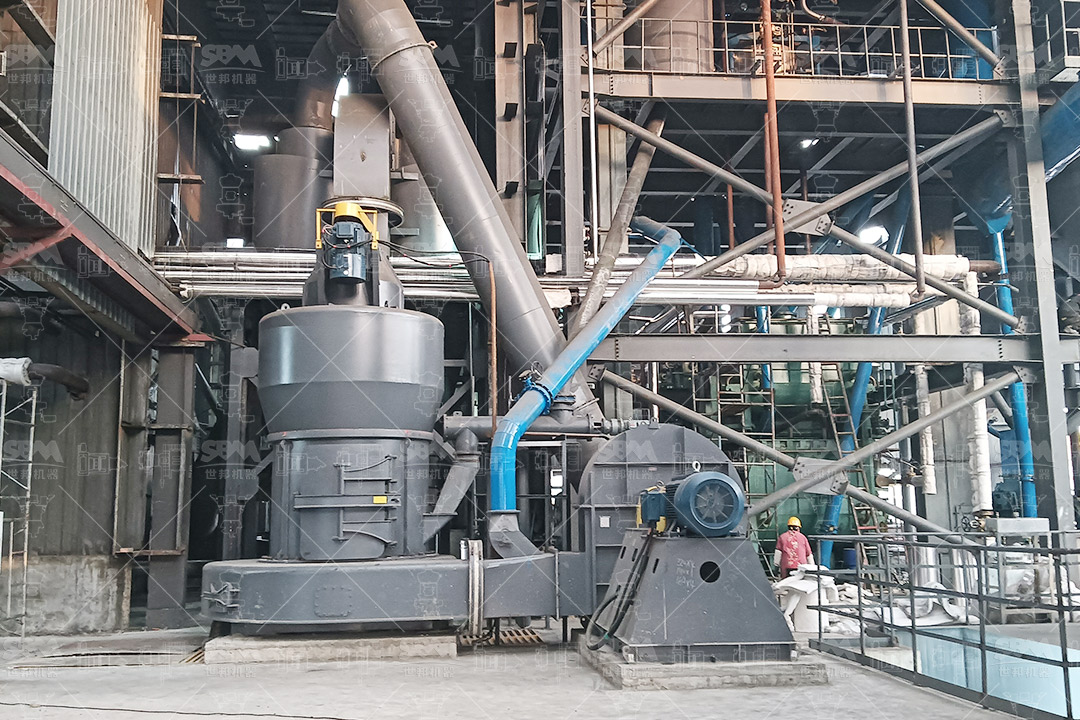
Building a successful chemical-grade gypsum powder production line is a complex engineering endeavor that hinges on the correct selection and integration of process equipment. From robust crushing and efficient drying-grinding with mills like the high-capacity MTW Series or the precision-focused SCM Series, to precise classification and controlled calcination, each stage must be optimized for quality, efficiency, and reliability. By partnering with an equipment supplier that offers proven, technologically advanced, and energy-efficient grinding solutions, producers can ensure their plant meets the stringent demands of the market today while remaining adaptable for the challenges of tomorrow. Investing in the right core equipment is the definitive step towards producing a consistent, high-value gypsum powder that stands out in a competitive global marketplace.