The production of high-performance ceramics demands meticulous attention to every raw material and additive used. Illite, a phyllosilicate clay mineral, is a critical functional additive in ceramic formulations, prized for its plasticity, binding properties, and contribution to green strength and fired characteristics. However, the efficacy of illite is intrinsically linked to its particle size distribution (PSD), purity, and morphology—all of which are directly determined by the grinding process. Selecting the optimal grinding mill is therefore not merely an equipment choice but a strategic decision impacting product quality, production efficiency, and overall operational cost. This guide provides a comprehensive framework for choosing the best illite grinding mill for ceramic additive production.
Before evaluating specific mill types, it is essential to define the technical and operational parameters that govern the selection process for ceramic-grade illite.
For ceramic applications, illite fineness typically ranges from coarse fillers (45-100μm / 325-150 mesh) to ultra-fine functional additives (5-20μm / 2500-625 mesh). A narrow PSD is crucial. Broad distributions can lead to inconsistent sintering behavior, reduced density, and compromised mechanical properties in the final ceramic product. The mill must offer precise classification capabilities.
Ceramic processes are highly sensitive to contamination. Iron or other metal introductions from mill wear parts can alter the color and thermal properties of ceramics. A mill designed with minimal metal-to-metal contact, wear-resistant materials, and effective sealing is paramount.
Production throughput must align with plant requirements. More importantly, grinding is an energy-intensive operation. Selecting an energy-efficient mill can drastically reduce operational expenses (OPEX), a significant factor in the cost-sensitive ceramics industry.
The ideal mill should offer a compact, integrated system (crushing, grinding, drying, classifying, collecting) to minimize floor space, reduce dust emission points, and simplify automation.
Illite often contains inherent moisture. Mills that can integrate hot air for simultaneous grinding and drying (e.g., vertical roller mills) offer a significant advantage, streamlining the process flow.
| Key Parameter | Typical Requirement for Ceramic-Grade Illite | Impact on Ceramic Properties |
|---|---|---|
| Fineness (D50) | 5μm – 45μm (2500 – 325 mesh) | Sintering activity, density, surface finish |
| Particle Size Distribution | Narrow (Steep slope on PSD curve) | Uniform shrinkage, consistent porosity |
| Iron Contamination | Minimal (<0.05% increase) | Whiteness, dielectric properties |
| Moisture in Final Powder | <1% | Flowability, pressing behavior |
Different mill technologies offer distinct advantages and limitations for processing illite.
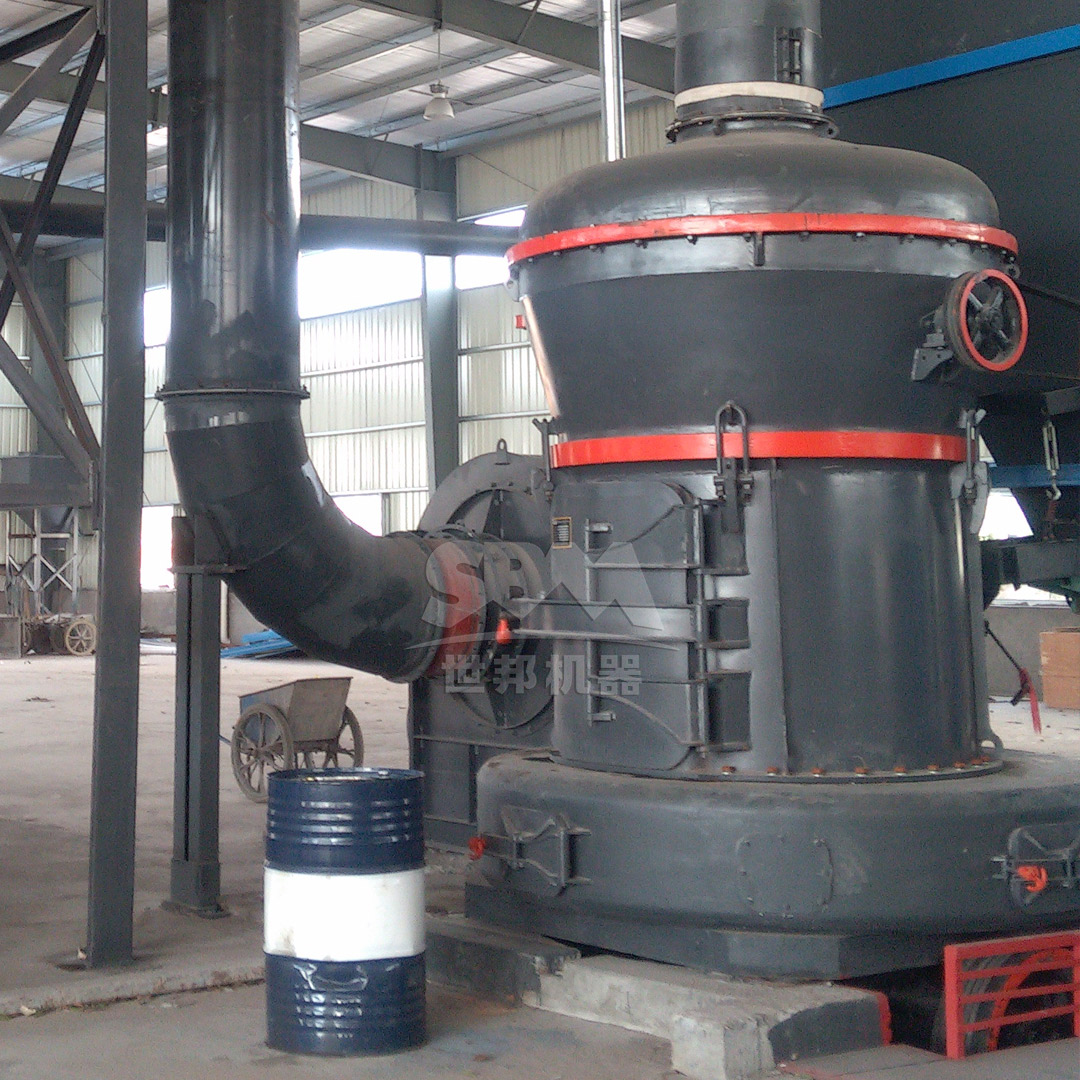
Traditional technology suitable for producing coarser illite powders (30-325 mesh). While cost-effective for entry-level applications, it often struggles with achieving a narrow PSD and ultra-fine fineness (<20μm) efficiently. Metal wear can be a concern for high-purity requirements.
A versatile workhorse capable of wet or dry grinding. It can achieve fine sizes but is notoriously energy-inefficient, with a significant portion of energy lost as heat and noise. The PSD can be broad, and iron contamination from grinding media is a persistent risk unless lined with ceramics—which adds cost and complexity.
Excellent for achieving ultra-fine, contamination-free powder (1-20μm) via particle-on-particle impact. It produces very narrow PSDs and is ideal for high-value additives. However, it has very high energy consumption (compressed air/gas), low single-pass capacity, and is less suitable for materials with any residual moisture.
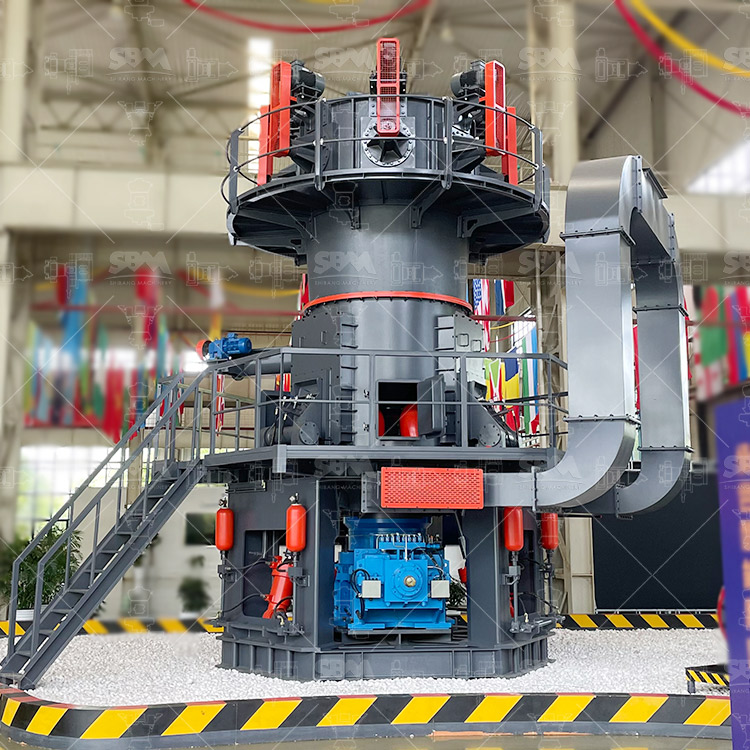
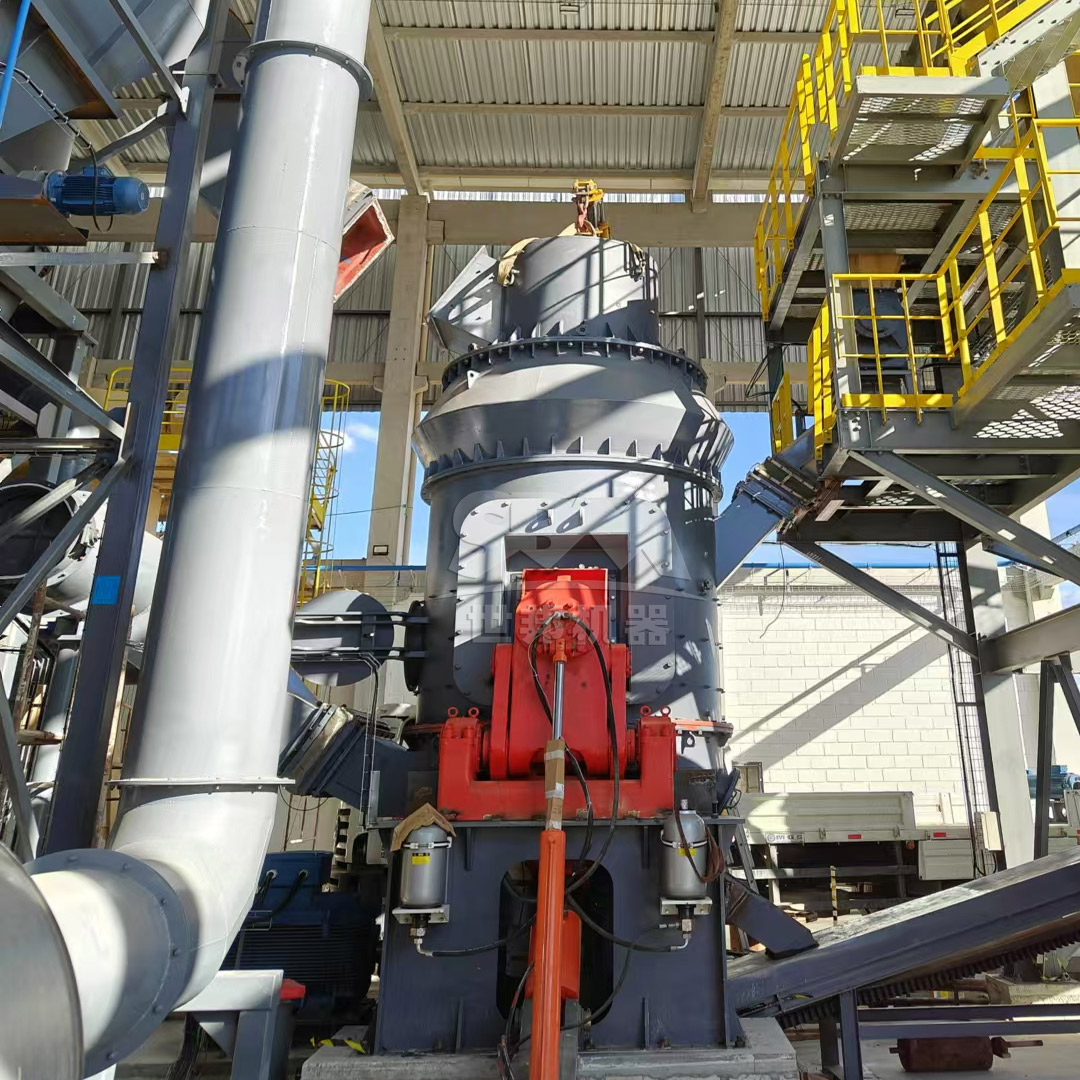
A highly efficient, dry grinding system that applies pressure via rollers onto a rotating table. VRMs excel in energy efficiency (30-50% less than ball mills), integrated drying, and large capacity. Modern VRMs with advanced classifiers can produce powders down to 325-600 mesh. They are excellent for high-tonnage production of consistent, medium-fine illite.
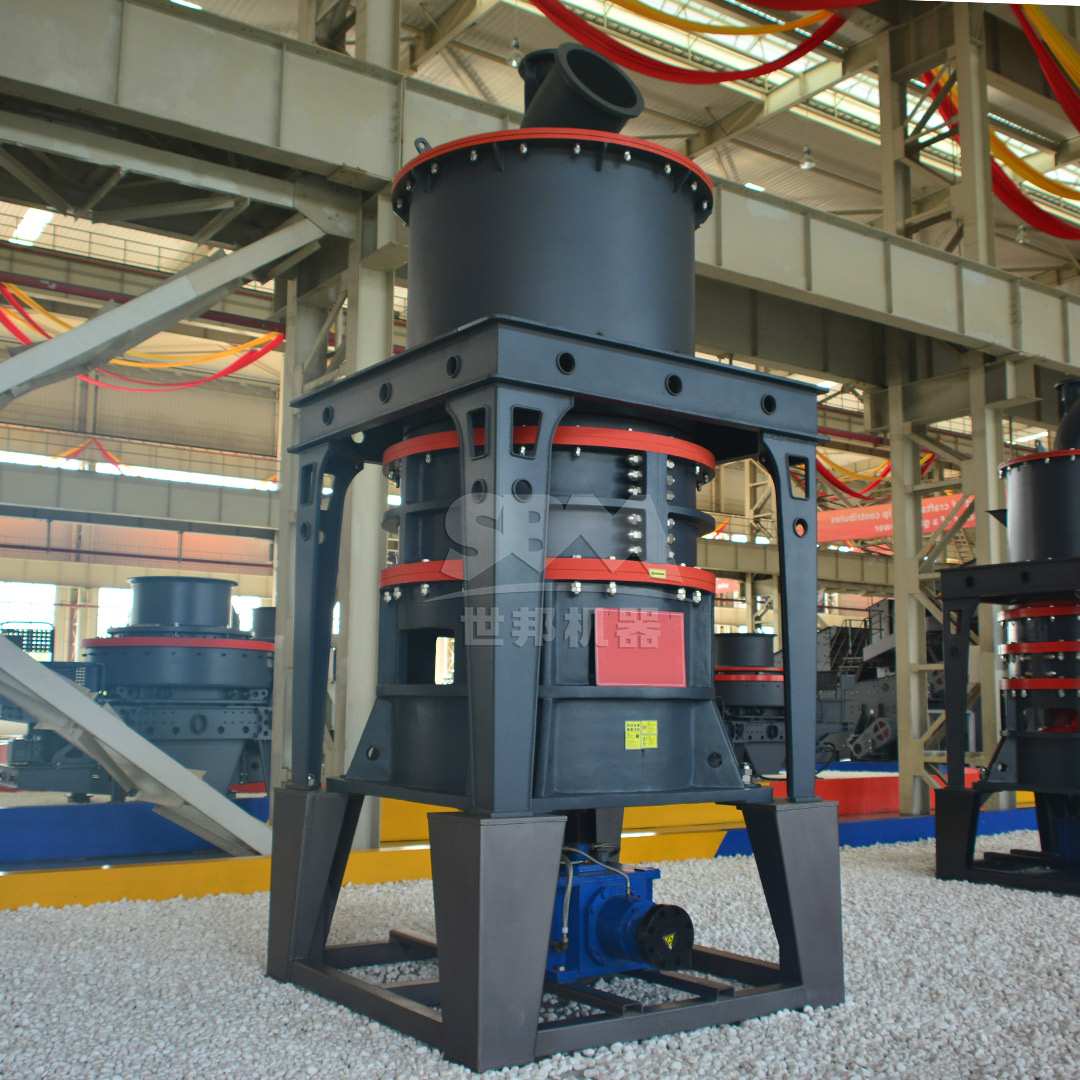
An evolution of the VRM, specifically engineered for the ultrafine range (325-2500 mesh). It incorporates more rollers, sophisticated curve-designed grinding elements, and high-precision, multi-rotor classifiers. This technology bridges the gap between the efficiency of roller mills and the fineness of jet mills, making it a premier choice for high-quality ceramic additive production.
Based on the critical requirements, two mill series stand out as optimal solutions for modern ceramic additive production lines.
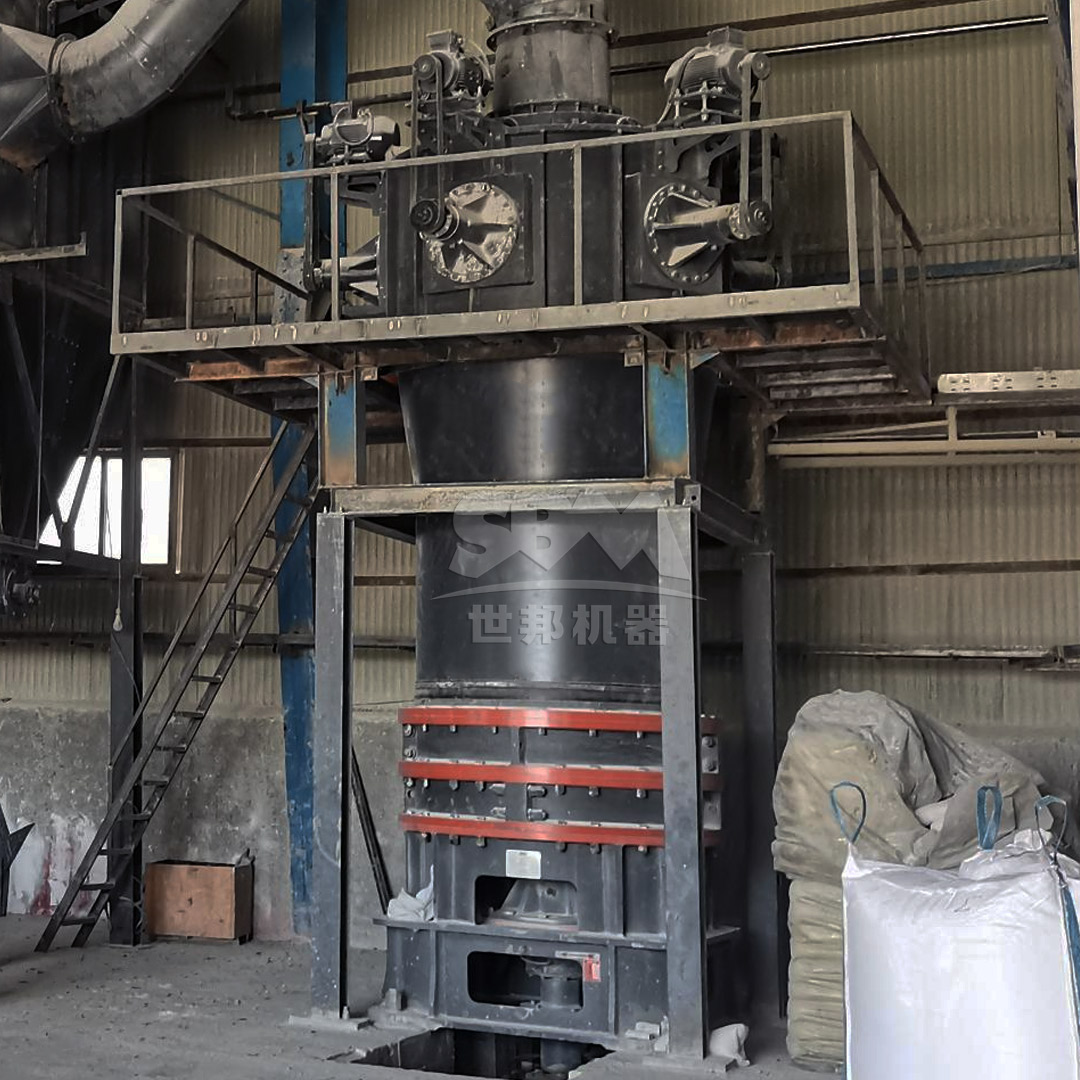
For producers targeting the high-end ceramic market requiring ultra-fine, high-purity illite additives with stringent PSD control, the SCM Series Ultrafine Mill is the definitive solution. This mill is engineered to overcome the limitations of traditional technologies.
Its high-efficiency grinding principle—utilizing multiple grinding rings and rollers—delivers a capacity twice that of jet mills while consuming 30% less energy. The integrated vertical turbine classifier is the key to product quality, enabling precise particle size cuts to ensure no coarse powder mixes into the final product, guaranteeing uniformity critical for ceramic sintering.
For ceramic applications, contamination control is addressed by its durable design featuring special material rollers and rings, which not only extend service life but also minimize potential contamination. The fully sealed system with a pulse dust collector ensures an eco-friendly operation with dust emissions and noise levels well within international standards.
| Model | Capacity (t/h) | Output Fineness | Main Power | Suitability |
|---|---|---|---|---|
| SCM800 | 0.5 – 4.5 | 325-2500 mesh | 75 kW | Pilot plant / Specialty ceramics |
| SCM1000 | 1.0 – 8.5 | 325-2500 mesh | 132 kW | Medium-scale production |
| SCM1680 | 5.0 – 25 | 325-2500 mesh | 315 kW | Large-scale industrial production |
The SCM mill’s intelligent control system with automatic granularity feedback allows for stable, consistent production—a must for ceramic batch consistency.
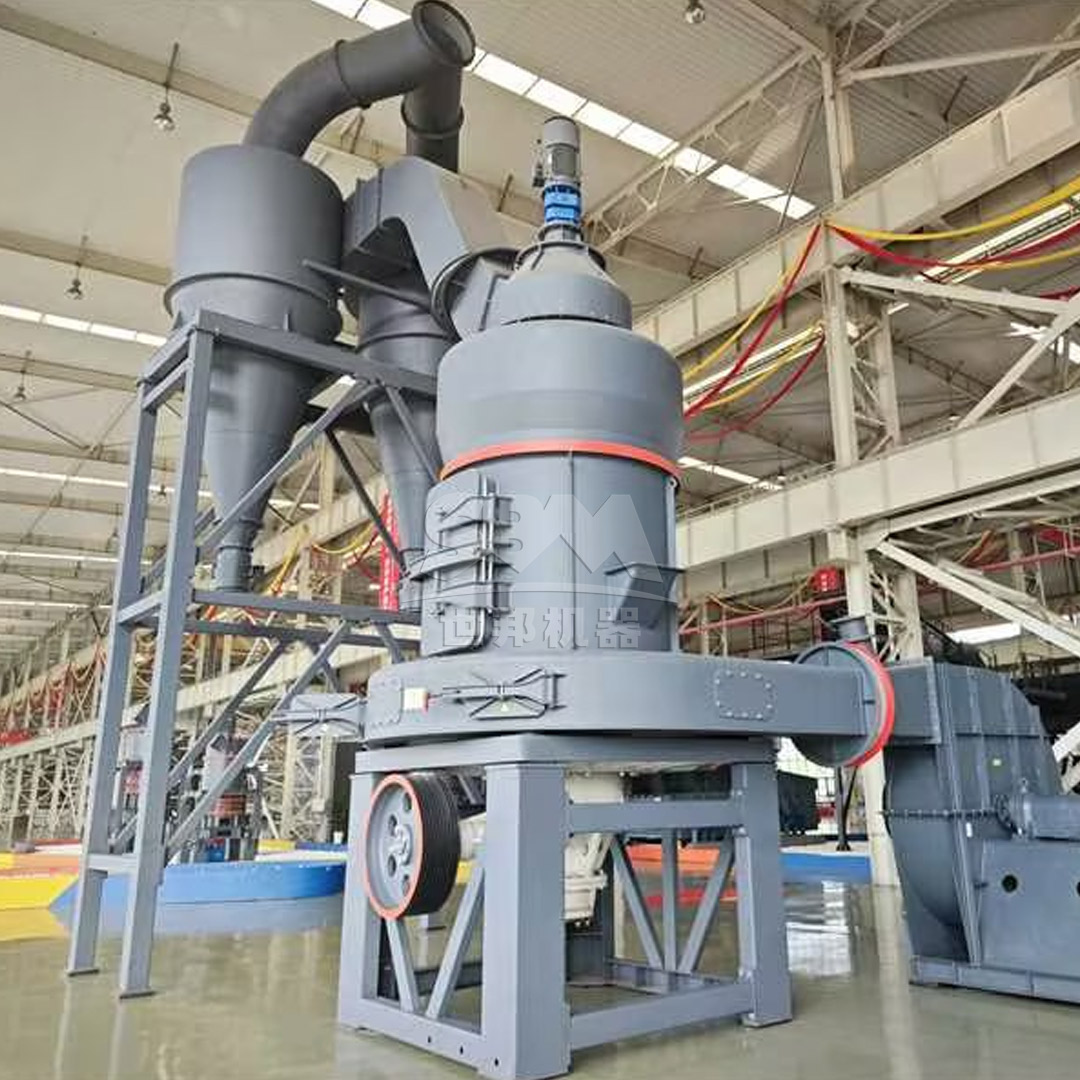
For large-volume production of illite where the primary target fineness is in the 30-325 mesh range (with capability down to 600 mesh), and where the raw material may have higher moisture content, the LM Series Vertical Roller Mill offers unparalleled efficiency and reliability.
Its integrated design combines crushing, grinding, drying, and classification in a single unit, reducing footprint by 50% and civil engineering costs by 40%. The low operating cost is its hallmark, with energy consumption 30-40% lower than ball mill systems and wear part life significantly extended due to its non-contact grinding bed design.
This mill is ideal for producing consistent, dried illite powder for standard ceramic body formulations and tile production. The intelligent expert control system supports remote monitoring and operation, ensuring optimal performance with minimal manual intervention. Models like the LM190K (23-68 t/h) or LM220K (36-105 t/h) are perfectly scaled for major ceramic manufacturing facilities.
Selecting the best illite grinding mill is a critical investment in the quality and competitiveness of ceramic products. While traditional mills like ball mills have their place, the future lies in high-efficiency, intelligent, and integrated grinding systems. For ultra-fine, high-purity ceramic additives, the SCM Series Ultrafine Mill provides an unbeatable combination of precision, efficiency, and cleanliness. For high-volume production of dried, consistent illite powder, the LM Series Vertical Roller Mill offers exceptional operational economy and reliability. By carefully matching your technical requirements with the advanced capabilities of these mills, you can optimize your illite additive production for superior ceramic performance and sustainable profitability.