In the papermaking industry, functional additives play a crucial role in enhancing product quality, improving process efficiency, and reducing costs. Illite, a naturally occurring clay mineral, has gained significant traction as a papermaking additive due to its excellent properties such as high brightness, good opacity, fine particle size, and chemical inertness. When finely ground, illite improves sheet formation, printability, and surface smoothness while acting as a cost-effective filler and coating pigment.
The performance of illite in paper applications is intrinsically linked to its particle size distribution (PSD), fineness, and purity. Achieving the optimal specifications requires selecting the correct grinding mill technology. The wrong choice can lead to inefficient production, inconsistent product quality, excessive energy consumption, and high maintenance costs. This article provides a comprehensive guide to selecting the ideal illite grinding mill, focusing on key technical parameters and operational considerations, and introduces suitable solutions from our product portfolio.
Before evaluating mill types, it is essential to define the target specifications for paper-grade illite.
For filler applications, a top cut of 45μm (325 mesh) is common, with a significant portion in the 2-10μm range for optimal retention and optical properties. For high-performance coating pigments, a much finer product is required, often with a d97 of less than 5μm (2500 mesh) to ensure gloss and smoothness. The mill must deliver a narrow PSD to avoid coarse particles that can damage paper machine wires or cause print defects.
Mills must match the required hourly or annual tonnage, from pilot-scale (0.5-2 TPH) to large industrial production (25+ TPH). The system should allow for scalability as demand grows.
Grinding is an energy-intensive process. Selecting a mill with high grinding efficiency and low specific energy consumption (kWh/ton) is critical for long-term operational economics.
The grinding mechanism must minimize iron or other metallic contamination from wear parts, as this can affect the brightness and color of the final illite product. Ceramic or specially hardened components are often preferred.
A complete system includes feeding, grinding, classification, product collection, and dust control. The mill should operate under negative pressure to ensure a clean working environment and meet emission standards.
Different mill types operate on distinct principles, making them suitable for specific fineness ranges and material characteristics.
| Mill Type | Typical Output Range | Key Advantages for Illite | Potential Limitations for Illite |
|---|---|---|---|
| Ball Mill / Rod Mill | 45 – 150μm | High capacity, robust, good for primary grinding. | Limited to relatively coarse fineness, high energy consumption for fine grinding, risk of over-grinding. |
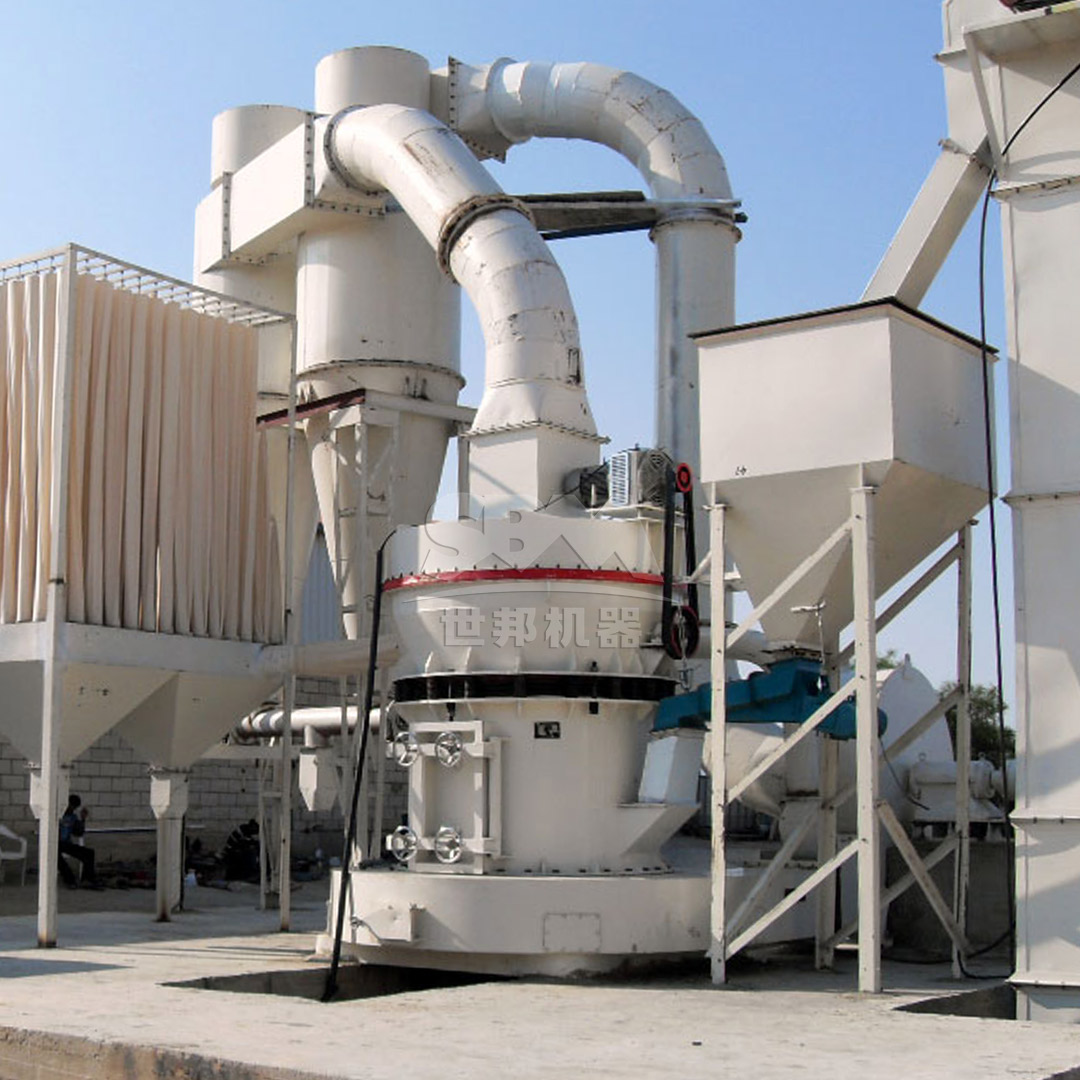
| Raymond Mill (Pendulum Mill) | 45 – 325 mesh | Well-established technology, cost-effective for medium fineness. | Lower efficiency for ultra-fine products, higher wear on moving parts. |
| Vertical Roller Mill (VRM) | 325 – 600 mesh | Excellent energy efficiency, integrated drying/grinding, high capacity. | Higher capital cost, more complex operation and maintenance. |
| Jet Mill (Fluidized Bed) | 1 – 30μm (d97) | No moving parts, ultra-fine product, narrow PSD, no contamination. | Very high energy consumption, lower capacity, high operational cost. |
| Ultrafine Grinding Mill | 325 – 2500 mesh | Superior for ultra-fine and high-value products, good energy efficiency relative to jet mills. | Requires precise feed size control, higher investment than Raymond mills. |
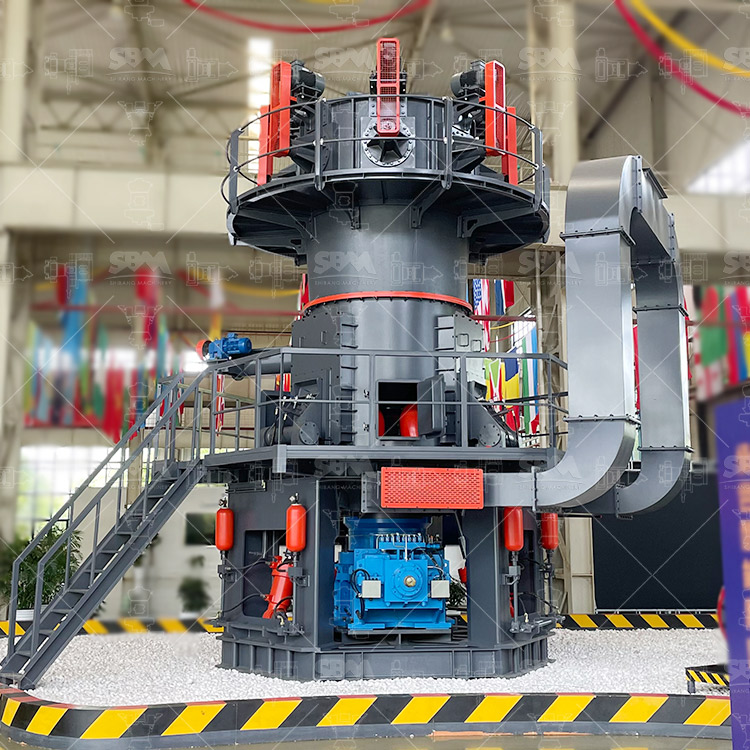
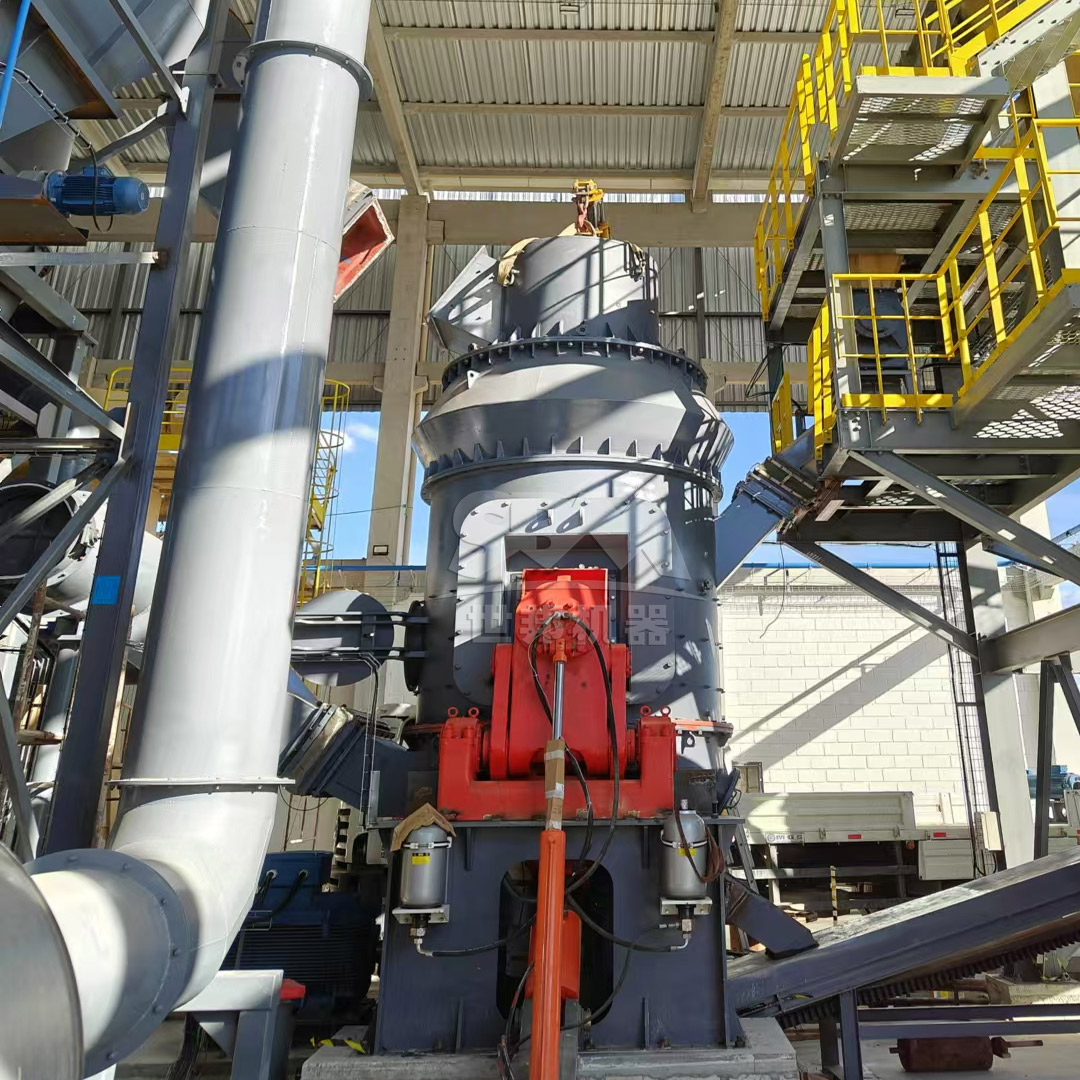
For producers targeting the filler and standard coating pigment market with high throughput requirements, the LM Series Vertical Roller Mill represents an optimal solution. Its integrated design combines drying, grinding, and classification in a single unit, significantly reducing footprint and infrastructure costs. The bed grinding principle between rollers and a rotating table is highly energy-efficient, consuming 30-40% less power than traditional ball mill systems. This is a critical advantage for illite, which may require drying. The intelligent control system allows for real-time monitoring and adjustment of key parameters like grinding pressure and classifier speed, ensuring consistent product fineness. Its fully sealed, negative pressure operation guarantees environmental compliance with minimal dust emission.
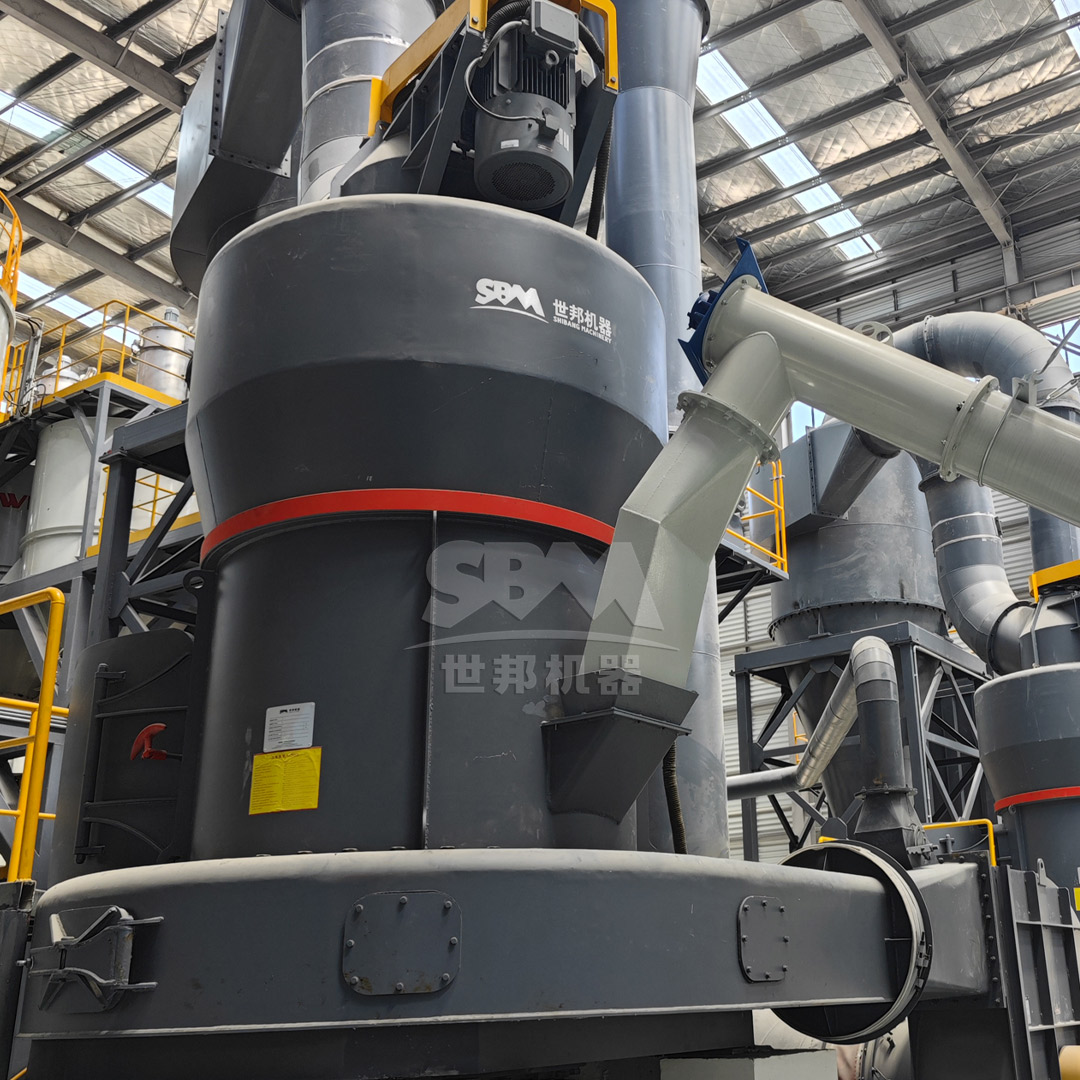
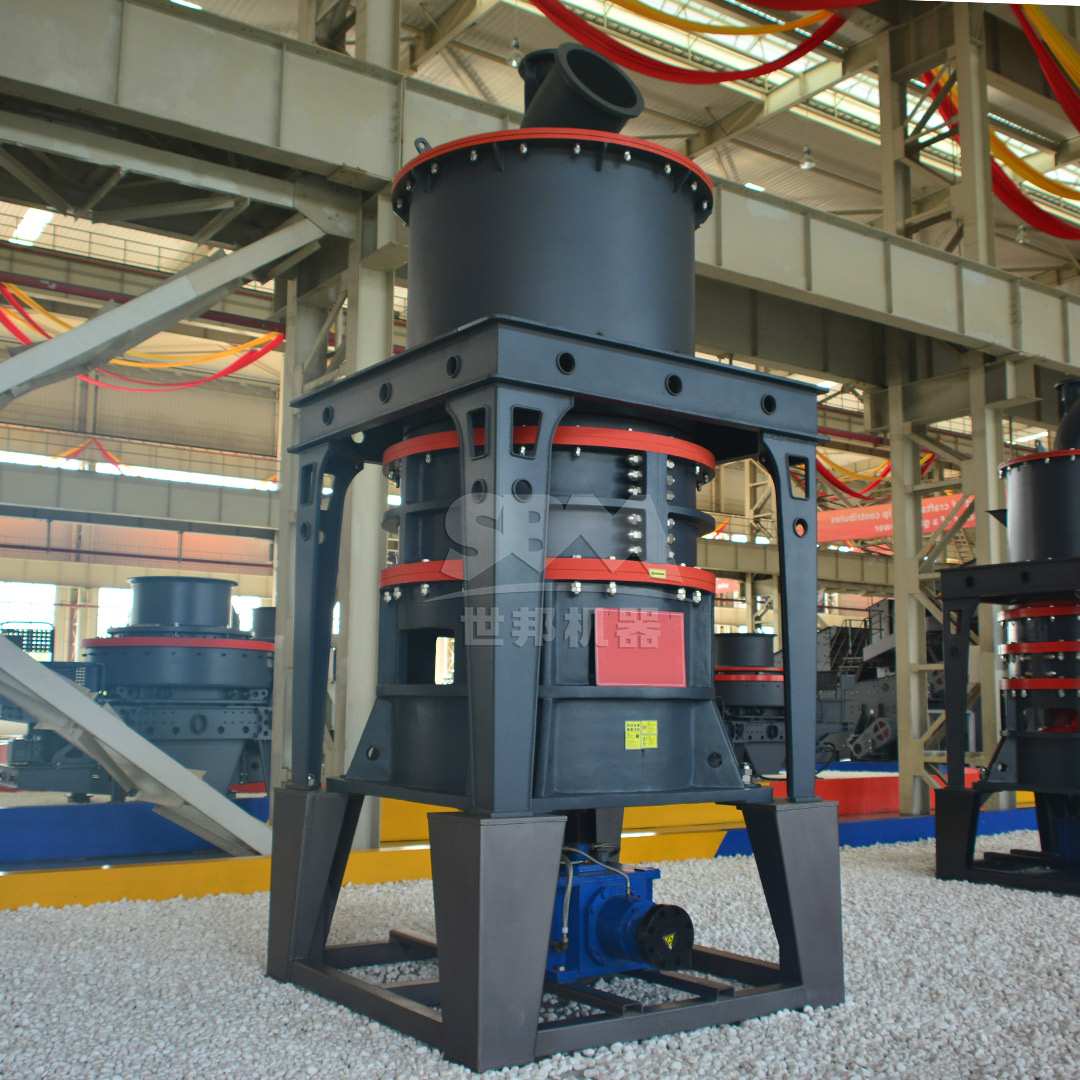
When the application demands the highest level of fineness and a narrow particle size distribution for premium paper coatings, the SCM Series Ultrafine Mill is the technology of choice. This mill is engineered to bridge the gap between high-energy jet mills and conventional grinding systems. It operates on a layered grinding principle with a high-precision vertical turbine classifier. The result is a capacity that can be twice that of a jet mill while achieving 30% lower energy consumption—a decisive economic factor. For illite producers, its ability to deliver products in the 325-2500 mesh range (5-45μm) with no coarse powder mixing is paramount. The special material rollers and rings offer extended service life, reducing contamination risk and maintenance downtime. The integrated pulse dust collection system ensures a clean and efficient operation, making it an ideal partner for producing high-value, ultra-fine illite additives.
Choosing the right mill involves a systematic evaluation of your specific project parameters.
Clearly establish the target fineness (e.g., d50, d97, or mesh size), required capacity (TPH), and moisture content of the feed material.
Analyze the hardness (Mohs scale), feed size (typically needing to be ≤20mm for fine grinding mills), and abrasiveness of your illite ore. This impacts wear part selection and mill design.
Look beyond the initial capital expenditure (CAPEX). Calculate the operational expenditure (OPEX), including:
– Energy consumption per ton.
– Wear part consumption and maintenance costs.
– Labor requirements for operation and maintenance.
– Spare parts inventory and availability.
Assess the space requirements, installation complexity, and need for ancillary equipment (crushers, dryers, feeders). Ensure the supplier offers comprehensive technical support, commissioning services, and ready access to spare parts.
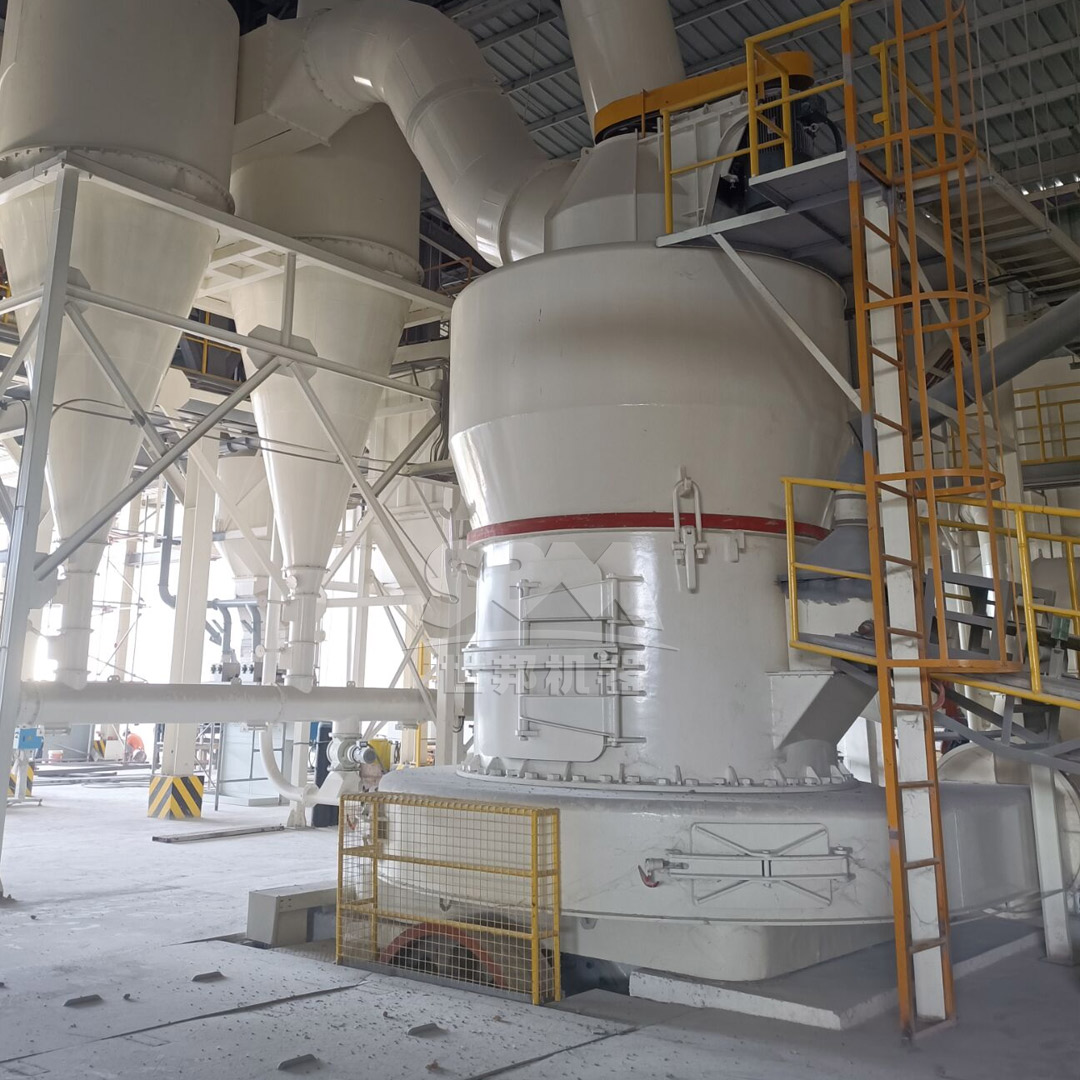
The selection of an illite grinding mill is a strategic decision that directly impacts the quality of your papermaking additives, your production efficiency, and your bottom line. There is no one-size-fits-all solution. For high-tonnage production of fine illite fillers, robust and efficient technologies like the LM Vertical Roller Mill offer an unbeatable balance of performance and operating cost. For the specialized production of ultra-fine coating pigments, the SCM Ultrafine Mill provides the technological edge to achieve superior product characteristics with remarkable energy savings compared to alternative ultra-fine grinding methods.
By thoroughly understanding your product goals, carefully analyzing the available technologies, and partnering with an experienced equipment supplier who can provide tailored solutions and reliable support, you can invest in a grinding system that will serve as a dependable and profitable cornerstone of your illite processing operation for years to come.