Barite (barium sulfate, BaSO4) is a critical industrial mineral, primarily valued for its high specific gravity, chemical inertness, and brightness. Its processed powder is the fundamental raw material for producing various barium compounds, such as barium carbonate, barium chloride, and precipitated barium sulfate, which are indispensable in industries ranging from oil & gas drilling (as weighting agents) to paints, plastics, rubber, pharmaceuticals, and electronics. The quality, fineness, and production efficiency of barite powder directly determine the performance and cost-effectiveness of downstream barium chemicals. Therefore, selecting the right grinding and processing equipment is paramount for any modern barium compound production facility. This article delves into the key stages of barite powder processing and highlights the critical role of advanced milling technology, with a focus on optimal equipment selection.
The transformation of raw barite ore into a consistent, high-purity powder suitable for chemical synthesis involves several meticulously controlled stages.
Run-of-mine barite ore, typically ranging from several inches to a foot in size, first undergoes primary and secondary crushing. Jaw crushers are commonly used for primary breaking, reducing the ore to a manageable size of about 150-200mm. Secondary crushing, often using cone crushers or impact crushers, further reduces the material to below 50mm. This stage prepares the feed for the subsequent grinding circuit, ensuring a consistent and optimal feed size for the mills.
| Processing Stage | Target Output Size | Typical Equipment |
|---|---|---|
| Primary Crushing | 150-200 mm | Jaw Crusher |
| Secondary Crushing | <50 mm | Cone Crusher, Impact Crusher |
| Grinding (Coarse) | 30-100 mesh (600-150μm) | Raymond Mill, Ball Mill |
| Fine/Ultrafine Grinding | 325-2500 mesh (45-5μm) | Ultrafine Mill, Vertical Roller Mill |
Depending on the ore’s purity, washing and beneficiation processes like gravity separation (using jigs or shaking tables) may be employed to remove gangue minerals such as quartz, calcite, and sulfides. The cleaned barite concentrate must then be thoroughly dried to a very low moisture content (typically below 1-2%) before fine grinding, as moisture can cause clogging, reduce grinding efficiency, and affect the final powder’s flow characteristics.
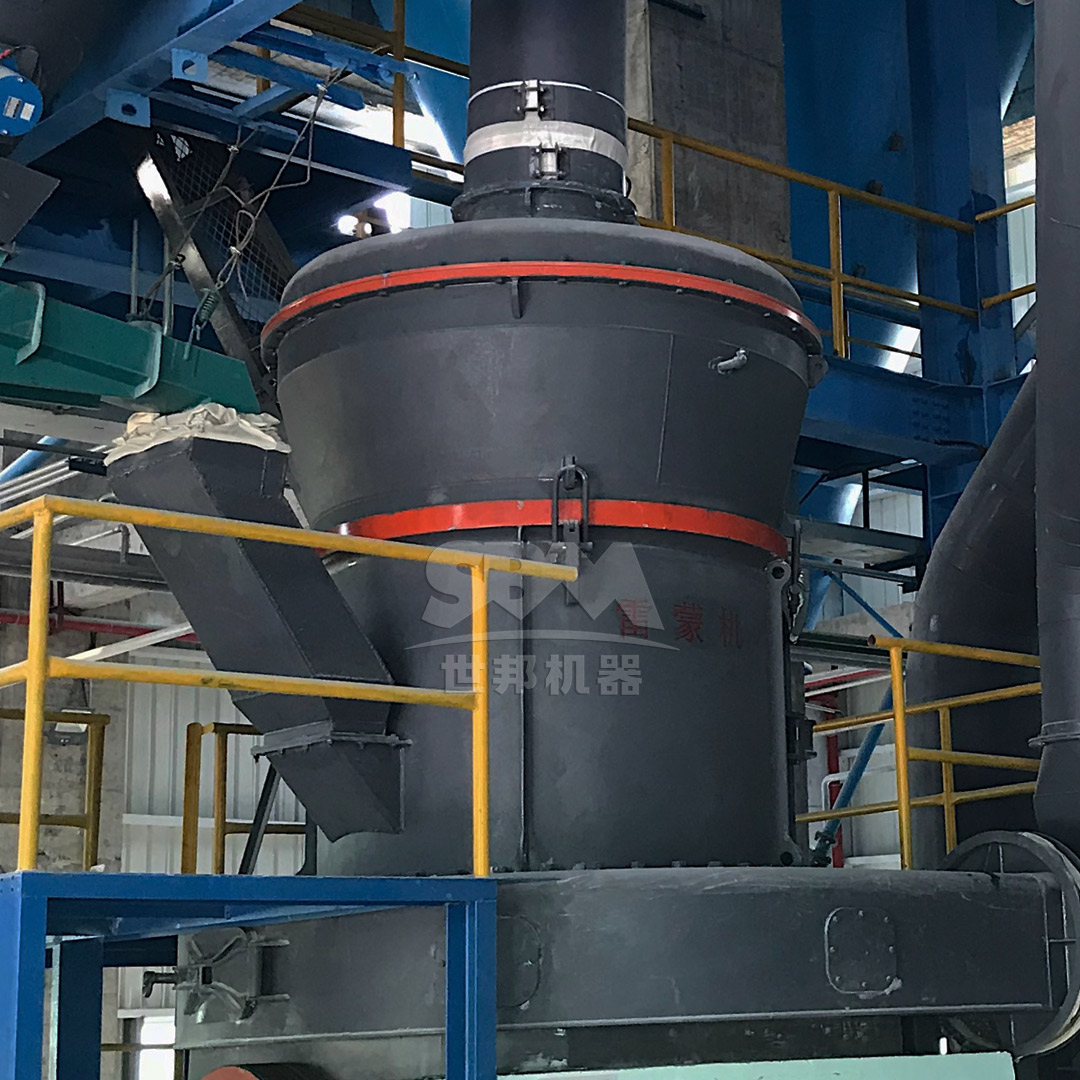
This is the most technologically intensive and energy-consuming phase. The required fineness for barium compound production varies. For example, drilling mud may require 200-325 mesh powder, while high-grade filler applications or the synthesis of high-purity barium compounds demand ultrafine powders from 800 to 2500 mesh. The choice of grinding mill dictates the product’s particle size distribution (PSD), shape, energy consumption, and overall plant economics.
Several types of mills are employed in the industry, each with its advantages and optimal application range.
For producing barite powder in the range of 30-325 mesh (600-45μm), the Raymond mill, particularly its modern evolution like the MTW Series European Trapezium Mill, remains a workhorse. It is renowned for its reliability, relatively low capital cost, and ease of operation. The MTW series incorporates advanced features such as an integral bevel gear drive for high transmission efficiency (up to 98%), curved wear-resistant shovel blades to extend component life, and an optimized arc air duct system for improved energy efficiency. With capacities ranging from 3 to 45 tons per hour and the ability to handle feed sizes up to 50mm, it is an excellent choice for medium-fineness barite powder production, especially for drilling-grade applications or as a pre-grinding step.
Ball mills are versatile and can produce a wide range of fineness (0.074-0.8mm). They operate on the principle of impact and attrition as grinding media (steel balls) cascade inside a rotating cylinder. While capable of high capacity (up to 450 t/h) and being a proven technology, they are generally less energy-efficient for producing very fine powders (<45μm) compared to more modern grinding systems. Their energy consumption per ton of product can be significantly higher, and the particle size distribution may be broader.
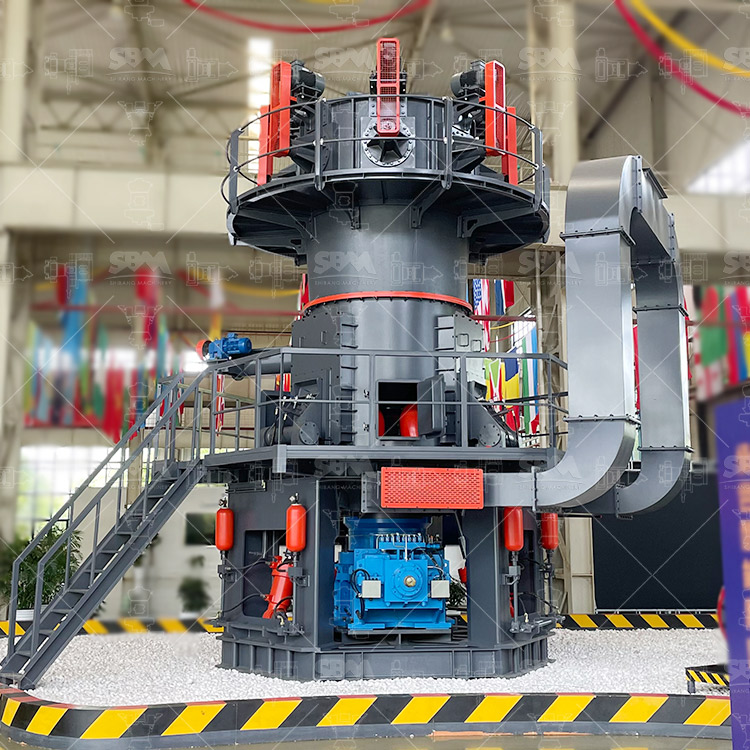
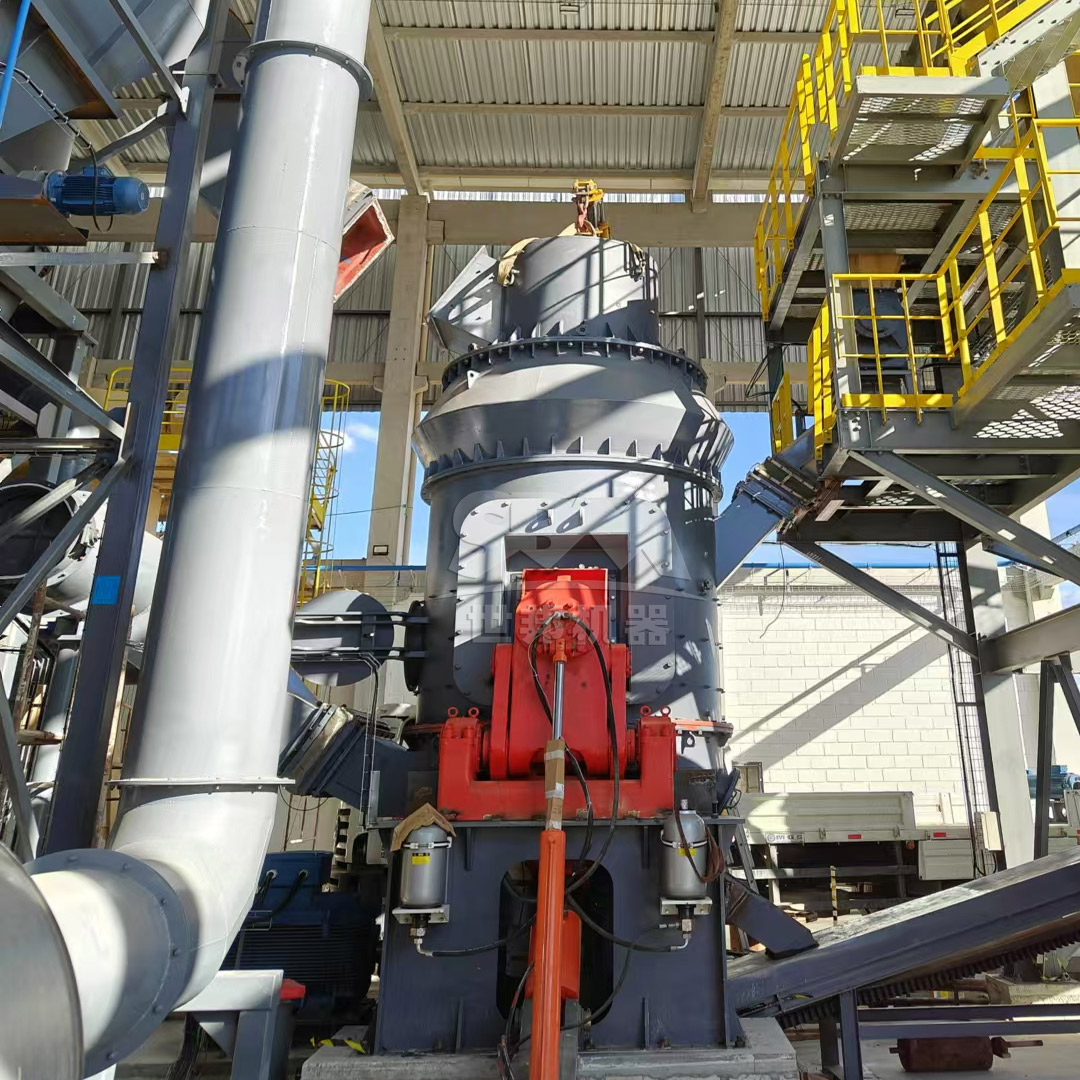
The LM Series Vertical Roller Mill represents a significant leap in grinding technology, offering high efficiency for medium to fine grinding (30-325 mesh, with special models reaching 600 mesh). Its integrated design combines drying, grinding, classification, and conveying in a single unit, reducing floor space by up to 50%. The material is ground between rollers and a rotating table under pressure, a highly efficient method that consumes 30-40% less energy than traditional ball mill systems for the same output. Its intelligent control system allows for stable operation and consistent product quality, making it a strong candidate for large-scale barite powder production lines aiming for improved energy metrics and automation.
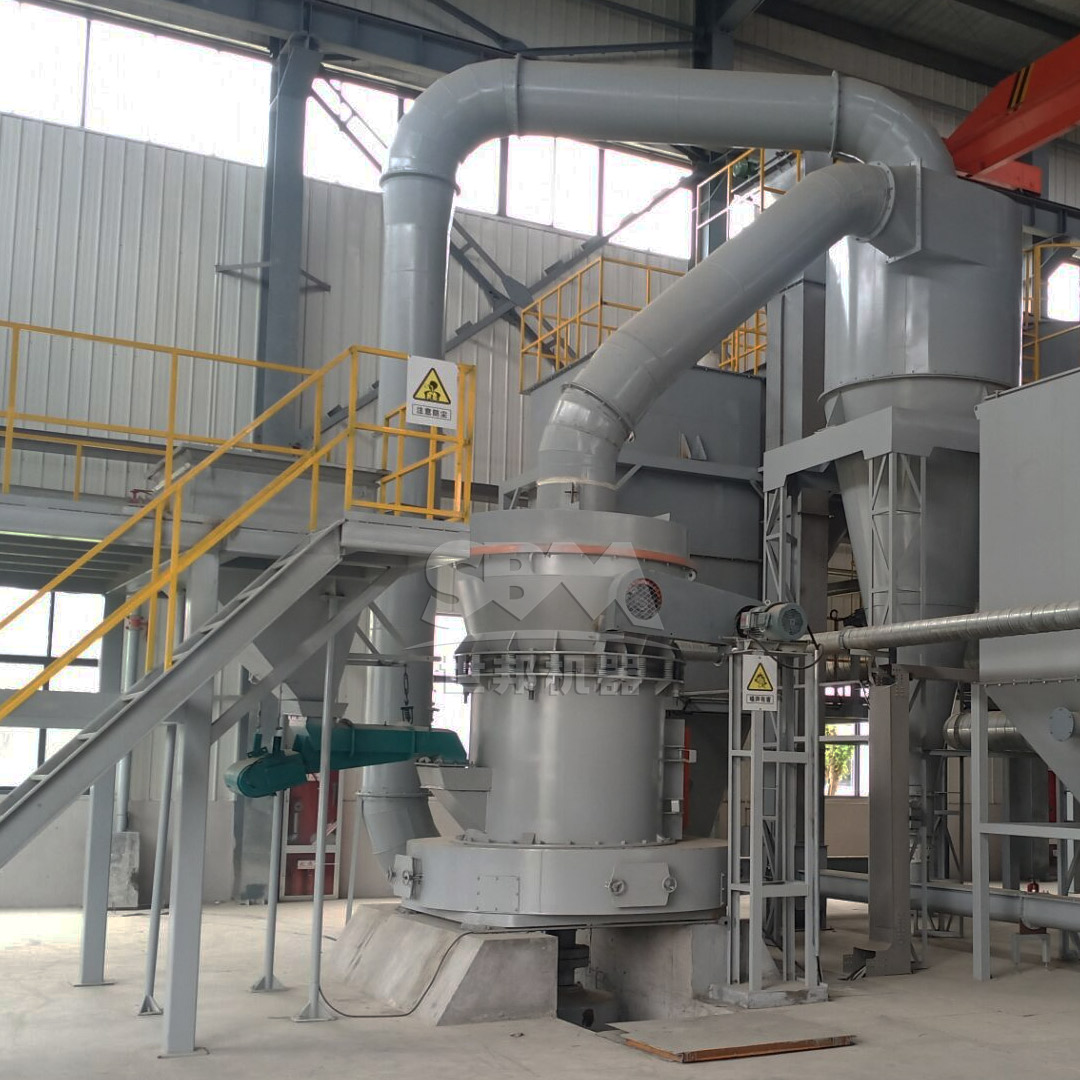
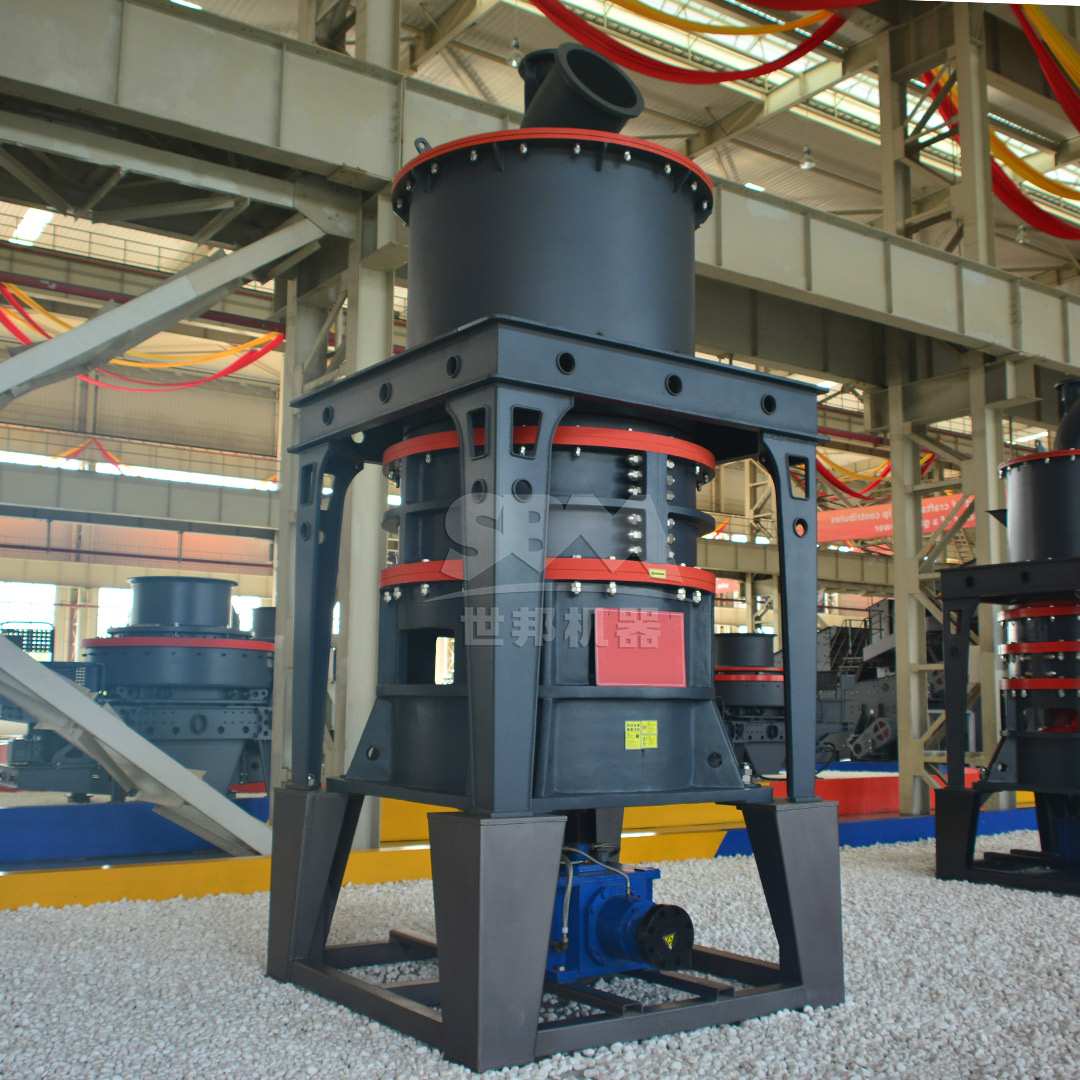
When the production target is high-value, ultrafine barite powder (325-2500 mesh or 45-5μm) for premium fillers, pharmaceuticals, or advanced barium chemicals, specialized ultrafine grinding equipment is non-negotiable. For this demanding application, we highly recommend our flagship SCM Series Ultrafine Mill.
This mill is engineered specifically for the economic production of superfine powders. Its core advantages make it ideal for barite:
The mill operates on a layered grinding principle. The main motor drives the grinding rings to rotate, dispersing material into the grinding path via centrifugal force where it is crushed by roller pressure. The SCM series offers models from SCM800 to SCM1680, with capacities from 0.5 to 25 tons per hour, providing a scalable solution for any production need.
| Model | Capacity (t/h) | Main Power (kW) | Output Fineness (mesh) |
|---|---|---|---|
| SCM800 | 0.5 – 4.5 | 75 | 325 – 2500 |
| SCM1000 | 1.0 – 8.5 | 132 | 325 – 2500 |
| SCM1250 | 2.5 – 14 | 185 | 325 – 2500 |
| SCM1680 | 5.0 – 25 | 315 | 325 – 2500 |
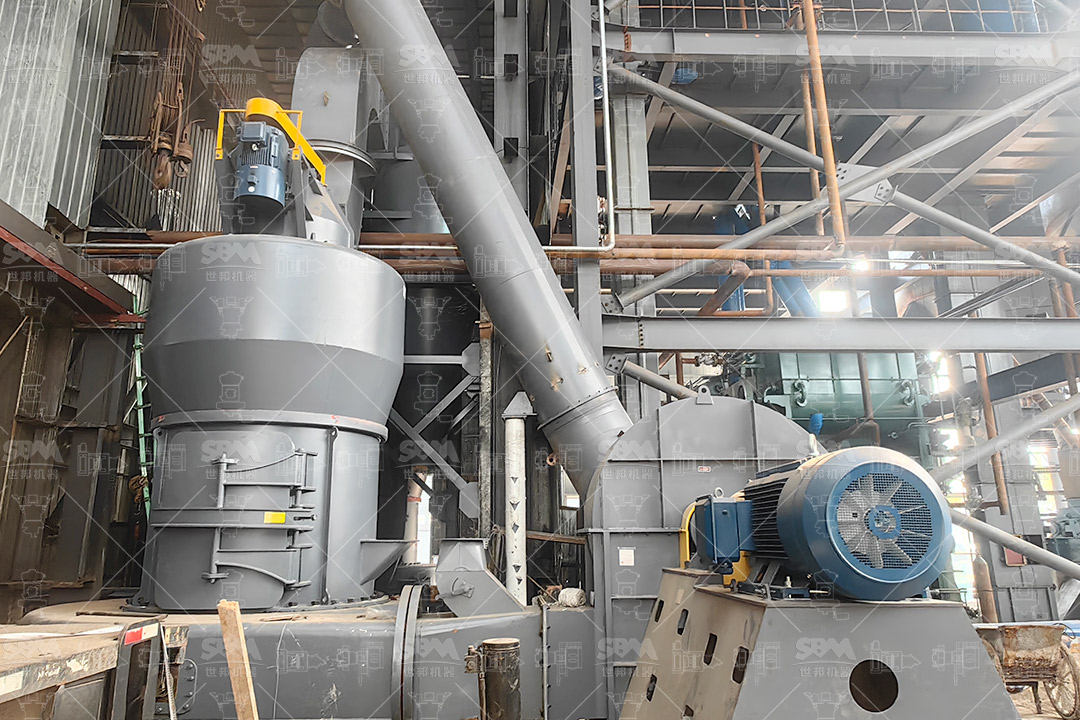
The success of a barite powder processing plant hinges on a holistic approach: understanding the ore characteristics, defining the target product specifications, and most importantly, selecting the right grinding equipment. For coarse to medium-fine powder, the robust and efficient MTW Series European Trapezium Mill or the energy-saving LM Series Vertical Roller Mill are outstanding choices. However, for producers aiming at the high-end market requiring ultrafine, high-purity barite powder—the essential feedstock for sophisticated barium compound synthesis—investing in advanced technology like the SCM Series Ultrafine Mill is a strategic decision. It offers the perfect blend of precision, energy efficiency, durability, and environmental compliance, ensuring a competitive edge in the demanding field of barium compound production. A well-designed plant, centered on the appropriate milling technology, transforms raw barite ore into a consistent, high-quality powder, forming the reliable foundation for the entire barium chemicals value chain.