The plastics industry relies heavily on functional fillers to enhance material properties, reduce costs, and enable new applications. Among these, talc stands out as a premier mineral filler, prized for its ability to improve stiffness, dimensional stability, heat deflection temperature (HDT), and barrier properties in polypropylene (PP), polyethylene (PE), and engineering thermoplastics. However, the performance of talc as a filler is intrinsically linked to its particle size, particle size distribution (PSD), and surface morphology. Achieving the optimal balance of fineness, throughput, and energy efficiency in talc processing is a significant engineering challenge. This article explores the key production equipment required for manufacturing high-quality talc filler, focusing on grinding and classification technologies, and highlights advanced solutions that define modern, profitable operations.
The transformation of raw talc ore into a consistent, high-performance plastic filler involves several critical stages: primary crushing, drying, fine grinding, classification, surface treatment (if required), and packaging. While each stage is important, the fine grinding and classification steps are paramount, as they directly determine the final product’s key performance indicators (KPIs).
The primary goal is to delaminate the platy talc structure to maximize its aspect ratio (the ratio of platelet diameter to thickness), which is crucial for its reinforcing effect. Simultaneously, the process must achieve a target top cut and a narrow PSD to ensure uniform dispersion in the polymer matrix and predictable composite properties. Equipment selection, therefore, must be based on a deep understanding of material science and mechanical engineering principles.
The heart of any talc filler plant is its grinding and classification system. Different technologies are employed depending on the required fineness range, capacity, and energy consumption targets.
This range is suitable for general-purpose fillers where high loadings and cost reduction are primary goals. Equipment must handle relatively large feed sizes (up to 50mm) and deliver high throughput with robust, low-maintenance operation.
Recommended Technology: MTW Series European Trapezium Mill
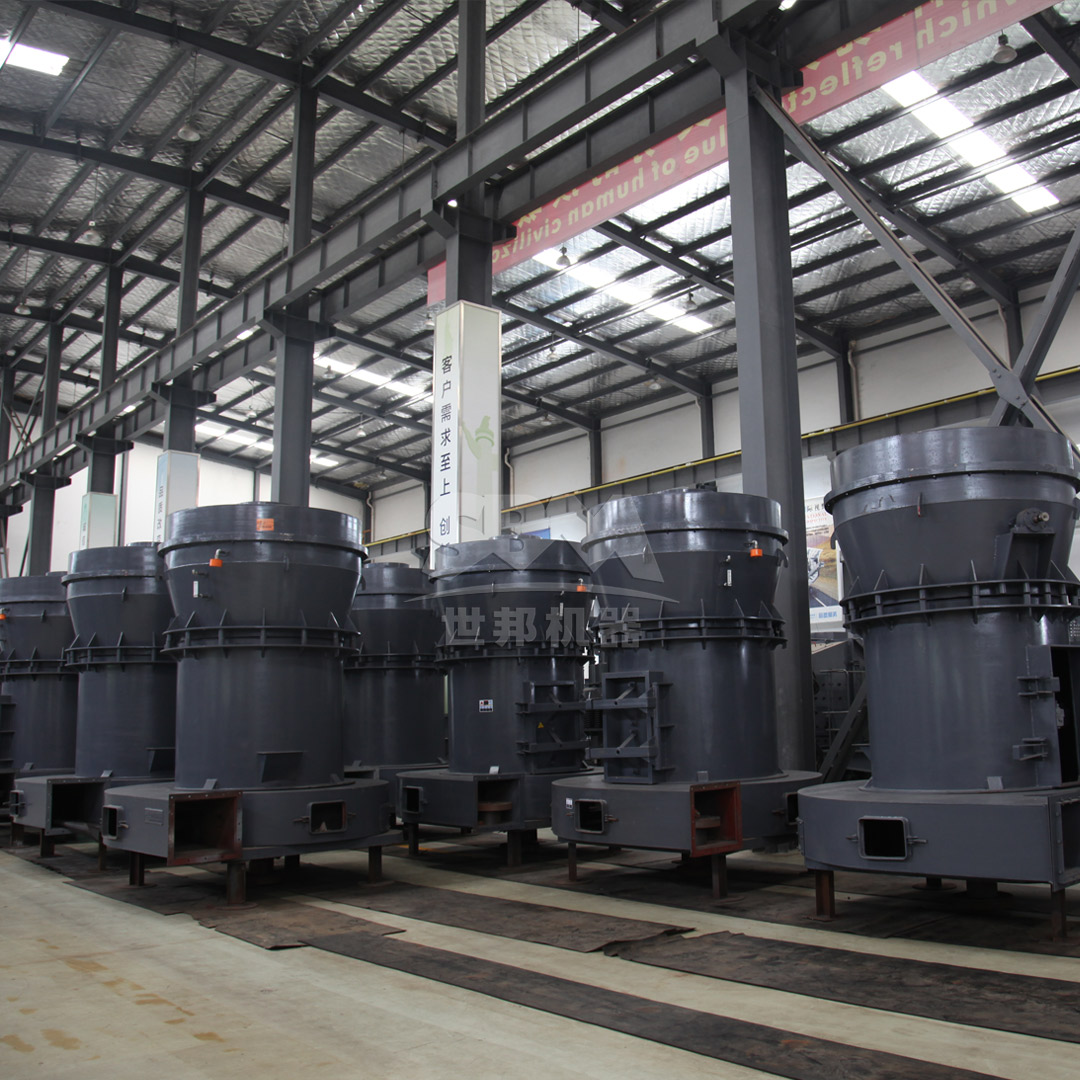
For this critical stage in producing mid-range talc fillers, the MTW Series European Trapezium Mill represents an optimal balance of power, precision, and durability. Its anti-wear shovel design and combined shovel blades significantly reduce maintenance costs associated with processing abrasive minerals like talc. The optimized arc air duct and integral bevel gear drive, with an efficiency of up to 98%, translate directly into lower operational costs per ton. With capacities ranging from 3 to 45 tons per hour and the ability to produce fineness from 30 to 325 mesh, the MTW series, particularly models like the MTW215G, is engineered for large-scale, continuous production of consistent talc powder.
| Model | Capacity (t/h) | Main Power (kW) | Output Fineness (mesh) | Key Feature |
|---|---|---|---|---|
| MTW138Z | 6-17 | 90 | 10-325 | High-strength guard plates |
| MTW175G | 9.5-25 | 160 | 10-325 | Curved shovel blade design |
| MTW215G | 15-45 | 280 | 10-325 | High-capacity, integrated drive |
High-performance plastics, especially in automotive and appliance applications, demand ultrafine, high-purity talc with a high aspect ratio. Producing this grade requires technology capable of delicate delamination rather than destructive impact crushing, coupled with extremely precise classification to remove oversize particles.
Recommended Technology: SCM Series Ultrafine Mill
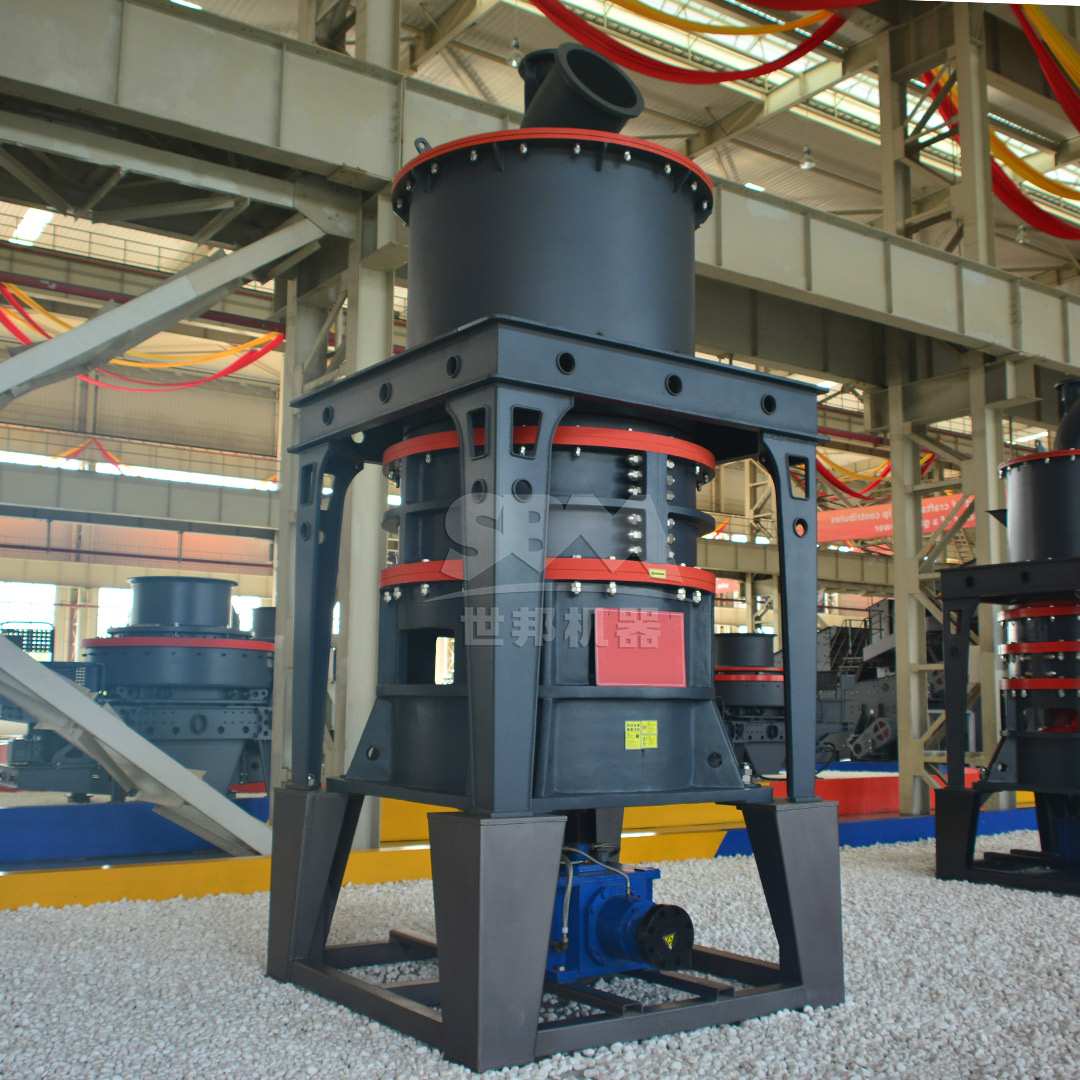
When the application demands the finest, most consistent talc filler for premium plastic compounds, the SCM Series Ultrafine Mill is the industry benchmark. Its working principle—utilizing three layers of grinding rings and roller pressure—is ideal for the layered delamination of talc, preserving its platelet structure for maximum reinforcement. The integrated high-precision vertical turbine classifier ensures a sharp particle size cut, eliminating coarse powder contamination. With an output fineness range of 325 to 2500 mesh (45-5μm) and capacities up to 25 t/h, models like the SCM1680 offer unparalleled efficiency, consuming 30% less energy than traditional jet mills while delivering double the capacity. This makes it the most cost-effective solution for producing high-value, ultrafine talc.
| Model | Capacity (t/h) | Main Power (kW) | Output Fineness (mesh) | Key Advantage |
|---|---|---|---|---|
| SCM1000 | 1.0-8.5 | 132 | 325-2500 | Intelligent granularity feedback |
| SCM1250 | 2.5-14 | 185 | 325-2500 | High-precision classification |
| SCM1680 | 5.0-25 | 315 | 325-2500 | High capacity, energy-saving design |
A successful talc filler line extends beyond the main mill. Key auxiliary systems include:
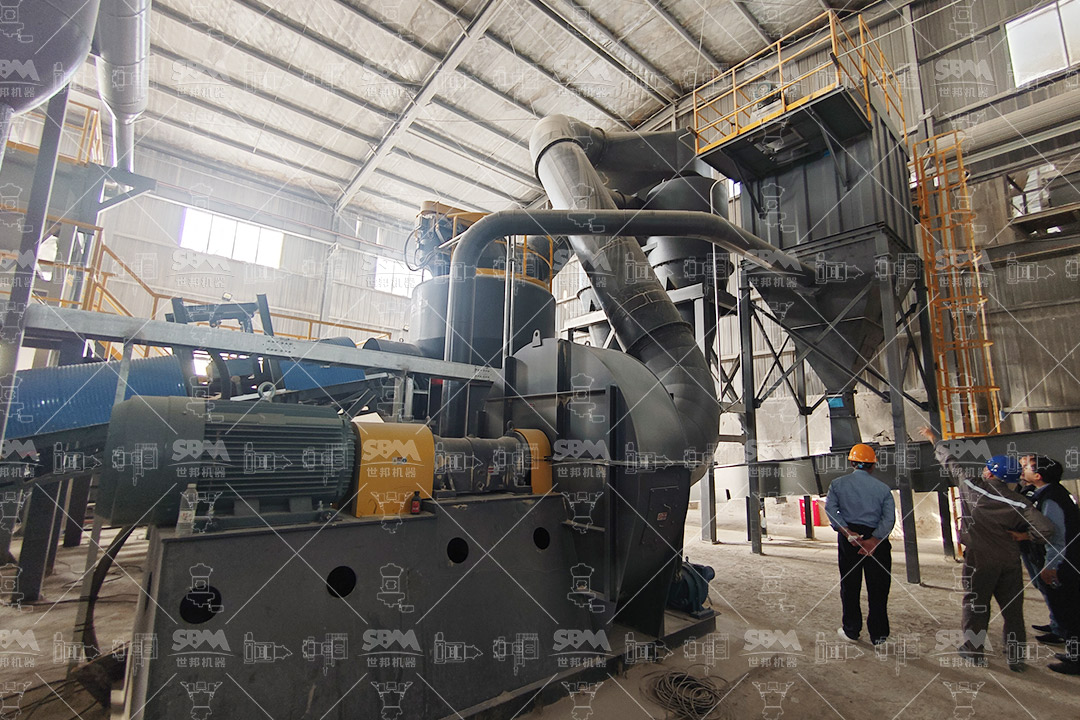
Choosing the right equipment involves a total cost of ownership (TCO) analysis:
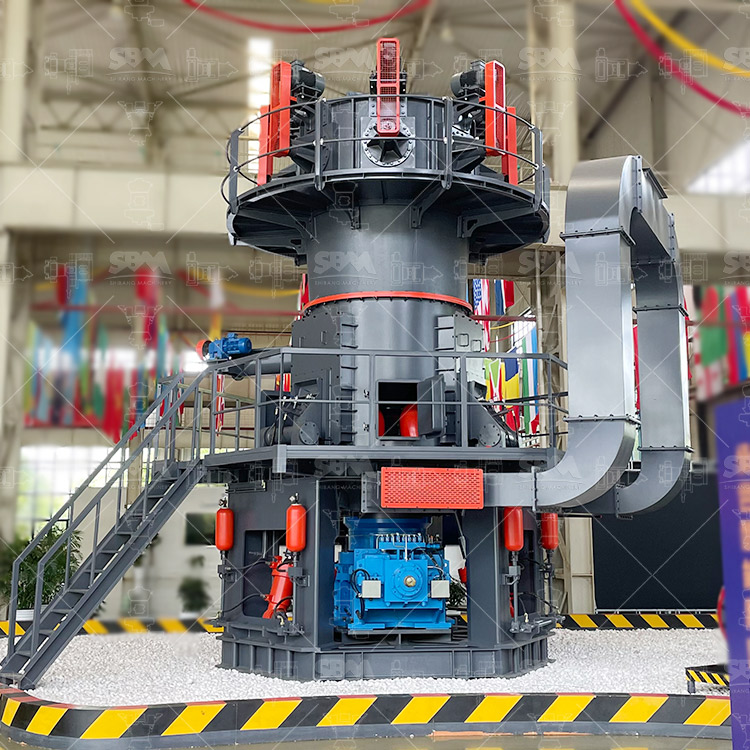
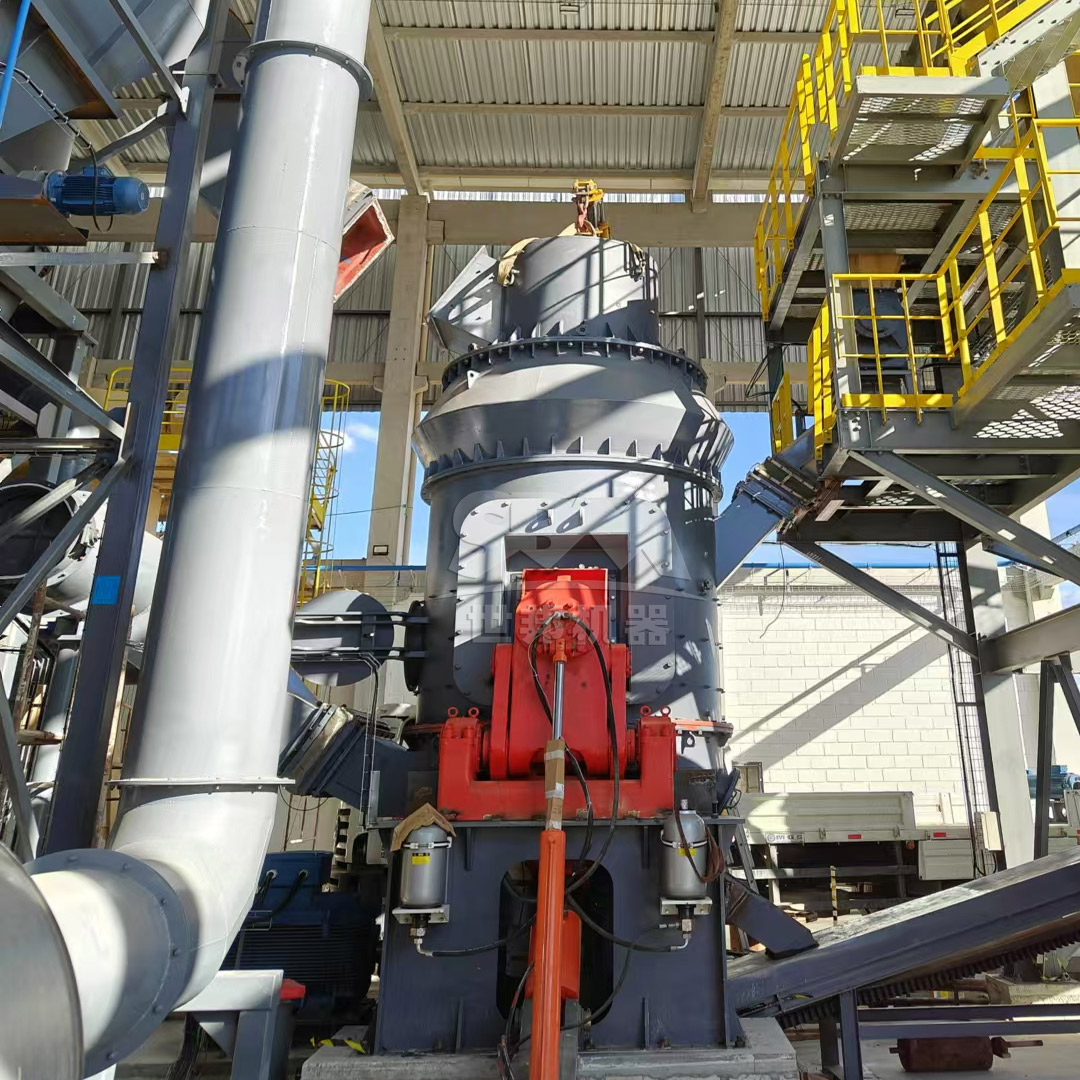
The future of talc filler production lies in smart, interconnected systems. The next generation of equipment, as seen in advanced models like the LUM Ultrafine Vertical Roller Mill and intelligent control packages for the LM Series, features expert-level auto-control systems. These systems enable real-time monitoring of parameters like bearing temperature, motor load, and classifier speed, with automatic feedback loops to adjust for optimal performance. Remote diagnostics and predictive maintenance algorithms will further minimize downtime and maximize yield and quality consistency.
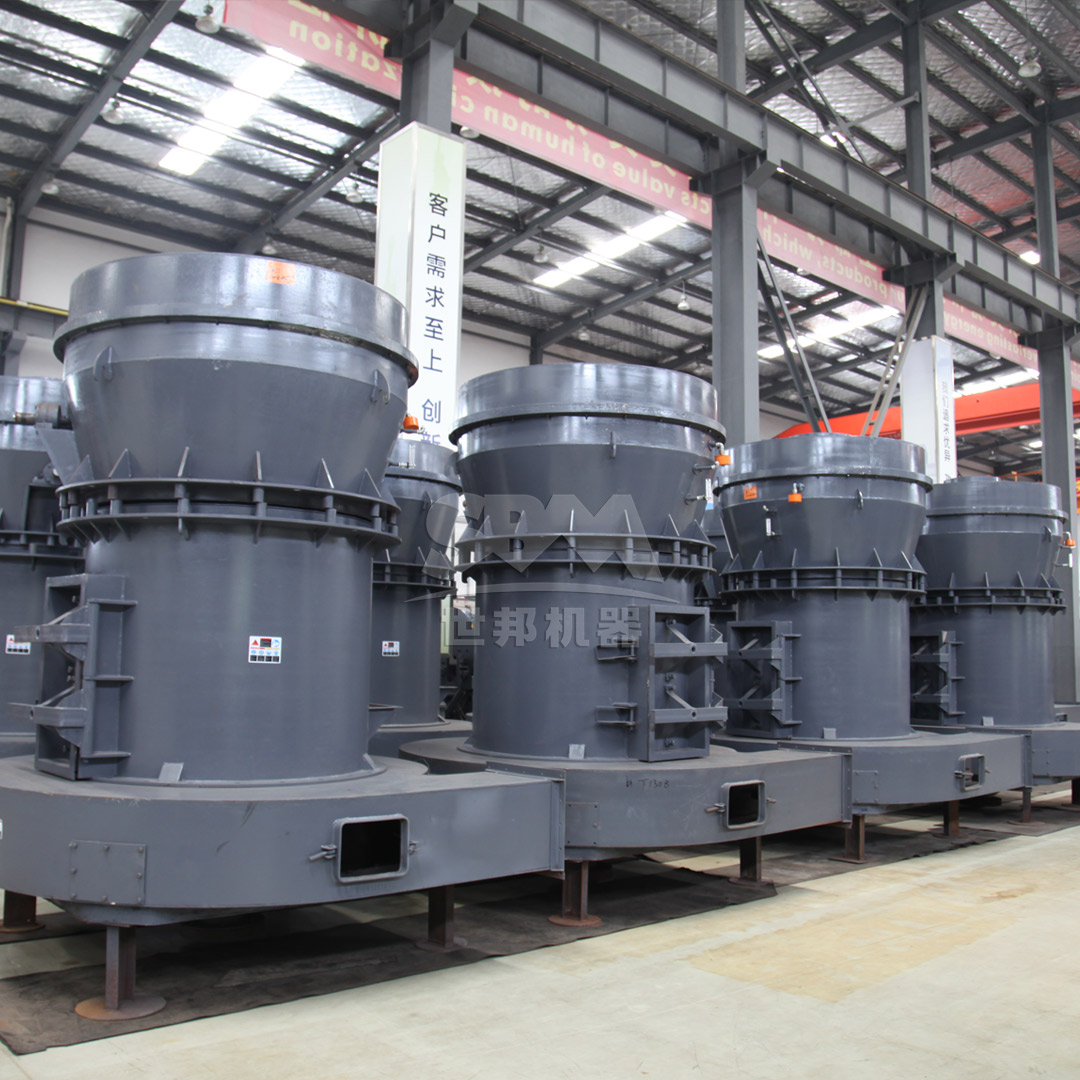
Manufacturing high-quality talc filler for the plastics industry is a precision engineering endeavor. The selection of grinding and classification equipment is the most decisive factor in determining product performance, operational efficiency, and profitability. From the high-capacity robustness of the MTW Series European Trapezium Mill for general-purpose grades to the precision delamination capability of the SCM Series Ultrafine Mill for high-performance applications, investing in the right technology platform is essential. By focusing on energy efficiency, precise classification, system integration, and intelligent control, producers can ensure they meet the evolving demands of the global plastics market while maintaining a sustainable and competitive operation.