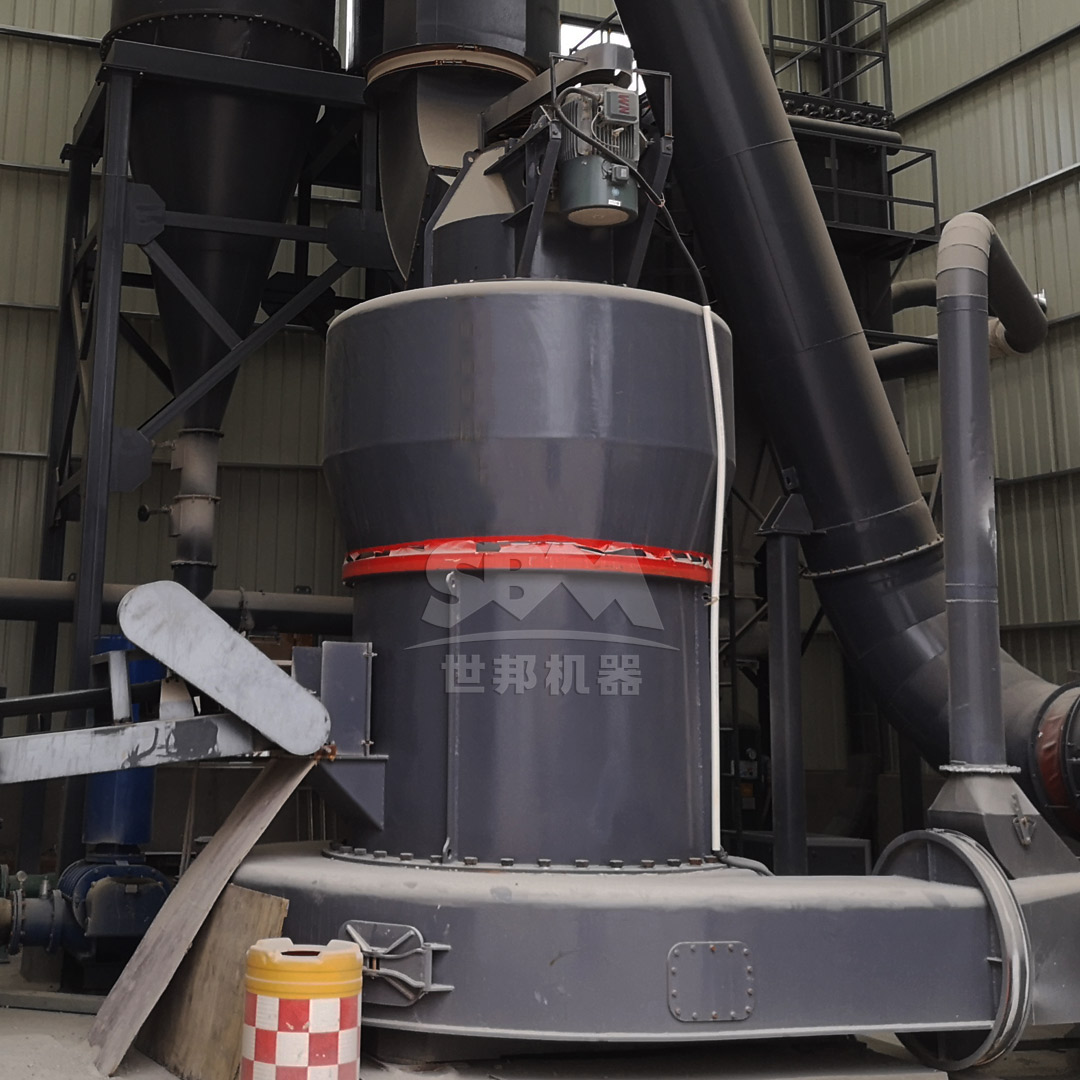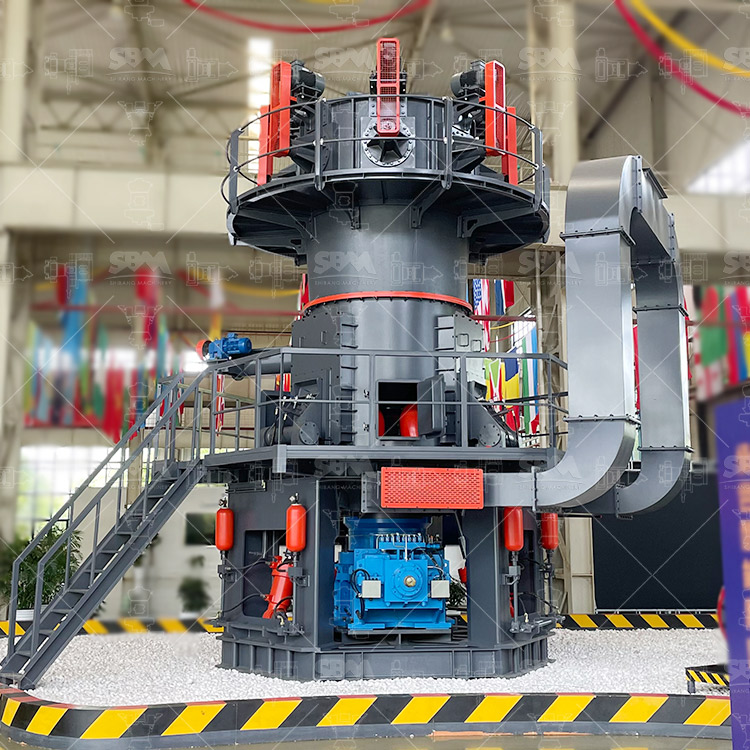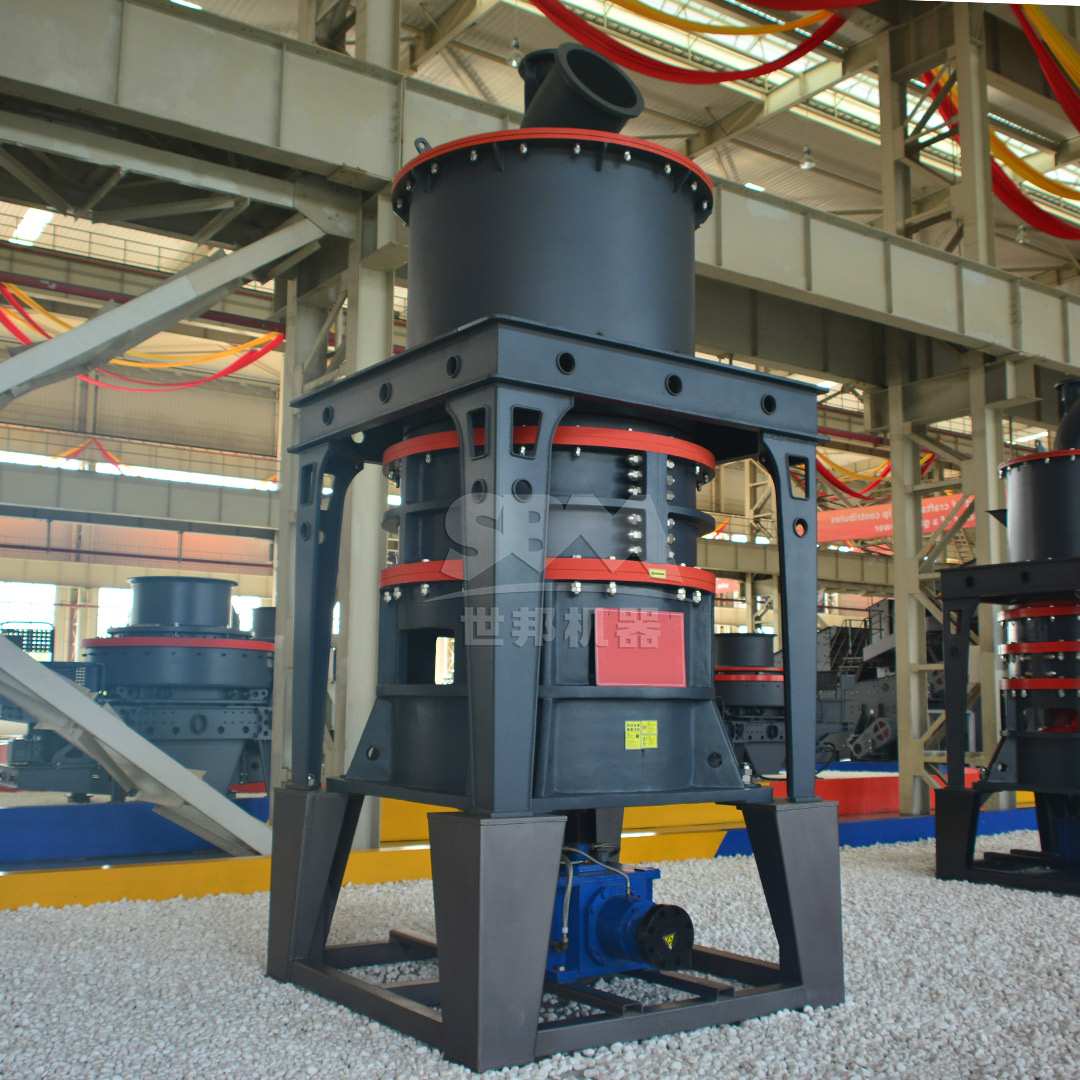
The production of high-quality talc powder for daily-use products—such as cosmetics, pharmaceuticals, food additives, and plastics—demands precision, consistency, and efficiency. Talc, a soft mineral composed of hydrated magnesium silicate, requires careful processing to achieve the desired fineness, whiteness, and chemical purity. The cornerstone of this process is the grinding mill. Selecting the appropriate mill is not merely a technical decision; it is a strategic one that impacts product quality, production cost, operational stability, and environmental compliance. This guide provides a comprehensive framework for choosing the optimal talc grinding mill, focusing on key selection criteria and introducing advanced solutions tailored for modern production needs.
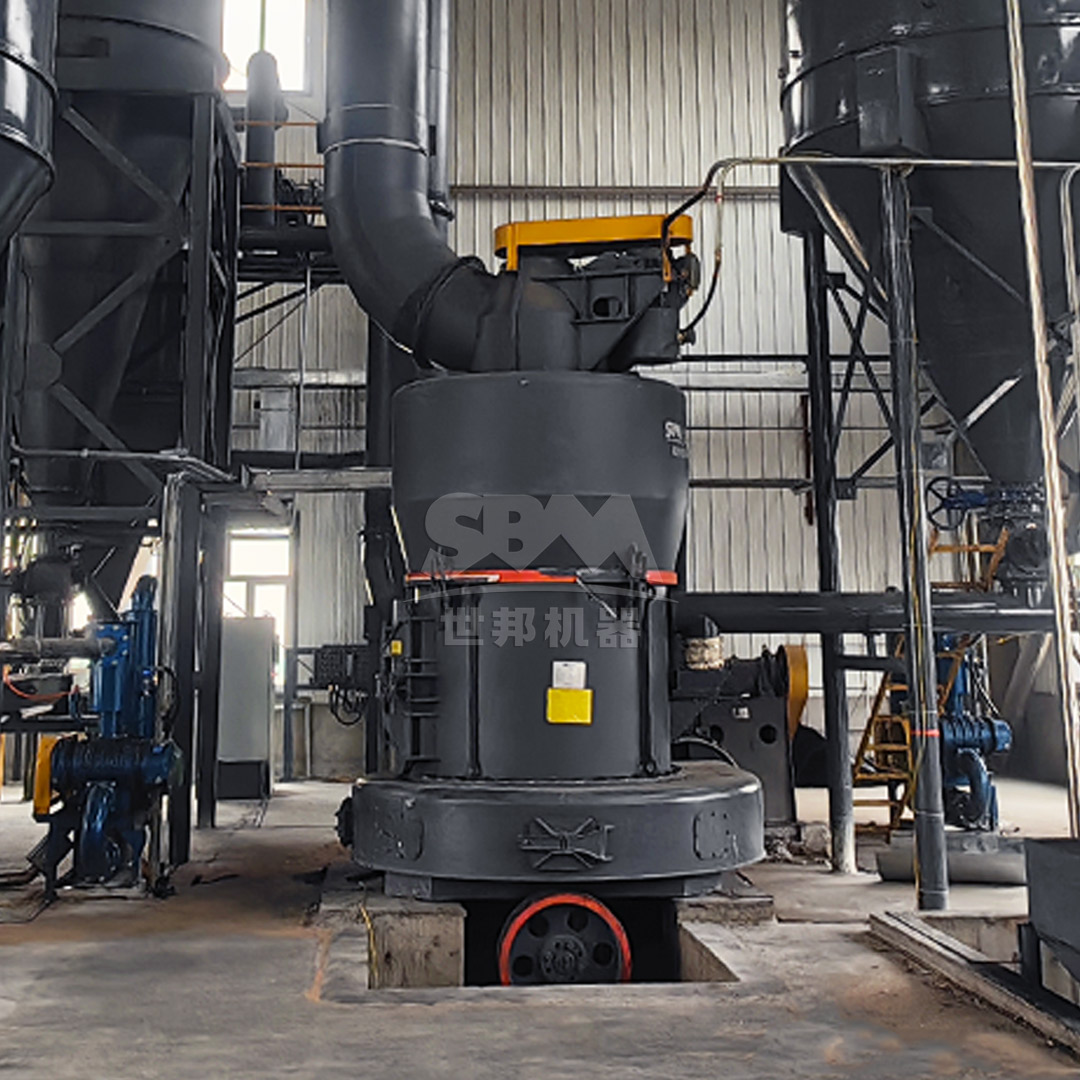
The ideal mill for your talc powder production line must align with several critical parameters. A mismatch in any of these areas can lead to subpar product quality, increased downtime, or excessive energy consumption.
This is the most decisive factor. Talc for different applications has specific particle size requirements:
The mill’s classification system must be capable of delivering a narrow particle size distribution (PSD) to ensure product uniformity and performance.
Capacity requirements dictate the size and power of the mill. It’s crucial to consider both current needs and future scalability. Under-sizing leads to bottlenecks, while over-sizing results in unnecessary capital expenditure and inefficient partial-load operation.
Grinding is an energy-intensive process. Mills with higher grinding efficiency and advanced drive systems can significantly reduce power consumption, which is a major component of long-term operating costs.
Talc dust is a respiratory hazard. A modern mill must feature a fully sealed negative-pressure system and an efficient pulse-jet baghouse dust collector to ensure a clean workshop and comply with stringent international air quality standards (e.g., PM2.5/PM10). Noise levels should also be controlled.
An intelligent control system allows for stable operation, precise fineness adjustment, remote monitoring, and reduced manual intervention, leading to consistent product quality and lower labor costs.
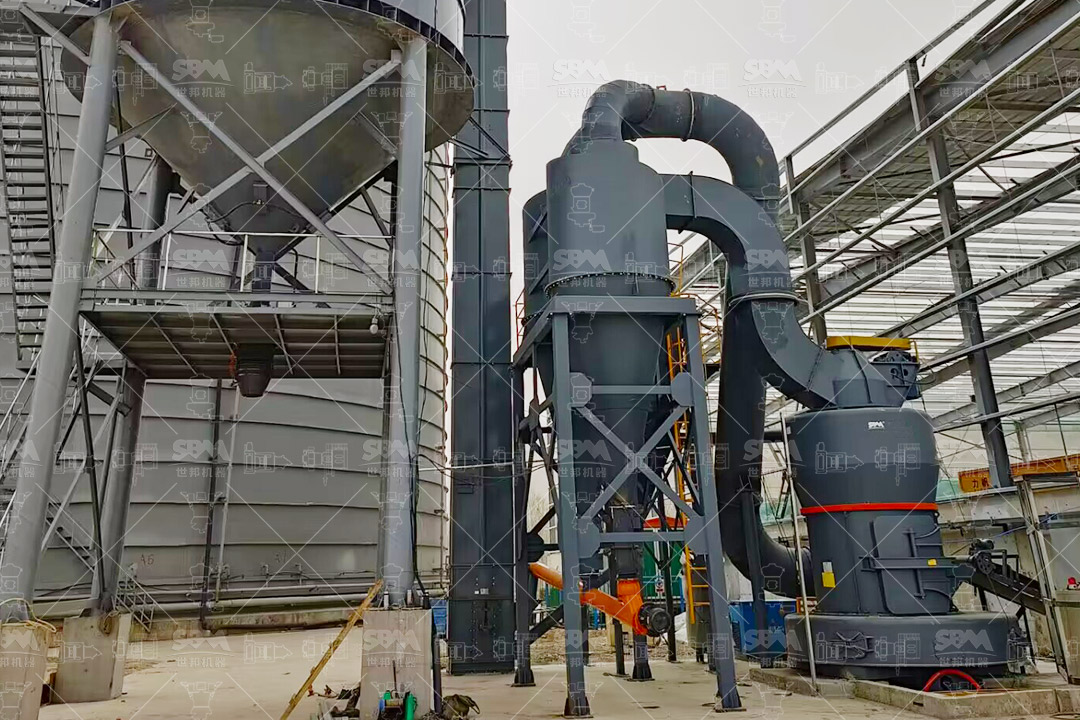
Different mill technologies are suited for different fineness ranges and production scales.
| Mill Type | Typical Output Fineness | Key Advantages | Potential Limitations for Talc | Best For |
|---|---|---|---|---|
| Ball Mill / Rod Mill | 0.074-0.8mm (200-20 mesh) | Simple, reliable, wide capacity range, suitable for wet grinding. | Lower energy efficiency, broader PSD, not ideal for ultrafine grinding. | High-volume production of coarse to medium talc powders. |
| Raymond Mill (Roller Mill) | 45-325 mesh (600-40μm) | Mature technology, cost-effective for medium fineness, dry process. | Limited to medium fineness, higher wear for abrasive feed. | Standard-grade talc powder for industrial applications (paint, plastic). |
| Vertical Roller Mill (VRM) | 30-325 mesh (up to 600 mesh) | High energy efficiency, integrated drying/grinding/classification, low noise. | Higher initial investment, more complex maintenance. | Large-scale production of fine talc with integrated drying needs. |
| Jet Mill (Fluidized Bed) | 1-30μm (500-25,000 mesh) | Ultrafine to nano-sized powder, no moving parts, cold grinding preserves properties. | Very high energy consumption, lower capacity, high operational cost. | Ultrafine, high-purity talc for premium cosmetics and pharmaceuticals. |
Based on the stringent requirements of daily-use talc powder production—particularly the need for high whiteness, ultra-fineness, and contamination-free processing—two advanced mill technologies stand out.
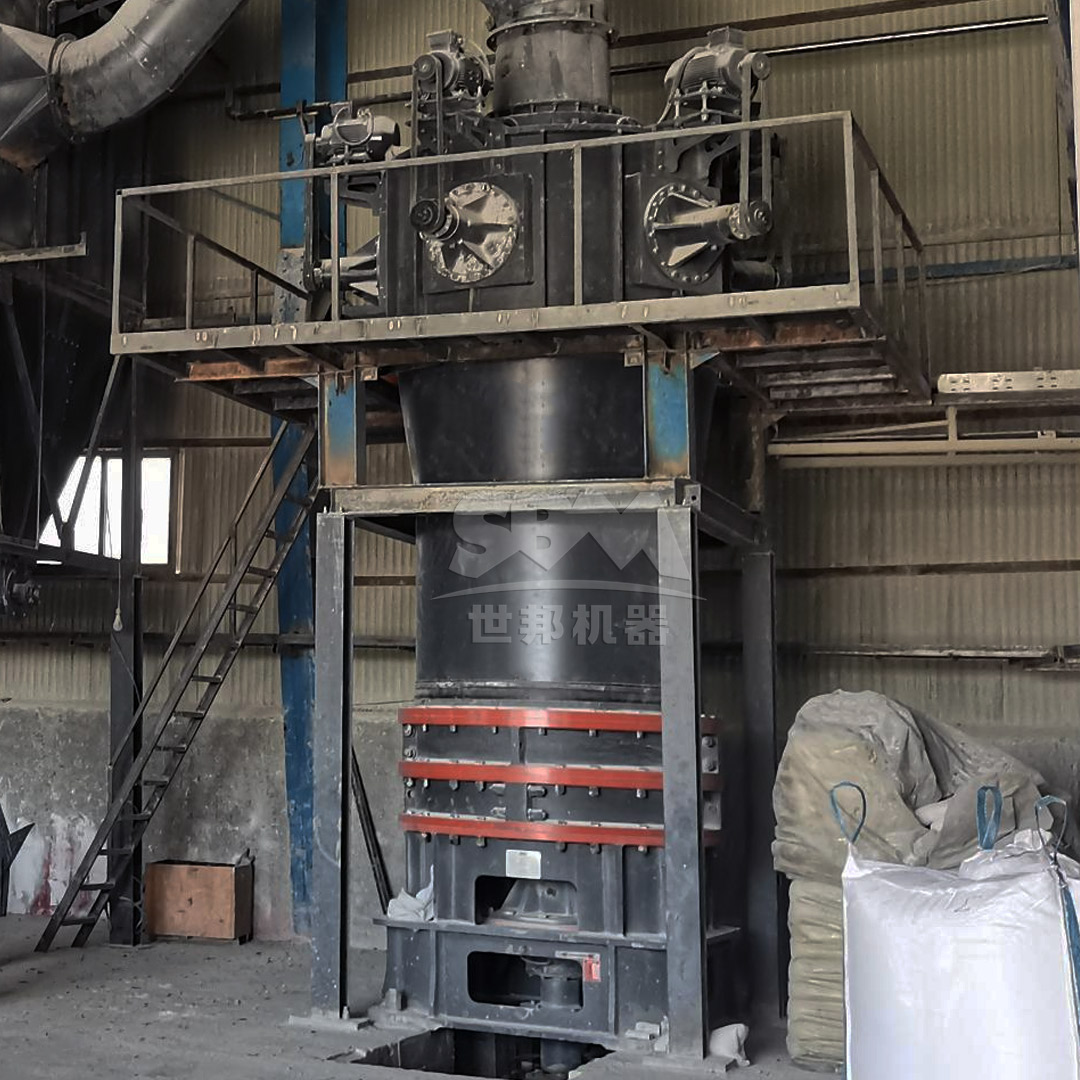
When your production targets high-value markets like cosmetics and pharmaceuticals requiring superfine talc with superior texture and consistency, an ultrafine grinding mill is indispensable. For this application, we highly recommend our SCM Series Ultrafine Mill.
This mill is engineered to overcome the limitations of traditional jet mills and ball mills. Its core strength lies in its high-precision vertical turbine classifier, which ensures a sharp particle size cut and eliminates coarse powder contamination, guaranteeing a uniform final product. For talc, this means achieving the smooth, silky feel required in premium makeup products.
Key benefits for talc producers include:
| Model | Capacity (t/h) | Main Power (kW) | Output Fineness |
|---|---|---|---|
| SCM800 | 0.5 – 4.5 | 75 | 325 – 2500 mesh |
| SCM900 | 0.8 – 6.5 | 90 | |
| SCM1000 | 1.0 – 8.5 | 132 | |
| SCM1250 | 2.5 – 14 | 185 | |
| SCM1680 | 5.0 – 25 | 315 |
For large-scale production of fine talc powder used in plastics, paper, or general industrial fillers, where the priority is high throughput and operational economy, the MTW Series European Trapezium Mill is an optimal choice.
This next-generation roller mill incorporates European advanced technology and is designed for reliability and low wear. Its anti-wear shovel design and integral bevel gear drive (98% transmission efficiency) are particularly advantageous for continuous, high-tonnage operations. The optimized arc air duct reduces energy loss, and the wear-resistant volute structure minimizes maintenance costs by up to 30%.
It is an excellent all-rounder for producing talc powder in the 30-325 mesh range with capacities from 3 to 45 tons per hour, offering a perfect balance of performance, durability, and cost of ownership.
Choosing the right mill involves a systematic approach:
In conclusion, the transition towards high-value daily-use talc products necessitates investing in advanced grinding technology. For ultrafine applications, the SCM Series Ultrafine Mill provides unmatched precision and efficiency. For high-volume fine powder production, the MTW Series European Trapezium Mill delivers robust and economical performance. By carefully matching your specific requirements with the capabilities of these advanced mills, you can ensure a competitive edge through superior product quality, reduced operating costs, and sustainable production practices.