The production of high-purity calcite powder for chemical applications demands exceptional precision in particle size distribution, stringent control over contamination, and unwavering consistency in output quality. Unlike standard construction-grade fillers, chemical-grade calcite—often used in plastics, paints, adhesives, pharmaceuticals, and advanced ceramics—requires a specific fineness (commonly 325 mesh to 2500 mesh, i.e., 45μm to 5μm) and a tightly controlled grinding environment to preserve the mineral’s natural whiteness and chemical inertness. Selecting the right milling equipment is therefore the most consequential decision a processing plant will make, impacting operational costs, product value, and market competitiveness.
This article provides a comprehensive guide to evaluating calcite production equipment for high-purity processing. We will analyze key factors such as feed size, target fineness, capacity requirements, energy efficiency, contamination control, and classification precision. By referencing proven mill designs, we will demonstrate how to align equipment specifications with the demands of chemical-grade calcite production, ensuring that your investment yields maximum return.
Before selecting a mill, one must define the final product specifications. For chemical-grade calcite, the requirements are typically more demanding than for construction fillers:
The maximum feed size (≤20mm for ultrafine mills) dictates whether a primary crusher is needed. Most vertical roller mills and pendulum mills can accept larger feed (≤50mm), reducing the need for secondary crushing. However, for the finest calcite (ultrafine), a smaller feed ensures smoother operation and higher throughput.
The most critical factor is the required output fineness:
Processing plants must match equipment capacity to market demand. A small specialty manufacturer might require 1-5 t/h, while a large chemical plant might need 25+ t/h. The mill’s power configuration and table diameter are the primary indicators of capacity.
Grinding consumes significant energy. The industry standard is to compare specific power consumption (kWh per ton). Modern mills, utilizing bed-of-material grinding principles as opposed to high-speed impact, offer energy savings of 30-50% compared to ball mills. Look for integrated gear drives (with up to 98% transmission efficiency) and intelligent control systems that optimize power usage automatically.
High-purity calcite requires a classifier that can ensure no coarse powders enter the final product. Advanced multi-rotor or vertical turbine classifiers provide precise particle size cutting. This eliminates the need for secondary sieving and guarantees product quality.
Fugitive dust is not only a loss of product but also a hazard. High-efficiency pulse dust collectors and fully sealed negative-pressure systems are non-negotiable for modern operations. Ensure the selected equipment meets or exceeds local emission standards.
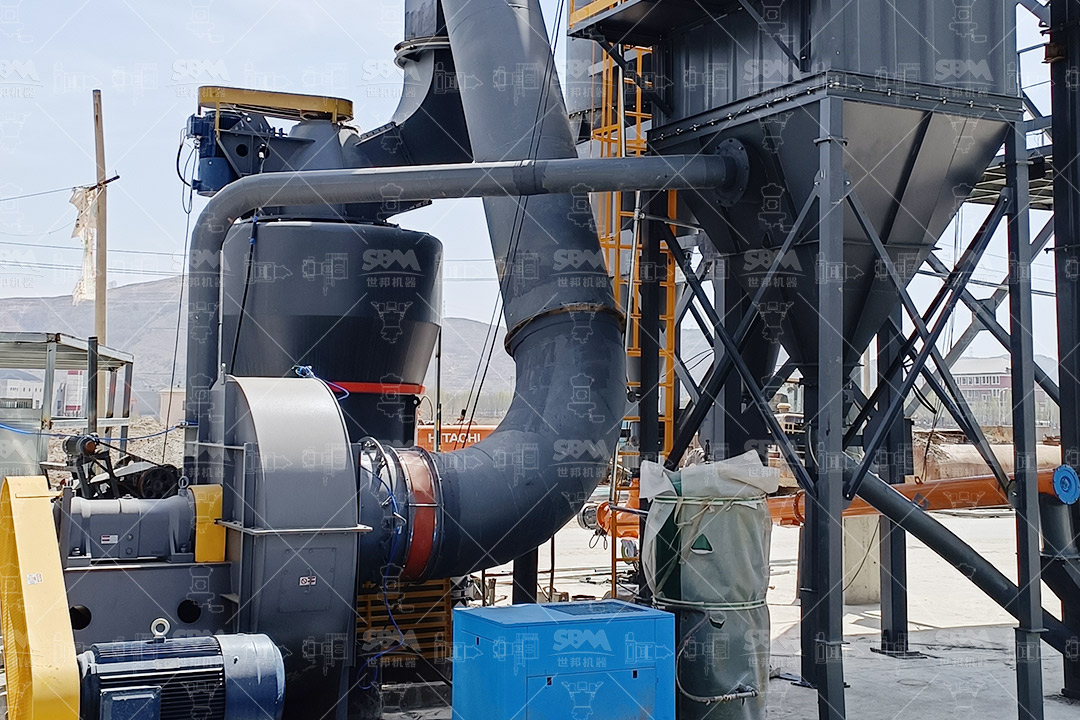
To simplify the decision-making process, we categorize the most suitable mill technologies for calcite:
| Target Fineness | Best Technology | Key Feature | Typical Capacity |
|---|---|---|---|
| 30-325 mesh (600-45μm) | MTW European Trapezium Mill | Anti-wear shovel, integral bevel gear drive | 3-45 t/h |
| 30-325 mesh (600-45μm) | LM Vertical Roller Mill | Integrated grinding & classification, 50% less space | 3-250 t/h |
| 45-325 mesh (600-45μm) | MRN Pendulum Mill | Thin oil lubrication, high capacity for large feed | 2.7-83 t/h |
| 325-2500 mesh (45-5μm) | SCM Ultrafine Mill | High-efficiency & energy saving, precise classification | 0.5-25 t/h |
| 325-2500 mesh (45-5μm) | LUM Ultrafine Vertical Roller Mill | Multi-rotor classifier, PLC smart control | 1.6-15 t/h |
For plants that require maximum versatility across multiple product grades, a combination of a high-capacity mill for bulk coarse production and a dedicated ultrafine mill for premium chemical-grade material often provides the optimal solution.
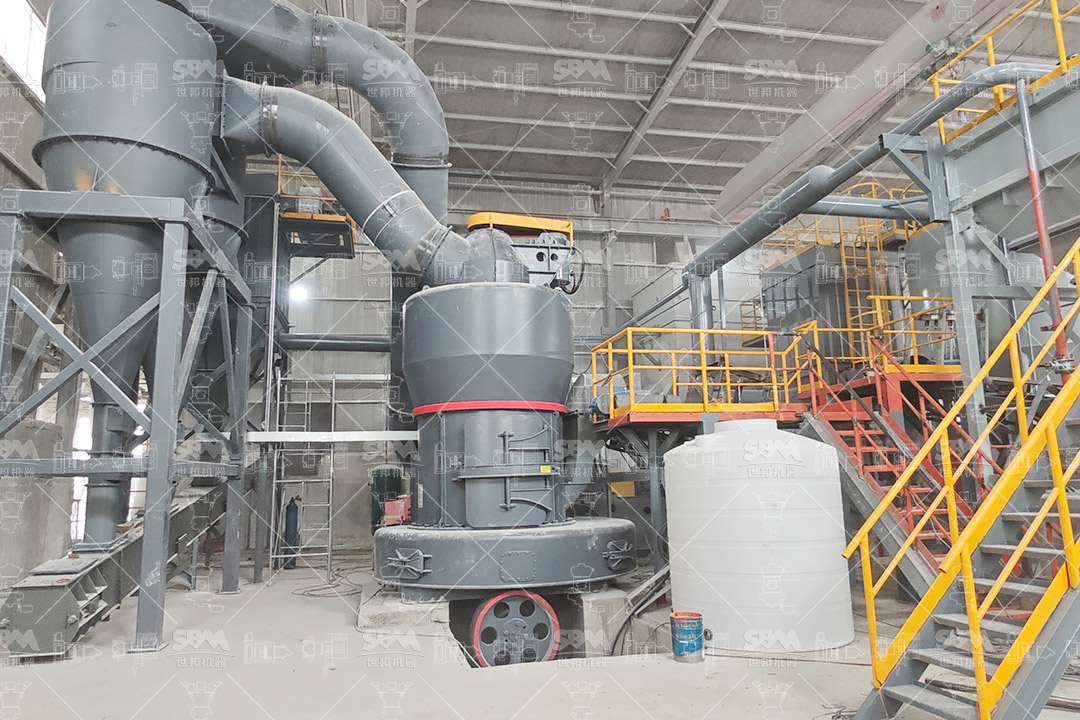
For processors focusing on the production of high-value, 325-2500 mesh (45-5μm) calcite powder, the SCM Series Ultrafine Mill is the ideal solution. This mill is engineered from the ground up for the most demanding ultrafine grinding tasks in the chemical and non-metallic mineral industries. Its core advantage lies in its ability to deliver a finished product with exceptionally narrow particle size distribution, free from any coarse contamination.
The SCM mill’s working principle is centered on a three-layer grinding ring system and a vertical turbine classifier. The main motor drives these rings to rotate at high speed. Material is dispersed by centrifugal force into the grinding path, where it is crushed by roller pressure and ground layer by layer. This unique mechanism ensures that every particle receives uniform energy, preventing the creation of inconsistent sizes. The intelligent control system automatically adjusts parameters based on real-time feedback from the finished product granularity, ensuring consistent high purity batch after batch.
Technical Advantages Critical for High Purity:
The SCM Series is available in models from SCM800 (0.5-4.5 t/h) to SCM1680 (5.0-25 t/h), ensuring a perfect fit for any production scale. For most medium-sized chemical-grade calcite producers, the SCM1250, offering a capacity of 2.5-14 t/h with a main power of 185kW, provides an excellent balance of throughput and operating cost.
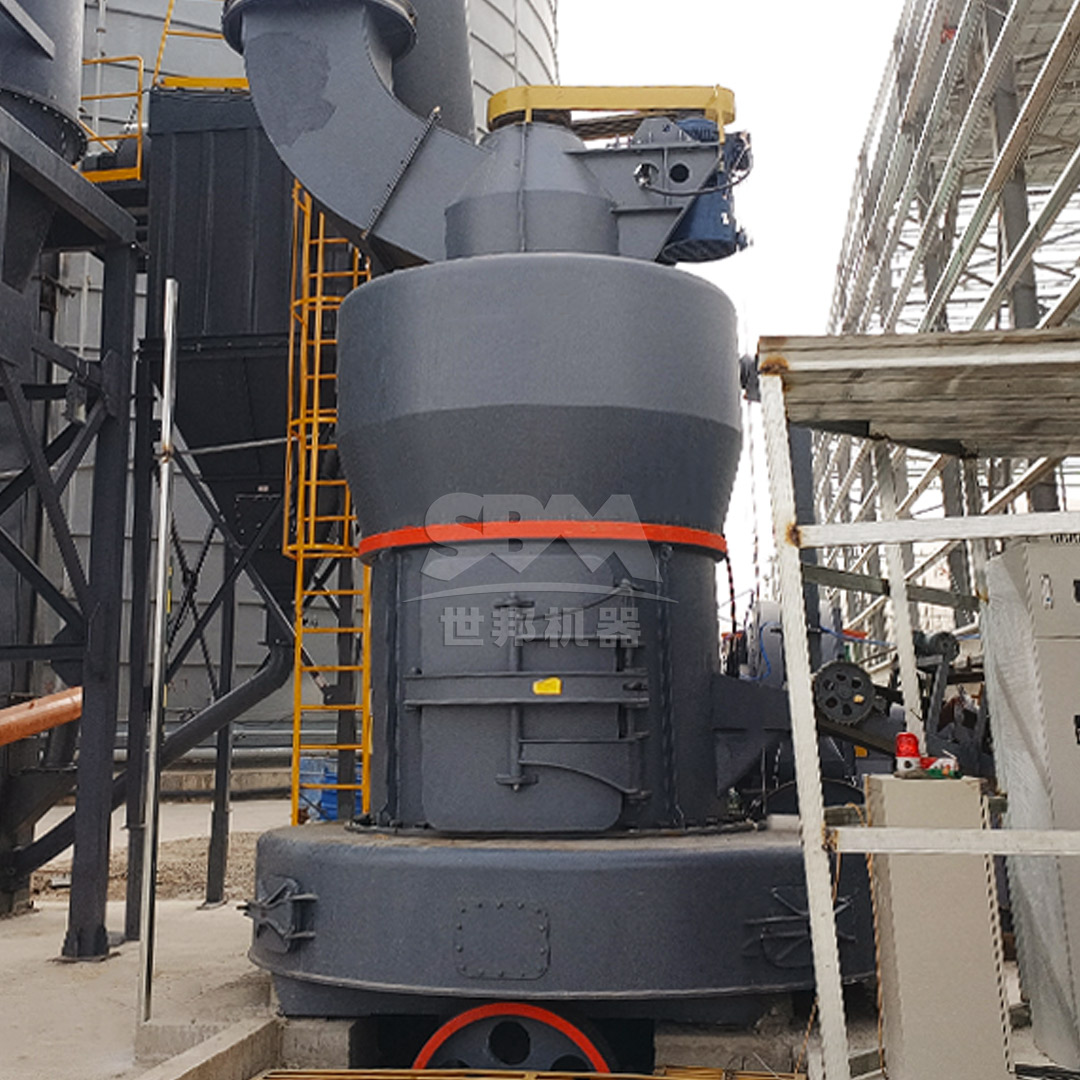
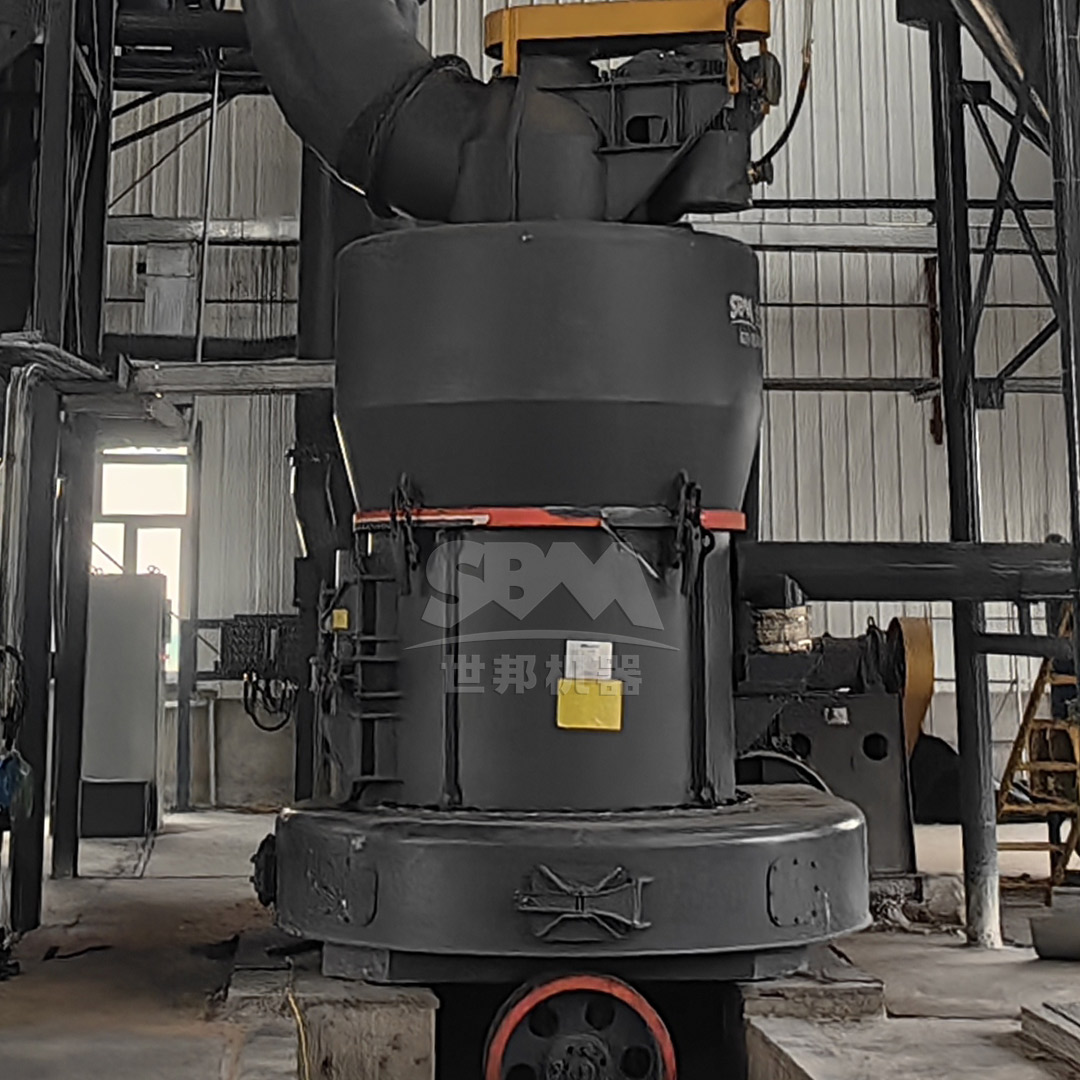
While the SCM series excels in the ultrafine range, many chemical applications require high-purity calcite in the 30-325 mesh (600-45μm) range, often used as functional fillers in PVC pipes, cable compounds, and masterbatches. For this critical segment, the MTW Series European Trapezium Mill stands out as the industry benchmark for reliability and cost-effectiveness.
The MTW mill’s primary innovation is its ability to maintain consistent quality over long production runs, even with abrasive materials like calcite. Its anti-wear combined shovel blades are designed to reduce maintenance costs significantly. The design extends the life of grinding roller and ring components. Furthermore, the integral bevel gear drive, with a transmission efficiency of up to 98%, ensures that more power goes into crushing, reducing energy waste and heat generation—a crucial factor for preserving calcite whiteness.
Why the MTW Mill is Ideal for High Purity:
With a feed size capacity of up to 50mm, it simplifies the pre-crushing circuit. Models range from the MTW110 (3-9 t/h) to the powerful MTW215G (15-45 t/h), catering to both small-scale specialty outfits and large-tonnage manufacturing facilities.
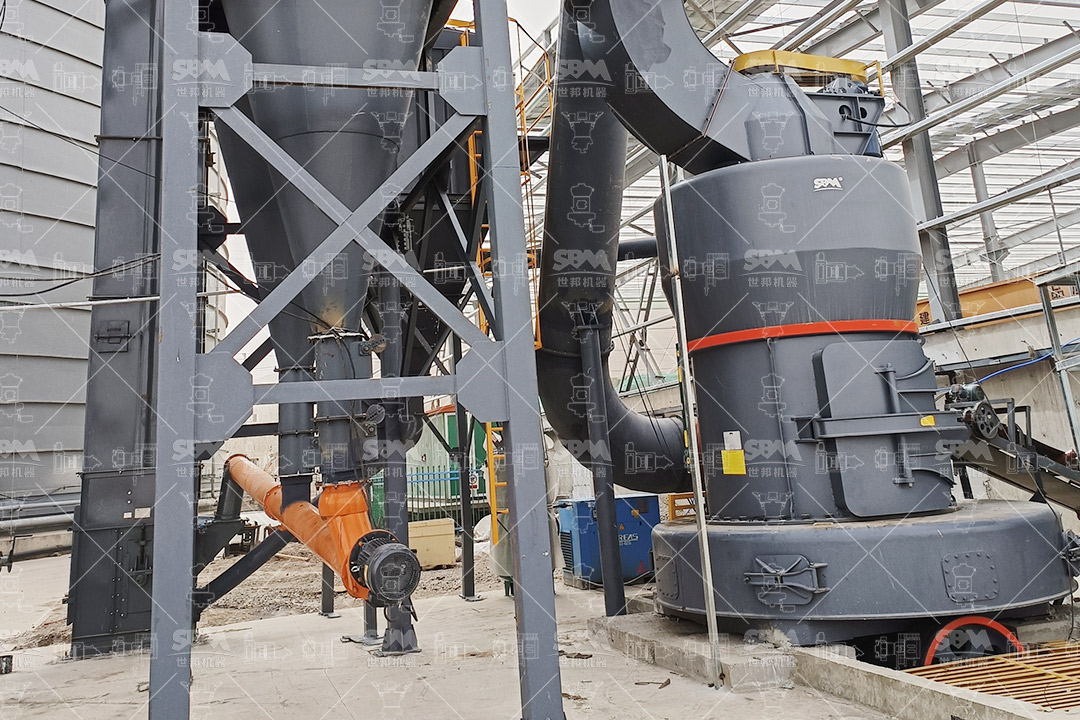
Choosing the right chemical-grade calcite powder production equipment is not a one-size-fits-all decision. It requires a careful analysis of the product’s fineness target, purity requirements, production volume, and energy budget. For ultrafine, high-purity powder (down to 5μm), the SCM Series Ultrafine Mill offers unparalleled precision and efficiency. For stable, high-volume production of coarse-to-medium calcite (30-325 mesh), the MTW Series European Trapezium Mill provides the most robust and cost-effective solution.
Ultimately, the best investment is made by partnering with a manufacturer that offers a comprehensive portfolio of proven technologies, allowing you to tailor a solution that matches your exact processing profile. By prioritizing wear life, classification accuracy, and energy efficiency, you can ensure that your calcite production line delivers the highest quality output for the demanding chemical industry.