Aerated concrete, also known as autoclaved aerated concrete (AAC), is a lightweight, precast building material that provides excellent insulation, fire resistance, and structural integrity. The production process begins with the processing of raw materials, primarily limestone, cement, sand, and aluminum powder, which are mixed, molded, and autoclaved to create the final product. Among these, limestone plays a pivotal role as a primary calcium source, requiring precise crushing and grinding to achieve the fineness necessary for optimal chemical reactions during autoclaving.
The quality of the final aerated concrete product is directly linked to the quality and consistency of the raw material powder. Therefore, selecting the right crushing and grinding equipment is not merely a matter of operational logistics; it is a critical decision that affects product quality, energy consumption, and overall plant profitability. This article provides a comprehensive guide to the equipment used in limestone processing for aerated concrete, covering crushers, mills, and the integration of complete production lines.
The first stage in limestone processing involves primary crushing, where large boulders (up to 1 meter in diameter) are reduced to a manageable size for downstream processing. For the production of aerated concrete, the feed size requirements for subsequent grinding stages are typically below 20-50mm, depending on the mill type. The choice of crusher is critical for achieving high throughput while maintaining a consistent output particle size.
For medium-hard materials like limestone, hammer crushers are a highly effective and economical choice for primary and secondary crushing. Their operation relies on high-speed rotating hammers that impact the material, shattering it against the crushing chamber walls. This action achieves a high reduction ratio, making it possible to reduce large stones to a granular size in a single pass. Our company offers a robust line of hammer mills specifically designed for such applications, featuring heavy-duty rotors and high-wear-resistant manganese steel liners to ensure long service life. With feed sizes up to 40mm and outputs reaching 0-3mm, these units are more commonly used for fine secondary crushing, but larger models can serve as primary crushers.
The compact structure of our hammer crushers minimizes floor space, reducing civil engineering and installation costs. Furthermore, the optimized crushing cavity design ensures high capacity and stability, making them an excellent choice for small to medium-capacity AAC plants. The gravity discharge system allows for continuous operation, clearing the crushing chamber quickly and reducing wear from material build-up.
Once the limestone is crushed, it must be ground into fine powder. In aerated concrete production, this powder can be used in two ways: first, as raw limestone powder (CaCO3) for mixing; second, it can be further processed to create quicklime (CaO) through calcination. The fineness of the powder, typically measured in mesh, dictates the reactivity of the material. For raw limestone, fineness of 300-500 mesh is often sufficient, but for hydrated lime slurry, an ultra-fine particle size distribution can enhance the gas-forming reaction with aluminum slurry.
This is where the selection between different milling technologies becomes vital. We offer a suite of mills ranging from medium-speed trapezium mills to ultra-fine vertical mills, each tailored to meet specific capacity, particle size, and energy efficiency requirements.
The MTW Series European Trapezium Mill is a workhorse for limestone grinding with fineness requirements between 45μm and 600μm (30-325 mesh). Its key advantage lies in its integrated bevel gear drive system, boasting a transmission efficiency of up to 98%, which significantly reduces energy consumption compared to traditional mills. The anti-wear shovel design and optimized arc air duct ensure uniform material distribution and efficient airflow, reducing the risk of material build-up and enhancing operational stability.
The patented internal suction oil lubrication system minimizes maintenance, while the curved design of the grinding roller extends service life. The integral structure saves space, making it ideal for retrofitting existing facilities. With capacities ranging from 3 to 45 tons per hour, this mill is a versatile choice for large-scale AAC producers looking for a balance between capital investment and operational cost.
For producers who require a more precise particle size distribution, specifically in the 45-5μm range (325-2500 mesh), the SCM Series Ultrafine Mill is our top recommendation. This mill is the industry standard for ultra-fine powder processing, largely due to its innovative vertical turbine classifier. This classifier ensures high-precision particle size cutting, meaning there is little to no coarse powder mixing in the final product, guaranteeing uniform quality that is critical for the aerated concrete’s physical properties.
The SCM series boasts a capacity twice that of jet mills with 30% lower energy consumption. The intelligent control system provides automatic feedback on finished product granularity, eliminating manual adjustment errors. The special material used for rollers and rings extends their service life several times over, reducing downtime and spare part costs.
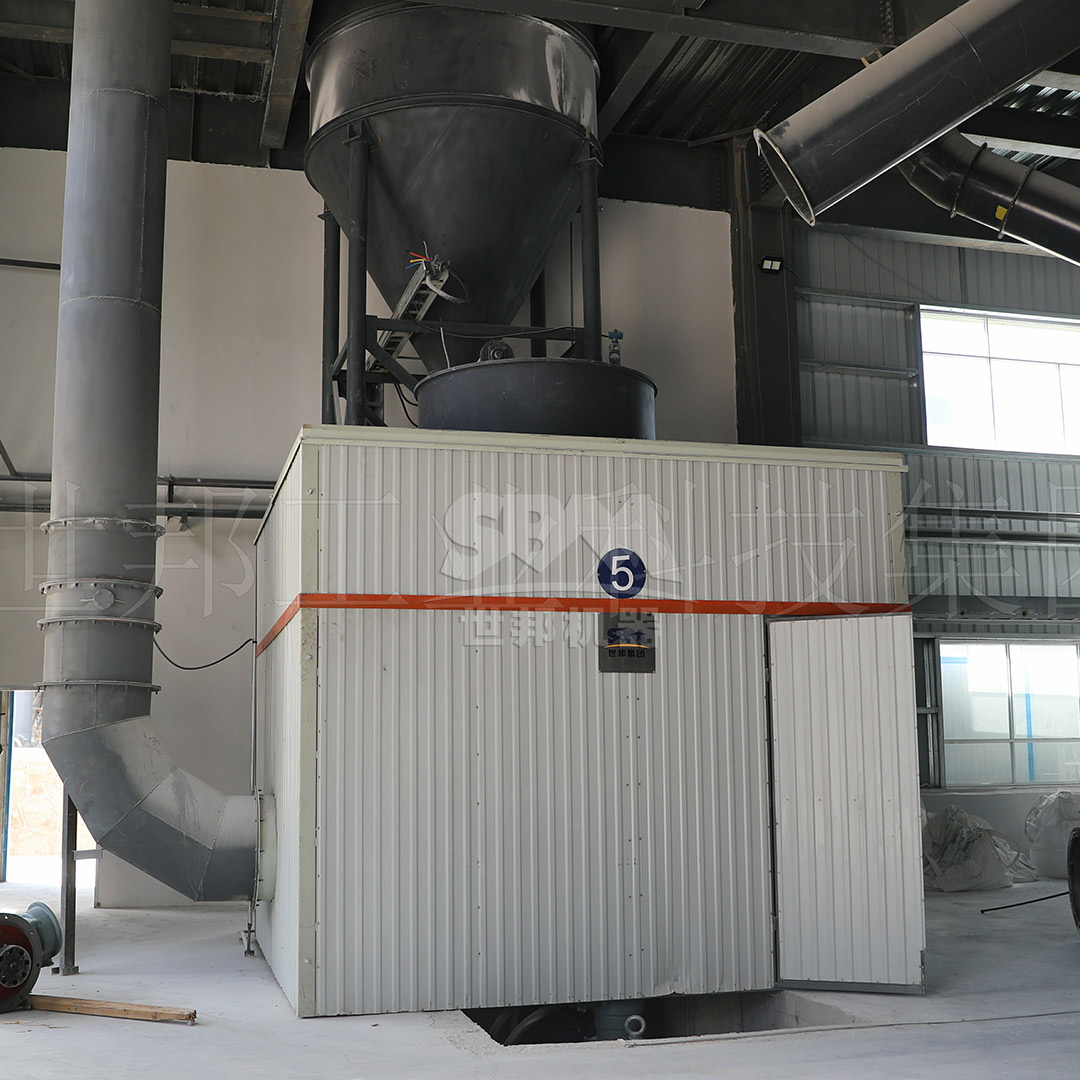
In terms of specifications, the SCM800 can produce 0.5-4.5 t/h with a 75kW main motor, scaling up to the SCM1680 which processes 5.0-25 t/h with a 315kW motor. The shaftless screw grinding chamber ensures stable operation, while the eco-friendly design with soundproofing keeps noise levels below 85dB. For AAC plants that demand high-value, high-reactivity lime powder to optimize their slurry chemistry, the SCM Series represents the pinnacle of milling technology.
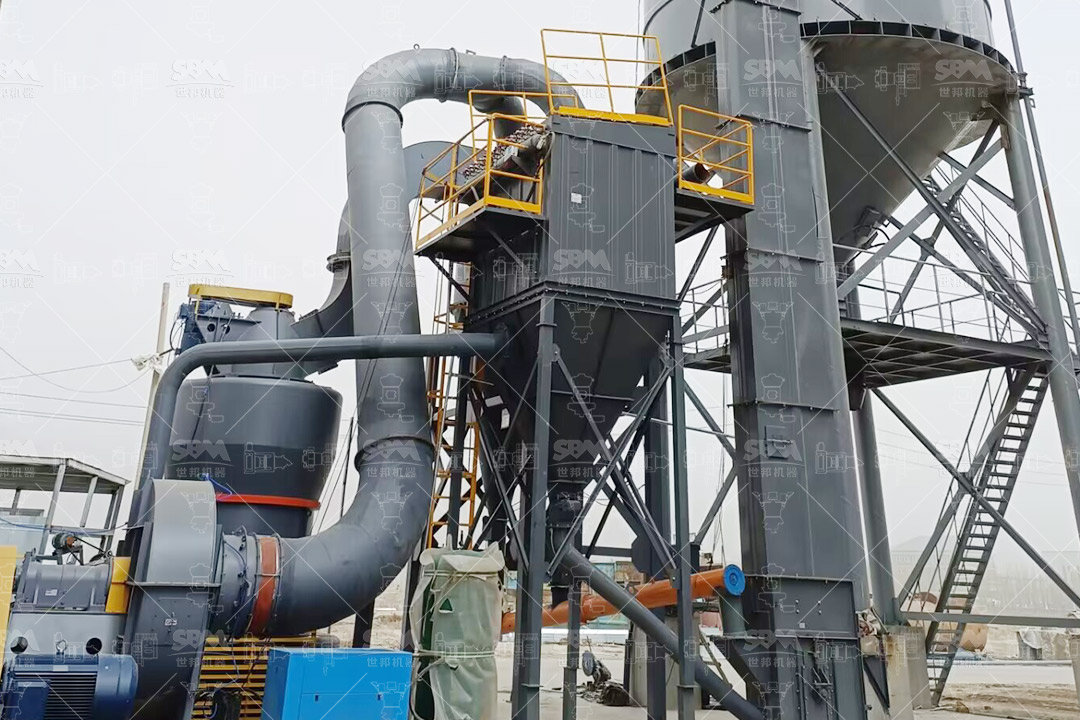
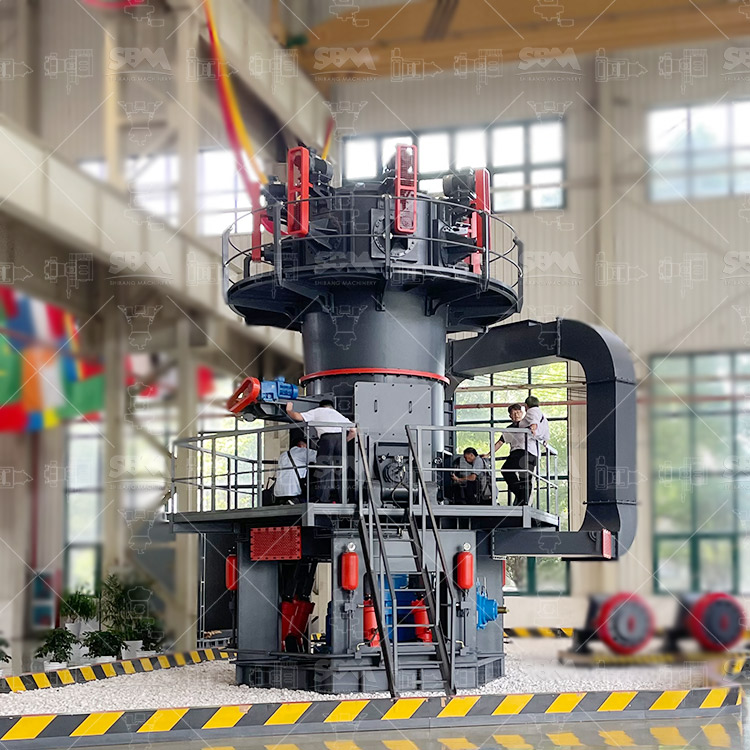
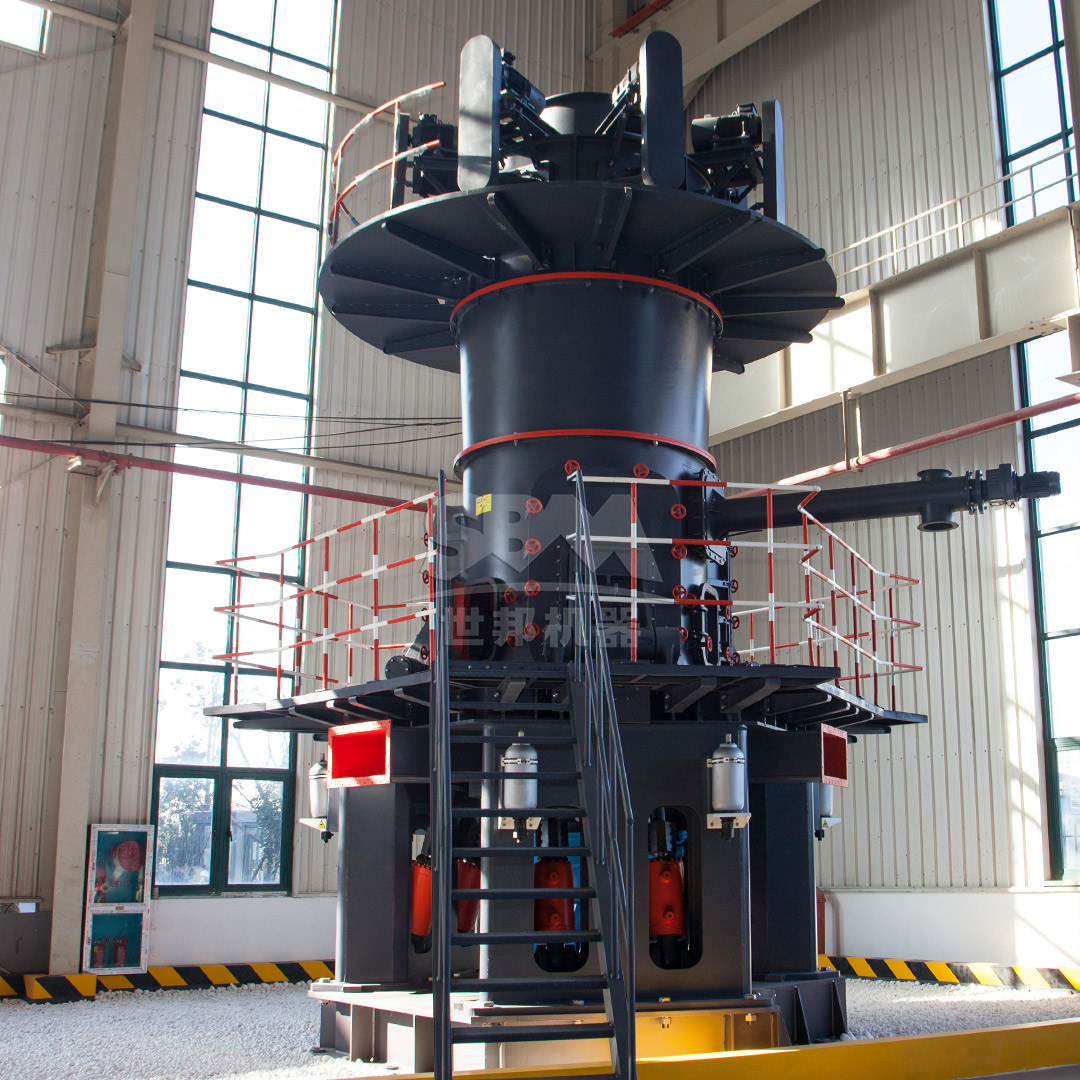
When the production line capacity exceeds 20 tons per hour, the LM Series Vertical Roller Mill becomes the most economical solution. Its integrated design combines crushing, drying, grinding, and classification into a single unit, reducing the floor space by up to 50% compared to ball mill systems and lowering infrastructure costs by 40%. The non-contact design between the rollers and the grinding table means wear part life is extended by 3 times, and energy consumption is reduced by 30-40%.
The LM Series is capable of drying materials with high moisture content due to the hot air circulation, which is a useful feature for processing damp quarry materials. With capacities ranging from 3 to 250 t/h and fineness down to 45μm, this mill offers the most scalable solution for large-scale aerated concrete plants that have high raw material demand. The expert auto-control system allows for remote monitoring, reducing manual intervention and ensuring consistent quality.
While crushers and mills form the core of the processing line, the efficiency and final purity of the limestone powder also depend on the supporting equipment. Dust collectors, feeders, and magnetic separators play crucial roles in ensuring smooth operation.
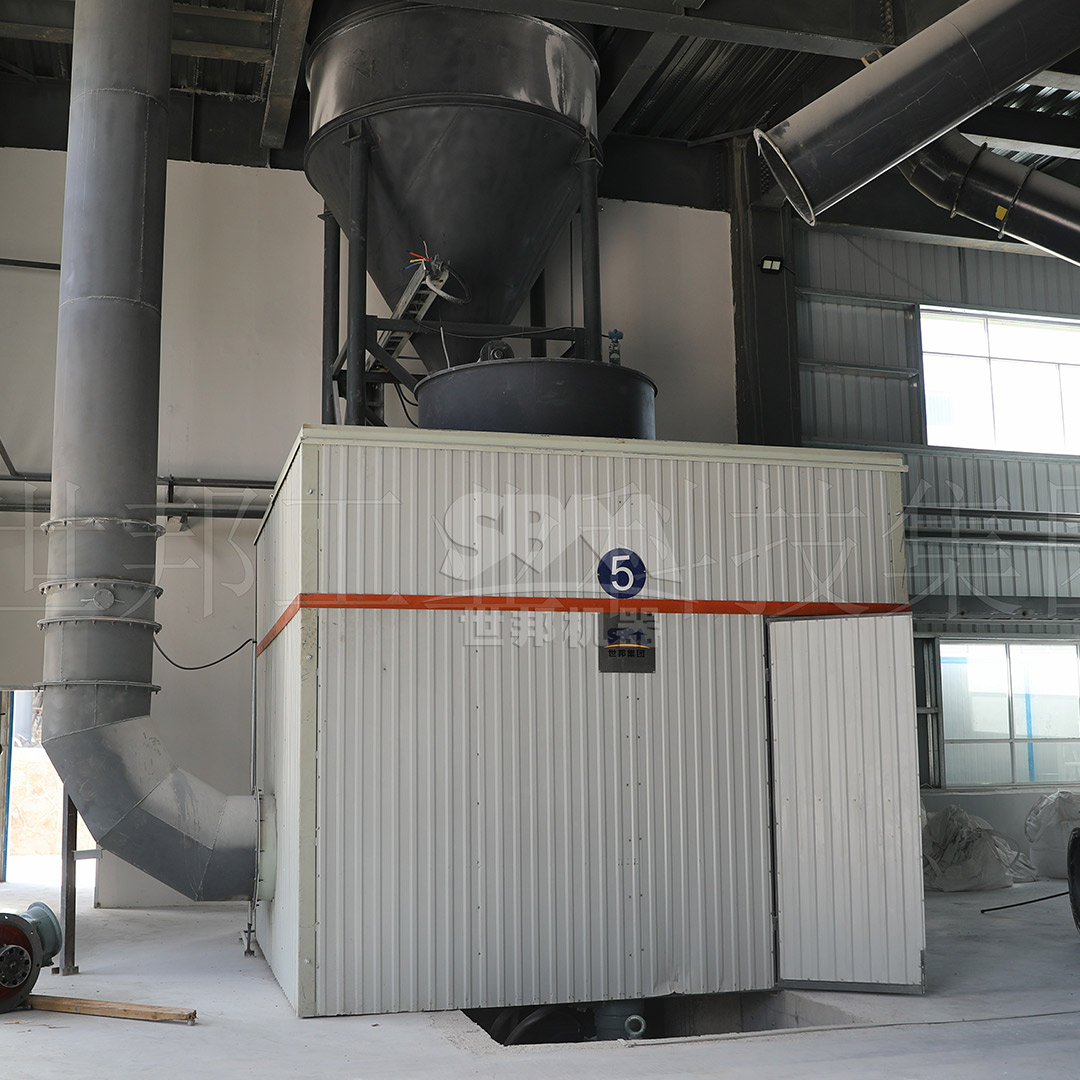
Modern environmental regulations mandate strict control over particulate emissions. Our milling systems are designed with pulse dust collectors that ensure emission levels are well below international standards. In the grinding process, the negative pressure operation prevents dust leakage, creating a safe and clean working environment. The soundproof room design for larger mills gives an operator-friendly environment without compromising on safety.
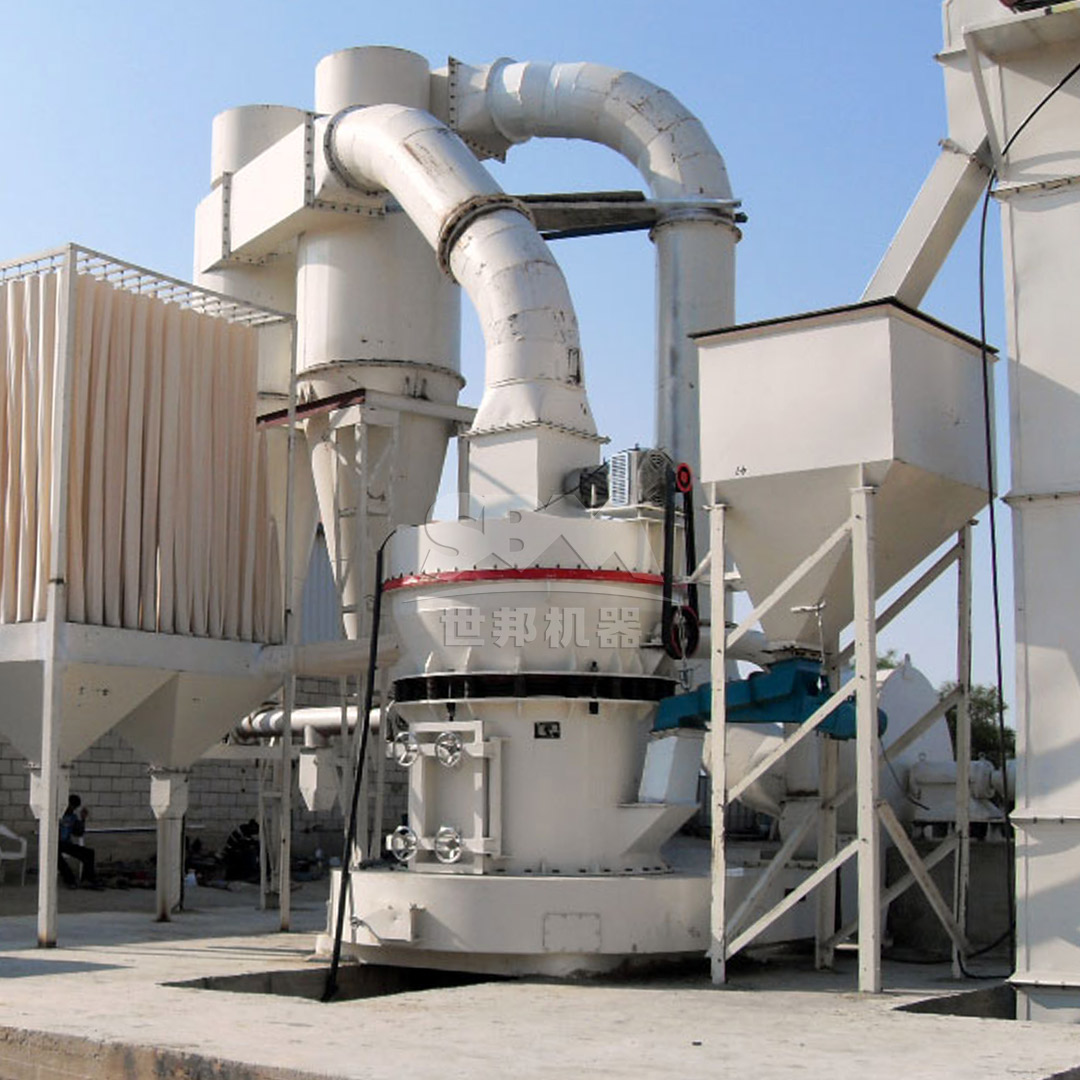
For smaller operations or those looking for a reliable middle-ground, the MRN Pendulum Mill offers a robust solution. Featuring a first-in-class thin oil lubrication system that requires no maintenance, it simplifies upkeep. The pulse dust collector ensures eco-friendly operation, and the scientific configuration of a new classifier with an isolated cyclone reduces energy consumption. This mill is available in configurations from 3 to 6 rollers, handling capacities up to 83 tons per hour depending on the model, making it a versatile and cost-effective option for the secondary crushing stage.
The true success of an aerated concrete plant lies in the seamless integration of these machines. A typical limestone processing production line begins with a feeder that controls the flow into the primary crusher. From there, crushed stone is transferred to a mill (MTW, LM, or SCM) for fine grinding. The fine powder is then stored in silos before being weighed and passed into the mixing system.
Our company provides complete turnkey solutions, including the engineering design, equipment supply, installation, and commissioning. We recommend pairing a Hammer Mill for primary size reduction (down to 0-3mm) with an SCM Ultrafine Mill for final pulverization to achieve the highest quality lime slurry. Alternatively, for large capacity, a single LM Vertical Roller Mill can handle the entire production from 50mm input directly to fine powder, simplifying the process and minimizing footprint.
In conclusion, the processing of limestone for aerated concrete is a demanding task that requires robust, efficient, and precise equipment. The flexibility of our product range allows clients to design a solution that meets their specific capacity and fineness goals while optimizing operational costs. Whether you prioritize ultra-fine particle size with the SCM series or maximum throughput with the LM series, we have the technology and the expertise to empower your production line. By ensuring the raw material meets the highest standards, we help our customers produce aerated concrete of superior strength and insulation quality.