March 05, 2026
Introduction
Activated carbon powder, particularly at the widely used 200 mesh (approximately 75 microns) fineness, is a cornerstone material in modern filtration, purification, and catalysis. Producing this specific grade efficiently and consistently requires specialized grinding technology. This comprehensive guide delves into the process, equipment selection, and cost considerations for producing 200 mesh activated carbon powder, providing a roadmap for businesses seeking to optimize their production lines.
Understanding the 200 Mesh Specification
The term \”200 mesh\” refers to a particle size that can pass through a sieve with 200 openings per linear inch. This corresponds to a particle diameter of about 74 microns. This fineness offers an optimal balance between high surface area for adsorption and manageable flow characteristics. Achieving a tight particle size distribution centered around 200 mesh is crucial, as overly coarse particles reduce efficiency, while excessive fines can cause handling issues like dusting and packing.
Key Process Requirements for 200 Mesh Activated Carbon
- Precise Size Control: The grinding system must reliably produce powder where the majority of particles fall within the 150-250 mesh range.
- Low Contamination: The milling process must not introduce metallic or other contaminants that could compromise the carbon’s purity.
- Thermal Sensitivity: Excessive heat generated during grinding can potentially alter the pore structure of activated carbon. Efficient heat dissipation is vital.
- High Efficiency: The process should maximize yield while minimizing energy consumption per ton of product.
Grinding Process for 200 Mesh Activated Carbon
The production typically follows a staged size reduction approach:
- Primary Crushing: Raw activated carbon chunks (≤50mm) are reduced to smaller granules (≤20mm) using crushers like jaw crushers or hammer mills.
- Intermediate Grinding: The granules are fed into a medium-fine mill to achieve a base powder, often around 60-100 mesh.
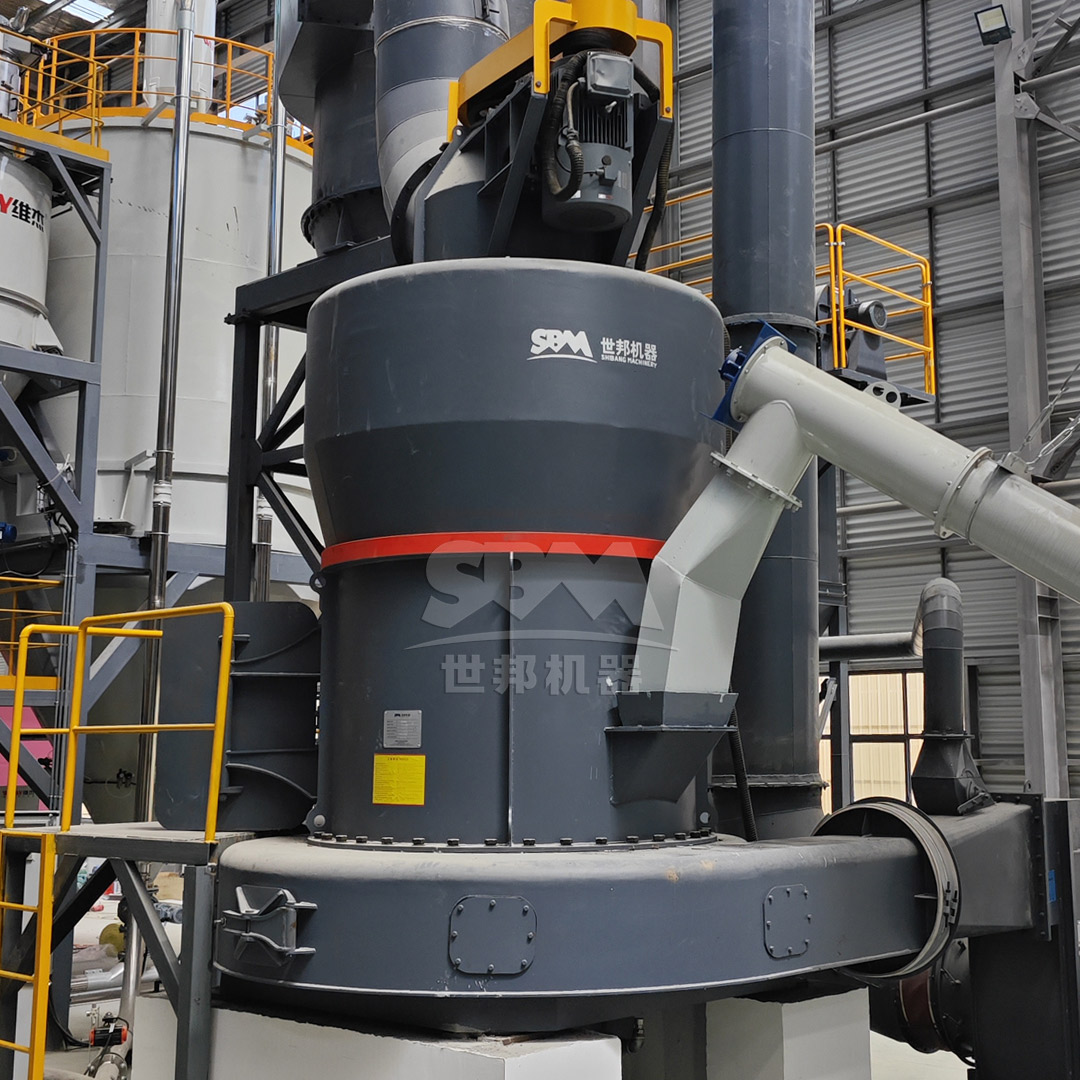
- Fine & Ultrafine Grinding (Key Stage): The base powder is fed into the core fine grinding mill to reach the target 200 mesh fineness. This stage requires equipment with an integrated high-precision classifier.
- Collection & Dedusting: The finished powder is separated from the air stream by a cyclone and a high-efficiency bag filter or pulse dust collector, ensuring a clean production environment.
Equipment Selection Guide
Choosing the right mill is paramount. For 200 mesh production, the following types of mills are commonly considered, each with its own advantages.
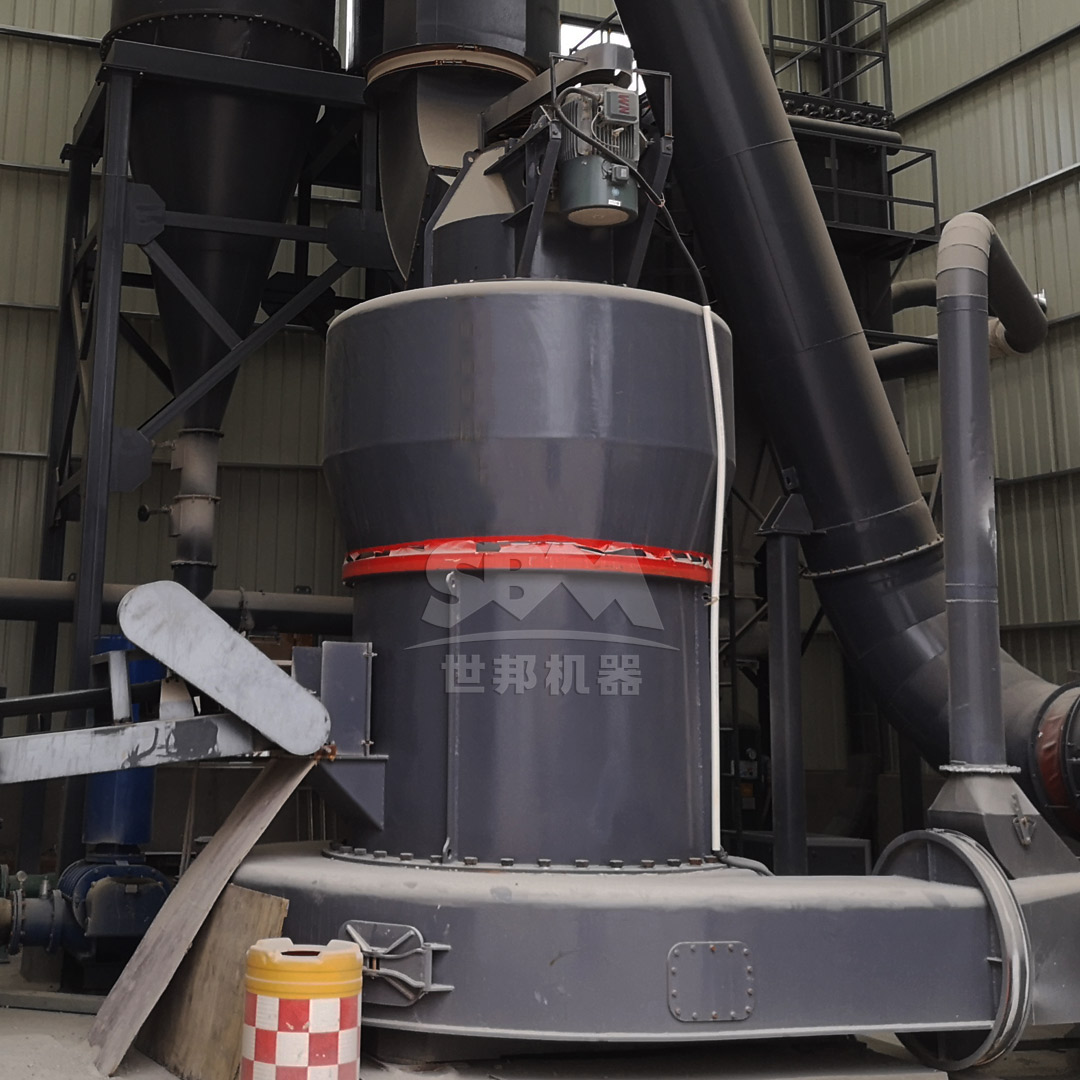
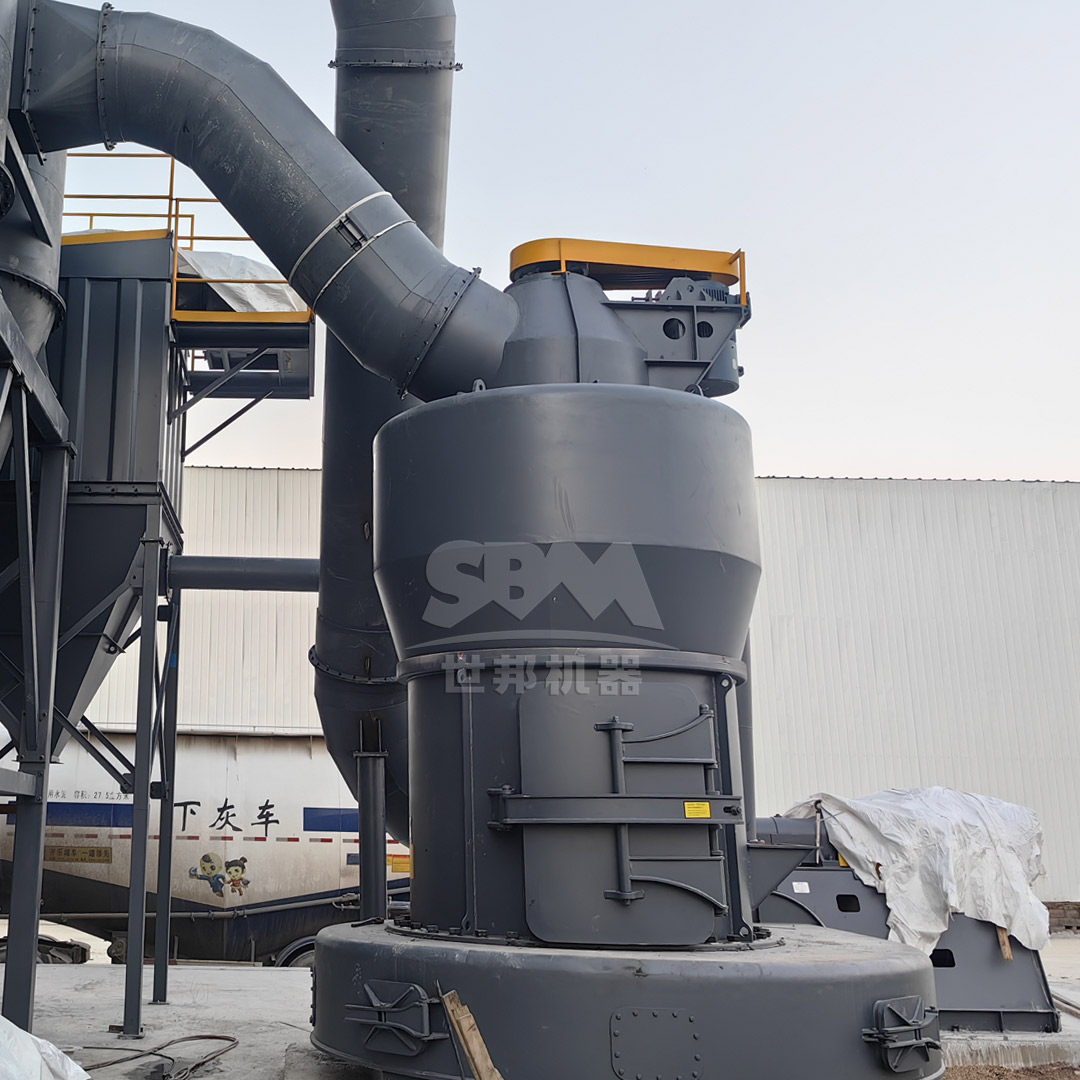
1. Raymond Mill (MTW Series European Trapezium Mill)
An industry stalwart for medium-fine grinding. The advanced MTW Series European Trapezium Mill is particularly well-suited for efficient 200 mesh production.
- Ideal Fineness Range: 30-325 mesh, making 200 mesh a core competency.
- Advantages: Known for its reliability, high capacity (3-45 TPH), and lower initial investment compared to some ultrafine systems. Its integral bevel gear drive achieves up to 98% transmission efficiency, saving energy. The wear-resistant volute structure and curved shovel design significantly reduce maintenance costs and extend grinding roller life.
- Consideration: While excellent for 200 mesh, pushing far into the ultrafine range (<400 mesh) may require multiple passes or a different mill type.
| Model |
Capacity (t/h) |
Main Power (kW) |
Feed Size |
Fineness (mesh) |
| MTW138Z |
6-17 |
90 |
<35mm |
10-325 |
| MTW175G |
9.5-25 |
160 |
<40mm |
10-325 |
| MTW215G |
15-45 |
280 |
<50mm |
10-325 |
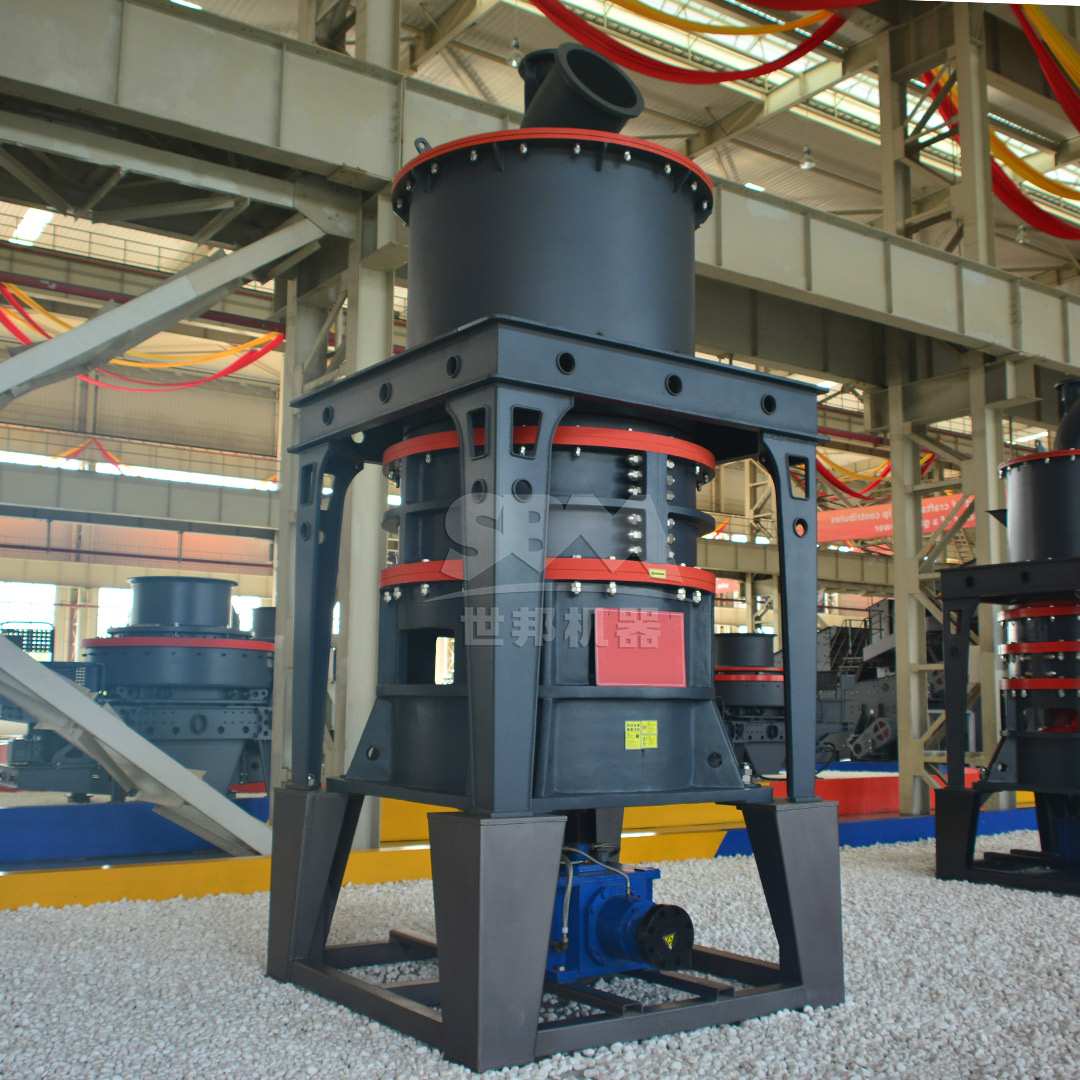
2. Ultrafine Grinding Mill (SCM Series)
For producers who require the flexibility to produce 200 mesh and also venture into finer grades (e.g., 325, 800, or 1250 mesh) with the same equipment, an ultrafine mill is the ultimate solution. We highly recommend our SCM Series Ultrafine Mill for this purpose.
- Ideal Fineness Range: 325-2500 mesh (45-5μm). It handles 200 mesh with exceptional ease and stability.
- Advantages: Its high-precision vertical turbine classifier ensures no coarse powder mixing, delivering a uniform 200 mesh product with a narrow particle size distribution. It offers high efficiency and energy saving, with capacity reportedly 2x that of jet mills and 30% lower energy consumption. The special material rollers and rings and shaftless screw design ensure durability and stable, long-term operation for abrasive materials like activated carbon.
- Consideration: Represents a higher level of investment, justified by its versatility and superior product quality.
| Model |
Capacity (t/h) |
Main Power (kW) |
Feed Size |
Fineness (mesh) |
| SCM800 |
0.5-4.5 |
75 |
0-20mm |
325-2500 |
| SCM1000 |
1.0-8.5 |
132 |
0-20mm |
325-2500 |
| SCM1250 |
2.5-14 |
185 |
0-20mm |
325-2500 |
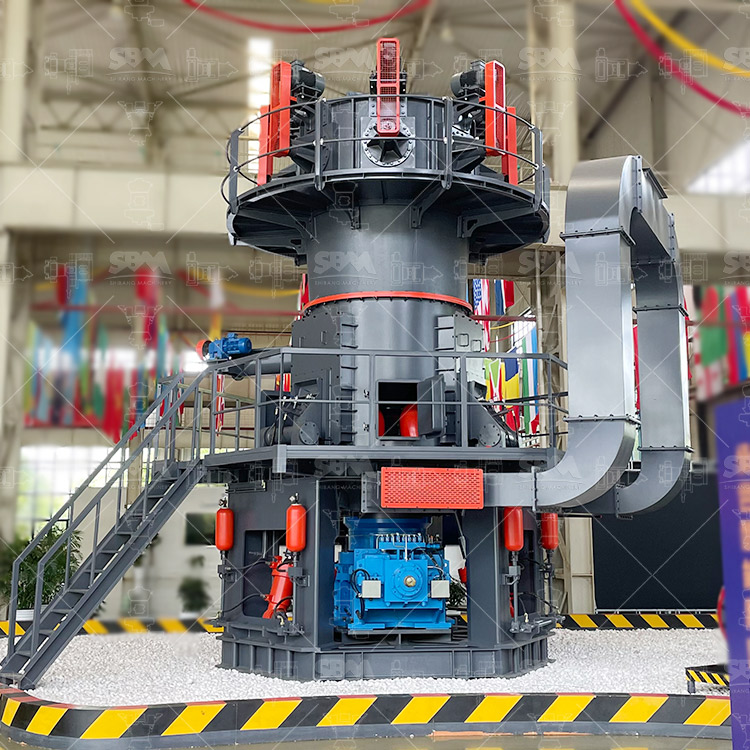
3. Vertical Roller Mill (LM Series)
Excellent for large-scale production runs where 200 mesh is the primary and consistent output.
- Advantages: Integrated design reduces footprint by 50%. Low operating cost due to non-contact grinding and 30-40% lower energy use than ball mills. Ideal for continuous, high-tonnage operations.
- Consideration: Less flexible for frequently changing fineness targets compared to SCM or MTW mills.
4. Ball Mill
A traditional option, often used in wet or dry grinding for minerals.
- Advantages: High crushing ratio, wide application, and proven technology.
- Consideration: Generally less energy-efficient for dedicated 200 mesh dry grinding of activated carbon compared to roller/ring mills. Can generate more heat and offer less precise particle size control without a closed-circuit classifier system.
Price & Cost Considerations
The price of a grinding line for 200 mesh activated carbon is not a single figure but a total investment encompassing:
- Equipment Cost: Varies significantly by type and model. A Raymond mill (MTW series) line may start in the tens of thousands of USD, while a full ultrafine (SCM series) system can range into several hundred thousand, reflecting its advanced capabilities and broader fineness range.
- Installation & Foundation: Costs for civil work, installation, and commissioning.
- Operational Cost: The dominant long-term factor. This includes:
- Energy Consumption: Mills like the MTW and SCM series are designed for high efficiency, directly reducing kWh per ton costs.
- Wear Parts Consumption: The lifespan of grinding rollers, rings, and liners. Equipment with durable designs (e.g., SCM’s special material rollers, MTW’s curved shovel blades) drastically lowers this recurring cost.
- Labor & Maintenance: Automated, intelligent control systems (featured in both SCM and LM series) reduce manual intervention and downtime.
- Output Quality Value: A mill that produces a more consistent, high-purity powder can command a higher market price for the end product, offsetting a higher initial investment.
Conclusion & Recommendation
Producing high-quality 200 mesh activated carbon powder demands a process-centric approach and the right equipment partnership. For businesses focused on 200 mesh as a primary, high-volume product, the MTW Series European Trapezium Mill offers an outstanding balance of performance, reliability, and cost-effectiveness, with patented features that minimize operational expenses.
For companies requiring top-tier product uniformity, operational flexibility to produce finer grades, and future-proof technology, the SCM Series Ultrafine Mill is the superior choice. Its precision classification and energy-efficient design ensure a premium product while controlling lifetime costs.
Ultimately, the optimal solution depends on your specific production volume, desired product spectrum, and total cost of ownership goals. A detailed analysis of your raw material and end-product requirements with an experienced equipment supplier is the critical first step toward a successful and profitable activated carbon grinding operation.