March 05, 2026
Introduction
Activated carbon powder, with its vast surface area and exceptional adsorption properties, is a critical material in industries ranging from water purification and air filtration to pharmaceuticals and food processing. Achieving the target fineness of 325 mesh (approximately 44 microns) is paramount, as it directly influences the adsorption kinetics, surface area availability, and overall product performance. Selecting the appropriate grinding mill is therefore not just a matter of particle size reduction; it is a strategic decision impacting product quality, production efficiency, and operational costs. This guide provides a comprehensive framework for evaluating and selecting the optimal grinding mill for producing high-quality 325 mesh activated carbon powder.
1. Key Selection Criteria for 325 Mesh Grinding
Before comparing specific mill types, it is essential to define the core parameters that will guide your selection process.
- Material Hardness & Abrasiveness: Activated carbon, derived from sources like coconut shell, wood, or coal, varies in hardness. Highly abrasive carbons demand mills with superior wear resistance in critical components like rollers, rings, and liners.
- Required Capacity (TPH): Your production volume dictates the size and power of the mill. It’s crucial to match the mill’s capacity to your current and projected needs.
- Energy Efficiency: Grinding is an energy-intensive process. Mills with higher grinding efficiency and lower specific energy consumption (kWh/ton) significantly reduce long-term operational expenses.
- Particle Size Distribution & Purity: Beyond just reaching 325 mesh, a narrow particle size distribution is often required. The mill’s classification system must be precise to prevent coarse particles from contaminating the final product and to minimize over-grinding.
- System Integration & Footprint: Consider the complete system, including feeding, grinding, classification, and dust collection. Integrated designs with a smaller footprint can lower installation and building costs.
- Environmental & Operational Factors: Dust control, noise levels, and overall system sealing are critical for worker safety, environmental compliance, and product yield.
2. Analysis of Common Mill Types for 325 Mesh
Different grinding technologies offer distinct advantages and limitations for this application.
| Mill Type |
Typical Fineness Range |
Pros for Activated Carbon |
Cons for Activated Carbon |
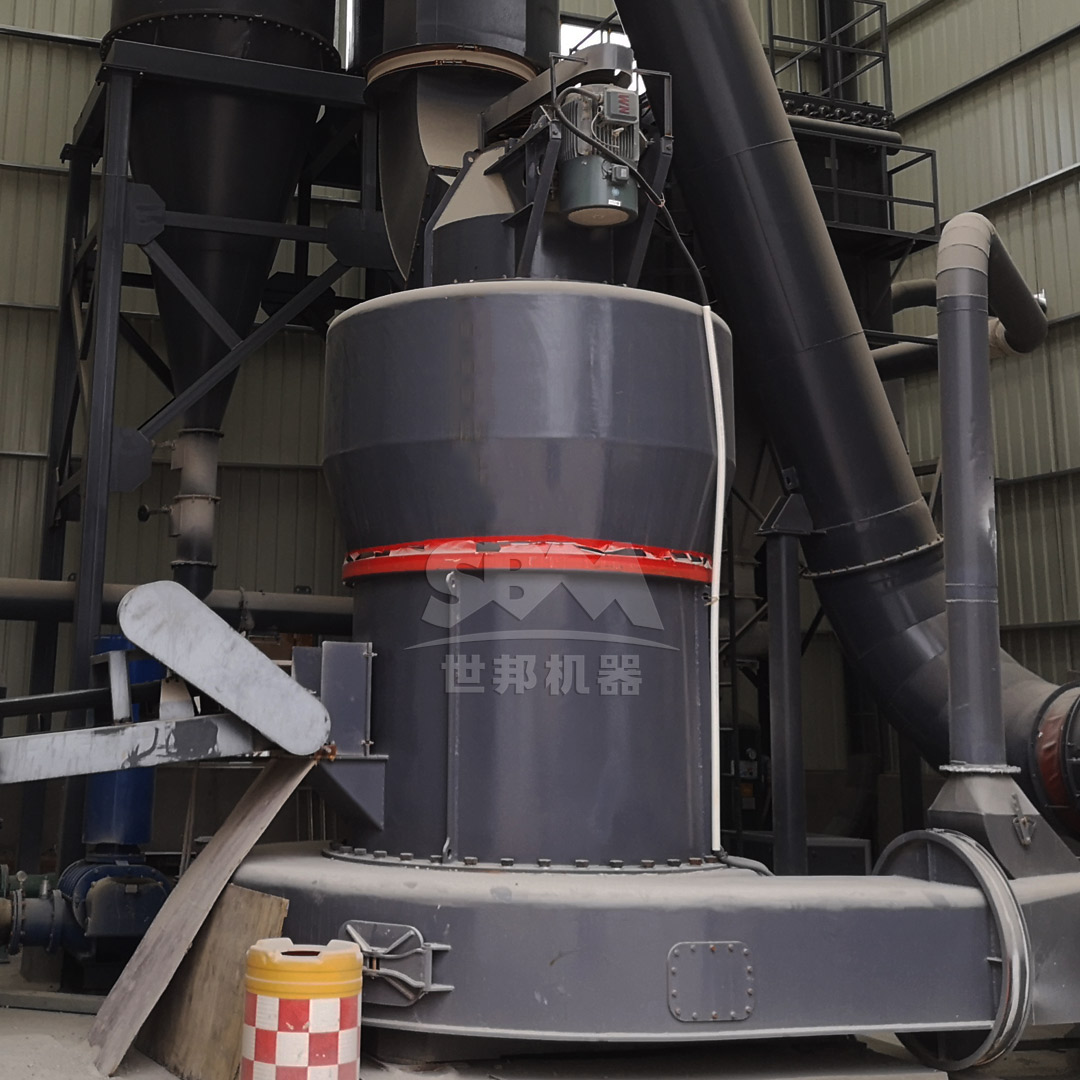
| Raymond Mill (MTW Series) |
30-325 mesh |
Mature technology, cost-effective for coarse to medium fines, reliable. |
May struggle with consistent 325 mesh top cut; higher energy use for fine grinding. |
| Ball Mill |
0.074-0.8mm (170-20 mesh) |
High capacity, versatile, can handle wet or dry grinding. |
Inefficient for fine grinding to 325 mesh, high energy consumption, broad PSD, potential for contamination. |
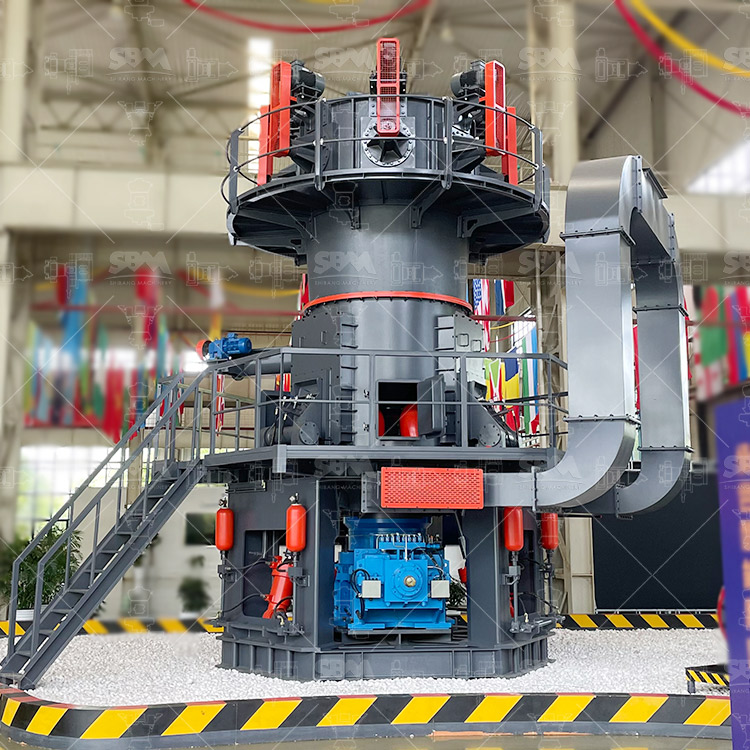
| Vertical Roller Mill (LM Series) |
30-325 mesh (up to 600 mesh) |
Excellent energy efficiency, integrated drying/grinding, large capacity, low wear. |
Higher initial investment, more complex operation and maintenance. |
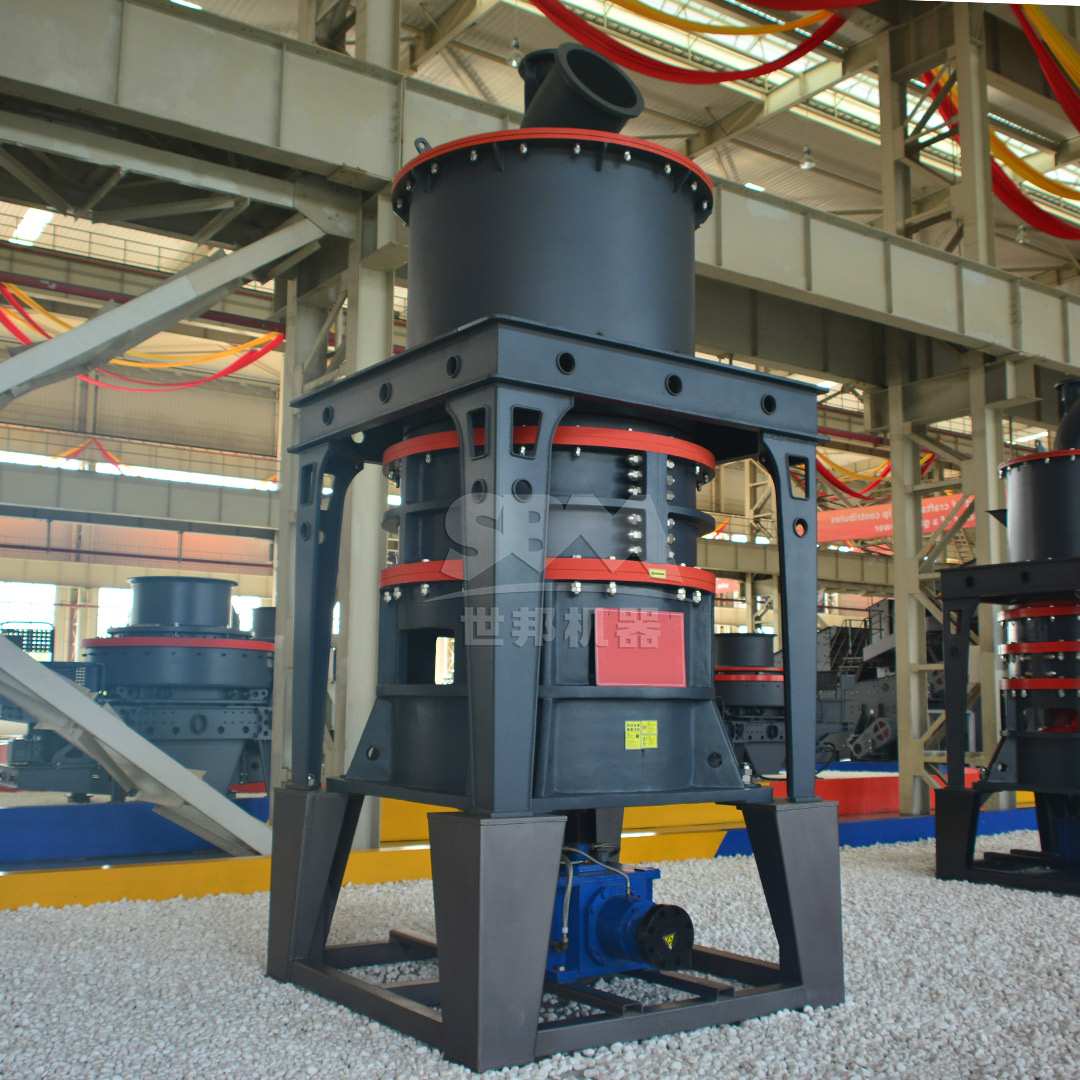
| Ultrafine Mill (SCM Series) |
325-2500 mesh |
Specifically designed for fine/ultrafine powder, high precision classification, energy-efficient. |
Optimized for fine grinding, may be over-specified for just 325 mesh if capacity is low. |
3. Recommended Mill Solutions for 325 Mesh Activated Carbon
Based on the selection criteria, two mill series stand out as optimal choices for producing 325 mesh activated carbon powder, balancing precision, efficiency, and cost.
3.1 Primary Recommendation: SCM Series Ultrafine Mill
For operations prioritizing superior product quality with a tight particle size distribution at 325 mesh and potential for even finer grades, the SCM Series Ultrafine Mill is the premier choice. Its design philosophy centers on efficient fine grinding.
- Precision Classification: Its vertical turbine classifier is the key to achieving a sharp 325 mesh top cut. It ensures no coarse powder mixes into the final product, delivering uniformity that is critical for consistent adsorption performance.
- High Efficiency & Energy Saving: Utilizing a layered grinding principle with roller pressure, it offers a capacity that can be twice that of some jet mills while consuming approximately 30% less energy, making it highly economical.
- Durability & Stability: The use of special materials for rollers and grinding rings extends service life significantly. The shaftless screw design in the grinding chamber enhances operational stability, crucial for continuous production.
- Eco-friendly Operation: With a pulse dust collection system exceeding 99% efficiency and soundproofing options, it meets stringent environmental and workplace standards.
Ideal Use Case: This mill is perfect for producing high-value, high-purity activated carbon powders for sensitive applications like pharmaceuticals, food-grade decolorization, or high-performance gas filters where particle consistency is non-negotiable.
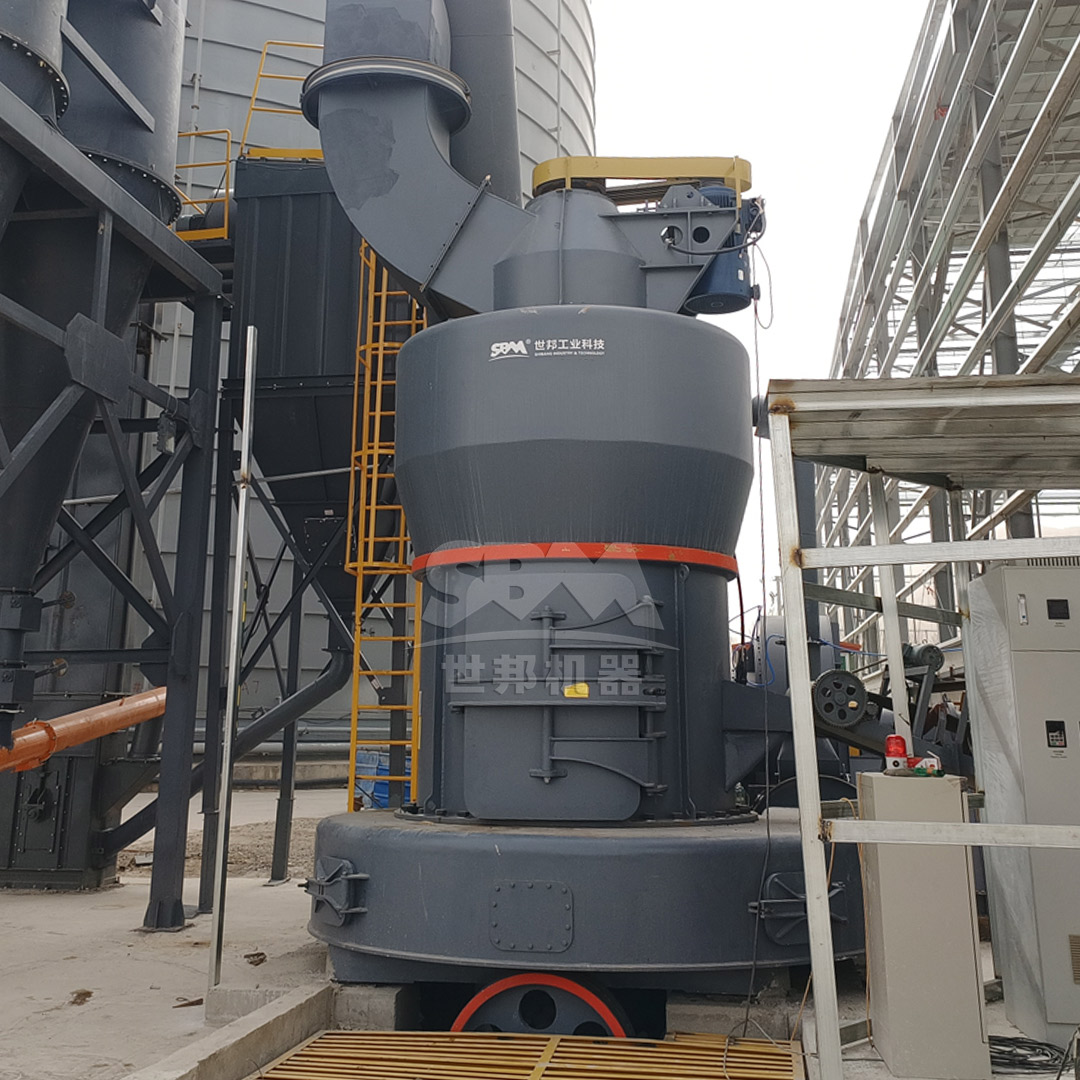
3.2 High-Capacity & Efficient Alternative: LM Series Vertical Roller Mill
For large-scale production facilities where throughput (3-250 TPH) and overall system energy efficiency are the driving factors, the LM Series Vertical Roller Mill is an outstanding solution.
- Integrated System & Low Footprint: It integrates crushing, grinding, drying, and classification into a single unit, reducing floor space by up to 50% and cutting civil engineering costs.
- Remarkable Energy Savings: Operating on the bed grinding principle, it consumes 30-40% less energy than traditional ball mill systems, offering massive savings in high-volume scenarios.
- Low Operating Cost: The non-contact design between rollers and the grinding table minimizes wear, increasing the life of wear parts by up to three times and reducing maintenance frequency and cost.
- Intelligent Control: An expert-level automatic control system allows for remote monitoring and adjustment, ensuring stable operation at the target 325 mesh fineness with minimal manual intervention.
Ideal Use Case: This mill excels in large-scale water treatment plants, industrial air pollution control projects, or activated carbon manufacturing plants that require consistent, high-tonnage output of 325 mesh powder.
4. Comparative Summary and Final Selection Guide
| Feature |
SCM Ultrafine Mill |
LM Vertical Roller Mill |
| Core Strength |
Ultra-precise classification, superior product uniformity |
Large capacity, exceptional system energy efficiency |
| Best For |
High-purity, high-value applications |
Large-scale, cost-driven production |
| Output Fineness |
325-2500 mesh |
30-325 mesh (up to 600 mesh) |
| Key Advantage |
Product Quality |
Production Economics |
Final Decision Workflow:
- Define Product Specs: Confirm that 325 mesh is the absolute requirement, and determine if a narrow PSD is needed.
- Determine Capacity: Calculate your required hourly and annual production rate.
- Evaluate Priority: Is ultimate product consistency (choose SCM) or lowest cost per ton at high volume (choose LM) more critical?
- Consider Future Needs: If there is potential to produce even finer grades (e.g., 800 or 1250 mesh) of activated carbon, the SCM Series provides a future-proof solution.
- Consult Experts: Provide a sample of your raw activated carbon to a manufacturer like ours for a professional grinding test. This is the most reliable way to confirm mill performance, final fineness, and specific energy consumption.
5. Conclusion
Selecting the right mill for 325 mesh activated carbon powder is a critical investment that dictates your product’s market competitiveness and production profitability. While traditional mills like Raymond or Ball mills can reach this fineness, modern solutions like the SCM Ultrafine Mill and the LM Vertical Roller Mill offer superior efficiency, control, and economic benefits. By carefully weighing your priorities around product quality, capacity, and operational costs against the advanced features of these mills, you can make an informed choice that ensures reliable, high-quality production for years to come.