March 06, 2026
Introduction: The Critical Role of Activated Carbon in Modern Cosmetics
The cosmetic industry is witnessing a paradigm shift towards natural, high-performance ingredients, and activated carbon stands at the forefront of this revolution. Renowned for its exceptional adsorption properties, activated carbon is a cornerstone in formulations for deep-cleansing masks, detoxifying scrubs, oil-control primers, and even toothpaste. Its efficacy, however, is intrinsically linked to its particle size and purity. Achieving the ultra-fine, uniform, and contaminant-free powder required for cosmetic-grade applications demands precision grinding technology of the highest order. This article delves into the technical requirements for cosmetic-grade activated carbon and explores the advanced milling solutions that make superior product quality possible.
Section 1: Technical Specifications for Cosmetic-Grade Activated Carbon Powder
Not all activated carbon powder is suitable for cosmetic use. The skin’s sensitivity and the product’s aesthetic demands impose strict criteria:
- Fineness & Uniformity: Particle size typically needs to be in the range of 325 mesh (45μm) to 2500 mesh (5μm) or finer. Uniform particle size distribution (PSD) is crucial to ensure consistent texture, smooth application, and predictable performance. A broad PSD can lead to grittiness and uneven adsorption.
- Purity & Contamination Control: The grinding process must not introduce metallic or other contaminants. Equipment with high-wear-resistant components and closed, negative-pressure systems is essential to prevent product contamination.
- Thermal Sensitivity: Excessive heat generated during grinding can degrade the porous structure of activated carbon, reducing its adsorption capacity. Low-temperature grinding techniques are paramount.
- Hygiene & Environmental Control: The milling system must support easy cleaning, be constructed with food/medical-grade contact surfaces where applicable, and feature efficient dust collection to maintain a clean production environment and protect operator health.
Section 2: Challenges in Traditional Grinding Methods
Conventional grinding equipment often falls short of meeting the stringent demands of cosmetic manufacturing:
- Ball Mills: While capable of fine grinding, they can generate significant heat, have long processing times, and risk iron contamination from grinding media. Their output fineness is often limited for the ultra-fine range required.
- Hammer Mills & Impact Mills: These are more suitable for coarse crushing. They lack precise particle size classification, leading to wide PSD and potential over-grinding of a portion of the material.
- Jet Mills: Although excellent for achieving ultra-fine powder without heat generation, they are notoriously high in energy consumption and have relatively lower throughput, impacting production efficiency and cost.
The industry, therefore, requires a technological leap – mills that combine high efficiency, precise classification, low-temperature operation, and impeccable hygiene.
Section 3: Advanced Milling Solutions for Premium Cosmetic Carbon
Modern grinding technology offers tailored solutions to overcome these challenges. The ideal mill operates on a bed-grinding principle (minimizing heat), integrates a high-precision classifier (ensuring uniformity), and is designed for clean, closed-loop operation.
3.1 Recommended Solution: SCM Series Ultrafine Mill
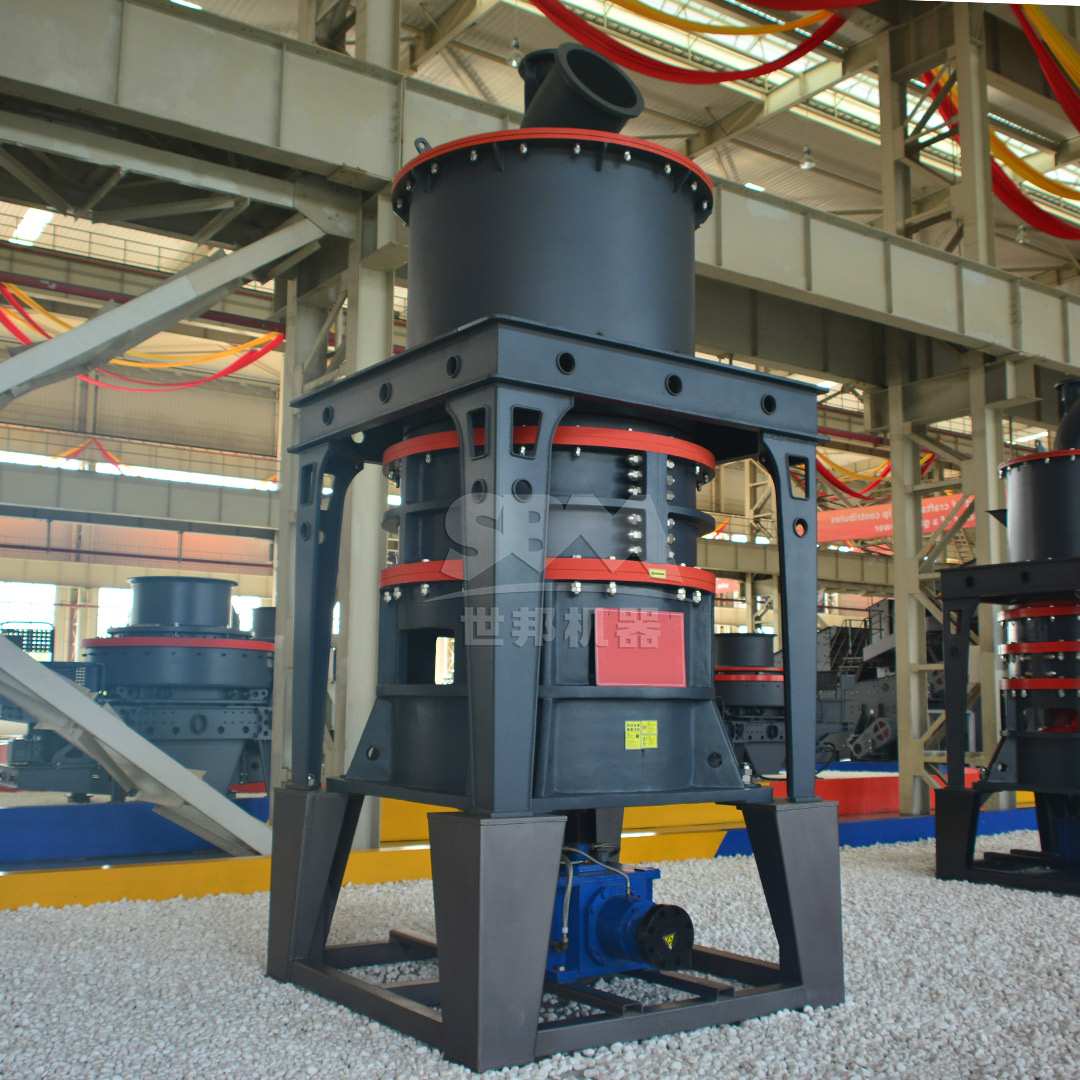
For manufacturers targeting the high-end cosmetic market requiring ultra-fine activated carbon powder (325-2500 mesh), our SCM Series Ultrafine Mill represents the optimal choice. Engineered for materials exactly like activated carbon, it excels where others struggle.
| Model |
Capacity (t/h) |
Main Power (kW) |
Output Fineness (mesh) |
| SCM800 |
0.5 – 4.5 |
75 |
325-2500 |
| SCM900 |
0.8 – 6.5 |
90 |
325-2500 |
| SCM1000 |
1.0 – 8.5 |
132 |
325-2500 |
| SCM1250 |
2.5 – 14 |
185 |
325-2500 |
| SCM1680 |
5.0 – 25 |
315 |
325-2500 |
Why the SCM Mill is Ideal for Cosmetic Carbon:
- High Efficiency & Energy Saving: Its grinding mechanism delivers a capacity approximately twice that of jet mills while consuming 30% less energy, significantly lowering operational costs.
- High-Precision Classification: The integrated vertical turbine classifier provides sharp particle size cuts, guaranteeing a uniform finished product without coarse powder mixing. This is vital for the silky texture expected in cosmetics.
- Low-Temperature Grinding: The multi-layer grinding ring and roller design, coupled with large-volume airflow, effectively dissipates heat, preserving the microporous structure and adsorption capability of the activated carbon.
- Durable & Contamination-Free: Special alloy materials for rollers and rings drastically extend service life and minimize wear-induced contamination. The shaftless screw grinding chamber design further enhances operational stability and hygiene.
- Eco-friendly & Low Noise: With a pulse dust collection efficiency exceeding 99.9%, the system ensures a dust-free workshop. Its soundproof design keeps noise levels well within standards for comfortable industrial environments.
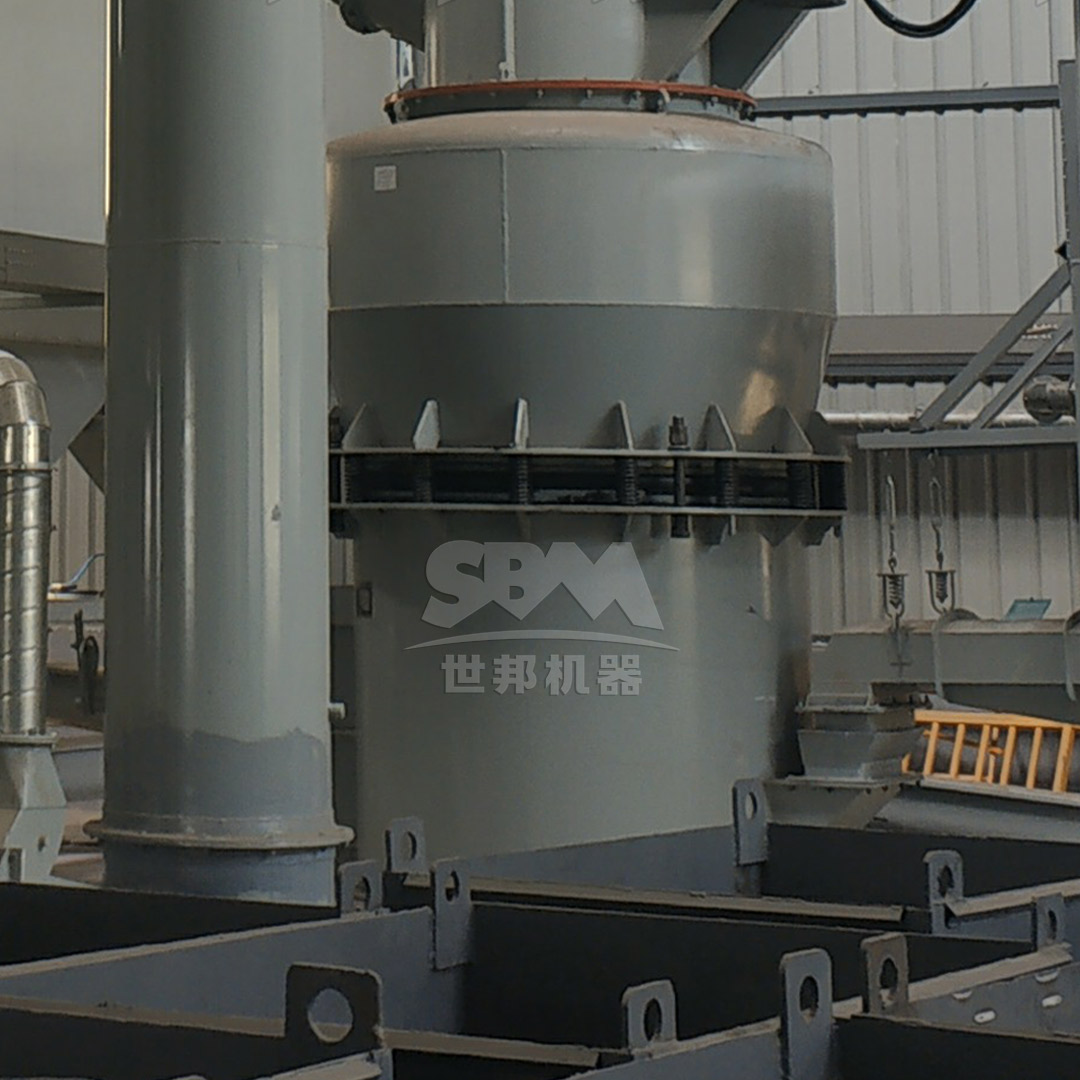
3.2 Alternative for Broader Fineness Range: MTW Series European Trapezium Mill
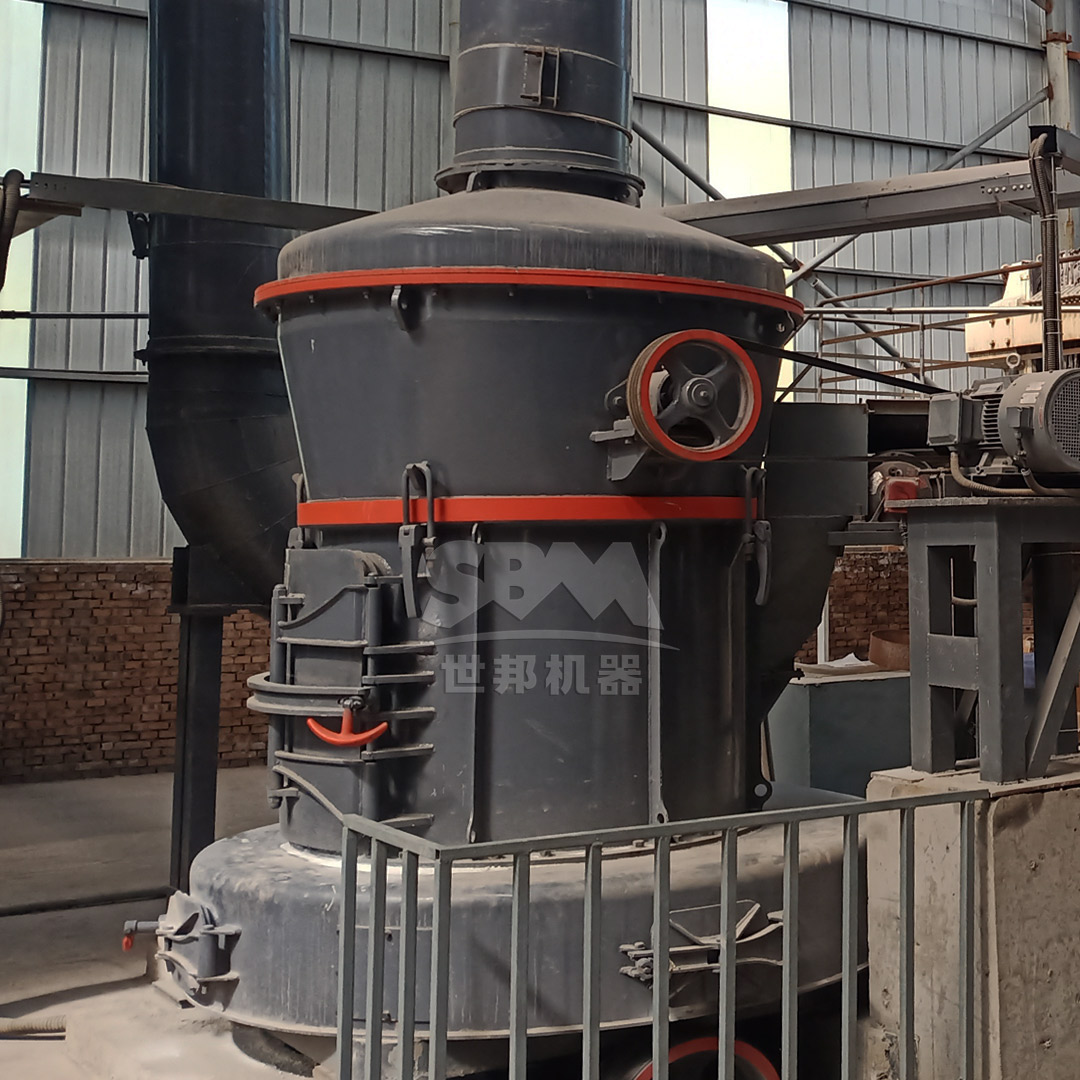
For cosmetic applications that require a slightly coarser grind or for facilities that process a wider variety of mineral powders alongside activated carbon (e.g., clays, micas), the MTW Series European Trapezium Mill offers exceptional versatility and reliability in the 30-325 mesh range.
Its key advantages include an anti-wear shovel design that reduces maintenance costs, an optimized arc air duct for efficient airflow, and an integral bevel gear drive with 98% transmission efficiency for smooth, powerful operation. The wear-resistant volute structure ensures long-term, stable production—a critical factor for continuous manufacturing lines.
Section 4: Integrating the Mill into Your Cosmetic Production Line
Successful implementation goes beyond selecting the right mill. A holistic system approach is necessary:
- Pre-processing: Ensure feed material is consistently sized (≤20mm for SCM) using a crusher like our Hammer Mill.
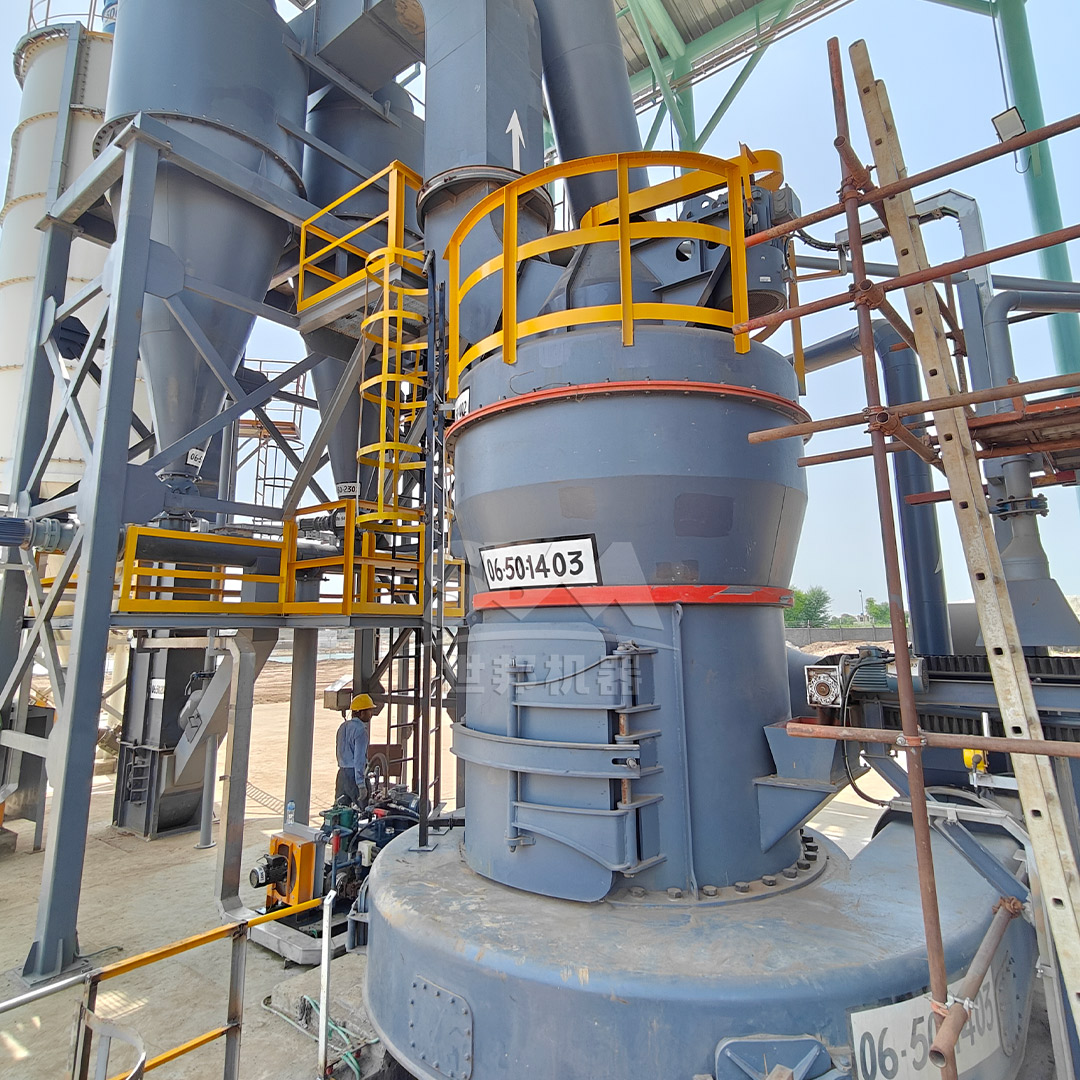
- Grinding & Classification: The core SCM or MTW mill, with its intelligent control system, automatically adjusts parameters to maintain target fineness.
- Product Collection & Dedusting: The integrated high-efficiency cyclone and pulse dust collector ensure maximum product yield and a clean process.
- Packaging: The collected ultra-fine powder can be directly conveyed to filling stations in a sealed manner to prevent moisture absorption and contamination.
Conclusion: Investing in Precision for Market Leadership
The quality of activated carbon powder is a decisive factor in the performance and consumer appeal of final cosmetic products. By adopting advanced, purpose-built grinding technology like the SCM Series Ultrafine Mill, manufacturers can achieve unparalleled control over particle characteristics, ensuring efficacy, superior sensory attributes, and batch-to-batch consistency. This investment in precision grinding technology is not merely an operational upgrade; it is a strategic move to enhance product value, meet stringent regulatory and consumer standards, and secure a competitive edge in the dynamic and demanding global cosmetics market.