Bentonite, a naturally occurring clay mineral primarily composed of montmorillonite, is a critical additive in modern ceramic manufacturing. Its unique properties—including high plasticity, binding strength, thixotropy, and swelling capacity—make it indispensable for enhancing the workability, green strength, and firing characteristics of ceramic bodies. The performance of bentonite in the final ceramic product is intrinsically linked to its particle size distribution, purity, and activation state. Therefore, selecting the appropriate production equipment for processing bentonite—from crushing and drying to fine grinding and classification—is paramount for ceramic producers aiming to achieve consistent quality, optimize production costs, and meet stringent environmental standards. This article explores the key stages in bentonite additive production and highlights the critical role of advanced milling technology.
In ceramic applications, bentonite serves multiple functions: as a plasticizer to improve formability, as a binder to provide dry strength for unfired ware, and as a suspension agent in glazes and slurries. To perform these roles effectively, the bentonite must be processed to a specific fineness. Overly coarse particles can lead to reduced binding power and surface defects, while excessively fine grinding can be energy-intensive and may alter the clay’s colloidal properties undesirably.
The ideal processing circuit for ceramic-grade bentonite typically involves:
The heart of this process is the fine grinding stage, where the choice of mill directly impacts product quality, energy consumption, and operational cost.
| Processing Stage | Target Particle Size | Key Equipment Type | Primary Objective |
|---|---|---|---|
| Primary Crushing | <50mm | Jaw Crusher, Hammer Mill | Size reduction for drying/grinding feed |
| Drying | Moisture <10% | Rotary Dryer | Moisture removal |
| Fine Grinding | 45-325 mesh (600-45μm) | Raymond Mill, Vertical Roller Mill | Achieving base plasticity and binding |
| Ultrafine Grinding | 325-2500 mesh (45-5μm) | Ultrafine Mill | Maximizing surface area and reactivity |
| Classification | Specific cut point | Integrated or standalone Air Classifier | Ensuring particle size distribution |
Several milling technologies are employed in bentonite processing, each with its advantages and optimal application range.
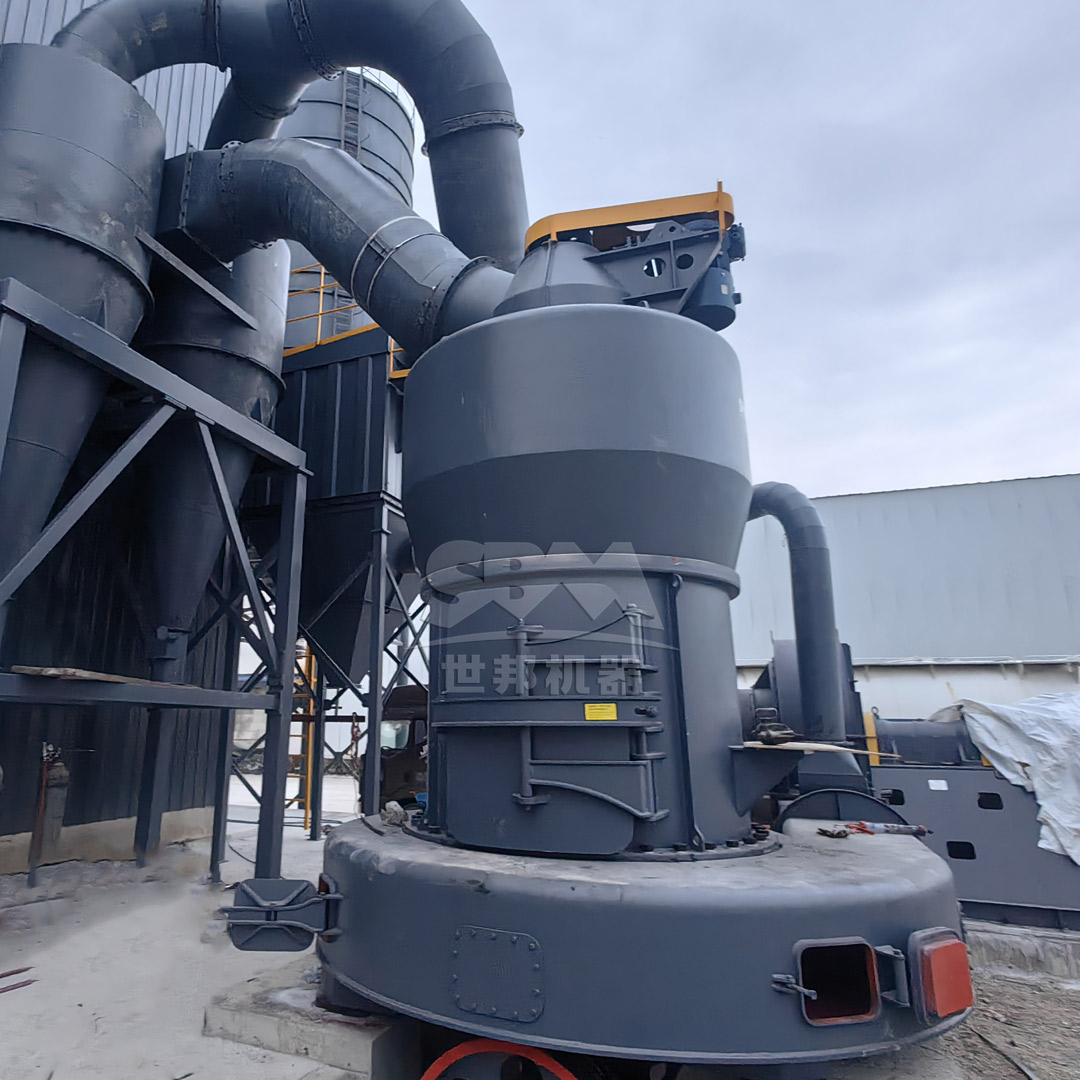
Traditional Raymond mills or modern pendulum roller mills like the MTW Series European Trapezium Mill are excellent for medium-fine grinding of bentonite down to 325 mesh (45μm). They operate on the principle of grinding rollers swinging outward and rotating against a stationary ring, crushing the material fed by a central shovel. Their advantages for bentonite include robust construction, relatively low capital cost, and ease of operation. The MTW Series, for instance, features an efficient integral bevel gear drive and an optimized arc air duct that reduces energy loss, making it a reliable workhorse for producing standard ceramic-grade bentonite powders.
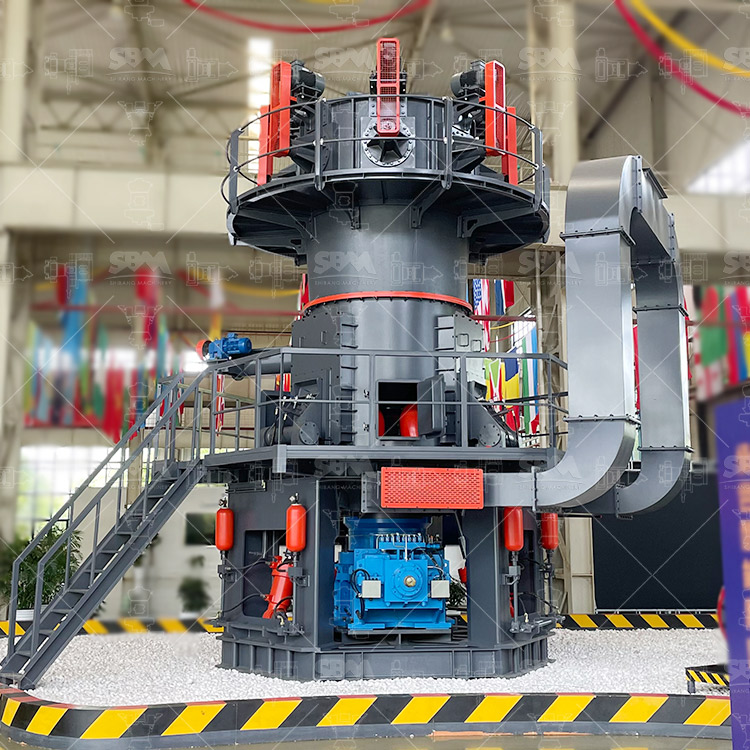
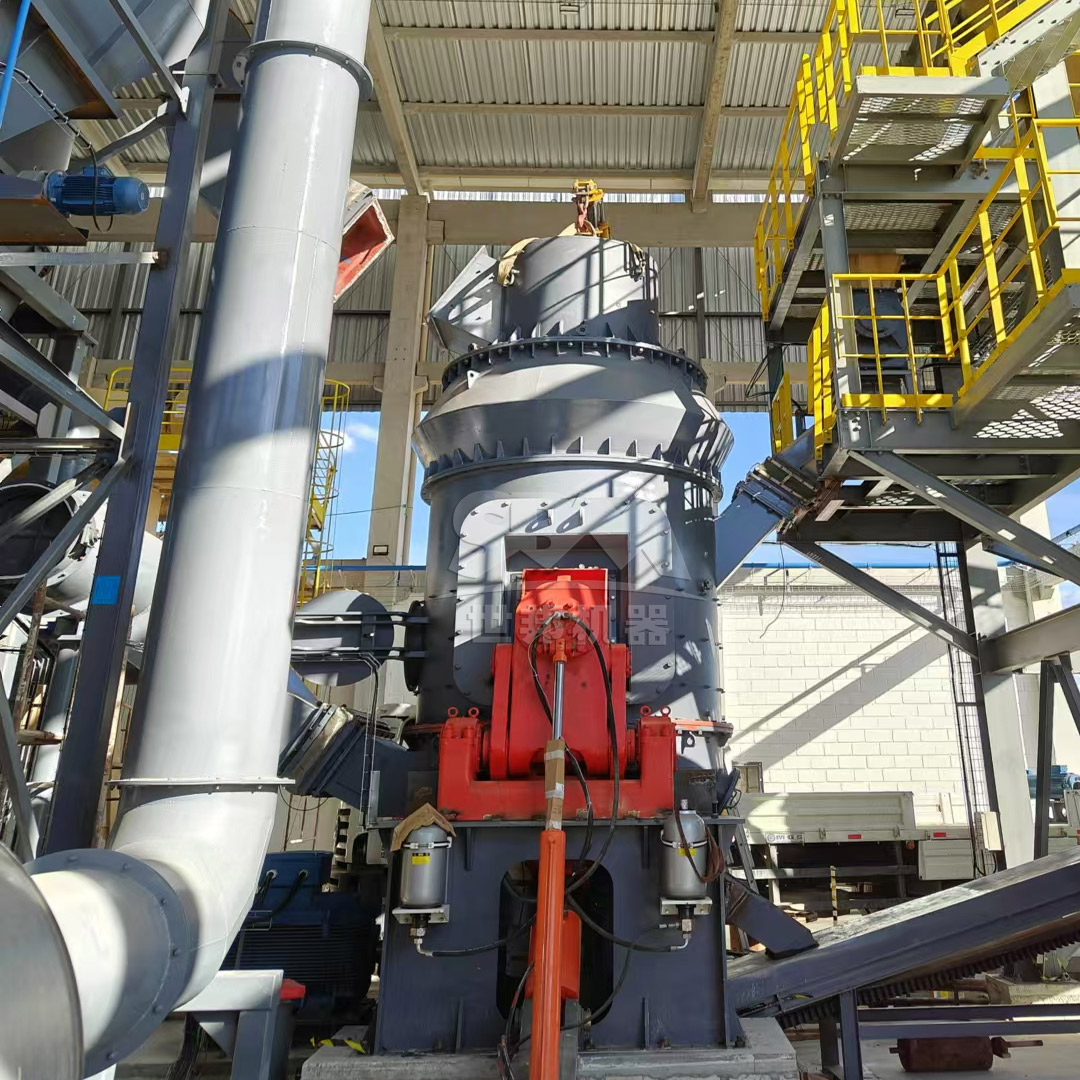
Vertical Roller Mills, such as the LM Series, represent a significant step forward in efficiency for large-scale bentonite grinding. Material is ground between rotating rollers and a grinding table, with immediate classification via an integrated dynamic classifier. VRMs offer superior energy efficiency (30-40% lower than ball mills), integrated drying capability (useful for bentonite with residual moisture), and a compact footprint. Their ability to handle feed sizes up to 50mm and produce consistent powder in the 30-325 mesh range makes them ideal for high-tonnage production lines.
While common in many mineral processing circuits, ball mills are less energy-efficient for dry grinding of bentonite to very fine sizes compared to VRMs or ultrafine mills. They are often used in wet grinding applications for bentonite slurry preparation. Their simple design is reliable but may involve higher wear and energy costs for dry, fine grinding targets.
For ceramic manufacturers seeking to unlock the full potential of bentonite—such as in advanced casting slips, high-strength technical ceramics, or as a nano-enhanced additive—grinding to the ultrafine range (below 45μm, down to 5μm) is essential. This is where specialized ultrafine grinding technology shines.
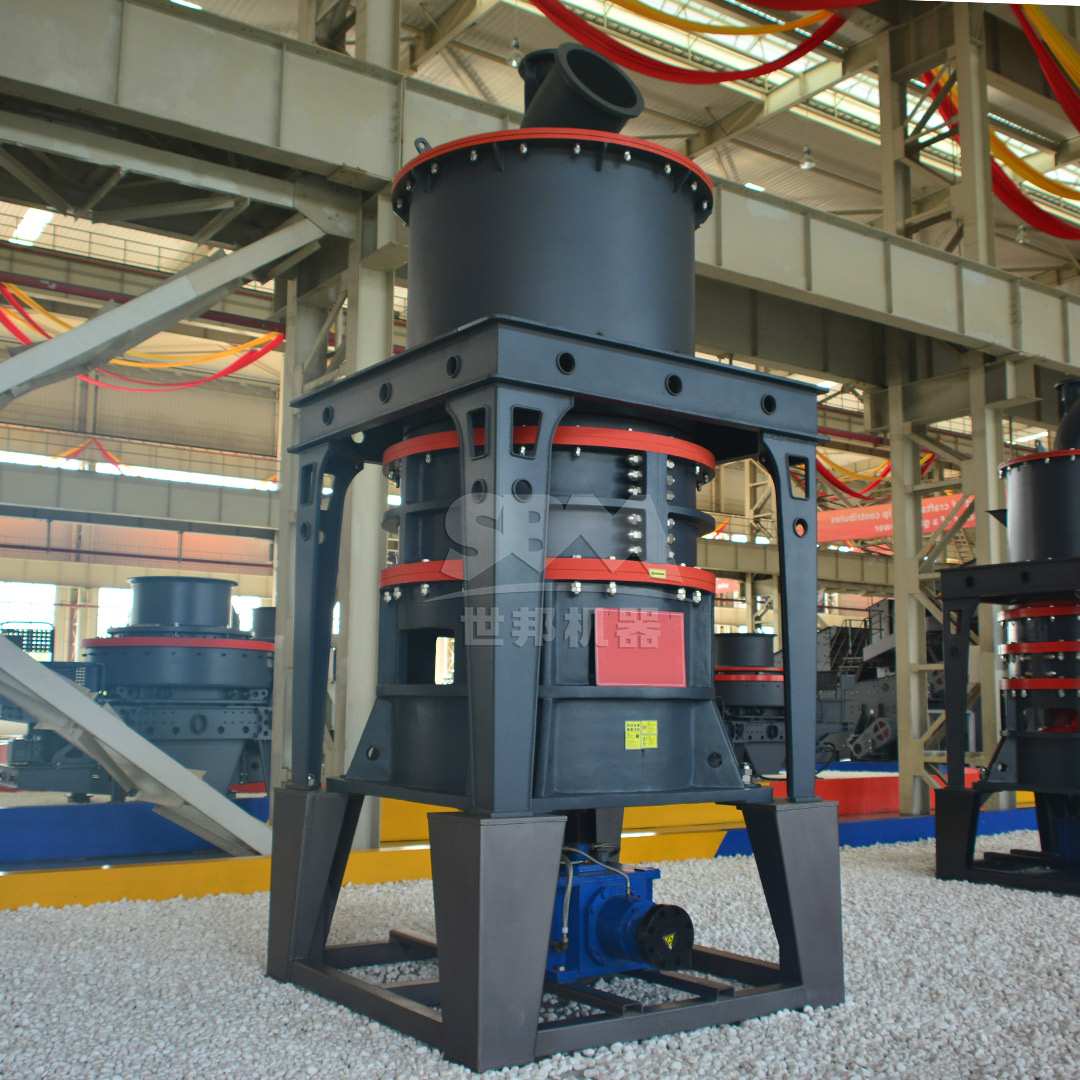
We highly recommend our SCM Series Ultrafine Mill for this critical application. This mill is engineered specifically for producing fine and ultrafine powders with high precision and efficiency.
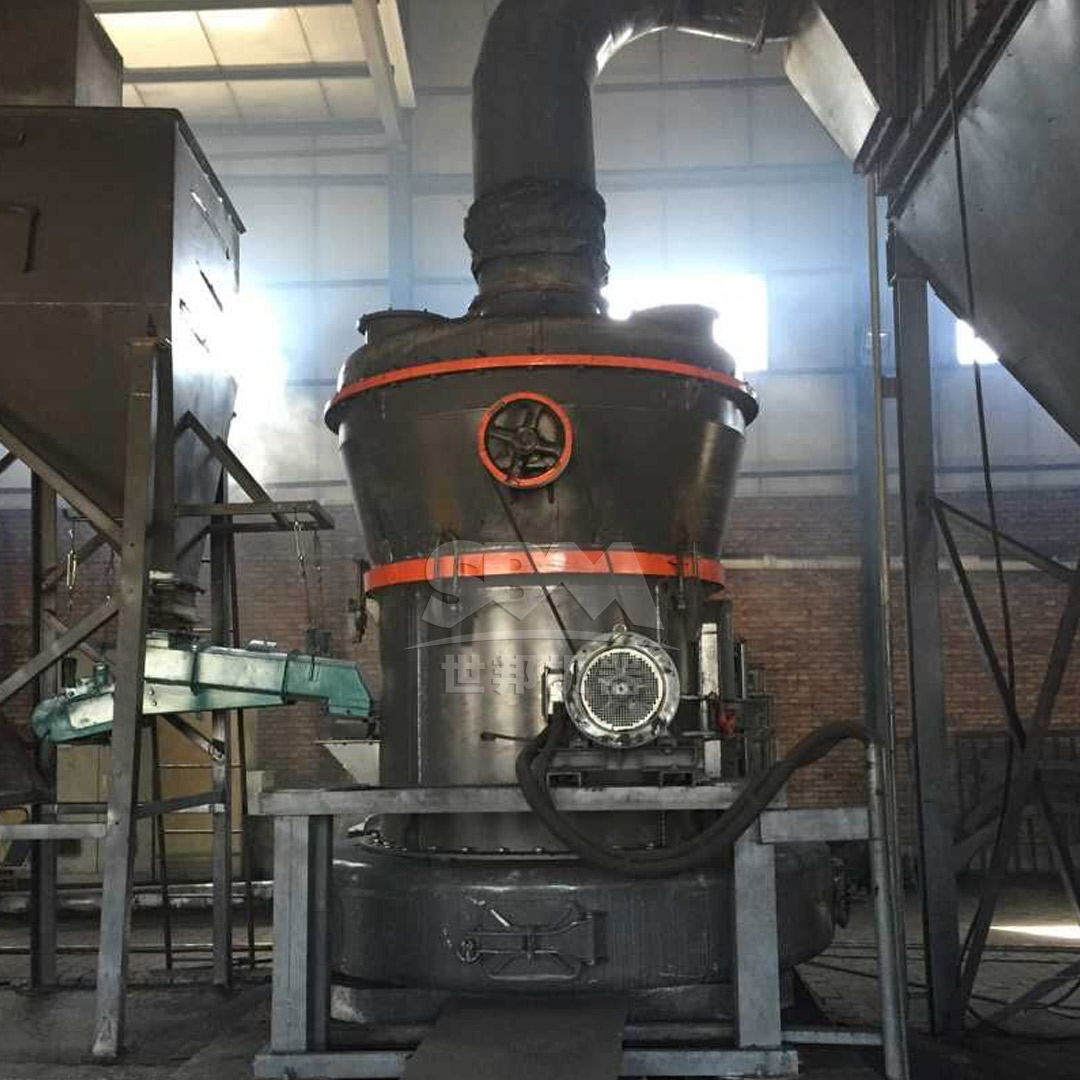
The SCM Series operates on a layered grinding principle. The main motor drives the grinding ring to rotate, and multiple rollers rotate and revolve under centrifugal force, applying pressure to the material bed on the ring. This multi-layer grinding action is exceptionally efficient. Coupled with a high-precision vertical turbine classifier, the system ensures precise particle size cuts, eliminating coarse powder contamination and delivering a uniform product ideal for sensitive ceramic formulations.
For ceramic bentonite production, the key benefits of the SCM Series Ultrafine Mill include:
| Model | Capacity (t/h) | Main Power (kW) | Output Fineness (mesh) | Suitable Production Scale |
|---|---|---|---|---|
| SCM800 | 0.5 – 4.5 | 75 | 325-2500 | Pilot / Small |
| SCM1000 | 1.0 – 8.5 | 132 | 325-2500 | Medium |
| SCM1250 | 2.5 – 14 | 185 | 325-2500 | Large |
| SCM1680 | 5.0 – 25 | 315 | 325-2500 | Very Large |
Selecting the right mill is only part of the equation. A successful bentonite processing line requires an integrated system approach. This includes compatible feeding equipment, efficient drying (if necessary), reliable air classification, and a robust dust collection system. Modern mills like the SCM and LM series are designed as integrated systems, often incorporating advanced PLC control systems for automated operation, real-time monitoring of product fineness, and remote diagnostics.
When specifying equipment for ceramic bentonite production, consider:
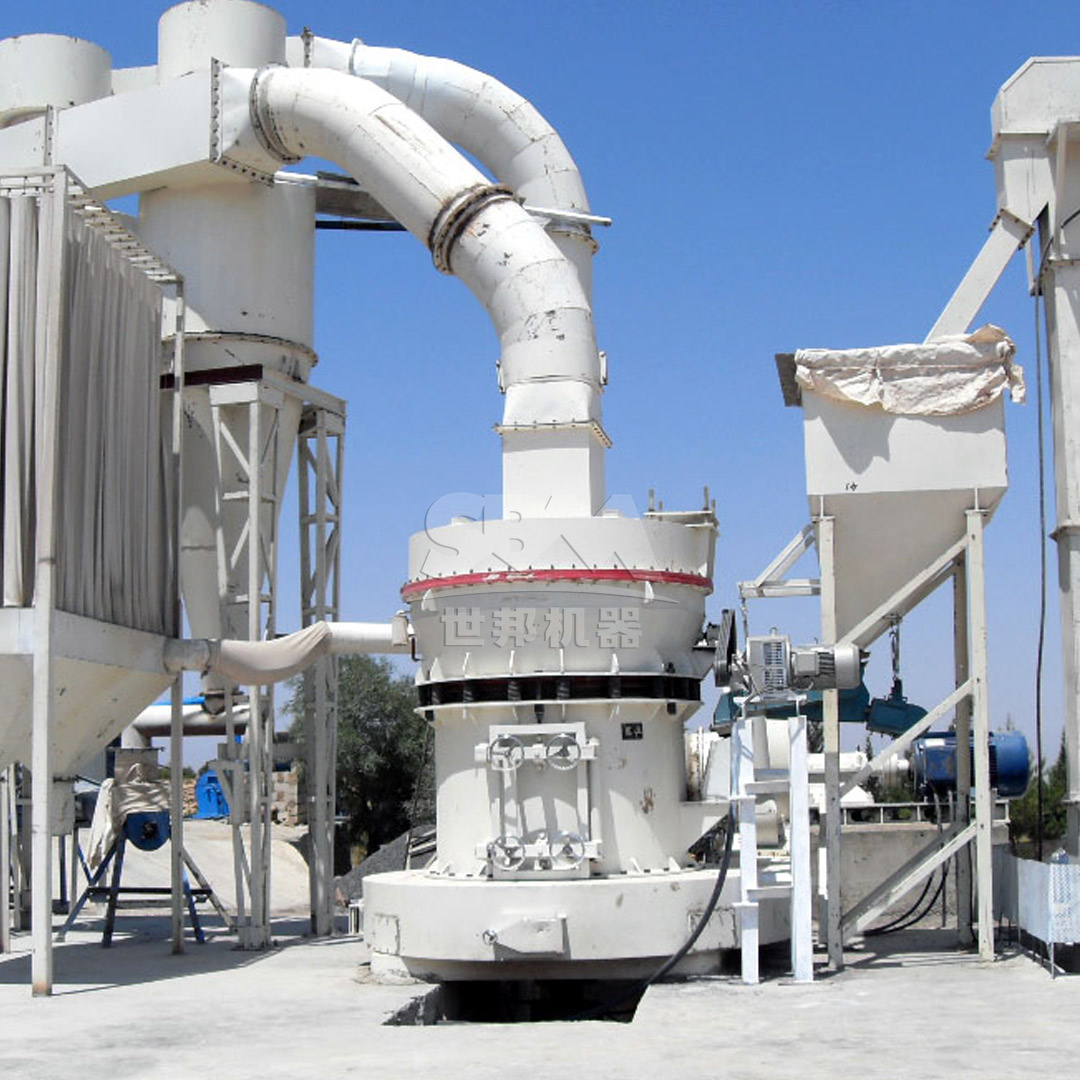
The production of high-quality bentonite additives for the ceramic industry is a technologically driven process where the choice of grinding equipment is decisive. From traditional Raymond mills for standard grades to advanced Vertical Roller Mills for large-scale efficiency, the technology must align with the product goals. For manufacturers aiming at the premium segment, requiring ultrafine, highly reactive bentonite to enhance ceramic performance, investing in specialized ultrafine grinding technology is critical.
Our SCM Series Ultrafine Mill stands out as a premier solution for this demanding application. Its combination of precise classification, energy efficiency, operational stability, and environmental friendliness makes it an ideal choice for producing consistent, high-performance bentonite powders that can give ceramic manufacturers a competitive edge in product quality and production economics. By partnering with a technology provider that understands the specific needs of mineral processing for industrial additives, ceramic producers can optimize their supply chain and unlock new possibilities in material performance.