In the sophisticated world of printing and packaging, ink performance is paramount. Beyond pigments and carriers, additives are the unsung heroes that dictate flow, stability, and final print quality. Among these, bentonite clay stands out as a vital rheological modifier and thixotropic agent. Its unique layered structure and swelling properties allow it to prevent pigment settling, control viscosity, and enhance the ink’s application characteristics. However, the efficacy of bentonite in ink is intrinsically tied to its particle size distribution and purity, which are directly controlled by the grinding technology employed. Selecting the right bentonite grinding mill is, therefore, not merely a production step but a strategic decision impacting ink quality, production efficiency, and cost.
Bentonite is a naturally occurring clay primarily composed of montmorillonite. Its platelet-like structure carries a negative charge, allowing it to absorb water and cations, leading to significant swelling. In ink formulations, this property is harnessed to create a three-dimensional network that suspends solid particles. The transformation of raw, coarse bentonite into a high-performance additive requires precise comminution to achieve:
Grinding bentonite presents specific hurdles that not all milling equipment can overcome. Its inherent moisture content, abrasiveness, and tendency to agglomerate demand a mill with robust design, precise classification, and efficient drying capabilities. Key challenges include:
To meet the stringent demands of the ink industry, modern grinding technology has evolved significantly. The ideal bentonite mill must offer a combination of high-efficiency size reduction, precise particle classification, system durability, and environmental compliance. Two primary technological pathways have proven most effective: vertical roller mills for high-capacity production of fine powders and ultrafine grinding mills for producing the highest purity, superfine additives.
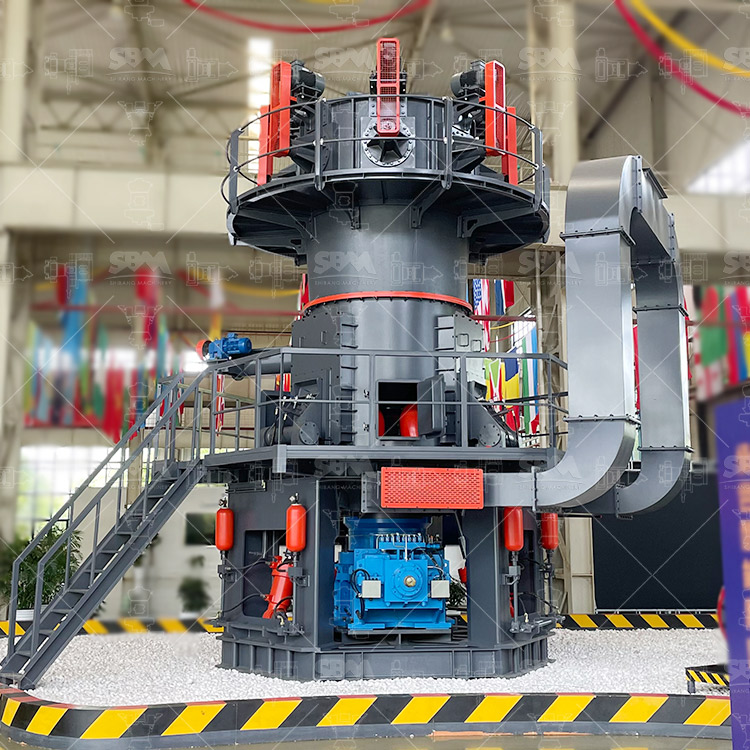
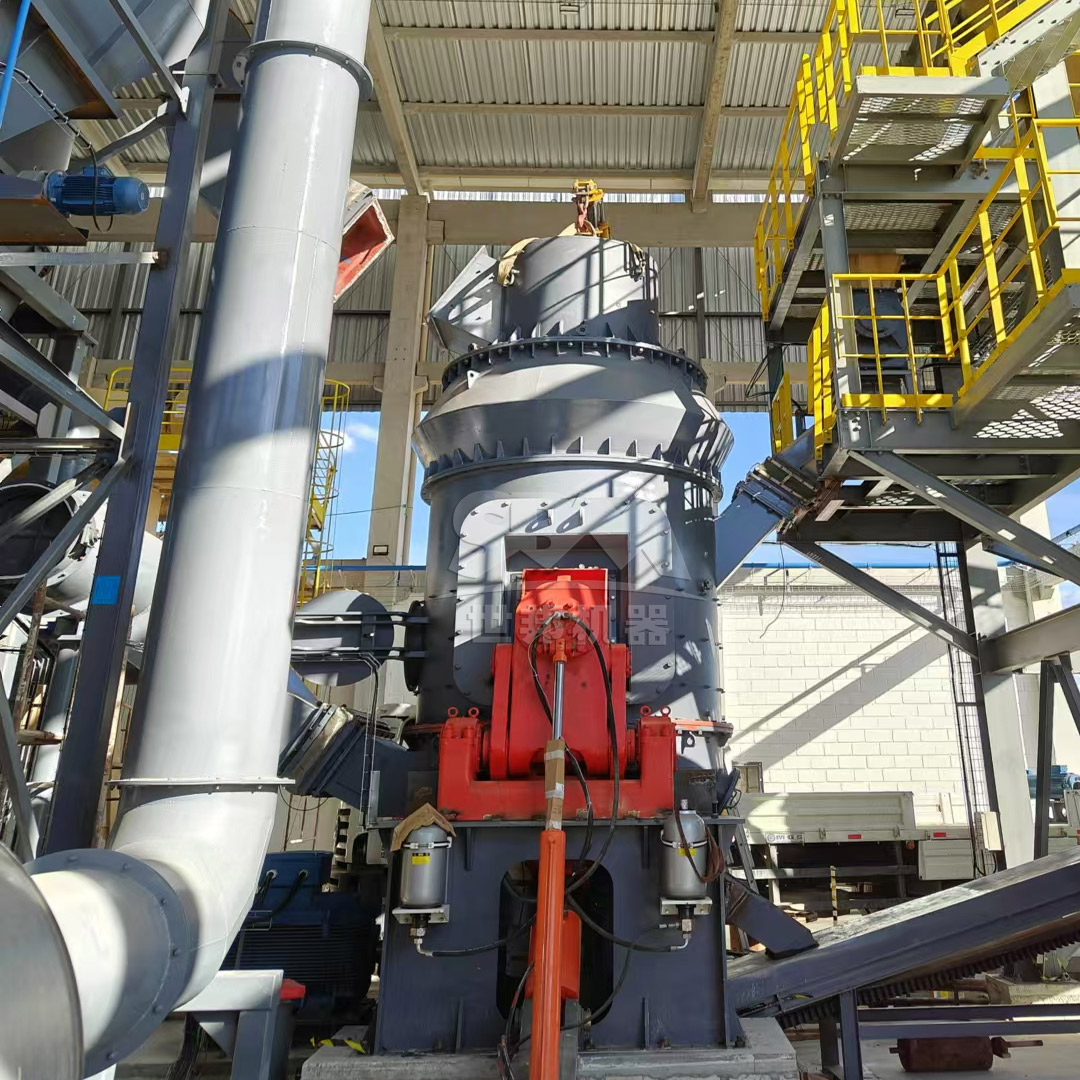
Vertical Roller Mills (VRMs) represent a leap forward in grinding technology, integrating multiple processes into a single, compact unit. For bentonite grinding to fineness levels of 30-325 mesh (600-45μm), they offer unparalleled advantages.
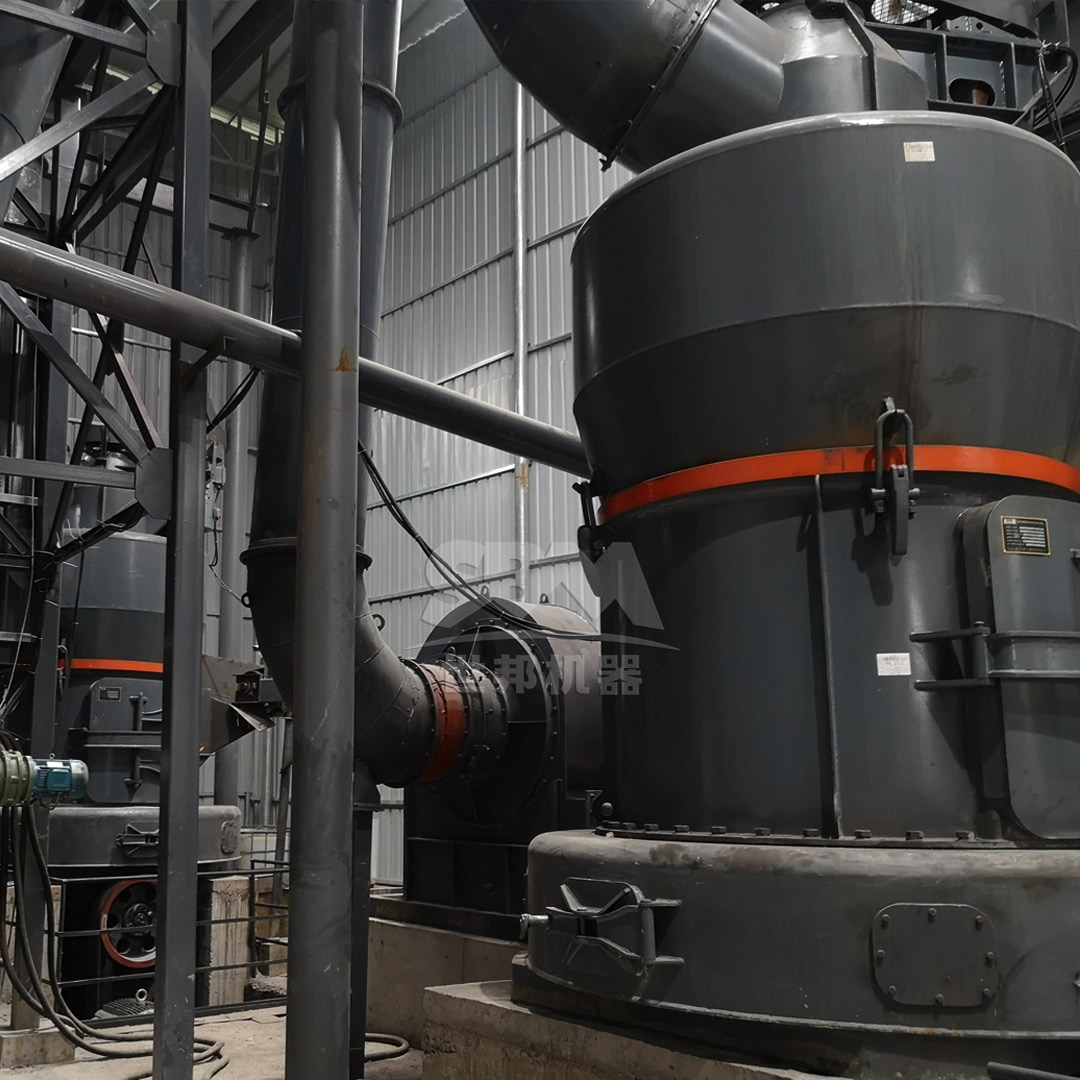
Working Principle & Advantages: Material is fed onto a rotating grinding table and crushed under hydraulically loaded rollers. Hot air injected from the side dries the material and transports the fine powder to an integrated classifier. Coarse particles fall back to the table for regrinding. This integrated drying-grinding-classifying system is particularly suited for bentonite with moderate moisture content.
For ink additive producers seeking high-capacity, efficient fine grinding, our LM Series Vertical Roller Mill is an exemplary solution. Its integrated design reduces plant footprint by 50% and infrastructure costs by 40%. The non-contact design between rollers and table, coupled with wear-resistant materials, increases the life of wear parts threefold while reducing energy consumption by 30-40% compared to traditional ball mills. The fully sealed negative pressure operation ensures dust emissions are kept well below international standards, a critical factor in modern manufacturing.
| Model | Grinding Table Diameter | Capacity (t/h)* | Output Fineness | Main Motor Power |
|---|---|---|---|---|
| LM150K | Φ1500mm | 13-38 | 170-40μm (approx. 90-325 mesh) | 280 kW |
| LM190K | Φ1900mm | 23-68 | 170-40μm | 500 kW |
| LM220K | Φ2200mm | 36-105 | 170-45μm | 800 kW |
| *Capacity varies based on bentonite moisture, hardness, and target fineness. |
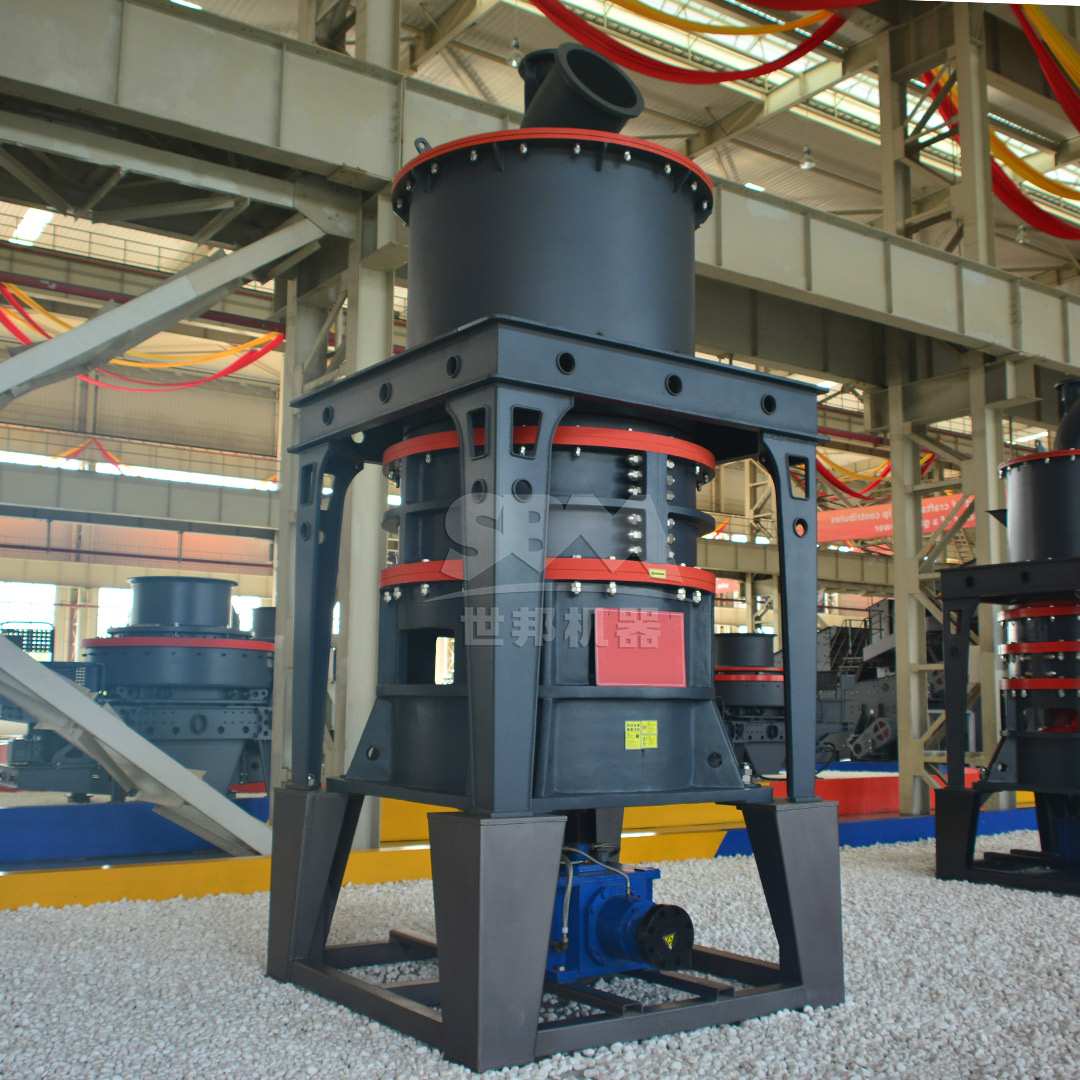
When the application demands the ultimate in particle fineness (325-2500 mesh) and purity for premium ink systems, Ultrafine Grinding Mills are the technology of choice. These mills specialize in producing powders with a very narrow, controllable size distribution, which is essential for achieving transparent, smooth ink films and maximizing bentonite’s thixotropic effect.
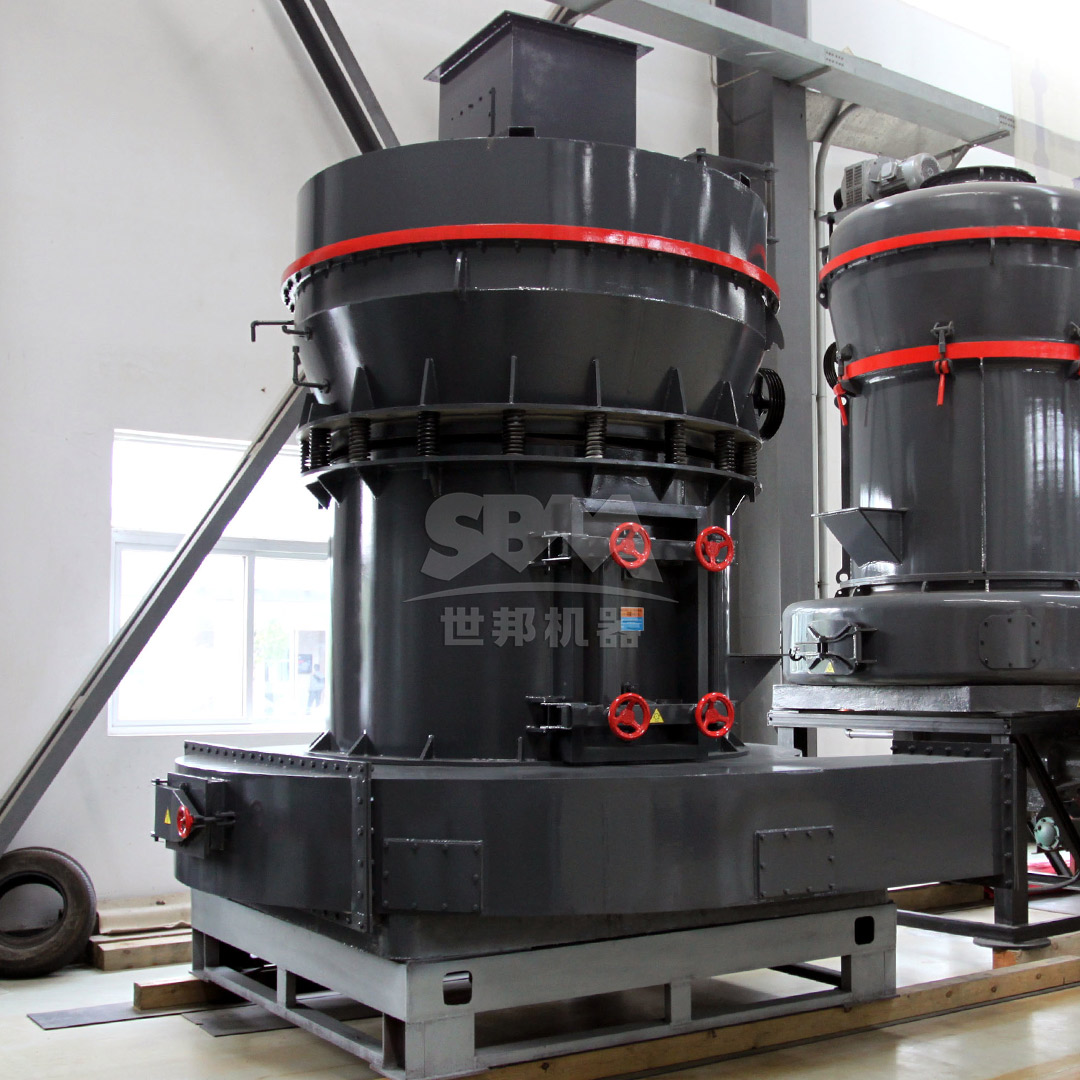
Technology Focus: The core of these systems is a high-precision, forced vortex turbine classifier that can make sharp cuts at micron and sub-micron levels. This prevents coarse particles from contaminating the final product, a common issue with less advanced mills.
For the most demanding ultrafine bentonite production, we highly recommend our flagship SCM Series Ultrafine Mill. Engineered specifically for materials like bentonite, it delivers fineness between 325 and 2500 mesh (45-5μm). Its technical advantages are transformative:
| Model | Capacity (t/h)* | Main Motor Power | Output Fineness | Feed Size |
|---|---|---|---|---|
| SCM800 | 0.5 – 4.5 | 75 kW | 325-2500 mesh | ≤20 mm |
| SCM1000 | 1.0 – 8.5 | 132 kW | 325-2500 mesh | ≤20 mm |
| SCM1250 | 2.5 – 14 | 185 kW | 325-2500 mesh | ≤20 mm |
| SCM1680 | 5.0 – 25 | 315 kW | 325-2500 mesh | ≤20 mm |
| *Capacity depends on material properties and product fineness. |
The choice between a Vertical Roller Mill and an Ultrafine Mill depends on your specific production goals, scale, and quality targets for bentonite ink additives.
A successful bentonite processing line involves more than just the core mill. Ancillary systems are crucial:
In the competitive landscape of ink manufacturing, the quality of additives forms the foundation of product excellence. The processing of bentonite through advanced grinding technology is a critical leverage point. By investing in a purpose-built solution like the SCM Series Ultrafine Mill for premium ultrafine products or the LM Series Vertical Roller Mill for high-efficiency fine grinding, producers can achieve not only superior ink performance but also significant gains in production efficiency, energy savings, and environmental compliance. The right mill transforms a common clay into a high-tech component, enabling ink formulators to push the boundaries of print quality, durability, and application performance. In essence, the path to superior ink begins with the precision of the grind.